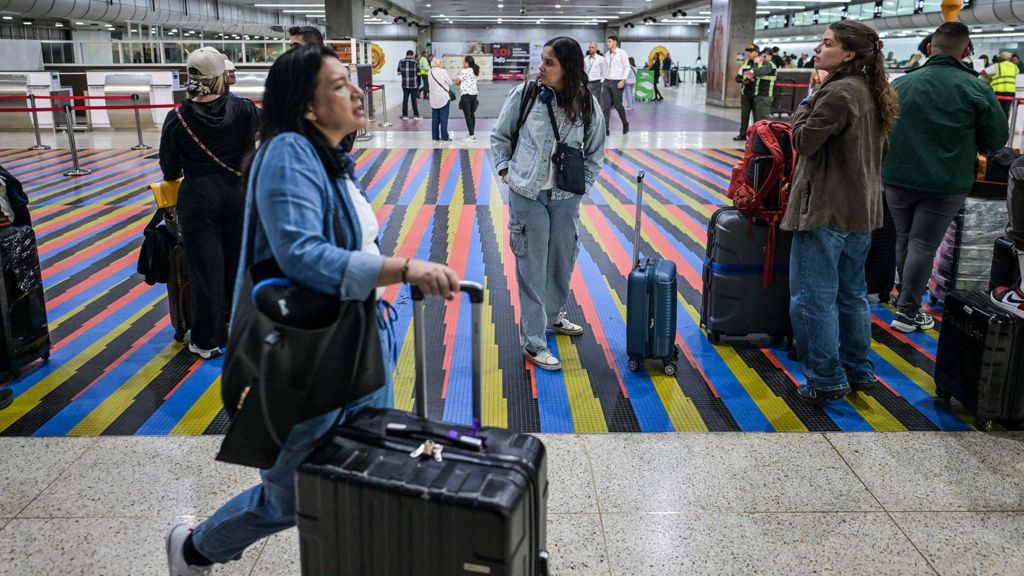
Venezuela has imposed an immediate ban on six major international airlines—Iberia, TAP Portugal, Gol, Latam, Avianca, and Turkish Airlines—after they failed to resume flights within a 48-hour deadline set by the government. The airlines had temporarily suspended operations to Caracas following a US warning of ‘heightened military activity’ in the region. The Venezuelan government, angered by the suspensions, accused the carriers of aligning with ‘state terrorism’ promoted by the US. The ban has disrupted travel for thousands of passengers, with more expected to be affected.
作者: admin
-

UAE weather: Chance of rain in some parts, lowest temperature 19°C in Dubai
Residents across the United Arab Emirates can anticipate partly cloudy to overcast conditions on Thursday, November 27th, 2025, with meteorological reports indicating a likelihood of precipitation in specific regions. Coastal and northern areas are expected to experience these cloudier conditions alongside potential rainfall. Temperature readings are forecast to remain mild throughout the day. Dubai, Abu Dhabi, and Sharjah are all projected to reach a maximum temperature of 29°C. Meanwhile, overnight and early morning lows will see Sharjah at 17°C, Abu Dhabi at 18°C, and Dubai at 19°C. The weather system will be accompanied by light to moderate winds, initially blowing from the southeast before shifting to a northwesterly direction. These winds are expected to freshen intermittently, reaching speeds between 10 to 25 km/h, with potential gusts peaking at 35 km/h. Maritime conditions are reported to be slight to moderate at times in the Arabian Gulf, while the Oman Sea is expected to remain slight. The nation’s highest temperature recorded on the previous day was 31.8°C in Musaffah, Abu Dhabi.
-
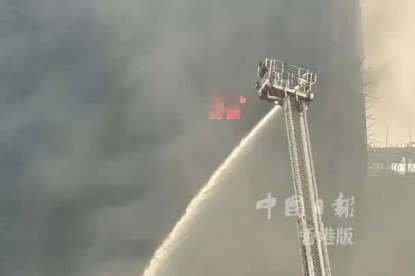
Tai Po fire death toll climbs to 44
A devastating five-alarm fire at Wang Fuk Court in Tai Po, Hong Kong, has resulted in a tragic death toll of 44, as confirmed on Thursday morning. The blaze, which raged for over 10 hours, has been brought under control, but firefighters continue to address sporadic outbreaks on the higher floors of the blackened building. Thick smoke was still visible billowing into the sky as emergency crews worked tirelessly to contain the situation. The incident has drawn widespread attention and condolences, including from Chinese President Xi Jinping, who urged all-out rescue efforts to minimize losses. The cause of the fire remains under investigation, and the community is mourning the significant loss of life in this catastrophic event.
-

Police investigate theft of four dogs from Malawi presidential palace
Malawi is embroiled in a political controversy as police investigate the disappearance of four German Shepherd police dogs from the Kamuzu Palace in Lilongwe during the country’s recent political transition. The theft, which occurred between September 19 and October 4, has led to the arrest of Godfrey Arthur Jalale, former deputy chief of staff under ex-President Lazarus Chakwera. Jalale denies any involvement in the incident. The dogs, valued at $2,300, are believed to have been stolen alongside other state properties from two presidential residences.
-

Shining at iENA, Chinese teen’s grassroots invention combats desertification
Jia Mingxuan, a 14-year-old from Inner Mongolia, China, has captured global attention with his ingenious invention aimed at combating desertification. Using simple materials like steel tubes and recycled plastic bottles, Jia developed an automated planting tool that recently secured the gold medal at the 77th Nuremberg International Invention Exhibition (iENA) in Germany. The device, designed to help saplings survive harsh environmental conditions, stood out among over 540 sophisticated inventions from young innovators worldwide. The iENA, one of the world’s top three invention exhibitions, recognized Jia’s practical solution to a pressing environmental challenge. His invention leverages basic physical principles to collect condensation from the air, channeling it directly to the root zone of trees. This innovation emerged from Jia’s childhood experiences in Chifeng, a region heavily impacted by desertification and part of China’s Three-North Shelterbelt Forest Program. Inspired by a physics lesson and his observations of steam condensing in his kitchen, Jia’s invention has already garnered support from local communities and researchers. His achievement not only highlights the potential of grassroots innovation but also underscores China’s commitment to environmental sustainability and technological advancement. Jia’s story is a testament to the power of youthful ingenuity in addressing global challenges.
-
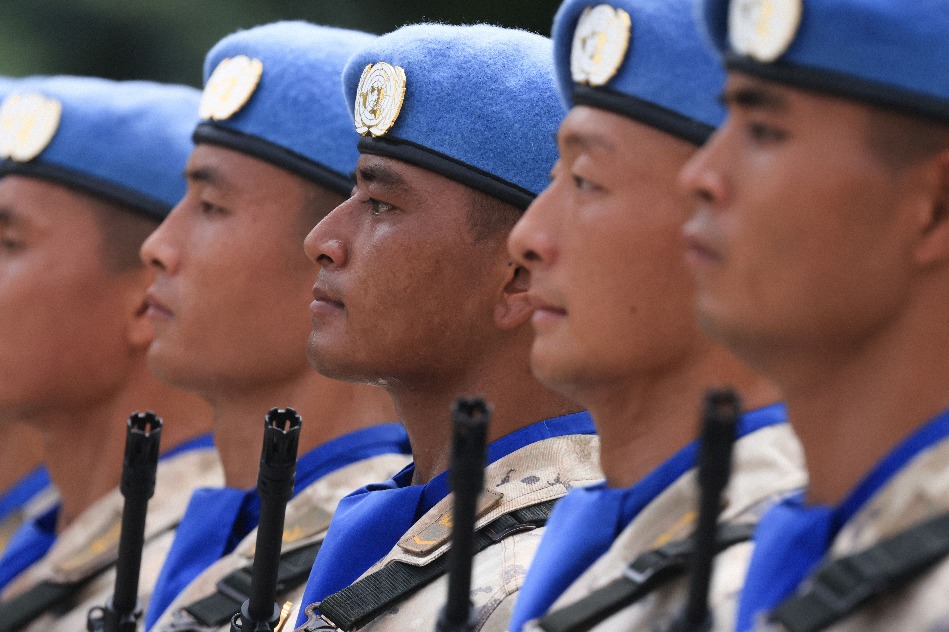
China releases white paper on arms control in new era
In a significant move to outline its stance on global security, China’s State Council Information Office released a white paper titled ‘China’s Arms Control, Disarmament, and Nonproliferation in the New Era’ on November 27, 2025. The document underscores China’s commitment to international peace and security, positioning the nation as a proactive contributor to global arms control efforts. The white paper highlights China’s role in upholding the United Nations-centered international arms control regime, emphasizing its constructive contributions in nuclear, biological, and chemical arms control. It also addresses emerging security challenges in outer space, cyberspace, and artificial intelligence, advocating for a collaborative global governance framework. China reaffirms its dedication to nonproliferation, enhancing domestic capacities, and fostering international cooperation in science and technology. The paper calls for a multipolar world and inclusive economic globalization, urging nations to unite in building a shared future for humanity.
-

Biffy Clyro ‘angry’ as visa error delays US tour
Scottish rock band Biffy Clyro has been forced to delay their highly anticipated US tour, just days before its scheduled start, due to a critical error in their work visas. The tour, set to begin on December 2, was intended to promote their 10th studio album, ‘Futique,’ which topped the UK charts in September. However, a bureaucratic blunder has left the band unable to proceed as planned. In a candid Instagram video, lead singer Simon Neil revealed that the incorrect start date was entered on their visas, rendering them invalid for the tour’s duration. ‘Some [expletive] genius messed up the dates,’ Neil lamented, expressing frustration and anger over the situation. Despite efforts to rectify the issue through immigration lawyers and even Congress, the band found no immediate solution. Neil announced that the tour would be rescheduled for April or May 2026, with existing tickets remaining valid. However, he acknowledged the inconvenience caused to fans who had already made travel and accommodation arrangements, offering a heartfelt apology. ‘I completely understand if you want refunds and have lost faith in us,’ he said. ‘You can’t be any madder at us than I am.’ This setback is not the first for Biffy Clyro in the US; in 2022, they had to cancel the final date of their tour after Neil contracted Covid. Despite the disappointment, fans flooded the comments section with messages of support and encouragement. The postponement comes shortly after the band announced their largest career milestone: headlining London’s Finsbury Park in July 2026. Since their formation in the early 2000s, Biffy Clyro has become one of the UK’s most successful rock bands, with eight top-five albums and over a million sales. Their 2009 album ‘Only Revolutions’ marked their international breakthrough, earning a Mercury Prize nomination and producing hits like ‘Bubbles’ and ‘Many of Horror.’ ‘Futique,’ their latest release, has been praised as one of their most personal and definitive works to date, signaling a renewed sense of purpose for the trio.
-
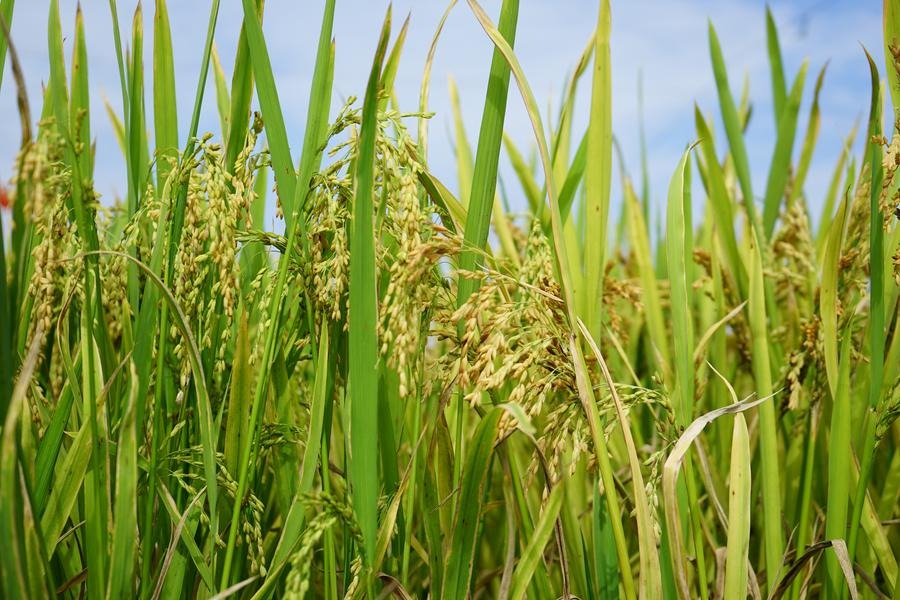
Beijing takes global lead in crop germplasm preservation
Beijing has solidified its position as the global frontrunner in the preservation of crop germplasm resources, as announced by the municipal government on Wednesday. The city boasts a germplasm bank housing an impressive 2.144 million accessions, encompassing the most diverse array of crop species worldwide. This achievement is bolstered by the presence of 29 seed enterprises designated as key national players, the highest number in China, and the annual registration of numerous new crop varieties. The Beijing Seed Ordinance, aimed at establishing the city as a ‘seed capital,’ underpins these accomplishments. Technological advancements have played a crucial role, with innovations such as AI-based plant protection models making their debut at the UN Food and Agriculture Organization. The agricultural technology contribution rate in Beijing has reached 75 percent, driven by breakthroughs in molecular breeding and other core technologies. Looking ahead, Beijing plans to intensify its efforts to enhance the seed industry over the next five years, focusing on technology-driven and reform-oriented development, according to a government official.
-
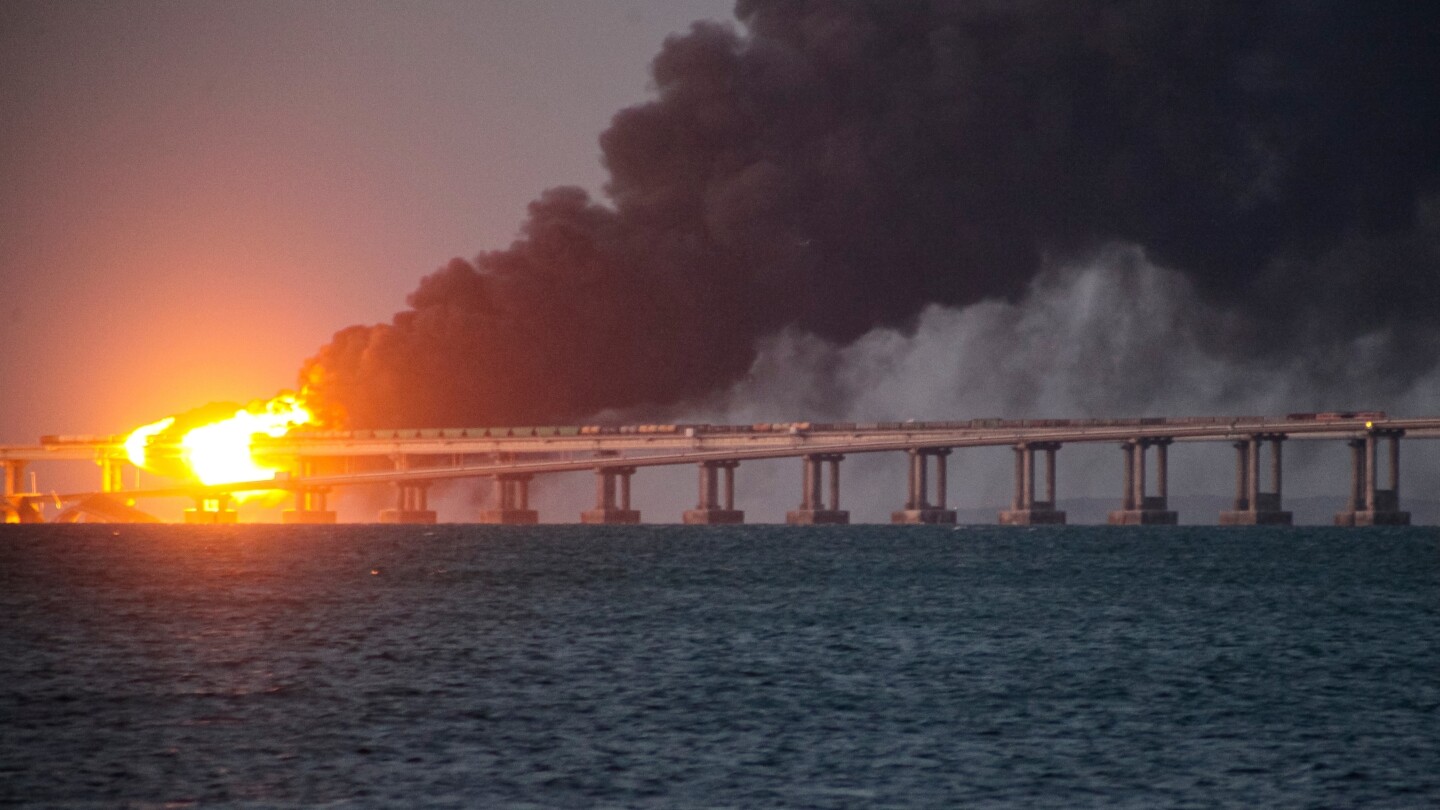
Russia convicts and hands life sentences to 8 people over attack on a key bridge to Crimea
A Russian court has handed down life sentences to eight individuals convicted of terrorism charges related to the October 2022 attack on the Kerch Strait Bridge, a critical supply route connecting Russia to the annexed Crimean Peninsula. The attack, which involved a truck bomb, destroyed two sections of the bridge, killed five people, and required extensive repairs. Moscow condemned the act as terrorism and retaliated with strikes on Ukraine’s civilian infrastructure. The Ukrainian Security Service (SBU) claimed responsibility for the attack, which targeted a symbol of Russia’s control over Crimea. The defendants, including Russian, Ukrainian, and Armenian citizens, were charged with carrying out a terrorist attack and illegal arms trafficking. Five others, including Ukrainians and Georgians, were charged in absentia. The accused denied the charges, claiming ignorance of the explosives in the truck. Oleg Antipov, a logistics entrepreneur whose company handled the shipment, voluntarily approached Russian authorities after the blast but was later arrested. In a courtroom statement, Antipov maintained his innocence, citing polygraph tests and lack of incriminating evidence. The Kerch Strait Bridge, completed in 2018, is a strategic and symbolic asset for Russia, facilitating military and civilian supplies to Crimea. Ukraine has targeted the bridge twice, underscoring its significance in the ongoing conflict. The attack has further strained relations between Russia and Ukraine, with Moscow using the incident to justify its military actions.
-
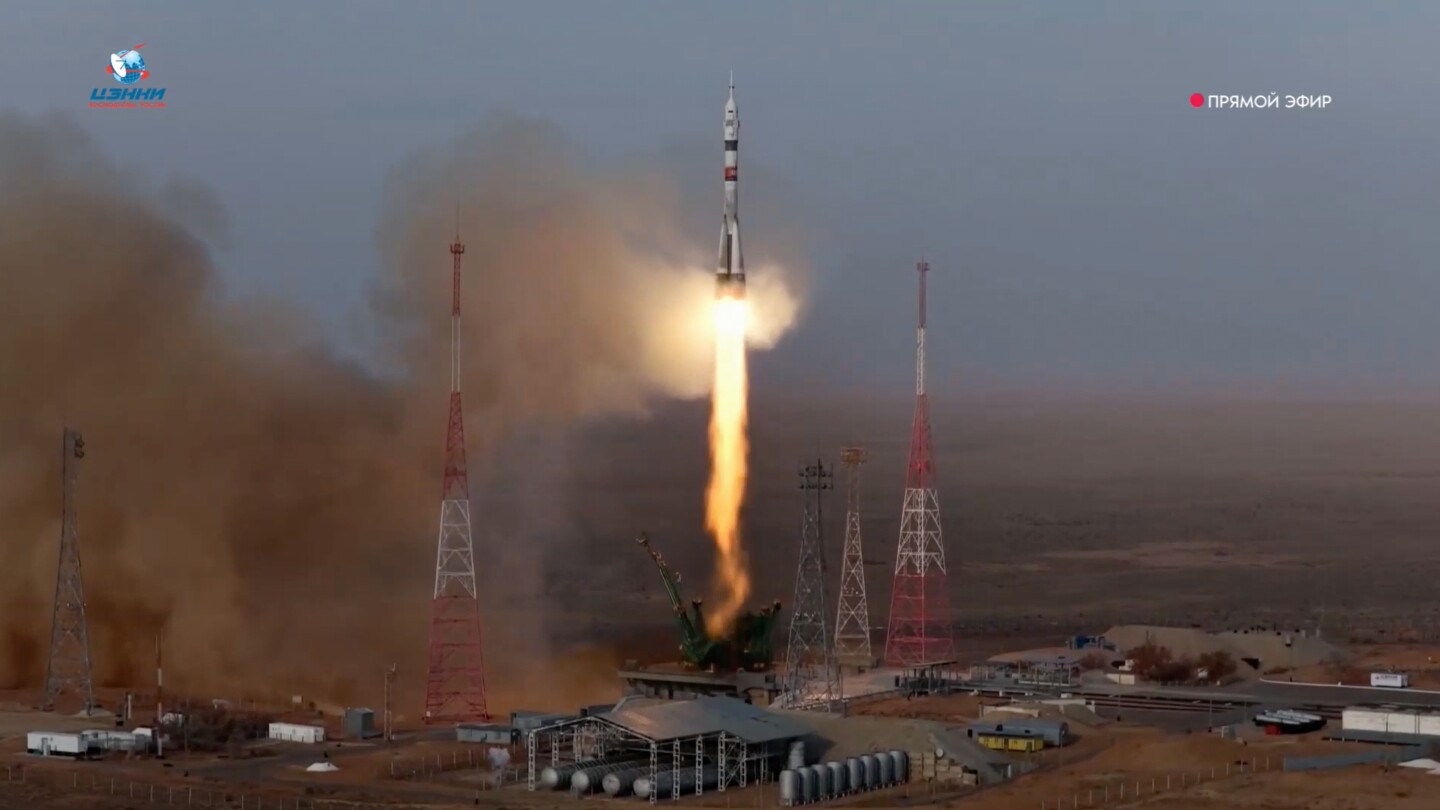
US-Russian crew of 3 blasts off to the International Space Station in a Russian Soyuz spacecraft
In a significant milestone for international space collaboration, a U.S.-Russian crew of three successfully launched to the International Space Station (ISS) on Thursday. The Soyuz MS-28 spacecraft, propelled by a Soyuz booster rocket, took off precisely as planned from the Baikonur Cosmodrome in Kazakhstan, a facility leased by Russia. Onboard were NASA astronaut Chris Williams, alongside Russian cosmonauts Sergei Mikaev and Sergei Kud-Sverchkov. The crew is expected to dock at the ISS approximately three hours after liftoff, marking the beginning of an eight-month mission aboard the orbiting laboratory. This mission holds particular significance as it marks the inaugural spaceflight for Williams, a physicist, and Mikaev, a military pilot, while Kud-Sverchkov embarks on his second journey into space. Upon arrival, the trio will join an international team already stationed at the ISS, including NASA astronauts Mike Fincke, Zena Cardman, and Jonny Kim, Japan Aerospace Exploration Agency’s Kimiya Yui, and Russian cosmonauts Sergei Ryzhikov, Alexei Zubritsky, and Oleg Platonov. During their stay, Williams will spearhead scientific research and technology demonstrations aimed at advancing human space exploration and improving life on Earth, according to NASA. This mission underscores the enduring partnership between the U.S. and Russia in space exploration, despite geopolitical tensions on the ground.