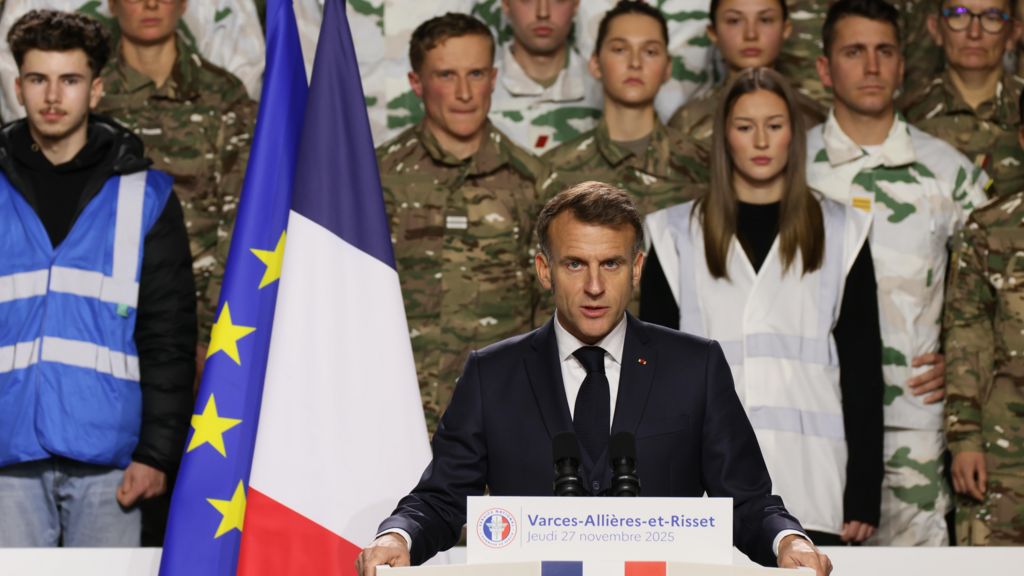
In a significant shift in national defense policy, France is set to reintroduce a limited form of military service, more than 25 years after conscription was phased out. President Emmanuel Macron announced the initiative, describing it as an ‘act of trust in our youth’ and a necessary step to prepare for potential threats in an increasingly uncertain world. The voluntary service, open to both young men and women aged 18 and 19, will involve 10 months of paid military training, with participants receiving at least €800 (£700) per month. The program will be implemented gradually, starting with 3,000 volunteers next year and expanding to 50,000 by 2035. Macron emphasized the importance of national mobilization, stating, ‘The only way to avoid danger is to prepare for it.’ The move aligns France with other European nations, such as Belgium, the Netherlands, and Germany, which have also introduced or are planning similar voluntary military service schemes in response to fears of Russian aggression. The new ‘national service’ aims to create a hybrid military structure, combining professional soldiers, reservists, and volunteers. French military leaders have welcomed the initiative, viewing it as a way to bolster the armed forces and ensure a reserve of trained personnel. However, the plan has sparked mixed reactions among the public, with some praising it as a patriotic endeavor and others criticizing it as a distraction from pressing issues like youth mental health and financial stability. The reintroduction of military service marks a departure from the post-Cold War era, when France, under then-President Jacques Chirac, ended conscription as part of the peace dividend following the fall of the Soviet Union. The new scheme reflects a broader European trend of rearming and preparing for potential conflicts, as tensions with Russia continue to escalate.
作者: admin
-
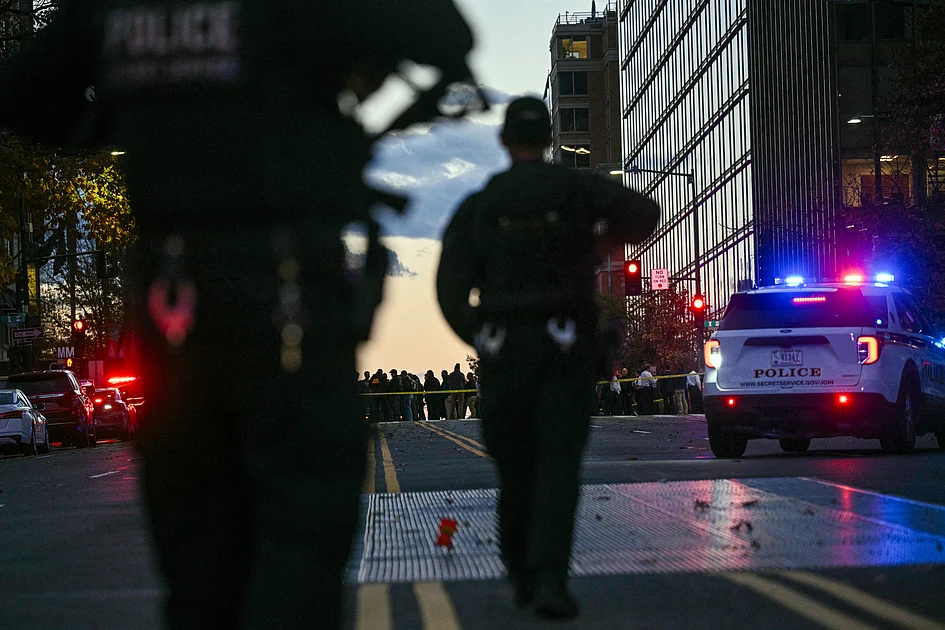
US suspends all immigration requests for Afghans after Washington shooting
In response to a targeted shooting near the White House, the United States has indefinitely suspended all immigration requests for Afghan nationals. The decision, announced by the US Citizenship and Immigration Services on Thursday, follows a critical incident on Wednesday where two National Guard soldiers were ambushed and severely injured. The suspect, identified as Rahmanullah Lakanwal, a 29-year-old Afghan national from Washington State, is currently in custody after sustaining gunshot wounds during the attack. Authorities are investigating the incident as an act of terrorism. Lakanwal entered the US in 2021 under Operation Allies Welcome, a Biden-era initiative to resettle Afghans who aided US efforts during the Afghanistan war. He was granted asylum in April 2025. The US government emphasized that the suspension aims to reassess security and vetting protocols to ensure national safety. Former President Donald Trump condemned the attack as an act of terror and vowed to re-examine Afghan resettlement policies from the Biden administration.
-
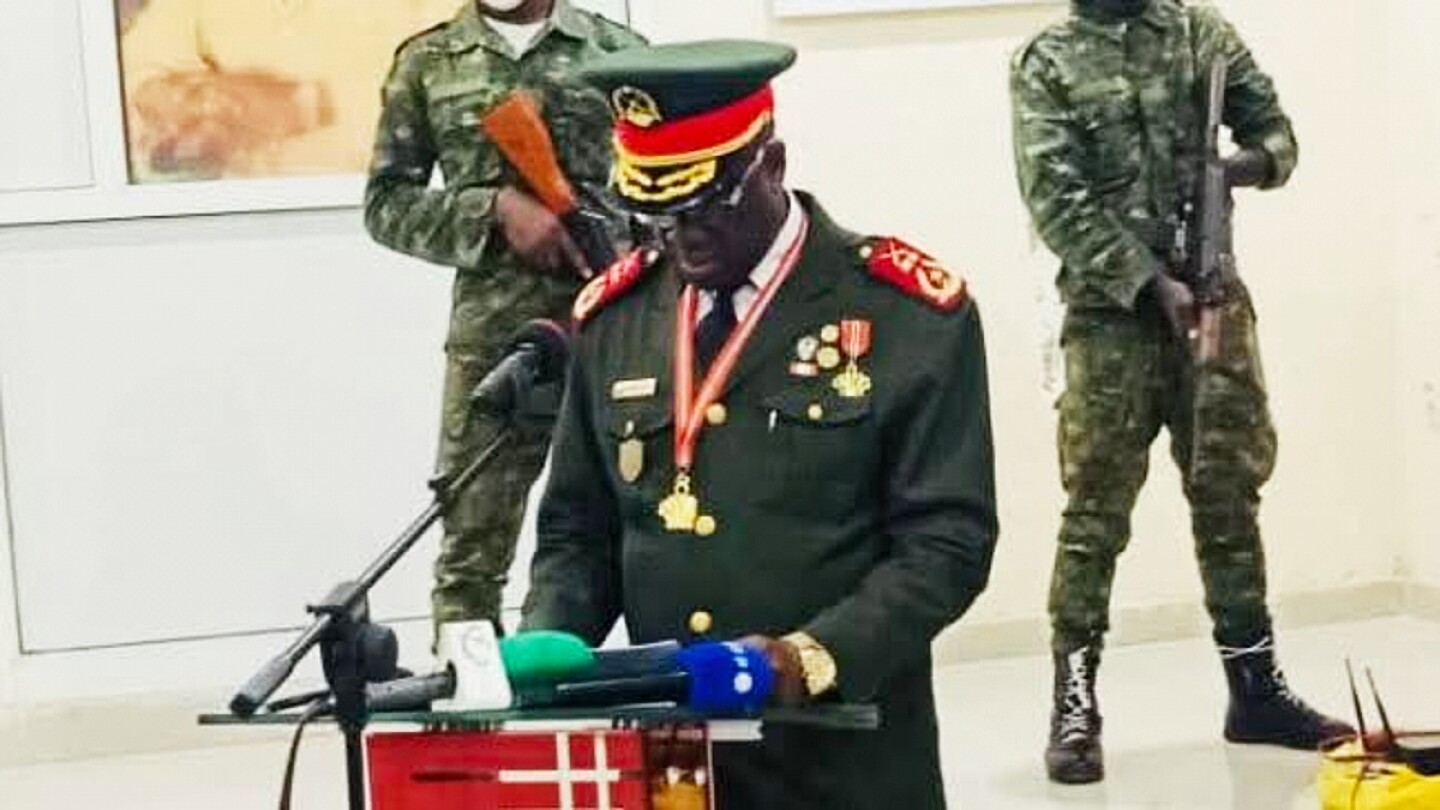
Guinea-Bissau marks another coup in Africa. Here is a look at other military takeovers
LAGOS, Nigeria — Guinea-Bissau has become the newest addition to Africa’s expanding roster of military takeovers, marking the latest erosion of democratic governance across the continent. The political upheaval unfolded when sustained gunfire erupted near presidential offices on Wednesday, culminating in uniformed officers commandeering state television to declare their seizure of power.
The deposed leader, Umaro Sissoco Embaló, found himself detained following the putsch amid an ongoing bitter power struggle with opposition forces. Both factions had previously asserted victory in recent presidential elections, creating the political vacuum exploited by military elements.
This coastal West African nation of 2.2 million inhabitants exemplifies a troubling regional pattern characterized by electoral disputes, constitutional instability, widespread youth dissatisfaction, and increasing military intervention in civilian governance.
A comprehensive analysis of recent African coups reveals concerning trends:
Mali (August 2020 & May 2021): Experienced consecutive military interventions, with Colonel Assimi Goita ultimately consolidating power and postponing elections until 2077. Mali has since joined with Burkina Faso and Niger to form a breakaway alliance explicitly rejecting democratic restoration.
Chad (April 2021): Witnessed General Mahamat Idris Deby extending his family’s thirty-year dominion following his father’s death, subsequently holding elections widely criticized as fraudulent.
Guinea (September 2021): Saw Colonel Mamady Doumbouya oust President Alpha Condé, who had previously manipulated constitutional term limits. Doumbouya now prepares to contest December elections under revised rules favoring military candidates.
Sudan (October 2021): General Abdel-Fattah Burhan’s takeover eventually triggered catastrophic civil conflict when power-sharing arrangements with paramilitary leaders collapsed in April 2023.
Burkina Faso (January & September 2022): Endured two successive coups within eight months, with Captain Ibrahim Traoré ultimately dissolving the electoral commission and consolidating military rule.
Niger (July 2023): General Abdourahamane Tchiani’s deposition of Mohamed Bazoum created regional fractures within ECOWAS and prompted the formation of the Sahel States Alliance.
Gabon (August 2023): Brice Oligui Nguema, cousin of ousted president Ali Bongo, assumed control after military intervention nullified election results and dissolved government institutions.
Madagascar (October 2025): Military forces capitalized on popular discontent over infrastructure failures to remove President Andry Rajoelina.
Guinea-Bissau’s intervention continues this pattern, preventing what might have been the nation’s first democratically reelected president from completing his term.
-
Canadian University Dubai: A downtown engine for innovation, creativity and knowledge exchange
Canadian University Dubai (CUD) has solidified its position as a premier innovation hub in the heart of Dubai’s urban landscape, demonstrating remarkable achievements across entrepreneurial ventures, sustainable design, and global partnerships. The institution’s business incubator has yielded its first groundbreaking venture: TrustPaper, a blockchain-powered enterprise developed with ZipTrust technology that revolutionizes document verification through secure, instantaneous processing.
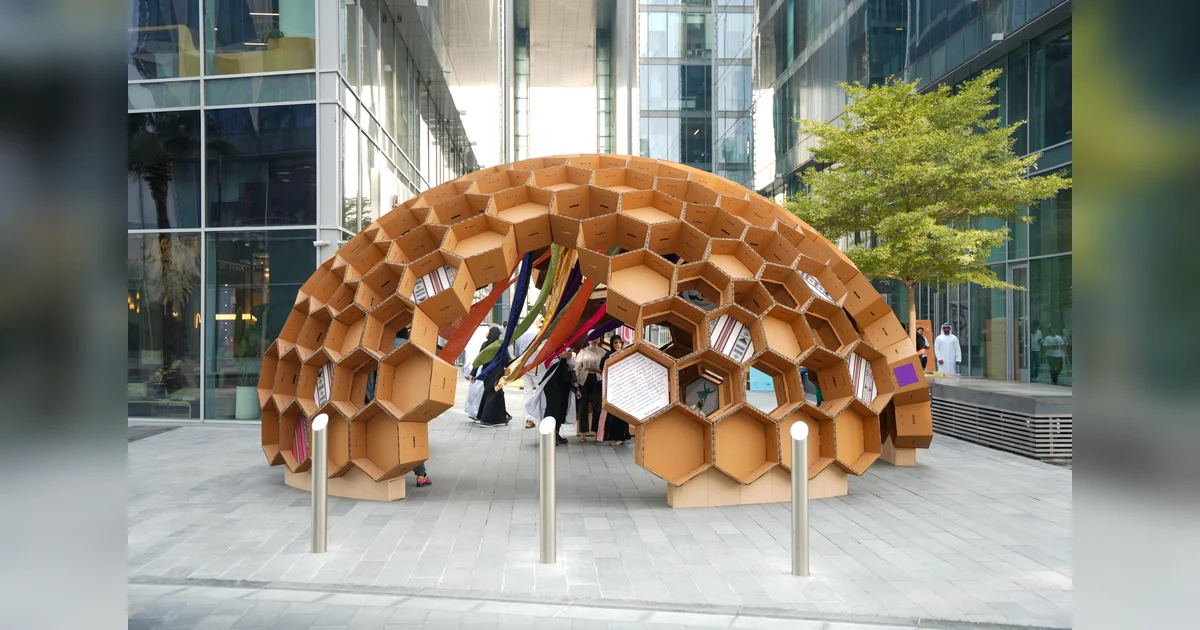
The university’s architecture students have partnered with UAE lifestyle giant Majid Al Futtaim to pioneer climate-responsive urban design solutions, setting new benchmarks for sustainable living through an innovative competition. Additionally, design students collaborated with Dubai Holding and ImInclusive to create an installation for Dubai Design Week 2025, symbolizing shared visions of inclusion and creativity through experiential learning.
CUD’s student and alumni network continues to achieve extraordinary recognition. Accounting and Finance student Rashed Mohammed Atiq Almehairi recently claimed victory at the FEI Endurance World Championships in Romania, while graduate Mohammed Al Hakim became the first GCC national appointed as President of UAE Operations at Crypto.com. Public Health alumna Nadine Audi, founder of sustainable femtech brand Diva’Me, earned recognition in Forbes’ 30 Under 30 after securing $1 million in seed funding.
Strategic knowledge partnerships form a cornerstone of CUD’s mission, with active participation in the Knowledge Summit dedicated to sustainable development and the Forbes Middle East Health Leaders Summit. The university recently hosted the Brand Me Summit 2025, the world’s largest personal branding summit, which featured a startup competition awarding AED 3000 in funding to student ventures.
A landmark collaboration with FINTECH.TV, broadcasting from the New York Stock Exchange, positions CUD as a cross-continental media innovation hub. This partnership creates unprecedented opportunities for students through exclusive internships and professional placements in storytelling, content creation, and fintech sectors. The university now serves as both an educational institution and global representative of Dubai’s innovation ecosystem, with admissions open for Spring 2026.
-
UAE pledges $1 billion investment in electricity for government-held Yemen
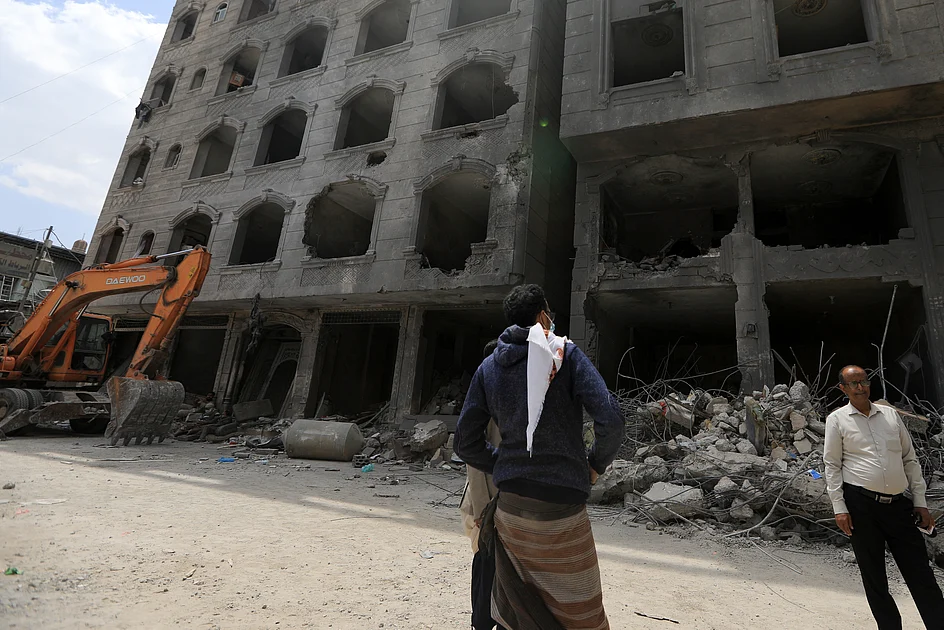
The United Arab Emirates has announced a major $1 billion investment initiative to revitalize the electricity infrastructure in government-controlled areas of Yemen, marking a significant development in the war-torn nation’s recovery efforts. The commitment was formally declared by Emirati ambassador Mohammed Hamad al-Zaabi during an energy forum in Aden, the interim capital where Yemen’s internationally recognized government is based.
The comprehensive investment package will fund the construction of diverse power generation facilities, incorporating solar and wind renewable energy sources alongside traditional oil-fired power stations. This strategic diversification aims to create a more resilient energy grid capable of meeting the substantial power deficits that have plagued Yemen for years.
Yemeni Prime Minister Salem ben Brik confirmed the substantial support from the UAE, characterizing electricity supply as ‘a chronic problem accumulated over many years’ that requires immediate addressing. The energy crisis has been particularly severe in Aden, where residents frequently endure prolonged blackouts that force them to rely on candlelight for both living and working conditions.
Separately, Ali Alshimmari, representing Abu Dhabi-based Global South Utilities, announced parallel projects valued at $1 billion, emphasizing that the investment strategy encompasses not merely energy production but also critical transmission and distribution infrastructure. This announcement was made through channels associated with the Southern Transitional Council (STC), which participates in Yemen’s power-sharing government.
The current administration in Aden was established in late 2020 through Saudi-brokered negotiations that unified ministers loyal to former president Abedrabbo Mansour Hadi and the STC. Yemen’s infrastructure, including hospitals and power facilities, has suffered catastrophic damage during the prolonged conflict between government forces and Iran-backed Houthi rebels, who control Sanaa and most major population centers.
Even before the conflict began in 2014, Yemen’s energy infrastructure was inadequate, with only approximately two-thirds of the population having access to the public electricity grid. The civil war has resulted in hundreds of thousands of casualties and created one of the world’s most severe humanitarian crises, though hostilities have largely been frozen since a 2022 ceasefire took effect.
-
Army officers say they have seized power in Guinea-Bissau
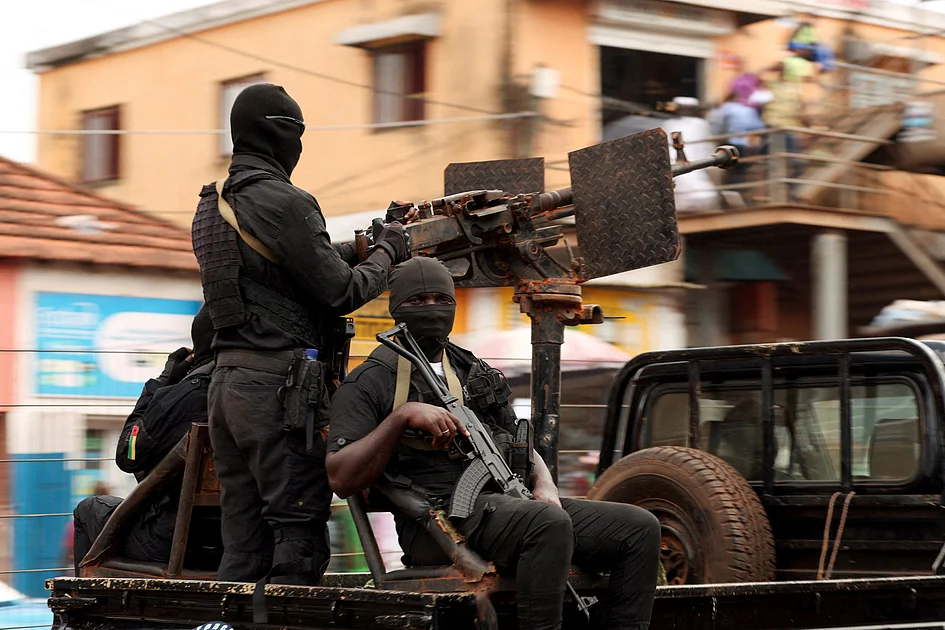
In a dramatic turn of events, a group of army officers in Guinea-Bissau announced they had seized power on Wednesday, just a day before the scheduled release of results from a highly contested presidential election. The officers declared they had ousted President Umaro Sissoco Embalo, suspended the electoral process, closed the nation’s borders, and imposed a curfew. The announcement was made on state television by spokesperson Diniz N’Tchama, who stated that the military had formed ‘The High Military Command for the Restoration of Order’ to govern the West African nation indefinitely.
-

A crystal Fabergé egg crafted for Russian royalty is expected to sell for more than $26 million
A rare and exquisite Fabergé Winter Egg, crafted for Russia’s imperial family before the 1917 revolution, is set to be auctioned at Christie’s London headquarters. Valued at over £20 million ($26.4 million), this opulent piece is one of only seven remaining in private hands. Standing at 4 inches (10 centimeters) tall, the egg is meticulously crafted from finely carved rock crystal, adorned with a platinum snowflake motif and embellished with 4,500 tiny diamonds. Its interior reveals a removable basket of bejeweled quartz flowers, symbolizing spring. Margo Oganesian, head of Christie’s Russian art department, described it as the ‘Mona Lisa’ of decorative arts, likening its allure to a luxurious Kinder Surprise chocolate. Commissioned by Czar Nicholas II in 1913 as an Easter gift for his mother, Dowager Empress Maria Feodorovna, the Winter Egg was designed by Alma Pihl, one of only two female designers to create Fabergé eggs. Pihl’s other creation is owned by Britain’s royal family. The Fabergé eggs, numbering over 50, were crafted for Russia’s imperial family between 1885 and 1917, each uniquely elaborate and containing a hidden surprise. The Romanov dynasty, which ruled Russia for 300 years, was ousted during the revolution, leading to the execution of Nicholas II and his family in 1918. The Winter Egg’s journey began when it was purchased for £450 by a London dealer during the 1920s, when Communist authorities sold off Russia’s artistic treasures. After being lost for two decades, it resurfaced at a Christie’s auction in 1994, fetching over 7 million Swiss francs ($5.6 million). It was sold again in 2002 for $9.6 million and is now expected to surpass the $18.5 million record set by another Fabergé egg in 2007. Of the 43 surviving imperial Fabergé eggs, most are housed in museums.
-
Watch: Hong Kong fire still burning almost 20 hours later; death toll at 44
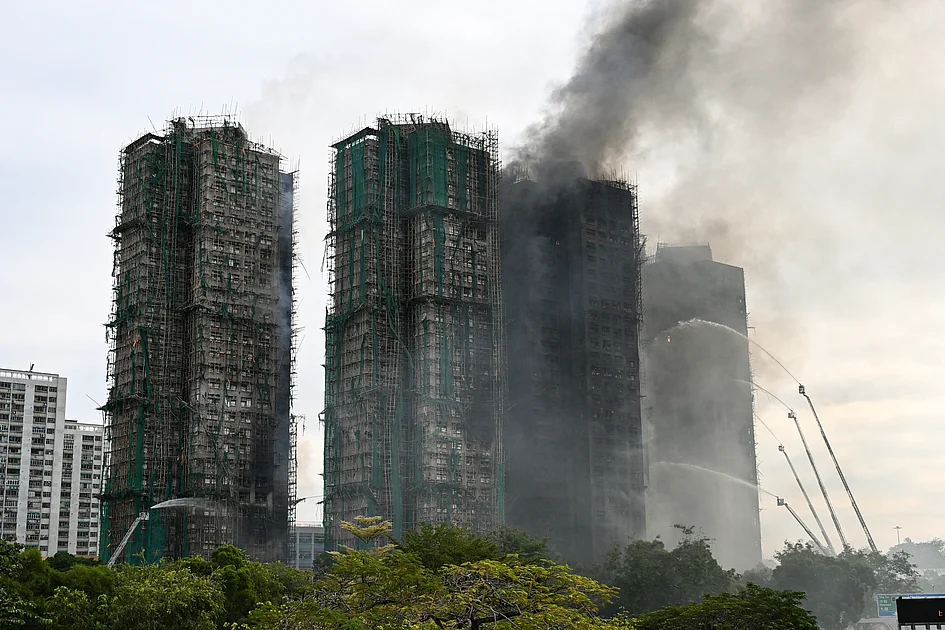
A devastating high-rise fire in Hong Kong has claimed at least 44 lives, with hundreds still unaccounted for, marking the city’s deadliest blaze in decades. The fire, which broke out on Wednesday afternoon in the Wang Fuk Court complex in Tai Po, engulfed an eight-building residential area housing over 2,000 apartments. Despite ongoing efforts, the fire continued to smolder nearly 20 hours later, with authorities struggling to contain the inferno. Three suspects have been arrested on suspicion of manslaughter, though details of their alleged involvement remain undisclosed. The fire department reported that the death toll rose from 36 to 44 during an early morning press briefing. The blaze, fueled by bamboo scaffolding and strong winds, spread rapidly, with flames and thick smoke visible for miles. Over 900 residents sought refuge in temporary shelters, while rescue teams faced extreme challenges due to high temperatures and inaccessible floors. Chinese President Xi Jinping expressed condolences to the victims, including a firefighter who lost his life in the line of duty. Hong Kong’s leader, Lee, pledged full government support for affected residents, as investigations into the cause of the fire and the materials used in the buildings’ exteriors were launched. The tragedy has reignited concerns about fire safety in one of the world’s most densely populated cities, despite significant improvements in recent decades.
-
How wage inflation became the Fed’s regressive red line
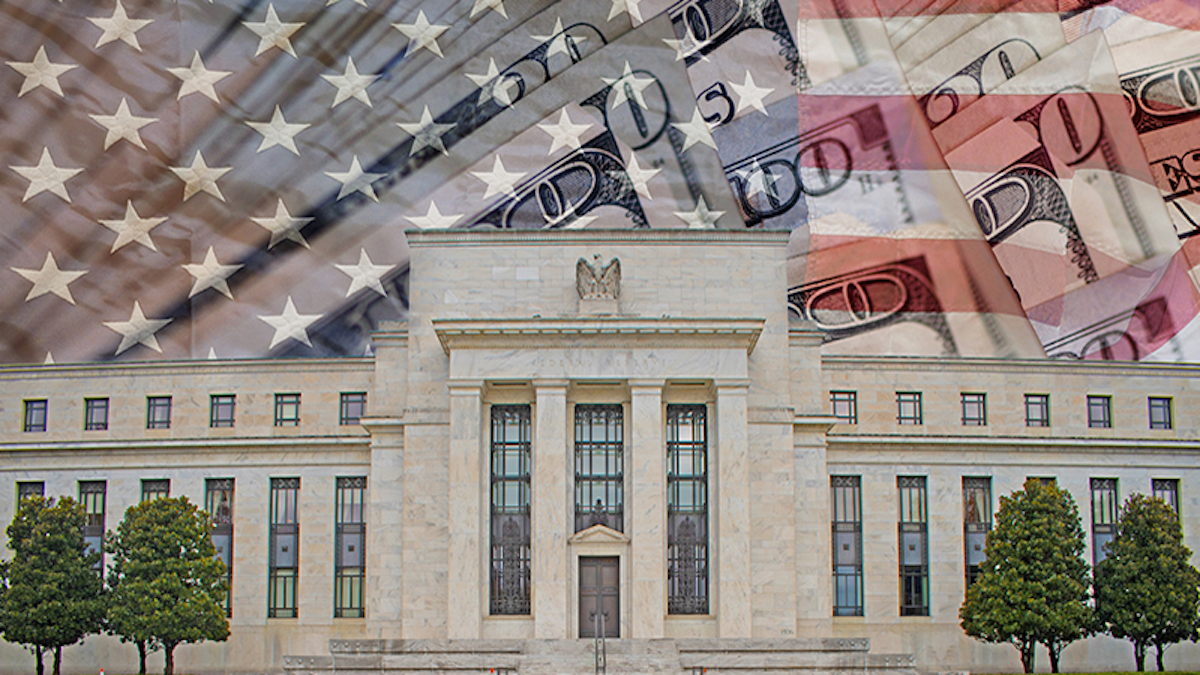
The period from 2021 to 2023 witnessed a significant surge in inflation, affecting consumer goods, housing, and assets. While wage inflation also increased, it did not keep pace with other inflation measures. As wages began to accelerate, the Federal Reserve (Fed) initiated rate hikes to cool the economy, adhering to its long-standing belief that wage inflation could lead to spiraling inflation and needed to be controlled.
-
Flooding death toll in southern Thailand rises to more than 80 as water levels fall
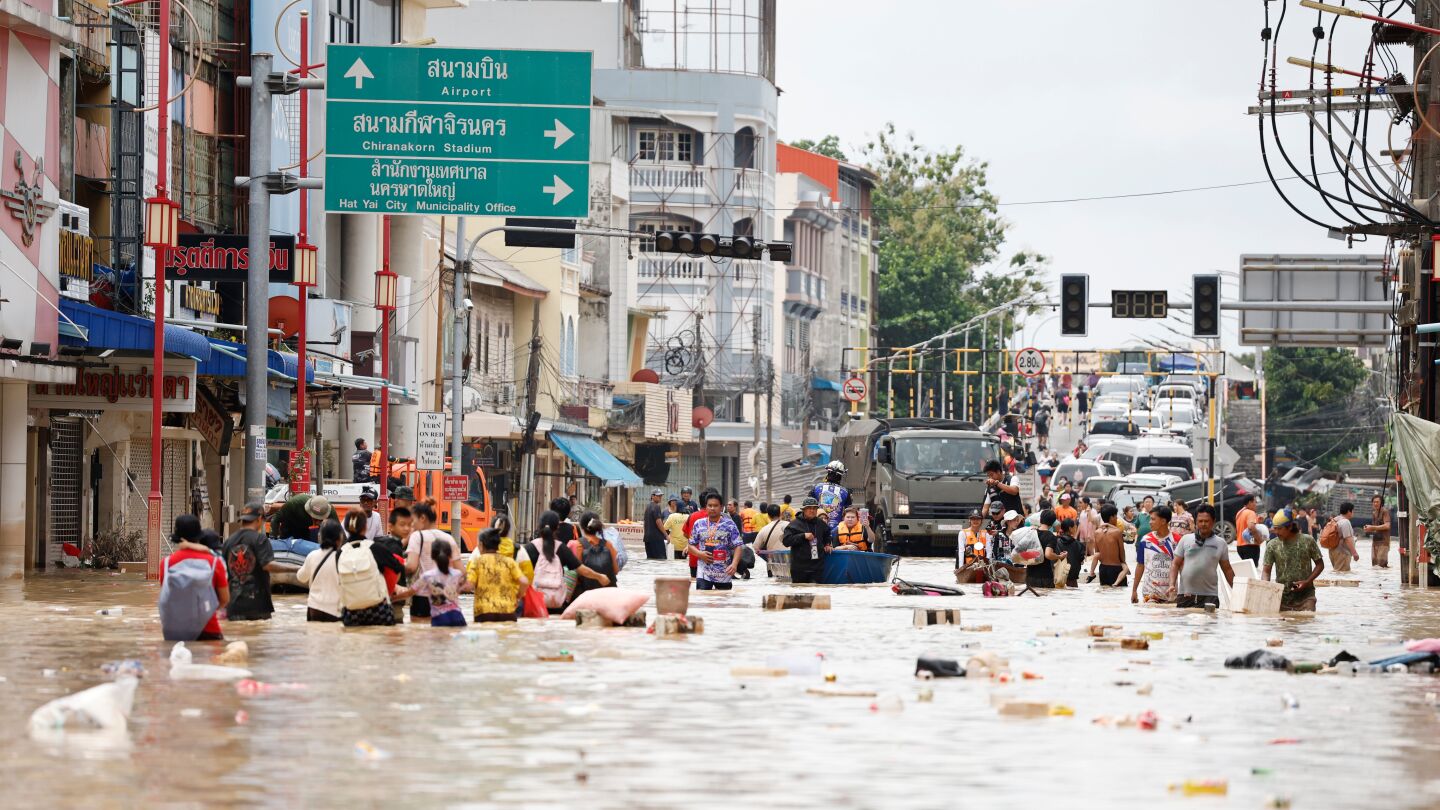
The devastating floods in southern Thailand have claimed the lives of at least 82 people, officials reported on Thursday, as floodwaters started to recede. The disaster, triggered by relentless torrential rains, has impacted over 1 million households and more than 3 million residents across 12 provinces. The affected regions include Nakhon Si Thammarat, Patthalung, Songkhla, Trang, Satun, Pattani, and Yala. While water levels have subsided in many areas, regions like Pattani and Nakhon Si Thammarat continue to grapple with high floodwaters. Government spokesperson Siripong Angkasakulkiat announced that the death toll in Songkhla province alone surged from six to 55, significantly contributing to the overall fatalities. Prime Minister Anutin Charnvirakul declared a state of emergency in Songkhla earlier this week, highlighting the unprecedented severity of the flooding. Hat Yai, southern Thailand’s largest city, faced severe disruptions, with thousands trapped, essential services cut, and communication lines disrupted. Video footage revealed extensive damage as water levels dropped. To address the crisis, eight field hospitals were set up to support Hat Yai Hospital, which remains partially operational. The Public Health Ministry airlifted 20 critical patients and delivered additional food supplies to medical staff and patients.