作者: admin

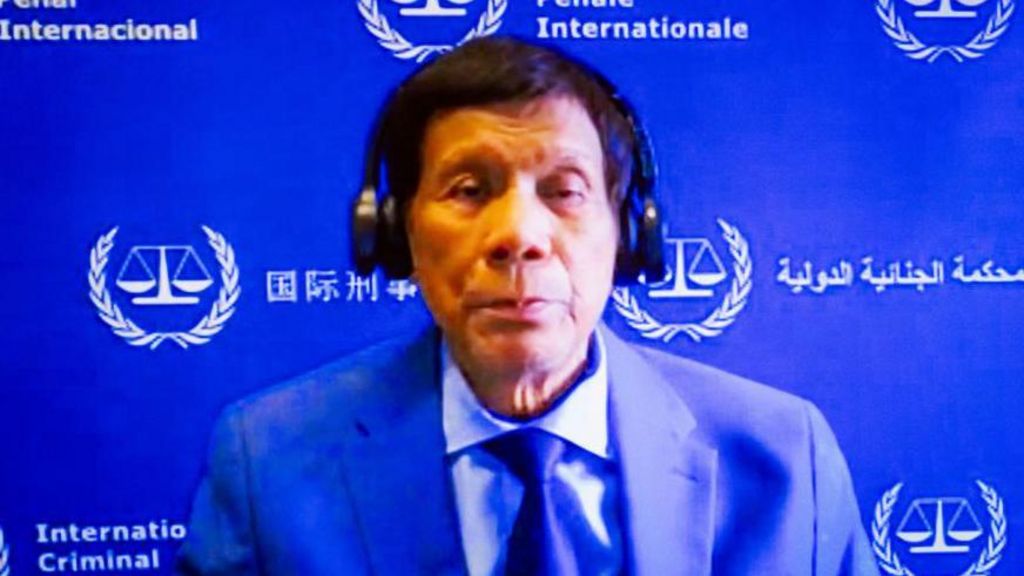
  • Philippines’ Duterte fit to face ICC proceedings, judges say

    Philippines’ Duterte fit to face ICC proceedings, judges say

    The International Criminal Court has formally declared former Philippine President Rodrigo Duterte mentally competent to participate in pre-trial proceedings regarding alleged crimes against humanity. This judicial determination, issued on Monday, directly countermands defense claims that the 80-year-old leader suffers from cognitive impairments that would prevent his meaningful engagement with the court.

    Judicial authorities at The Hague-based court have scheduled a critical hearing for February 23rd to evaluate whether prosecutors have established sufficient evidentiary foundation to advance the case to full trial. The ICC’s medical assessment panel concluded that Duterte retains adequate mental capacity to exercise his procedural rights effectively, noting that participation standards “did not have to be at their notionally highest level.”

    Duterte faces allegations of orchestrating systematic human rights violations during his controversial anti-drug campaign (2016-2022), which resulted in thousands of extrajudicial killings of suspected drug offenders. The former president consistently defended the brutal crackdown as necessary for establishing public order and economic stability.

    Congresswoman Leila de Lima, a prominent Duterte critic who was previously imprisoned on fabricated drug charges during his administration, hailed the ruling as a victory for accountability: “This tells victims that in the reckoning of Duterte at the ICC, their voices will not be sidelined by technical evasions.”

    The former leader’s arrest at Manila International Airport in March 2025 coincided with the dissolution of his political alliance with successor President Ferdinand Marcos Jr. Duterte’s detention has polarized Philippine society, drawing condemnation from human rights organizations while maintaining support among populist constituencies who feel marginalized by traditional political elites.

    Notably, Duterte secured election as mayor of Davao City while incarcerated in May 2024, demonstrating his enduring political influence. His daughter, Vice-President Sara Duterte, remains a formidable presidential contender for the 2028 elections, where term limits prevent Marcos from seeking reelection.
  • North Korea launches suspected ballistic missiles toward the sea, neighbors say

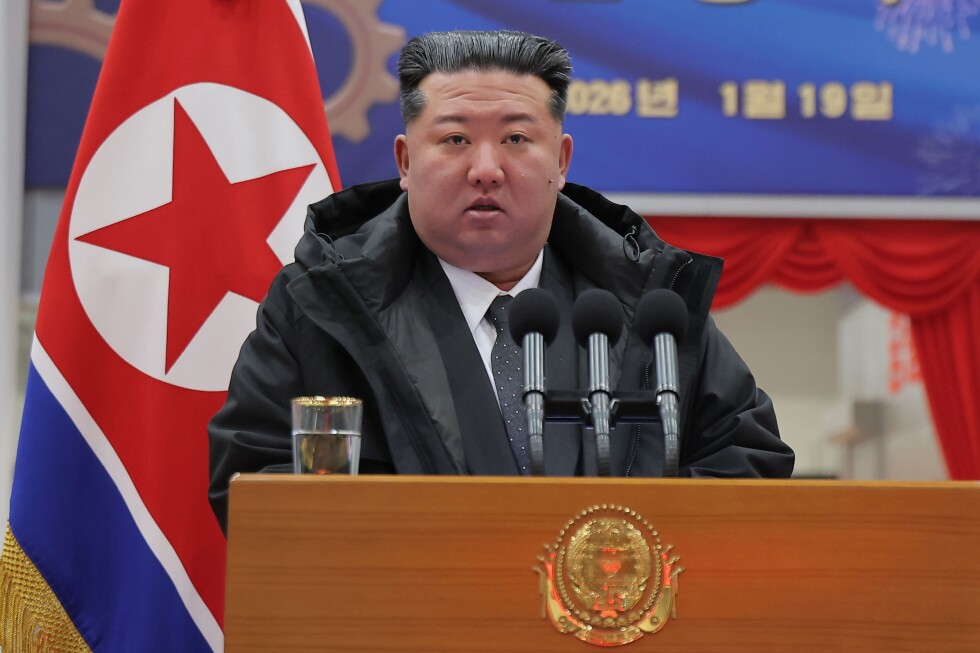
    North Korea launches suspected ballistic missiles toward the sea, neighbors say

    In a significant escalation of regional tensions, North Korea conducted suspected ballistic missile tests on Tuesday, launching projectiles toward the sea off its eastern coast. The provocative military demonstration comes as the isolated nation intensifies hostile rhetoric toward South Korea preceding a major political assembly.

    Japanese and South Korean defense authorities confirmed detecting the launch activity, with Japan’s Prime Minister’s Office and Defense Ministry identifying the projectiles as possible ballistic missiles. South Korea’s Defense Ministry reported tracking at least one unidentified projectile but provided no immediate details regarding the weapons’ flight distance or trajectory.

    This latest provocation follows North Korea’s recent allegations of unauthorized South Korean surveillance drone incursions across the border in January and September—claims that Seoul has categorically denied. The South Korean government has initiated investigations to determine whether civilian-operated drones might have been involved.

    Security analysts interpret these developments as strategically timed to amplify anti-South Korean sentiment before the ruling Workers’ Party congress, scheduled to convene in late January or February. This marks the first such gathering in five years and may feature significant policy declarations, including the potential formalization of leader Kim Jong Un’s concept of a hostile “two-state” system on the Korean Peninsula in the party constitution.

    The missile tests represent the latest in a series of advanced weapons demonstrations by North Korea. Earlier this month, the nation conducted test flights of hypersonic missiles under Kim’s personal supervision, with state media emphasizing his directive to strengthen the country’s nuclear deterrent capabilities.

    In December, North Korea additionally tested what it described as long-range strategic cruise missiles and new anti-air missiles, while releasing imagery suggesting progress on its first nuclear-powered submarine project. Weapons development achievements are expected to feature prominently during the upcoming party congress, analysts note.

  • Streamer IShowSpeed samples food and learns traditional dances in African tour

    Streamer IShowSpeed samples food and learns traditional dances in African tour

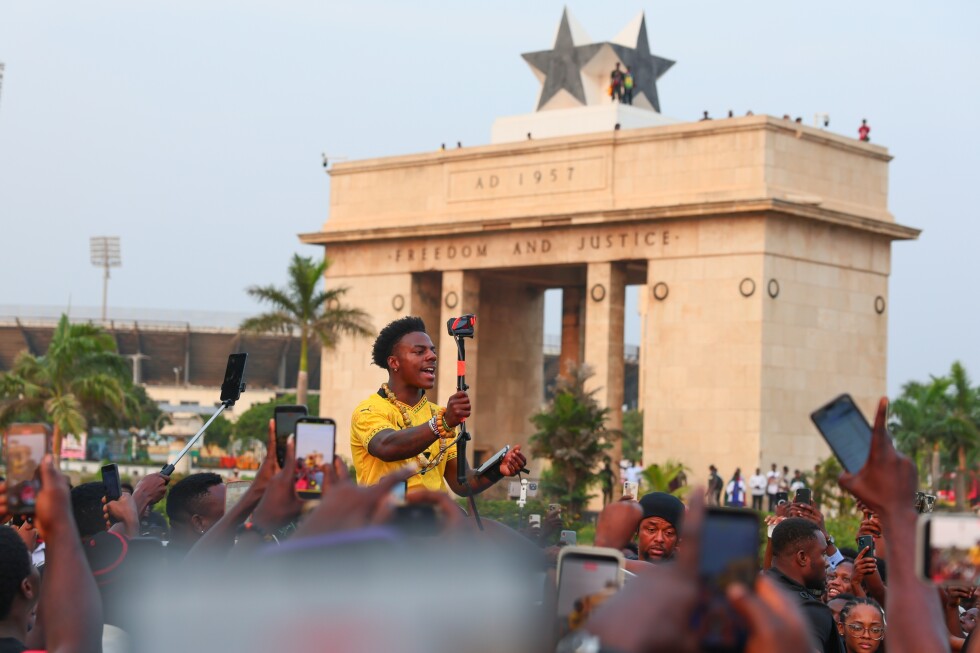
    DAKAR, Senegal — American streaming sensation IShowSpeed has embarked on an unprecedented 28-day pilgrimage across Africa, systematically dismantling preconceived notions about the continent through his groundbreaking ‘Speed Does Africa’ series. The digital influencer, born Darren Watkins Jr., has traversed 19 nations from southern to northern Africa, creating a cultural bridge between the diaspora and the mother continent.

    The journey commenced in Angola during late December, culminating in a spectacular itinerary that included witnessing the Africa Cup of Nations final in Morocco on January 18th. Watkins’ experiences ranged from celebrating Senegal’s national soccer victory with ecstatic fans to marking his 21st birthday in Nigeria while simultaneously surpassing 50 million YouTube subscribers. His Ghanaian visit proved particularly poignant as he discovered ancestral roots, declaring ‘I am back home’ while sampling jollof rice and receiving traditional honors.

    Watkins’ marathon live streams, sometimes extending beyond nine hours, have featured immersive cultural exchanges including culinary adventures, traditional dance lessons, and athletic challenges. His uncontainable enthusiasm has drawn massive crowds at every destination, creating both celebration and logistical challenges.

    The tour has ignited passionate discussions across digital platforms. Many African American viewers have expressed profound emotional connections to Watkins’ journey, particularly his symbolic visit to Gorée Island’s House of Slaves—a powerful reminder of the transatlantic slave trade that connects African and Black American histories.

    However, the reception hasn’t been universally positive. Prominent Beninese influencer Nelly Mbaa (known online as Afro Chronik) criticized Watkins as embodying Western expectations that value Black male performers for spectacle rather than substance. She argued that his success relies on ‘an absurd, exaggerated and grotesque character’ rather than intellectual content.

    With over 50 million YouTube subscribers and comparable followings on Instagram and TikTok, IShowSpeed has built his brand on hyper-energetic reactions that have occasionally sparked controversy, including past bans from gaming competitions and platform suspensions for inappropriate behavior.

    Despite these criticisms, Watkins maintains that this African expedition represents a personal transformation: ‘I’ve done so many incredible things in my life, but this trip opened my eyes. Africa is not what I thought.’ His journey continues to challenge stereotypes while raising complex questions about cultural representation in the digital age.

  • ‘Our children are next’ fear Kenyans as drought wipes out livestock

    ‘Our children are next’ fear Kenyans as drought wipes out livestock

    A catastrophic drought gripping northeastern Kenya has precipitated a severe humanitarian emergency, with villagers reporting total livestock losses and mounting fears for child survival. In Mandera County, a region bordering Ethiopia and Somalia that has recorded no precipitation since May, residents are undertaking the grim task of transporting deceased animals to distant burning sites to mitigate health hazards from decaying carcasses and scavenging hyenas.

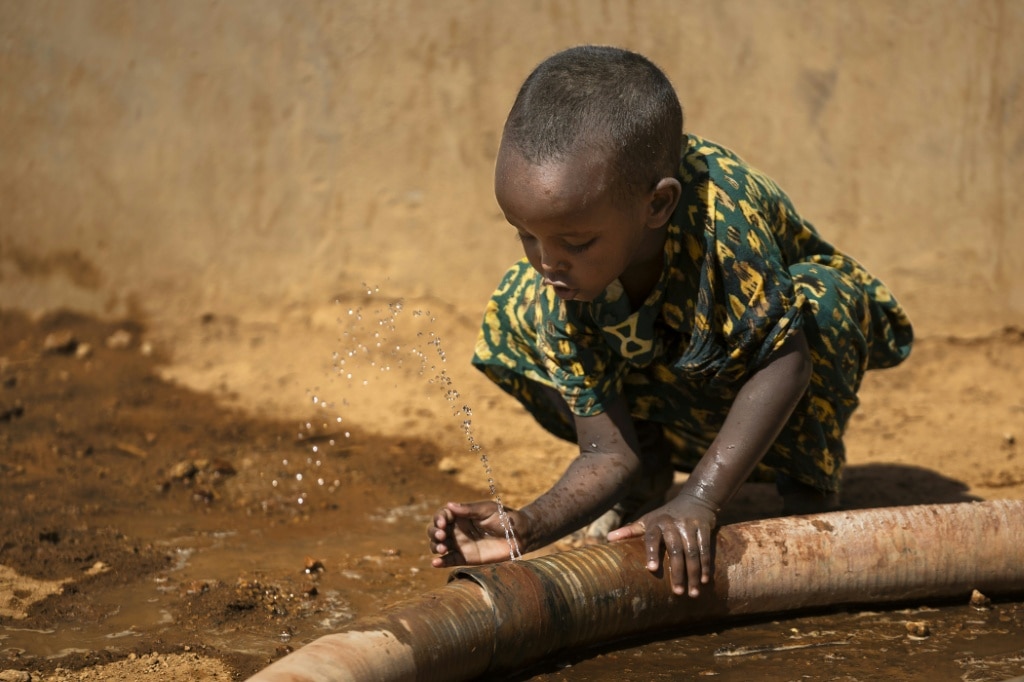
    Bishar Maalim Mohammed, a 60-year-old resident of Tawakal village, represents the devastating reality: “I have lost all my cows and goats, and burned them here.” The pastoralist community, which depends entirely on livestock for sustenance, watches helplessly as even surviving animals collapse from severe dehydration. Nearby Banissa’s artificial reservoir, once holding 60,000 cubic meters of water, now stands completely barren, transformed into an ad-hoc playground for children.

    The crisis extends beyond livestock. Herders now guide remaining animals on grueling 30-kilometer treks to the nearest functional water source at Lulis village, where officials implement strict rationing. “In two weeks this water will be finished… we are in a very bad state,” lamented Aden Hussein, a 40-year-old local resident.

    National authorities report over two million people across 23 Kenyan counties face acute food insecurity following the failed October-December rainy season, which delivered rainfall at two-thirds below average levels. The National Drought Management Authority has placed nine counties on high alert, with Mandera County at the critical “alarm” phase—one step from official emergency declaration.

    The Famine Early Warning Systems Network indicates between 20-25 million people across Kenya, Somalia, and Ethiopia require immediate humanitarian food assistance, with drought representing the primary cause for more than half these cases.

    Healthcare facilities bear witness to the unfolding tragedy. Banissa’s main hospital faces an overwhelming influx of severely malnourished children, including patients from neighboring Ethiopia. During recent observations, medical staff documented eight children suffering from acute malnutrition, including a 32-month-old girl weighing merely 4.5 kilograms. “Children are not getting an adequate diet because of this drought…they depend on camel and goat milk but there is now no milk at all,” explained Khalid Ahmed Wethow, a hospital nutritionist.

    The hospital’s pediatric unit, serving approximately 200,000 people, faces critical supply shortages with only eight tins of therapeutic milk remaining. Despite increased efforts from the Kenyan government and organizations like the Red Cross, assistance programs cannot match escalating demands, particularly as Western nations reduce aid budgets.

    Desperation drives extreme measures. Bishar Mohamed (unrelated to the first villager) traveled over 150 kilometers with his herd of 170 goats searching for pasture. Approximately 100 perished during the journey, with the remainder dying after his return to Hawara village. “We have tried to escape in search of better places and failed,” he stated, standing amid piles of goat carcasses.

    The crisis disrupts education as well, with school enrollment in Jabi Bar village dropping by more than half as families relocate. With the next rains not anticipated before April, communities cling to hope amid devastating circumstances. As Bishara Maalim, a mother of ten in Hawara, expressed: “May God save them.”

  • Troubled Napoli staring at Champions League elimination against Chelsea

    Troubled Napoli staring at Champions League elimination against Chelsea

    Napoli’s Champions League campaign hangs by a thread as they prepare for a decisive showdown against Chelsea on Wednesday. The Italian champions, grappling with a severe injury crisis and a faltering Serie A title defense, find themselves in a precarious position with only eight points from seven matches. Last week’s disappointing 1-1 draw against FC Copenhagen has left them just inside the elimination zone, making victory against Chelsea essential to secure a spot in next month’s play-offs.

    The challenge is formidable. Chelsea, managed by former Napoli coach Antonio Conte, also requires a win to secure direct qualification for the last 16, setting the stage for a high-stakes tactical battle. Napoli’s morale is further dampened by a recent 3-0 defeat to Juventus, which left them trailing Serie A leaders Inter Milan by nine points.

    Manager Conte, who took charge in June 2024, faces an unprecedented injury crisis that has plagued the team since the season’s outset. Key players including Romelu Lukaku, Vanja Milinkovic-Savic, David Neres, Kevin De Bruyne, and Andre-Frank Anguissa have been sidelined with various injuries, severely limiting Conte’s options. Lukaku’s return offers a glimmer of hope, having been included in Napoli’s European squad as a replacement for the injured De Bruyne. The Belgian striker now has an opportunity to redeem himself against Chelsea, where he previously struggled.

    Conte emphasized the team’s resilience despite these challenges, stating, ‘We’re navigating in open waters with very high waves, but we’re not getting off the boat. These players are jeopardizing their physical health, playing every three days without proper training rotations.’

    Historically, 11 points have been sufficient to avoid elimination in the Champions League group stage. A victory against Chelsea would likely secure Napoli’s progression and provide much-needed relief for a squad battling both physical and psychological pressures.

  • India and EU set to announce landmark trade deal

    India and EU set to announce landmark trade deal

    In a significant geopolitical development, India and the European Union have finalized a comprehensive trade agreement following nearly two decades of intermittent negotiations. The breakthrough comes as both economic powers seek to strengthen international partnerships amid growing trade tensions with the United States.

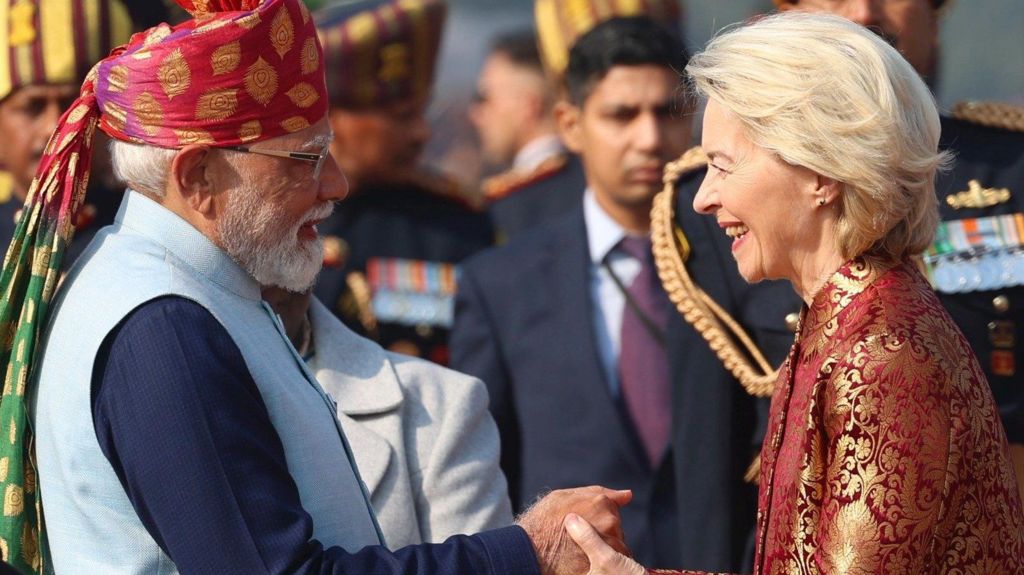
    European Commission President Ursula von der Leyen and European Council President António Costa attended India’s Republic Day celebrations in Delhi as chief guests, setting the stage for Tuesday’s bilateral summit where the agreement will be formally announced. The presence of EU leadership at this symbolic event underscores the strategic importance both parties place on this partnership.

    The agreement, described by officials as the ‘mother of all trade deals,’ represents approximately 25% of global GDP and one-third of worldwide trade. It will enhance market access for Indian exports to European markets while facilitating entry for European investments and goods—particularly automobiles and beverages—into India’s rapidly expanding economy.

    This development occurs against a backdrop of increasing protectionist measures globally. Both India and the EU have faced economic pressure from recent US tariff policies, including the 50% tariffs imposed by the Trump administration last year. The timing of this agreement sends a powerful message about both economies’ commitment to multilateral trade cooperation in an era of rising trade barriers.

    While negotiations began in 2007 and stalled in 2013 due to disagreements over market access and regulatory standards, discussions formally resumed in July 2022. The most contentious issues included access to India’s automobile sector, agricultural goods, and carbon-linked tariffs. Intensive negotiations over recent days successfully resolved these remaining chapters.

    The formal signing is expected later this year following approval by the European Parliament and European Council. This agreement marks India’s latest in a series of trade pacts, including recent agreements with the UK, Oman, and New Zealand, while the EU recently concluded a landmark deal with Mercosur after 25 years of negotiation.

  • BBC at protests outside hotel where Trump’s immigration chief believed to be staying

    BBC at protests outside hotel where Trump’s immigration chief believed to be staying

    A prominent London hotel believed to be hosting senior U.S. immigration official Gregory Bovino became the focal point of demonstrations on Tuesday evening. Organized protest groups assembled outside the establishment, creating a cacophony of sound with drums and amplified chants directed at the visiting American dignitary. The demonstration, documented by BBC correspondent Tom Bateman, represents growing international dissent against Trump administration immigration policies. Bovino, whose exact itinerary remains unconfirmed by authorities, serves as a high-ranking official within U.S. Citizenship and Immigration Services. The targeted nature of the protest suggests carefully coordinated opposition to current American immigration enforcement strategies. Metropolitan Police maintained a visible presence throughout the event, though no incidents requiring intervention were reported. The demonstration highlights how U.S. domestic immigration policies continue to provoke strong reactions and diplomatic repercussions among allied nations.

  • India’s prime minister says it has reached a free trade deal with the EU

    India’s prime minister says it has reached a free trade deal with the EU

    In a landmark development for global trade, Indian Prime Minister Narendra Modi announced on Tuesday the successful conclusion of a comprehensive free trade agreement between India and the European Union. This monumental pact, affecting approximately two billion people across both economies, culminates sixteen years of complex diplomatic and economic negotiations.

    The agreement, characterized by both parties as the ‘mother of all deals,’ establishes one of the world’s most significant bilateral trade frameworks. The partnership encompasses an extraordinary 25% of global GDP and accounts for approximately one-third of worldwide trade activity, creating substantial opportunities for businesses and consumers across both markets.

    Prime Minister Modi revealed the breakthrough during a virtual address at an energy conference, emphasizing the transformative potential of the agreement. ‘This landmark accord will generate tremendous economic benefits and strengthen strategic cooperation between our nations,’ Modi stated, highlighting the agreement’s broad economic implications.

    The timing of this agreement carries particular significance as both India and the EU face escalating trade tensions with the United States, which has imposed substantial import tariffs affecting both economies. These developments have disrupted traditional trade patterns and accelerated the pursuit of alternative economic partnerships among major global players.

    The formal announcement was scheduled to occur later Tuesday through a joint declaration involving Prime Minister Modi, European Commission President Ursula von der Leyen, and European Council President Antonio Luis Santos da Costa. This high-level participation underscores the strategic importance both sides attribute to the agreement.

    Analysts suggest this agreement could reshape global trade dynamics by creating a powerful economic bloc that balances against other major trading nations while establishing new standards for international commerce in the 21st century.

  • Gauff calls for more player privacy after racquet smash

    Gauff calls for more player privacy after racquet smash

    In a stunning quarter-final upset at the Australian Open, world number three Coco Gauff suffered a devastating 6-1, 6-2 defeat to Ukraine’s Elina Svitolina, prompting a heated discussion about player privacy in professional tennis. The 21-year-old American, who captured the 2023 US Open and 2025 French Open titles, experienced one of her most challenging matches, committing 26 unforced errors and serving five double faults during the 59-minute contest.

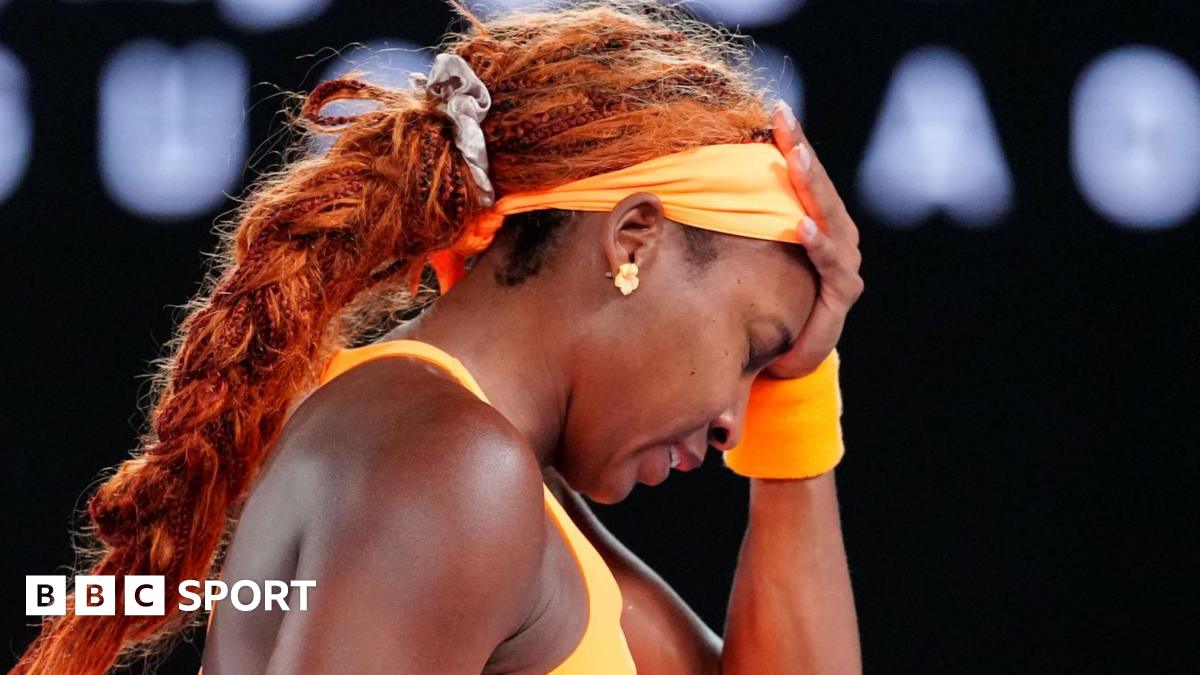
    The controversy emerged not from the match itself but from tournament broadcasters airing footage of Gauff’s emotional racquet smash in a players’ area she believed was private. This incident mirrors similar privacy concerns raised when Aryna Sabalenka was filmed destroying her equipment after losing the 2023 US Open final to Gauff.

    ‘I consciously attempted to retreat to spaces without cameras,’ Gauff explained in her post-match press conference. ‘Certain moments—like what happened to Aryna after our US Open final—shouldn’t be broadcast. The locker room remains our only truly private sanctuary during tournaments.’

    Svitolina’s dominant performance propelled her to a maiden Australian Open semi-final against defending champion Sabalenka, who continued her relentless march toward a third Melbourne title with a commanding 6-3, 6-0 victory over teenage sensation Iva Jovic.

    The privacy debate gained traction when former Wimbledon champion Pat Cash voiced support for Gauff’s position. ‘Cameras permeate every corner,’ Cash stated on BBC Radio 5 Sports Extra. ‘Players deserve quiet zones—their only refuge beyond hotel rooms. The current lack of privacy is fundamentally unacceptable.’

    Gauff defended her emotional outburst as a necessary release mechanism: ‘I refuse to direct frustration toward my team. While I avoid such displays in front of young fans, emotional catharsis remains essential for competitors.’

    Meanwhile, Sabalenka’s relentless form continues to impress. The Belarusian powerhouse has reached semi-finals in 14 of her last 17 majors and joins an elite group including Lindsay Davenport and Martina Hingis with eight consecutive Grand Slam semi-final appearances. Her scorching 10-match winning streak in 2026, without conceding a single set, establishes her as the overwhelming favorite for the title.

    Jovic, despite her quarter-final exit, praised Sabalenka’s mental transformation: ‘Her ability to convert negative experiences into motivational fuel is truly inspiring.’

    The tournament also faced physical challenges as Sabalenka’s match against Jovic concluded in extreme heat exceeding 40°C, triggering the Australian Open’s heat stress protocols and prompting roof closure on Rod Laver Arena.

  • She was born in a concentration camp. A Holocaust survivor tells her story for the first time

    She was born in a concentration camp. A Holocaust survivor tells her story for the first time

    TEL AVIV, Israel — Ilana Kantorowicz Shalem, among the youngest living Holocaust survivors at 81 years old, has chosen to break her lifelong silence by revealing an extraordinary story of survival that begins with her birth in the Bergen-Belsen concentration camp during the final days of World War II.

    Her mother, Lola Kantorowicz, concealed her pregnancy amidst the horrific conditions of the camp, where widespread starvation made distended bellies commonplace. On March 19, 1945—just thirty days before British forces liberated the camp—Ilana was born as Russian troops advanced through Germany. Archivist Sima Velkovich of Yad Vashem described the circumstances as “unimaginable,” noting the camp was filled with “mountains of corpses” and thousands of desperately ill prisoners at the time.

    Shalem’s survival represents a statistical miracle. Most infants born in concentration camps were immediately killed by Nazi authorities. Her existence only became possible because the Nazi leadership was in disarray during the war’s final weeks.

    The backdrop to this revelation comes as the world prepares to observe International Holocaust Remembrance Day on January 27, the anniversary of the liberation of Auschwitz-Birkenau. This year’s commemorations occur amidst rising global antisemitism following the Israel-Hamas conflict.

    Shalem’s parents, Lola Rosenblum and Hersz (Zvi) Abraham Kantorowicz, first met as teenagers in the Tomaszow Ghetto in Poland. They maintained a clandestine relationship through multiple labor camps after being separated from their families. Though they married informally in the ghetto, they were ultimately separated in 1944. Hersz perished in a death march just days before the war’s end.

    Lola survived Auschwitz, the Hindenburg labor camp, and a death march to Bergen-Belsen while pregnant. “If they discovered she was pregnant, they would have killed her,” Shalem explained. “She hid her pregnancy from everyone, including her friends, because she didn’t want the extra attention or anyone to give her their food.”

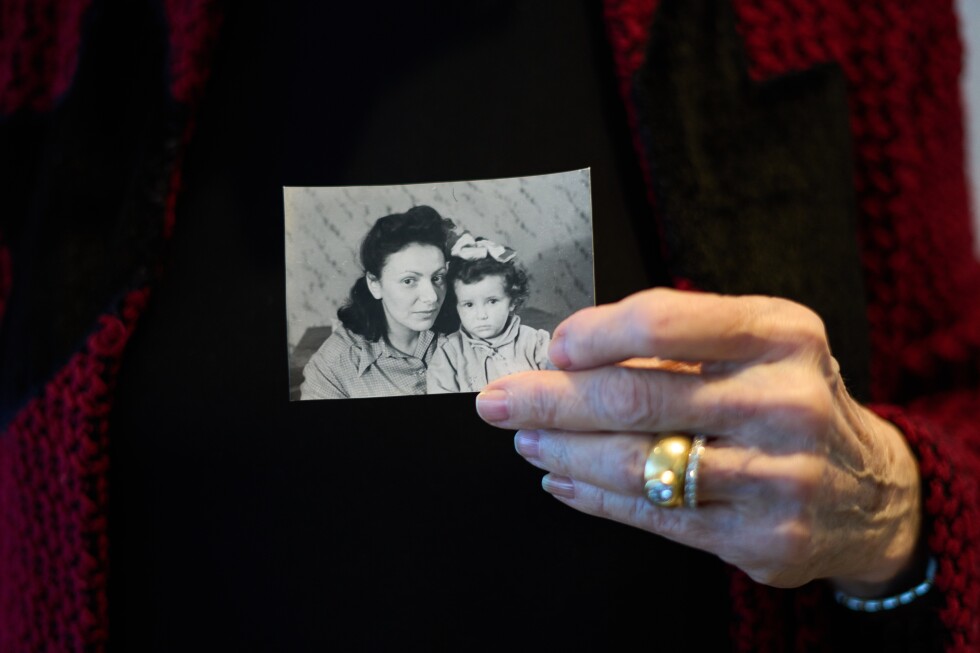
    Following liberation, baby Ilana became a symbol of hope in the displaced persons camp. “Actually, I was everyone’s child,” Shalem recalled. “For them, it was some kind of sign of life.” Photographs from the period show a healthy infant surrounded by adoring adults who saw her as “a new seed” of hope.

    Shalem noted that discussing Holocaust experiences was largely taboo in Israeli society during the 1960s when she first began asking her mother questions. “Now we know, in order to absorb trauma, we need to talk about it,” she said, contrasting this with the immediate public sharing by survivors of the October 7 Hamas attacks.

    The decision to share her story comes as Holocaust survivors dwindle in number. According to the Claims Conference, approximately 196,600 survivors remain alive today, with nearly half residing in Israel. Nearly 25,000 survivors passed away last year alone, with the median age now 87.

    Shalem, who has two daughters, reflects on her mother’s extraordinary strength: “It’s a situation that was very unusual, it probably required special strength to be able to believe. She said that one of the things was that if she had known my father was killed, she wouldn’t have tried so hard. She wanted him to know me.”