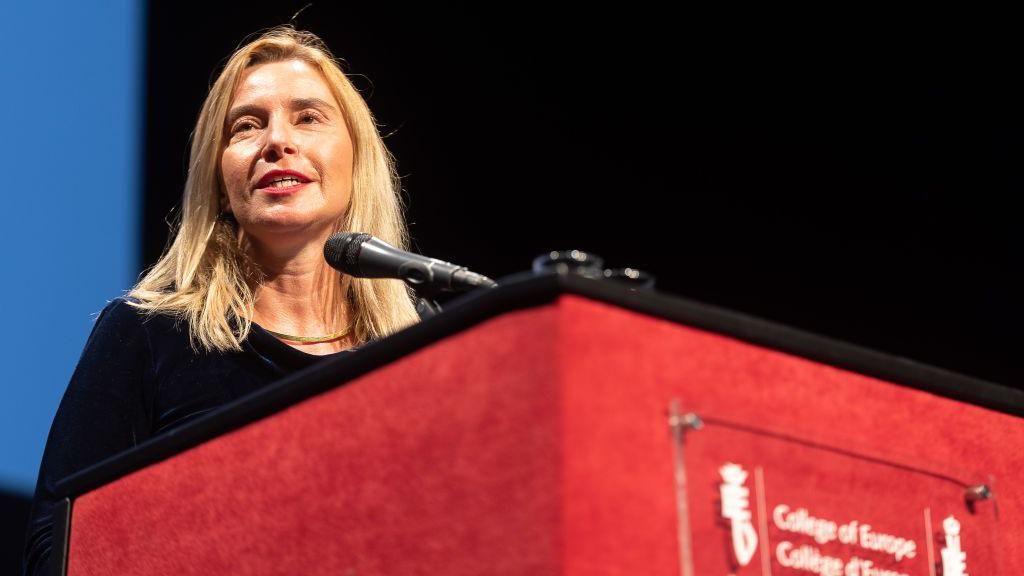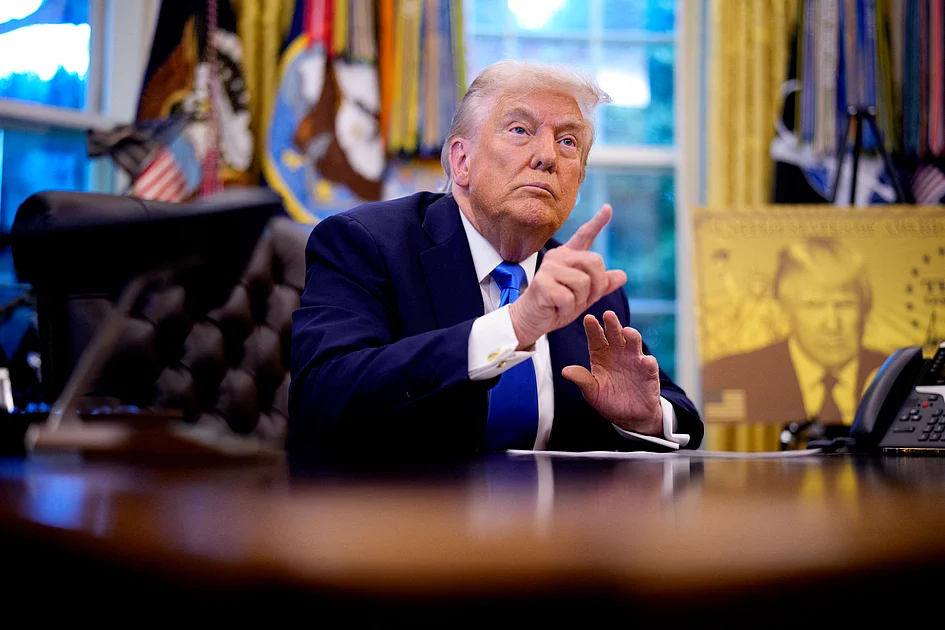
Amer Ghalib, the mayor of Hamtramck, Michigan, and a former Democrat turned Donald Trump supporter, faced intense questioning during his Senate Foreign Relations Committee hearing on Thursday. Nominated in March 2024 to become the U.S. ambassador to Kuwait, Ghalib’s confirmation has been delayed due to his controversial social media posts and outspoken criticism of Israel, which have drawn criticism from pro-Israel groups and right-wing media outlets. Ghalib, the first Muslim mayor to endorse Trump, defended his past remarks, including his dismissal of reports of Hamas’ sexual violence during the October 7 attacks, which he later attributed to a lack of awareness of the evidence. Senator Jeanne Shaheen challenged Ghalib on his comments, citing well-documented evidence of Hamas’ atrocities. Ghalib condemned all forms of abuse and expressed regret for his past social media activity, which he described as a “bad habit” of engaging with inflammatory posts. He also addressed his previous opposition to the Abraham Accords, stating that he now supports normalization with Israel. Ghalib emphasized his commitment to combating antisemitism, citing a resolution passed under his leadership in Hamtramck. Despite the controversy, Ghalib retains Trump’s support, as evidenced by a recent phone call from the former president. Ghalib’s nomination has sparked debate within both political parties, with some viewing it as a test of the Republican Party’s relationship with the Arab American community. His hearing highlighted the challenges of reconciling personal beliefs with public office, as well as the broader political implications of his appointment.
作者: admin
-

ICC judges reject jurisdiction challenge by Philippine ex-president Duterte
The International Criminal Court (ICC) has dismissed a jurisdictional challenge filed by former Philippine President Rodrigo Duterte, allowing his case to proceed. Duterte, who served as president from 2016 to 2022, was arrested in March and transferred to The Hague following an arrest warrant connecting him to alleged murders during his controversial war on drugs. This campaign, which targeted suspected drug dealers and users, resulted in thousands of deaths. Duterte and his legal team argued that his arrest was unlawful, claiming the ICC lacked jurisdiction because the Philippines withdrew from the court in 2019, before a full investigation was launched. However, ICC judges ruled that the preliminary examination initiated by prosecutors prior to the withdrawal was sufficient to establish jurisdiction under the court’s rules. The ruling did not address a separate defense motion questioning Duterte’s fitness to stand trial due to alleged cognitive decline. A panel of medical experts is expected to submit a report on his health by the end of October, with a decision on its impact on the trial anticipated in mid-November.
-

Indian doctors in US worry higher H-1B fee may destroy rural healthcare
In the heart of rural America, immigrant doctors like Dr. Mahesh Anantha are indispensable to communities that would otherwise struggle to access critical healthcare services. Based in Batesville, Arkansas, a town of 11,000 surrounded by farmland and small industries, Dr. Anantha is one of the few interventional cardiologists in the region. His practice serves as a lifeline for nearby villages and cities, with no other medical facilities within an hour or two’s drive. A gold medallist from Madras Medical College in India, Dr. Anantha is among the thousands of foreign-trained doctors who fill crucial gaps in the U.S. healthcare system, particularly in underserved rural areas. Recent data reveals that 25% of U.S. doctors are foreign-trained, with 64% working in rural regions where American graduates are reluctant to practice. Many of these doctors, including Dr. Anantha, are on H-1B visas, which allow them to work in the U.S. but leave them vulnerable to job instability and long waits for green cards. Last month, the Trump administration’s announcement of a $100,000 fee hike for new H-1B visa applicants sparked widespread fear among the roughly 50,000 India-trained doctors in the U.S. While the White House later clarified that the fee would not apply to existing H-1B visa holders, concerns remain about the future supply of foreign medical professionals. Experts warn that the fee hike could deter hospitals from hiring H-1B doctors, exacerbating the already critical shortage of physicians in rural areas. The American Medical Association (AMA) and other groups have emphasized that immigrant doctors are not taking jobs from U.S. graduates but are instead filling essential roles in communities that need them most. Dr. Rakesh Kanipakam, a nephrologist from Andhra Pradesh, India, exemplifies this contribution, traveling hundreds of miles weekly to treat patients with kidney failure in rural Alabama. The Conrad waiver, which allows foreign doctors to work in Health Professional Shortage Areas (HPSAs), has been instrumental in addressing acute doctor shortages. However, the proposed visa fee hike threatens to disrupt this vital pipeline. Dr. Anantha’s hospital credits him with transforming their facility into a center of excellence, generating over $40 million annually and earning numerous healthcare awards. While the AMA remains cautiously optimistic about potential exemptions for medical professionals, the urgency for action is clear. As Dr. Bobby Mukkamala, the first Indian-origin president of the AMA, warns, ‘International medical graduates are determining their next steps now, and the possibility of this fee hike could deter highly qualified physicians from working in the U.S.’
-

UAE strongly condemns Israeli Knesset’s approval of draft laws annexing West Bank
The United Arab Emirates (UAE) has issued a strong condemnation of the Israeli Knesset’s preliminary approval of two draft laws aimed at annexing the occupied West Bank and legitimizing control over a settlement in the region. In a statement released by the Ministry of Foreign Affairs, the UAE described the move as a severe escalation, a blatant violation of international resolutions, and a direct threat to the prospects of achieving a just and comprehensive peace in the Middle East. The Ministry reiterated the UAE’s firm rejection of all unilateral actions that seek to alter the legal and historical status of the Palestinian territories, emphasizing that such measures undermine the foundation of the two-state solution. The UAE called on the international community to fulfill its legal and political responsibilities by taking decisive steps to ensure security and stability for all peoples in the region. Additionally, the Ministry underscored the importance of supporting regional and international efforts to revive the peace process and halt illegal practices, reaffirming the UAE’s commitment to promoting peace, justice, and the rights of the Palestinian people.
-

17 countries, organisations, including Saudi Arabia, condemn Israeli laws on sovereignty over West Bank
A coalition of 17 countries and international organizations, including Saudi Arabia, Jordan, and the Organization of Islamic Cooperation, has issued a strong condemnation of two Israeli laws asserting sovereignty over the occupied West Bank. The joint statement, released through the Saudi Press Agency (SPA), denounces the laws as a blatant violation of international law and United Nations Security Council resolutions, particularly Resolution 2334. This resolution explicitly condemns any actions by Israel that alter the demographic or legal status of Palestinian territories occupied since 1967.
The statement also references the International Court of Justice (ICJ), which has repeatedly declared Israel’s occupation of Palestinian land illegal. The ICJ has emphasized Israel’s obligation to ensure access to essential resources for Palestinians and to facilitate humanitarian aid through UN channels. Furthermore, the court has reaffirmed the Palestinian people’s right to self-determination and independent statehood.
The coalition warns against Israel’s continued illegal activities in the West Bank and calls on the international community to hold Israel accountable for its actions. They urge global leaders to ensure that Israel respects the rights of the Palestinian people and adheres to international legal standards. This unified stance highlights growing international concern over Israel’s policies in the region and underscores the urgency of addressing the ongoing conflict.
-

Pakistan bans radical party after deadly protest under anti-terrorism laws
Pakistan has once again banned the far-right Islamist party Tehreek-e-Labbaik Pakistan (TLP) under anti-terrorism laws, following violent clashes during anti-Israel protests near Lahore that resulted in at least five fatalities. The decision, made during a cabinet meeting chaired by Prime Minister Shehbaz Sharif, marks the second time the group has been outlawed. TLP has been at the forefront of some of Pakistan’s most violent protests in recent years. The prime minister’s office stated that the Federal Cabinet unanimously concluded TLP is involved in terrorism and violent activities, citing its violent protests, rallies, and demonstrations that have led to the deaths of security personnel and innocent bystanders. The latest unrest began on October 9, when TLP supporters, led by party chief Saad Rizvi, marched from Lahore towards Islamabad to protest a US-brokered ceasefire between Israel and Hamas. Clashes erupted in Muridke, resulting in at least five deaths, including a police officer. Authorities have since launched a sweeping crackdown, sealing 95 bank accounts and several properties allegedly linked to the group. Rizvi has gone underground to avoid arrest. TLP was previously banned in April 2021 after violent anti-France protests but was unbanned seven months later. The group, which contested the 2018 and 2024 general elections, has mobilized thousands of supporters to paralyze cities, demand the expulsion of Western ambassadors, target religious minorities, and incite riots. The party, also known as the Movement at the Service of the Prophet, rose to prominence in 2016 protesting the execution of Mumtaz Qadri, who assassinated Punjab governor Salman Taseer in 2011 over his calls to reform Pakistan’s blasphemy laws.
-

Japan coach Eddie Jones is back and hopes to again torment the Wallabies
In a highly anticipated rugby showdown, Eddie Jones, the former coach of Australia, is set to face his old team for the first time since his resignation following their disappointing 2023 Rugby World Cup campaign. Now at the helm of Japan, Jones aims to continue his dominance over the Wallabies, a team he defeated nine times in ten encounters during his tenure as England’s coach from 2015 to 2022. Despite Japan’s winless record against Australia in their six previous meetings, Jones remains optimistic about his team’s chances. Speaking ahead of Saturday’s match at Tokyo’s National Stadium, Jones acknowledged the unique emotions of facing his home country but emphasized his competitive drive. The 65-year-old coach will face a revamped Australian squad led by Nick Champion de Crespigny, who will captain the team in his third test. Regular skipper Harry Wilson will start on the bench, providing backrow cover. Australia’s head coach, Joe Schmidt, has opted to assess the team’s depth in this one-off test, resisting pressure to reintegrate Carter Gordon immediately after his return from the National Rugby League. Schmidt highlighted the threat posed by Japan, describing them as a tough and fast-playing team, especially on home soil. The Wallabies enter the match after a narrow 28-24 loss to New Zealand in the Rugby Championship, while Japan suffered a defeat to Fiji in the Pacific Nations Cup final. Jones has made six changes to Japan’s starting lineup, including bringing in Michael Leitch and Ben Gunter to strengthen the back row. Leitch, a former captain, will earn his 90th cap, while Gunter, one of four Australia-raised players in the squad, starts at blindside flanker. The match marks the beginning of a challenging series for Australia, with upcoming tests against England, Italy, Ireland, and France in November.
-

Voters set to decide new Irish president
The Republic of Ireland is set to hold a pivotal presidential election on Friday, marking a significant moment in the nation’s political landscape. Voters will choose between two primary candidates, Catherine Connolly and Heather Humphreys, to succeed the incumbent President Michael D Higgins, who is concluding his second consecutive seven-year term. Although a third candidate, Jim Gavin, withdrew from the race due to a past controversy, his name remains on the ballot due to legal constraints, allowing votes cast for him to be transferred to other candidates if necessary. Polls will open at 07:00 local time and close at 22:00, with approximately 3.6 million eligible voters expected to participate. Catherine Connolly, an independent candidate, has garnered support from left-leaning parties, including Sinn Féin, while Heather Humphreys, a former government minister from Fine Gael, represents the coalition government. The vote counting will commence at 09:00 on Saturday, with the winner announced at Dublin Castle. The new president will be inaugurated on 11 November, following Higgins’ departure on 10 November.
-

Will the US government shutdown halt food stamps?
As the US government shutdown persists, millions of Americans reliant on the Supplemental Nutrition Assistance Program (SNAP) face uncertainty over their food benefits. The US Department of Agriculture (USDA) warned states on October 10 that prolonged shutdown could lead to ‘insufficient funds’ to pay full SNAP benefits by November. This has triggered widespread concern among low-income families who depend on the program for their monthly groceries. SNAP, which supports approximately 40 million Americans, provides an average of $6 per person daily, making it a lifeline for many households. Hilary Seligman, a professor at the University of California, San Francisco, emphasized the program’s critical role in preventing families from choosing between rent and food. The shutdown has disrupted federal funding to states, delaying SNAP card reloads and processing. While a $5 billion contingency fund exists, it would only cover 60% of November’s benefits, according to the Center on Budget and Policy Priorities. Political blame has intensified, with Republicans and Democrats accusing each other of causing the crisis. States like Pennsylvania have already issued warnings about potential benefit delays, further heightening anxieties among vulnerable populations.
-

Prince Andrew urged to testify to Congress over Epstein
A prominent Democratic representative from the House Oversight Committee has publicly urged Prince Andrew to appear before Congress to clarify his association with Jeffrey Epstein, the deceased financier convicted of sex trafficking. The lawmaker emphasized the necessity for the prince to provide a detailed account of his interactions with Epstein, whose crimes have sparked widespread scrutiny of his high-profile connections. This development underscores the growing pressure on Prince Andrew to address lingering questions about his involvement with Epstein, particularly as investigations into the latter’s network continue. The call for testimony highlights the broader implications of accountability for public figures linked to Epstein’s illicit activities.