作者: admin

  • Look: Syrian-French artist debuts his first solo exhibition in UAE

    Look: Syrian-French artist debuts his first solo exhibition in UAE

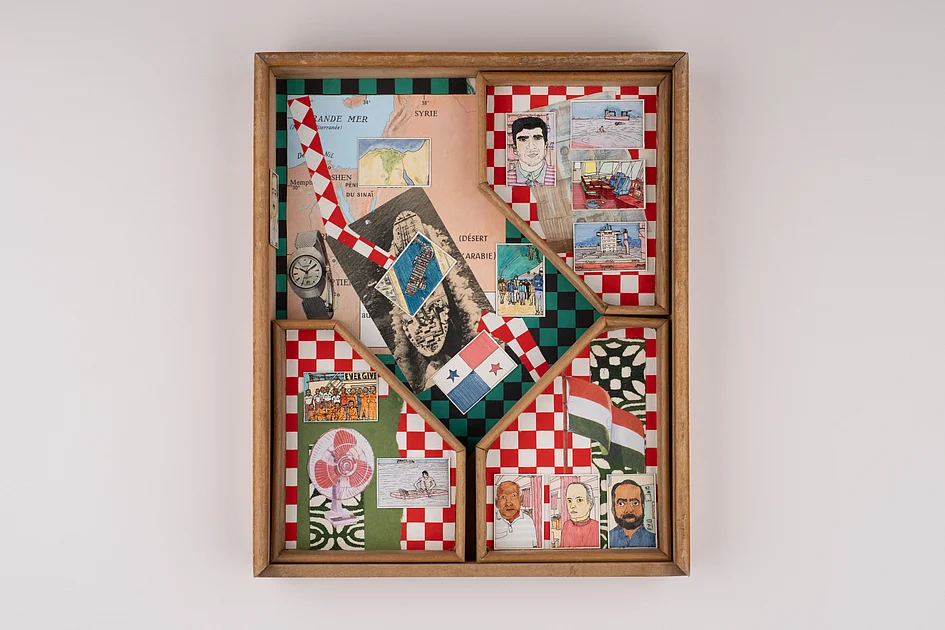
    Dubai’s Jameel Arts Centre is currently hosting Syrian-French artist Bady Dalloul’s first institutional solo exhibition in the UAE, titled “Self-portrait with a cat I don’t have.” This immersive installation, running through February 22, 2026, represents a significant milestone for the artist whose work navigates the complex intersections of migration, identity, and the blending of factual and fictional narratives.

    The exhibition transforms the gallery space into a recreation of Dalloul’s Dubai apartment, creating an intimate environment where viewers encounter meticulously crafted miniature dioramas, intricate drawings, repurposed everyday objects, and vintage game cases. Each piece serves as a meditation on displacement, cultural inheritance, and belonging, reflecting Dalloul’s personal experiences as someone born in Paris to Syrian parents, educated in Tokyo, and now based in Dubai.

    Central to the exhibition is Dalloul’s exploration of how personal memory intersects with collective history. “I grew up listening to the people around me,” Dalloul explains. “Their stories were shaped by subjectivity—by emotion, memory, silence. That subjectivity is where their power lies.”

    Notable works include the “Age of Empires” series—50 drawings inspired by 19th-century Japanese cosmology that examine how physical traits were historically linked to destiny and imperial rise and fall. Through these works, Dalloul challenges Western historiography’s linearity, instead creating a kaleidoscopic journey across continents and timelines.

    The exhibition’s title, derived from a surrealist painting by Egyptian artist Abdel Hadi Al Gazzar, reflects Dalloul’s experience of creating his first self-portrait while alone in Tokyo. “The cat didn’t exist, but the feeling did,” he recalls. “That imagined presence gave me comfort.”

    Despite some criticism that his approach romanticizes trauma, Dalloul maintains that fiction allows for humor, tenderness, and dialogue where documentation might only emphasize harshness. The artist’s modestly scaled works—necessitated by his apartment-studio lifestyle—become poetic strategies for storytelling, with matchboxes transforming into miniature galleries and bento boxes becoming narrative vessels.

    Visitor responses have been profoundly personal, with many reporting emotional connections to the unspoken experiences depicted. Dalloul views Dubai’s cultural landscape as particularly receptive to his work, noting that “everyone, no matter where they’re from, can flourish here.” The exhibition will travel to Lisbon following its Dubai presentation, continuing its evolution as part of Dalloul’s ongoing “Land of Dreams” series.

  • Investigation ordered after Iraq appears to designate Hezbollah and Houthis terrorists

    Investigation ordered after Iraq appears to designate Hezbollah and Houthis terrorists

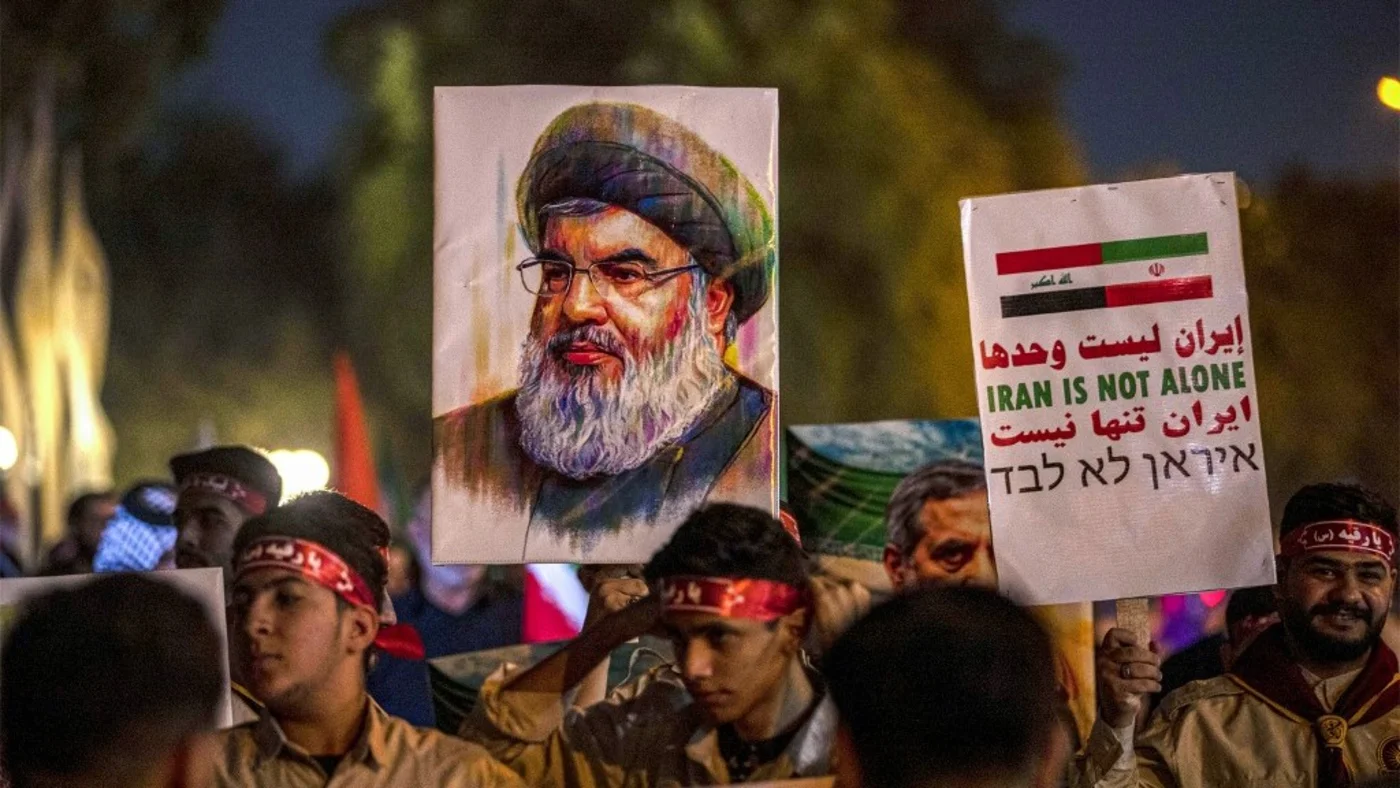
    A significant diplomatic incident erupted in Iraq on Thursday following the apparent, and subsequently retracted, designation of Lebanon’s Hezbollah and Yemen’s Houthi movement (Ansar Allah) as terrorist organizations by the government in Baghdad. The controversial move, published in the official state gazette by the Justice Ministry on November 17, initially placed the Iran-aligned groups on a sanctions list alongside ISIS and al-Qaeda, sparking immediate confusion and fierce internal criticism.

    The decision was met with astonishment, given the Iraqi government’s close ties to numerous powerful political parties and armed factions that are themselves allies of both Hezbollah and the Houthis. Initial interpretations suggested Prime Minister Mohammed Shia al-Sudani might be succumbing to intense pressure from the United States to curb Iranian influence across the region.

    However, attention only swelled on Thursday when news outlets reported the listing. Later that day, the Iraqi government issued an official clarification through its state news agency, declaring the inclusion a grave administrative error. The published document was described as an ‘unrevised version’ that should never have been released. Acting on instructions, the Central Bank’s acting deputy governor formally requested the Committee for the Freezing of Terrorists’ Funds to delete the clause containing the groups’ names. Prime Minister al-Sudani announced an investigation to identify and hold accountable those responsible for the blunder.

    Analysts were quick to highlight the profound risks such a designation would entail. Iraqi expert Ali al-Mikdam warned that labeling these groups as terrorist organizations ‘carries significant risks and could provoke serious internal tensions with allied factions,’ particularly within the Iran-backed Popular Mobilisation Forces. The controversy raised pressing questions among observers: was this a genuine mistake, or a hasty government backtrack to quell fury from its core allies?

    The incident underscores the immense pressure Baghdad faces as it attempts a delicate balancing act. The government strives to maintain positive relations with Washington while honoring its deep commercial, military, and political ties with neighboring Iran. As Israel’s war in Gaza inflames regional tensions, al-Sudani has been praised for largely keeping Iraq out of a wider conflict. Nevertheless, increasing pressure from U.S. officials, including new envoy Mark Savaya, demands a crackdown on Iran-linked armed groups.

    The timing is particularly sensitive as al-Sudani seeks a new term following recent elections, a process requiring the crucial consent of Iran-aligned parties. The erroneous listing, therefore, represents a severe political misstep that threatens to undermine his leadership aspirations and reveals the government’s vulnerability to influential internal actors tied to regional powers. As Mikdam concluded, the episode was an ‘inadequately considered’ step that generated political confusion, leaving the administration exposed.

  • Meta starts removing under-16s from social media in Australia

    Meta starts removing under-16s from social media in Australia

    In a groundbreaking regulatory move, Australia has implemented the world’s first comprehensive ban prohibiting minors under 16 from accessing major social media platforms. Tech giant Meta confirmed on December 4, 2025, that it has initiated the removal process of underage users from Instagram, Threads, and Facebook in compliance with the new legislation that takes full effect on December 10.

    The Online Safety Act mandates that digital platforms including TikTok and YouTube implement stringent age verification systems, with non-compliant companies facing substantial penalties of up to AU$49.5 million (approximately US$32 million). Meta’s spokesperson acknowledged the complexity of full compliance, stating, “While we are working hard to remove all users who we understand to be under the age of 16 by December 10, compliance with the law will be an ongoing and multi-layered process.”

    The policy has sparked significant controversy across multiple fronts. YouTube has publicly criticized the legislation, arguing that removing account requirements for under-16s would actually diminish safety by eliminating platform-controlled content filters. Meanwhile, digital rights organization The Digital Freedom Project has mounted a legal challenge in Australia’s High Court, contending the ban constitutes an unfair restriction on freedom of speech.

    Communications Minister Anika Wells defended the legislation, citing concerning connections between social media algorithms and youth mental health crises. “Some Australian teens had killed themselves as algorithms latched on—targeting them with content that drained their self-esteem,” Wells revealed to reporters. She emphasized that while the law wouldn’t address all internet harms, it would create safer digital environments for adolescents.

    The implementation challenges are substantial, with experts anticipating that determined teenagers might employ artificial intelligence to alter their appearance or submit falsified identification documents. Australia’s eSafety Commissioner has acknowledged that “no solution is likely to be 100 percent effective” against such circumvention attempts.

    With an estimated 350,000 Australian Instagram users aged 13-15 alone, the ban’s impact will be widespread. The legislation exempts certain platforms including WhatsApp, Roblox, and Pinterest, though this list remains under ongoing review. International observers are closely monitoring Australia’s experiment, as Malaysia and New Zealand have indicated plans to introduce similar age restrictions in the coming year.

  • US push for an end to the war in Ukraine sets off a flurry of shuttle diplomacy

    US push for an end to the war in Ukraine sets off a flurry of shuttle diplomacy

    A renewed American diplomatic initiative to resolve the prolonged conflict between Ukraine and Russia has triggered an intensive global negotiation effort. Key representatives from the United States, Ukraine, and Russia have engaged in a series of high-level meetings across multiple international venues to discuss potential pathways to peace.

    The diplomatic movement commenced on November 19 when Ukrainian President Volodymyr Zelenskyy visited Turkey to revitalize peace discussions. This was followed by revelations of a 28-point peace framework jointly prepared by U.S. and Russian officials, which immediately drew criticism for its perceived alignment with Moscow’s interests.

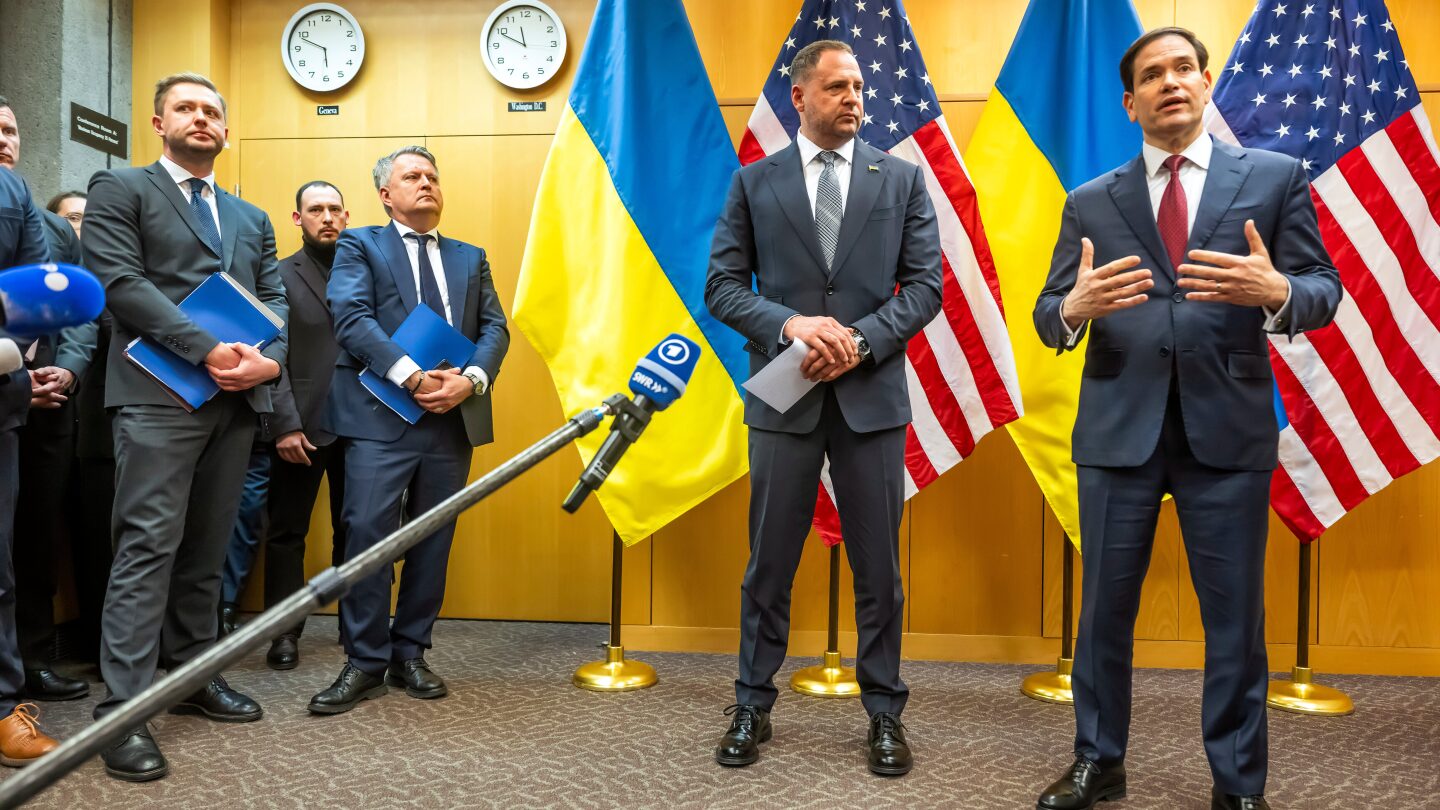
    Subsequent developments included U.S. Army Secretary Dan Driscoll’s briefing of Zelenskyy in Kyiv regarding Washington’s peace proposal on November 20. Three days later, Secretary of State Marco Rubio conducted negotiations in Geneva with a Ukrainian delegation led by presidential chief of staff Andrii Yermak, with both sides reporting substantive progress.

    Parallel diplomatic channels saw Driscoll meeting Russian officials in Abu Dhabi on November 24-25, though Russian President Vladimir Putin’s foreign policy adviser Yuri Ushakov indicated the new peace plan wasn’t thoroughly examined.

    The negotiation landscape shifted on November 30 when a reconfigured Ukrainian delegation under Rustem Umerov (following Yermak’s resignation amid corruption allegations) met with U.S. officials in Florida. This meeting preceded Zelenskyy’s December 1 briefing of French President Emmanuel Macron in Paris regarding the Florida discussions.

    The diplomatic momentum culminated on December 2 with an extensive five-hour meeting at the Kremlin between Putin and key American figures including Jared Kushner, alongside Russian envoys Kirill Dmitriev and Ushakov. While characterized as constructive, Ushakov emphasized significant work remained. Concurrently, Zelenskyy consulted with returning delegates in Ireland, acknowledging Ukraine’s anticipation of signals from American diplomats following their Moscow engagements. The diplomatic circuit concluded on December 4 with Ukrainian representatives returning to Florida for further consultations with the U.S. team recently returned from Russia.

  • Israel ‘bulldozed bodies’ of Palestinian it killed at Gaza aid sites into unmarked graves

    Israel ‘bulldozed bodies’ of Palestinian it killed at Gaza aid sites into unmarked graves

    A comprehensive CNN investigation has uncovered disturbing evidence of Israeli soldiers using bulldozers to dispose of Palestinians killed while attempting to access humanitarian aid near the Zikim crossing into northern Gaza. The remains were reportedly pushed into shallow, unmarked graves or left exposed for extended periods in areas deemed too dangerous for recovery operations.

    The investigation, which analyzed hundreds of videos, photographs, satellite imagery, and eyewitness accounts, reveals a pattern of mishandling the dead that international legal experts indicate violates humanitarian law. Testimonies from aid truck drivers, civil defense workers, and former Israeli military personnel describe recurring scenes of decomposing bodies being bulldozed into sand with no effort toward identification or proper burial.

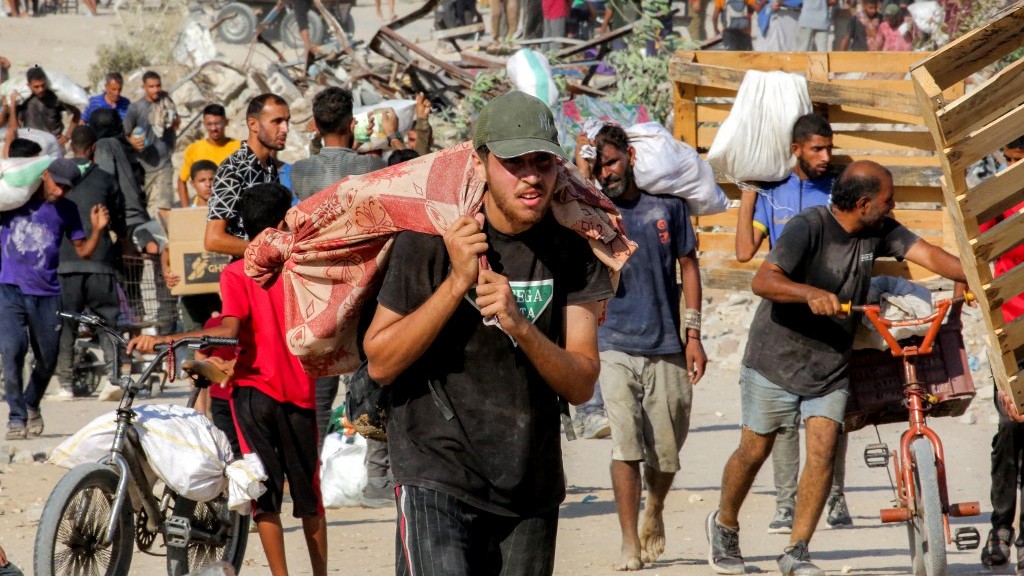
    Multiple videos geolocated to the Zikim area show the aftermath of shootings targeting Palestinian aid seekers. Footage from June depicts partially buried bodies surrounding an overturned aid truck, while September recordings capture Palestinians fleeing under heavy fire while carrying sacks of flour. Audio forensic analysis confirmed gunfire originating from approximately 340 meters away—corresponding to the distance of an identified Israeli military position.

    Eyewitness accounts describe horrific conditions, with one civil defense worker reporting: ‘The bodies we recovered were decomposed, they had clearly been there for a while, there were signs that dogs had eaten parts of them.’ Another aid driver characterized the area as ‘like the Bermuda Triangle – no one knows what’s happening in that area.’

    The investigation further reveals that this practice appears systemic across Gaza. An Israeli military whistleblower described how nine unarmed Palestinians’ bodies were left to rot near his outpost in early 2024, with commanders ordering bulldozers to cover them with sand. Another former officer confirmed receiving no protocols for handling casualties, leading to ad-hoc decisions to use bulldozers for makeshift burials.

    Satellite imagery shows persistent bulldozing activity around the crossing from mid-June until its closure on September 12, with some operations having no clear operational purpose beyond moving soil and debris. International humanitarian law explicitly requires conflict parties to protect the dignity of the dead, facilitate identification, and allow for proper burial—obligations that legal experts say are being violated by these practices.

  • Arteta fears injury woes will hamper Arsenal title charge

    Arteta fears injury woes will hamper Arsenal title charge

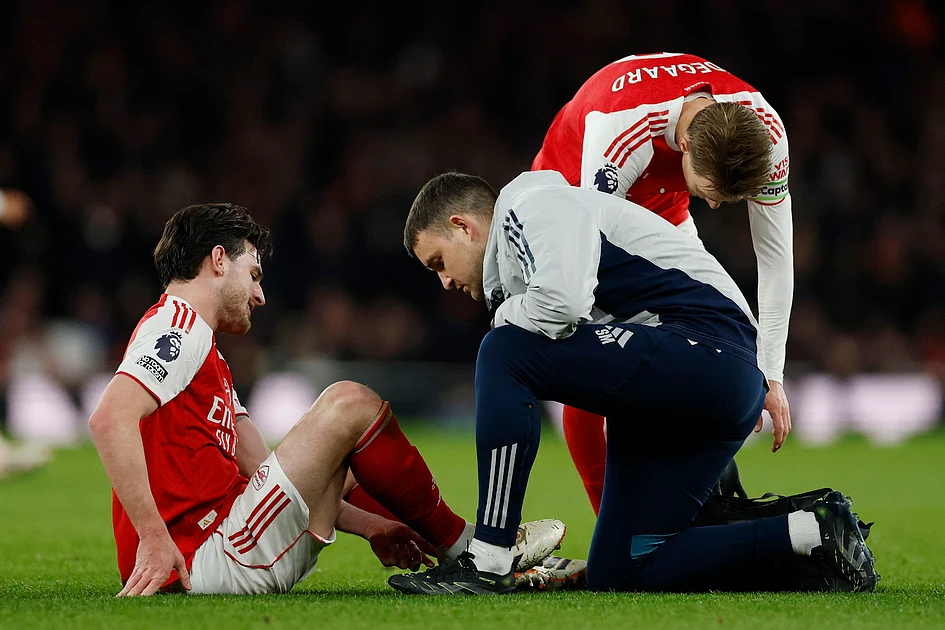
    Arsenal manager Mikel Arteta has expressed serious concerns about how a worsening injury situation could derail the club’s Premier League championship campaign, despite their commanding 2-0 victory over Brentford that extended their unbeaten streak to 18 matches across all competitions. The Wednesday night triumph at Emirates Stadium, powered by goals from Mikel Merino and Bukayo Saka, propelled the Gunners to a five-point advantage over second-place Manchester City. However, the win came at a significant cost as both midfielder Declan Rice and defender Cristhian Mosquera were forced from the pitch with apparent injuries. The situation compounds existing absences including first-choice center-backs Gabriel Magalhaes and William Saliba, along with attackers Kai Havertz and Leandro Trossard. Arteta particularly lamented the demanding fixture schedule that required his squad to play with one fewer recovery day than their opponents, questioning the Premier League’s commitment to player welfare. With a critical early Saturday kick-off against in-form Aston Villa looming, the injury-depleted squad faces mounting physical challenges despite their impressive table position.

  • Ireland among countries boycotting Eurovision after Israel allowed to compete

    Ireland among countries boycotting Eurovision after Israel allowed to compete

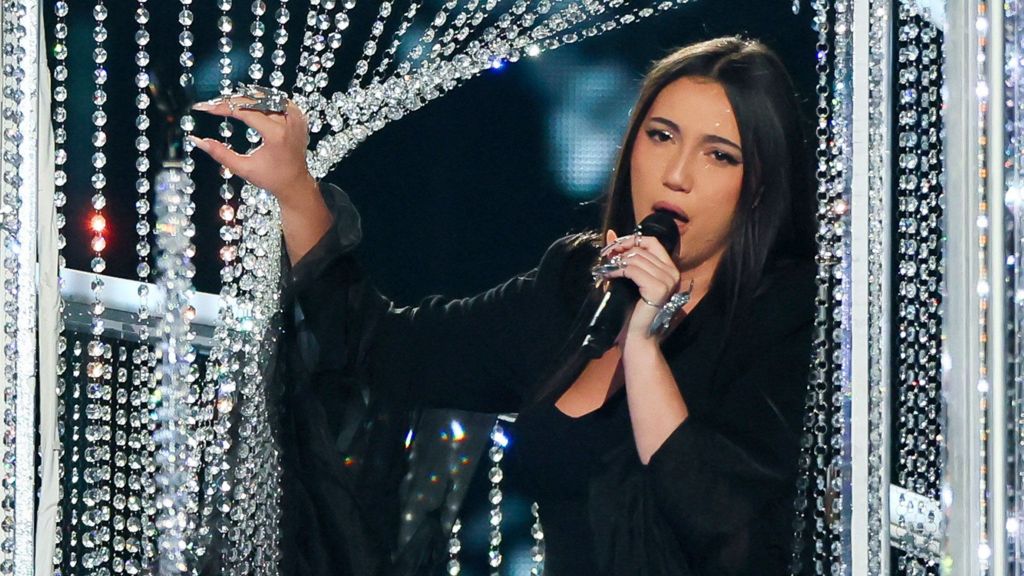
    The European Broadcasting Union (EBU) faces mounting diplomatic pressure as four European nations announced their withdrawal from the 2026 Eurovision Song Contest following the decision to permit Israel’s continued participation. Ireland, Spain, the Netherlands, and Slovenia have formally declared their boycott, citing ethical concerns regarding the humanitarian situation in Gaza and allegations of compromised voting integrity.

    Ireland’s national broadcaster RTE issued a statement emphasizing that participation remains “unconscionable given the appalling loss of lives in Gaza and the ongoing humanitarian crisis.” The Dutch broadcaster Avrotros similarly stated that competing under current circumstances contradicts their essential public values.

    Spanish broadcaster RTVE revealed that its board had predetermined withdrawal should Israel participate, a decision that extends to non-broadcast of both the finals and semi-finals. RTVE had previously advocated for Israel’s exclusion and requested a secret ballot on the matter, which organizers denied—a move the broadcaster claims confirms “political pressure surrounding the festival.”

    Slovenia’s RTV maintained its unchanged position, asserting that recent rule modifications fail to address fundamental ethical concerns. The broadcaster emphasized its commitment to equal standards for all EBU members and participating nations.

    In contrast, Israeli President Isaac Herzog celebrated the EBU’s decision as “an appreciated gesture of solidarity, brotherhood, and cooperation,” characterizing it as a victory over attempts to silence Israel. He expressed hope that the competition would continue to promote cultural understanding and friendship between nations.

    The controversy emerges amidst ongoing debates about the politicization of the world’s largest music competition. While Iceland is reportedly considering similar action, no official announcement has been made. The EBU has responded by implementing new rules designed to protect the contest’s integrity, though these measures have failed to appease the boycotting nations.

  • Arne Slot searches for positives as Liverpool drop points again

    Arne Slot searches for positives as Liverpool drop points again

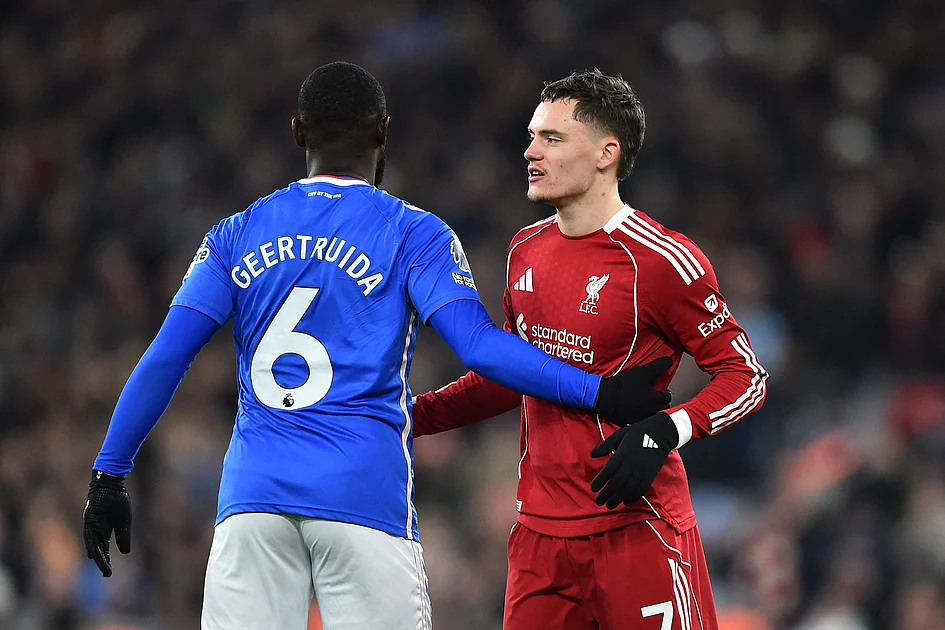
    Liverpool’s concerning run of form persisted as they narrowly avoided a disastrous defeat against Sunderland, managing only a 1-1 draw in Wednesday’s Premier League clash. The match represented another setback for manager Arne Slot’s squad following their promising 2-0 victory over West Ham United just days earlier.

    Florian Wirtz’s deflected effort in the 81st minute ultimately rescued a point for the struggling champions, preventing what would have marked their tenth loss in fourteen competitive fixtures this season. The pattern of inconsistent performances continues to define Liverpool’s campaign, characterized by moments of progress followed by significant regression.

    Slot acknowledged the team’s persistent difficulties in his post-match comments, stating to BBC: ‘Repeatedly this season, we’ve conceded from limited opposition opportunities. While fortunate not to suffer defeat tonight—a scenario that would have resulted in loss in previous weeks—our inability to secure victory remains troubling.’

    The Dutch manager highlighted Liverpool’s fundamental deficiency in offensive effectiveness, noting: ‘After fourteen matches, our production from open play and set pieces remains insufficient.’ Statistical analysis supported Slot’s assessment, revealing Liverpool’s overwhelming possession dominance and pass completion rates more than doubling Sunderland’s, yet yielding minimal genuine scoring threats until Wirtz’s fortunate intervention.

    Slot elaborated to Sky Sports: ‘Similar to the West Ham match, we created limited opportunities while conceding few. The deflection goal against us exemplified misfortune, but ultimately we required luck when Alisson faced one-on-one situations.’

    The match nearly concluded in dramatic fashion during added time when Wilson Isidor bypassed goalkeeper Alisson Becker, only to see his goalbound effort miraculously cleared off the line by Federico Chiesa. Slot praised the defensive commitment: ‘That clearance demonstrates the absolute effort required—continuous effort ultimately prevented certain defeat.’

    The result leaves Liverpool seeking solutions to their scoring inefficiency and defensive vulnerabilities as they navigate a season increasingly defined by underperformance relative to expectations.

  • Sudan army chief’s Islamist ties complicate peace efforts

    Sudan army chief’s Islamist ties complicate peace efforts

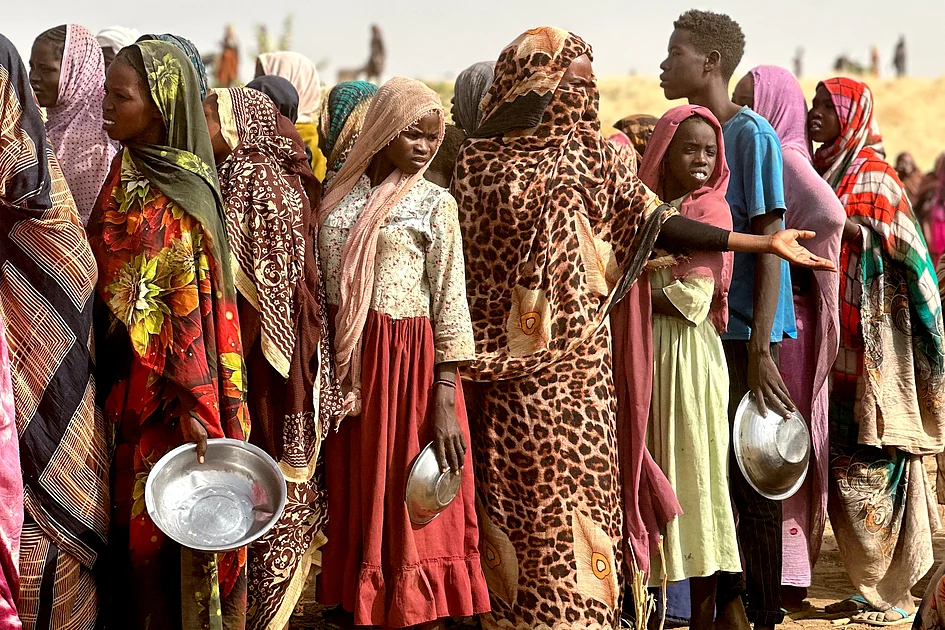
    The already daunting challenge of achieving peace in Sudan faces additional complications stemming from Army Chief Abdel Fattah Al Burhan’s intricate relationship with Islamist factions, whose influence has expanded significantly since the conflict’s inception. These groups have become instrumental to Burhan’s military strategy and political survival, providing both combat personnel and strategic guidance in his war against former deputy Mohamed Hamdan Daglo’s Rapid Support Forces (RSF).

    Analysts indicate that Islamist elements within Burhan’s power structure actively oppose ceasefire initiatives, fearing that any peace agreement and subsequent return to civilian governance would marginalize their recently regained political influence. Sudanese analyst Kholood Khair notes, ‘The Islamists are very upset at the prospect of a ceasefire. They want the war to continue as much as possible.’

    Despite welcoming international mediation efforts, including recent engagement with US President Donald Trump facilitated by Saudi Crown Prince Mohammed bin Salman, Burhan has consistently rejected proposed ceasefire arrangements. His delicate balancing act requires maintaining Islamist support while navigating increasing pressure from international mediators who view these alliances as destabilizing.

    The term ‘Islamists’ in Sudan’s context refers to a network of parties, leaders, and patronage systems developed under former autocrat Omar Al Bashir. Since the conflict began, Bashir-era associates have been released from detention, mobilized troops, and regained political prominence—a significant reversal from their diminished status following Bashir’s 2019 ousting.

    Daglo has strategically framed the conflict as a struggle against ‘radical Islamists’ and remnants of Bashir’s regime. Meanwhile, Burhan publicly denies Muslim Brotherhood presence in his government, despite evidence of complex interdependencies. A secret August meeting with US envoy Massad Boulos resulted in tentative agreements to gradually distance from Islamist allies, though implementation has been limited to minor personnel changes.

    International actors including the United States, Saudi Arabia, the UAE, and Egypt have jointly declared that Sudan’s future cannot be determined by groups linked to the Muslim Brotherhood, which the Trump administration has moved to designate as terrorist organizations. Recent US sanctions targeting Burhan’s finance minister and the Al Baraa ibn Malik Brigade reflect efforts to limit Islamist influence and counter Iran’s regional activities, which include alleged drone shipments to Sudanese forces.

    Burhan currently faces mounting pressures: maintaining unity within his factionalized camp, addressing military setbacks including losses in Darfur, and responding to intensified diplomatic pressure from regional powers concerned about national security implications. With exhausted troops and diminishing territorial control, the army chief appears trapped between Islamist dependencies and international demands, lacking viable alternatives for political survival without his controversial allies.

  • Look: How this army doctor reinvented herself as a contemporary artist

    Look: How this army doctor reinvented herself as a contemporary artist

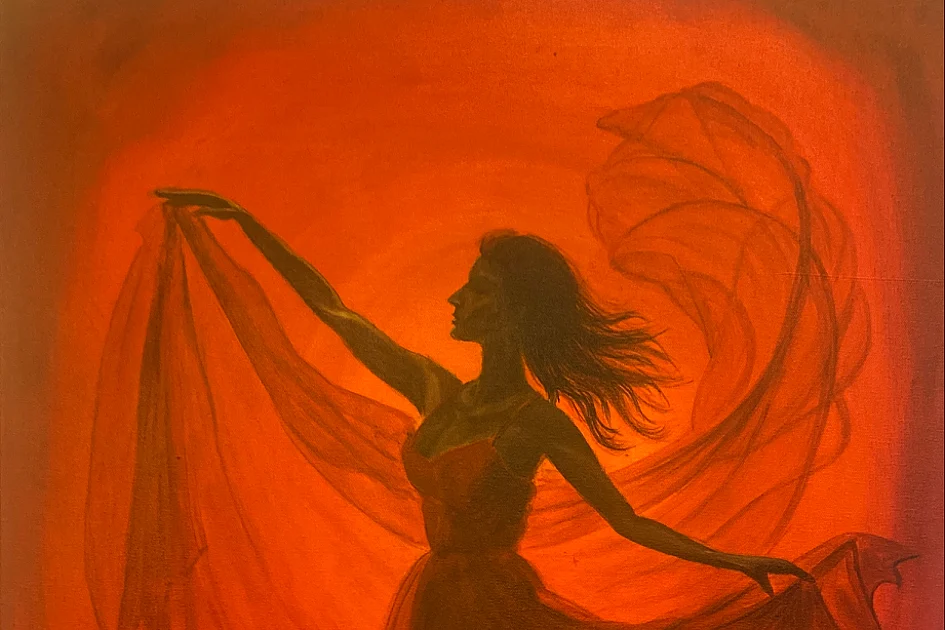
    Dr. Meenakshi Singhal has embarked on an extraordinary professional metamorphosis, transitioning from a distinguished career as an Indian Army radiologist to emerging as a celebrated contemporary artist within a single year. Her journey represents a profound evolution from medical science to artistic expression that has captured international attention.

    After more than three decades interpreting grayscale radiological images with precision at the Armed Forces Medical College in Pune, Dr. Singhal made the decisive shift to full-time artistry in January 2025. Her medical background continues to profoundly influence her artistic vision, with years of analyzing anatomical structures and subtle densities refining her exceptional eye for composition, depth, and underlying architectures.

    “In many ways, I still read images,” Dr. Singhal reflects, “just with a completely different purpose now.” Her canvases represent a liberation from monochrome medicine into vibrant color fields, where technical precision merges seamlessly with intuitive expression. The discipline and resilience cultivated during demanding forward-area postings with the Army now manifest in artworks that explore themes of protection, grounding, and quiet strength.

    Her artistic ascent has been remarkably rapid. Following successful group exhibitions across India including ‘Raabta,’ ‘Imprints,’ and ‘Art Spectra,’ her work gained international recognition at Hanoi’s ‘Intersection’ exhibition in October 2025. The following month, her participation in Dubai’s ‘Khwab-e-Mussawiri’ event drew admiration from diverse international audiences and established regional artists, including celebrated Emirati artist Ahmed Al Awadhi Rukni who took particular interest in her artistic evolution.

    This December marks a significant milestone with her debut solo exhibition in Gurgaon, representing both a personal and professional culmination. “This show is the story of my transition,” she explains, “from a life rooted in science and service to one rooted in intuition and creation. It is a celebration of coming home to myself.”

    The emotional resonance of her work transcends cultural boundaries, with viewers from different backgrounds connecting with her pieces for varied reasons. As one international attendee observed upon learning this was only her first year as a professional artist: “Then your soul has been painting much longer.”