作者: admin

  • US and Kenya sign first of what are expected to be dozens of ‘America First’ global health deals

    US and Kenya sign first of what are expected to be dozens of ‘America First’ global health deals

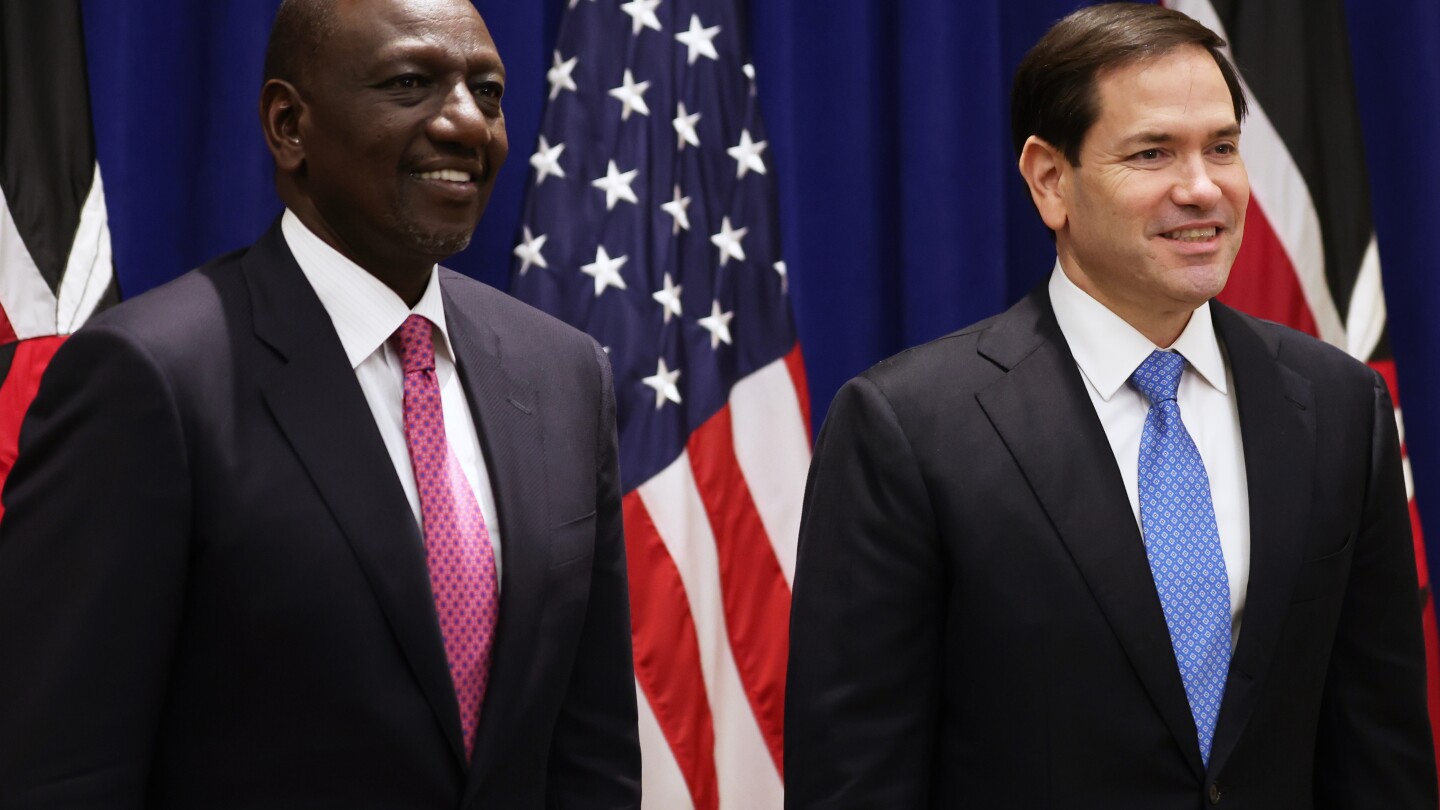
    The Trump administration has initiated its new ‘America First’ global health strategy by formalizing a major $2.5 billion, five-year health agreement with Kenya. Signed by Secretary of State Marco Rubio and Kenyan President William Ruto, this pact represents the first in an anticipated series of bilateral health funding agreements designed to align U.S. foreign assistance with the administration’s broader geopolitical objectives.

    This new cooperation framework replaces previous multi-lateral health programs traditionally administered by the U.S. Agency for International Development (USAID), which was dismantled earlier this year. The move has drawn significant criticism from the global health community, as the closure of USAID resulted in the termination of hundreds of programs across the developing world, including initiatives focused on maternal and child healthcare, nutrition, and HIV/AIDS prevention.

    The Kenya agreement allocates $1.7 billion from the U.S. government, with Kenya contributing the remaining $850 million. Funding will prioritize combating infectious diseases such as HIV/AIDS, malaria, and tuberculosis, with an emphasis on supporting faith-based medical providers. All clinics and hospitals within Kenya’s health insurance system will be eligible for funding, provided they comply with U.S. restrictions on abortion services. State Department officials Jeremy Lewin and Brad Smith confirmed the agreement includes protections against discrimination based on sexual orientation, gender identity, or profession.

    In parallel with the health agreement, U.S. officials praised Kenya’s leadership in international stabilization efforts, particularly its role in combating powerful gangs in Haiti. The administration plans to extend similar health agreements to other African nations aligned with its foreign policy stance, though political differences with the Trump administration may exclude major players like Nigeria and South Africa.

  • Future-ready school set to solve real-world challenges

    Future-ready school set to solve real-world challenges

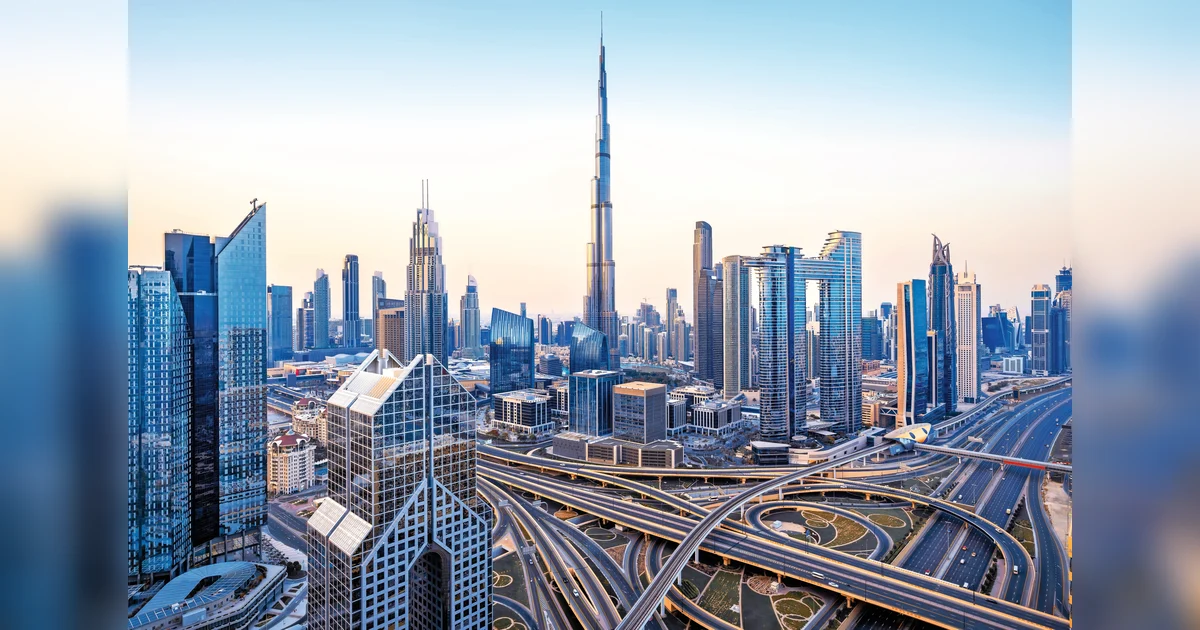
    Dubai has entered a new chapter in educational excellence with the groundbreaking establishment of the School of Research and Innovation (SRI), redefining conventional learning paradigms through its integrated approach to future-focused education. As the region’s first institution specifically designed to prepare students for rapidly evolving global challenges, SRI converges technology, industry partnerships, and innovation under a single comprehensive ecosystem.

    Under the enhanced British curriculum framework, SRI introduces the distinctive ‘Trailblazer’ program, enabling students to explore diverse passions spanning sports, technology, performing arts, and academic disciplines. This initiative provides dedicated time for hands-on, career-oriented projects that facilitate self-discovery and strength identification. According to Dino Varkey, Group CEO at GEMS Education, the program fundamentally connects theoretical learning to practical real-world applications while simultaneously developing essential communication skills through public speaking and debating platforms.

    The school’s creation responds directly to the UAE’s transformation into a global innovation hub, marking a strategic shift from importing human capital to cultivating homegrown talent. SRI’s philosophy centers on empowering young minds to think boldly, experiment fearlessly, and engage meaningfully with global challenges through university-grade laboratories, innovation studios, and cutting-edge facilities rarely seen in K-12 education.

    Despite being categorized among Dubai’s premium educational institutions, SRI’s value proposition extends beyond conventional metrics. The investment translates into unparalleled opportunities: students build functional mini-Teslas, program self-driving vehicles, train with cognitive tools utilized by Manchester United, and receive instruction from robotics specialists at Boston Dynamics and Kawasaki.

    The institution embeds research and innovation principles throughout daily learning experiences, prioritizing future-essential skills including creativity, problem-solving, adaptability, and technological fluency. By exposing students to diverse professional fields early in their academic journey, SRI ensures graduates enter university or workplace environments with clarified direction, confidence, and practical capabilities that transcend traditional academic preparation.

  • Luxury fashion firms asked for documents as part of Italian labor abuse probe

    Luxury fashion firms asked for documents as part of Italian labor abuse probe

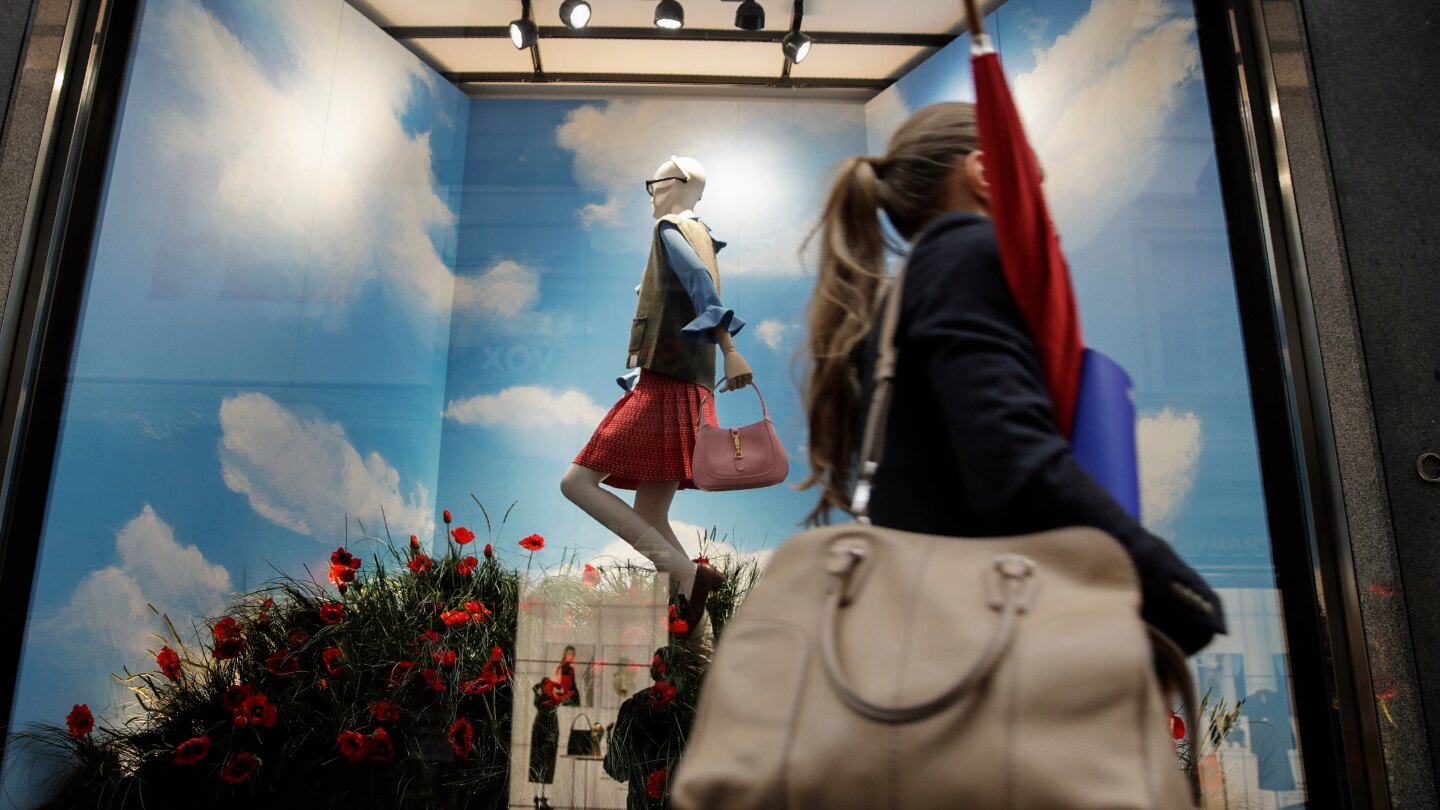
    Italian judicial authorities have launched a significant investigation into labor practices within the luxury fashion sector, with Milan prosecutors formally requesting comprehensive documentation from 13 prestigious fashion houses. The probe centers on allegations of severe worker exploitation at Chinese-operated subcontractor workshops that manufacture products for these luxury brands.

    According to judicial documents obtained by The Associated Press, prosecutors are examining instances of what they describe as “heavy exploitations” of Chinese workers within the supply chain. The investigation seeks to determine the extent of the brands’ awareness and involvement in these alleged labor violations through detailed analysis of corporate governance structures, internal control mechanisms, and audit procedures.

    The prominent fashion companies under scrutiny include Dolce & Gabbana, Versace, Prada, Adidas Italy, Missoni, Ferragamo, Givenchy Italia, Alexander McQueen Italia, Gucci, Yves Saint Laurent Manifatture, Pinko, Coccinelle, and Off-White Operating. None of these firms have issued immediate public statements regarding the prosecutors’ requests or the underlying allegations.

    This investigation represents the latest development in an ongoing series of law enforcement actions targeting labor abuses within Italy’s high-end fashion manufacturing sector. The Milan prosecutor’s office will utilize the collected documentation to assess corporate accountability and determine appropriate legal measures regarding the alleged worker exploitation.

    The fashion industry probe follows similar recent actions, including last month’s investigation into luxury group Tod’s and three executives for suspected labor violations, which prompted prosecutors to request a six-month advertising ban. Additionally, April revelations showed Chinese workers at an unauthorized subcontractor producing accessories for Giorgio Armani, further highlighting systemic supply chain concerns within the industry.

  • Cheapest gold price in UAE: Who will gain most from 14K rate in Dubai?

    Cheapest gold price in UAE: Who will gain most from 14K rate in Dubai?

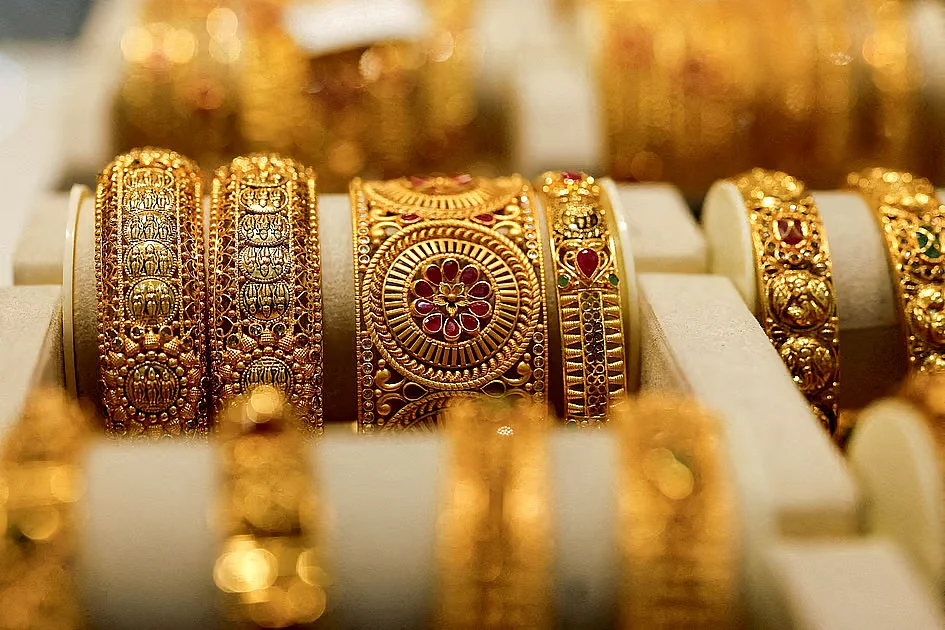
    Dubai, renowned globally as the ‘City of Gold,’ has officially introduced 14K gold pricing for the first time in its history, a strategic move aimed at revitalizing consumer interest in the jewelry market. The initiative, announced by the Dubai Jewellery Group (DJG) — the largest trade body representing approximately 600 members in the industry — comes as gold prices soared to unprecedented levels in October 2025, both in the UAE and worldwide.

    As of Thursday morning, 14K gold was trading at Dh300.25 per gram, positioning it as the most affordable variant available in the UAE. This price point is over Dh200 cheaper than 24K gold and nearly Dh85 less than 18K gold, making it an attractive option for budget-conscious consumers.

    Industry experts highlight that the introduction of 14K gold primarily targets two key segments: customers purchasing diamond-studded jewelry and those seeking more affordable, everyday ornaments. Anil Dhanak, Managing Director of Kanz Jewels, explained that 14K gold offers enhanced durability for mountings and lower entry prices without compromising aesthetic appeal, particularly for pieces where gold serves as a supporting metal rather than the core value.

    The timing of this initiative is critical. Data from the World Gold Council reveals that gold jewelry demand in the UAE plummeted to a five-year low of 6.3 tonnes in the third quarter of 2025, marking a 10% year-on-year decline and an 18% quarter-on-quarter drop. Rising prices have rendered traditional gold ornaments unaffordable for many, prompting a shift in consumer behavior.

    Chirag Vora, Managing Director of Bafleh Jewellers, noted that lower-priced options like 14K gold could attract younger buyers, first-time purchasers, and expatriates familiar with this karatage. Retailers can now offer tiered options: 22K for traditional value, 18K for luxury fashion, and 14K for accessible everyday pieces.

    Concurrently, consumer preferences are evolving. Shamlal Ahamed, Managing Director for International Operations at Malabar Gold and Diamonds, observed a growing trend toward lightweight, lifestyle jewelry driven by design sensibilities rather than mere price considerations. Millennials and Gen Z customers are leading this shift, seeking versatile, contemporary pieces that align with their daily lives.

    The introduction of 14K gold is poised to stimulate unit sales, support retailers and manufacturers, and cater to a broader demographic, ensuring Dubai’s continued prominence in the global gold market.

  • RIT Dubai hosts UAE’s youngest university student

    RIT Dubai hosts UAE’s youngest university student

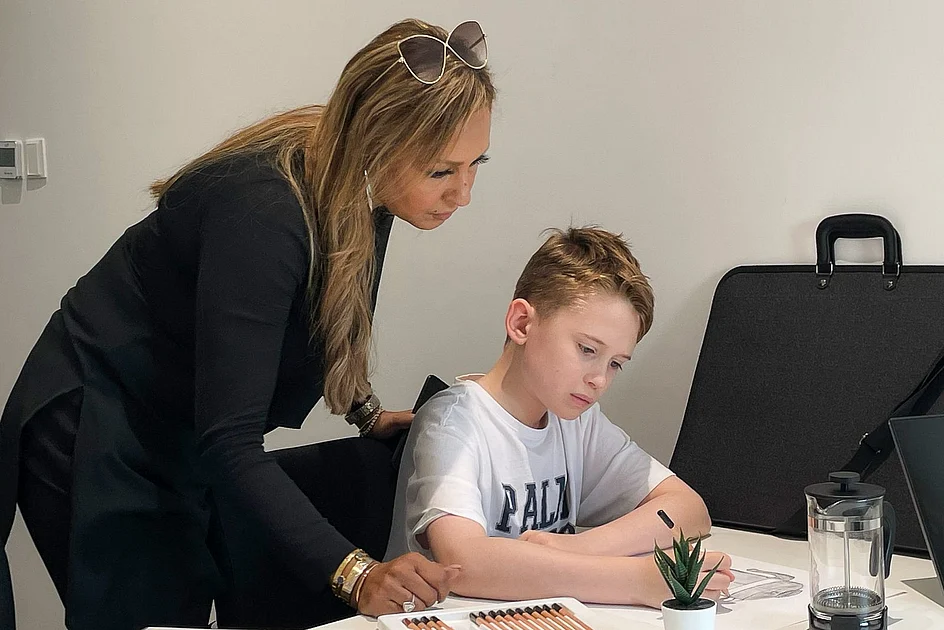
    Rochester Institute of Technology Dubai has made educational history by admitting 12-year-old Leonardo Mariotti as the youngest university student ever enrolled in the United Arab Emirates. This groundbreaking initiative, developed in collaboration with Dubai’s Knowledge and Human Development Authority (KHDA), represents a pioneering approach to nurturing exceptional young talent through customized educational pathways.

    The young scholar’s journey to university began with early demonstrations of extraordinary spatial reasoning and innovative conceptualization abilities. Despite diagnosed neurological differences including Asperger’s, Dyslexia, Tourette’s, and ADHD, Leonardo has transformed these characteristics into assets that fuel his creative and technical capabilities. His mother, Yolanda Pohl-Mariotti, poetically describes her son as ‘carrying an entire orchestra within him,’ where each neurological trait contributes to a ‘breathtaking symphony of uniqueness.’

    Critical to his development was the supportive environment at Lycée Français International de l’AFLEC, where educators, specialists, and therapists collaboratively cultivated his potential through personalized learning strategies. This foundation of inclusive education enabled his transition to higher education at an unprecedented age.

    RIT Dubai has designed a bespoke curriculum aligned with Leonardo’s exceptional talents, incorporating advanced studies in Robotics, 3D Modeling and Printing, Engineering, Computer Coding, Artificial Intelligence, and New Media Design. Under the leadership of Dr. Yousef Al Assaf, the institution demonstrates its commitment to creating educational opportunities for students who transcend conventional academic pathways.

    This milestone reflects both RIT’s global legacy in technological education and the UAE’s national commitment to educational innovation and neurodiversity inclusion. Through coordinated efforts between the Ministry of Education and KHDA, the country continues to develop frameworks that recognize cognitive differences as strengths rather than limitations.

    Now completing his second month of university studies, Leonardo Mariotti stands as an inspiration to educational systems worldwide, challenging preconceived notions of age-appropriate learning and demonstrating that intellectual brilliance manifests in diverse forms.

  • Macron vows to fight for French journalist’s release in Algeria after court appeal fails

    Macron vows to fight for French journalist’s release in Algeria after court appeal fails

    PARIS — In a significant development impacting Franco-Algerian relations, an Algerian appellate court has confirmed the seven-year imprisonment sentence for French sports journalist Christophe Gleizes, dashing hopes for his imminent release. The verdict, delivered on Wednesday, sustains the original conviction of “glorifying terrorism” under Algeria’s stringent anti-terrorism legislation.

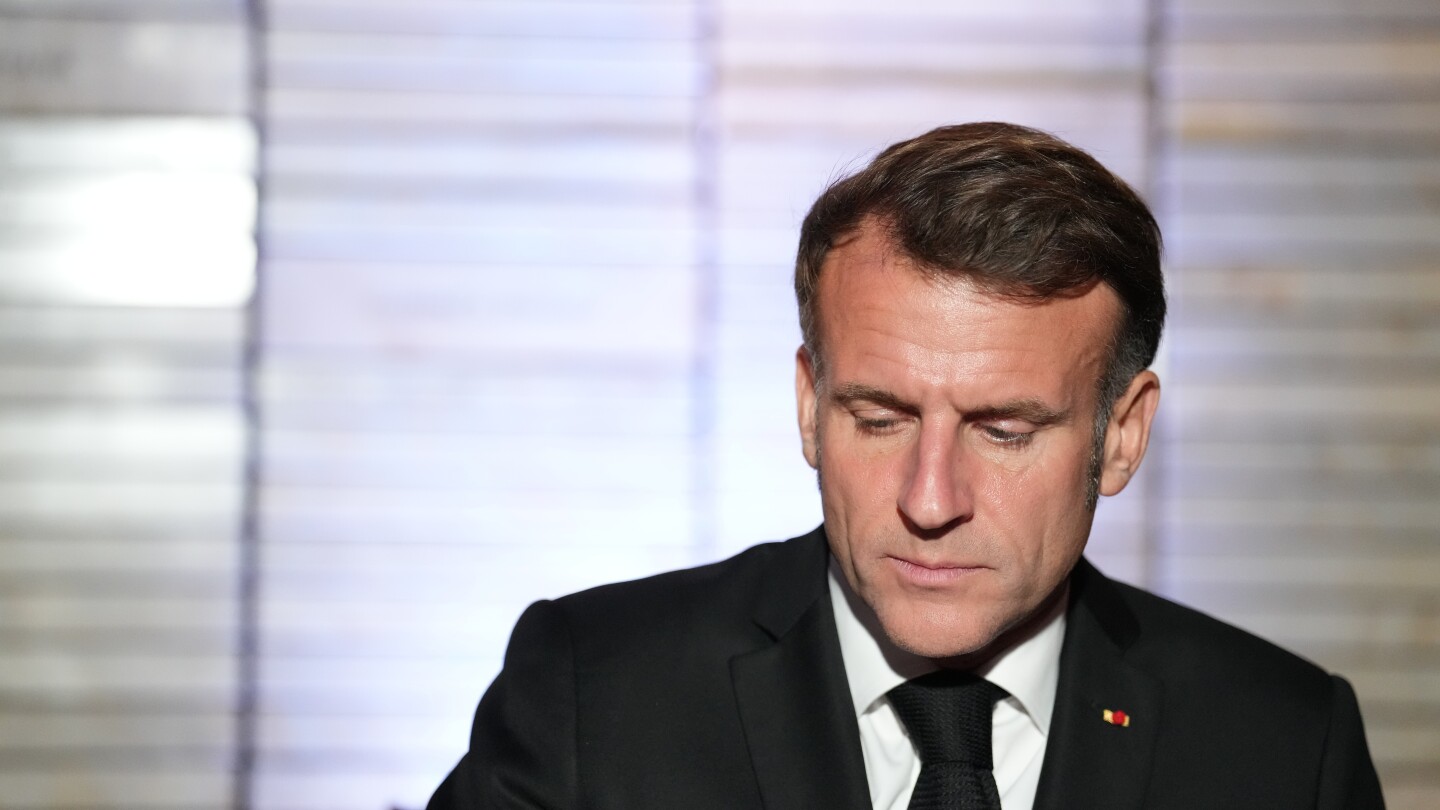
    French President Emmanuel Macron has reaffirmed his administration’s commitment to securing Gleizes’ freedom, declaring through an official statement that France “will continue to take action with the Algerian authorities to obtain his release and his return to France as soon as possible.” This diplomatic stance follows the disappointing appellate outcome that occurred on Wednesday.

    The case originated six months ago when Gleizes, a 36-year-old freelance journalist, conducted an interview with a soccer official allegedly connected to a prohibited separatist organization. Algerian prosecutors successfully argued that the journalist violated counter-terrorism statutes and possessed materials intended for propaganda purposes—charges that have drawn substantial criticism from international human rights organizations and French media outlets.

    During appellate proceedings in Tizi Ouzou, Gleizes reportedly admitted guilt and acknowledged “many journalistic mistakes,” according to his Algerian legal representative, Amirouche Bakouri. The journalist appealed for prosecutorial clemency and forgiveness, emphasizing his desire to reunite with his family in France.

    The recent improvement in Franco-Algerian relations, highlighted by last month’s release of French-Algerian novelist Boualem Sansal, had generated optimism among diplomatic circles regarding Gleizes’ potential release. With judicial appeals now exhausted, the journalist’s fate rests exclusively with Algerian President Abdelmadjid Tebboune’s prerogative of pardon.

    The French soccer league has joined the call for Gleizes’ liberation, urging member clubs and supporters to amplify appeals for his release. Notably, Gleizes remains the only French journalist currently imprisoned worldwide according to media advocacy groups.

  • UAE: A nation forged by vision, unity and transformation

    UAE: A nation forged by vision, unity and transformation

    Fifty-four years following its establishment, the United Arab Emirates continues to craft one of modernity’s most extraordinary national development narratives. This federation, initially composed of youthful emirates with constrained resources in 1971, has undergone a profound metamorphosis into a globally influential hub for innovation, cultural dynamism, and sustainable progress.

    The nation’s economic evolution represents a cornerstone of its success. Early leadership strategically directed initial oil revenues toward constructing essential infrastructure—encompassing transportation networks, educational institutions, healthcare facilities, and housing developments—thereby establishing a foundation for enduring prosperity. Historical economic data reveals staggering growth: since gaining independence, the UAE’s economy expanded approximately 231-fold to reach Dh1.45 trillion by 2013. Current estimates for 2025 indicate a GDP approaching $569 billion, with per capita figures exceeding $51,290 nominally and $82,000 in purchasing power parity terms, positioning the nation among global wealth leaders.

    A pivotal achievement in this transformation has been economic diversification. Whereas petroleum previously constituted over 85% of national output, the non-oil sector now contributes more than 77% of real GDP according to Federal Competitiveness and Statistics Centre data. This strategic shift manifests powerfully in foreign trade, with non-oil commerce reaching Dh835 billion solely in 2025’s first quarter. Robust activity spans tourism, logistics, financial services, advanced manufacturing, and renewable energy sectors.

    The UAE’s ambitions extend beyond terrestrial boundaries into space exploration. The successful arrival of the Hope Probe at Mars in 2021 marked a historic milestone, making the Emirates the first Arab nation and fifth entity globally to reach the Red Planet. The space program continues advancing ambitiously with 2025’s launch of six satellites, including the inaugural radar satellite UnionSat. Through a landmark collaboration with Thales Alenia Space, the Mohammed bin Rashid Space Center has secured permanent participation in NASA’s Gateway lunar station, facilitating Emirati astronaut involvement in future lunar missions. The scheduled 2026 Rashid Rover 2 expedition to the Moon’s far side and the Emirates Mission to the Asteroid Belt further demonstrate the nation’s commitment to establishing world-class expertise in space technology.

    Concurrently, the UAE has cultivated an exceptional environment for entrepreneurship. The Global Entrepreneurship Monitor 2024-25 report ranks the nation first worldwide for the fourth consecutive year, leading high-income countries in 11 of 13 key indicators including entrepreneurial financing accessibility and supportive government policies. Complementary analysis by TASC Corporate Services awarded near-perfect scores (930/1000) for business friendliness, highlighting Golden Visas, competitive taxation, and innovation-tailored ecosystems. Approximately 70% of adults perceive strong entrepreneurial opportunities, with 78% of new entrepreneurs prioritizing social and environmental impact—evidence of a maturing, purpose-driven enterprise culture.

    Central Bank projections indicate 4.4% real GDP growth for 2025, with some international agencies forecasting up to 6.2%. This optimism stems from diversified economic structures, political stability, and strategic investments in future-growth sectors including green energy, artificial intelligence, and advanced manufacturing.

    Infrastructure development remains another hallmark achievement. From rudimentary desert tracks, the UAE has engineered some of the planet’s most sophisticated urban centers, transportation networks, and logistical hubs. Jebel Ali Port ranks among the world’s largest and most efficient seaports, while aviation leaders Emirates, Etihad, and Air Arabia have transformed the nation into a global crossroads. Digital infrastructure and smart city initiatives further establish the UAE as a twenty-first-century urbanization model.

    Demographic expansion mirrors national development, growing from several hundred thousand residents in 1971 to approximately 10 million by 2025. This population comprises over 200 nationalities fostering a vibrant multicultural society that embodies leadership principles valuing unity through diversity.

    This transformative journey honors the legacy of founding visionaries, particularly the late Sheikh Zayed bin Sultan Al Nahyan, whose conviction that “a country’s real wealth lies in its people” continues guiding national policy. As the Arab world’s second-largest economy advances from hydrocarbon dependence to hydrogen innovation, from regional trade hub to global technological leader, and from Earth to extraterrestrial exploration, its narrative of limitless possibility continues unfolding with confident ambition.

  • IndiGo cancels 175 flights on Day 3; here’s what triggered pilot shortage crisis

    IndiGo cancels 175 flights on Day 3; here’s what triggered pilot shortage crisis

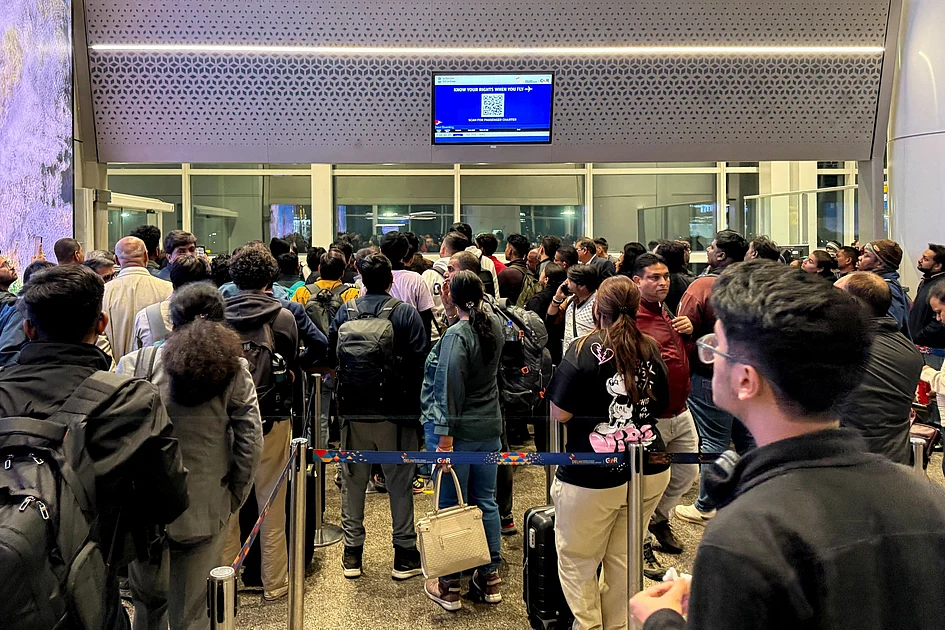
    India’s aviation sector faces mounting turbulence as IndiGo, the nation’s dominant carrier with over 60% market share, canceled 175 flights on Thursday—marking the third consecutive day of severe operational disruptions. The crisis has stranded thousands of passengers across major hubs, with Mumbai recording 85 cancellations, Delhi approximately 95, Bengaluru 73, and Hyderabad 68, according to airport authorities and ANI reports.

    The root cause traces back to stringent Flight Duty Time Limitations (FDTL) implemented by India’s Directorate General of Civil Aviation (DGCA) in January 2024. These revamped regulations mandate 48-hour weekly rest periods for pilots, reduce permitted night landings from six to two, and require airlines to submit quarterly fatigue reports. While designed to combat pilot fatigue, the rules have exposed critical staffing deficiencies at IndiGo.

    Data reveals the scale of the challenge: of IndiGo’s 1,232 canceled flights in November, 755 were attributed to crew and FDTL constraints. Additional cancellations stemmed from Air Traffic Control failures (92), airport/airspace restrictions (258), and other factors (127).

    The Federation of Indian Pilots contends IndiGo failed to adjust rosters adequately ahead of the November 1 implementation deadline. Meanwhile, the Airline Pilots’ Association of India (ALPA) has questioned whether the cancellations represent “a failure in planning or a calculated strategy,” suggesting airlines might be pressuring regulators to dilute safety norms for commercial gain.

    This operational meltdown strikes at the core of IndiGo’s brand identity, built on punctuality and its famed “IndiGo Standard Time” reputation. The airline acknowledged making “calibrated adjustments” to schedules over the coming days while the DGCA investigates the situation and collaborates on solutions.

  • US-based Tanzanian activist blames government for Instagram ban

    US-based Tanzanian activist blames government for Instagram ban

    In a significant development highlighting digital activism and political repression, prominent Tanzanian critic Mange Kimambi has alleged government involvement in the removal of her Instagram accounts, which boasted nearly three million followers. The US-based former fashion model has been utilizing these platforms to organize opposition against President Samia Suluhu Hassan’s administration.

    Meta, Instagram’s parent company, stated the accounts were eliminated due to recidivism policy violations, specifically prohibiting the creation of new accounts resembling previously removed ones. However, Kimambi maintains this action represents governmental retaliation for her activism.

    Tanzanian authorities have dismissed these allegations, with government spokesman Gerson Msigwa demanding proof. This controversy emerges amidst ongoing political turmoil following the October 29 elections, which President Hassan won with approximately 98% of votes after key opponents were disqualified or detained.

    The situation has attracted international attention, with the US State Department announcing a comprehensive review of bilateral relations with Tanzania. Thursday’s statement cited concerning democratic backsliding, human rights violations, repression of religious freedom and speech, and failure to prevent electoral violence.

    Kimambi faces legal challenges in Tanzania, including charges of economic sabotage and money laundering involving $56,000. She contends these allegations are politically motivated attempts to silence her criticism. Despite her accounts’ removal, Kimambi continues advocating for peaceful protests through her remaining X platform, addressing an open letter to US President Donald Trump requesting Meta reinstate her pages.

    This case highlights growing tensions between digital activism and state control, with Tanzania’s political landscape becoming increasingly scrutinized by international observers concerned about democratic principles and human rights protections.

  • Theodor Pištěk, Czech Oscar-winning costume designer, dies at 93

    Theodor Pištěk, Czech Oscar-winning costume designer, dies at 93

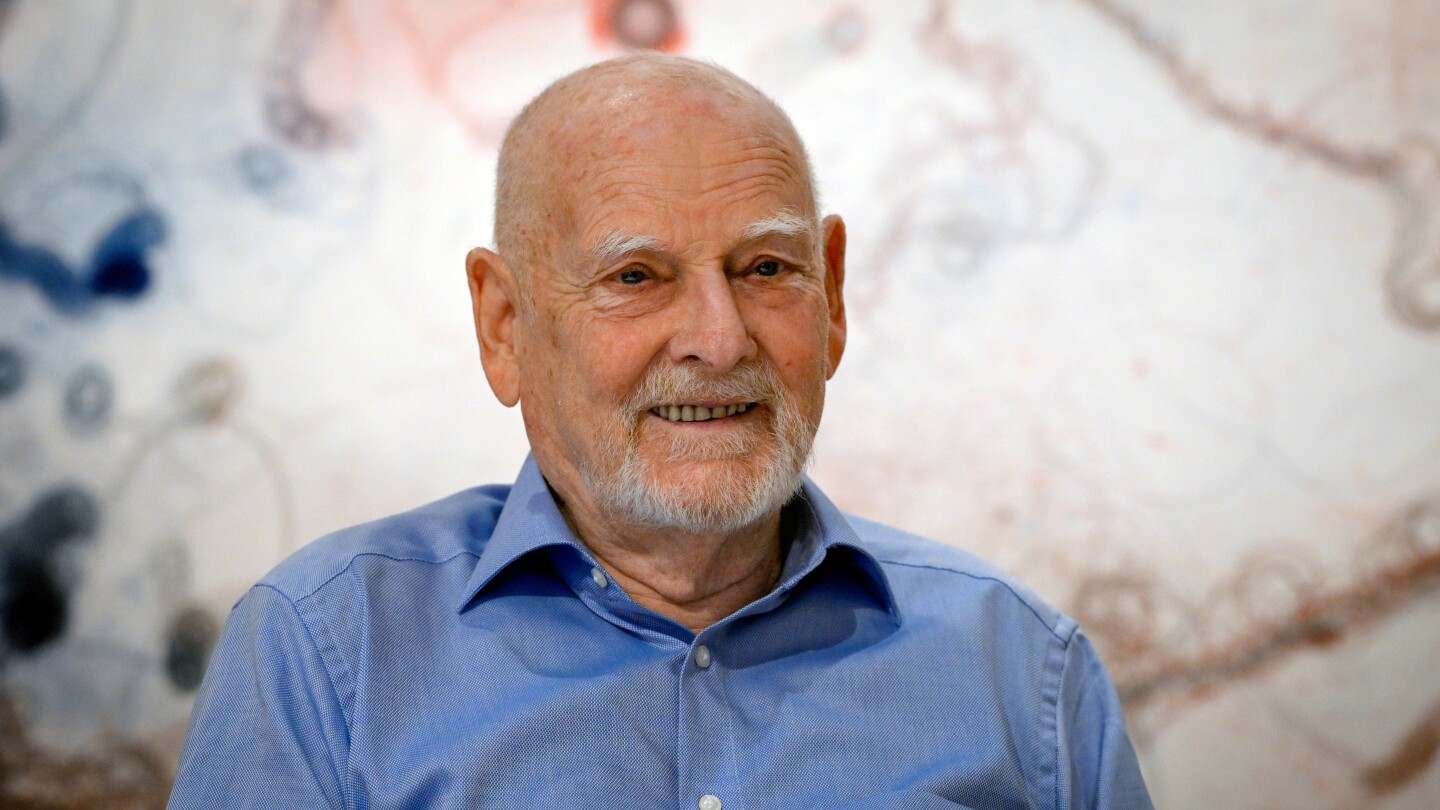
    Theodor Pištěk, the renowned Czech artist whose costume designs for Milos Forman’s ‘Amadeus’ earned him an Academy Award, has passed away at age 93. The town of Mukařov, his place of residence just east of Prague, announced his death on Thursday, which was subsequently confirmed by his family to the CTK news agency. He died on Wednesday, though specific details regarding the cause were not disclosed.

    Pištěk’s extraordinary career spanned decades, beginning with collaborations on director František Vláčil’s films in the late 1950s, including the critically acclaimed ‘Marketa Lazarová’ and ‘The Valley of the Bees.’ His most celebrated partnership, however, was with the late director Milos Forman. The two met during their compulsory military service in communist Czechoslovakia and maintained a profound professional bond despite the geopolitical upheavals of their time. While Forman emigrated to the United States after the 1968 Soviet invasion, Pištěk remained in their homeland, yet they continued their cinematic collaboration across continents.

    The pinnacle of Pištěk’s career came in 1985 when he won the Oscar for Best Costume Design for ‘Amadeus,’ a film shot in Czechoslovakia that went on to win multiple Academy Awards. Upon accepting the honor, he declared it ‘the biggest and happiest day of my film career.’ His talent was further recognized with an Academy Award nomination for Forman’s 1989 film ‘Valmont,’ for which he also received the French Cesar award. Their creative partnership extended to the 1996 film ‘The People vs. Larry Flynt.’

    Born into an artistic family in Prague on October 25, 1932, with both parents being actors, Pištěk graduated from the Academy of Fine Arts in Prague in 1958. Beyond his film work, he had a notable passion for motor racing, competing as a driver until the mid-1970s. This fascination with automobiles later became a central theme in his paintings, which were exhibited internationally, including in the United States.

    Following the 1989 Velvet Revolution that dismantled Czechoslovakia’s communist regime, Pištěk contributed to the nation’s new identity by designing the official uniforms for the guards at Prague Castle, the presidential seat. In recognition of his immense cultural contributions, the late President Václav Havel awarded him a state decoration in 2000.