作者: admin

  • What to know about Hong Kong’s legislative election after a fire raised governance concerns

    What to know about Hong Kong’s legislative election after a fire raised governance concerns

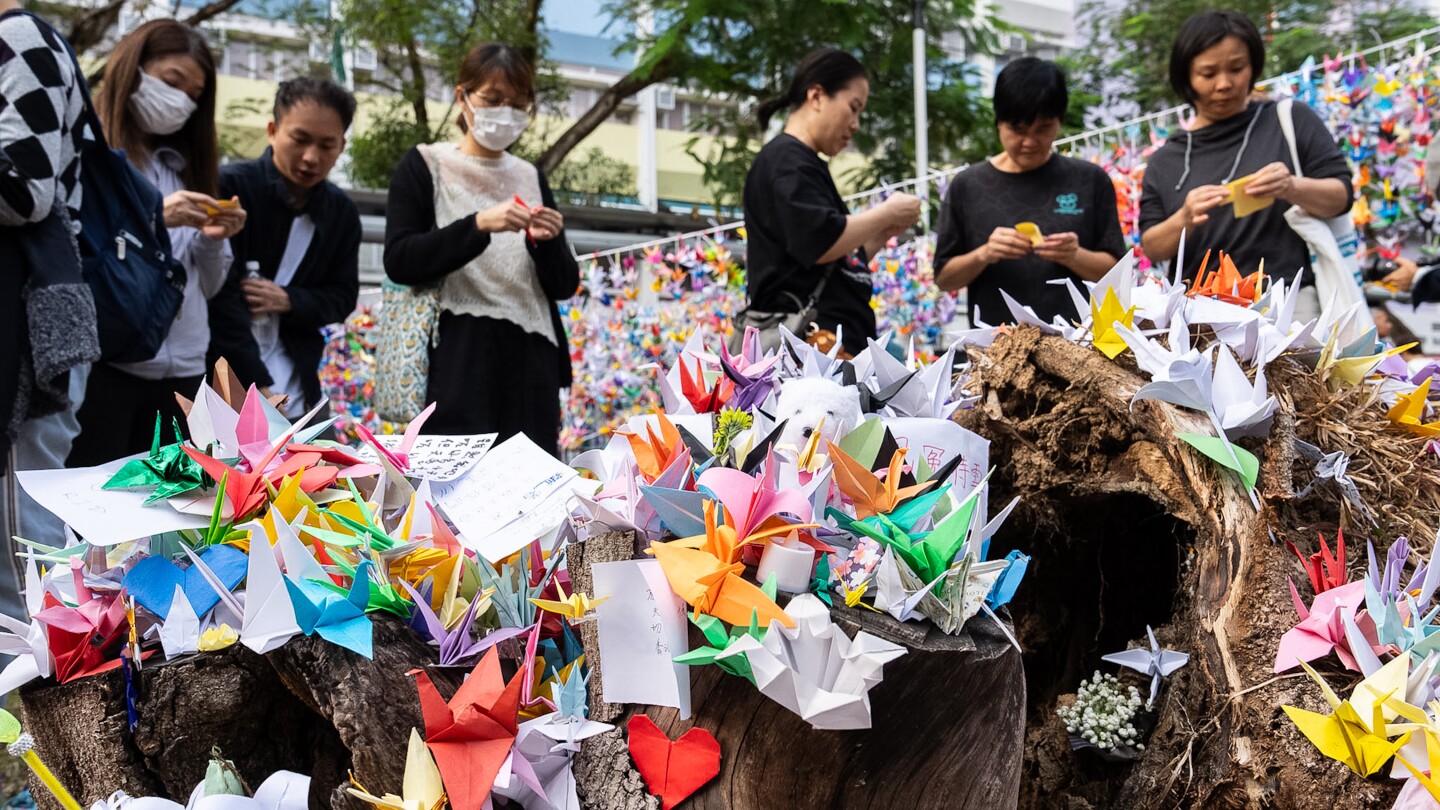
    Hong Kong’s upcoming Legislative Council elections, scheduled for Sunday, are occurring under extraordinary circumstances as the city grapples with the aftermath of its deadliest fire in over seven decades. The tragic blaze that claimed 159 lives in a high-rise complex has intensified scrutiny on Beijing’s governance model and cast a pall over an electoral process already marked by significant political transformation.

    The electoral landscape has undergone substantial restructuring since China’s 2021 electoral overhaul, which reduced directly elected seats from 35 to 20 while expanding appointed positions. The current election features notable demographic shifts among candidates, with nearly 40% of incumbents declining to seek reelection—including both prominent figures and moderately vocal politicians. Their replacements demonstrate increased connections to mainland China, with at least 26 candidates holding positions in Chinese-state enterprises and 16 serving as delegates to China’s national legislature—more than double the previous election’s representation.

    Political analysts interpret these changes as signaling Beijing’s preference for politicians who align closely with national agendas rather than local interests. Professor John Burns of the University of Hong Kong observes that central authorities appear to be implementing informal criteria regarding age limits and vocal independence while prioritizing candidates with national perspectives. The pro-democracy camp has completely vanished from the legislature following arrests under the 2020 national security law, creating a political environment where voter apathy has reached record levels.

    The government’s extensive efforts to boost participation—including extended voting hours, additional polling stations, and corporate voting time-off—now confront the complicating factor of public sentiment regarding the fire tragedy. While some residents may express gratitude for official response efforts, others harbor concerns about systemic governance failures revealed by the disaster. The final turnout figures will serve as a crucial barometer of public engagement with a political system that has undergone fundamental restructuring in recent years.
  • Sleepy Don? President Trump’s health under fresh scrutiny

    Sleepy Don? President Trump’s health under fresh scrutiny

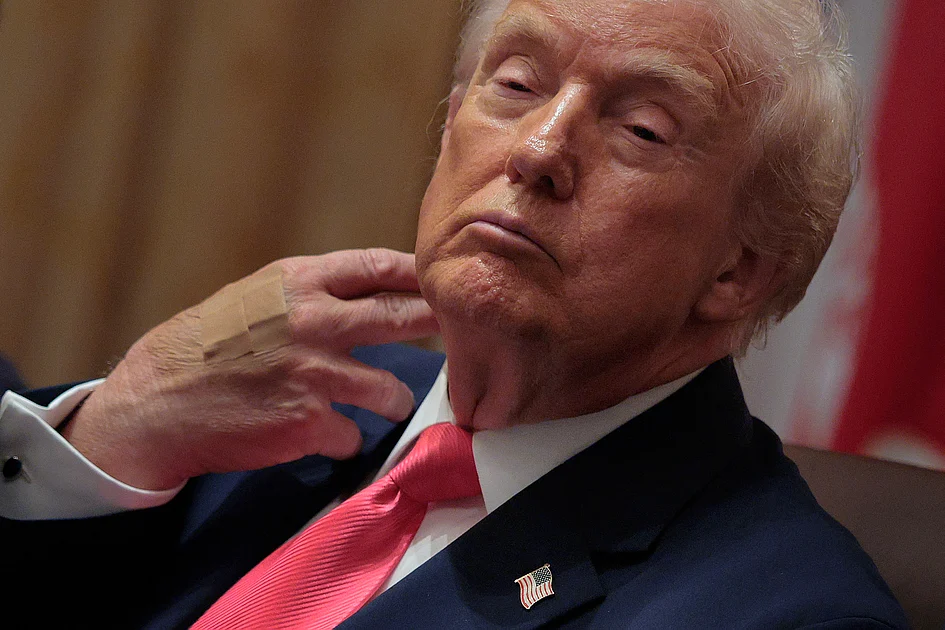
    Former President Donald Trump’s apparent drowsiness during a cabinet meeting has ignited fresh concerns about the 79-year-old leader’s physical condition and stamina. Video footage from Tuesday’s three-hour gathering showed the Republican billionaire repeatedly closing his eyes for extended periods while cabinet members delivered glowing tributes to his leadership.

    The incident has created an ironic twist for Trump, who frequently derided his predecessor Joe Biden as ‘Sleepy Joe’ during the 2024 campaign. The White House immediately pushed back against suggestions of napping, with Press Secretary Karoline Leavitt insisting Trump remained ‘listening attentively’ throughout the marathon session and highlighting his ‘amazing’ response about Somali immigrants at the meeting’s conclusion.

    Trump himself preemptively addressed health concerns at the meeting’s outset, telling reporters: ‘I’ll let you know when there’s something wrong. There’ll be some day that’s going to happen to all of us. But right now I think I’m sharper than I was 25 years ago.’ He referenced acing cognitive tests while dismissing health questions as media fabrication.

    This marks at least the second recent instance where Trump appeared to doze during official functions, following a similar incident during an Oval Office drug pricing event last month. The scrutiny intensified after a New York Times report noted Trump has significantly reduced his public events, domestic travel, and working hours compared to his first term.

    The White House has responded aggressively to health inquiries, with Leavitt presenting what she characterized as previous Times articles downplaying concerns about Biden’s health. This reflects ongoing frustration within Trump’s circle over what they perceive as unequal media treatment regarding presidential fitness.

    Despite official assurances, the episode has generated widespread discussion about presidential health transparency and the demanding nature of the office for septuagenarian leaders. Trump’s physician recently stated that a preventive MRI scan showed ‘excellent’ cardiovascular health, though questions remain about the thoroughness of these disclosures.

  • Investigation finds Hegseth’s use of Signal app in Yemen strikes could have harmed US forces

    Investigation finds Hegseth’s use of Signal app in Yemen strikes could have harmed US forces

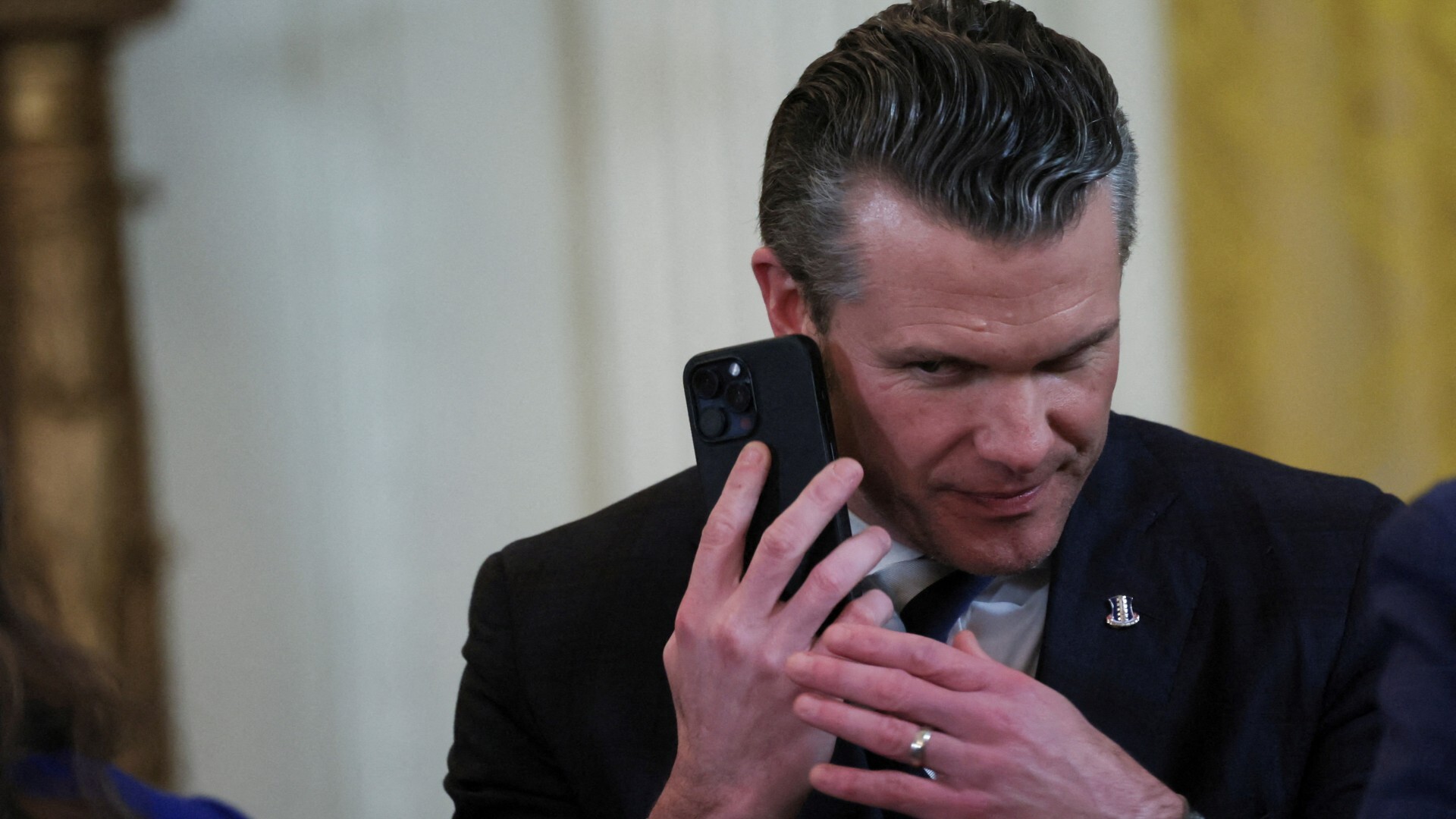
    A comprehensive investigation conducted by the Pentagon’s Inspector General has revealed that Secretary of War Pete Hegseth potentially endangered American military personnel by utilizing the encrypted messaging application Signal to deliberate strike operations against Yemen earlier this year. The findings, disclosed in an official report published Thursday, determined that Hegseth’s actions “created a risk to operational security that could have resulted in failed US mission objectives and potential harm to US pilots.”

    The scrutiny focused on Hegseth’s utilization of a personal mobile device for governmental communications, transmitting non-public Defense Department intelligence through unofficial channels. This practice, according to the report, “risks potential compromise of sensitive DoD information, which could cause harm to DoD personnel and mission objectives.” The inquiry identified that certain information disseminated by the secretary via Signal on March 15, 2025, corresponded with operational details classified as SECRET/NOFORN (not releasable to foreign nationals) by the US Central Command (USCENTCOM).

    Notably, the investigation did not establish that Hegseth unlawfully disclosed classified information, a distinction the secretary highlighted in a social media post declaring “total exoneration.” This characterization was immediately contested by the Democratic National Committee, whose rapid response director Kendall Witmer described Hegseth’s conduct as “a major national security threat that puts our troops in harm’s way.”

    The controversy, dubbed “Signalgate,” originated when Atlantic Magazine editor-in-chief Jeffrey Goldberg revealed he had received advanced notification of the Yemen strikes through a Signal group chat including Hegseth and Vice President JD Vance. Goldberg subsequently published message transcripts containing operational specifics including weapon systems, targets, and attack chronology. The group, titled “Houthi PC small group,” allegedly included senior national security officials, though its inappropriate inclusion of a journalist triggered the exposure.

    Following the incident, national security advisor Michael Waltz resigned but was subsequently appointed US ambassador to the United Nations. The March 15 airstrikes resulted in significant civilian casualties according to Yemeni health officials, with over 100 women and children reported among the dead and wounded across multiple regions including Sanaa and Sa’ada Governorate.

  • Mapping the sense of what’s going on inside our body

    Mapping the sense of what’s going on inside our body

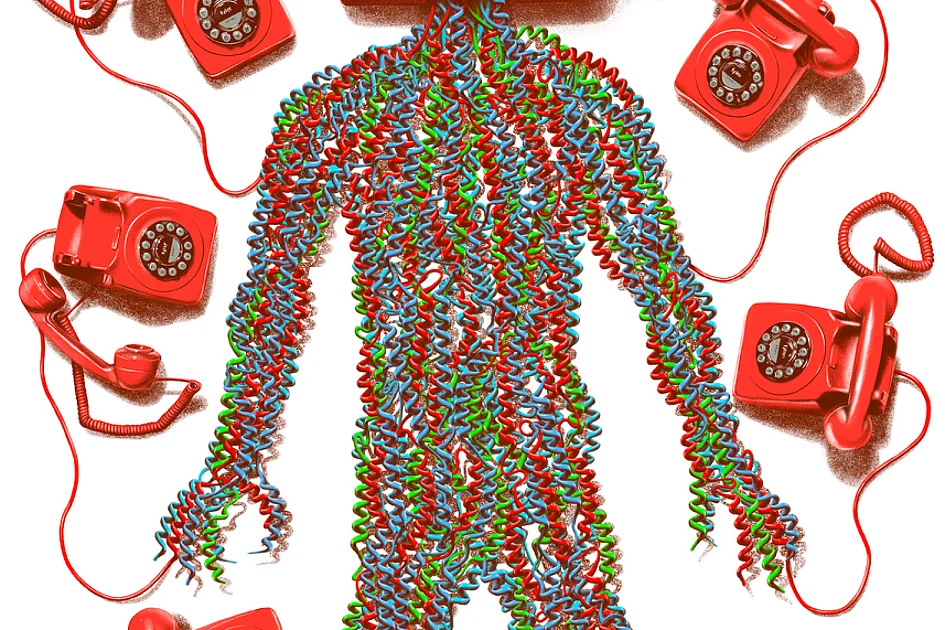
    A groundbreaking scientific endeavor is underway to decode interoception—the body’s internal sensory system that provides the brain with continuous feedback about physiological states. This research, spearheaded by Nobel laureate Dr. Ardem Patapoutian and teams at Scripps Research, is revealing how neural pathways monitor everything from heart rate and lung expansion to nutrient absorption and microbial activity in the gut.

    The vagus nerve, a complex network of 100,000 neurons, serves as a primary communication channel, using proteins like Piezo (discovered by Dr. Patapoutian) to detect pressure changes in organs. Advanced tools now allow scientists to trace how these signals travel to the brainstem and disperse to regions like the mid-insula, where they are interpreted—mostly subconsciously—to regulate functions like appetite, immune response, and emotional states.

    Emerging evidence suggests that malfunctions in interoceptive processing may underlie psychiatric conditions including depression, anxiety, and eating disorders. Researchers like Dr. Camilla Nord at the University of Cambridge are exploring innovative treatments, such as using ultrasonic waves to recalibrate brain regions responsible for misinterpreting bodily signals. Meanwhile, weight-loss drugs like Ozempic exemplify how mimicking gut signals can effectively alter brain responses.

    Despite progress, fundamental questions remain. Dr. Patapoutian’s team is developing an interoception atlas to document nerve functions throughout the body, acknowledging that much of this internal landscape is still uncharted. This research not only redefines our understanding of self-awareness but also opens new therapeutic avenues for mental and physical health.

  • Watch: President Trump and First Lady Melania light National Christmas Tree

    Watch: President Trump and First Lady Melania light National Christmas Tree

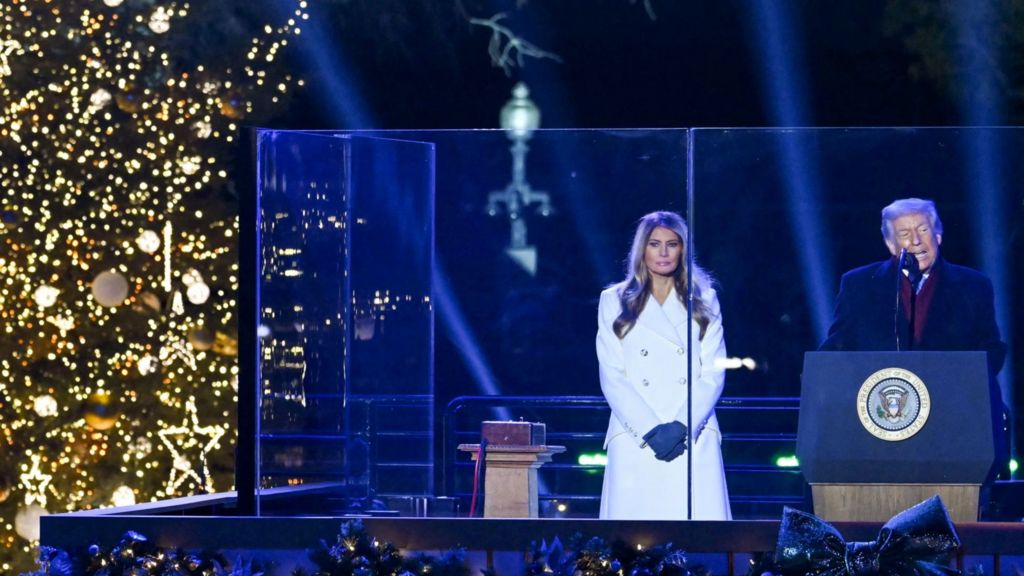
    The White House Ellipse became the focal point of holiday festivities as President Donald Trump and First Lady Melania Trump presided over the ceremonial lighting of the National Christmas Tree. The majestic 35-foot red spruce, carefully selected from Virginia’s George Washington and Jefferson National Forest, now stands adorned as the centerpiece of the nation’s capital’s seasonal celebrations.

    The tradition, deeply embedded in American cultural heritage, marks the unofficial commencement of the holiday season in Washington D.C. This year’s ceremony maintained the customary pomp and circumstance associated with presidential events, while incorporating the unique characteristics of the specially chosen tree. The selection process for the National Christmas Tree involves rigorous standards to ensure both aesthetic appeal and symbolic significance.

    Following the lighting ceremony, the tree and surrounding displays will remain accessible to public viewing throughout the holiday period. The event typically draws visitors from across the country who come to witness the illuminated tree and experience the seasonal decorations that transform the presidential grounds into a winter wonderland. The ceremony represents one of the few White House traditions that consistently transcends political divisions, serving as a unifying national moment during the holiday season.

  • Grand jury declines to charge Letitia James after first case dismissed

    Grand jury declines to charge Letitia James after first case dismissed

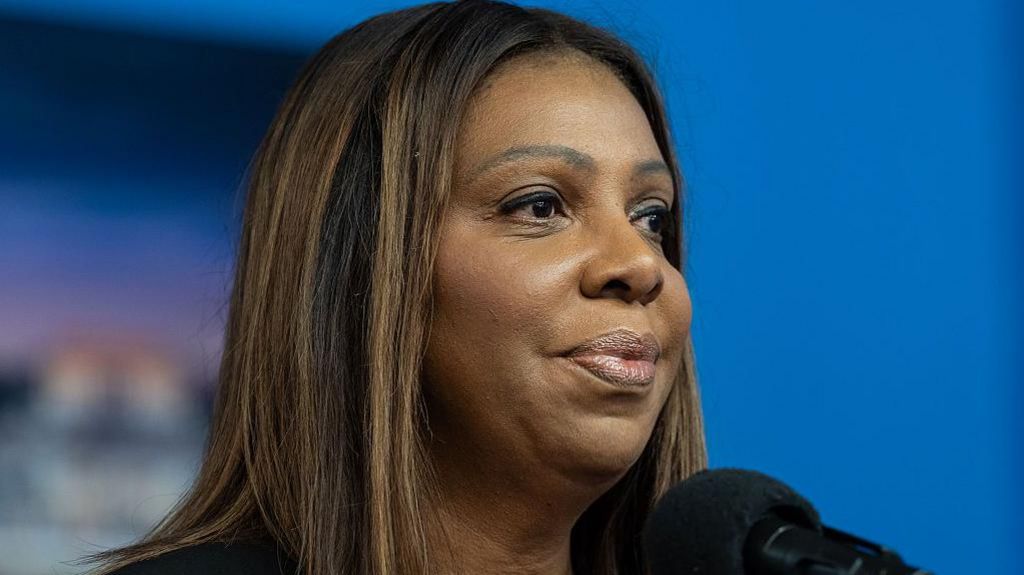
    In a significant legal development, a federal grand jury in Virginia has refused to indict New York Attorney General Letitia James, delivering another setback to former President Donald Trump’s efforts to prosecute his political opponents. This decision comes just days after a federal judge dismissed the initial case against James, finding that the prosecutor appointed by Trump lacked legal authority to bring the charges.

    The case against James alleged she committed bank fraud and made false statements to a financial institution regarding a mortgage loan for a three-bedroom property in Norfolk. Prosecutors claimed she obtained favorable loan terms by misrepresenting the property as her secondary residence rather than an investment property. Unnamed sources told US media that James had purchased the home for her great-niece in 2020, with the relative never paying rent.

    James, who successfully brought civil fraud charges against Trump before his re-election campaign, consistently maintained the case was politically motivated. Following the grand jury’s decision, she released a statement saying, ‘As I have said from the start, the charges against me are baseless. It is time for this unchecked weaponization of our justice system to stop.’

    Her attorney, Abbe David Lowell, characterized the grand jury’s refusal as ‘a decisive rejection of a case that should never have existed in the first place,’ adding that any further prosecution attempts would represent ‘a shocking assault on the rule of law.’

    The cases against both James and former FBI Director James Comey were dismissed with prejudice, meaning the government could theoretically attempt to prosecute them again on the same charges, though legal experts consider this unlikely given the circumstances.

    Grand juries, composed of members of the public, determine only whether sufficient evidence exists to proceed to trial rather than assessing guilt or innocence. According to CBS News, federal grand juries rarely decline prosecutors’ requests, with only six such rejections occurring among more than 150,000 cases investigated in 2016.

    This development represents the latest chapter in the ongoing legal battles between Trump and his political adversaries. James previously brought a civil fraud case against Trump and the Trump Organization in 2022, resulting in a finding of liability for falsifying records to secure better loan deals, though an appeals court later threw out the $500 million penalty as excessive while upholding the fraud finding.

  • Iran intensifies outreach to African partners for critical needs

    Iran intensifies outreach to African partners for critical needs

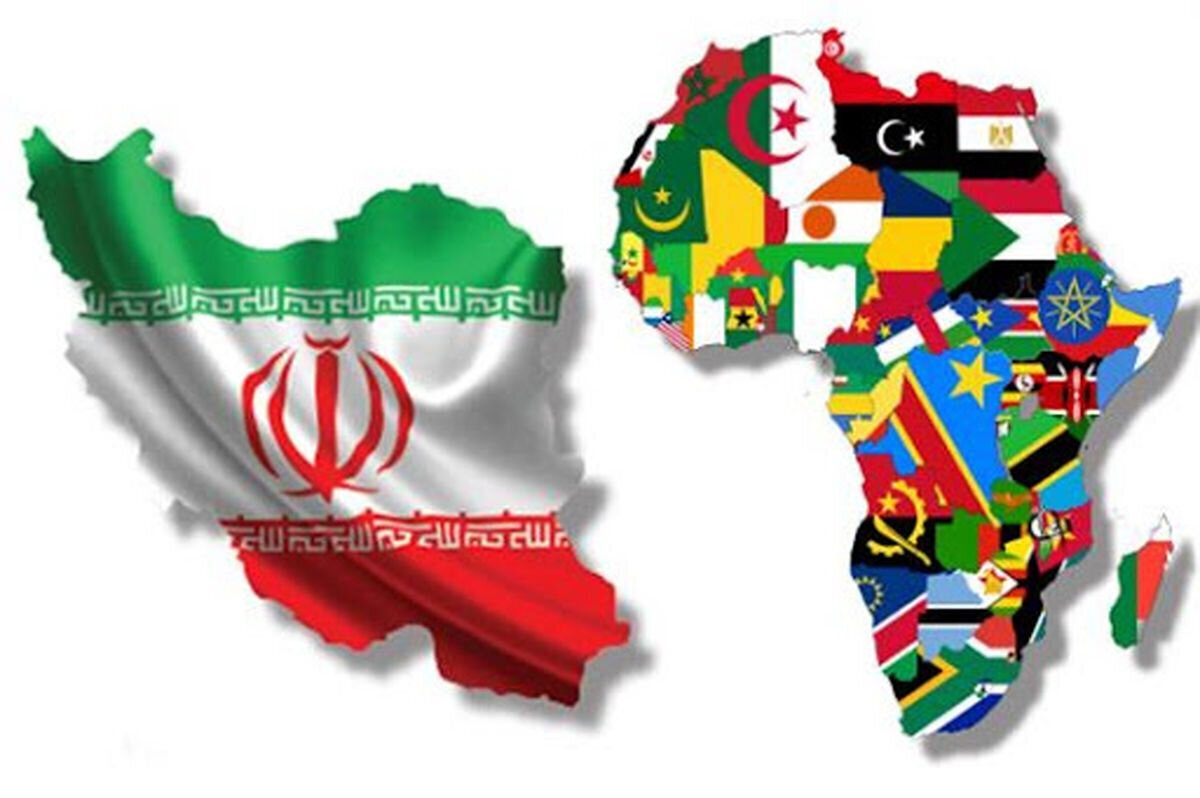
    In a significant geopolitical pivot, Burkina Faso’s security minister embarked on a strategic mission to Tehran on November 12, 2025, resulting in substantial bilateral advancements. The West African nation officially reopened its Iranian embassy while finalizing new security cooperation agreements and initiating talks to strengthen agricultural and industrial ties.

    This diplomatic engagement transcends routine bilateral relations, representing Iran’s calculated response to mounting international pressures. Following the 2023 Gaza conflict initiation by Hamas—a Tehran-aligned Palestinian group—Iran faced escalating political and economic crises. The nation’s regional proxy network, termed the ‘axis of resistance,’ faced extreme strain from Israel’s military campaigns against Hamas and Hezbollah, compounded by the collapse of Syria’s Assad regime in late 2024.

    Tehran’s challenges culminated in a devastating 12-day war with Israel in June 2025, involving direct U.S. participation, followed by reinstated EU-imposed UN sanctions under the nuclear deal snapback mechanism. Concurrently, Iran confronts an environmental emergency with severe drought conditions affecting the capital.

    Amid these multidimensional crises, Iranian officials are pursuing geostrategic diversification through intensified African outreach. According to Iran foreign policy experts, the nation is strengthening ties with historically reliable partners like Burkina Faso, creating opportunities for security cooperation, critical mineral access, and sanctions-bypassing export markets.

    Beyond Burkina Faso, Iran has accelerated engagement with Sahel region nations including Mali and Niger—countries that have experienced military coups since the early 2020s and distanced from Western influence. Facing significant security threats from rebel groups and jihadists, these nations view Iran as a potential security partner for arms, drones, and military equipment.

    The economic dimensions are equally strategic: Iran seeks access to Burkina Faso and Mali’s gold reserves and Niger’s uranium resources—the latter being particularly crucial should Tehran decide to reconstitute its nuclear program after wartime damages. Recent months have seen flurries of diplomatic activity: Iranian and Malian foreign ministers held successive meetings in May 2024 and October 2025, committing to strengthened bilateral relations and mutual support in international forums.

    In April-May 2025, Iran and Niger signed comprehensive economic and security agreements, including a landmark deal for Tehran to acquire 300 tons of uranium for $56 million. From February to October, Iran pursued deepened relations with Sierra Leone, seeking both uranium access and diplomatic support in multilateral institutions, though Freetown ultimately voted against lifting Iran sanctions at the UN Security Council due to British aid dependencies.

    Iran’s African strategy extends beyond West Africa, encompassing partnerships with Malawi for sanctions-circumventing aircraft imports, strengthened security ties with South Africa (its largest continental trading partner), and multifaceted agreements with Zimbabwe covering economic, environmental, and medical tourism cooperation.

    During October’s Non-Aligned Movement foreign ministers meeting in Kampala, Iranian Foreign Minister Abbas Araghchi met Ugandan President Yoweri Museveni, thanking Uganda for condemning U.S.-Israeli actions during the recent conflict. The discussions highlighted Iran’s interest in Ugandan uranium and cobalt resources, vital for lithium batteries and industrial manufacturing.

    Despite this expansive outreach, Iran faces substantial constraints including trade competition from Middle Eastern rivals like the UAE—a major trading partner for multiple African nations. The reinstated UN sanctions and ongoing global economic pressures may give African governments pause when considering deeper ties with Tehran. Additionally, the transactional nature of Iran’s engagements risks generating distrust among partners, exemplified by reported drone supplies to Eritrea during tensions with Ethiopia—potentially complicating Tehran’s relations with Addis Ababa.

    As Iran navigates domestic and international crises, its African pivot represents both strategic opportunity and complex challenge, with time determining whether the benefits will outweigh the inherent constraints of this geopolitical reorientation.

  • Watch: Awkward tensions test US, Mexico and Canada ahead of World Cup

    Watch: Awkward tensions test US, Mexico and Canada ahead of World Cup

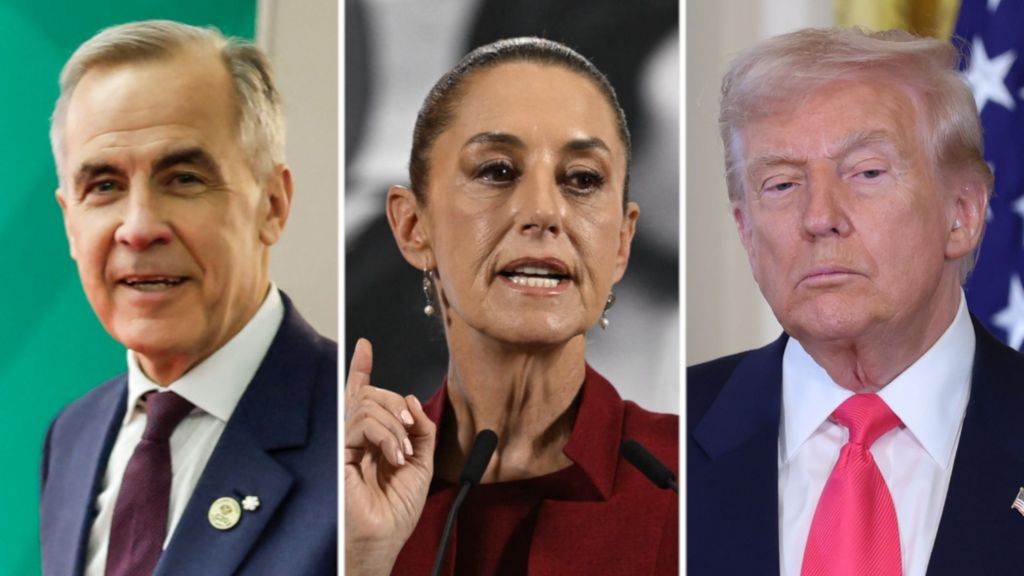
    A palpable diplomatic frost has settled over North American relations just days before a pivotal moment for the continent’s shared sporting future. U.S. President Joe Biden is scheduled to host Mexican President Andrés Manuel López Obrador and Canadian Prime Minister Justin Trudeau in Washington D.C. this Friday. The occasion is the highly anticipated final draw for the 2026 FIFA World Cup, an event meant to symbolize unity and celebration as the three nations jointly prepare to host the globe’s largest sporting event.

    However, the backdrop to this ceremonial gathering is fraught with significant geopolitical strain. Long-standing trilateral collaboration has been tested by a series of recent disagreements, primarily concerning trade, energy policies, and immigration. These tensions threaten to cast a shadow over the proceedings, transforming what should be a showcase of continental partnership into a potentially awkward display of underlying discord.

    The 2026 World Cup, the first to be co-hosted by three countries, represents an unprecedented logistical and diplomatic undertaking. The success of the tournament is heavily reliant on seamless cooperation between the governments on security, infrastructure, and organization. Observers note that the current political climate presents a substantial challenge to this necessary synergy, raising questions about the ability of the leaders to present a unified front.

    This meeting, occurring at the symbolic heart of American power, is now being scrutinized as a critical barometer for the health of the North American partnership. The world will be watching not only the draw itself but also the body language and interactions between the leaders, searching for signs of collaboration or conflict that could define the trajectory of the upcoming tournament and regional relations.

  • Police recover a James Bond-inspired Fabergé pendant from the bowels of a man accused of eating it

    Police recover a James Bond-inspired Fabergé pendant from the bowels of a man accused of eating it

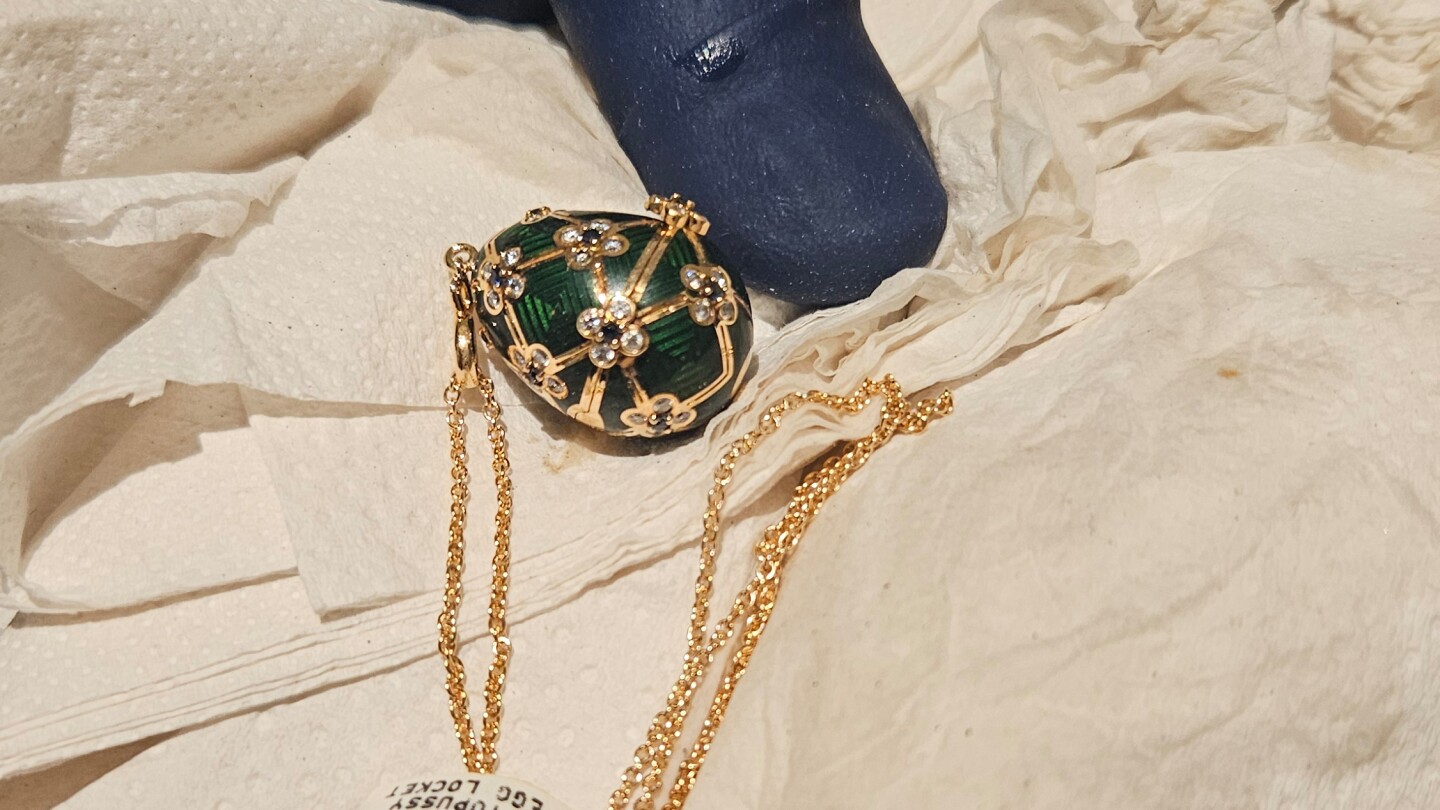
    WELLINGTON, New Zealand — New Zealand law enforcement has successfully recovered a luxury Fabergé pendant valued at NZ$33,000 (approximately US$19,000) through an extraordinary six-day monitoring operation of a suspect’s digestive system. The jeweled octopus-inspired piece, allegedly swallowed during a theft incident at Partridge Jewelers in Auckland on November 28, was naturally excreted on Thursday evening without requiring medical intervention.

    The 32-year-old suspect, whose identity remains protected under New Zealand privacy laws, has been held in police custody since his immediate arrest at the upscale jewelry store. Authorities maintained constant surveillance of the man’s biological functions to secure the valuable evidence, demonstrating an unusual but necessary approach to evidence preservation in extraordinary circumstances.

    This limited-edition pendant draws direct inspiration from the 1983 James Bond film “Octopussy,” which features a similar jewel-smuggling plot involving counterfeit Fabergé eggs. The recovered piece represents one of only 50 such creations worldwide, crafted from gold with green enamel coating and adorned with 183 diamonds and two sapphires. Measuring 8.4 centimeters in height, the pendant contains an intricate internal mechanism revealing a gold octopus embellished with white and black diamonds.

    Police released photographic evidence showing the recovered pendant still attached to its gold chain with price tag intact. Both the jewelry and the suspect remain in custody as the judicial process continues. The man is scheduled for appearance in Auckland District Court on December 8, having previously appeared on November 29 without entering a plea to theft charges.

    Inspector Grae Anderson explained the unusual police procedure in an official statement: “Given this man is in Police custody, we have a duty of care to continue monitoring him given the circumstances of what has occurred.” This case represents one of the most unusual evidence recovery operations in New Zealand’s law enforcement history, blending criminal investigation with extraordinary patient monitoring responsibilities.

  • ‘Deep indignation’ after Ukraine diver switches to Russia

    ‘Deep indignation’ after Ukraine diver switches to Russia

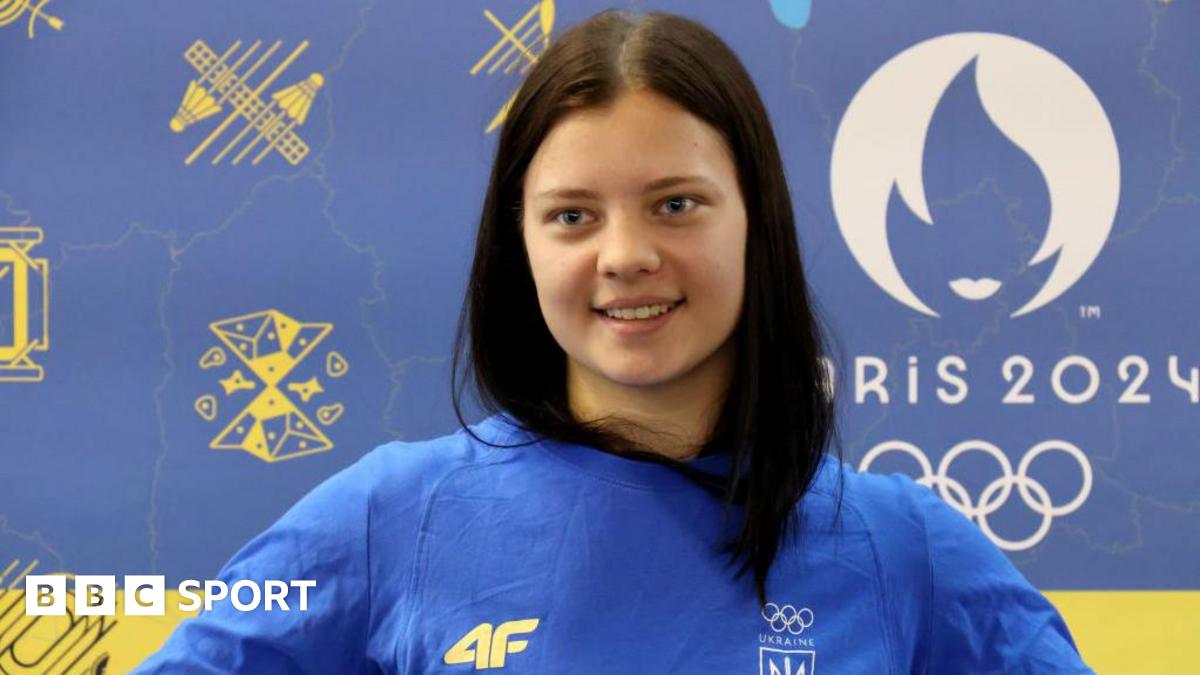
    The Ukrainian Diving Federation has initiated severe disciplinary measures against European diving champion Sofiia Lyskun following her controversial decision to transfer international sporting allegiance to Russia. The 23-year-old athlete, who secured gold in the 10m synchronized event at the 2023 European Aquatics Championships, formally changed her citizenship earlier this week without prior notification to national sports authorities.

    In an official statement, the federation expressed profound condemnation of Lyskun’s actions, characterizing them as detrimental to both individual athletic integrity and collective national pride. The organization emphasized that such conduct undermines the sacrifices made by teammates who continue representing Ukraine during ongoing geopolitical tensions.

    Lyskun defended her decision in an interview with Russian publication Izvestia, citing professional stagnation under Ukrainian coaching leadership. She claimed her previous trainers, predominantly from gymnastics and trampoline backgrounds, could not facilitate her further development in elite diving.

    Following an emergency executive committee session, the federation unanimously resolved to immediately dismiss Lyskun from the national team roster and revoke all titles and honors she obtained under its jurisdiction. Additionally, the organization will petition international sporting bodies to impose competitive quarantine restrictions on Lyskun in accordance with global athletic regulations.

    This controversy emerges amidst evolving participation policies for Russian and Belarusian athletes, who were initially barred from World Aquatics events following the 2022 invasion of Ukraine. Recent modifications now permit individual neutral competition without national identifiers, with team event eligibility for neutral athletes scheduled to commence in January.