作者: admin

  • China, France issue joint statements during Macron’s visit

    China, France issue joint statements during Macron’s visit

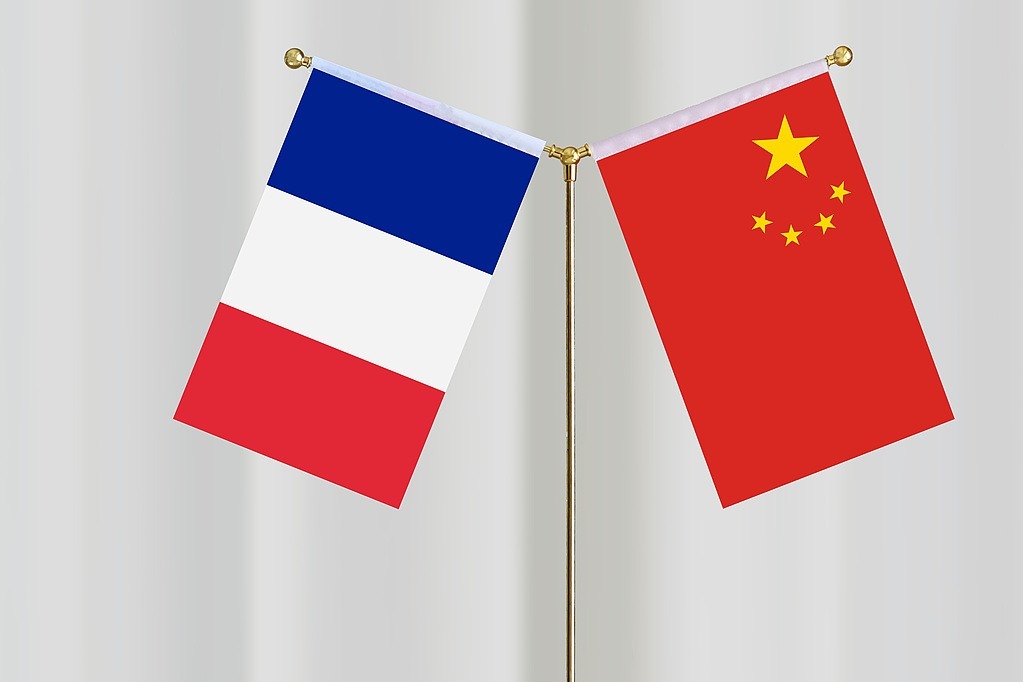
    During French President Emmanuel Macron’s state visit to Beijing, China and France unveiled a comprehensive series of joint statements signaling strengthened bilateral cooperation across multiple strategic domains. The diplomatic agreements, announced on December 5, 2025, encompassed enhanced collaboration on global governance frameworks, coordinated responses to climate and environmental challenges, and continued partnership in nuclear energy development.

    The two nations further committed to expanding agricultural and food security cooperation, while also addressing pressing international concerns regarding the situations in Ukraine and Palestine. These agreements emerged from high-level discussions between Macron and Chinese leadership, including an informal meeting held in Sichuan province that provided a more intimate setting for diplomatic exchange.

    This diplomatic engagement represents a significant consolidation of Sino-French relations, highlighting both countries’ commitment to multilateral solutions for global challenges. The joint statements particularly emphasized the urgency of coordinated climate action and environmental protection, positioning both nations as key players in international sustainability efforts.

    The nuclear energy cooperation component reaffirms longstanding technological exchange between the countries, while the agricultural agreements signal new avenues for economic collaboration. The inclusion of geopolitical issues demonstrates the comprehensive nature of the bilateral dialogue, addressing both economic cooperation and global security concerns.
  • Western countries press Tanzania to release bodies of post-election victims

    Western countries press Tanzania to release bodies of post-election victims

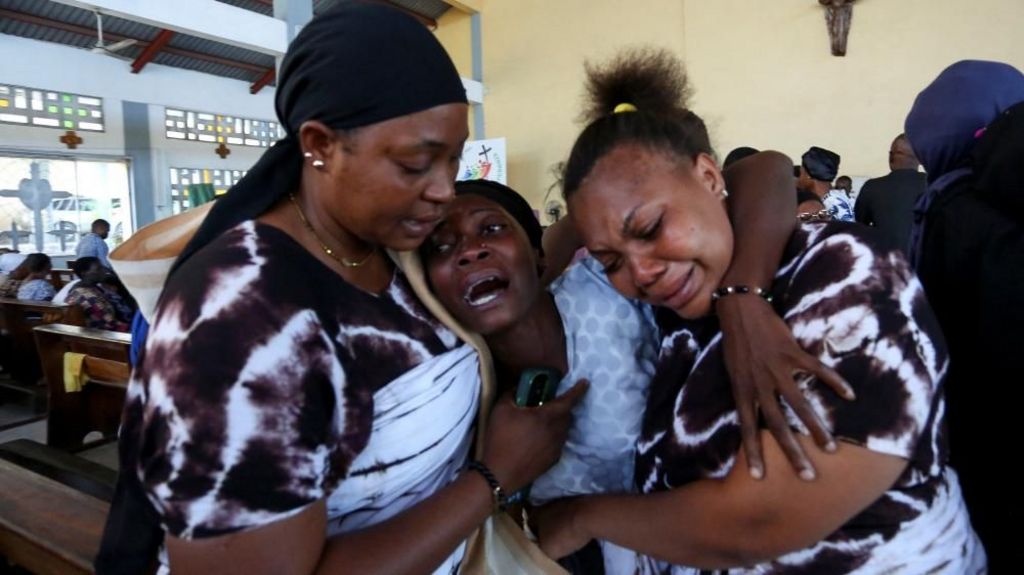
    A coalition of Western embassies has intensified diplomatic pressure on Tanzania, demanding the immediate release of bodies belonging to victims of October’s electoral violence and calling for the liberation of political prisoners. The joint statement from 17 diplomatic missions—including the UK, France, Canada, Norway, Switzerland, and multiple EU members—cited credible reports of extrajudicial killings, disappearances, arbitrary arrests, and systematic concealment of bodies by Tanzanian authorities during post-election unrest.

    The diplomatic intervention follows President Samia Suluhu Hassan’s recent condemnation of Western interference in Tanzania’s internal affairs. The government has not issued an official death toll, though hundreds are believed killed during violent crackdowns on demonstrations that erupted after the October 29 presidential election. President Samia was declared winner with nearly 98% of votes amid controversy surrounding the exclusion of her main rivals, which opposition groups denounced as a ‘mockery of democracy’.

    Authorities imposed an internet blackout and threatened individuals sharing protest imagery during the unrest. While at least 240 people faced treason charges initially, the president later urged prosecutors to demonstrate leniency, resulting in many releases. However, opposition leader Tundu Lissu remains imprisoned on treason charges filed in April.

    The Western coalition acknowledged the government’s commitment to investigate the violence but emphasized the necessity of an independent, transparent inquiry involving civil society organizations and political stakeholders. They further urged Tanzania to uphold its international commitments to protect fundamental freedoms and constitutional rights.

    United Nations Human Rights Office spokesman Seif Magango corroborated these concerns in Geneva, reporting intensified crackdowns against opponents since mid-November, with dozens of academics, civil society actors, and local political leaders detained—some allegedly by unidentified armed personnel. Magango estimated hundreds killed and over 2,000 detained following post-election demonstrations.

    The U.S. State Department announced it is reconsidering bilateral relations with Tanzania following what it termed a ‘heavy-handed response’ against protesters, noting it ‘cannot overlook actions that jeopardize the safety of our citizens, or the security and stability of the region.’

    President Samia defended her government’s actions as necessary against protesters she claimed were ‘ready to overthrow the government,’ repeating unsubstantiated allegations that foreign actors colluded with opposition groups to force regime change. The president, who assumed office in 2021 following John Magufuli’s death, initially earned praise for easing political repression but has since presided over a narrowing political space.

  • Greek police fire tear gas at protesting farmers threatening to blockade airport

    Greek police fire tear gas at protesting farmers threatening to blockade airport

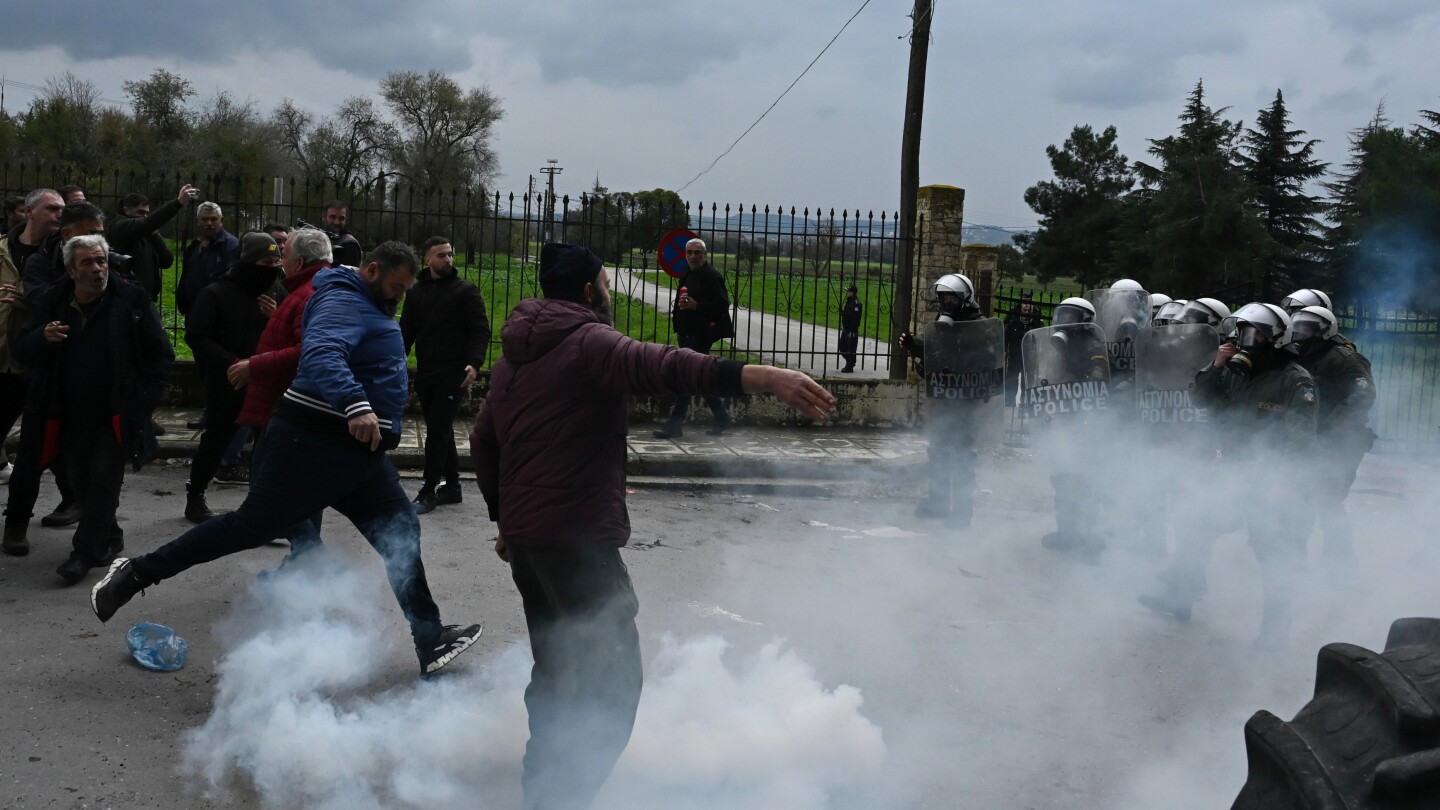
    Greek farmers intensified their demonstrations on Friday as riot police deployed tear gas against protesters attempting to blockade the primary access route to Thessaloniki International Airport. The escalating unrest stems from significant delays in European Union agricultural subsidy payments that have left farmers financially strained and unable to plant next season’s crops.

    Across Greece’s agricultural heartlands, thousands of tractors and farming vehicles have occupied strategic locations including border crossings, major highways, and transportation hubs. These coordinated actions have periodically halted traffic and threatened complete shutdowns of critical infrastructure. Authorities have implemented traffic diversions throughout northern and central regions to circumvent the blockades, while freight transportation at borders with Bulgaria, Turkey, and North Macedonia has already been severely disrupted.

    The payment delays emerged following revelations of widespread fraudulent claims within Greece’s agricultural subsidy system. Protesters argue that the resulting administrative review process constitutes collective punishment, leaving legitimate farmers indebted and incapable of purchasing essential planting materials. This crisis compounds existing challenges for Greece’s agricultural sector, including a recent outbreak of goat and sheep pox that necessitated large-scale livestock culling.

    Farmer Vasilis Mavroskas articulated the desperation felt by many: “We’re bankrupt and protesting when we should be sowing. Our inability to plant will directly impact urban food supplies—this is about survival.” Near Thessaloniki, approximately 200-300 farmers with over 100 tractors attempted to breach police cordons to completely seal airport access.

    While Public Order Minister Michalis Chrisochoidis maintained the government’s openness to dialogue, he simultaneously issued warnings against the disruption of major transit points. Christos Tsilias, vice president of the Thessaloniki farmers’ union, appealed for public support to pressure authorities into releasing the frozen payments.

    The current protests reflect a recurring pattern of agricultural demonstrations in Greece, though the underlying subsidy scandal has proven particularly consequential. The investigation led by the European Public Prosecutor’s Office uncovered systematic fraud and money-laundering activities, prompting the resignation of five senior government officials in June and the phased dissolution of the state agency responsible for subsidy distribution. Dozens of individuals have been arrested in connection with false claims, marking one of Greece’s most significant agricultural subsidy scandals in recent years.

  • ‘Air China+’ platform launches cross-industry ecosystem

    ‘Air China+’ platform launches cross-industry ecosystem

    BEIJING – Air China unveiled its groundbreaking ‘Air China+’ partnership platform on December 5, 2025, establishing an innovative cross-industry ecosystem that integrates aviation services with digital technology, mobility solutions, and cultural experiences. The national carrier characterizes this initiative as a comprehensive service network developed through collaborations with multiple sector leaders.

    The launch event showcased several strategic partnerships across diverse industries. In the digital realm, Air China introduced its inaugural collection of ‘PhoenixMiles’ digital assets commemorating the program’s 31st anniversary, transforming core membership benefits into collectible, usable, and tradable digital offerings. Members flying on specified routes and cabin classes during December 2025 Saturdays will receive enhanced rewards including status-qualifying segments, bonus miles, and commemorative gifts.

    For mobility integration, Air China established ‘aviation + automotive’ alliances with FAW-Volkswagen and Li Auto, enabling PhoenixMiles rewards for customers purchasing vehicles through the airline’s application. Selected buyers will additionally receive Gold-tier membership privileges.

    The cultural dimension features partnerships with China Central Television for in-flight ‘roadshow studio’ programming, a collaboratively produced safety video with the Palace Museum, and a co-branded coffee experience with Luckin Coffee.

    Air China emphasized that the platform strategically utilizes mileage points as connective currency across finance, tourism, e-commerce, mobility, and hospitality sectors, with over 100 partners already participating in the ecosystem.

    The airline concurrently highlighted its operational capabilities, noting that parent company China National Aviation Holding Corporation maintains a fleet of 983 aircraft, including 154 wide-body jets and 42 domestically manufactured planes. Air China’s global network encompasses more than 1,150 destinations, featuring 73 routes associated with the Belt and Road Initiative.

    Since January 2025, the carrier has launched or resumed 12 international routes, with plans to inaugurate new services from Beijing and Chengdu to Brussels during the 2025 winter-spring season while continuing to expand international and regional flight frequencies.

  • Namibia loses bid to overturn ban on rhino horn trade

    Namibia loses bid to overturn ban on rhino horn trade

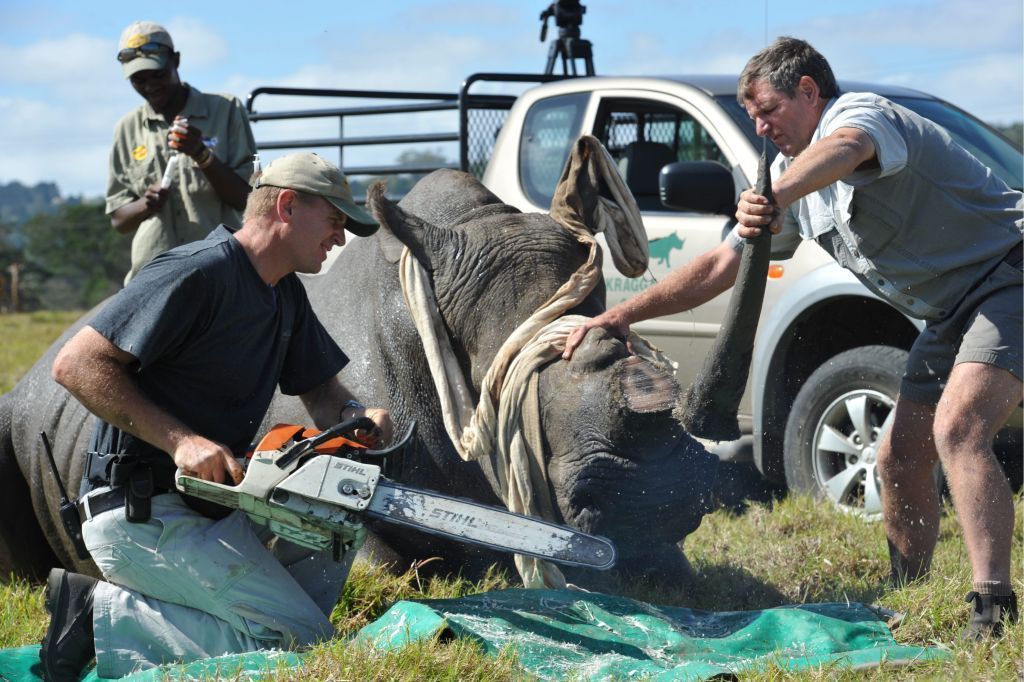
    In a decisive move at the Convention on International Trade in Endangered Species (CITES) summit in Samarkand, Uzbekistan, member states overwhelmingly rejected Namibia’s proposals to legalize international trade in black and white rhino horns. The proposals, which required a two-thirds majority for adoption, garnered only approximately 30 supporting votes out of 120 participating nations.

    Namibia, which pioneered rhino dehorning in 1989 to deter poachers, had also sought to overturn the ban on African savanna elephant ivory—a measure that was similarly defeated. The nation’s push for legal trade comes amid record poaching levels, with government data revealing 87 rhinos killed illegally in 2022—nearly double the previous year’s figures.

    Conservation experts attribute Namibia’s motivation to substantial rhino horn stockpiles accumulated through dehorning programs. Taylor Tench, senior wildlife policy analyst at the Environmental Investigation Agency, revealed Namibia possesses approximately 6.45 tonnes of white rhino horn and 4.6 tonnes of black rhino horn, while South Africa’s stockpiles are estimated at four times that amount.

    The debate exposes deep divisions in conservation strategy. Pro-trade advocates argue legalization would generate revenue for conservation efforts and help private rhino owners offset anti-poaching costs. Opponents, however, warn that legitimizing trade would stimulate demand in Asian markets where rhino horn is prized in traditional medicine and as status symbols, potentially reversing decades of protection efforts.

    Rhino populations remain critically vulnerable. Black rhinos are classified as critically endangered with only 6,421 individuals remaining—a 90% decline since 1960. Southern white rhinos, while more numerous at 15,752, have seen an 11% population decrease since 2023, reaching their lowest point since the current poaching crisis began nearly twenty years ago.

  • Olympian and other Eritreans freed after 18 years without trial, relatives tell the BBC

    Olympian and other Eritreans freed after 18 years without trial, relatives tell the BBC

    In a significant development within the highly secretive East African nation of Eritrea, thirteen individuals who had been imprisoned for over eighteen years without facing trial have been unexpectedly released from the notorious Mai Serwa military detention facility. This information was confirmed to the BBC by multiple relatives of the former detainees.

    Among those freed is Zeragaber Gebrehiwot, a 69-year-old former Olympic cyclist and prominent businessman who represented Ethiopia (before Eritrean independence) at the 1980 Moscow Games. The group of released prisoners also includes several other distinguished figures: businessmen Tesfalem Mengsteab and Bekure Mebrahtu, engineer David Habtemariam, geometrist Matthews Habtemariam, six senior police officers, and an internal security agent.

    Their initial arrest dates back to October 2007, following an assassination attempt on Colonel Simon Gebredingil, a high-ranking officer within President Isaias Afwerki’s internal security apparatus. A source, who was previously detained at Mai Serwa, revealed that approximately thirty people were originally taken into custody. While a handful have been released over the intervening years, around twenty remained in prolonged detention until this recent, unexplained release.

    The Mai Serwa prison, situated northwest of the capital Asmara, is internationally condemned for its brutal conditions and is believed to house a significant number of political prisoners. Relatives reported that family visits were completely prohibited throughout the entire duration of the detainees’ incarceration. The advanced age and declining health of many prisoners is speculated to be a potential factor behind their sudden release, although the Eritrean government has issued no official statement or explanation.

    This event casts a renewed spotlight on Eritrea’s deeply troubling human rights record. For decades, the United Nations and major human rights organizations like Amnesty International have consistently accused the government of systematic abuses, including torture, forced disappearances, and the inhumane imprisonment of tens of thousands of people. The country has been a one-party state under President Isaias’s unchallenged rule for 32 years, with no constitution, no free press, and no national elections ever held. It maintains one of the world’s most militarized societies through a policy of indefinite conscription.

    The fate of many other detainees remains unknown, a stark reminder of which was the death in custody last year of Berhane Abrehe, a former finance minister imprisoned for six years after criticizing the president.

  • Flu positivity hits 51% in China as school clusters rise

    Flu positivity hits 51% in China as school clusters rise

    China is confronting a significant escalation in influenza activity, with health authorities reporting that the nation has entered a high-transmission period for respiratory illnesses. Recent epidemiological data reveals an alarming surge in cases, particularly within educational institutions.

    According to the latest surveillance report from the Chinese Center for Disease Control and Prevention (China CDC), influenza positivity rates have reached concerning levels. For the week commencing November 24, 2025, testing confirmed that 51.1% of outpatient visits for influenza-like illnesses were positive for flu viruses, marking a substantial increase from the previous week’s rate of 44.8%.

    The epidemic pattern shows distinct demographic concentration, with children aged five to fourteen demonstrating markedly higher infection rates compared to other age groups. Multiple infection clusters have been identified within school environments, creating particular concern among public health officials.

    While influenza dominates the current respiratory disease landscape, other pathogens continue to circulate. Respiratory syncytial virus (RSV) maintains a positivity rate of 3.5%, with rhinovirus following at 5.3%. Both viruses show declining trends but remain at notable levels of community transmission.

    In response to the escalating situation, health authorities have issued enhanced guidance for high-risk environments. The China CDC recommends intensified health monitoring in schools, nursery facilities, and elderly care homes. Emphasis has been placed on early detection and rapid management of infection clusters to prevent further spread.

    The public has been advised to implement personal protective measures, including mask-wearing in crowded settings, enhanced hand hygiene, and seeking medical attention when experiencing respiratory symptoms. Health officials emphasize that these measures are particularly crucial during the current peak transmission season for respiratory infectious diseases.

  • Trump’s security strategy slams European allies and asserts US power in Western Hemisphere

    Trump’s security strategy slams European allies and asserts US power in Western Hemisphere

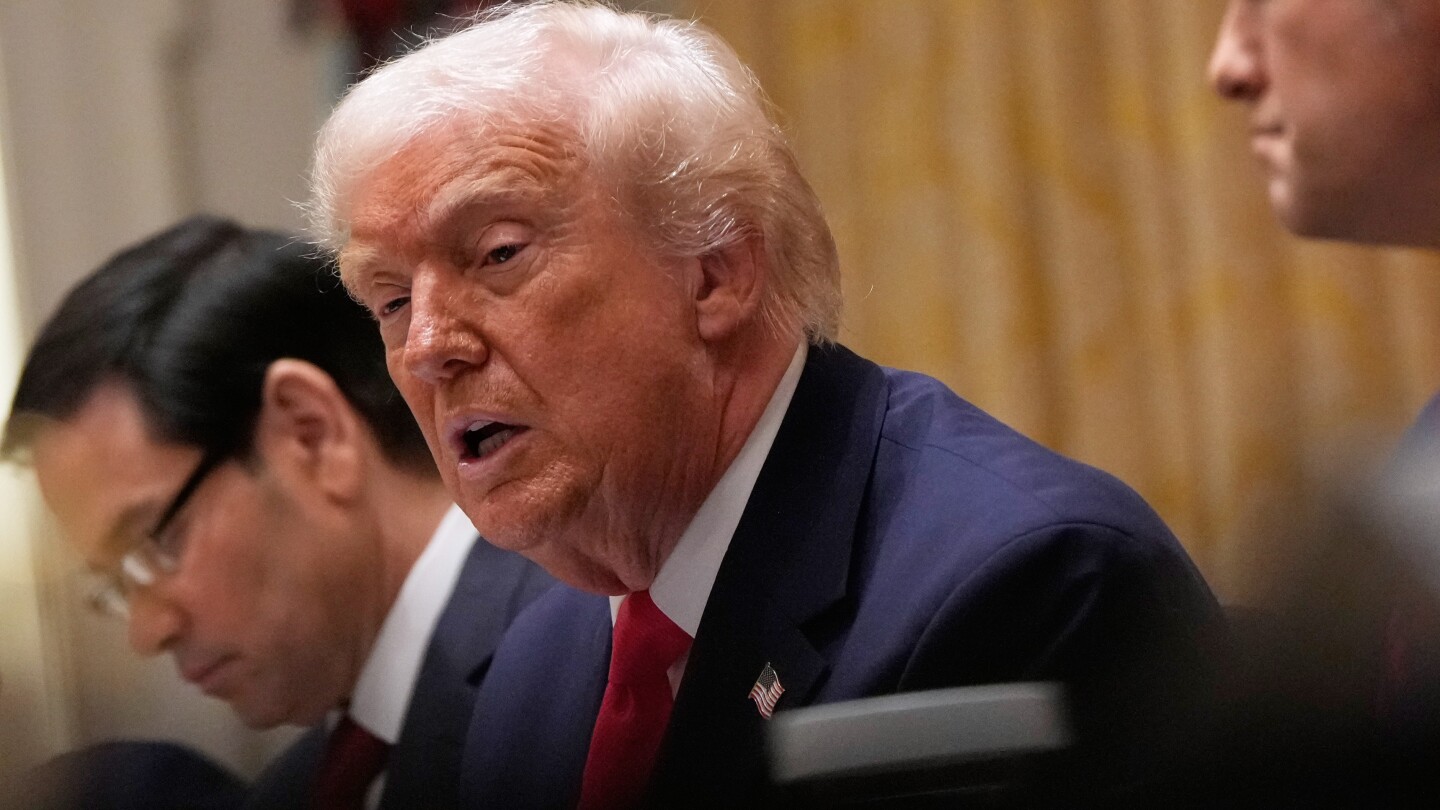
    The Trump administration has formally released its National Security Strategy, presenting a stark departure from previous foreign policy approaches by directly criticizing long-standing European allies while advocating for reinforced American dominance in the Western Hemisphere. The document, mandated by law and published Friday, characterizes European nations as facing potential “civilizational erasure” due to their immigration policies, declining birth rates, and restrictions on free speech.

    This strategic framework solidifies President Trump’s ‘America First’ doctrine, emphasizing non-interventionist foreign policy, reassessment of traditional alliances, and the unequivocal prioritization of American interests. The administration questions the long-term reliability of European partners, suggesting their current trajectory may render them unrecognizable within two decades and potentially incapable of maintaining robust economies or military capabilities.

    Despite its non-interventionist rhetoric, the strategy simultaneously outlines an expanded military approach in the Western Hemisphere, referencing a ‘Trump Corollary’ to the Monroe Doctrine. This includes targeted deployments and potential use of lethal force against cartels, alongside military strikes already conducted against alleged drug traffickers in Caribbean and Pacific waters.

    The document further acknowledges the administration’s intent to broker an end to the Russia-Ukraine conflict, identifying resolution of the nearly four-year war as vital to reestablishing strategic stability with Russia. This positioning marks a significant shift from the previous administration’s approach to Moscow, which treated Russia as a global pariah following its aggressive actions in Ukraine.

  • IndiGo cancels 225 flights Friday morning; Delhi Airport issues travel advisory

    IndiGo cancels 225 flights Friday morning; Delhi Airport issues travel advisory

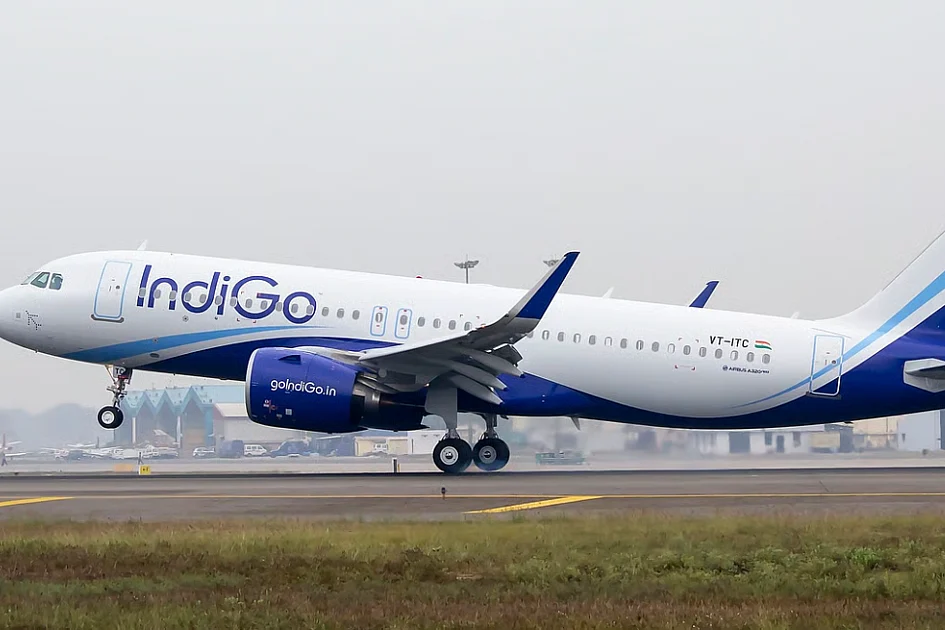
    India’s aviation sector faced significant disruption on Friday, December 5, 2025, as budget carrier IndiGo cancelled 225 flights from Delhi’s primary airport hub. The widespread cancellations, affecting both arrivals and departures, created substantial travel chaos for thousands of passengers during the morning operational window.

    Delhi International Airport promptly issued an official travel advisory through social media platform X, alerting travelers to ongoing operational challenges impacting domestic services. The airport authority strongly recommended that passengers verify their flight status directly with airlines before departing for the airport to avoid unnecessary congestion.

    Despite the domestic turmoil, aviation experts confirmed minimal impact on international routes to destinations including the UAE. Mohammed Safeer, General Manager of Smart Travels, clarified following direct communication with IndiGo that “none of the international flights have been impacted” and that scheduled international services would continue uninterrupted.

    The crisis follows emergency discussions between IndiGo’s senior leadership and India’s Directorate General of Civil Aviation (DGCA) on Thursday. The airline has formally requested temporary operational exemptions from specific Flight Duty Time Limitations (FDTL) provisions for its A320 fleet until February 10, 2026. The DGCA stated that IndiGo has committed to implementing corrective measures to restore normalized operations by this deadline.

    Current cancellation rates have surged to approximately 170-200 flights daily, markedly exceeding the airline’s typical operational disruption levels. Airport authorities have deployed dedicated ground teams working collaboratively with airline partners to mitigate passenger inconvenience and maintain safety standards throughout the operational challenge.

  • The Center for Islamic Civilization in Uzbekistan: A new cultural and educational code for the world

    The Center for Islamic Civilization in Uzbekistan: A new cultural and educational code for the world

    TASHKENT – In a landmark achievement for cultural diplomacy, Uzbekistan has unveiled the Center for Islamic Civilization, positioning itself as a global nexus for intercultural dialogue and heritage preservation. The monumental complex, situated in Tashkent’s historic Hast-Imam district, represents the culmination of an eight-year vision first articulated by President Shavkat Mirziyoyev at the United Nations.

    The architectural marvel features a 65-meter dome and four symbolic portals representing regional unity. At its heart lies the Hall of the Holy Qur’an, safeguarding the UNESCO-inscribed 7th-century Mushaf of Uthman manuscript. Beyond its museum function, the center operates as a dynamic intellectual ecosystem housing a 200,000-volume library, calligraphy school, restoration laboratories, and craft workshops.

    UNESCO Director-General Khaled El-Anany, during his November visit, praised the institution as “a true testament to cultural diversity, tolerance, and openness” that should “become a light for the entire world.”

    The center’s mission extends beyond preservation to active heritage reclamation. Through coordinated efforts with auction houses and private collectors, over 1,000 cultural artifacts have been repatriated to Uzbekistan. The World Society (WOSCU) contributed approximately one thousand manuscripts and artifacts from across the Islamic world.

    Dr. Firdavs Abdukhalikov, director of the center, emphasized its transformative potential: “Everything that for centuries was scattered across history is being gathered into a single whole. These spiritual heights acquire new unity, transforming into a space of memory, enlightenment, and future.”

    The institution serves as both research hub and diplomatic space, hosting offices for UNESCO, ICESCO, and IRCICA alongside a 460-seat conference hall. With over 800 research projects involving 1,500 specialists from 40 countries, the center aims to reshape global understanding of Islamic heritage as a civilization of knowledge, peace, and enlightenment.