作者: admin

  • Trump says US had ‘no idea’ Israel would attack Pars gas field in Iran

    Trump says US had ‘no idea’ Israel would attack Pars gas field in Iran

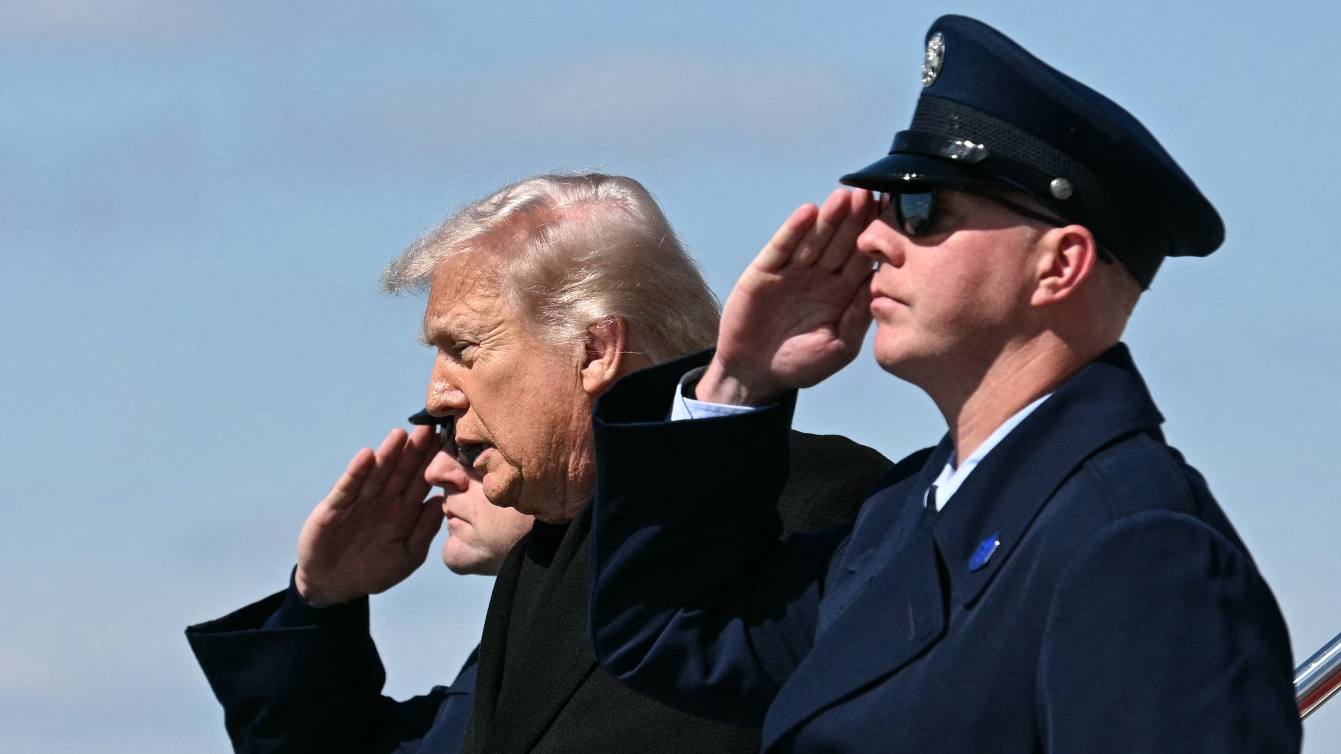
    Former U.S. President Donald Trump has publicly declared that the United States had no advance knowledge of Israel’s recent military strike against Iranian oil facilities in the South Pars and Asaluyeh regions. The announcement, made via his Truth Social platform on Thursday, comes amid rapidly escalating tensions across the Persian Gulf following retaliatory attacks on Qatari energy infrastructure.

    Trump characterized Israel’s action as a response driven by ‘anger for what has taken place in the Middle East,’ noting that the strike targeted a section of the massive South Pars Gas Field complex. He explicitly absolved Qatar of any involvement or foreknowledge of the Israeli operation.

    The former president issued a severe warning to Iran, stating that any additional attacks on Qatar’s liquefied natural gas (LNG) facilities would trigger an overwhelming U.S. military response. “With or without the help or consent of Israel,” Trump wrote, the United States would “massively blow up the entirety of the South Pars Gas Field at an amount of strength and power that Iran has never seen or witnessed before.”

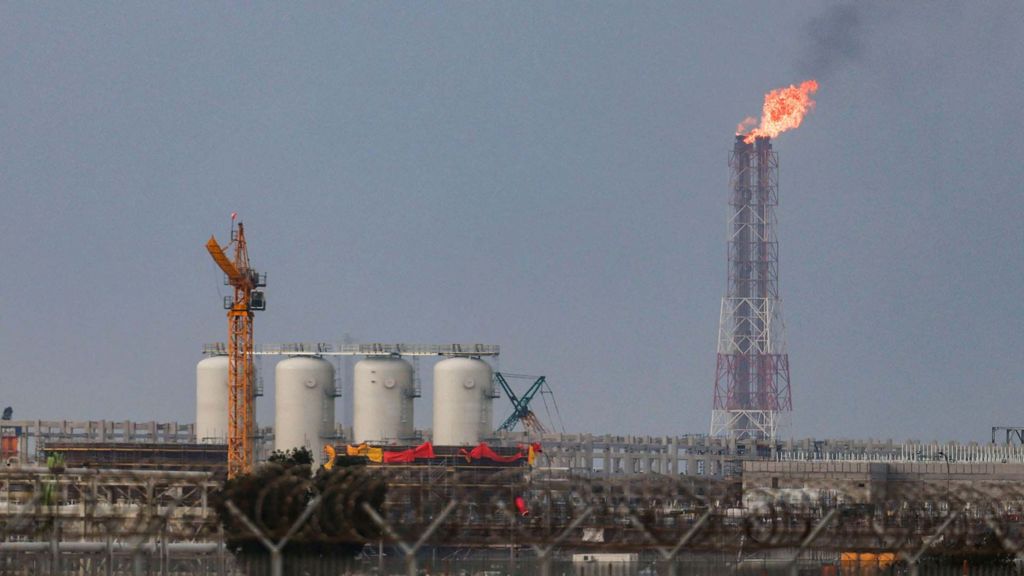
    This exchange of attacks began when Israel struck Iran’s portion of the South Pars gas field, the world’s largest natural gas reservoir shared between Iran and Qatar. Iran subsequently launched retaliatory strikes against energy facilities in Qatar, Saudi Arabia, and the United Arab Emirates.

    Qatar reported significant damage at its Ras Laffan Industrial City, a critical global LNG production hub. Qatari authorities condemned the Iranian attacks as violations of international law that threaten global energy security. QatarEnergy confirmed ‘sizeable fires’ at multiple LNG facilities with ‘extensive damage’ to the Pearl GTL facility.

    The Gulf Cooperation Council issued a strong rebuke, with Secretary-General Jasem Mohamed Albudaiwi condemning Iran’s strike on Qatar’s industrial complex as ‘dangerous aggression.’ Meanwhile, Saudi Foreign Minister Prince Faisal bin Farhan signaled a hardening regional stance, stating that Riyadh’s ‘patience with Iranian aggression is not unlimited’ and that trust in Tehran has been ‘completely shattered.’

    The escalating conflict has already reverberated through global markets, with Asian indexes falling sharply and oil prices surging above $110 per barrel. Analysts warn that continued attacks on energy infrastructure could trigger broader economic consequences, including higher fuel costs and supply chain disruptions, while increasing the risk of a wider regional conflict.
  • Cyprus leader calls for frank discussion on ‘colonial’ UK bases

    Cyprus leader calls for frank discussion on ‘colonial’ UK bases

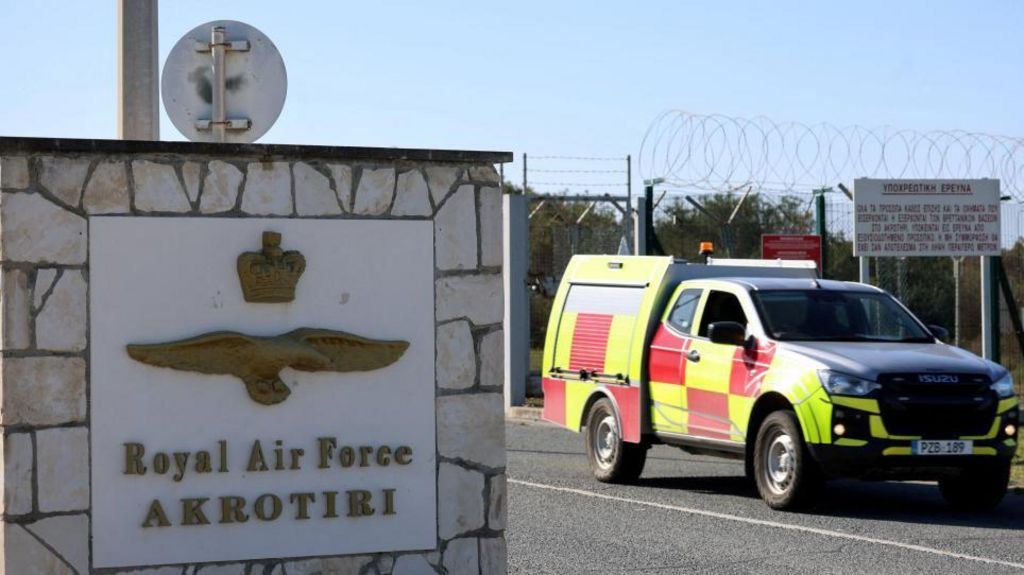
    Cyprus President Nikos Christodoulides has characterized Britain’s two military installations on the island as lingering “colonial consequences” and called for forthcoming diplomatic discussions regarding their status and future. In statements made to the BBC during his arrival at an EU leadership summit in Brussels, Christodoulides emphasized the necessity for “an open and frank discussion with the British government” once Middle East tensions subside.

    The UK maintains sovereignty over the Akrotiri and Dhekelia bases under the 1960 treaty that established Cypriot independence. These installations recently gained strategic significance when RAF Akrotiri came under drone attack earlier this month, believed to have been launched by Iranian-backed Hezbollah forces from Lebanon. While two drones were intercepted, a third struck the base causing minimal damage. The incident has sparked local protests arguing that the British presence makes Cyprus a target for regional conflicts.

    Despite the bases not being utilized for US operations against Iran, the UK has authorized American forces to conduct “specific defensive operations” from these locations. The installations cover 98 square miles of Cypriot territory and provide employment for over 10,000 Cypriot citizens, creating complex socioeconomic ties alongside the political dimensions.

    Any potential negotiations would involve multilayered diplomatic considerations, as the original agreements involved the UK, Greece, Turkey, and representatives from both Greek and Turkish Cypriot communities. When pressed on whether he sought complete removal of the bases, Christodoulides declined to negotiate publicly while maintaining “a clear approach with regard to the future of the British bases.”

    In response to these developments, the UK Ministry of Defense highlighted Defense Secretary John Healey’s recent parliamentary comments noting that Cyprus’s National Guard leader stated military cooperation “has never been closer.” The UK has enhanced its military presence following the drone attack, with HMS Dragon recently entering the Mediterranean to bolster defenses. NATO allies including France, Greece, Germany, and Spain have also deployed naval assets to the region in a show of collective security support.

  • Congo and Rwanda agree on steps to de-escalate tensions in eastern Congo

    Congo and Rwanda agree on steps to de-escalate tensions in eastern Congo

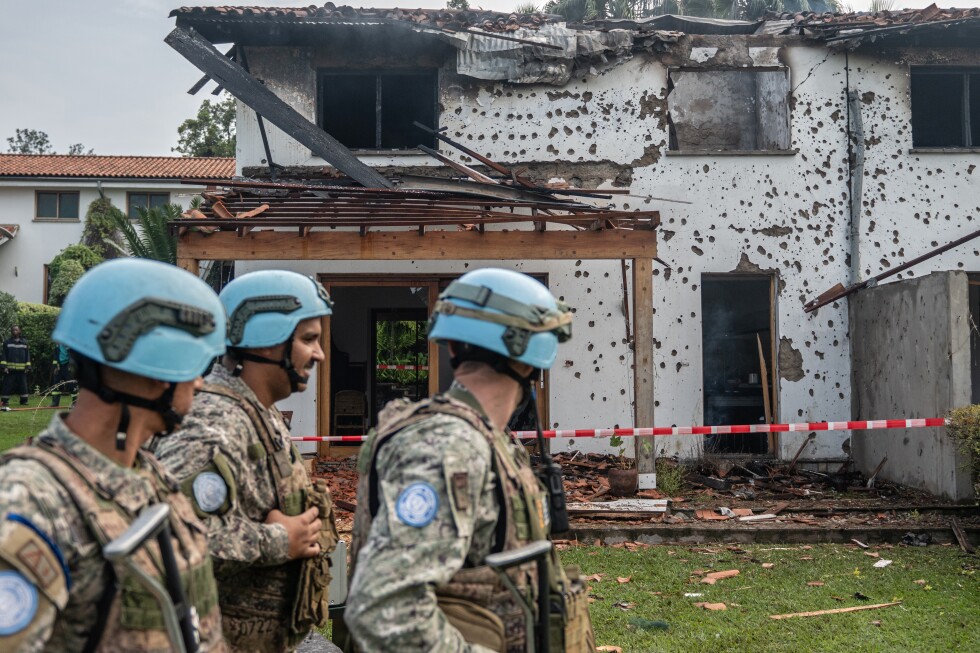
    In a significant diplomatic development, Congolese and Rwandan officials have reached a landmark agreement during US-mediated talks to de-escalate mounting tensions in eastern Congo’s conflict-ridden territories. The high-level meetings, conducted Tuesday and Wednesday in the United States, produced a joint commitment to implement coordinated measures addressing the protracted violence that has plagued the mineral-rich region.

    The tripartite statement issued by the Congolese, Rwandan, and U.S. governments outlines concrete steps toward stabilization, including scheduled force disengagement and the lifting of Rwandan defensive measures within specified Congolese territories. Both nations pledged to respect each other’s sovereignty and territorial integrity—a crucial development given Rwanda’s alleged backing of the M23 rebel group, which launched an unprecedented offensive into eastern Congo early last year.

    This diplomatic breakthrough comes as peace efforts led by the United States and partners including Qatar had reached an impasse despite ongoing violence. The eastern Congo region has endured decades of instability, with government forces combating over 100 armed groups. The M23 rebellion, recognized as the most potent militant force, has been accused of receiving substantial support from Rwandan authorities—a claim Rwanda denies while justifying its involvement as necessary defense against Hutu rebels responsible for the 1994 genocide.

    President Donald Trump has emerged as a pivotal facilitator in these peace negotiations, building upon previous agreements between the two African nations. The talks also yielded commitments from Congo to intensify efforts against the Democratic Forces for the Liberation of Rwanda (FDLR), an armed group formed predominantly by Hutus who fled to Congo following the genocide. This mutual recognition of security concerns represents a critical step toward sustainable conflict resolution in the region, which holds vital mineral resources essential for global technology production.

  • Switzerland recalls Sanches ahead of World Cup one year after he tore ACL on debut

    Switzerland recalls Sanches ahead of World Cup one year after he tore ACL on debut

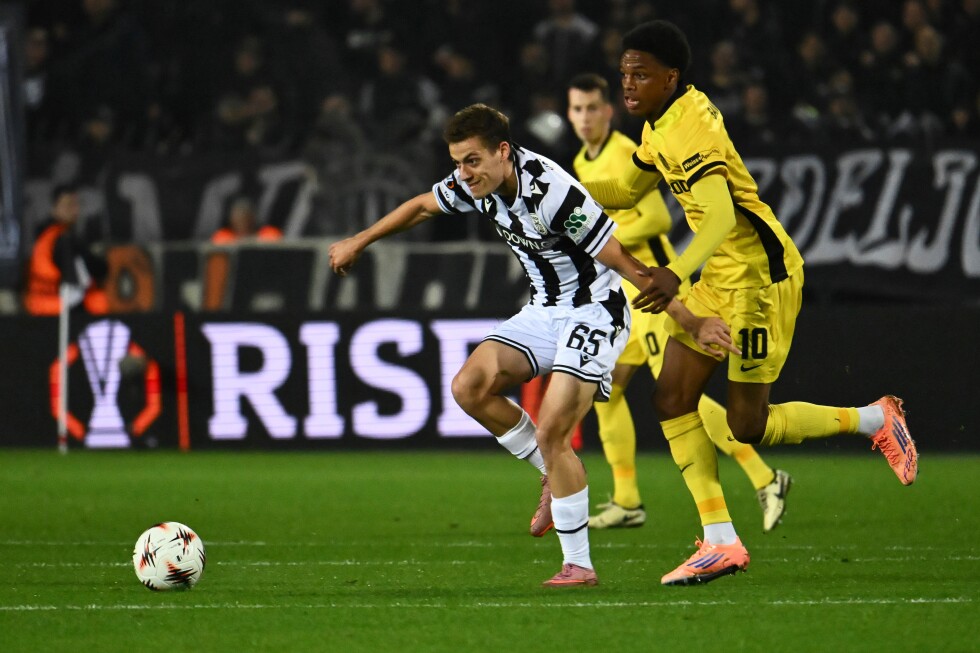
    BERN, Switzerland — In a significant boost to its World Cup preparations, the Swiss national football team has recalled defender Alvyn Sanches to the squad, marking a triumphant return exactly one year after a devastating ACL injury cut short his international debut.

    The 23-year-old’s comeback headlines a series of returns for coach Murat Yakin, who has also reintegrated AC Milan playmaker Ardon Jashari and Monaco captain Denis Zakaria into his plans for crucial warmup matches this month. These returning players, now fully recovered from their respective injuries, provide renewed depth and options for Die Nati as they fine-tune their roster.

    Switzerland’s preparation schedule features two high-profile friendlies against fellow World Cup qualifiers. The team will first host Germany on March 27th at St. Jakob-Park in Basel, followed by an away fixture against Norway in Oslo just four days later.

    Sanches’ journey back to the national team has been particularly dramatic. His initial call-up last year came during an impressive club season with Lausanne, but his debut ended in heartbreak when he sustained a serious knee injury deep into stoppage time during a 1-1 friendly draw against Northern Ireland.

    Despite still recovering from his injury, Sanches secured a transfer to Swiss Super League champions Young Boys in September for a reduced fee, with his contract at Lausanne set to expire this season.

    The Swiss squad has successfully qualified for their sixth consecutive FIFA Men’s World Cup, earning placement in a group alongside Canada, Qatar, and the winner of the European playoffs bracket—potentially Italy, depending on the outcome of matches scheduled for March 31st.

  • Trump threatens to blow up ‘entirety’ of  major Iran gas field if it attacks Qatar again

    Trump threatens to blow up ‘entirety’ of major Iran gas field if it attacks Qatar again

    In a dramatic escalation of Middle East tensions, former US President Donald Trump has issued a direct threat to destroy Iran’s South Pars gas field—the world’s largest natural gas reservoir—should Tehran launch additional attacks against Qatar, America’s Gulf Arab ally. This ultimatum follows a series of retaliatory strikes that have sent global energy markets into turmoil.

    The crisis began when Israel conducted a military strike against Iran’s South Pars facility, located offshore between Iran and Qatar. Although Israel has not formally claimed responsibility, Trump acknowledged the attack while distancing US involvement, stating America ‘knew nothing’ about its ally’s decision to violently lash out at Iran.

    Iran responded by targeting Qatar’s Ras Laffan Industrial City, home to the world’s largest liquefied natural gas (LNG) processing facility. Initial attacks caused extensive damage to the energy complex, prompting state-owned QatarEnergy to activate emergency protocols. While all personnel were accounted for, subsequent strikes required additional firefighting efforts, though no injuries were reported.

    Through social media, Trump condemned Iran’s retaliation as ‘unjustifiable and unfair,’ emphasizing Qatar’s non-involvement in the initial Israeli operation. He warned that further Iranian aggression toward Qatari LNG facilities would trigger a devastating US response against South Pars ‘at an amount of strength and power that Iran has never seen or witnessed before.’

    The conflict has triggered seismic shifts in energy markets. Oil prices surged to nearly $110 per barrel following the initial strikes, while European wholesale gas prices spiked more than 25% in early Thursday trading—more than double pre-conflict levels—before slightly retreating.

    Qatar’s government denounced the attacks on its territory as a ‘brazen’ threat to national security and regional stability, expelling two Iranian diplomats and their staff within 24 hours. The Qatari foreign ministry characterized Israel’s strike on South Pars as ‘dangerous and irresponsible,’ noting the field’s connection to Qatar’s North Field reservoir.

    This confrontation represents the latest escalation since US and Israeli forces launched widespread strikes against Iran on February 28th, triggering a cycle of retaliation that now engulfs multiple nations and threatens global energy security.

  • Japan PM to hold ‘difficult’ talks with Trump as Iran conflict looms large

    Japan PM to hold ‘difficult’ talks with Trump as Iran conflict looms large

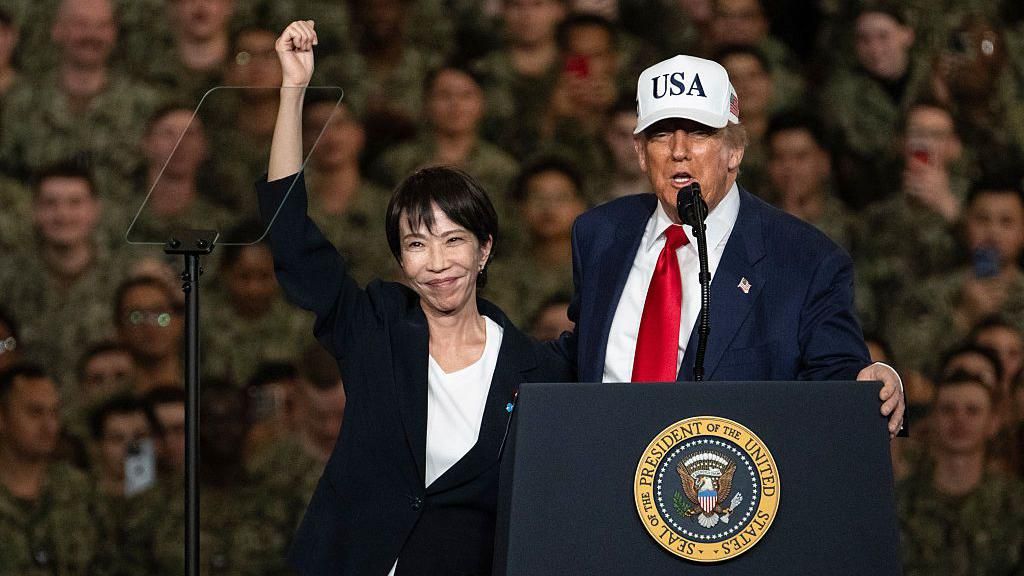
    Japanese Prime Minister Sanae Takaichi embarked on a diplomatically delicate mission to Washington, characterizing her upcoming summit with U.S. President Donald Trump as potentially “very difficult” amidst escalating tensions in the Strait of Hormuz. The three-day visit, originally scheduled to strengthen trade relations and reinforce bilateral alliances ahead of Trump’s postponed China trip, has been fundamentally reshaped by recent geopolitical developments.

    Takaichi articulated her strategic approach before Japan’s parliament, vowing to “maximize national interest” during negotiations. This commitment faces immediate testing as Trump recently retracted his controversial demand for allied military assistance in securing the vital oil transit corridor, despite initially emphasizing Japan’s substantial energy dependence on Middle Eastern shipments. Nearly 95% of Japan’s oil imports traverse the strategically critical strait.

    The Prime Minister’s challenges are compounded by constitutional constraints—Japan’s post-war pacifist constitution strictly limits military deployment to self-defense scenarios. This legal framework, combined with overwhelming public opposition (82% according to Asahi Shimbun polling), creates significant political barriers to any proposed military cooperation.

    Beyond immediate security concerns, the agenda encompasses multiple complex issues: China’s regional influence remains Tokyo’s “biggest strategic challenge” according to Council on Foreign Relations expert Sheila Smith, particularly following Takaichi’s controversial November remarks regarding potential self-defense force activation in Taiwan scenarios. Additionally, the leaders will discuss Japan’s prospective $25 billion participation in the U.S. Golden Dome missile defense initiative.

    Trade negotiations present both opportunity and risk. While Takaichi prepares to announce approximately $100 billion in new U.S. investment projects following February’s tariff reductions on Japanese auto imports, the timing coincides with Washington’s newly initiated unfair trade practice investigations that could potentially trigger retaliatory tariffs.

    Political analyst Koichi Nakano of Sophia University notes the meeting’s outcome hinges significantly on Trump’s unpredictable temperament, describing the president’s approach to alliances as “transactional.” Takaichi must navigate these uncertainties while preserving previously secured trade advantages and addressing Japan’s domestic economic pressures, including rising inflation and weak consumer spending.

  • Is soccer no longer Italy’s best sport? The Azzurri face World Cup playoff amid others’ success

    Is soccer no longer Italy’s best sport? The Azzurri face World Cup playoff amid others’ success

    While Italy celebrates unprecedented success across multiple sporting disciplines, its men’s national soccer team faces a critical juncture that threatens to extend the country’s World Cup absence to at least 16 years. The four-time world champions must navigate a challenging playoff path against Northern Ireland followed by either Wales or Bosnia and Herzegovina to avoid missing a third consecutive tournament.

    This soccer crisis exists in stark contrast to Italy’s remarkable achievements elsewhere. Nineteen-year-old Kimi Antonelli recently became Formula One’s second-youngest race winner, the Azzurri rugby squad secured a historic Six Nations victory against England, and Jannik Sinner has returned to dominant form on tennis courts. Italy currently holds world championships in both men’s and women’s volleyball, while even traditionally overlooked baseball and cricket teams have broken significant barriers.

    Sports Minister Andrea Abodi acknowledges the concerning disparity, noting that an entire generation under 15 lacks any memory of Italy’s last World Cup appearance—a 2014 elimination remembered more for Luis Suarez’s bite on Giorgio Chiellini than competitive achievement. “For generations of Italians, the World Cup was the time when the country came together and waved our flag,” Abodi told La Stampa. “Our national spirit now extends beyond soccer but it would still be nice to share those emotions with younger fans.”

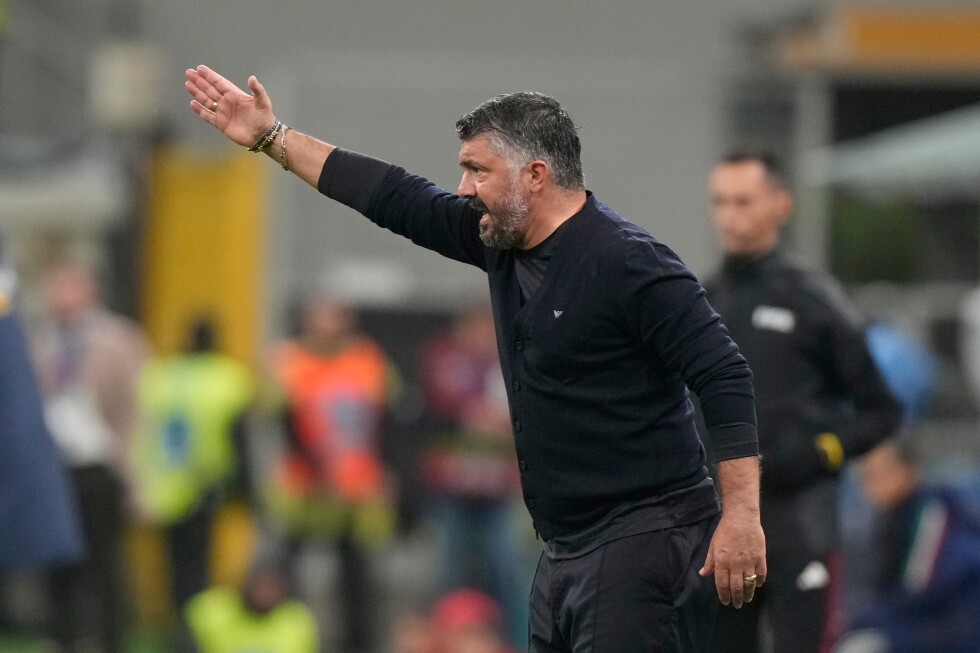
    The current qualification campaign began disastrously with a 3-0 loss to Norway, prompting managerial changes from Luciano Spalletti to Gennaro Gattuso. Despite a subsequent six-match winning streak, another defeat to Norway consigned Italy to the playoffs—the same stage where they suffered eliminations before the 2018 and 2022 World Cups.

    Systemic issues extend beyond the national team. Serie A has transitioned from attracting world-class talent to becoming a destination for players past their prime. No Italian club has claimed the Champions League since Inter Milan in 2010, and the federation president recently unveiled new youth development programs aimed at overcoming what he describes as “extreme tacticalism” prioritizing defensive approaches.

    As members of the 2006 World Cup-winning squad—including Gattuso and delegation chief Gianluigi Buffon—work to revive fortunes, the team has resorted to unconventional methods like nationwide dinner meetings with players instead of formal training camps. Their immediate challenge begins against Northern Ireland in Bergamo, with the nation’s broader sporting excellence highlighting soccer’s peculiar struggle.

  • China’s Hubei province arrests 7, shuts websites in fentanyl crackdown

    China’s Hubei province arrests 7, shuts websites in fentanyl crackdown

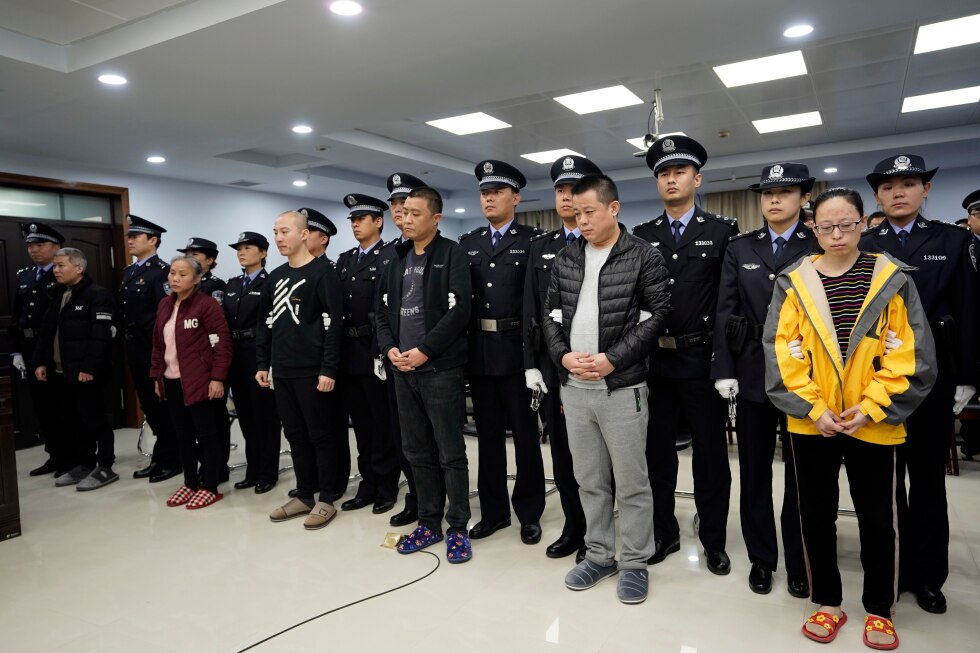
    Chinese authorities in Hubei province have launched a significant offensive against fentanyl precursor trafficking, resulting in seven arrests and the shutdown of over 200 websites according to state media reports. This development emerges against the backdrop of strained U.S.-China relations, where fentanyl has become a central issue in ongoing trade negotiations.

    The specialized task force, established in December following directives from China’s Ministry of Public Security, has investigated 22 cases through February. Beyond the arrests, a dozen individuals have faced coercive measures including summons and detentions, with four companies receiving penalties for their involvement in the illicit trade.

    Notably, international cooperation played a role in these operations, with U.S. Drug Enforcement Agency intelligence assisting Wuhan police in uncovering a company allegedly selling precursor chemicals and stimulants. The operation led to an arrest in early December through cross-provincial coordination with Shandong authorities.

    This crackdown follows the October agreement between Washington and Beijing, where China committed to curbing precursor exports in exchange for reduced tariffs on fentanyl-related imports from China. The diplomatic arrangement saw tariffs drop from 20% to 10% as part of a broader trade negotiation framework.

    The timing of these announcements coincides with postponed diplomatic engagements between the two nations. President Trump had recently delayed a planned visit to China, though administration officials indicated efforts to reschedule the meeting for late April. The fentanyl issue remains deeply intertwined with broader trade tensions that have seen both nations implement reciprocal tariffs throughout the past year.

  • Scenery after snowfall at Guan’egou scenic area in China’s Gansu

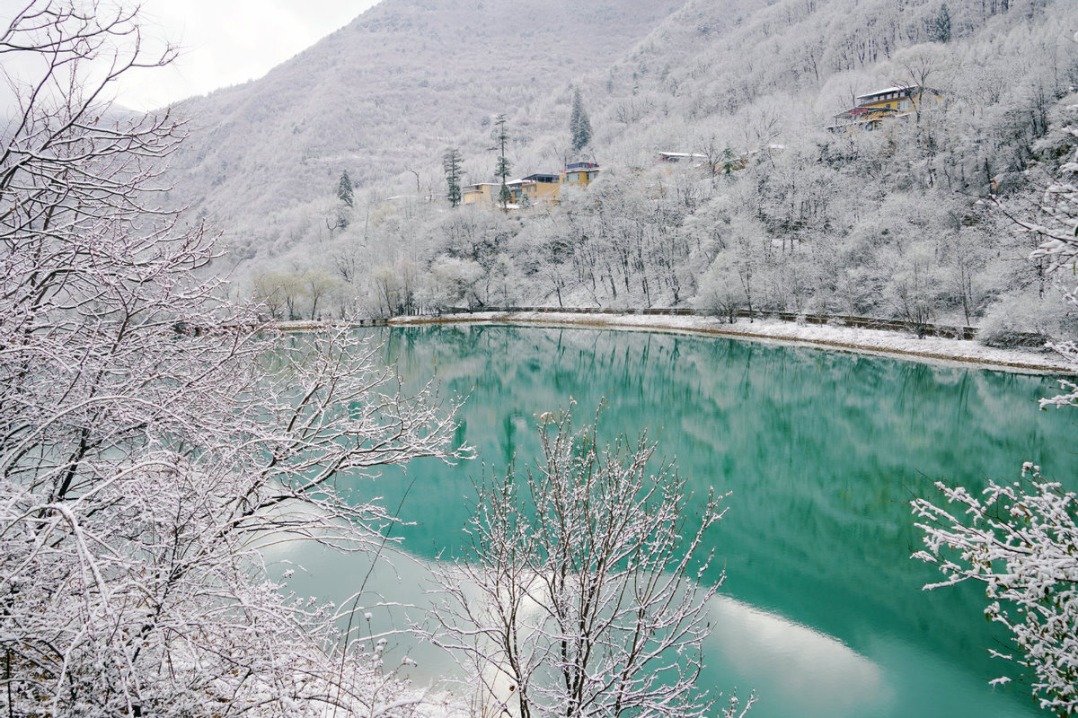
    Scenery after snowfall at Guan’egou scenic area in China’s Gansu

    China Daily Information Co (CDIC) has established comprehensive copyright protections for all digital materials published through its platforms. The company’s proprietary content—encompassing textual articles, photographic images, multimedia presentations, and additional informational formats—remains under strict legal protection against unauthorized use.

    Corporate policy explicitly prohibits the republication or utilization of CDIC’s intellectual property in any form without obtaining prior written authorization from the company. This copyright framework applies to all content hosted within the organization’s digital ecosystem.

    The publication maintains technical specifications for optimal user experience, recommending display resolutions of 1024*768 pixels or higher for proper content rendering. CDIC operates under formal registration and licensing protocols, including Multimedia Online Publishing License 0108263 and Registration Number 130349.

    As part of its corporate transparency initiatives, China Daily provides accessible information regarding organizational background, advertising opportunities, employment procedures (including expatriate positions), and direct communication channels through dedicated website sections.

  • Exhibition on firecrackers held in Macao

    Exhibition on firecrackers held in Macao

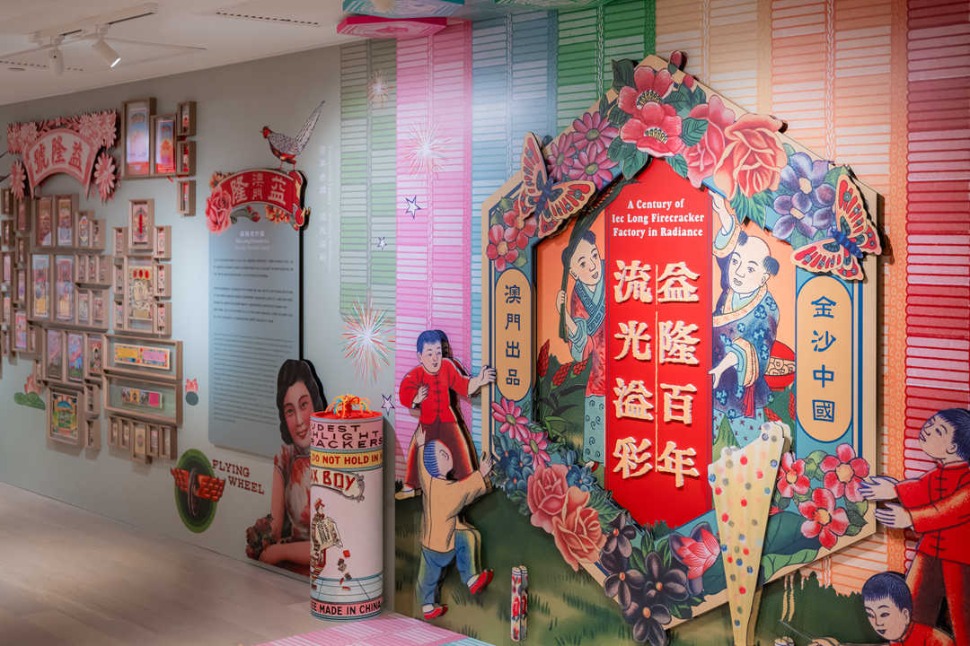
    MACAU – A landmark exhibition commemorating the 100th anniversary of Macao’s iconic Iec Long Firecracker Factory has launched at the Sands Gallery in Taipa, offering a profound journey into the city’s industrial heritage. The showcase, which opened on March 18th, 2026, presents an extensive collection of over 400 artifacts that narrate the vibrant history and cultural resonance of an industry that once defined the region.

    Visitors are immersed in a century-old narrative through meticulously preserved original manuscripts, specialized manufacturing tools, and a diverse array of vintage packaging labels. This comprehensive display illuminates the technical craftsmanship and artistic design that characterized the firecracker production process, highlighting its significance beyond mere commerce to encompass community identity and tradition.

    The exhibition represents a significant collaboration between academic research and cultural preservation. Curator Ung Vai-meng, a distinguished professor at the Macau University of Science and Technology, emphasized the industry’s historical importance: “Firecracker manufacturing stood among Macao’s most vital traditional industries. This exhibition aims to transport audiences across temporal boundaries, allowing them to experience the distinctive echoes of an era that remains fundamentally Macanese.”

    Portuguese artist Catarina Cottinelli da Costa, upon viewing the collection, remarked to Xinhua that the curatorial efforts “have revitalized the lives and memories associated with the old Iec Long Firecracker Factory, creating a deeply moving and meaningful connection for visitors to this crucial chapter of Macao’s historical narrative.”

    The exhibition will continue through August 31st, 2026, providing an extended opportunity for locals and international visitors to engage with this unique aspect of Macao’s cultural legacy.