作者: admin

  • American playwright Jeremy O. Harris arrested in Okinawa on suspicion of drug smuggling

    American playwright Jeremy O. Harris arrested in Okinawa on suspicion of drug smuggling

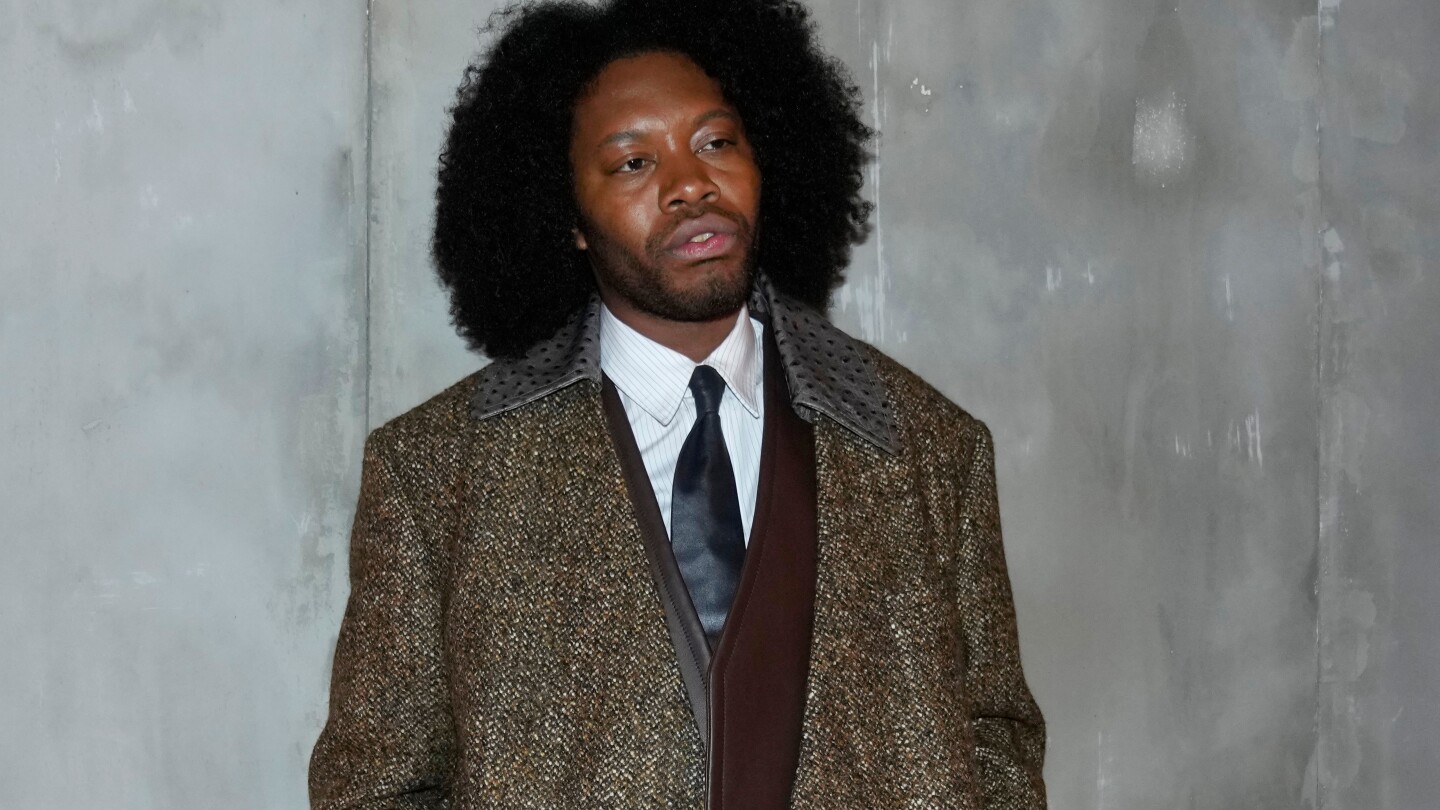
    TOKYO — Jeremy O. Harris, the celebrated American playwright and actor renowned for his Tony Award-nominated theatrical production ‘Slave Play,’ faces serious legal challenges in Japan following his arrest on charges of narcotics smuggling. Japanese customs authorities confirmed the incident this Saturday.

    According to official reports from Okinawa Regional Customs spokesperson Tatsunori Fukuda, Harris was apprehended at Naha Airport on November 16th while entering Japan’s southern Okinawa prefecture. Customs inspection revealed approximately 0.78 grams of crystallized MDMA, commonly known as ecstasy, concealed within a container in his carry-on tote bag. The discovery triggered an immediate arrest for violation of Japan’s stringent Customs Law.

    Fukuda detailed that the 36-year-old artist had commenced his journey from London’s Heathrow Airport two days prior, with a transit stop at Taiwan’s Taoyuan International Airport before his final destination in the popular resort region of Okinawa. Following his detention at the airport, Harris was transferred to the custody of Tomishiro police authorities.

    The case has been formally referred to the Naha District Public Prosecutors Office as of Thursday, initiating a comprehensive investigation that may lead to formal indictment. While officials confirmed no additional substances were discovered in his luggage and preliminary assessment suggests the drugs were for personal use, the legal proceedings continue to develop. Authorities have declined to disclose any statements Harris may have provided during interrogation.

    Japan maintains some of the world’s strictest anti-drug legislation, with convicted smugglers potentially facing extended prison sentences. The incident casts a shadow over the career of an artist who rapidly ascended to theatrical prominence with ‘Slave Play’—a graduate school project during his time at Yale School of Drama that evolved into a controversial Broadway production examining complex themes of race, sexuality, and social class.

    Beyond his theatrical achievements, Harris has expanded into television with cameo appearances in the ‘Gossip Girl’ revival and credit as co-producer for HBO’s acclaimed series ‘Euphoria.’ The international arts community now watches as this legal situation unfolds in Japan’s rigorous judicial system.

  • More Americans choose China as destination amid travel rebound

    More Americans choose China as destination amid travel rebound

    China is experiencing a significant resurgence in American tourism as global travel patterns normalize, with industry leaders highlighting the country’s strategic initiatives to position itself as a premier destination. The recovery marks a notable turnaround from pandemic-era restrictions and geopolitical tensions that previously limited travel between the nations.

    At the recent United States Tour Operators Association Annual Conference in Maryland, Chinese tourism officials unveiled comprehensive measures designed to attract international visitors. These include an expanded visa-free transit program that now permits citizens from 55 countries, including the United States, to stay for up to 240 hours (10 days) when transiting through designated ports across more than 20 Chinese regions. The policy requires only valid travel documents and confirmed onward tickets.

    Tourism statistics reveal impressive recovery metrics, with China welcoming 132 million international visits in 2024 generating approximately $94.2 billion in tourism revenue—reaching nearly 97% of pre-pandemic levels. Industry professionals attribute this rebound to China’s multi-faceted approach combining streamlined entry procedures, enhanced digital payment infrastructure, and a renewed emphasis on experiential tourism.

    Terry Dale, President and CEO of USTOA, noted that American travelers increasingly view China as “a unique opportunity—an experience of a lifetime.” This sentiment is echoed by tour operators reporting measurable increases in bookings, particularly for cultural immersion experiences that extend beyond traditional destinations like Beijing and Shanghai.

    The tourism revival encompasses diverse attractions ranging from ancient cultural sites to contemporary technological showcases like the World Robot Contest and seasonal spectacles such as the Harbin Ice and Snow Festival. Educational travel has emerged as a particularly strong segment, with growing numbers of American students and adults seeking authentic cultural immersion experiences.

    Brian Hoyt of EF World Journeys observed that “China represents a massive opportunity for more North Americans” seeking meaningful educational exchanges. The industry-wide consensus indicates that recent policy adjustments have successfully reopened channels for people-to-people connections that transcend mere economic transactions, fostering deeper cross-cultural understanding between the two nations.

  • Conceptual design of nuclear-powered icebreaker unveiled

    Conceptual design of nuclear-powered icebreaker unveiled

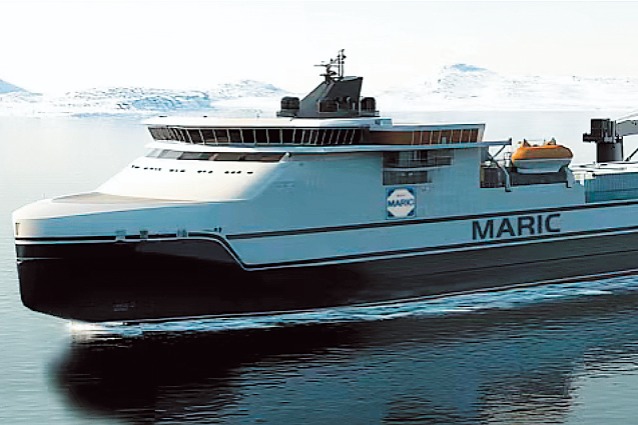
    China State Shipbuilding Corporation (CSSC), the world’s largest shipbuilding conglomerate, has revealed a groundbreaking conceptual design for a nuclear-powered multirole icebreaker capable of transporting both passengers and cargo through Arctic waters. The innovative vessel received formal design validation through an “approval in principle” certificate issued by Italian classification society RINA.

    Designed by CSSC’s Marine Design and Research Institute in Shanghai, the icebreaker measures approximately 165 meters in length with a 30-meter beam and displaces nearly 30,000 metric tons. The vessel is engineered for global operational capabilities with capacity for 150 polar tourists and maximum accommodation for 250 persons.

    The icebreaker incorporates specialized polar environment adaptations including advanced cold insulation systems and sophisticated noise and vibration control technologies. These features, combined with high-standard ventilation, air conditioning, and luxury accommodations, are designed to create what engineers describe as a “luxurious, immersive and safe” polar travel experience.

    Beyond passenger transport, the vessel demonstrates substantial cargo capacity with space for 300 standard 20-foot containers. Its flexible modular design enables transportation of oversized and irregularly shaped cargoes, enhancing its commercial versatility.

    The icebreaker’s technical specifications include capability to break through 2.5-meter-thick ice at speeds of 3.7 kilometers per hour. Its propulsion system represents a significant technological advancement, utilizing molten salt reactor technology combined with supercritical carbon dioxide systems to enhance thermoelectric conversion efficiency and improve nuclear safety parameters. Design engineers confirm the vessel strictly adheres to international nuclear safety standards and regulations.

    According to polar vessel engineer Cui Meng, the icebreaker is expected to play a crucial role in seasonal Arctic transportation, high-end polar tourism, and supply/emergency support operations in both Arctic and Antarctic regions. Researcher Yu Yun emphasized the strategic importance of Arctic routes, noting they can reduce voyage distances between Asia, Europe and North America by 30-40% compared to traditional Suez Canal routes, potentially shortening East Asia-Europe journeys by approximately 7,000 kilometers and reducing sailing time by 10-15 days.

  • Sino-US soybean trade discussed in Washington

    Sino-US soybean trade discussed in Washington

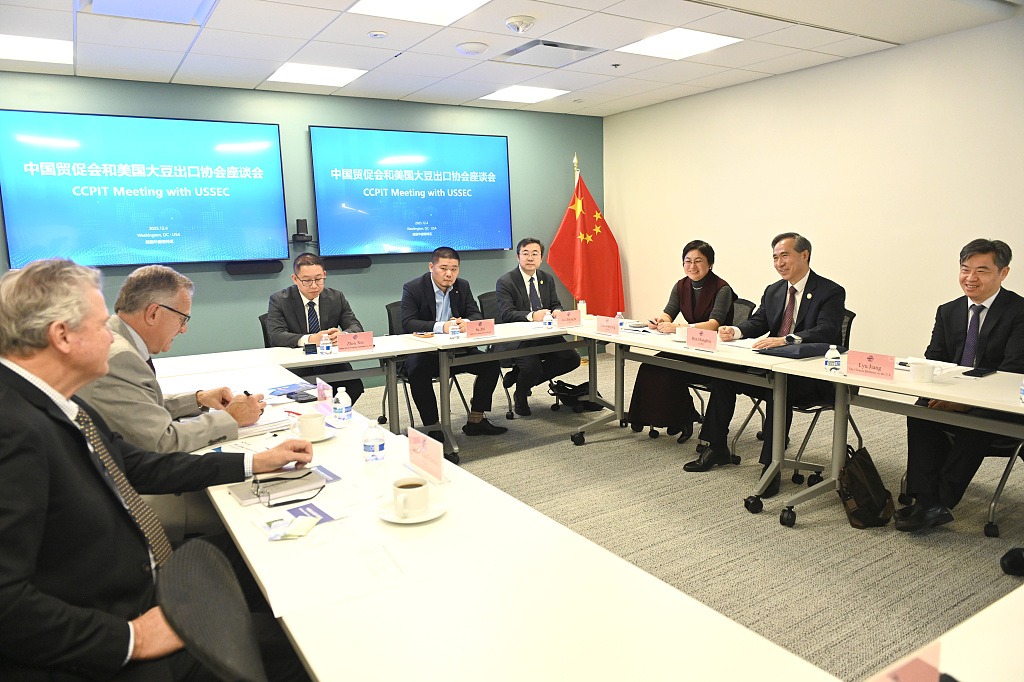
    In a significant development for agricultural trade relations, a high-level Chinese trade delegation convened with United States soybean industry leaders in Washington to discuss revitalizing bilateral soybean commerce and implementing recent high-level agreements. The meeting, led by China Council for the Promotion of International Trade President Ren Hongbin, featured substantive discussions with US Soybean Export Council CEO Jim Sutter and other agricultural representatives.

    The dialogue represents a concrete step toward implementing the consensus reached during the October meeting between President Xi Jinping and US President Donald Trump in Busan, South Korea. Both parties expressed strong commitment to rebuilding trade channels that have experienced significant disruption in recent years.

    Sutter characterized China as “the world’s largest and most irreplaceable soybean market” for American farmers, expressing robust optimism about the long-term relationship. He proposed that soybean trade could serve as a model for broader US-China cooperation, stating, “Soybeans and the soybean trade between these two countries can be a good example for how the countries can work together.”

    The human impact of trade tensions was articulated by USSEC Vice-Chair Mike McCranie, an active soybean farmer, who described the “painful” consequences of tariffs while emphasizing mutual dependency: “In my state, seven out of every ten rows grown are exported, and three-and-a-half of those go to China. We need one another.”

    The discussions extended beyond immediate trade resumption to include sustainable agriculture collaboration. Ren specifically encouraged joint development of green and low-carbon agricultural proposals for the 2026 APEC meeting in Shenzhen, building on previous successful cooperation on global supply-chain security at last year’s APEC summit in Lima.

    Chinese commercial enterprises demonstrated strong purchasing intent, with COFCO Oils & Fats representative Wang Bei confirming readiness to increase US soybean purchases as bilateral conditions improve. Additional companies proposed hosting dedicated USSEC seminars at the June 2026 China International Supply Chain Expo to promote sustainable US soy to Chinese buyers.

  • Xi, Macron enjoy friendly exchanges

    Xi, Macron enjoy friendly exchanges

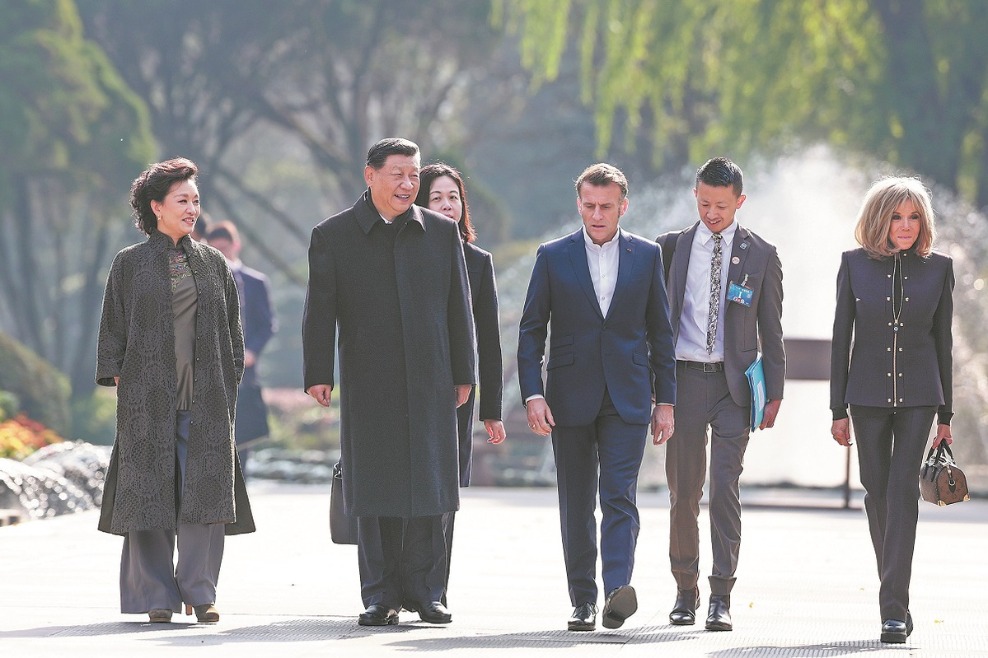
    President Xi Jinping and French President Emmanuel Macron deepened their diplomatic engagement through a symbolic meeting at the 2,000-year-old Dujiangyan irrigation system in Chengdu on Friday. This unconventional summit location, marking their second encounter during Macron’s three-day state visit, provided a profound backdrop for discussing global governance principles rooted in ancient wisdom.

    President Xi articulated how the ancient hydraulic achievement embodies China’s historical philosophy of harmonious coexistence with nature, emphasizing its continuing relevance to modern statecraft. ‘This spirit still offers insights for state governance today,’ Xi remarked, highlighting the Chinese nation’s enduring values of adaptation, perseverance and innovation.

    The two leaders recognized their nations as representing distinct civilizational traditions that share fundamental aspirations. ‘China and France, as two major nations distinguished by their histories and cultures, can make greater contributions to global peace, stability and human progress through dialogue and cooperation,’ Xi stated, particularly noting both countries’ spirit of independence stemming from profound cultural heritage.

    President Macron acknowledged the significance of cultural understanding in bilateral relations, praising Chinese diligence and wisdom while emphasizing France’s commitment to strengthening coordination with China amid global uncertainties. ‘Given the rapidly evolving international landscape full of uncertainties, France is willing to strengthen communication and coordination with China,’ Macron affirmed.

    The meeting produced substantial diplomatic outcomes, including agreements on exhibiting Sichuan’s Sanxingdui artifacts in France and joint statements addressing global governance, climate response, nuclear energy cooperation, and regional conflicts. Experts noted that choosing culturally significant locations beyond capitals expands the relationship’s breadth, particularly in people-to-people and cultural engagement, while providing leaders more time for strategic communication essential for building political mutual trust.

    This meeting continued a established pattern of unconventional summit diplomacy between the two leaders, following previous encounters in Shanghai’s Yuyuan Garden (2019) and Guangzhou’s Pine Garden (2023) during Macron’s earlier visits to China.

  • AMD’s MI308 chips may face H20‑like headwinds in China

    AMD’s MI308 chips may face H20‑like headwinds in China

    Advanced Micro Devices (AMD) has received official authorization from U.S. authorities to export its MI308 AI accelerators to China, with CEO Lisa Su confirming the company’s readiness to comply with Washington’s revised licensing framework, including payment of a mandatory 15% tariff. This development enables AMD to re-enter the strategically sensitive Chinese semiconductor market despite ongoing security investigations targeting Nvidia’s comparable H20 chip for potential vulnerabilities.

    The approval emerges alongside remarkable investor enthusiasm for China’s domestic chip manufacturers, highlighted by Moore Threads Technology’s extraordinary market debut. The company’s shares skyrocketed 425% during its Friday listing in Shanghai, following a successful ¥8 billion (approximately $1.13 billion) capital raise—the most substantial first-day performance for a major IPO since China’s 2019 financial market reforms. Retail investor demand reached unprecedented levels, with subscriptions exceeding available shares by nearly 2,750 times even after activating clawback provisions.

    This market phenomenon eclipsed Semiconductor Manufacturing International Corp’s (SMIC) 2020 debut performance of 202%, establishing a new benchmark for offerings surpassing the $1 billion threshold. The simultaneous occurrences highlight the growing divergence between U.S. export-compliant hardware and China’s rapidly advancing domestic semiconductor capabilities.

    Chinese officials maintained their consistent position regarding U.S. chip export policies. Foreign Ministry spokesperson Lin Jian reiterated Beijing’s opposition to American restrictions when questioned about China’s potential acquisition of AMD’s newly approved MI308 processors. “China has repeatedly clarified its stance regarding U.S. chip exports to China. We urge the United States to demonstrate concrete actions toward maintaining global industrial and supply chain stability,” Lin stated during a regular press briefing.

    Despite regulatory clearance, industry analysts express skepticism regarding AMD’s potential market success. Chinese experts contend that MI308 shipments will encounter identical policy constraints faced by Nvidia’s H20, operating within an environment that increasingly prioritizes domestic AI chip development while limiting foreign suppliers’ long-term commercial prospects.

    A Jiangsu-based technology columnist (identifying as a software engineer at robotics firm Fortucky) noted that AMD’s MI308 chips operate under explicit performance limitations that render them unsuitable for training large language models like ChatGPT. According to this analysis, the chips will primarily serve inference tasks, specialized vertical AI applications, and limited research environments, as U.S. regulations continue blocking technology transfers that could significantly advance China’s frontier AI capabilities.

    This development occurs within broader geopolitical tensions surrounding semiconductor technology. Washington initially banned exports of both Nvidia’s H20 and AMD’s MI308 chips to China in April citing national security concerns, with both products specifically engineered to meet U.S. Commerce Department export control thresholds. The restrictions positioned these chips as inferior alternatives rather than strategic computational assets for advanced AI development.

    Following June negotiations between U.S. and Chinese officials in London, Washington agreed to resume Nvidia H20 shipments in exchange for Beijing restoring rare earth mineral exports to the United States. However, this détente proved temporary, as China’s Cyberspace Administration subsequently summoned Nvidia regarding H20 security risks and issued advisories discouraging domestic adoption.

    Chinese commentators have employed increasingly vivid metaphors to describe the perceived risks of foreign hardware dependency. Multiple analysts recently compared using Nvidia’s H20 to “drinking poisoned wine”—addressing immediate needs while causing long-term damage. Similarly, proposed exports of Nvidia’s more powerful H200 chips were characterized as “sugar-coated bullets” that might appear beneficial while ultimately hindering domestic chip development.

    Market observers note that during the April-July suspension of Nvidia chip exports, Huawei’s Ascend 910B chips dramatically increased market share from 12% to 37%. Some analysts suggest Washington’s approval of AMD exports might constitute a strategic effort to slow Huawei’s accelerating adoption rates and provide alternatives to domestic options from Kunlun, MetaX, and Moore Threads.

    Industry segmentation appears increasingly likely, with cloud service providers potentially favoring Nvidia for its CUDA ecosystem, while financial institutions and government entities prioritize domestic chips for compliance reasons. Large corporations might employ hybrid approaches using foreign chips for performance and local chips for regulatory compliance, while smaller firms could opt exclusively for domestic solutions to avoid future uncertainty.

  • ILT20: Desert Vipers overcome Abu Dhabi Knight Riders in thriller

    ILT20: Desert Vipers overcome Abu Dhabi Knight Riders in thriller

    In a nail-biting encounter at the Sharjah Cricket Stadium on Friday, the Desert Vipers secured their second consecutive victory in the International League T20 (ILT20) with a dramatic two-wicket triumph over the Abu Dhabi Knight Riders. The match culminated with just three balls remaining, showcasing exceptional late-order batting under pressure.

    The Knight Riders posted a competitive total of 171/6, powered by Alex Hales’ commanding 53 off 37 deliveries, featuring three sixes and four boundaries. Andre Russell contributed a brisk 36, while Qais Ahmad and Noor Ahmad claimed two wickets each for the Vipers.

    Facing a challenging chase, the Vipers encountered early setbacks, losing three wickets during the powerplay. The middle-order partnership between Shimron Hetmyer (48 off 25 balls) and Dan Lawrence (35 off 31) revitalized the innings. However, the decisive moment arrived during the final overs when Khuzaima Tanveer’s explosive 31-run cameo from just 12 deliveries sealed the victory despite the team being eight wickets down.

    Stand-in captain Sam Curran praised his team’s resilience, stating: ‘This was a fortunate escape but an outstanding result. ADKR possesses a formidable batting lineup, and our bowlers performed exceptionally throughout. The team demonstrated remarkable composure during critical phases.’

    Conversely, Knight Riders’ captain Sunil Narine attributed the loss to a below-par batting performance and challenging dew conditions: ‘We were approximately 15-20 runs short. The dew factor significantly hampered our spinners’ effectiveness during the latter stages.’

    Shimron Hetmyer received Player of the Match honors for his match-changing innings that ultimately propelled the Desert Vipers to their thrilling victory.

  • How the UAE keeps the US close while hedging against it

    How the UAE keeps the US close while hedging against it

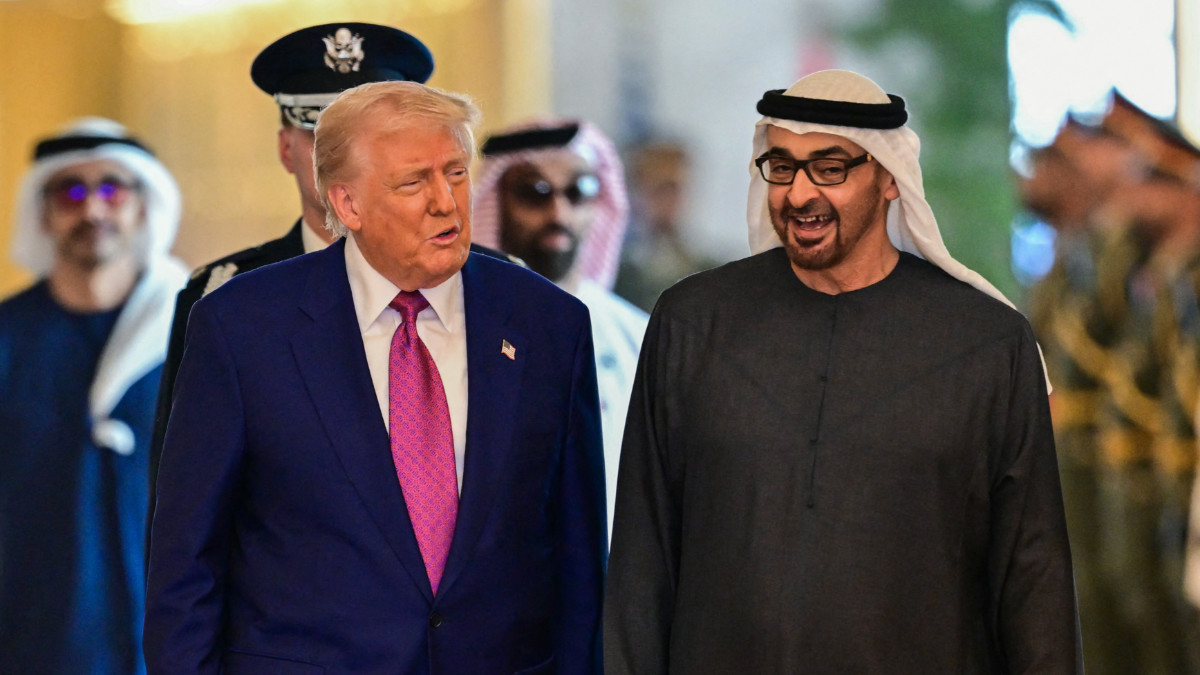
    The United Arab Emirates has perfected a delicate geopolitical balancing act, maintaining robust relations with Washington while simultaneously advancing sensitive partnerships with China—America’s primary global competitor. This strategic hedging allows Abu Dhabi to pursue independent foreign policies in conflict zones from Yemen to Sudan, often placing it at odds with other US Arab allies, yet incurring minimal diplomatic costs according to US and Arab officials.

    Recent intelligence assessments revealed the presence of China’s People’s Liberation Army personnel at a strategic military facility in Abu Dhabi. Despite subsequent suspicions among China watchers at the US embassy regarding activities at Beijing-operated Khalifa Port, the UAE has merely scaled back—not terminated—its cooperation with China.

    During the Biden administration, senior officials grew sufficiently concerned about Emirati independence to propose a comprehensive relationship review. Ultimately, the effort narrowed significantly to focus solely on Libya, avoiding examination of the more sensitive China connections.

    The UAE’s unique position became particularly evident when compared to regional neighbors. While Qatar and Saudi Arabia have sought closer military ties with Washington—both recently designated major non-NATO allies—the UAE has deliberately avoided such formal classifications. This distinction reflects Abu Dhabi’s preference for operational independence, evidenced by stringent conditions placed on US military base usage and its abandoned pursuit of F-35 fighters due to American concerns about Chinese technology transfers.

    Despite these tensions, the UAE recently received Washington’s approval for its AI firm G42 to purchase tens of thousands of advanced Nvidia chips, matching Saudi access to this critical technology.

    The shifting regional alliances have further highlighted Emirati independence. Traditional geopolitical blocs have fractured, with UAE-backed separatists in Yemen now confronting Saudi-supported forces. In Sudan, the rivalry has intensified as Saudi Arabia plans to lobby against Emirati support for the Rapid Support Forces paramilitary group.

    Analysts attribute the UAE’s diplomatic success to sophisticated statecraft and substantial financial resources. Ambassador Yousef al-Otaiba’s two-decade cultivation of Washington influence networks, combined with Abu Dhabi’s normalization with Israel, has created unusual bipartisan goodwill that provides greater diplomatic flexibility than afforded to regional counterparts.

  • Ukrainian women embrace combat roles as technology reshapes the battlefield

    Ukrainian women embrace combat roles as technology reshapes the battlefield

    KHARKIV, Ukraine — The evolution of modern warfare technology has created unprecedented combat opportunities for women in Ukraine’s military forces. What began as limited frontline roles for female soldiers has transformed dramatically since Russia’s full-scale invasion nearly four years ago.

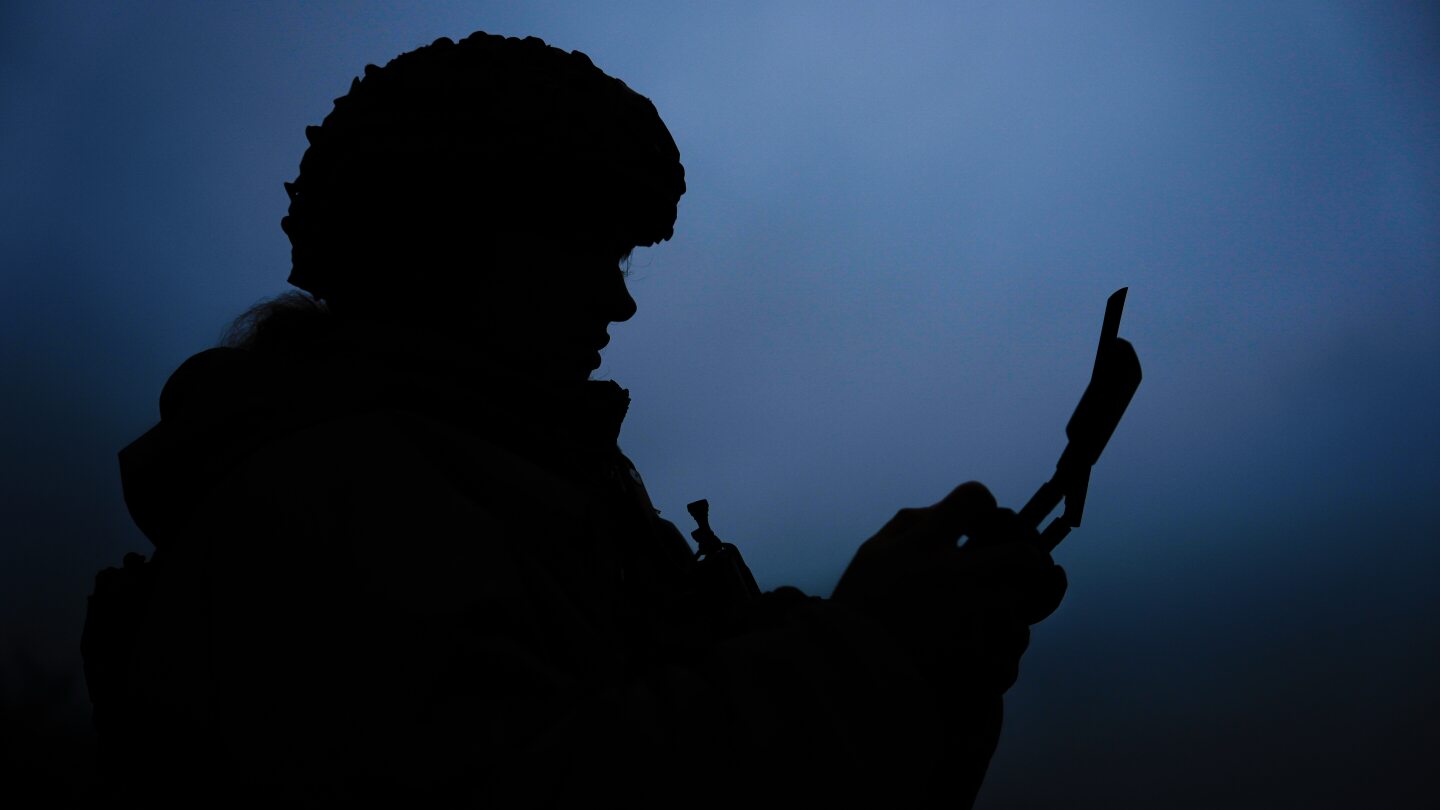
    This technological revolution is exemplified by soldiers like the 26-year-old known by her call sign ‘Monka,’ who abandoned her restaurant management career abroad to return home and serve. She now operates as a first-person view (FPV) drone pilot in the Unmanned Systems Battalion of Ukraine’s Third Army Corps.

    Military officials confirm this represents a significant trend: technological advancements in warfare have enabled more women to assume combat positions previously dominated by men. Defense Ministry statistics reveal over 70,000 women served in Ukraine’s military in 2025—a striking 20% increase from 2022 figures—with more than 5,500 deployed directly on front lines.

    The proliferation of drone technology has been particularly transformative. Remote warfare capabilities have created combat roles that don’t require physical strength as a primary qualification, instead prioritizing technical aptitude, precision, and strategic thinking.

    Several military units have launched targeted recruitment campaigns toward women through partnerships with organizations like the Dignitas Foundation. The Khartiia Corps reports a 20% increase in female recruits since 2024, with dozens successfully integrating into combat technological roles.

    Despite progress, challenges persist within Ukraine’s traditionally conservative military structure. Some female soldiers report encountering prejudice and being steered toward support roles instead of combat positions. A 25-year-old soldier identified as Yaha described being initially directed to kitchen duty when she requested drone training.

    Yet determination prevails. Women like 20-year-old Chibi, an FPV technician with brightly colored hair, overcome skepticism through technical excellence. Working from damp basements near front lines, she prepares drones for battlefield deployment despite initial doubts about her capabilities.

    Olha Meloshyna, spokesperson for Ukraine’s Unmanned Systems Forces, emphasizes that drone operations remain highly dangerous, as Russian forces actively target operators. Currently, women constitute 4.2% of this specialized force—a significant proportion given their voluntary enlistment.

    The military’s ongoing recruitment campaign aims to bring 15,000 new personnel into drone-related roles, with women actively encouraged to apply. As Meloshyna notes: ‘No drone is autonomous. It needs human involvement. And the more personnel we have, the more drones will fly toward Russia.’

  • New clashes break out between Pakistan and Taliban

    New clashes break out between Pakistan and Taliban

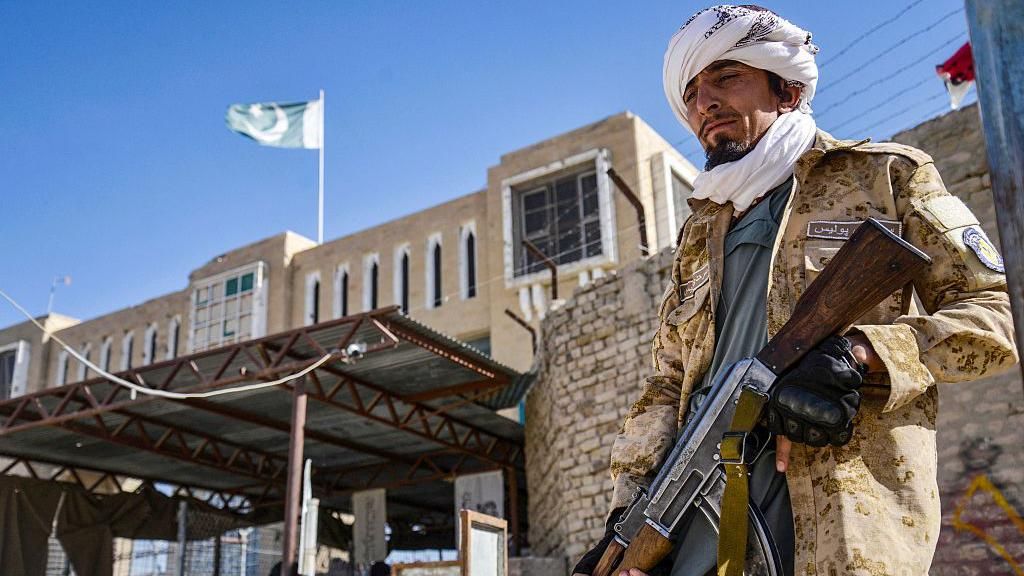
    A fragile ceasefire between Pakistan and Afghanistan’s Taliban government has shattered with renewed cross-border hostilities erupting near the strategic frontier city of Spin Boldak. The overnight exchange of fire marks the latest escalation in tensions along the volatile 1,600-mile Durand Line demarcation.

    Local medical authorities in Kandahar confirmed receiving four casualties from the border skirmishes, though the total death toll remains unverified. Eyewitness accounts describe panicked civilians fleeing Spin Boldak and adjacent towns, with footage capturing families evacuating via vehicles and on foot amid the resurgence of violence.

    Both nations engaged in mutual recriminations through official channels. Mosharraf Zaidi, spokesperson for Pakistani Prime Minister Shehbaz Sharif, denounced what he termed “unprovoked firing” by Taliban forces, asserting that Pakistan’s military had delivered “an immediate, befitting & intense response” to protect territorial sovereignty.

    Conversely, Taliban representatives countered that Pakistani forces had “initiated attacks,” compelling their defensive retaliation. This mutual blame game underscores the deep-seated distrust between the neighboring nations, despite recent diplomatic interventions.

    The clashes occur scarcely two months after Qatar and Turkey brokered a ceasefire agreement that had temporarily halted the most severe fighting since the Taliban’s 2021 ascension to power. The breakdown of this arrangement highlights the precarious nature of border security arrangements.

    Underlying the immediate violence are persistent allegations from Islamabad that Taliban-ruled Afghanistan provides sanctuary to militant groups operating against Pakistani interests. Kabul consistently denies these charges, instead attributing them to Pakistan’s “own security failures.”

    The timing proves particularly diplomatically sensitive, coming just days after both parties concluded inconclusive fourth-round peace talks in Saudi Arabia. While sources indicate both sides had nominally committed to maintaining the ceasefire during these negotiations, the practical implementation appears to have collapsed amidst ongoing strategic disagreements.