作者: admin

  • Warning against mushroom foraging in California after fatal poisoning

    Warning against mushroom foraging in California after fatal poisoning

    California health authorities have issued a critical public health advisory urging residents to strictly avoid foraging for wild mushrooms following a concerning cluster of severe poisonings across the state. The California Department of Public Health (CDPH) confirmed at least 21 cases of amatoxin poisoning linked to death cap mushroom consumption, resulting in multiple hospitalizations with severe liver damage and at least one fatality.

    The poisoning incidents, concentrated in Northern California’s Monterey and San Francisco Bay areas between mid-November and early December, have affected both adults and children. Several victims suffered acute liver failure, with at least one patient potentially requiring emergency liver transplantation. Health officials emphasize that the current rainy season creates ideal growing conditions for these toxic fungi, particularly around oak and pine trees.

    Death cap mushrooms (Amanita phalloides) pose exceptional danger due to their deceptive resemblance to edible varieties in appearance, scent, and taste. CDPH Director Dr. Erica Pan warned that these mushrooms ‘contain potentially deadly toxins that can lead to liver failure’ and stressed that no cooking method—including boiling, drying, freezing, or conventional preparation—can neutralize their toxicity.

    Initial symptoms typically manifest within 6-24 hours of consumption and include violent gastrointestinal distress: watery diarrhea, persistent vomiting, abdominal cramping, nausea, and dehydration. While these symptoms may temporarily subside, potentially fatal liver damage can develop silently over the following week.

    Monterey County Health Officer Dr. Edward Moreno emphasized that ‘only people with extensive training and experience should eat wild mushrooms that they have picked themselves.’ The CDPH maintains that the risk extends statewide despite current cluster locations, advising complete avoidance of wild mushroom consumption during this high-risk period.

  • Triple drone strikes on Sudan kindergarten, hospital kill dozens

    Triple drone strikes on Sudan kindergarten, hospital kill dozens

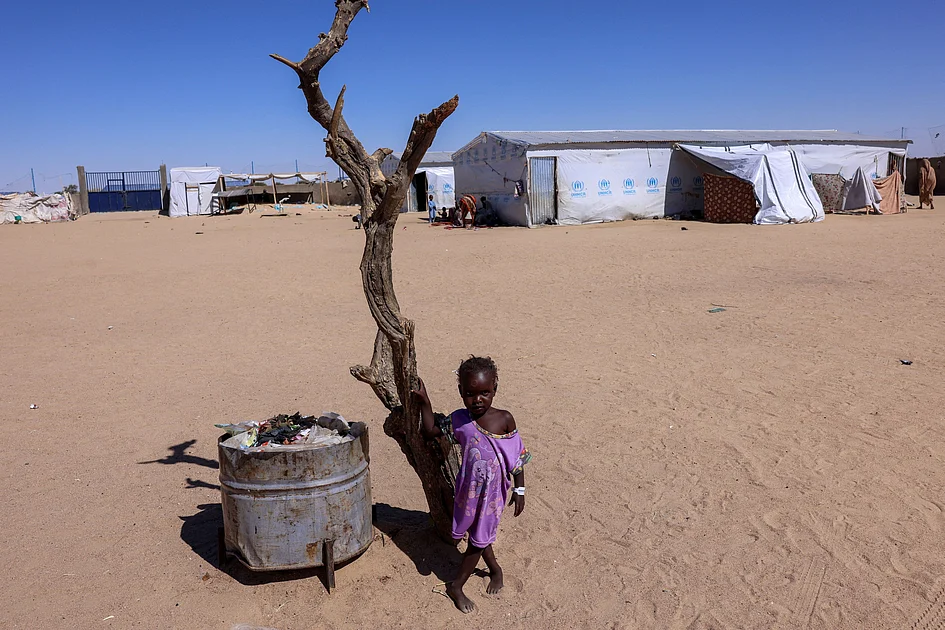
    In a devastating escalation of Sudan’s ongoing civil conflict, coordinated drone strikes targeted civilian infrastructure in the army-held town of Kalogi, South Kordofan state, resulting in one of the deadliest single incidents since fighting began. The triple assault, which occurred on Thursday, systematically hit a kindergarten followed by a medical facility and then struck again as rescuers attempted to evacuate children from the rubble.

    Local administrator Essam al-Din al-Sayed, communicating via Starlink due to severed conventional communications, confirmed to AFP that the attacks were executed with precision timing to maximize casualties. The United Nations Children’s Fund (UNICEF) verified that over 10 children between ages five and seven perished in the kindergarten bombing, while Sudan’s foreign ministry placed the total death toll at 79 civilians, including 43 children.

    The Sudanese government has attributed responsibility to the paramilitary Rapid Support Forces (RSF) and their allies from the Sudan People’s Liberation Movement-North faction under Abdelaziz al-Hilu. This allegation comes as the RSF expands its offensive beyond its recent capture of El-Fasher—the army’s final western stronghold—into the strategically vital and oil-rich Kordofan region.

    UN representatives have condemned the attack as a gross violation of international humanitarian law. UNICEF Representative for Sudan Sheldon Yett emphasized that ‘targeting educational facilities where children seek safety constitutes an egregious breach of fundamental human rights,’ while demanding immediate humanitarian access to the affected regions.

    The conflict, which erupted in April 2023 between the national army and RSF paramilitaries, has already claimed tens of thousands of lives and displaced nearly 12 million people. The Kordofan region has become the latest flashpoint, with over 40,000 residents fleeing in the past month alone according to UN estimates. Military analysts suggest the RSF’s eastern push aims to dismantle the army’s defensive perimeter around central Sudan, potentially setting the stage for assaults on major urban centers including the capital Khartoum.

    Verification of battlefield reports remains severely hampered by communication blackouts, restricted access for journalists and aid workers, and persistent security threats throughout the region.

  • Beijing’s Daxing airport sets a new record in passenger trips

    Beijing’s Daxing airport sets a new record in passenger trips

    Beijing Daxing International Airport has achieved a significant aviation milestone, recording over 50 million passenger trips in a single year for the first time since its inauguration in 2019. The airport announced on Sunday that as of December 6, 2025, it had handled 50.08 million passengers with 322,500 flight operations throughout the year, representing an 8.41% increase compared to the same period in 2024.

    The aviation hub demonstrated particularly strong growth in international traffic, with nearly 5.5 million international and regional passengers representing a substantial 25.39% year-on-year increase. This performance marks a remarkable achievement for the six-year-old facility, which has now facilitated over 193 million passenger journeys and more than 1.41 million flights since operations commenced.

    The airport’s expanding connectivity has been instrumental in driving this growth. Currently hosting 70 domestic and international airlines, Daxing offers nearly 190 routes connecting to approximately 180 destinations across 25 countries throughout Asia, Europe, and Africa. This year witnessed the launch and resumption of several key international routes, including services to Casablanca, Bandar Seri Begawan, Ho Chi Minh City, Dushanbe, and Muscat.

    Chinese carriers including China Southern, China Eastern, Xiamen Air, and China United have initiated over 30 international through-flight services from Daxing. The airport has enhanced passenger convenience through inter-airline through-check services for international routes, enabling seamless baggage transfer and single-ticket journeys. From January to November, international transfer passengers exceeded 840,000, with 78% utilizing these streamlined through-check services.

    To support the increasing passenger volume, the airport has implemented several traveler-focused improvements including expedited security screening lanes, expanded flight options, and enhanced transportation connections to urban centers. Additional passenger services such as specialized assistance for elderly travelers and cultural exhibitions have further enriched the travel experience.

    The management has committed to continuing these enhancements, focusing on maintaining the airport’s trajectory of growth while improving service quality for all passengers.

  • Philippines tightens rules for fireworks industry ahead of Christmas, New Year’s Eve

    Philippines tightens rules for fireworks industry ahead of Christmas, New Year’s Eve

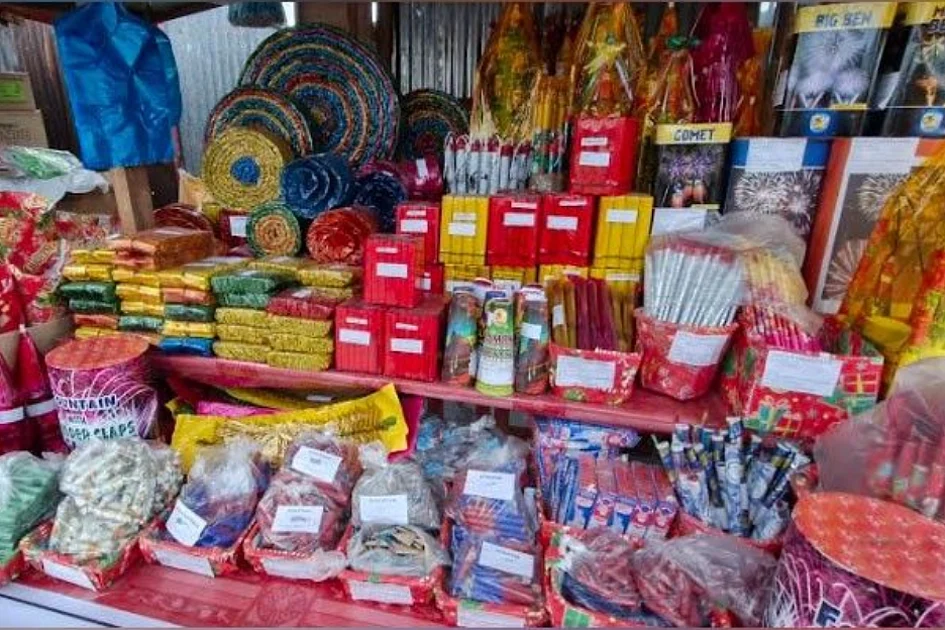
    In a decisive move to prevent holiday season tragedies, the Philippine government has intensified regulatory oversight of the nation’s pyrotechnics industry. The Department of Labor and Employment (DOLE) has issued stringent compliance directives to manufacturers, distributors, and retailers of fireworks and explosive materials ahead of traditional New Year’s Eve celebrations.

    Labor Secretary Bienvenido Laguesma formally enacted Labor Advisory No. 18 on November 28, 2025, reinforcing mandatory safety protocols under the Occupational Safety and Health Standards Law (Republic Act No. 11058). The advisory specifically references Department Order No. 124 from 2014, which establishes comprehensive safety systems for all sectors handling pyrotechnic materials.

    The regulatory framework mandates that manufacturing facilities, storage warehouses, and retail outlets maintain trained safety personnel, implement rigorous occupational health standards, and develop targeted policies addressing explosion risks. Employees are required to participate in specialized safety training programs and actively support workplace safety initiatives.

    Enforcement mechanisms include coordinated monitoring by DOLE regional offices and Labor Laws Compliance Officers, who will collaborate with the Bureau of Fire Protection, Philippine National Police, and local government units. Regional directors must submit detailed compliance reports to the Bureau of Working Conditions by January 15, 2026, ensuring nationwide implementation of safety measures.

    The preventive action responds to longstanding concerns about fireworks-related injuries and fatalities during holiday celebrations, when pyrotechnic products see widespread use across the archipelago nation.

  • Meet Sunaina Yella, Indian actress dating UAE influencer Khalid Al Ameri

    Meet Sunaina Yella, Indian actress dating UAE influencer Khalid Al Ameri

    The entertainment world is abuzz with news of a blossoming cross-border romance between Indian film actress Sunaina Yella and prominent UAE social media influencer Khalid Al Ameri. The relationship confirmation came through a heartfelt birthday post by Al Ameri featuring an intimate mirror selfie of the couple holding hands, which instantly set social media platforms alight with excitement and curiosity.

    While the recent post brought widespread attention, industry observers note that subtle clues about their connection have been emerging for nearly a year. The timeline traces back to June 2024 when Sunaina first posted a photograph holding someone’s hand—a post that garnered significance when Al Ameri liked it. Subsequent interactions included Sunaina reciprocating by liking his post featuring ring-adorned hands with the caption “Alhamdulilah,” further fueling speculation among their combined followings.

    The 36-year-old actress, who maintains a grounded presence despite her celebrity status, briefly addressed the growing rumors earlier this year by confirming: “I am indeed happily engaged.” The relationship narrative continued to unfold through synchronized social media activity in February 2025, with both posting identical images of Indian chaat and high-tea moments in Dubai—some reportedly captured by Al Ameri himself.

    Beyond the personal revelations, Sunaina Yella has established herself as a formidable talent in the Indian film industry with an impressive career spanning two decades. Since her 2005 debut in the Telugu film ‘Kumar vs Kumari,’ she has delivered nuanced performances across 25 films in Tamil, Telugu, Malayalam, and Kannada cinema. Her critically acclaimed role in ‘Neerparavai’ (2012) earned her a Filmfare nomination for Best Actress in Tamil cinema, while her recent work includes Amazon Prime Video’s ‘Inspector Rishi’ (2024).

    Known for her versatility in portraying both romantic leads and intense dramatic roles, Sunaina has also successfully transitioned to digital platforms with web series like ‘Nila Nila Odi Vaa’ and ‘Chadarangam.’ Off-screen, she maintains a strong connection with fans through her passions for fitness, photography, and travel, which she regularly shares on social media.

    The coupling represents a fascinating convergence of two entertainment worlds—Indian cinema and Middle Eastern digital influence—with both figures enjoying substantial followings in their respective regions. As the relationship continues to capture public imagination, it highlights the increasingly global nature of celebrity connections in the digital age.

  • New US security strategy aligns with Russia’s vision, Moscow says

    New US security strategy aligns with Russia’s vision, Moscow says

    The Kremlin has expressed approval of the Trump administration’s newly unveiled National Security Strategy, describing its core principles as substantially aligned with Moscow’s geopolitical perspective. Released last week, the 33-page document presents a radical departure from traditional U.S. foreign policy by reframing Europe’s challenges as existential threats while notably avoiding characterization of Russia as a direct adversary to American interests.

    Kremlin spokesperson Dmitry Peskov conveyed Moscow’s position through state-owned TASS news agency on Sunday, stating, “The adjustments we’re seeing are largely consistent with our vision. We consider this a positive step.” The Russian government indicated it would continue analyzing the document before forming definitive conclusions.

    The strategic blueprint identifies combatting foreign influence, halting mass migration, and resisting the European Union’s perceived practices of “censorship” as primary objectives. It advances controversial language suggesting Europe faces “civilisational erasure” and questions whether certain European nations will maintain sufficiently robust economies and militaries to remain reliable U.S. allies.

    European leaders and policy experts have responded with measured concern. German Foreign Minister Wadephul acknowledged the enduring importance of NATO alliances while questioning the document’s focus on freedom of expression issues. “The US will remain our most important ally in the alliance. This alliance, however, is focused on addressing security policy issues,” he stated on Friday.

    Polish Prime Minister Donald Tusk delivered a more direct message via social media, asserting to his “American friends” that “Europe is your closest ally, not your problem” and emphasizing their “common enemies.” Meanwhile, former Swedish Prime Minister Carl Bildt characterized the document as positioning itself “to the right of the extreme right.”

    The strategy advocates for re-establishing strategic stability with Russia, which European officials fear could undermine collective efforts to resolve the Ukraine conflict. It specifically criticizes the EU for allegedly obstructing American peace initiatives and endorses influencing policy through alignment with “patriotic European parties.”

    Additional components include potential military operations against alleged drug-trafficking vessels in Caribbean and eastern Pacific waters, possible intervention in Venezuela, and calls for increased defense spending from Pacific allies including Japan, South Korea, Australia, and Taiwan.

    Congressional Democrats have issued stern warnings about the document’s potential consequences. Representative Jason Crow of Colorado, who serves on House intelligence and armed services committees, labeled the strategy “catastrophic to America’s standing in the world,” while New York Representative Gregory Meeks argued it “discards decades of value-based, U.S. leadership.”

  • Dinosaur footprints from about 200m years ago found in China

    Dinosaur footprints from about 200m years ago found in China

    Paleontologists have made a significant discovery in Southwest China’s Sichuan province, unearthing a remarkable collection of prehistoric footprints dating back approximately 200 million years. The fossilized tracks, located on a rock wall in Dujiangyan city, were initially spotted by an observant hiker last month before being formally authenticated by a scientific team.

    Led by Associate Professor Xing Lida from China University of Geosciences (Beijing), the research team confirmed the presence of more than 20 distinct vertebrate footprints representing multiple species from the Late Triassic period. This groundbreaking finding marks the first documented occurrence of dinosaur footprints in the Dujiangyan region.

    The assemblage includes diverse track types, ranging from theropod impressions of varying sizes—attributed to carnivorous dinosaurs—to distinctive chirotherian-type tracks characterized by their hand-like appearance, typically associated with early archosaur reptiles.

    Professor Xing emphasized the site’s exceptional scientific value, noting that “at least four distinct stratigraphic layers preserve these footprints, indicating sustained dinosaur activity in this area over an extended geological timeframe.”

    Complementing the fossilized tracks, researchers discovered petrified wood specimens nearby, including both fallen logs and upright stumps preserved in their original positions. These botanical remains provide crucial contextual information about the Triassic ecosystem that once thrived in this region.

    Jiang Shan, a researcher at Zigong Dinosaur Museum, highlighted the discovery’s importance for understanding dinosaur evolution in East Asia, stating that these well-preserved impressions offer invaluable insights into the early diversification and behavioral patterns of dinosaurs in what is now modern China.

  • UAE-India airfares surge up to Dh700 due to IndiGo cancellations, peak travel demand

    UAE-India airfares surge up to Dh700 due to IndiGo cancellations, peak travel demand

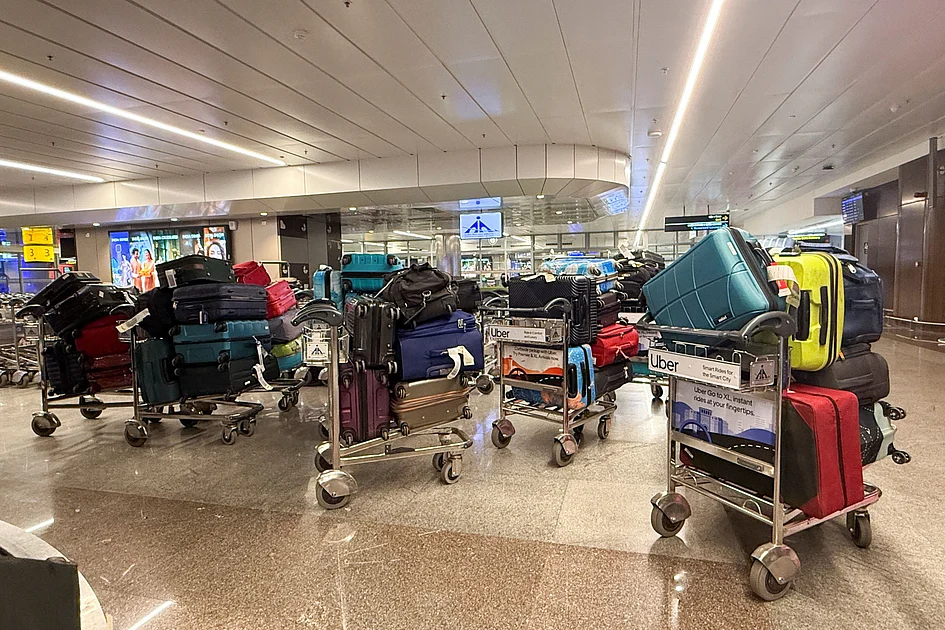
    A perfect storm of operational disruptions and seasonal demand has created a severe airfare crisis on the vital UAE-India travel corridor, with ticket prices skyrocketing by up to 25% and adding approximately Dh700 to travel costs. The situation has been primarily triggered by widespread flight cancellations and scheduling irregularities from IndiGo, India’s largest carrier, which normally operates over 220 weekly flights between the two countries and commands the dominant market share on this route.

    The convergence of these operational challenges with the peak winter travel season—coinciding with school holidays and increased tourism activity—has created unprecedented pressure on available seat capacity. Industry executives confirm that fares have surged dramatically across all major routes, with the Dubai-Delhi sector experiencing particularly severe increases, reaching as high as Dh2,880 for upcoming weekend travel.

    According to Avinash Adnani, Managing Director of Neo Travels and Tourism, the uncertainty surrounding IndiGo’s schedule has compelled passengers to seek alternatives on other carriers, consequently driving up prices across the board. ‘Travellers are demonstrating willingness to pay premium fares to ensure timely arrivals, creating a demand-supply imbalance that carriers are capitalizing on,’ Adnani explained.

    The crisis has disproportionately affected travel to Tier-2 Indian cities, where IndiGo maintains approximately 60% market share. Destinations such as Kochi and Thiruvananthapuram have witnessed fare increases exceeding 30% during peak travel windows, as fewer alternative carriers service these routes. The disruption has created a domino effect, complicating domestic connections that typically begin with international arrivals into major hubs like Delhi and Mumbai.

    Industry analysts project varying timelines for normalization. Adil Tanrıverdi, CEO of Tripventura Tourism, anticipates that if IndiGo resolves its aircraft availability issues within 4-6 weeks, fares could stabilize by late January. However, extended operational challenges might push meaningful recovery to February or March, as competing carriers would require 60-90 days to materially increase capacity and impact pricing structures.

    Travel experts advise passengers to maintain flexibility in their plans, consistently monitor flight status updates, and consider rescheduling non-urgent travel to avoid the current price peaks. The situation remains fluid, with industry stakeholders closely monitoring IndiGo’s progress in restoring regular operations.

  • Java island zoo releases photos of the first panda cub born in Indonesia

    Java island zoo releases photos of the first panda cub born in Indonesia

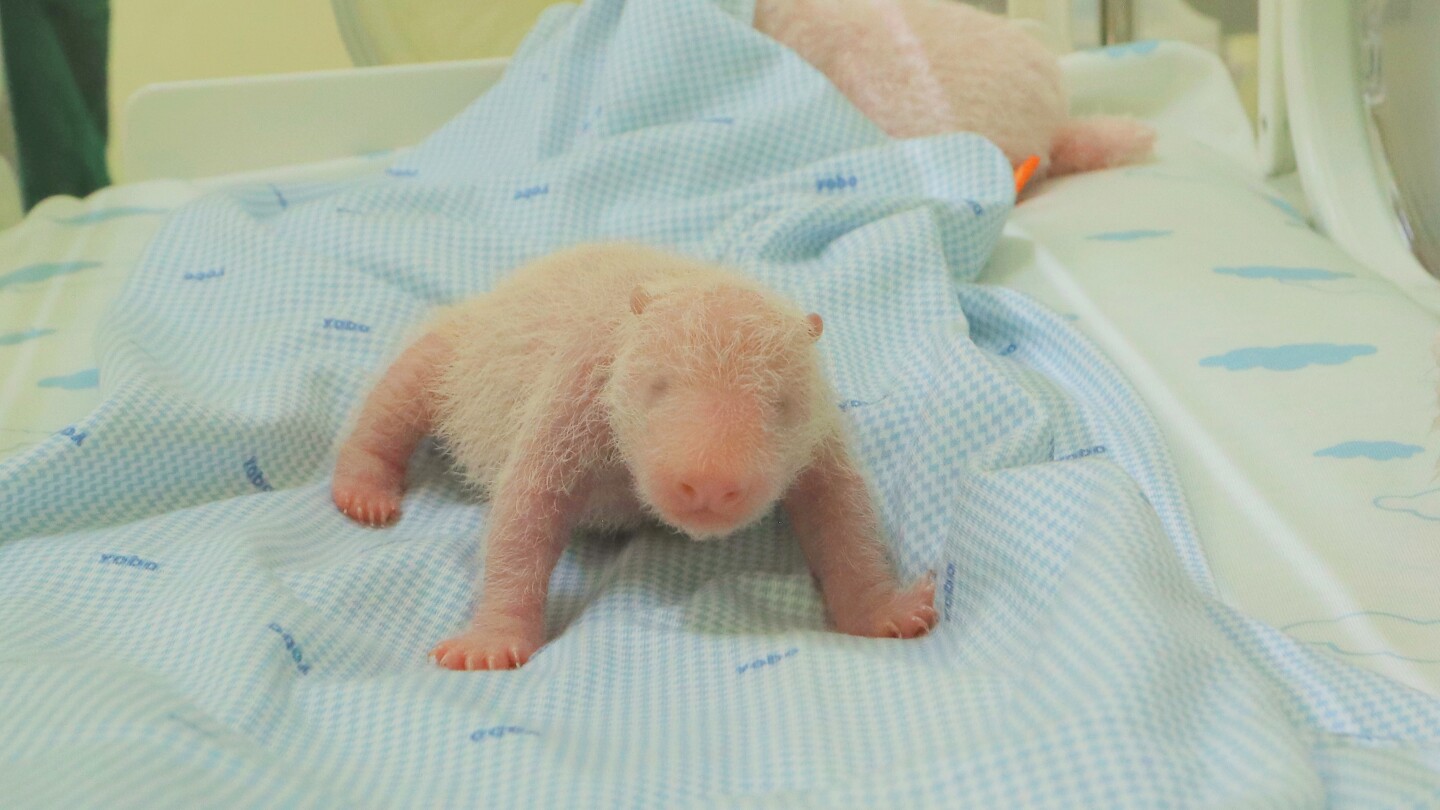
    JAKARTA, Indonesia — In a landmark achievement for wildlife conservation, Indonesia’s Taman Safari zoo has welcomed the nation’s first native-born giant panda cub. The male offspring, named Satrio Wiratama with the affectionate nickname Rio, entered the world on November 27th at the zoo’s specialized facility in West Java’s Cisarua region.

    The cub’s birth represents the culmination of a decade-long international partnership between Indonesia and China that began with the arrival of parent pandas Hu Chun and Cai Tao in 2017. These magnificent creatures were transferred as part of a comprehensive 10-year conservation agreement designed to protect this vulnerable species.

    Rio’s early development indicators are exceptionally promising according to zoo officials. The cub demonstrates robust health through consistent vocalizations, successful nursing patterns, and steady weight progression. Veterinary specialists are conducting round-the-clock monitoring to ensure optimal development during these critical early weeks. The upcoming developmental milestones include improved thermoregulation capabilities, fur maturation, visual awakening, and initial mobility exercises.

    Indonesian President Prabowo Subianto formally announced the cub’s symbolic name during a meeting with Wang Huning, China’s prominent political advisor. The name Satrio Wiratama embodies the shared dedication between both nations toward endangered species preservation, reflecting themes of hope and resilience.

    The parent pandas reside in a specially designed habitat that zoo officials describe as ‘palace-like accommodations,’ situated approximately 70 kilometers from Jakarta. While public viewing remains temporarily restricted to prioritize the cub’s welfare, the zoo administration has invited collective support for Rio’s continued healthy development.

    This birth holds particular significance within the context of panda conservation biology. Giant pandas face substantial reproductive challenges in captive environments, with fewer than 1,900 individuals remaining across their native habitats in China’s Sichuan, Shaanxi, and Gansu provinces. China’s panda loan initiatives with international zoos have historically functioned as instruments of cultural diplomacy while simultaneously advancing global conservation efforts.

  • Sri Lanka issues landslide warnings as cyclone toll hits 618

    Sri Lanka issues landslide warnings as cyclone toll hits 618

    Sri Lankan authorities escalated landslide alerts on Sunday as torrential rains continued to batter regions already crippled by Cyclone Ditwah, with the official death count climbing to 618 casualties. The catastrophic weather system has impacted over two million residents—representing nearly ten percent of the nation’s population—through devastating floods and landslides marking the most severe natural disaster this century.

    The Disaster Management Centre (DMC) reported that ongoing monsoon conditions are exacerbating the situation, saturating hillsides and increasing instability across central mountainous zones and northwestern midlands. Aviation units are conducting critical supply missions to isolated communities in the country’s interior, where landslide debris has severed access routes.

    International assistance continues to arrive, with the Sri Lanka Air Force receiving a humanitarian shipment from Myanmar on Sunday. Official statistics reveal 209 individuals remain missing, while the number of displaced persons in government shelters has decreased to 100,000 from a peak of 225,000 as floodwaters gradually recede.

    Structural damage assessment indicates over 75,000 homes suffered impairment, including approximately 5,000 completely destroyed properties. In response, the government unveiled a comprehensive compensation initiative on Friday to facilitate reconstruction of residences and revitalization of businesses devastated by the calamity.

    Financial support measures include offers of up to 10 million rupees ($33,000) for survivors to acquire safer land and construct new dwellings, alongside one million rupees compensation for families of deceased or permanently disabled victims. The central bank has mandated commercial lenders to restructure outstanding loans amid recovery efforts.

    The disaster strikes as Sri Lanka demonstrates fragile economic recovery from its 2022 financial collapse. President Anura Kumara Dissanayake acknowledged to parliament that while economic indicators had improved, the nation lacks sufficient resilience to independently manage reconstruction costs potentially reaching $7 billion. The International Monetary Fund is evaluating Sri Lanka’s request for an additional $200 million in emergency funding beyond its existing $2.9 billion bailout program.