作者: admin

  • China issues draft rules to regulate AI with human-like interaction

    China issues draft rules to regulate AI with human-like interaction

    China’s cyberspace administration has unveiled comprehensive draft regulations targeting artificial intelligence systems capable of simulating human personality traits and emotional engagement. The proposed framework, released for public consultation on Saturday, represents Beijing’s latest effort to establish guardrails around rapidly evolving consumer AI technologies.

    The regulatory initiative specifically addresses AI products and services that emulate human cognitive patterns, communication styles, and emotional responsiveness through text, imagery, audio, video, or multimodal interfaces. This move signals China’s proactive approach to balancing technological innovation with ethical considerations and user protection measures.

    Under the draft provisions, AI service providers would bear significant responsibility throughout the product lifecycle, mandating the implementation of robust systems for algorithm assessment, data security protocols, and personal information safeguards. The regulations introduce specific requirements for monitoring user engagement patterns, including obligations to warn against excessive usage and implement intervention mechanisms when signs of addiction are detected.

    The proposed rules establish clear content boundaries, prohibiting AI systems from generating material that threatens national security, disseminates false information, or promotes violent or obscene content. Notably, the framework emphasizes psychological risk mitigation, requiring providers to assess user emotional states and dependency levels, with intervention protocols triggered by detection of extreme emotional responses or addictive behavior patterns.

    This regulatory development occurs amid global debates about appropriate governance structures for advanced AI systems capable of human-like interaction. China’s approach reflects growing international concern about the societal impact of emotionally responsive AI, positioning the country at the forefront of establishing formal oversight mechanisms for this emerging technology category.
  • AI spending, strong corporate profits, Fed rate cuts seen as key to 2026 stock market

    AI spending, strong corporate profits, Fed rate cuts seen as key to 2026 stock market

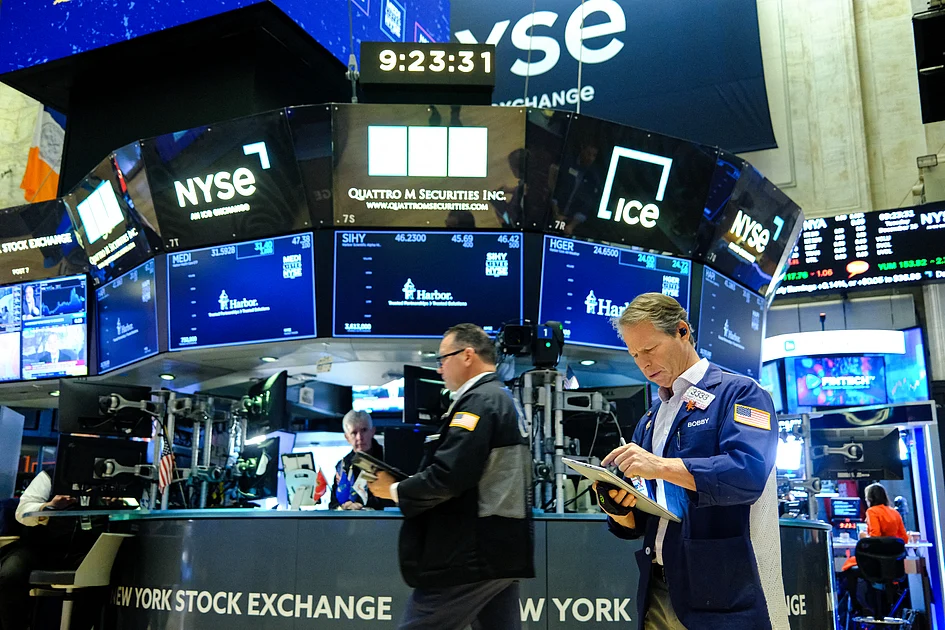
    As Wall Street concludes a remarkable third consecutive year of double-digit gains, analysts are scrutinizing the catalysts required to sustain this bull market into 2026. The S&P 500’s impressive 17% ascent in 2025 follows 24% and 23% surges in 2023 and 2024 respectively, creating speculation about whether a fourth stellar year is achievable.

    Market strategists identify three critical pillars for continued growth: robust artificial intelligence expenditure, substantial corporate profit expansion, and accommodative Federal Reserve monetary policies. According to LSEG data, S&P 500 companies are projected to deliver over 15% earnings growth in 2026, building upon a solid 13% increase in 2025. This growth is expected to broaden beyond the technology sector’s dominant players, with the famed ‘Magnificent Seven’ anticipated to see their earnings advantage narrow significantly.

    The AI investment phenomenon remains a double-edged sword. While massive infrastructure spending and application demand have driven valuations, recent concerns about capital expenditure returns have created volatility. LPL Financial’s Jeff Buchbinder notes, ‘If companies reduce guided capex and market confidence in AI returns diminishes, we could be looking at a flat or modestly negative year.’

    Federal Reserve policy represents another crucial variable. Investors are pricing in at least two additional quarter-point rate cuts in 2026, following 175 basis points of reductions throughout 2024-2025. PNC Financial’s Yung-Yu Ma emphasizes, ‘The Fed maintaining a dovish stance is probably the biggest driver I’d be looking for.’ The upcoming appointment of a new Fed chair by President Trump adds another layer of policy uncertainty.

    Historical patterns offer mixed signals. LPL Research indicates that in seven bull markets reaching their fourth year since 1950, the average gain was 12.8% with positive performance in six instances. However, CFRA data shows midterm election years typically deliver subpar returns averaging just 3.8% for the S&P 500 compared to 11% in other presidential term years.

    Geopolitical factors, particularly U.S.-China relations, could serve as potential wildcards. While tariffs caused extreme volatility in early 2025, the relationship between the world’s two largest economies remains a swing factor that could produce unexpected positive catalysts according to market observers.

  • ‘Angel for animals’: Peta founder hails French film icon Brigitte Bardot

    ‘Angel for animals’: Peta founder hails French film icon Brigitte Bardot

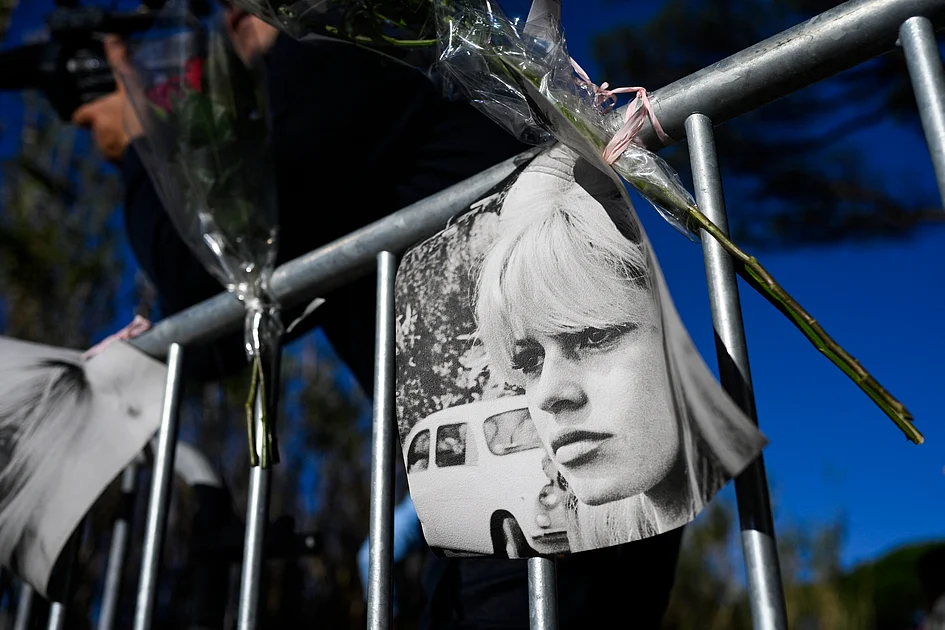
    The global animal rights community is mourning the loss of French cinematic legend Brigitte Bardot, who passed away at age 91. Ingrid Newkirk, founder of People for the Ethical Treatment of Animals (PETA), issued a heartfelt tribute celebrating Bardot’s transformative journey from international screen icon to one of history’s most influential animal welfare advocates.

    Newkirk characterized Bardot as ‘an angel for animals’ who consistently leveraged her celebrity status to champion animal protection causes. The PETA founder revealed that Bardot had personally participated in numerous organizational campaigns throughout her advocacy career, including a successful 2013 initiative that persuaded luxury British retailer Fortnum & Mason to cease sales of foie gras.

    Bardot’s remarkable transition from entertainment to activism began in 1973 when she voluntarily retired from her illustrious film career at its peak. She relocated permanently to her Saint-Tropez residence on the French Riviera, where she established what would become her life’s work: the Brigitte Bardot Foundation for animal protection in 1986.

    Her advocacy portfolio encompassed diverse and impactful campaigns spanning several decades. She emerged as a vocal protector of baby seals and elephants, campaigned vigorously against ritual animal sacrifice practices, and demanded the closure of horse slaughterhouses. Newkirk emphasized that Bardot often stated she ‘truly bloomed’ through her animal protection work, and called upon the public to honor her memory by performing acts of kindness toward animals.

  • Where to celebrate New Year’s Eve in the UAE: From fireworks and beach parties to desert countdowns

    Where to celebrate New Year’s Eve in the UAE: From fireworks and beach parties to desert countdowns

    The United Arab Emirates is poised to welcome 2026 with an extraordinary array of New Year’s Eve celebrations, offering uniquely crafted experiences across its iconic destinations. From Dubai’s glittering skyline to the serene Arabian desert, revelers can select from an impressive portfolio of events designed for every preference and demographic.

    Elevated celebrations take flight at Atlantis, The Palm’s Dubai Balloon, where the NYE Sky Carnival offers dual ascents providing unparalleled 360-degree views of fireworks illuminating the metropolitan landscape. This premium experience combines aerial spectacle with ground-level festivities including carnival décor, curated culinary offerings, and symbolic intention-setting rituals.

    Family-oriented programming dominates at Dubai Parks and Resorts, featuring daytime activities ranging from adrenaline zones to immersive escape rooms, culminating in a 9:30 PM fireworks display at The World of Riverland. The destination’s distinctive T-Rex Glamping package delivers dinosaur-themed accommodations, themed dinners, and exclusive park access for prehistoric-inspired revelry.

    Coastal celebrations emerge as prominent alternatives, with Luchador at Aloft Palm Jumeirah hosting Latin-inspired rooftop festivities featuring live music and premium beverages. Similarly, Vida Beach Resort Umm Al Quwain presents its White Beach Party, offering chilled bubbles and DJ sets against oceanfront fireworks in a relaxed dress-in-white atmosphere.

    Gourmet experiences abound at premium establishments including DREAM Dubai’s immersive 10-course culinary spectacle, Ergon Agora’s Mediterranean-inspired communal feast, and Mausam’s opulent multi-course menu paired with direct Burj Khalifa fireworks visibility. Cultural authenticity finds expression at Liwa Village’s desert celebration within the Liwa International Festival, framing the countdown against dramatic dunescapes under open skies.

    Nostalgic programming surfaces at Black Tap Dubai Mall with 90s throwback music and unlimited share-style menus, while Purani Dilli offers exclusive private dining for groups seeking authentic Indian flavors. Movenpick’s Glitter Gala and Swissôtel Al Ghurair’s family feast provide comprehensive entertainment packages featuring international cuisines, live performances, and dedicated children’s activities.

    With pricing spanning from accessible family packages to premium experiences exceeding Dh3,000 per person, the UAE’s 2026 New Year’s Eve portfolio demonstrates sophisticated event curation across diverse environments and cultural motifs, solidifying the nation’s status as a global celebration destination.

  • Catching the hunters trapping rare songbirds in China

    Catching the hunters trapping rare songbirds in China

    In the predawn darkness surrounding Beijing’s sprawling metropolis, a silent war unfolds across the grasslands where migratory birds seek refuge. Silva Gu, a dedicated conservationist, moves with practiced stealth through these urban oases, tracking those who would profit from capturing protected songbirds.

    The illegal trade in songbirds has become an increasingly lucrative enterprise in China, where economic pressures have driven many to seek income through low-risk, high-reward activities. A single Siberian rubythroat can command nearly 2,000 yuan (£210; $280) on the black market—exceeding many farmers’ monthly earnings. This profitability persists despite wildlife protection laws, as fines often fail to outweigh potential profits.

    During critical migration periods, particularly in October when billions of birds travel along major flyways through China, poachers deploy nearly invisible ‘mist nets’ that can trap hundreds of small birds overnight. These nets pose particular danger to protected species like the meadow pipit, an important indicator species whose population health reflects environmental conditions.

    Silva’s journey began in childhood, exploring a very different Beijing in the 1990s—one where grasslands stretched further and wildlife thrived. Witnessing rapid urbanization consume these natural spaces, he dedicated himself to conservation work. Over the past decade, he has personally intervened in countless poaching operations, sometimes facing physical retaliation from wildlife traders.

    His efforts have evolved from solitary patrols to founding the Beijing Migratory Bird Squad, through which he has successfully engaged law enforcement authorities. Initially met with indifference in 2015, Silva’s persistent advocacy has gradually shifted police attitudes. Authorities now recognize that combating wildlife crime often leads to uncovering other criminal activities.

    Despite these advances, challenges remain profound. Cultural traditions dating to the Qing Dynasty, when keeping caged birds symbolized status and elegance, continue primarily among older generations. Many retirees in their 60s and 70s maintain the practice without recognizing its ecological impact or legal implications.

    Silva employs sophisticated tactics against poachers, studying satellite imagery to identify frequently used paths and net placement patterns. He maps these against migratory routes to predict where birds will rest, allowing targeted interventions. His work costs over 100,000 yuan ($14,000) annually, funded primarily through donations that have dwindled amid economic slowdowns.

    Recent developments suggest growing institutional support. China’s Ministry of Public Security has launched campaigns against wildlife trafficking, while state media has emphasized the importance of bird protection for ecosystem health. These changes reflect increasing recognition of conservation needs, though enforcement remains inconsistent.

    Silva’s work demonstrates both the progress and persistent challenges in wildlife protection. While he has directly rescued over 20,000 birds and disrupted countless poaching operations, he acknowledges that lasting change requires generational shift in attitudes toward conservation. Until then, he continues his solitary patrols, striving to restore Beijing’s skies to their former chorus of songbirds.

  • Sidharth Bhatia explores an evolving Mumbai and its communities in his latest book

    Sidharth Bhatia explores an evolving Mumbai and its communities in his latest book

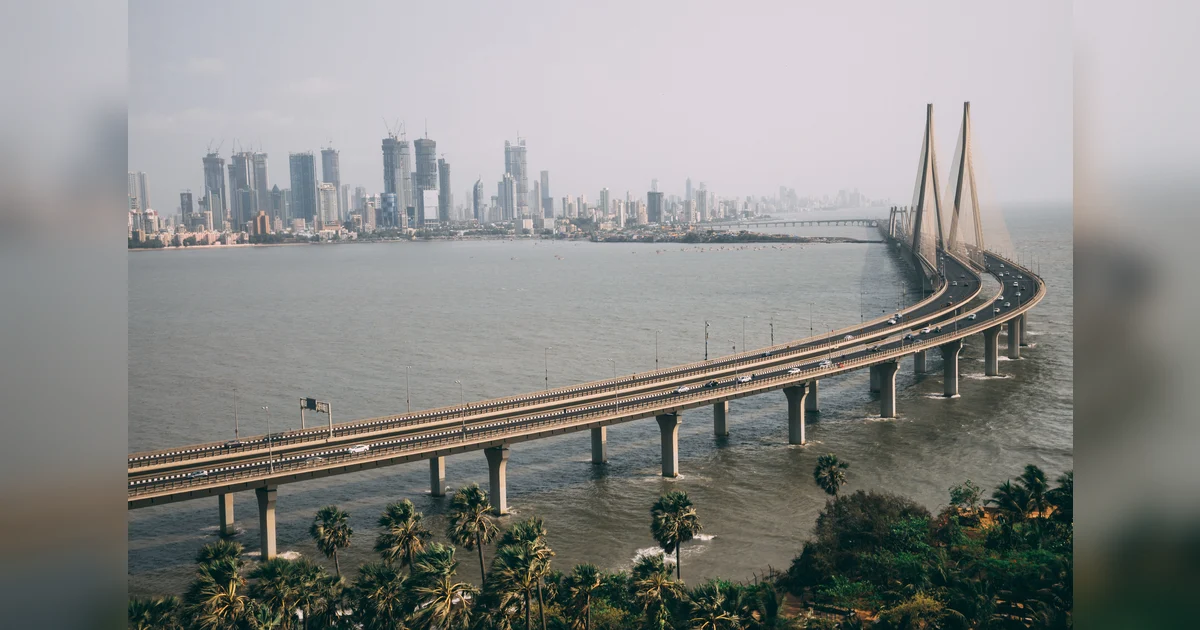
    In his groundbreaking work ‘Mumbai: A Million Islands,’ acclaimed journalist and founding editor of The Wire Sidharth Bhatia presents a penetrating examination of the social consequences of urban development in India’s financial capital. The book serves as both a historical document and contemporary critique, tracing Mumbai’s evolution from its origins as seven merged islands to its current status as a rapidly transforming metropolis.

    Bhatia’s narrative reveals the hidden human toll beneath the glittering surface of Mumbai’s development boom. While skylines rise with luxury high-rises and gated communities, the author uncovers how working-class neighborhoods and traditional ecosystems face systematic erasure. Through meticulous journalism and empathetic storytelling, the work documents the displacement of fisherfolk, mill workers, and informal laborers whose contributions once formed the foundation of the city’s economy.

    The book stands apart from previous romanticized portrayals of Mumbai by focusing on marginalized communities in areas like Behrampada, Dongri, and Mumbra. Bhatia conducts revealing interviews with residents facing spatial and social changes, capturing their determination to maintain dignity amid adversity. He particularly notes how mainstream media’s focus on glamorous development often overlooks these human stories of loss and displacement.

    Addressing the accelerated pace of change over the past decade, Bhatia describes the transformation as ‘a hurricane sweeping everything away.’ The work raises critical questions about urban priorities, asking what truly defines a great city when the absence of whole communities goes unnoticed by privileged classes. The author concludes with Gandhi’s principle that a society’s moral measure lies in how it treats its poorest and most vulnerable members.

    As coastal cities worldwide face climate pressures and growing inequality, Bhatia’s work offers a timely warning about unbalanced urban development. While technology has improved some government services, the fundamental issue of spatial justice remains largely unaddressed in Mumbai’s ongoing metamorphosis.

  • Israel’s Ben Gvir pushes bill to ban Islamic call to prayer

    Israel’s Ben Gvir pushes bill to ban Islamic call to prayer

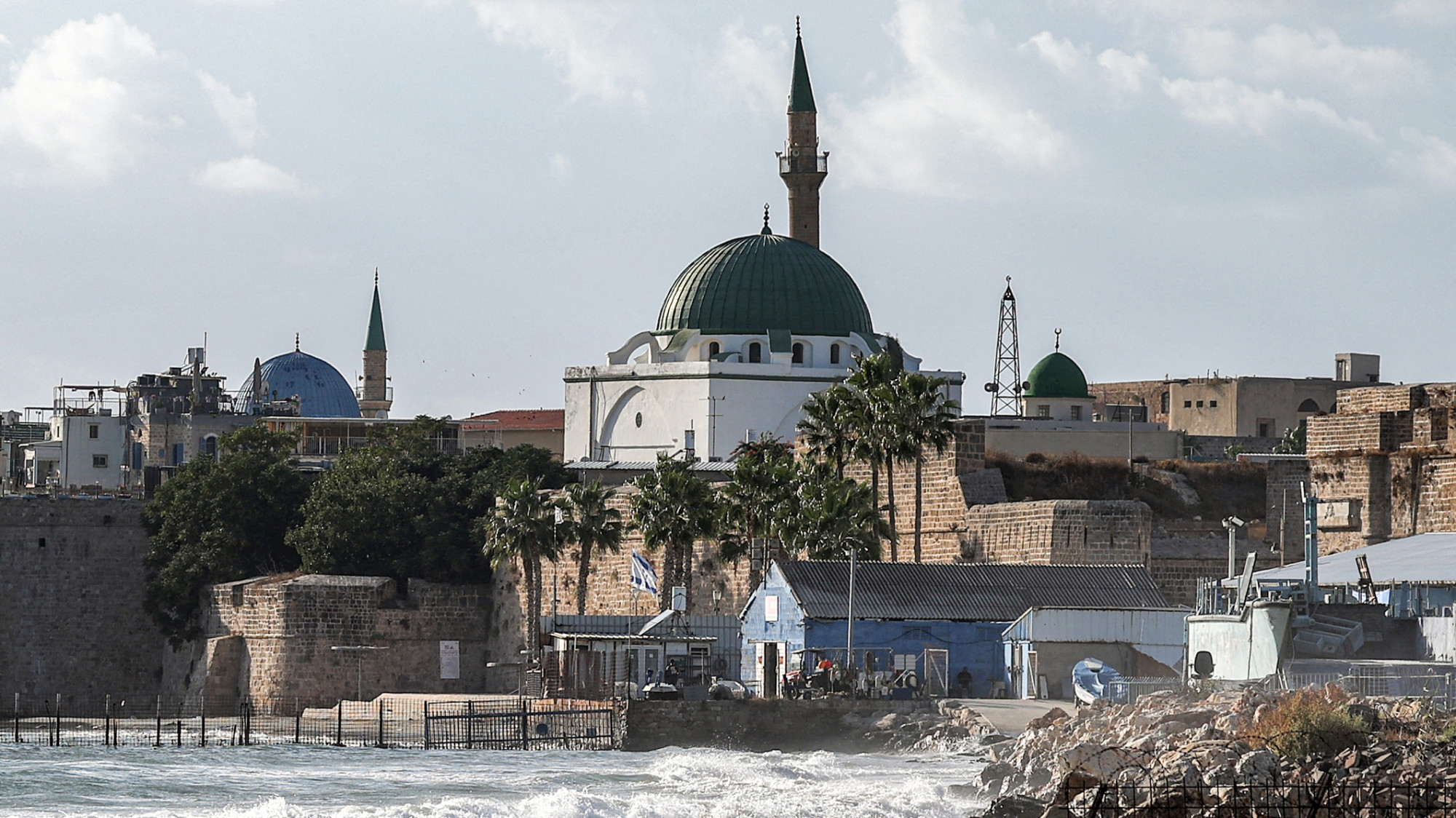
    A contentious legislative proposal is advancing through Israel’s political system that would grant the state unprecedented authority to regulate the Islamic call to prayer. Sponsored by Jewish Power party member and National Security Committee chair Zvika Fogel, the bill mandates that all mosque loudspeaker broadcasts must obtain government licensing to operate legally.

    The proposed legislation establishes stringent criteria for approval, including specific volume limitations, mandatory noise-reduction implementations, and evaluations of mosque proximity to residential zones. Under these provisions, law enforcement would gain powers to immediately silence loudspeakers violating permit conditions and confiscate equipment for repeated offenses. Financial penalties would be severe, with unauthorized loudspeaker installation carrying fines of 50,000 shekels ($15,660) and permit violations resulting in 10,000 shekel ($3,100) penalties.

    Proponents, including National Security Minister Itamar Ben Gvir, frame the initiative as addressing public health concerns. They characterize the muezzin’s call as “unreasonable noise” that allegedly compromises residents’ wellbeing and quality of life. Fogel asserts existing legislation provides insufficient tools to handle what he describes as systematic legal violations affecting communities.

    Palestinian citizens of Israel and religious leaders have vehemently opposed the measure, rejecting the noise pollution justification as disingenuous. Human rights attorney Khaled Zabarqa contends the legislation represents another systematic effort to erase Palestinian cultural and religious identity from public spaces. “The call to prayer has existed for hundreds of years and has been recited daily since Israel was established,” Zabarqa noted. “It did not suddenly become a noise problem.”

    Sheikh Kamal Khatib, former deputy leader of the banned Islamic Movement in Israel, condemned the proposal as particularly dangerous compared to previous restriction attempts because it seeks to institutionalize the ban through formal legislation. Khatib characterized the initiative as part of an escalating religious conflict targeting Muslim communities and warned that any limitation on religious practices must be categorically rejected.

    This represents not the first attempt to regulate mosque broadcasts, with a similar 2017 proposal passing initial parliamentary reading before stalling. The current effort reflects ongoing tensions between religious expression and state authority in Israel’s complex sociopolitical landscape.

  • Inside LIV Golf Promotions: The ultimate high-stakes gateway to the 2026 Season

    Inside LIV Golf Promotions: The ultimate high-stakes gateway to the 2026 Season

    The future of professional golf careers will be decided at Black Diamond Ranch in Lecanto, Florida, from January 8-11, 2026, as LIV Golf hosts its third annual Promotions event. This intense qualifying tournament represents one of the most competitive pathways in modern golf, offering just two full playing cards for the upcoming LIV Golf season alongside a $1.5 million prize purse.

    The format demands exceptional consistency and resilience from the nearly 90 international participants representing 24 countries. The competition unfolds through four elimination rounds with progressive score resets. After the initial round, only the top 20 players and ties advance with their scores wiped clean. This process repeats in the second round, followed by a final cut before the fourth round determines the two qualifiers through cumulative scoring, with a playoff available if necessary.

    Qualification pathways demonstrate LIV Golf’s global reach, incorporating top amateurs, leading performers from the Asian Tour’s International Rankings, winners from both DP World Tour and PGA Tour circuits, and players ranked within the top 150 of Data Golf rankings. The field features notable professionals including relegated LIV Golf players John Catlin, Andy Ogletree, Anthony Kim, Matt Jones, and 2023 UAE Challenge winner Max Rottluff of Germany.

    LIV Golf CEO Scott O’Neil emphasized the event’s significance: “The evolution of LIV Golf Promotions reflects our continued commitment to creating truly open and competitive pathways for players from all over the world to compete at the sport’s highest levels.” With proven winners, experienced tour professionals, and emerging talents converging in Florida, this January showdown represents a critical inflection point where careers can be transformed overnight through exceptional performance under pressure.

  • Data centre surge reaches India as US tech giants invest billions

    Data centre surge reaches India as US tech giants invest billions

    India is experiencing an unprecedented surge in data center investments as American technology titans commit massive capital to establish AI-driven infrastructure in the world’s most populous nation. Microsoft CEO Satya Nadella recently announced a $17.5 billion investment during his appearance in New Delhi, while Amazon simultaneously revealed an even larger $35 billion commitment to AI projects across the country.

    This wave of technological investment represents what industry experts describe as one of the largest single-sector investments in India’s history. The momentum began two months prior when Google pledged $15 billion toward data center partnerships with Indian conglomerates Adani Group and Bharti Airtel. Meta has joined the expansion, building facilities near Google’s operations, alongside domestic giants Reliance and Tata.

    The investment frenzy addresses a critical infrastructure gap: India generates approximately 20% of global data but maintains only 3% of worldwide storage capacity. Despite having the world’s largest population and rapidly expanding economy, India currently operates with merely 5% of America’s data capacity according to Mumbai-based investment expert Somnath Mukherjee.

    Several factors drive this technological gold rush. India’s 2018 data localization considerations, which already require financial and messaging platforms like WhatsApp to store data domestically for national security, motivate foreign companies to establish local server infrastructure. Additionally, proximity to users reduces latency issues that previously forced Indian data to travel 1,800 miles to Singapore for processing.

    Hyderabad has emerged as an unexpected hub for these developments, with local officials overcoming significant infrastructure challenges. The city’s data parks now benefit from reliable industrial-grade electricity at approximately 7 cents per kilowatt-hour—less than half the U.S. average—thanks to connections to multiple energy sources and wholesale pricing. Water availability concerns were addressed through strategic dam projects that redirect river water to support server cooling requirements.

    Despite trade tensions highlighted by former President Trump’s 50% tariffs, American technology companies continue advancing their Indian investments, recognizing the country’s immense growth potential in the AI era.

  • Shadab returns to Pakistan T20I squad for Sri Lanka tour

    Shadab returns to Pakistan T20I squad for Sri Lanka tour

    Pakistan’s cricket selectors have announced a revitalized T20 International squad for the upcoming three-match series against Sri Lanka, marking the triumphant return of all-rounder Shadab Khan after his prolonged injury absence. The 27-year-old talent has successfully recovered from shoulder surgery performed in Britain, having been sidelined since June due to the debilitating injury.

    The Pakistan Cricket Board revealed that while several senior players including captain Babar Azam and pace spearheads Shaheen Shah Afridi, Haris Rauf, and Hasan Ali will be unavailable due to commitments in Australia’s Big Bash League, the team features promising new talent. Uncapped wicketkeeper-batsman Khawaja Nafay earns his maiden call-up following impressive performances with Pakistan’s secondary squad over the past two years.

    Salman Ali Agha retains captaincy for the series, which will be held in Dambulla on January 7, 9, and 11. This tour represents Pakistan’s final preparatory phase before the crucial Twenty20 World Cup scheduled for February-March across India and Sri Lanka. The selection strategy appears focused on evaluating both returning veterans and emerging players under competitive conditions.

    The complete squad comprises: Salman Agha (captain), Abdul Samad, Abrar Ahmed, Faheem Ashraf, Fakhar Zaman, Khawaja Nafay, Mohammad Nawaz, Salman Mirza, Mohammad Wasim, Naseem Shah, Sahibzada Farhan, Saim Ayub, Shadab Khan, Usman Khan, and Usman Tariq.