作者: admin

  • Advanced Media launches
CINECommunity for MENA creatives

    Advanced Media launches CINECommunity for MENA creatives

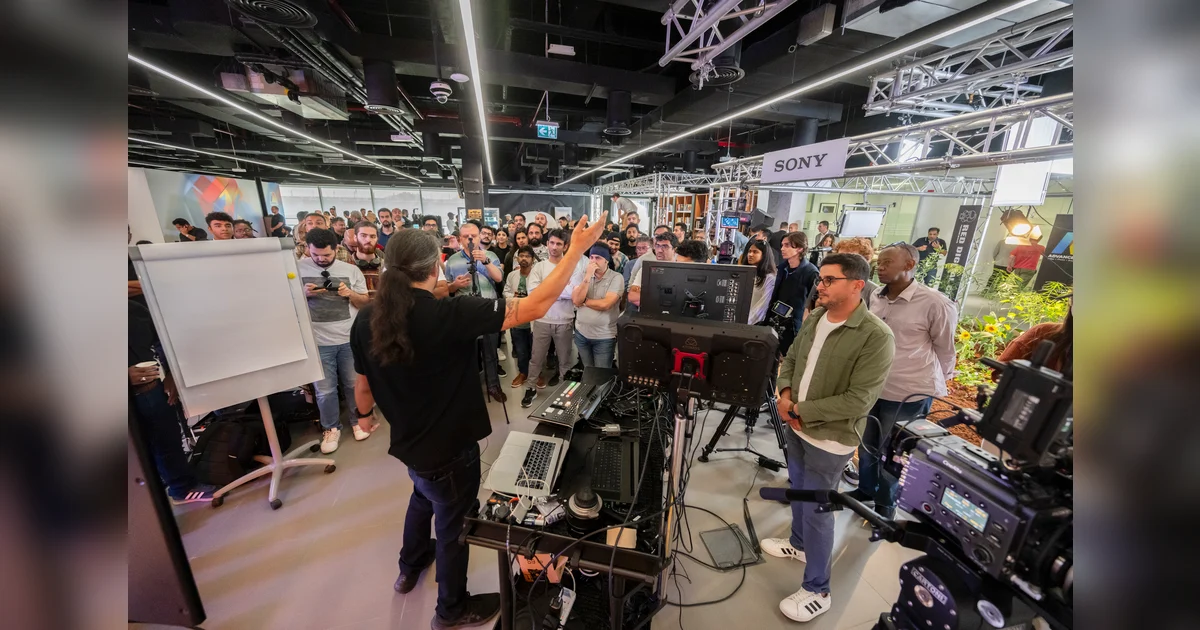
    Dubai-based Advanced Media Trading, a leading distributor of professional broadcast and cinema equipment across the Middle East and North Africa region, has announced the return of its biannual digital cinema event, CINECommunity. Scheduled for January 15-17, 2026, at the company’s UAE headquarters in Dubai, this initiative celebrates the UAE Year of Community through strategic collaborations with Courtyard Art & Community Centre and Analog The Room.

    The three-day program will feature nine specialized digital cinema workshops addressing contemporary industry topics. These include cinematic lighting techniques after sundown, digital intermediate film laboratory processes, and sustainable production practices titled ‘greening the UAE screen one frame at a time.’ Notably, this edition marks a significant milestone with half of the workshops being led by accomplished female instructors, including Los Angeles-based cinematographer Sarah Winters, Cairo-based director of photography Zeina Khalil, and Abu Dhabi’s pioneering sustainable production advisor Nena Ostrogovic.

    The event will also welcome returning instructors Fouad Aoun and Nikita Petsa, alongside new participants from Prague-based VFX studio Magic Lab. In a unique tribute to Dubai’s cultural landscape, Advanced Media has transformed its premises to replicate the iconic environment of Al Quoz’s The Courtyard, where founder Dariush Zandi will present a seminar on ‘the importance of community in the creative process’ on January 16.

    Additional programming includes a hands-on workshop titled ‘Journey Through Camera Evolution and Hands On with All Formats’ conducted by Mohammed Kamal, founder of AnalogTheRoom. Kaveh Farnam, co-founder and chairperson of Advanced Media Trading, emphasized the event’s collaborative nature: ‘Cinema, or any other creative production, is inherently collaborative. We wanted to emphasize the importance of community and teamwork as part of our mission to position ourselves as facilitators and supporters.’

    Registration for the free 90-minute workshops opened on December 25, 2025, with sessions conducted in Advanced Media’s showroom and training space. The facility will remain open to the general public from 2-8 pm daily throughout the event duration.
  • Turkey: Islamic State militants and police officers killed in clash

    Turkey: Islamic State militants and police officers killed in clash

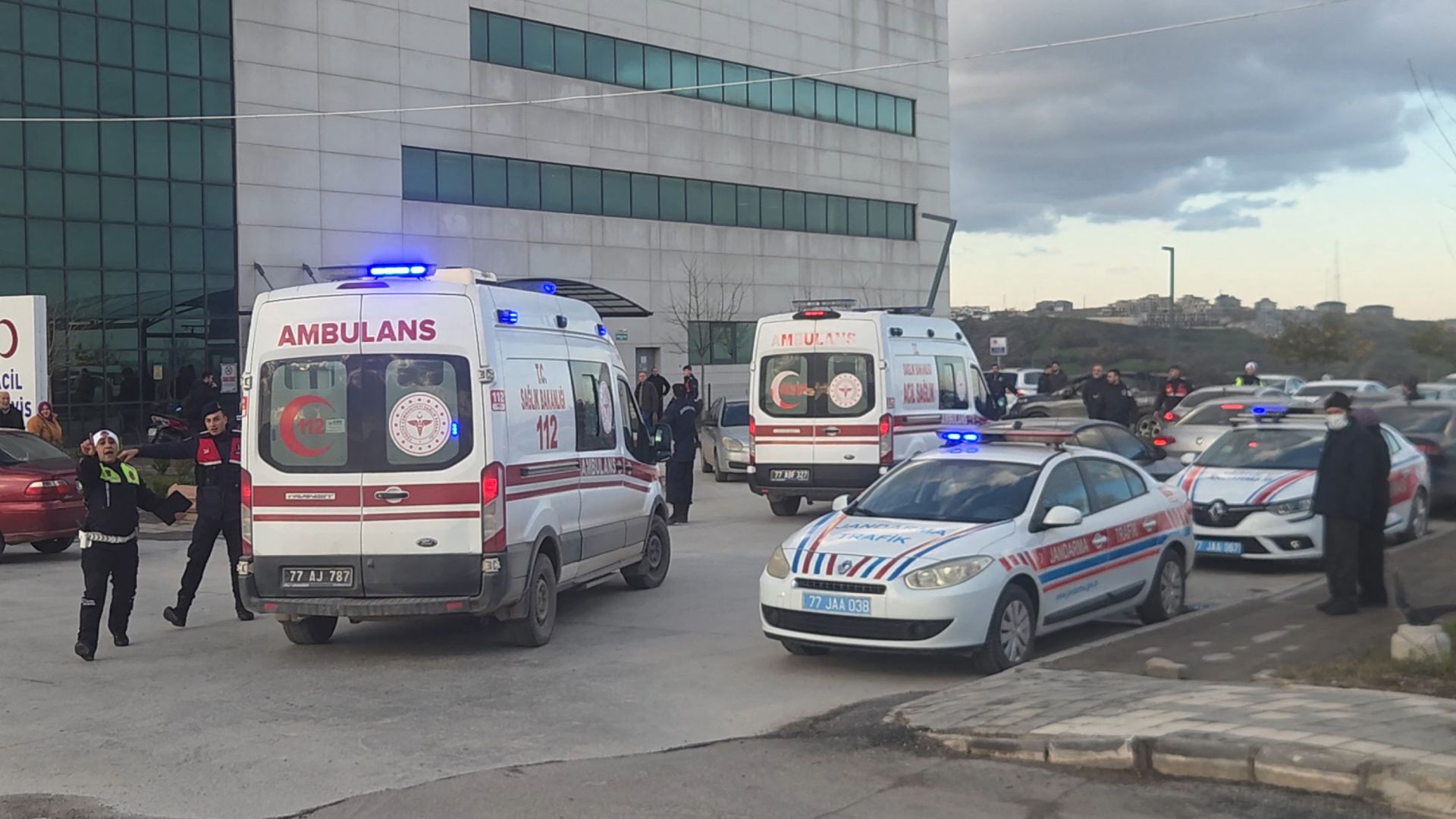
    A prolonged firefight between Turkish security forces and suspected Islamic State (IS) militants in a residential area resulted in nine fatalities, including three police officers and six alleged terrorists, according to an official statement from Interior Minister Ali Yerlikaya. The operation, characterized as part of Turkey’s sustained counterterrorism campaign, unfolded early Monday morning.

    Police units initiated a targeted raid on a residence intelligence indicated was harboring IS fighters. The situation escalated violently when the occupants opened fire on the approaching officers, leading to an intense exchange of gunfire that persisted for nearly eight hours, as confirmed by a Reuters eyewitness. The confrontation also left at least eight police officers and one security guard wounded.

    In a humanitarian intervention amidst the violence, authorities successfully evacuated five women and six children from the besieged property.

    This deadly incident is the latest in a series of security operations. Just days prior, on Christmas Day, Turkish authorities detained 115 individuals across Istanbul in a sweeping crackdown on a suspected IS cell allegedly plotting attacks against New Year’s celebrations. Those raids, spanning 124 locations, yielded firearms, ammunition, and purported organizational documents, with arrests focusing on individuals accused of financing IS activities and disseminating its propaganda.

    Turkey’s protracted struggle against the Islamic State, designated a terrorist organization in 2013, is deeply influenced by its extensive border with Syria, where the group retains a presence. This geographical reality has positioned Turkey as a primary target for IS operations, a vulnerability tragically highlighted by a 2017 New Year’s Eve attack in Istanbul that killed 39 people. Official Turkish statistics report approximately 19,000 arrests for alleged IS affiliations over the past decade.

    The regional counterterrorism landscape has seen heightened activity. Recent Turkish operations occurred shortly after U.S. forces executed extensive airstrikes on IS targets in Syria, a retaliatory measure for the killing of two American soldiers and an interpreter in Palmyra on December 13th. U.S. President Donald Trump stated that Syrian President Ahmed al-Sharaa endorsed the U.S. response. The new Syrian government has pledged cooperation with U.S. and European allies to combat remaining IS elements. Despite the group’s military defeat and the collapse of its so-called caliphate, remnants persist, attempting to destabilize the post-Assad administration. In a parallel development, Syria’s Interior Ministry announced the arrest of a prominent IS figure on Wednesday, followed by a raid near Damascus the next day that resulted in the death of a senior IS commander.

  • Watch: Heavy rains lash UAE, turn desert roads into rivers

    Watch: Heavy rains lash UAE, turn desert roads into rivers

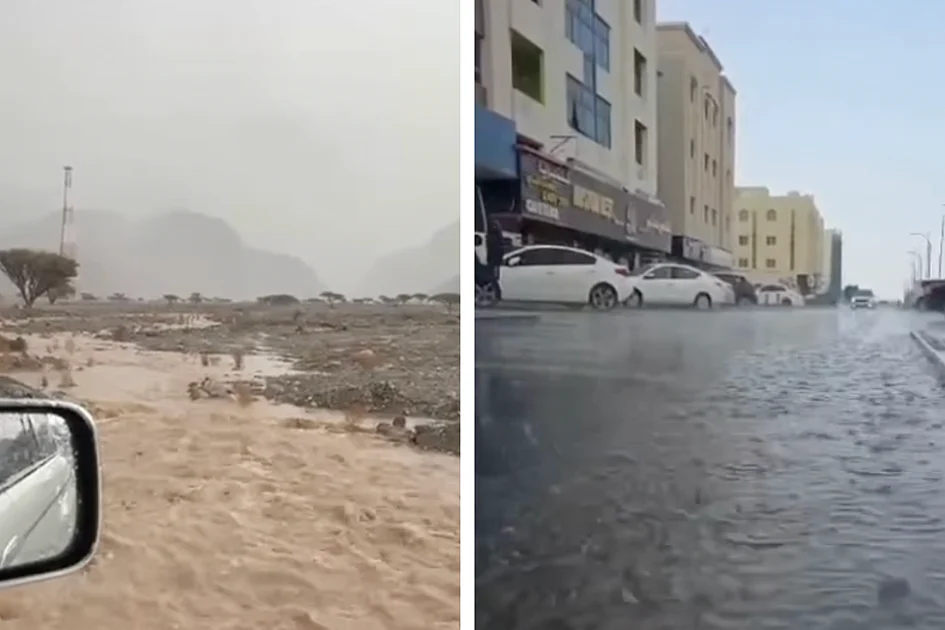
    The United Arab Emirates witnessed extraordinary meteorological phenomena as intense rainfall transformed arid landscapes into temporary waterways on December 29, 2025. Northern emirates including Ras Al Khaimah and Sharjah bore the brunt of this unusual weather event, with substantial precipitation creating challenging conditions for residents and motorists alike.

    The National Centre of Meteorology had previously forecasted this precipitation pattern, attributing the development to a low-pressure system positioned above the nation from December 25 through 29. While initial predictions suggested predominantly light showers, the northern territories experienced significantly heavier downpours than anticipated.

    Visual evidence circulating across digital platforms captured the dramatic transformation of desert thoroughfares into flowing channels, with vehicles navigating through unexpectedly deep floodwaters. The continuous rainfall throughout the afternoon period resulted in substantial accumulation, particularly affecting infrastructure in elevated and mountainous regions.

    Meteorological authorities reiterated crucial safety protocols during such weather events, emphasizing the importance of avoiding wadis and mountain passages that become particularly hazardous during precipitation episodes. The NCM further advised heightened vigilance for motorists, recommending reduced speeds and increased following distances during adverse driving conditions.

    This weather occurrence represents a notable deviation from the UAE’s typically arid climate patterns, demonstrating the increasing variability of regional weather systems and their potential impact on infrastructure and daily life in the Gulf region.

  • What’s next for Asia’s economy in 2026?

    What’s next for Asia’s economy in 2026?

    As the global economic landscape undergoes significant transformation, Asia faces both substantial challenges and unprecedented opportunities in 2026. Economic analysts across the region are examining how evolving US tariff policies continue to create headwinds for Asian economies while simultaneously identifying which specific markets and industries are positioned to drive regional growth.

    The persistent uncertainty surrounding American trade approaches remains a critical factor influencing Asia’s economic planning. These policies have created both direct and indirect pressures on supply chains, manufacturing sectors, and export-dependent economies throughout the region. However, experts note that these challenges have also accelerated regional economic integration and prompted diversification strategies that may ultimately strengthen Asia’s economic resilience.

    Several emerging economies and technology sectors are demonstrating particular promise for leading Asia’s growth in the coming year. Advanced manufacturing, renewable energy technologies, and digital services are among the industries expected to outperform traditional growth metrics. Meanwhile, specific Southeast Asian markets are showing signs of robust economic expansion despite global uncertainties.

    Financial specialists emphasize that Asia’s response to these complex dynamics will likely involve increased regional cooperation, strategic investment in innovation ecosystems, and the development of alternative trade partnerships. The interplay between geopolitical considerations and economic pragmatism will shape the continent’s approach to maintaining growth momentum while navigating an increasingly multipolar global economy.

    Industry leaders and policy experts are closely monitoring how digital transformation initiatives and sustainable development investments might create new competitive advantages for Asian economies. The convergence of technological innovation with traditional economic strengths presents unique opportunities for value creation across multiple sectors.

  • Somali president to visit Turkey amid Israel–Somaliland tensions

    Somali president to visit Turkey amid Israel–Somaliland tensions

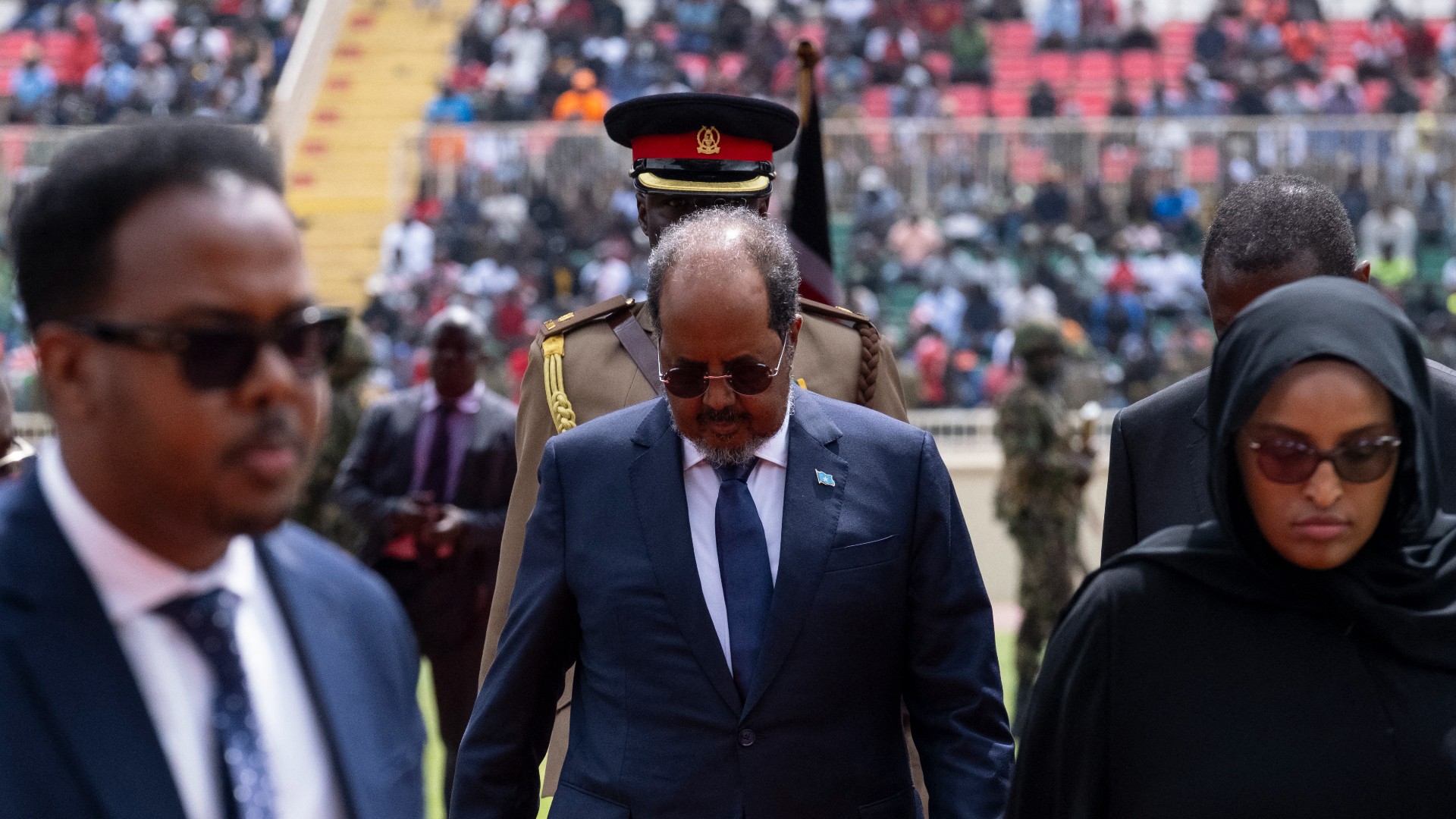
    Somali President Hassan Sheikh Mohamud is scheduled to arrive in Ankara on Tuesday for a high-stakes meeting with Turkish President Recep Tayyip Erdogan, according to sources familiar with the diplomatic agenda. The visit occurs amidst escalating regional tensions following Israel’s unprecedented recognition of the breakaway Somaliland region over the weekend.

    While the presidential summit was arranged prior to the recent diplomatic developments, Ankara officials anticipate that Erdogan will strongly address Israel’s controversial move during bilateral discussions. The talks are expected to focus extensively on the implications of Israel’s recognition of Somaliland, which has drawn widespread international condemnation.

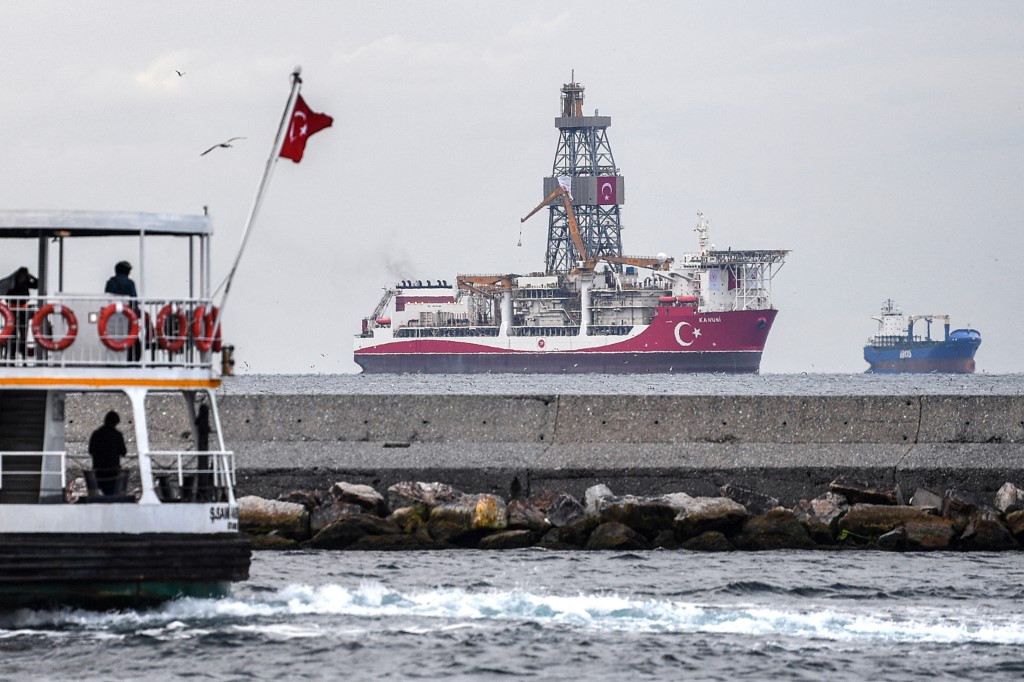
    A significant portion of the agenda will center on energy cooperation, particularly the results of seismic surveys completed in October. Both leaders are projected to make a joint announcement regarding hydrocarbon exploration initiatives, building upon recent statements by Turkish Energy Minister Alparslan Bayraktar who confirmed Ankara’s plans to commence drilling operations off the Somali coast by 2026.

    Turkey’s substantial investment in Somalia spans over a decade, with more than $1 billion in humanitarian assistance provided since 2011. Ankara maintains the world’s largest embassy compound in Mogadishu and operates a major military training facility where thousands of Somali soldiers have received instruction. Turkish corporations currently manage critical infrastructure including the capital’s airport and seaport, with additional plans underway to establish a spaceport facility.

    The bilateral relationship expanded significantly last year through a confidential defense and energy pact that positioned Turkey as the protector of Somali maritime territory. This agreement facilitated energy exploration activities by Turkish research vessels escorted by naval forces, particularly during escalating tensions between Somalia and Ethiopia.

    Israel’s recognition of Somaliland has prompted a unified response from twenty-two nations and the Organisation of Islamic Cooperation, who jointly condemned the move. Notably absent from the condemnation was the United Arab Emirates, which maintains longstanding relations with Somaliland and is considered a key advocate for its international recognition.

    Somaliland declared independence from Somalia in 1991 following the collapse of the unified Somali Republic established in 1960. While operating as a de facto independent state for three decades, no permanent UN Security Council member has formally recognized its sovereignty.

  • Wooden ship: India’s navy sails into history with ocean voyage

    Wooden ship: India’s navy sails into history with ocean voyage

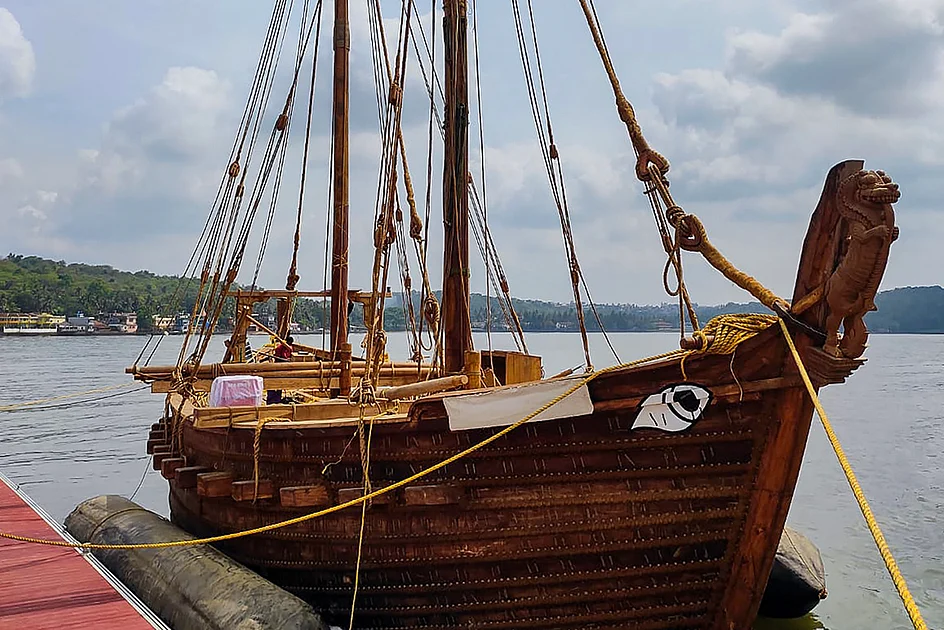
    In an extraordinary fusion of historical preservation and maritime diplomacy, the Indian Navy has launched a unique oceanic expedition using a traditionally crafted wooden vessel named ‘Kaundinya.’ This 20-meter-long ship, constructed using ancient fifth-century shipbuilding techniques, features a hull sewn together with coconut coir rope instead of modern nails and fasteners. The vessel set sail from Porbandar, Gujarat, on Monday, embarking on a 1,400-kilometer journey to Muscat, Oman, that is expected to take approximately two weeks.

    The Kaundinya represents a significant departure from India’s contemporary naval fleet of steel aircraft carriers and advanced warships. Steering is accomplished through giant oars rather than a rudder, while two fixed square sails harness seasonal monsoon winds that historically facilitated trade across the Indian Ocean. The vessel’s design and construction pay homage to India’s rich maritime legacy, evoking an era when Indian mariners established trade routes with the Roman Empire, Middle Eastern civilizations, Africa, and East Asian territories including Thailand, Indonesia, China, and Japan.

    Vice Admiral Krishna Swaminathan emphasized the profound strategic and cultural importance of the voyage during the launch ceremony. ‘This expedition reconnects the past with the present,’ he stated. ‘We are not only retracing ancient pathways of trade, navigation, and cultural exchange but also reaffirming India’s position as a natural maritime bridge across the Indian Ocean.’ The project aims to resurrect and celebrate traditional Indian maritime concepts and capabilities that have been largely forgotten in the modern era.

    The undertaking required exceptional dedication to historical accuracy, with builders deliberately avoiding modern construction shortcuts. The 18-member crew has already completed preliminary coastal navigation along India’s western shoreline from Karnataka to Gujarat, preparing for the challenging open-water crossing to the Arabian Peninsula.

    Oman’s ambassador to India, Issa Saleh Alshibani, highlighted the symbolic significance of the voyage, noting that ‘the monsoon winds that once guided traditional ships between our ports also carried a shared understanding that prosperity grows when we remain connected, open, and cooperative.’ The expedition serves as a powerful reminder that the Indian Ocean has historically functioned as a bridge for commerce, ideas, and cultural exchange rather than a barrier between nations.

  • FACT FOCUS: Trump says he’s ended eight wars. His numbers are off

    FACT FOCUS: Trump says he’s ended eight wars. His numbers are off

    President Donald Trump’s repeated assertions about terminating eight international conflicts this year require careful examination against the complex backdrop of ongoing global tensions. While the administration has achieved certain diplomatic milestones, many situations remain unresolved or have escalated despite White House claims.

    The recent Trump-Netanyahu meeting underscores the precarious nature of the Gaza situation. Although the current U.S.-brokered ceasefire represents significant progress, Israel maintains that transitioning to the truce’s second phase depends entirely on the release of all remaining hostages. Hamas simultaneously threatens to abandon the agreement, citing insufficient humanitarian aid and continued Israeli strikes. The path toward permanent resolution involves formidable challenges including Hamas disarmament, international security deployment, and determining Gaza’s future governance structure.

    Regarding the Israel-Iran confrontation in June, while Trump successfully negotiated a ceasefire after authorizing strikes on Iranian nuclear facilities, experts characterize this as a temporary respite rather than permanent resolution. Evelyn Farkas of the McCain Institute acknowledged Trump’s role in ending the 12-day conflict, though Lawrence Haas of the American Foreign Policy Council described it merely as a pause in an ongoing ‘day-to-day cold war.’

    In Africa, the White House-mediated agreement between Rwanda and Congo faces immediate challenges. Despite two signed agreements in June and December, the M23 rebel group—allegedly backed by Rwanda—has continued military operations, capturing additional territory days after the latest ceremony. Similarly, the Armenia-Azerbailand conflict shows partial progress with transportation agreements signed, but the comprehensive peace treaty remains unratified by parliaments.

    The Cambodia-Thailand border dispute demonstrates the limitations of presidential influence. While Trump’s leveraging of trade negotiations initially produced ceasefire agreements, fighting resumed weeks later, requiring additional diplomatic intervention and a new December 27th agreement.

    Several conflicts listed as ‘resolved’ never constituted formal wars. The Serbia-Kosovo tensions have persisted without military threat throughout Trump’s term, maintained primarily by NATO peacekeepers rather than presidential diplomacy. The Egypt-Ethiopia dam dispute remains stalled in mediation efforts, while the India-Pakistan ceasefire involved disputed U.S. involvement with India denying Trump’s claims of trade concession involvement.

    This pattern reveals a discrepancy between diplomatic achievements and comprehensive conflict resolution, highlighting the complexity of international peacemaking beyond presidential declarations.

  • Fifa Award to be held in Dubai in 2026, Gianni Infantino announces

    Fifa Award to be held in Dubai in 2026, Gianni Infantino announces

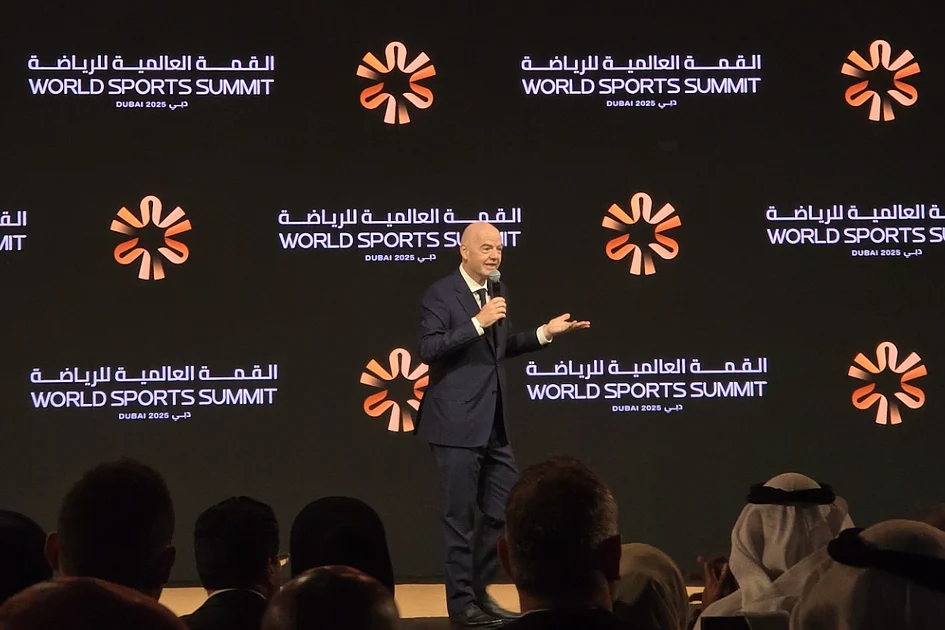
    Dubai has been selected as the host city for the inaugural FIFA Awards ceremony in 2026, marking a significant partnership between the global football governing body and the emirate. The announcement was made by FIFA President Gianni Infantino during his keynote address at the World Sports Summit in Madinat Jumeirah on December 29, 2025.

    The newly established FIFA Awards will recognize exceptional football players, coaches, and teams worldwide, with the first ceremony scheduled to take place in Dubai next year. Infantino emphasized FIFA’s commitment to global football development, revealing that the organization invests billions of dollars worldwide to support the sport’s growth.

    ‘We are investing billions of dollars in football development all over the world. As FIFA, we want to have the entire world involved,’ Infantino stated during his summit address. ‘We need to develop club football everywhere in the world, and we need to give opportunities everywhere in the world for clubs and for players to play at the highest level.’

    The FIFA president further detailed the organization’s ambitious academy program, noting that 100 elite talent development academies are planned for establishment by next year. Infantino extended an invitation to the UAE to potentially host the 101st academy, demonstrating FIFA’s commitment to regional football development.

    The World Sports Summit, running from December 29-30, 2025, has attracted numerous sporting icons including tennis champion Novak Djokovic, mixed martial arts legend Khabib Nurmagomedov, and football great Ronaldo Nazário. The event serves as a platform for major sports announcements and international collaboration discussions.

    This partnership with Dubai represents FIFA’s latest initiative to globalize football recognition and development, building on their 2023 commitment to establish elite academies across all 211 member association countries by 2027. The organization also provides grants to member countries for improving football infrastructure and development programs.

  • Turkey plans offshore energy exploration deal with Syria in 2026

    Turkey plans offshore energy exploration deal with Syria in 2026

    Turkey is advancing its strategic energy partnership with Syria, with plans to formalize a significant offshore exploration agreement in 2026. Energy Minister Alparslan Bayraktar announced the initiative during an interview with Turkish digital news platform GDH on Monday, revealing that this future pact would focus on assessing potential energy resources in maritime territories along the Syrian coastline.

    This development builds upon a comprehensive framework agreement signed earlier this year, establishing a foundation for bilateral energy cooperation between Ankara and Damascus. Minister Bayraktar clarified that the 2026 agreement would enable seismic research activities to evaluate the region’s resource potential, though he emphasized that this does not automatically guarantee subsequent drilling operations.

    The Turkish-Syrian energy collaboration has accelerated remarkably since December 2024, transforming Turkey into a key energy player in Syria following the stabilization of President Bashar al-Assad’s government. The partnership reached a milestone on May 29, 2025, with the signing of a major agreement encompassing natural gas, electricity, mining, and petroleum sectors, with provisions for technical coordination, information exchange, and joint investment initiatives.

    Notable projects already underway include a natural gas pipeline connecting Kilis and Aleppo, completed in June 2025, which will enable Turkey to supply Syria with two billion cubic meters of natural gas annually. This infrastructure is projected to generate approximately 1,300 megawatts of electricity capacity.

    Further enhancing energy integration, both nations are constructing a 400-kilovolt high-voltage transmission line to connect their power grids, scheduled for operation by early 2026 with capacity to support 500 MW of electricity imports.

    The partnership extends to substantial private sector involvement, evidenced by a $7 billion strategic cooperation agreement between Turkey’s Kalyon Holding and Cengiz Holding, Qatar’s UCC, and American company Power International. This consortium plans to develop natural gas combined-cycle power plants totaling 4,000 MW capacity across multiple Syrian locations, complemented by a 1,000-MW solar power plant in the Vidyan al-Rabi region.

    This expanding energy alliance may raise concerns among regional neighbors, particularly Greece and Cyprus, who might view these developments as potentially leading to the establishment of an exclusive economic zone that could heighten tensions in the Eastern Mediterranean.

  • Zohran Mamdani: New year brings new mayor for New York City

    Zohran Mamdani: New year brings new mayor for New York City

    New York City ushered in a new political era as Zohran Mamdani was inaugurated as the city’s first Muslim mayor during ceremonial proceedings that commenced precisely at midnight on New Year’s Eve. The 34-year-old Democratic Socialist, among the youngest mayors in the city’s history, assumed office following a distinctive swearing-in ceremony administered by New York Attorney General Letitia James, a noted political adversary of former President Donald Trump.

    The inauguration festivities continued at midday with a formal ceremony outside City Hall presided over by Vermont Senator Bernie Sanders, a prominent figure within progressive political circles. Columbia University political science professor Lincoln Mitchell observed that the celebratory atmosphere reflected one of Mamdani’s central campaign themes—that New York remains a desirable place to live despite its challenges.

    Mamdani’s political platform, characterized by its progressive agenda, focuses primarily on addressing the city’s affordability crisis affecting its 8.5 million residents. His key proposals include implementing rent freezes for over one million apartments, constructing 200,000 units of affordable housing, establishing universal childcare access, creating publicly owned supermarkets, and introducing free bus services throughout the city.

    The new mayor faces immediate governance challenges, including potential resistance from the city’s rent control board, which remains populated with appointees from previous mayor Eric Adams. However, Mamdani possesses a significant political advantage through his reportedly strong relationship with New York Governor Kathy Hochul, whose support would be crucial for implementing proposed tax increases.

    Despite his limited political experience—having previously served only as a local representative in the State Assembly—Mamdani has assembled an experienced team of advisors drawn from previous mayoral administrations and even former President Joe Biden’s administration. He has also engaged in dialogue with business leaders who had expressed concerns about his election, with real estate sector representatives recently dismissing predictions of wealthy resident exodus.

    As a Muslim politician of Indian descent and defender of Palestinian rights, Mamdani faces the additional challenge of reassuring New York’s Jewish community of his inclusive leadership approach. This concern gained relevance following the resignation of one appointee after the discovery of historical antisemitic social media posts.

    Beyond policy matters, Mamdani has already emerged as a cultural figure, with his background in rap music, improvisational theater classes, and distinctive fashion sense drawing public attention. His wife, Syrian-born artist Rama Duwaji, has similarly garnered significant public interest, accumulating over one million Instagram followers since November according to Social Blade statistics.