作者: admin

  • Trio investigated for suspected wildlife poisoning in Poyang Lake

    Trio investigated for suspected wildlife poisoning in Poyang Lake

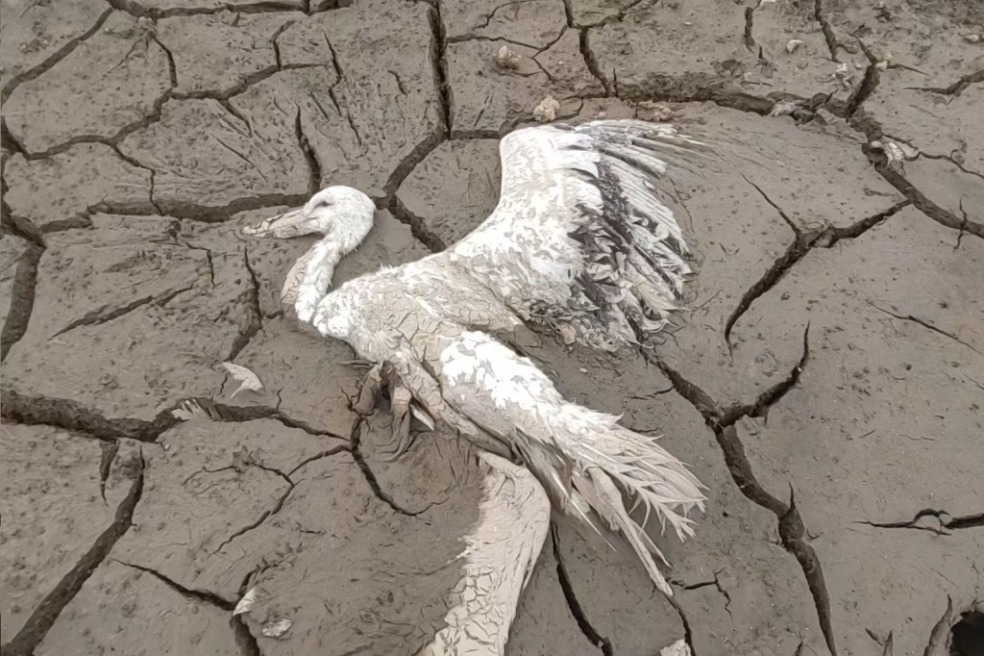
    Chinese authorities in Jiangxi Province have launched a criminal investigation after three individuals were apprehended for allegedly poisoning wildlife within the ecologically sensitive Poyang Lake wetland ecosystem. The Yugan County Public Security Bureau disclosed the detentions on Monday, December 8th, 2025, following urgent reports from conservation volunteers.

    The case unfolded last Saturday when volunteer monitors alerted officials to suspected poisoning activities within the vast Poyang Lake basin. In rapid response, law enforcement agencies coordinated with forestry authorities to establish a specialized task force. This joint operation conducted immediate field inspections at the identified locations where wildlife casualties were reported.

    Law enforcement officials have identified the suspects only by their surnames—Zhou, aged 57, alongside two accomplices aged 69 and 50. All three individuals currently face criminal coercive measures as the comprehensive investigation continues to develop.

    Police spokespersons reiterated the critical importance of safeguarding Poyang Lake’s fragile ecosystem, emphasizing that protecting this natural heritage represents a collective social responsibility. Authorities explicitly pledged a ‘zero-tolerance’ stance toward all activities that compromise ecological security, particularly those threatening endangered species.

    The investigation highlights the ongoing conservation challenges facing Poyang Lake, China’s largest freshwater body and a vital hub within the East Asian-Australasian Flyway. This internationally recognized migratory route depends on the lake’s wetlands, which provide essential wintering grounds for countless bird species that journey thousands of kilometers annually to feed, rest, and survive the winter months. The preservation of this habitat proves critical not only for regional biodiversity but for maintaining global ecological balance along this crucial avian migration corridor.

  • Golden Globes: The full list of nominees

    Golden Globes: The full list of nominees

    Hollywood’s awards season commenced with significant momentum as the Hollywood Foreign Press Association unveiled the complete roster of nominees for the 2025 Golden Globe Awards on Monday. The announcement sets the stage for the prestigious ceremony scheduled for January 11th, serving as a crucial precursor to the Academy Awards in March.

    Leading this year’s nominations with remarkable presence across multiple categories are Paul Thomas Anderson’s epic drama ‘One Battle After Another’ and Joachim Trier’s critically acclaimed ‘Sentimental Value,’ each demonstrating exceptional artistic merit through their widespread recognition.

    The competitive landscape reveals intriguing developments in both dramatic and comedic spheres. The Best Film – Drama category features formidable contenders including ‘Frankenstein’ directed by Guillermo del Toro, ‘Hamnet’ helmed by Chloe Zhao, and Michael B. Jordan’s performance-driven ‘Sinners.’ Meanwhile, the Musical or Comedy division showcases Timothée Chalamet’s ‘Marty Supreme’ alongside Ethan Hawke’s ‘Blue Moon’ and Lee Byung-Hun’s ‘No Other Choice.’

    Notable performances recognized include Jennifer Lawrence’s compelling work in ‘Die, My Love,’ Dwayne Johnson’s transformative role in ‘The Smashing Machine,’ and Jeremy Allen White’s dual nominations for both his dramatic portrayal in ‘Springsteen: Deliver Me From Nowhere’ and his comedic excellence in television’s ‘The Bear.’

    The television categories continue to reflect the golden age of streaming content with HBO’s ‘The White Lotus’ receiving multiple acting nominations, while ‘Severance’ and ‘The Bear’ maintain their awards season momentum with several key nominations.

    International cinema receives significant acknowledgment with ‘It Was Just an Accident,’ ‘No Other Choice,’ and ‘The Secret Agent’ all earning spots in the Non-English Language Film category, demonstrating the Globes’ continued commitment to global storytelling.

    The complete nominations list reveals both expected frontrunners and surprising inclusions across all categories, setting the stage for what promises to be one of the most competitive awards seasons in recent memory.

  • ‘It’s not safe to live here.’ Colombia is deadliest country for environmental defenders

    ‘It’s not safe to live here.’ Colombia is deadliest country for environmental defenders

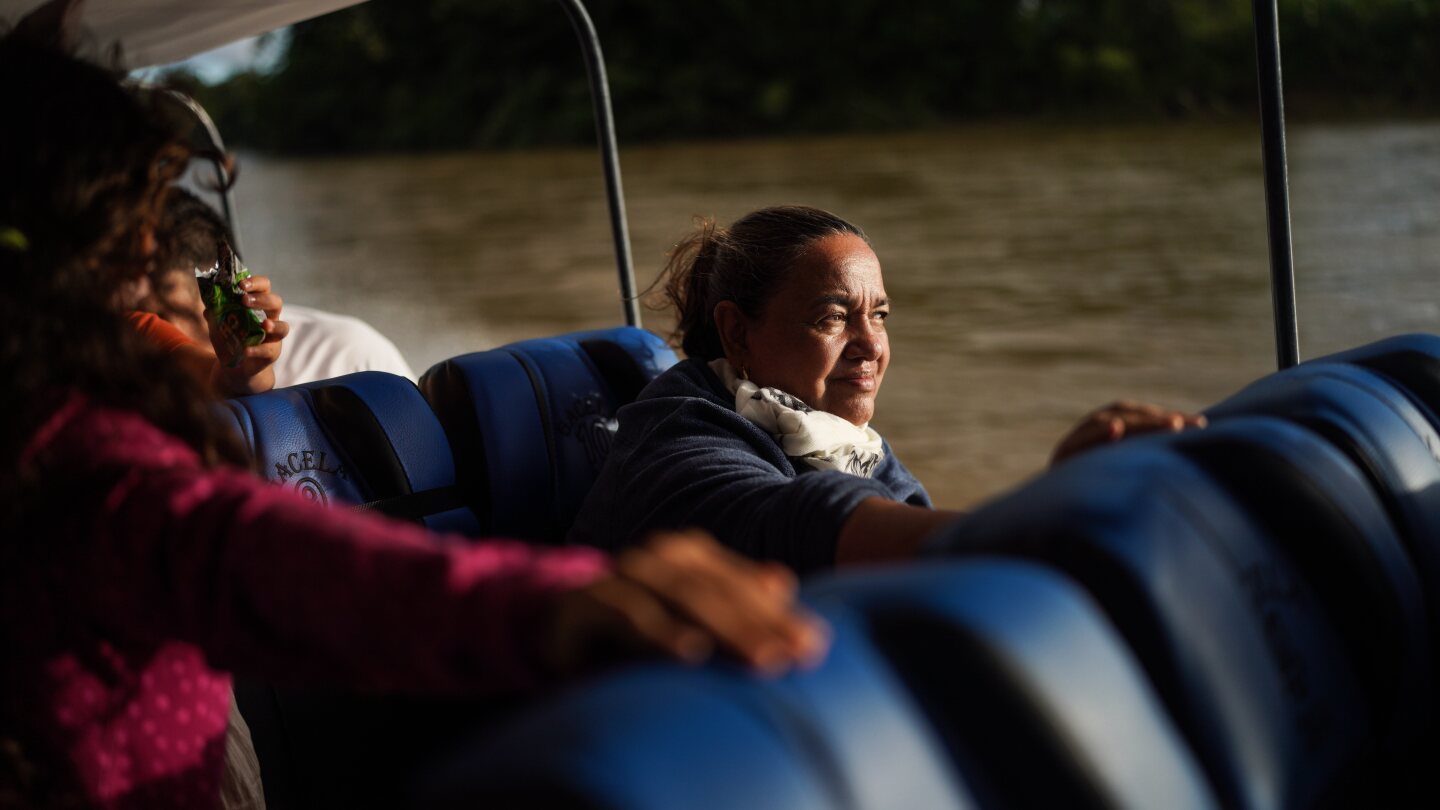
    In the volatile Putumayo region of Colombia, environmental defender Jani Silva embodies the precarious existence faced by land protectors in the world’s deadliest country for environmental activists. For over eight years, Silva has been unable to sleep in her riverside home, forced into a nomadic existence under constant threat from armed groups opposing her conservation efforts.

    According to Global Witness monitoring, Colombia accounted for nearly one-third of global killings of environmental defenders in 2024, with 48 documented cases. This alarming statistic underscores the extreme risks facing those who challenge powerful interests in resource-rich regions.

    Despite government protection measures including four full-time bodyguards provided by Colombia’s National Protection Unit for the past 12 years, Silva’s security situation remains dire. The 63-year-old activist now resides under guard in Puerto Asis, a river town near the Ecuador border, only visiting her community for brief daytime excursions accompanied by protection details.

    Silva’s work focuses on the Amazon Pearl reserve, a 227-square-kilometer protected area managed by ADISPA, the farming association she leads. This biodiversity hotspot shelters approximately 800 families who have resisted oil drilling, deforestation, and illicit crop cultivation for decades. The reserve represents a remarkable community-led conservation model featuring reforestation projects, wetland protection programs, and sustainable agroecology initiatives.

    The association’s successful beekeeping projects, which utilize native stingless bees to teach biodiversity conservation to children, exemplify the innovative approaches developed by community members. More than 600 families now participate in conservation projects that began through local initiative, including native seed exchanges, temporary hunting bans, and the cultivation of over 120,000 native seedlings to restore degraded ecosystems.

    However, these conservation achievements occur within a context of intense conflict. Armed groups known as Border Commandos control territory, river traffic, and local economies throughout Putumayo, emerging after Colombia’s 2016 peace accord with FARC rebels created power vacuums across the Amazon region. These groups enforce control through extortion, illegal taxation, and regulation of coca cultivation and clandestine mining operations.

    Human Rights Watch recently documented how armed groups in Putumayo have tightened control over daily life, committing serious abuses against civilians including forced displacement and targeting of local leaders. The presence of illegal coca cultivation near conservation areas highlights the ongoing challenges faced by communities attempting to establish sustainable alternatives.

    Despite the dangers, Silva remains committed to her work. “I have a calling to serve,” she stated. “I feel like I am needed… there is still so much to do.” Her dedication has inspired a new generation of leaders, including her daughter Anggie Miramar Silva, who works with ADISPA’s technical team while grappling with the same fears that haunt her mother.

    Advocacy groups argue that government protection measures, while benefiting approximately 15,000 people nationwide, frequently prove inadequate in rural conflict zones. Andrew Miller of Amazon Watch emphasizes that Colombian authorities must move beyond bodyguards to prosecute those orchestrating threats against defenders.

    As Colombia continues to navigate post-conflict challenges, the struggle of environmental defenders like Jani Silva represents both the profound risks and critical importance of community-led conservation in preserving the Amazon’s future.

  • Silk Road forum highlights Xinjiang’s key role in BRI

    Silk Road forum highlights Xinjiang’s key role in BRI

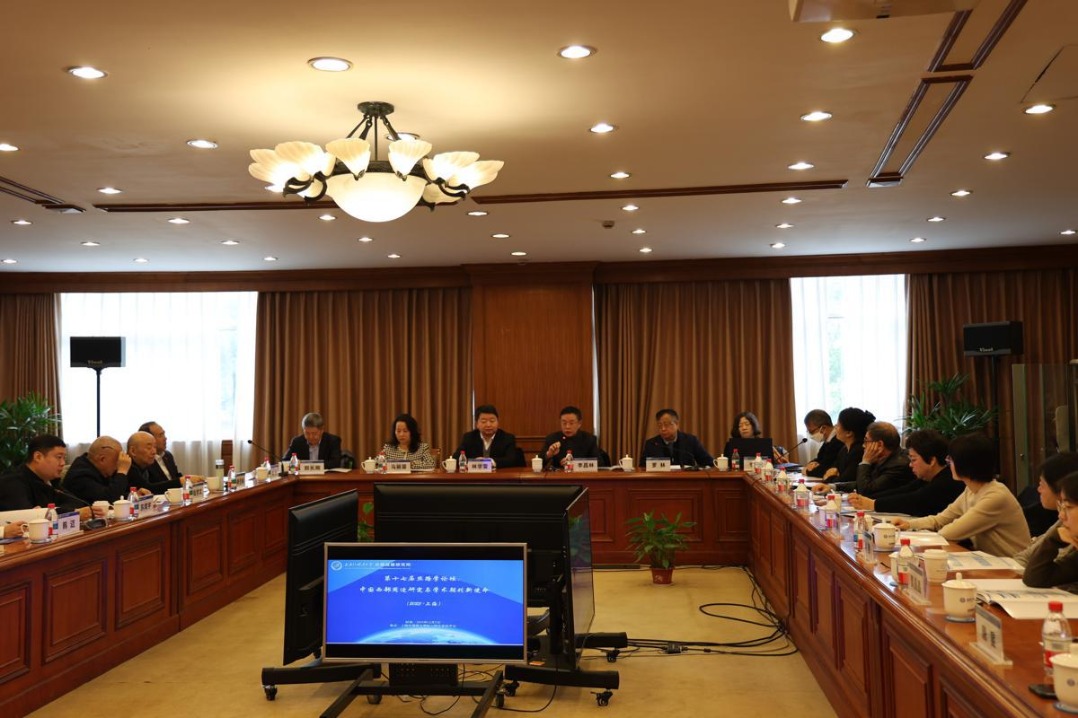
    Academic and policy experts concluded the three-day 17th Silk Road Studies Forum at Shanghai International Studies University on Saturday, with particular emphasis on Xinjiang’s growing strategic importance within China’s Belt and Road Initiative framework. The gathering brought together 40 specialists from Beijing, Shanghai, and Xinjiang Uygur Autonomous Region to examine critical dimensions of China’s western development strategy.

    Forum discussions centered on autonomous knowledge production in western China’s neighboring regions, discourse system development, and quality enhancement within BRI core zones. Participants unanimously stressed that research concerning western China’s border areas must maintain alignment with appropriate political, value-based, and academic orientations to ensure strategic coherence.

    Xinjiang received significant attention as experts identified the region’s evolving function as a crucial operational nexus within the BRI infrastructure. Representatives from Xinjiang Arts University presented concrete methodologies for cultural empowerment through artistic initiatives implemented in recent years. Meanwhile, officials from Shanghai’s publicity department outlined major cultural enrichment projects that Shanghai has pioneered in Xinjiang.

    A Ministry of Education official highlighted the dual significance of western regional research, noting its fundamental role in both understanding historical Silk Road dynamics and supporting China’s contemporary diplomatic and foreign policy architecture. The forum, now in its seventeenth iteration, has established itself as one of China’s most influential platforms for BRI-related academic exchange.

    The Institute of Silk Road Strategy Studies at SISU, marking its tenth anniversary, reported substantial advancements in research covering western China’s neighboring territories. Looking forward, the institute plans to intensify exploration of China’s autonomous knowledge production pathways to facilitate high-quality BRI collaboration over the next five-year period.

  • The European Union moves ahead with toughening its migration system

    The European Union moves ahead with toughening its migration system

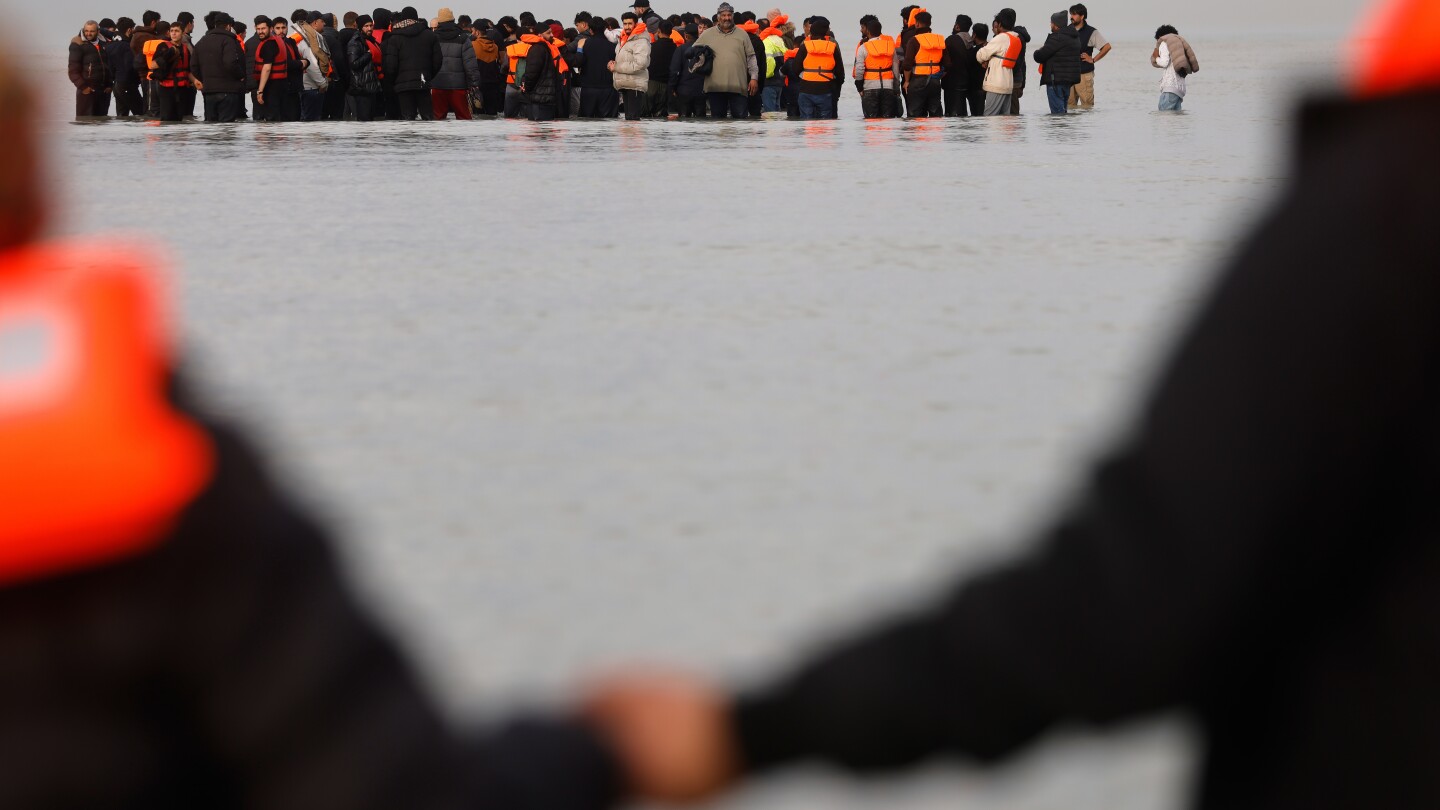
    BRUSSELS — European Union officials are implementing a comprehensive restructuring of the bloc’s migration framework, introducing accelerated deportation procedures and expanded detention capacities following years of contentious debate that has fueled the ascent of far-right political movements across the continent.

    The policy transformation reflects a significant evolution in European public sentiment since the unprecedented influx of asylum-seekers a decade ago. While migration numbers have substantially decreased from their peak levels, the political landscape has shifted toward more restrictive approaches. This hardening stance recently drew sharp criticism from former U.S. President Donald Trump, who characterized European allies as vulnerable in national security terms.

    At ministerial consultations in Brussels, representatives established a ‘safe third country’ framework alongside a standardized list of safe countries of origin. According to Danish Minister Rasmus Stoklund, this mechanism enables EU nations to deny residency claims and expedite removals of migrants who either originate from designated safe territories or could have sought protection in non-EU nations during their transit.

    ‘This system empowers us to deny entry to individuals without legitimate asylum claims while implementing procedures that facilitate accelerated returns,’ Stoklund stated. ‘Border management must remain under governmental authority rather than criminal smuggling networks.’

    Concurrently, ministers approved the creation of a ‘solidarity pool’ designed to redistribute refugee hosting responsibilities among member states. The initiative aims to accumulate €430 million ($489 million) to support nations experiencing disproportionate migratory pressure, particularly southern frontline countries including Cyprus, Greece, Italy, and Spain. This financial mechanism attempts to resolve long-standing objections from Hungary and Poland regarding mandatory migrant relocation quotas.

    Magnus Brunner, EU Commissioner for Migration, emphasized that ‘restoring public confidence in our governance capabilities remains paramount.’ The proposed reforms now advance to negotiations with the 720-member European Parliament for ratification or modification, with right-wing and far-right parties expressing unified support.

    Human rights organizations have condemned the measures. Amnesty International’s EU migration advocate Olivia Sundberg Diez compared the policies to the Trump administration’s immigration crackdown, urging parliamentarians to block provisions that ‘will inflict profound harm on vulnerable migrants and receiving communities.’ French Green lawmaker Mélissa Camara denounced the reforms as ‘a betrayal of fundamental European values and human rights principles.’

    The current changes build upon May’s endorsement of the Pact on Migration and Asylum, which advocated enhanced deportation capabilities and established ‘return hubs’—designated facilities for processing rejected asylum seekers. While the EU will not directly administer these centers, it will provide legal frameworks for member states to negotiate hosting arrangements with non-EU countries.

    According to Camille Le Coz of the Migration Policy Institute Europe, nations like Austria and Denmark will likely seek international partners for operating these legally complex and financially demanding facilities, referencing the Netherlands’ recent agreement with Uganda for refugee accommodation.

    These centers differ fundamentally from Italy’s controversial arrangement with Albania for offshore processing of maritime rescues—a plan repeatedly suspended by Italian courts despite initial praise from European Commission President Ursula von der Leyen as an innovative migration management solution.

    Mainstream political factions anticipate the migration pact will finally address divisive issues that have plagued EU consensus since over one million migrants, predominantly fleeing conflict in Syria and Iraq, entered European territory in 2015.

  • Thailand says deploys fighter jets, Cambodia claims Thai soldiers open fire amid border tension

    Thailand says deploys fighter jets, Cambodia claims Thai soldiers open fire amid border tension

    A dangerous military escalation has erupted along the contested Thai-Cambodian border, with both nations trading accusations of initiating hostilities that have resulted in casualties and prompted the deployment of air power.

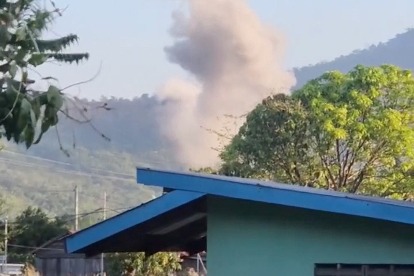
    The Thai Army confirmed it has deployed fighter jets following what it described as Cambodian attacks on Monday morning. According to Thai Army Spokesperson Winthai Suvaree, the incident occurred approximately at 07:00 local time in the Chong Bok area of Nam Yuen District. Thai soldiers operating in the region reportedly came under attack with ‘supporting fire weapons,’ resulting in two soldiers killed and four wounded.

    This deadly engagement followed an earlier clash in the nearby Chong An Ma area around 05:05 local time, when Cambodian troops allegedly opened fire with small arms and indirect weapons. The Thai Army stated it responded under established rules of engagement.

    In response to the casualties and what it termed a ‘direct threat to national security,’ the Royal Thai Air Force confirmed it has commenced air operations targeting Cambodian military infrastructure. RTAF Spokesperson Jackkrit Thammavichai stated: ‘These developments prompted the use of air power to deter and reduce Cambodia’s military capabilities to the minimum level necessary to safeguard national security and protect civilians.’

    Meanwhile, Cambodian authorities presented a starkly different account of the events. Cambodian Defense Ministry’s Undersecretary of State and Spokesperson Lt. Gen. Maly Socheata asserted that Thai military forces launched an unprovoked attack on Cambodian forces in the An Ses area of Preah Vihear province around 05:04 on Monday.

    According to Socheata, Thai forces ‘continued firing multiple shots with tanks at Tamoan Thom temple, 5 Makara in the vicinity of Preah Vihear temple and Chomka Chek area.’ She characterized these actions as part of ‘numerous provocative actions for many days, especially the incident yesterday (Sunday) at Prorlean Thmar area, with the objective of instigating confrontations.’

    The Cambodian spokesperson emphasized that their forces ‘did not retaliate at all during the two assaults’ and continue to monitor the situation ‘vigilantly and with utmost caution standing on the spirit of respecting all previous agreements and resolving conflicts peacefully according to international law.’

    Cambodia has formally informed the ASEAN Observer Team about the incident and plans to request an official investigation into the matter, potentially internationalizing the border dispute that has periodically flared between the Southeast Asian neighbors.

  • Where things stand in the talks to end Russia’s war in Ukraine

    Where things stand in the talks to end Russia’s war in Ukraine

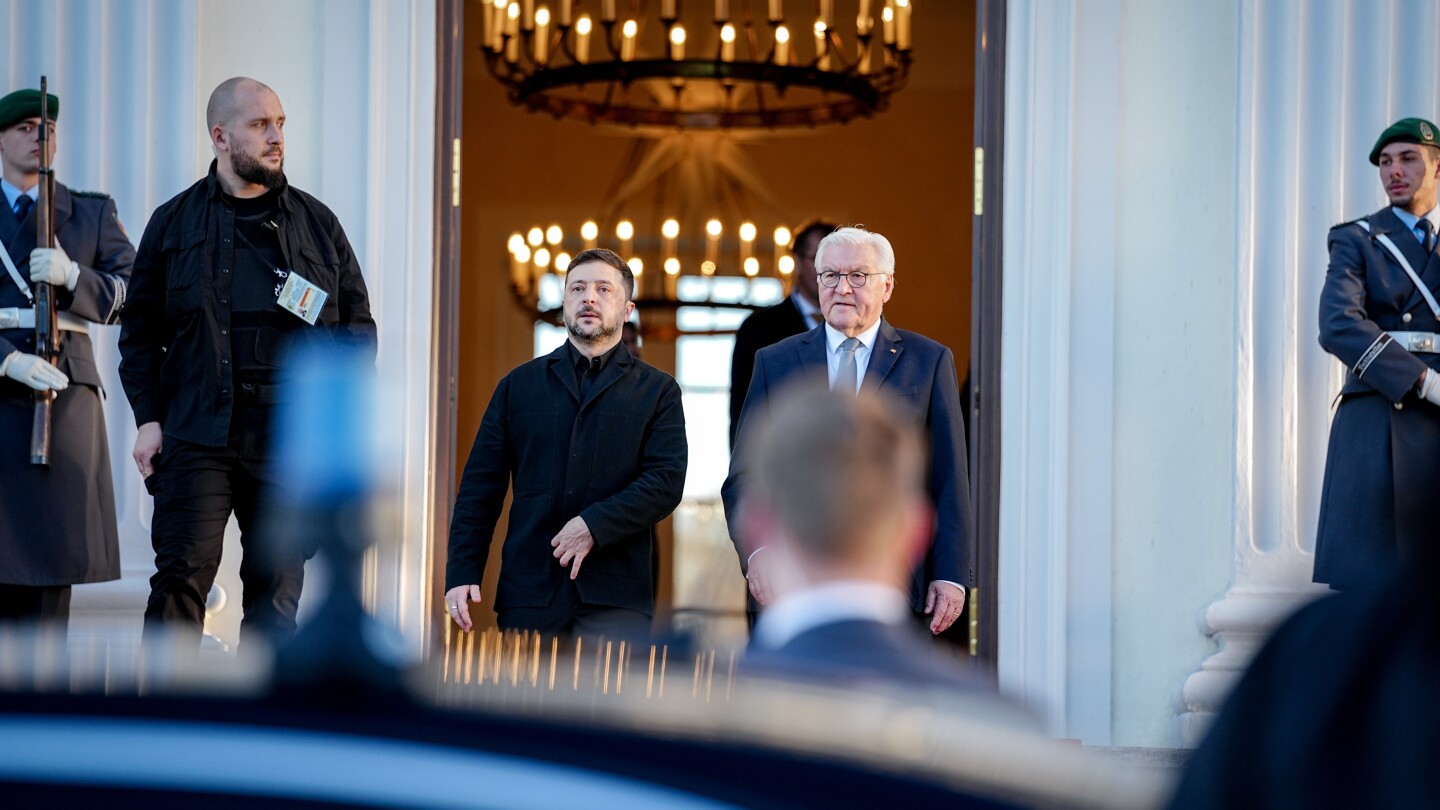
    Diplomatic efforts by the United States to broker an end to the nearly four-year conflict in Ukraine have reached an impasse, with fundamentally incompatible positions on territorial sovereignty preventing meaningful progress. The deadlock emerged following two days of intensive negotiations between Ukrainian President Volodymyr Zelenskyy and U.S. special envoy Steve Witkoff, accompanied by Jared Kushner, former President Trump’s son-in-law.

    The discussions, which included a five-hour session on Sunday and subsequent meetings in Berlin on Monday, yielded what Witkoff described on social media platform X as ‘significant progress.’ However, neither American nor Ukrainian officials provided substantive details about the closed-door deliberations.

    Moscow’s conditions for peace remain unequivocal: Russia demands international recognition of its claimed sovereignty over four occupied regions—Donetsk, Luhansk, Zaporizhzhia, and Kherson—plus the Crimean peninsula annexed in 2014. Additionally, the Kremlin insists Ukraine withdraw forces from certain eastern territories not currently under Russian control. Further requirements include Ukraine abandoning NATO aspirations, imposing military capacity limitations, granting official status to the Russian language, and recognizing the Russian Orthodox Church. The Kremlin explicitly warned that any NATO troop deployments would be considered ‘legitimate targets.’

    Conversely, Ukraine maintains its willingness to cease hostilities along current frontlines but refuses to formally relinquish sovereignty over occupied territories. President Zelenskyy has specifically rejected a proposed American compromise suggesting Ukrainian withdrawal from Donetsk to establish a demilitarized economic zone. While expressing openness to suspend NATO membership pursuits in exchange for equivalent security guarantees from Western nations, Zelenskyy has consistently accused Russia of deliberately prolonging negotiations to consolidate territorial gains.

    The diplomatic landscape is further complicated by former President Trump’s evolving stance. Trump has demonstrated increasing frustration with Zelenskyy, publicly urging acceptance of territorial concessions to Russia based on Moscow’s perceived military advantage. Echoing Russian positioning, Trump has controversially advocated for wartime presidential elections in Ukraine—a move currently prohibited under martial law—while simultaneously receiving praise from Putin for peace initiatives despite Moscow’s rejection of certain American proposal elements.

  • More than 100 people killed in attack on hospital in Sudan, WHO chief says

    More than 100 people killed in attack on hospital in Sudan, WHO chief says

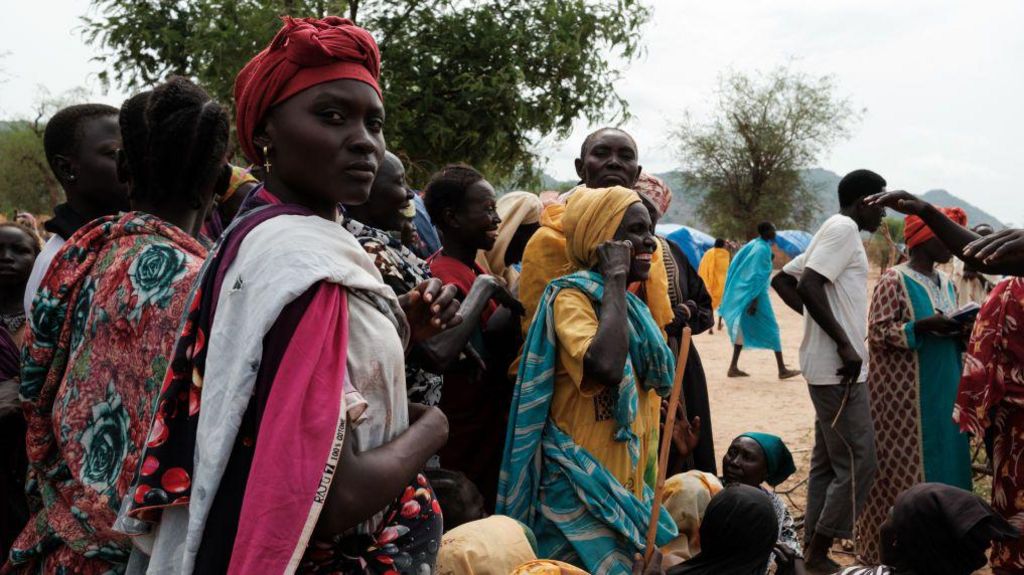
    In a devastating escalation of Sudan’s civil conflict, drone strikes targeted a kindergarten and hospital in the town of Kalogi, South Kordofan, resulting in 114 fatalities including 63 children according to United Nations figures. World Health Organization Director-General Tedros Adhanom Ghebreyesus denounced the Thursday attack as “senseless” while revealing that emergency responders faced secondary attacks during rescue operations.

    The Rapid Support Forces (RSF), engaged in a brutal power struggle with the national army since April 2023, faces accusations from both military authorities and the Sudan Doctors’ Network for executing the assault. Local official Essam al-Din al-Sayed described to AFP how drones struck first a kindergarten, then a hospital, and again as rescuers attempted to evacuate children.

    Simultaneously, the RSF announced capture of Sudan’s largest oil field at Heglig near the southern border, describing it as a “pivotal” strategic achievement. Army sources told Reuters that government forces withdrew to protect oil infrastructure, with some personnel reportedly crossing into South Sudan. The Heglig facility processes most of South Sudan’s oil, representing critical revenue for both nations.

    The Kordofan region—comprising North, South, and West Kordofan with nearly eight million residents—has become a central frontline as army forces advance toward RSF-controlled Darfur. WHO confirmed survivors were transferred to Abu Jebaiha Hospital amid urgent calls for blood donations and medical support.

    Tedros, who previously accused RSF of killing hundreds at el-Fasher hospital in October, stopped short of directly attributing blame for the Kalogi attack but demanded immediate ceasefire through social media: “Sudanese have suffered far too much. Ceasefire now!” The organization’s Attacks on Health Care monitoring system documented 35 additional injuries alongside the 114 fatalities.

  • Hunt under way for Benin coup plotters and their hostages

    Hunt under way for Benin coup plotters and their hostages

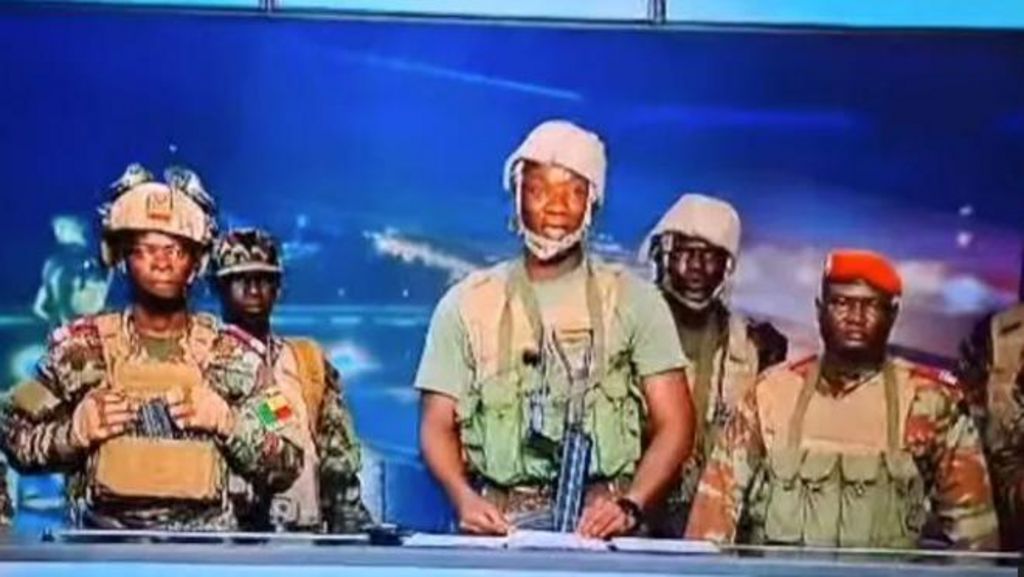
    Benin’s government has successfully suppressed a military mutiny after rebel soldiers attempted to seize power in the West African nation on Sunday. The crisis unfolded when armed insurgents stormed the national television station, appearing on state broadcasts to declare their takeover while gunfire erupted near the presidential residence in Cotonou.

    President Patrice Talon confirmed the situation was ‘totally under control’ following intervention by regional ally Nigeria, whose fighter jets assisted in dislodging coup plotters from strategic locations. The operation included targeted airstrikes in Benin’s largest city, where substantial explosions were reported throughout Sunday afternoon.

    Government spokesperson Wilfried Leandre Houngbedji disclosed that 14 individuals have been apprehended in connection with the attempted overthrow, including 12 who assaulted the television station headquarters. Among those detained is a previously dismissed soldier, while the alleged ringleader, Lieutenant Colonel Pascal Tigri, remains at large with an unknown number of hostages.

    In his national address, President Talon commended loyalist forces for clearing ‘the last pockets of resistance’ and vowed that ‘this treachery will not go unpunished.’ The 67-year-old leader expressed condolences to victims affected by the violence while reassuring citizens that stability had been restored.

    The coup attempt reflects broader regional instability, occurring just one week after Guinea-Bissau’s presidential overthrow. Benin had previously been regarded as one of Africa’s more stable democracies despite recent criticisms of Talon’s authoritarian tendencies and suppression of political opposition.

    Rebel soldiers justified their actions by citing grievances over national security deterioration along Benin’s northern border with Niger and Burkina Faso, where jihadist militants have expanded their influence. Additional complaints included inadequate support for military families, healthcare reductions, and recent tax increases.

    International responses included condemnations from ECOWAS and the African Union, while foreign embassies issued security alerts advising citizens to avoid Cotonou’s government district. The incident highlights growing regional security challenges as military regimes gain traction in neighboring Sahel states.

  • Thailand launches air strikes at Cambodia as border tensions reignite

    Thailand launches air strikes at Cambodia as border tensions reignite

    Southeast Asia faces renewed military confrontation as Thailand conducted aerial assaults against Cambodian positions on Monday, marking a severe escalation in long-standing border tensions. The Thai military command confirmed the deployment of aircraft to strike strategic targets after reporting casualties from Cambodian rocket fire.

    The offensive follows the collapse of a U.S.-brokered ceasefire agreement, with both nations accusing each other of violating the peace accord. Thailand’s armed forces disclosed that one soldier was killed and four others wounded during clashes concentrated in the Uran Ratchathani province border region.

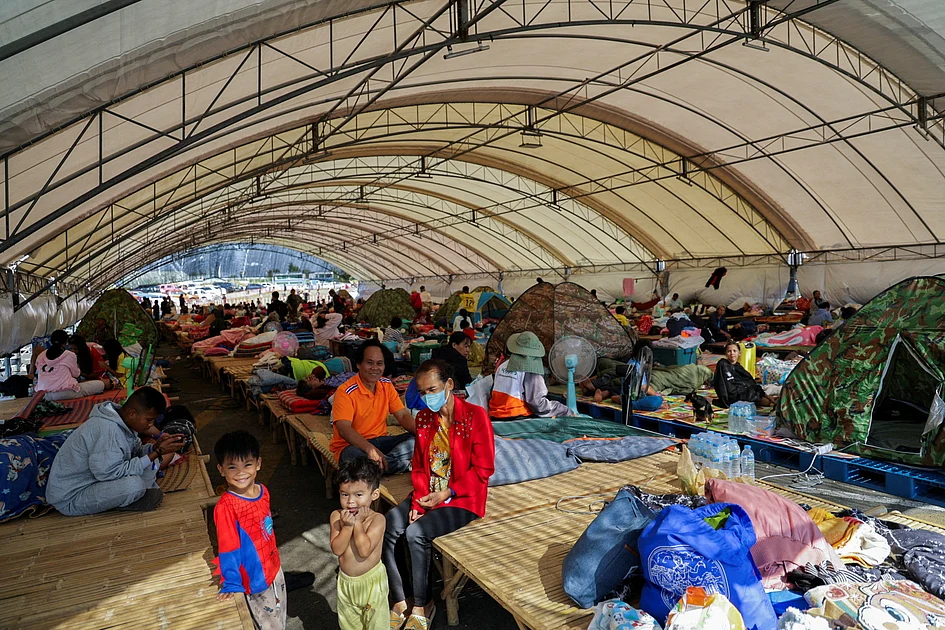
    Civilian displacement has reached critical levels, with Thai authorities evacuating approximately 385,000 residents from four border districts. More than 35,000 evacuees have already been relocated to temporary shelters as artillery exchanges threaten border communities.

    Cambodia’s Defense Ministry issued a counter-statement alleging that Thai forces initiated dawn attacks at multiple locations after days of provocations. Cambodian officials emphasized their troops exercised restraint despite what they characterized as aggressive actions by Thai military units.

    This confrontation represents the most serious breach of security since July’s five-day conflict that resulted in 48 fatalities and displaced 300,000 people. The previous ceasefire was negotiated through diplomatic intervention by former U.S. President Donald Trump and Malaysian Prime Minister Anwar Ibrahim, who witnessed the signing of an expanded peace agreement in Kuala Lumpur last October.

    The current escalation follows a recent landmine explosion that injured a Thai soldier, prompting Thailand to suspend its ceasefire implementation. Cambodia’s influential former leader Hun Sen characterized Thai military actions as provocations designed to elicit retaliation, urging Cambodian forces to maintain disciplined restraint despite established response protocols.

    The territorial dispute originates from imperfectly demarcated borders established during French colonial rule in 1907, with periodic violent outbreaks occurring along the 817-kilometer boundary despite numerous diplomatic resolution attempts.