作者: admin

  • Channel Tunnel disruption affects Eurostar and vehicle shuttle services between France and England

    Channel Tunnel disruption affects Eurostar and vehicle shuttle services between France and England

    Cross-Channel travel descended into chaos on Tuesday as a critical overhead power supply failure forced Eurostar to suspend services between London and continental Europe during the peak New Year’s travel period. The rail operator issued an urgent advisory requesting passengers to postpone journeys indefinitely amid escalating disruptions.

    The infrastructure failure, compounded by a separate incident involving a disabled Le Shuttle train carrying vehicles between Folkestone and Calais, triggered widespread cancellations across the network. Eurostar’s official status portal indicated four complete cancellations on the London-Paris route with three additional services experiencing significant delays.

    ‘We strongly recommend all customers reschedule their travel plans to alternative dates,’ Eurostar stated in an official communication. ‘Please refrain from arriving at stations unless you possess a validated ticket for immediate travel.’

    The dual operational crises—affecting both passenger and vehicle transport services—prompted simultaneous suspensions at terminal facilities on both sides of the English Channel. Le Shuttle authorities confirmed: ‘Services are temporarily suspended at both terminals due to a power supply complication. Our engineering teams are actively working toward resolution. We sincerely apologize for any inconvenience caused.’

    The timing proves particularly disruptive for holiday travelers, with thousands attempting to return from Christmas celebrations or commence New Year’s travel. The incident highlights the vulnerability of cross-border rail infrastructure during peak operational periods, raising questions about contingency planning for critical systems failures.
  • Why sustainability is no longer optional in the Gulf

    Why sustainability is no longer optional in the Gulf

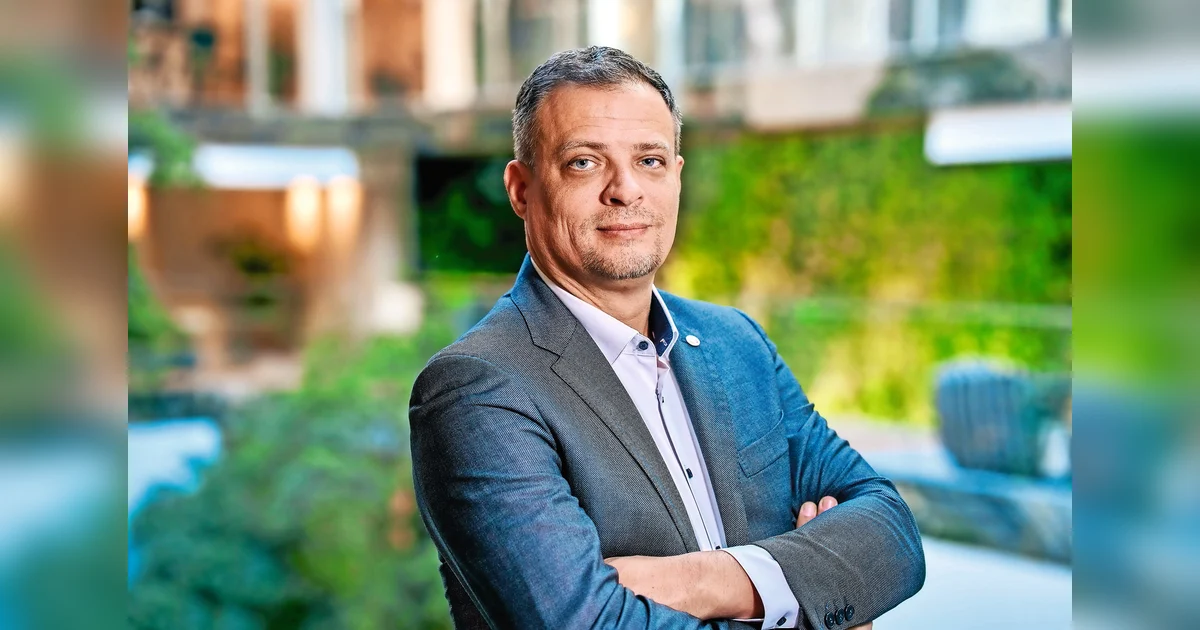
    Across the Gulf Cooperation Council (GCC) nations, sustainability has undergone a fundamental transformation from aspirational ideal to operational necessity. What was once primarily viewed through an environmental or ethical lens has emerged as a compelling business case, driven by economic pressures, regulatory mandates, and practical realities.

    The region’s rapid urban development has placed unprecedented strain on infrastructure and resources, particularly evident in energy consumption patterns. Cooling systems alone account for a substantial portion of electricity demand, reaching nearly 70% of peak usage in the UAE. Despite this, many buildings continue to operate with energy-intensive, outdated systems that necessitate frequent maintenance and deliver suboptimal efficiency.

    Governments throughout the GCC have responded with updated building codes, labeling schemes, and high-ambient performance standards that make compliance mandatory rather than voluntary. These regulatory frameworks have established sustainability as the fundamental requirement for market access and professional credibility.

    The persistent misconception that sustainable solutions are inherently more expensive requires correction through a shift in perspective from short-term price to long-term value. While energy-efficient technologies may involve higher initial investments, they deliver superior longevity, reliability, and operational efficiency. When evaluated through the Total Cost of Ownership (TCO) lens, sustainable solutions consistently demonstrate greater financial value over their lifecycle.

    For building owners and developers, failure to adapt carries significant financial consequences. Those who delay sustainability investments will ultimately pay twice—first for outdated systems, and again when retrofitting becomes unavoidable. Sustainability represents a strategic commitment to resilience, enabling structures to withstand economic, environmental, and social changes while delivering comfort, productivity, and profitability over decades.

    The benefits extend across all stakeholders: occupants enjoy healthier indoor environments and reduced utility costs; manufacturers and consultants drive innovation and market leadership; governments advance toward net-zero targets. As the Gulf continues its transition toward a diversified, low-carbon economy, sustainability has become inseparable from long-term competitiveness and regional prosperity.

  • German prosecutors will drop investigation of Russian magnate Usmanov upon payment of $12M fine

    German prosecutors will drop investigation of Russian magnate Usmanov upon payment of $12M fine

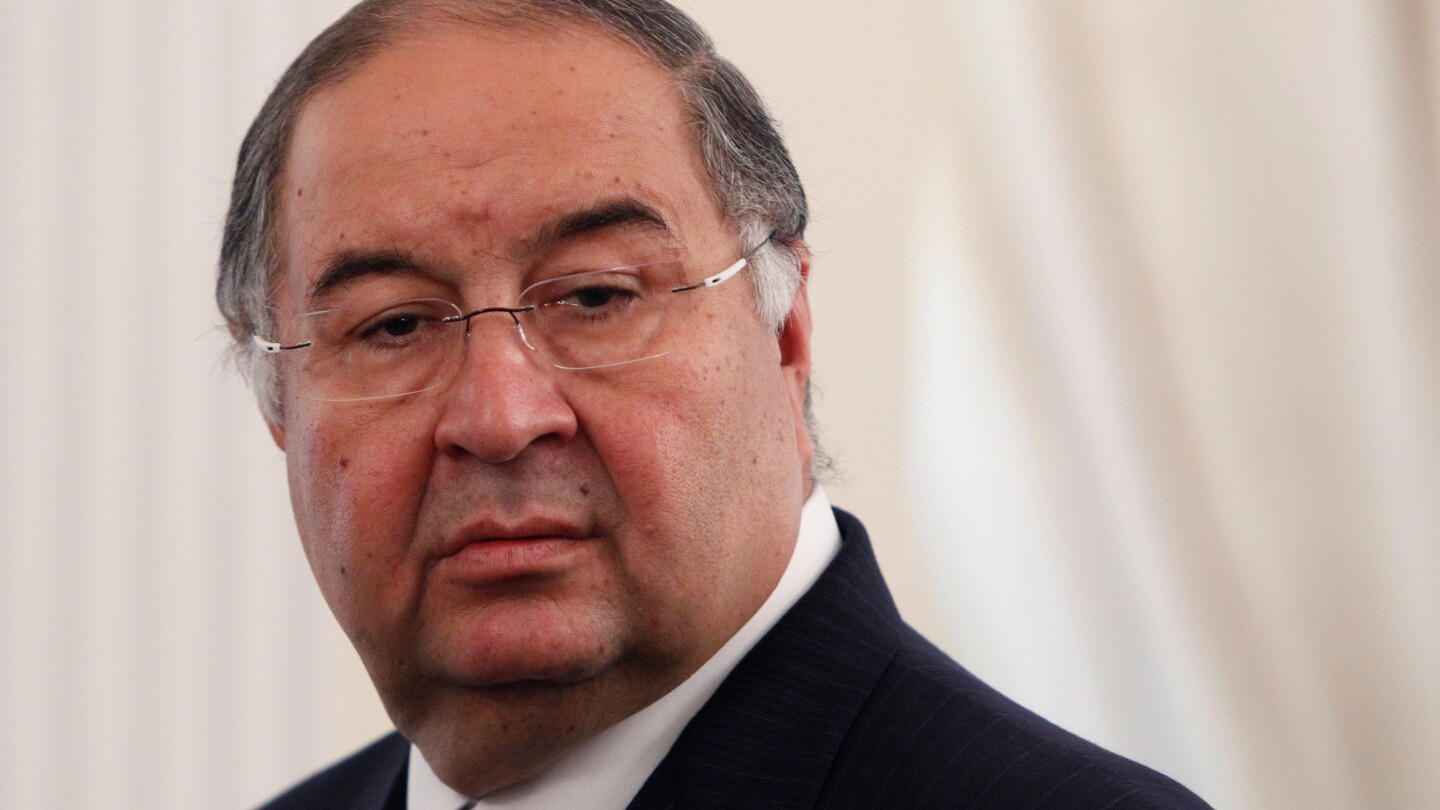
    German authorities have reached a settlement with Russian billionaire Alisher Usmanov, a prominent ally of President Vladimir Putin, concluding a high-profile investigation into alleged sanctions violations and money laundering. The Munich prosecutor’s office announced Tuesday that the case will be formally discontinued upon receipt of a €10 million (approximately $11.8 million) payment from the sanctioned oligarch.

    The investigation, which prompted extensive police raids across dozens of German properties connected to Usmanov three years ago, centered on allegations that the metals magnate circumvented EU sanctions imposed following Russia’s 2022 invasion of Ukraine. Prosecutors alleged that Usmanov orchestrated approximately €1.5 million in transactions through foreign-based companies to maintain two luxury properties in the Bavarian lakeside town of Rottach-Egern, located south of Munich.

    Additional accusations included failure to properly declare valuable assets to German authorities, including jewelry, fine art collections, and premium wines. Usmanov’s legal representatives had contested both the factual basis of these allegations and the jurisdictional applicability of EU regulations in this matter.

    The resolution follows the framework of German criminal procedure law, which permits termination of investigations through alternative settlements in certain circumstances. This development occurs against the backdrop of continued EU sanctions that have frozen substantial assets and funds connected to the Russian billionaire.

    Usmanov, who maintains presidency of the International Fencing Federation despite sanctions, continues to navigate the complex landscape of international restrictions targeting Putin’s inner circle. The case exemplifies the challenges Western nations face in enforcing sanctions against powerful Russian figures with global business interests.

  • South Korea to end breeding of bears and extraction of their bile

    South Korea to end breeding of bears and extraction of their bile

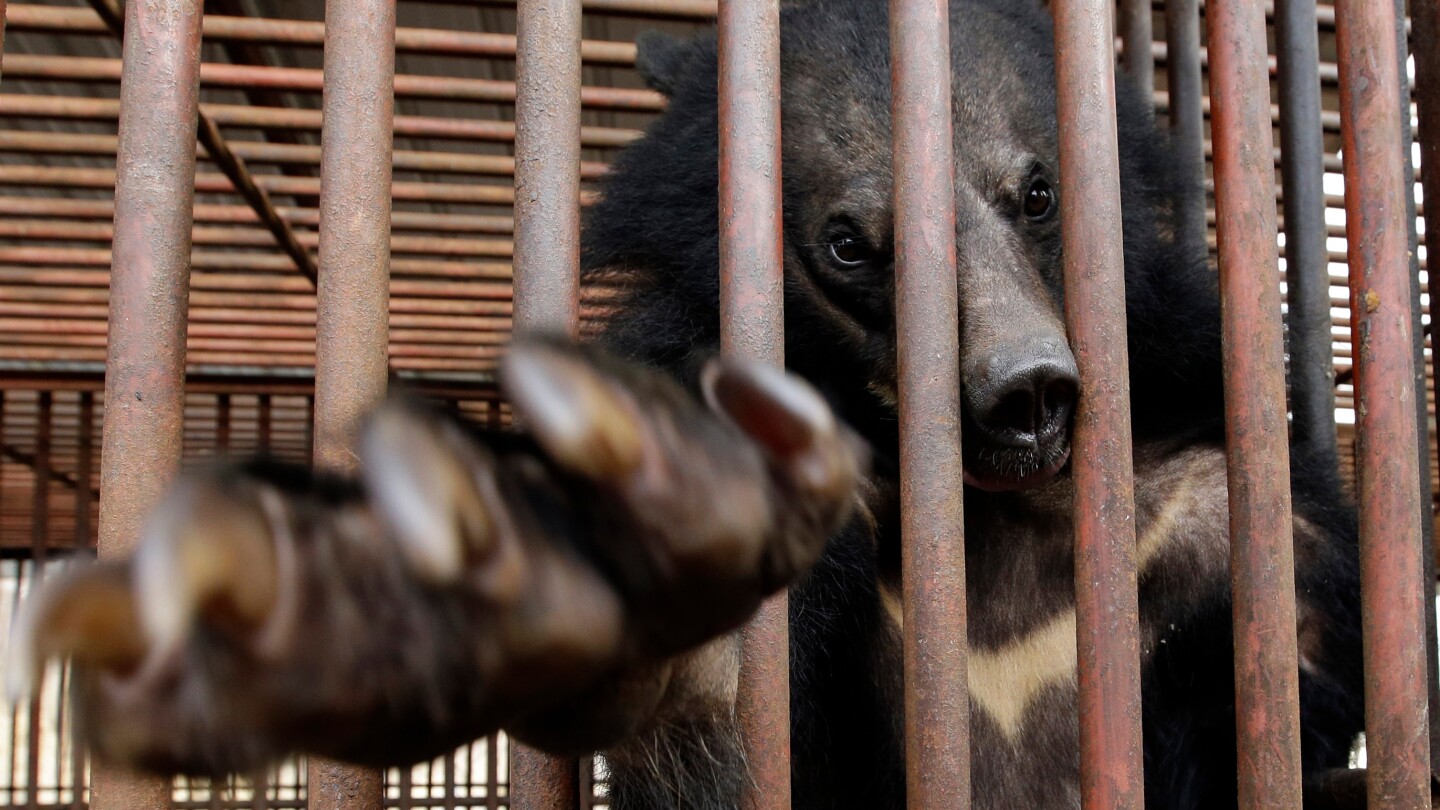
    SEOUL, South Korea — In a historic decision for animal welfare, South Korea has officially prohibited its long-controversial bear bile farming industry effective January 1st. The Ministry of Climate, Energy and Environment announced the comprehensive ban on bear breeding, possession, and bile extraction, implementing revised animal protection legislation that mandates prison sentences of two to five years for violations.

    This industry, one of the few remaining globally, primarily involved Asiatic black bears (moon bears) farmed for their gall bladders used in traditional medicine. The practice has dramatically declined over the past twenty years due to skepticism about medicinal efficacy, availability of affordable alternatives, and growing public consciousness about animal cruelty.

    The prohibition executes a 2022 tripartite agreement between government authorities, farmers, and animal rights organizations to terminate bear bile operations by 2026. Under this arrangement, animal advocacy groups are tasked with purchasing bears from farmers while the government establishes sanctuary facilities.

    Implementation challenges persist as approximately 199 bears remain confined across 11 domestic farms. Disagreements over appropriate compensation amounts have slowed the transition process. Thus far, 21 bears have been successfully relocated to a government-operated sanctuary in Jeolla province.

    The Environment Ministry has instituted a six-month grace period for existing farmers and will enforce financial incentives for those maintaining proper care until bears can be transferred. Environment Minister Kim Sungwhan characterized the move as demonstrating “our country’s resolve to improve welfare of wild animals and fulfill our related responsibility,” pledging to ensure protection “until the last one.”

    Farmer perspectives reveal the economic complexities. Kim KwangSoo, who maintains 78 bears in Dangjin, described the policy as “very bad,” noting substantial debts from upkeep costs despite his intention to comply with regulations.

    While animal rights organizations applaud the prohibition, they highlight infrastructure shortcomings. Current sanctuary capacity remains inadequate, with existing facilities accommodating only 30-49 bears versus the hundreds requiring relocation. A second planned facility has faced delays, now scheduled for 2027 opening due to flooding complications.

    Korea Animal Rights Advocates director Cheon JinKyung acknowledged the government’s progressive stance while emphasizing that “there aren’t sufficient measures to protect bears” and “there aren’t place where these bears can stay.” The industry originated in the early 1980s with bears imported from Southeast Asia, once numbering over 1,000 animals before the recent decline.

  • French right pushes for national tribute to film star Brigitte Bardot

    French right pushes for national tribute to film star Brigitte Bardot

    France finds itself embroiled in a heated political debate regarding appropriate honors for cinematic icon Brigitte Bardot, who passed away Sunday at age 91. The controversy has exposed deep ideological divisions within French society regarding how the nation should commemorate complex cultural figures.

    Éric Ciotti, leader of the right-wing UDR party, has initiated a petition demanding a national tribute for Bardot, collecting over 23,000 signatures with support from far-right allies. Ciotti argues France owes recognition to the woman who became the face of Marianne, the national symbol of liberty, in the 1960s. He emphasizes Bardot’s contribution to France’s international prestige and her advocacy for women’s liberation and abortion rights.

    Opposition emerges from left-wing politicians who question whether Bardot’s legacy aligns with republican values. Socialist leader Olivier Faure noted that national homages typically honor “exceptional services to the nation,” while pointing to Bardot’s five convictions for inciting racial hatred. Green MP Sandrine Rousseau highlighted the paradox between Bardot’s animal welfare activism and her controversial remarks about Muslims and migrants.

    The discussion reflects broader tensions in how France memorializes public figures. Previous national honors include the solemn ceremony for death penalty abolitionist Robert Badinter and the massive public farewell for rock star Johnny Hallyday. Nice Mayor Christian Estrosi has already announced plans to name an “iconic site” in Bardot’s honor.

    Meanwhile, Bardot’s personal wishes suggest she would have preferred simplicity. Close friend Wendy Bouchard revealed the reclusive star lived “a life of simplicity and deprivation” and likely wouldn’t have wanted national ceremonies. Despite Bardot’s request for burial at her Saint-Tropez home, La Madrague, local authorities have arranged a private ceremony in the marine cemetery overlooking the Mediterranean. The Brigitte Bardot Foundation announced her funeral will occur January 7th at Notre-Dame de l’Assomption church, with proceedings broadcast across town.

  • European leaders to discuss US-led peace efforts as Russia-Ukraine tensions spike

    European leaders to discuss US-led peace efforts as Russia-Ukraine tensions spike

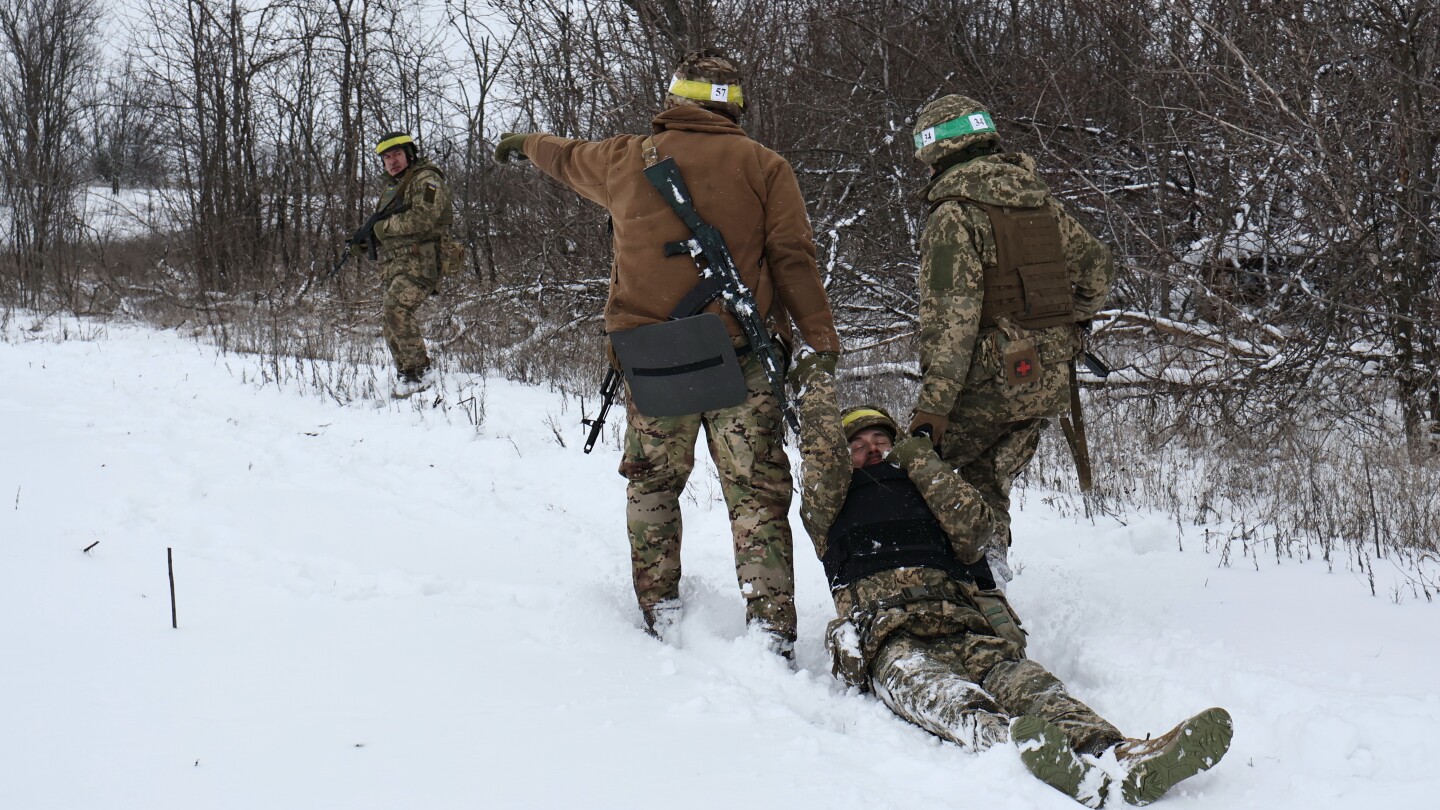
    European leaders initiated crucial virtual discussions on Tuesday to address U.S.-brokered peace initiatives aimed at resolving the protracted conflict between Russia and Ukraine. This high-level diplomatic engagement occurs against a backdrop of heightened tensions following Moscow’s allegations of a drone attack targeting President Vladimir Putin’s residence—claims vehemently denied by Ukrainian authorities.

    The emergency European conference, organized following preliminary talks in Berlin earlier this month, represents the first collective response since President Donald Trump’s Sunday meeting with Ukrainian President Volodymyr Zelenskyy at Mar-a-Lago. During those talks, Trump asserted that both nations were ‘closer than ever before’ to reaching a peace agreement, while acknowledging remaining obstacles.

    Simultaneously, Russian and Ukrainian officials have engaged in reciprocal accusations regarding alleged attack attempts on Putin’s Valdai residence northwest of Moscow. Russian authorities claimed Ukraine launched 91 long-range drones targeting the presidential compound shortly after Trump-Zelenskyy discussions concluded, though no substantive evidence has been presented.

    Ukrainian Foreign Minister Andrii Sybiha dismissed the allegations as baseless, stating Russia ‘still hasn’t provided any plausible evidence’ and emphasizing Moscow’s history of fabricated claims. President Zelenskyy characterized the accusations as ‘another lie’ designed to undermine peace negotiations.

    Kremlin spokesperson Dmitry Peskov countered that the alleged attack demonstrated Ukraine’s intention to ‘thwart President Trump’s efforts to promote peaceful resolution.’ The Institute for the Study of War observed that Russia has consistently sought to prolong negotiations while avoiding substantive concessions, potentially aiming to influence broader U.S.-Russia relations through these diplomatic channels.

  • UAE condemns stabbing attack in Suriname claiming nine lives

    UAE condemns stabbing attack in Suriname claiming nine lives

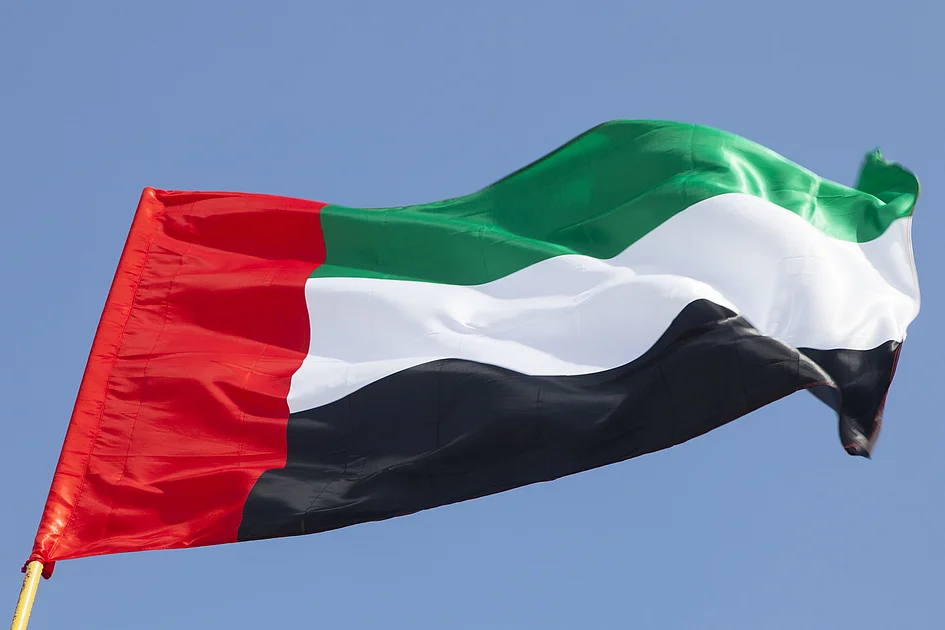
    The United Arab Emirates has issued a formal condemnation of a devastating stabbing attack in Suriname that resulted in nine fatalities, including multiple children. The violent incident occurred on the outskirts of Paramaribo, the capital city of the South American nation, during the night of December 27-28, 2025.

    According to official police statements, an assailant armed with a sharp weapon killed four adults and five children in the attack. A sixth child and another adult sustained serious injuries and required immediate hospitalization. Law enforcement officers responded to the scene and were forced to open fire on the suspect, who was wounded in the legs and subsequently hospitalized.

    The UAE Ministry of Foreign Affairs released a statement expressing the nation’s firm condemnation of such criminal acts and its unwavering rejection of all forms of violence targeting innocent civilians. The Ministry emphasized that such acts fundamentally undermine security and stability in communities.

    The UAE government extended its solidarity with the victims’ families and with both the government and people of Suriname following this tragic event. Officials also conveyed their sincere wishes for the swift recovery of those injured in the attack. This response aligns with the UAE’s consistent foreign policy position of condemning violence against civilians regardless of where such incidents occur globally.

  • Key dates in Taiwan’s history: A contested island’s evolution

    Key dates in Taiwan’s history: A contested island’s evolution

    Amidst recent live-fire military exercises conducted by China around Taiwan, featuring advanced aircraft, warships, and rocket launches, Beijing’s foreign ministry has reaffirmed its objective to achieve “complete reunification” with the island territory. Taipei continues to resist these sovereignty claims, maintaining that Taiwan has never existed under the Chinese Communist Party’s governance in its current constitutional framework.

    The island’s complex history reveals a tapestry of colonial influences and political transformations. During the 1600s, Dutch and Spanish colonizers vied for control of Formosa (as Taiwan was then known), establishing footholds while Indigenous populations and Han Chinese migrants inhabited the island. The Dutch East India Company established a southern base near contemporary Tainan, while Spanish forces constructed northern forts.

    In 1662, military leader Koxinga, loyal to China’s Ming dynasty, defeated the Dutch. By 1684, the Qing dynasty incorporated Taiwan into China’s Fujian province, later declaring it a standalone Chinese province under Han Chinese governance in 1885.

    Following Qing defeat in the Sino-Japanese War (1895), Emperor Guangxu ceded Taiwan and the Penghu Islands to Japan, initiating five decades of often harsh colonial rule. Japan’s WWII surrender in 1945 returned Taiwan to the Republic of China under Nationalist Party (KMT) control, even as civil war raged between Nationalists and Mao Zedong’s Communists.

    The Nationalists’ 1949 retreat to Taiwan established de facto self-rule as Mao founded the People’s Republic of China on the mainland. Over one million military personnel, officials, and civilians accompanied Chiang Kai-shek’s government to the island. The KMT maintained its claim as China’s legitimate government throughout its authoritarian rule under martial law (1949-1987), a period marked by political repression known as the White Terror.

    January 1979 witnessed a geopolitical watershed when the United States established formal relations with China, terminating official recognition of Taiwan through its “One China” policy. That April, however, the U.S. Congress passed the Taiwan Relations Act, creating frameworks for unofficial ties and committing to provide Taiwan with self-defense capabilities.

    The 1992 Consensus saw both sides acknowledging “one China” while permitting divergent interpretations. Taiwan’s democratic evolution accelerated with its first legislative elections (1992) and presidential election (1996), won by KMT’s Lee Teng-hui. China responded to Lee’s perceived separatist rhetoric with missile tests encircling Taiwan (1995-1996).

    The 2000 election of Democratic Progressive Party’s Chen Shui-bian marked Taiwan’s first peaceful power transfer, ending five decades of KMT rule. Recent tensions escalated dramatically following U.S. Speaker Nancy Pelosi’s 2022 Taiwan visit, prompting China’s largest-ever military drills around the island. Beijing has since maintained near-daily military presence near Taiwan, with December 2025 exercises responding to perceived provocations from Japan’s leadership and anticipated U.S. arms sales to Taipei.

  • Bangladesh ex-PM Khaleda Zia dies at 80

    Bangladesh ex-PM Khaleda Zia dies at 80

    Bangladesh’s political landscape was shaken on Tuesday by the passing of former Prime Minister Khaleda Zia at age 80. The Bangladesh Nationalist Party (BNP), which she led as chairperson, confirmed her death occurred at 6:00 AM local time following dawn prayers, marking the end of an era for one of the nation’s most influential political figures.

    Her demise comes at a critical juncture in Bangladeshi politics, just as the country prepares for general elections scheduled for February 2026. Despite significant health challenges and a recent hospitalization in late November, Zia had remained politically active, with party representatives submitting nomination papers on her behalf for three constituencies merely hours before her passing.

    The BNP statement memorialized Zia as a “national leader” and requested prayers for her departed soul. Interim leader Muhammad Yunus had previously characterized her as “a source of utmost inspiration for the nation” during her final days.

    Zia’s political career was marked by dramatic highs and lows, including imprisonment on corruption charges in 2018 under the government of her arch-rival Sheikh Hasina. Her release last year coincided with Hasina’s ousting from power following mass protests. Medical treatment complications further complicated her final years, as plans for specialized care in London were thwarted by her unstable condition.

    The political transition continues with her son, Tarique Rahman, recently returning from 17 years of self-imposed exile to assume leadership of the BNP. He is expected to lead the party into the upcoming elections and potentially assume the prime minister role should the BNP secure a majority.

    Prothom Alo, Bangladesh’s leading newspaper, noted that Zia had earned the reputation as the ‘uncompromising leader’ whose life exemplified the extreme challenges faced by political figures—including lawsuits, imprisonment, and persecution. Family members, including Rahman, were present at her bedside during her final moments.

  • Turkey detains 357 suspected IS members in nationwide raids

    Turkey detains 357 suspected IS members in nationwide raids

    Turkish authorities have launched a massive counter-terrorism operation resulting in the detention of 357 individuals with alleged connections to the Islamic State group. The coordinated nationwide raids, spanning 21 provinces including Ankara, Istanbul, and Yalova, represent one of the most significant security operations against the extremist organization in recent months.

    The operation comes in direct response to escalating security threats, including a deadly eight-hour siege in Yalova just one day prior that claimed the lives of three police officers and six suspected militants while leaving eight additional officers and a security force member wounded. This incident marked a severe escalation in violence between Turkish security forces and suspected ISIS operatives.

    Interior Minister Ali Yerlikaya, who publicly documented the operations through social media platforms, emphasized Turkey’s unwavering stance against terrorism. “Just as we have never given an opportunity to those who try to bring this country to its knees with terrorism, we will never give them an opportunity in the future either,” Yerlikaya declared in an official statement.

    Security operations yielded substantial evidence, with Istanbul prosecutors confirming the seizure of documents, digital materials, and weapons including knives and ammunition during raids targeting 110 suspects alone. Intelligence assessments indicated planned attacks targeting New Year’s celebrations, continuing a pattern of holiday-period threats that previously led to the arrest of 115 suspects allegedly planning attacks against non-Muslims during Christmas observances.

    The investigation has revealed complex networks, with 41 detainees showing direct connections to the Yalova confrontation. Additionally, authorities detained 16 individuals in Yalova for allegedly making provocative social media posts, demonstrating the multifaceted approach to counter-terrorism efforts.

    President Recep Tayyip Erdoğan personally offered condolences to the families of the fallen officers—identified as İlker Pehlivan, Turgut Külünk, and Yasin Koçyiğit—while reaffirming Turkey’s commitment to combating “bloodthirsty criminals who threaten the peace of our nation and the security of our state.”

    Turkey’s strategic position, sharing a 900-kilometer border with Syria where ISIS maintains operational presence, necessitates continuous vigilance. The recent developments coincide with international counter-ISIS efforts, including U.S. airstrikes in Syria following the killing of three Americans by ISIS gunmen earlier this month.