作者: admin

  • Pakistan offers to ‘take grooming gang leaders’ if UK hands over dissidents

    Pakistan offers to ‘take grooming gang leaders’ if UK hands over dissidents

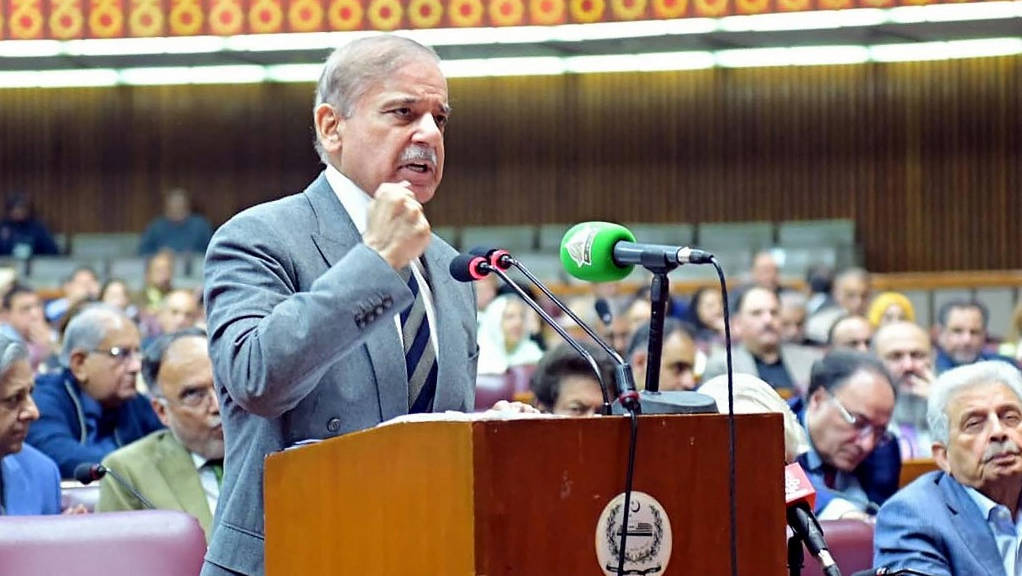
    A significant diplomatic development has emerged between the United Kingdom and Pakistan, with reports indicating Islamabad has proposed a controversial prisoner exchange arrangement. According to Pakistani media sources, Interior Minister Mohsin Naqvi presented this proposition during a private meeting with British High Commissioner Jane Marriott in Islamabad last Thursday.

    The proposed arrangement would see Pakistan accept the return of two convicted grooming gang leaders—Adil Khan and Qari Abdul Rauf—in exchange for Britain’s extradition of Pakistani political dissidents Shahzad Akbar and Adil Raja. Both Akbar, a former minister in Imran Khan’s administration, and Raja, an ex-army major, currently reside in the UK where they have been vocal critics of the Pakistani government’s human rights record and alleged suppression of political dissent.

    This proposal comes amid complex legal circumstances surrounding the grooming case convicts. Khan and Rauf, both Pakistani immigrants who were convicted in 2012 for sexually exploiting 47 girls in Rochdale, had their British citizenship revoked following their convictions. However, just days before their scheduled deportation to Pakistan, they renounced their Pakistani citizenship, creating a legal limbo that Pakistan has until now refused to resolve.

    The potential exchange emerges as Britain’s Labour government faces increasing pressure to address child sexual exploitation more effectively. Previous attempts to establish a comprehensive nationwide inquiry into grooming gangs have encountered repeated delays and debates regarding the scope of investigation, including whether to examine ethnic, religious, and cultural factors involved in these cases.

    Political analysts suggest the UK is highly unlikely to agree to such an arrangement, with both the Home Office and Foreign Office declining to comment on the reports. Adil Raja, now working as a freelance journalist, described the proposal as ‘unprecedented and deeply disturbing,’ expressing confidence that British authorities would not ‘allow political critics to be traded away under pressure from a foreign government.’

    This development occurs against the backdrop of ongoing political tensions in Pakistan, where former Prime Minister Imran Khan remains imprisoned under circumstances that a UN report recently deemed arbitrary and in violation of international law.

  • Watch: Here’s what Trump has said on affordability

    Watch: Here’s what Trump has said on affordability

    Former President Donald Trump has significantly amplified his rhetoric regarding economic affordability, positioning it as a central theme in his political discourse. In recent public addresses and campaign appearances, he has systematically attributed ongoing economic difficulties to Democratic policies, creating a clear partisan narrative around financial pressures facing American households.

    The escalation of this economic messaging strategy represents a calculated shift in Trump’s communication approach, moving beyond general criticism to specific focus on daily living expenses. His commentary frequently highlights inflation, housing costs, and consumer goods pricing as evidence of Democratic mishandling of the economy.

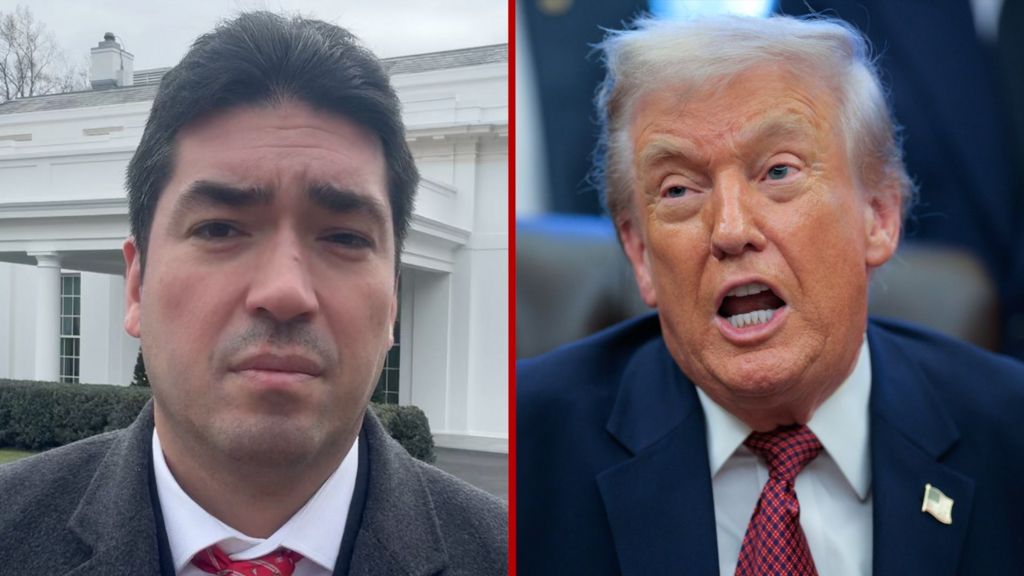
    BBC White House correspondent Bernd Debusmann, who has been monitoring this development, notes the strategic timing of this intensified focus. The renewed emphasis on economic issues coincides with increasing voter concerns about purchasing power and financial stability, suggesting an effort to capitalize on these anxieties for political advantage.

    The former president’s narrative framework presents a cause-and-effect relationship between Democratic governance and economic challenges, despite the complex, multifactorial nature of global economic conditions. This simplified economic messaging allows for direct, emotionally resonant appeals to voters experiencing financial strain, potentially influencing electoral dynamics as economic concerns remain at the forefront of public discourse.

  • Deepseek founder, ‘deep diver’ in Nature’s 2025 list of science influencers

    Deepseek founder, ‘deep diver’ in Nature’s 2025 list of science influencers

    Two Chinese scientists have earned prestigious positions on Nature’s annual list of the top 10 individuals shaping global scientific progress in 2025. The recognition highlights China’s growing influence across both artificial intelligence and deep-sea exploration research domains.

    Liang Wenfeng, the 40-year-old founder of DeepSeek, was honored as a ‘tech disruptor’ for revolutionizing artificial intelligence development. Nature specifically acknowledged his groundbreaking launch of an exceptionally powerful yet cost-effective large language model that fundamentally challenged prevailing assumptions about global AI capabilities. By making his model’s weights openly accessible—an unprecedented move in the industry—Liang provided researchers worldwide with free access to download and build upon the technology, accelerating innovation across multiple scientific disciplines.

    According to research Liang published in Nature this September, his model demonstrates remarkable problem-solving capacity as a reasoning engine while maintaining remarkably low training costs. The entire development process for the basic model required just $6 million, significantly less than comparable investments by competing organizations.

    Simultaneously, geoscientist Du Mengran from the Institute of Deep-sea Science and Engineering of the Chinese Academy of Sciences received recognition as a ‘deep diver’ for her pioneering work in hadal zone exploration. Currently leading a new expedition, Du emphasized that Nature’s selection represents neither a prize nor ranking but rather an editorial compilation highlighting significant scientific developments.

    Her work focuses on the ocean’s deepest layers extending beyond 6,000 meters, where she observed Earth’s deepest known chemosynthetic ecosystems. Studying these extreme environments provides crucial insights into survival mechanisms that could advance life sciences research and enhance understanding of the global carbon cycle.

    Du highlighted the extraordinary challenges of deep-sea exploration, noting that factors like extreme pressure, limited visibility, and frigid temperatures make these missions arguably more demanding than space exploration. She credited China’s strategic foresight in developing advanced diving equipment, creating novel materials, and leading global trench exploration initiatives over the past decade.

    The scientist’s findings were made possible through last year’s expedition using China’s domestically developed Fendouzhe submersible, which conducted 24 dives averaging six hours each. Du characterized the honor as belonging not to her individually but to the entire hadal exploration team, embodying the collaborative spirit of scientific discovery.

  • Former Hainan Party chief sentenced to 15 years for bribery

    Former Hainan Party chief sentenced to 15 years for bribery

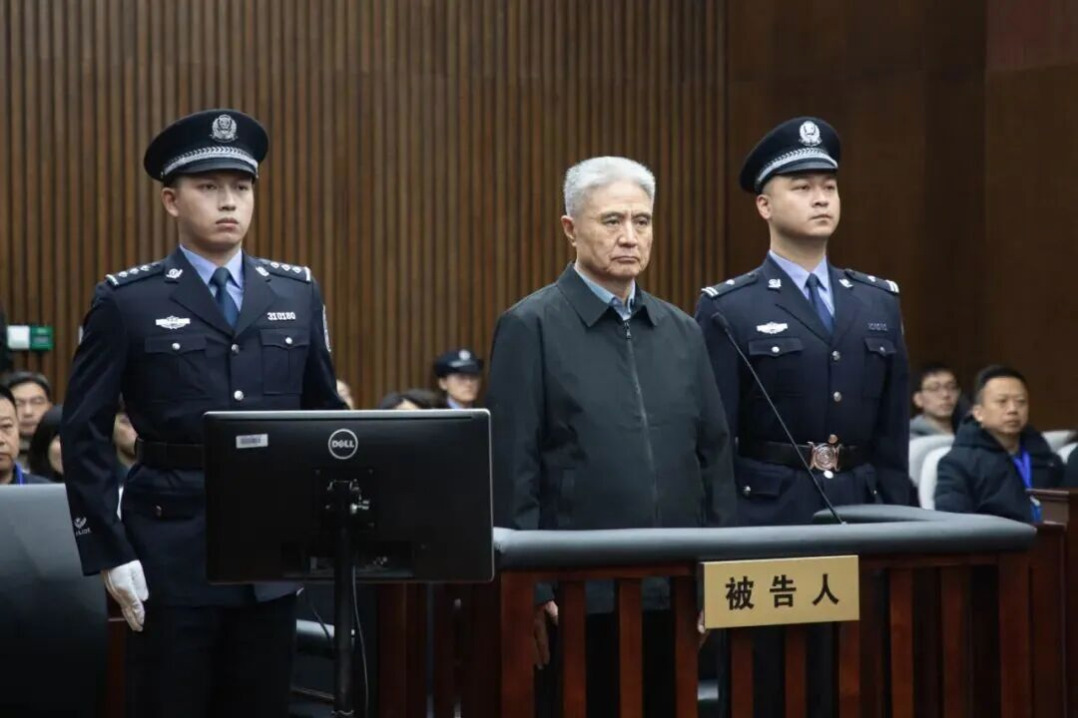
    In a landmark ruling demonstrating China’s continued anti-corruption campaign, former Hainan Communist Party secretary Luo Baoming has been sentenced to 15 years imprisonment for accepting bribes exceeding 113 million yuan (approximately $16 million). The Shanghai First Intermediate People’s Court delivered the verdict on Tuesday, additionally imposing a 5 million yuan fine and ordering confiscation of all illicit gains to be transferred to the state treasury.

    The court established that Luo systematically abused his influential positions over a nearly thirty-year period from 1995 to 2024. During his tenure as Hainan’s top official, provincial governor, and deputy head of the National People’s Congress Overseas Chinese Affairs Committee, Luo provided unlawful advantages to various entities and individuals regarding project contracts, banking facilities, and commercial collaborations in exchange for substantial monetary benefits.

    Judicial authorities characterized Luo’s conduct as constituting the severe crime of bribery, noting the “extremely large” sums involved and “extremely huge” losses inflicted upon national and public interests. The court acknowledged mitigating factors including Luo’s voluntary surrender, full confession, cooperation in major investigations by providing critical evidence, and complete restitution of illegal proceeds, which warranted judicial leniency in sentencing.

    Luo, 73, whose political career began in 1969 with Communist Party membership obtained in 1971, rose through Tianjin municipal positions before assuming Hainan leadership roles in 2001. His political downfall commenced in July 2024 when he self-reported to disciplinary authorities, culminating in expulsion from the Communist Party earlier this year and formal indictment in June preceding September’s public trial.

  • ICC sentences Darfur militia ‘axe murderer’ to 20 years over war crimes

    ICC sentences Darfur militia ‘axe murderer’ to 20 years over war crimes

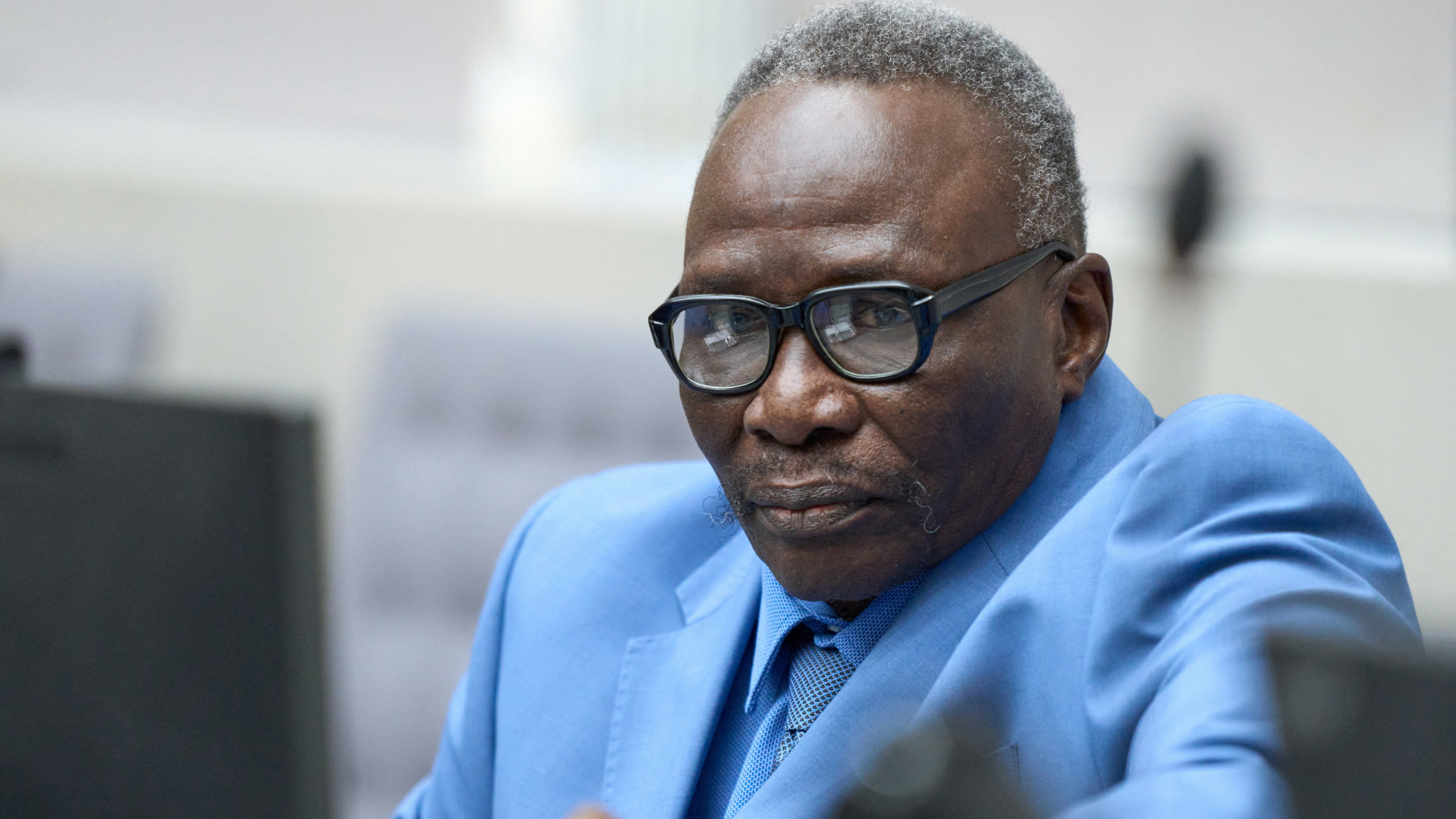
    In a landmark ruling for international justice, the International Criminal Court has sentenced former Janjaweed commander Ali Muhammad Ali Abd-al-Rahman to 20 years imprisonment for crimes against humanity and war crimes committed during Darfur’s brutal conflict. The 76-year-old militia leader, widely known as Ali Kushayb, received his sentence Tuesday following an October conviction on 27 separate counts of atrocities including systematic murder, torture, and the orchestration of mass rape campaigns.

    Presiding Judge Joanna Korner delivered harrowing details of Abd-al-Rahman’s personal involvement in the violence, describing how he “personally perpetrated” beatings with axes and ordered executions. The court heard victim testimonies recounting days that “began at sunrise with torture” where “blood ran freely in the streets” without medical assistance or mercy. Judge Korner further revealed the defendant had walked on the heads of wounded men, women, and children during the 2003-2004 atrocities.

    This conviction represents the first successful prosecution of a militia leader for Darfur crimes, marking a significant milestone for the ICC since the UN Security Council referred the Sudan case in 2005. The trial saw unprecedented scope with 74 witnesses testifying, 1,861 items admitted as evidence, and 1,591 victims participating in proceedings from April 2022 through December 2024.

    Prosecutor Julian Nicholls characterized Abd-al-Rahman as “an enthusiastic, energetic, effective perpetrator” who committed crimes “knowingly, wilfully and with enthusiasm and vigour.” The defendant, who voluntarily surrendered to ICC custody in June 2020, listened impassively during sentencing.

    Human rights organizations hailed the verdict as long overdue justice. Tigere Chagutah, Amnesty International’s regional director for east and southern Africa, noted the ruling “should serve as a warning to those committing abuses in the context of the ongoing Sudan conflict.”

    The sentencing occurs against the backdrop of continued violence in Darfur, where the Rapid Support Forces (RSF)—an offshoot of the Janjaweed—now battle the Sudanese army. The ICC is currently investigating alleged RSF crimes in el-Fasher including extrajudicial killings, torture, and mass rape reported last month. Recent estimates suggest tens of thousands have been massacred since the RSF seized the city in October, exacerbating mass displacement and starvation in a region already devastated by nearly three years of civil war.

    Outstanding arrest warrants remain for other Sudanese officials, including former president Omar al-Bashir wanted for genocide, underscoring the ongoing pursuit of accountability for Darfur’s atrocities.

  • Czech billionaire becomes PM with promise to cut ties to business empire

    Czech billionaire becomes PM with promise to cut ties to business empire

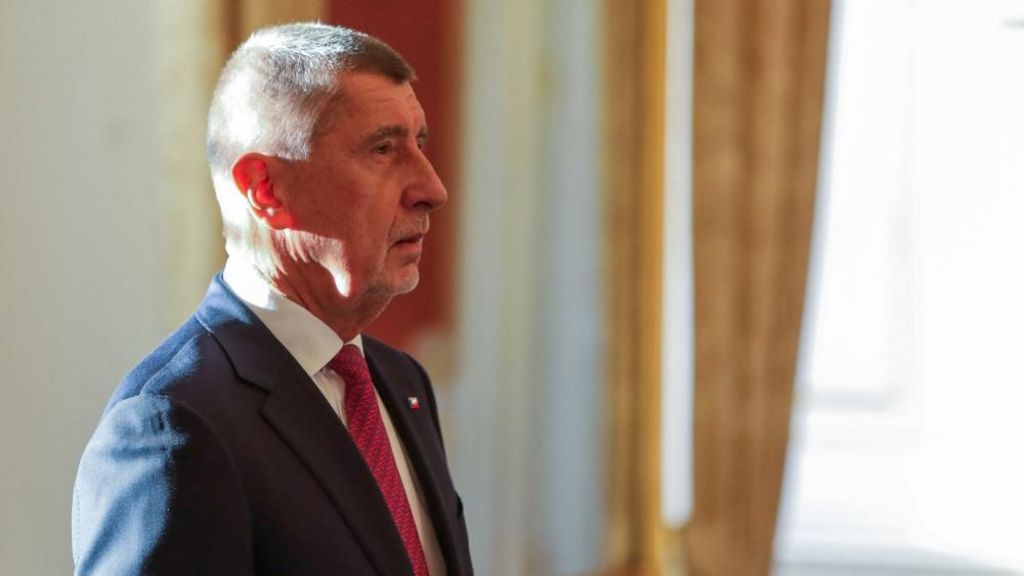
    Czech billionaire Andrej Babis has officially assumed the role of prime minister for the second time, marking a significant political shift in Central Europe. The 71-year-old business magnate received presidential appointment after committing to sever ties with his sprawling commercial empire, Agrofert, valued at approximately $4.3 billion.

    President Petr Pavel mandated Babis’s public pledge to relinquish control over his vast conglomerate—spanning food processing, agriculture, and chemical industries—as a precondition for forming the new government. The complete cabinet, featuring members from the far-right SPD party and Eurosceptic ‘Motorists for Themselves’ movement, is anticipated to be sworn in within days.

    During the ceremonial proceedings at Prague Castle, Babis proclaimed his dedication to representing all Czech citizens both domestically and internationally. ‘I will endeavor to transform the Czech Republic into the planet’s premier place to reside,’ he declared, outlining his ambitious governance vision.

    The business tycoon’s commercial influence permeates Czech daily life through Agrofert’s 200+ subsidiaries, producing everything from Viennese-style sausages (Kostelecké uzeniny) to sliced bread (Penam). So pervasive is this commercial presence that activists have developed smartphone applications enabling consumers to identify and boycott Agrofert products.

    Babis asserts that his business holdings will be transferred to a trust managed by an independent administrator until his death, after which ownership will pass to his heirs. This arrangement, he emphasized in a Facebook video presentation, substantially exceeds Czech legal requirements. However, the specific trust mechanism remains undefined, particularly since Czech legislation lacks provisions for ‘blind trusts,’ necessitating complex legal structuring.

    Transparency International’s Czech chapter remains skeptical regarding the effectiveness of these measures. David Kotora, director of the organization’s local branch, cautioned that mere ownership transfer cannot eliminate potential conflicts of interest. ‘There exists no genuine separation. Babis maintains personal relationships with managers and possesses intimate knowledge of Agrofert’s portfolio. From his executive governmental position, he could theoretically influence sector-specific matters affecting his former enterprise,’ Kotora explained to Seznam Zpravy.

    The business network extends beyond Agrofert to include Hartenberg Holding, which controls numerous enterprises including FutureLife a.s (operating premium health clinics), reproductive clinics, Flamengo florist chain, and Astratex underwear retailer. This expansive commercial footprint throughout Czech society, combined with Babis’s renewed political authority, signals profound changes in the nation’s governance direction.

  • These young Australians grew up with social media – what do they think of the ban?

    These young Australians grew up with social media – what do they think of the ban?

    In the wake of Australia’s controversial decision to implement a social media ban for users under 16, the BBC conducted street interviews in Sydney to gauge reactions from young adults who belong to the first generation raised with ubiquitous social media access. The comprehensive survey targeted Australians aged 18-20, whose formative years coincided with the exponential growth of digital platforms.

    These digital natives expressed complex, multifaceted perspectives on the regulatory measure. Many acknowledged legitimate concerns about cyberbullying, mental health impacts, and inappropriate content that prompted the government’s decision. However, significant reservations emerged regarding the effectiveness of age-based restrictions in addressing these complex issues.

    Several interviewees highlighted the educational and social benefits they gained from early, supervised social media use, suggesting that blanket bans might deprive younger generations of valuable digital literacy development. Others pointed to practical implementation challenges, noting that determined teenagers often find ways to circumvent such restrictions.

    The young adults emphasized the importance of comprehensive digital education and parental guidance rather than outright prohibition. Many advocated for balanced approaches that protect vulnerable users while still allowing access to positive aspects of social connectivity, information sharing, and community building that defined their own adolescent experiences.

  • What to know about the massive defense bill that seeks release of boat strike videos and more

    What to know about the massive defense bill that seeks release of boat strike videos and more

    WASHINGTON — The U.S. House of Representatives is poised to vote this week on the annual National Defense Authorization Act (NDAA), a comprehensive $900 billion legislative package that establishes military spending priorities and defense policies for the coming year. While traditionally bipartisan, this year’s bill emerges amid heightened scrutiny of Pentagon operations and reflects complex negotiations between congressional priorities and administration directives.

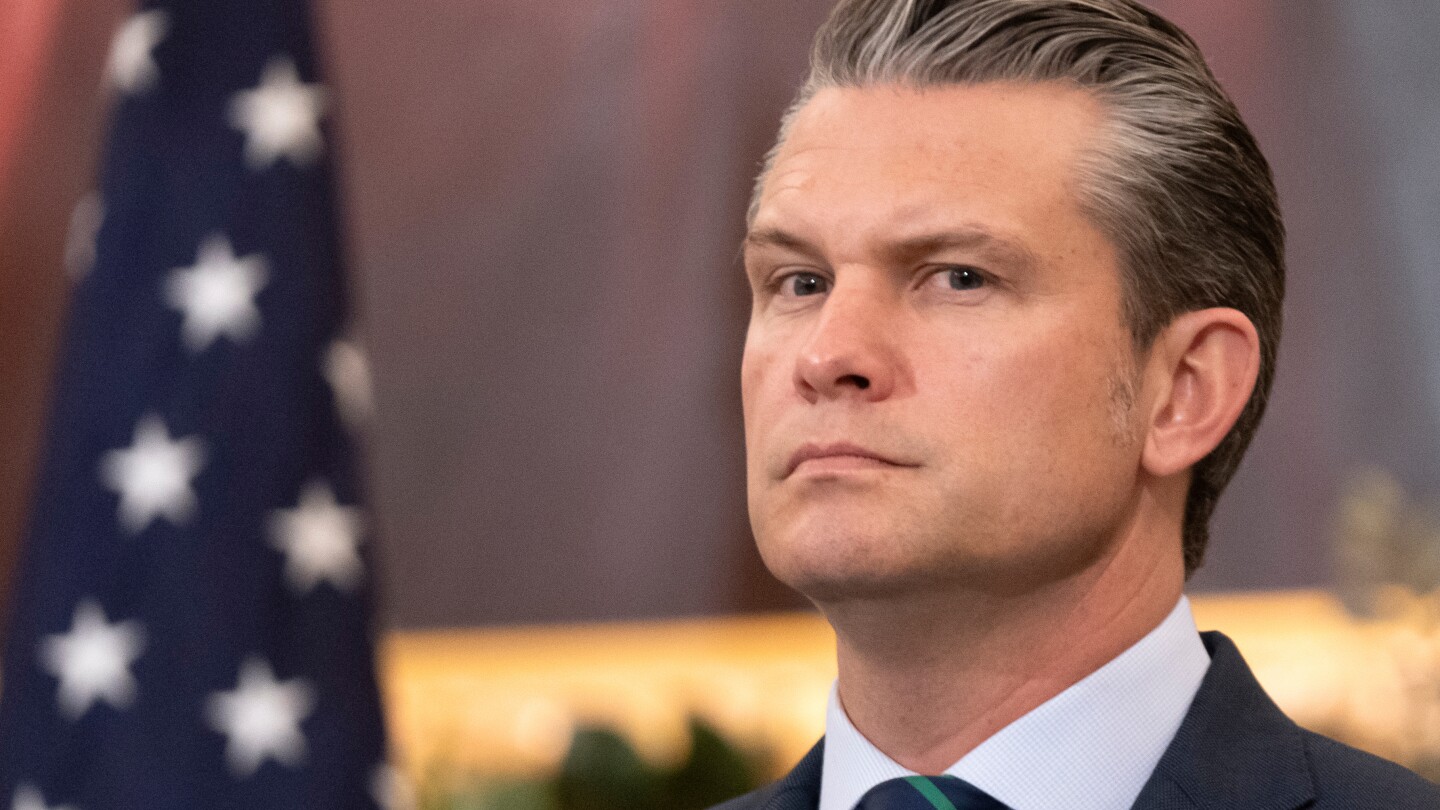
    The legislation mandates a 4% pay increase for service members while implementing significant cuts to Pentagon diversity initiatives and climate change programs. In a notable oversight measure, lawmakers are demanding unedited footage of military strikes against suspected drug trafficking vessels, threatening to withhold a quarter of Defense Secretary Pete Hegseth’s travel budget if compliance isn’t met. This follows controversial September incidents where U.S. forces reportedly fired upon survivors clinging to wreckage after initial attacks.

    International commitments feature prominently in the bill, which authorizes $400 million annually for weapons manufacturing to support Ukraine’s defense against Russia. Despite the Trump administration’s previously wavering stance on Ukraine support, the legislation requires continued intelligence sharing with Kyiv. Additionally, it establishes minimum troop presence requirements of 76,000 in Europe and 28,500 in South Korea, addressing NATO allies’ concerns about potential security vacuums.

    The NDAA also includes historic provisions to formally repeal the 2002 Authorization for Use of Military Force in Iraq, effectively ending legal justification for the Iraq War. Simultaneously, it would permanently lift remaining harsh sanctions on Syria, facilitating potential economic reconstruction.

    Controversially omitted from the final version was coverage for in vitro fertilization (IVF) treatments for military personnel, a provision removed by House Speaker Mike Johnson despite criticism from Democrats who characterized the move as callous toward service members’ family-building needs.

    The bill cuts $1.6 billion from climate-related military programs and eliminates $40 million in diversity, equity, and inclusion initiatives, including the position of chief diversity officer, aligning with the administration’s broader government-wide reduction of these programs.

  • Police raid Argentine soccer clubs and AFA as part of investigation into alleged money laundering

    Police raid Argentine soccer clubs and AFA as part of investigation into alleged money laundering

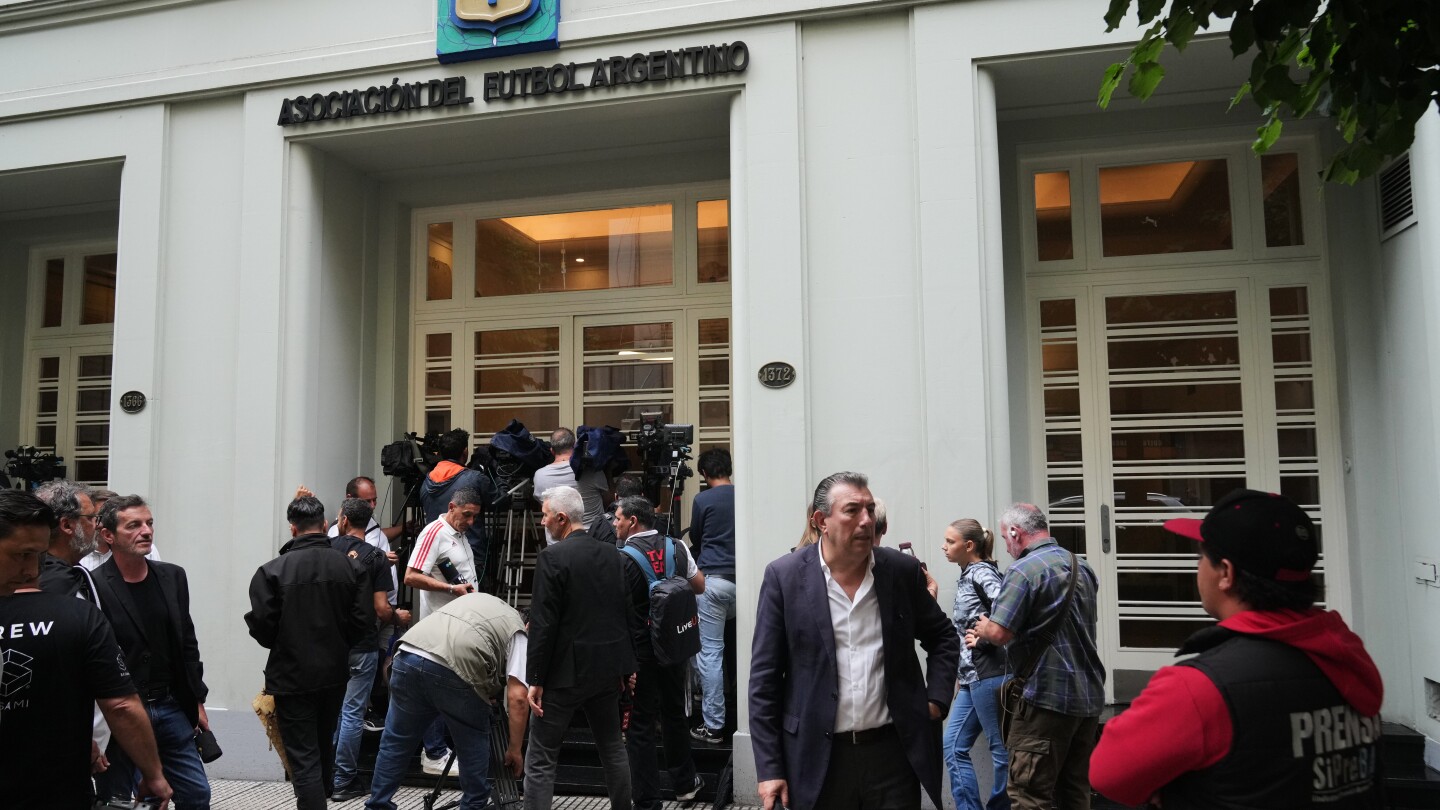
    Argentine football was thrust into a major corruption investigation on Tuesday as federal police executed coordinated raids across the nation’s football establishment. Under the directive of Federal Judge Luis Armella, authorities simultaneously targeted the headquarters of the Argentine Football Association (AFA) and at least 17 first and second division clubs in a sweeping operation.

    The judicial action centers on alleged financial connections to Sur Finanzas, a financial services company currently under investigation for suspected money laundering and tax evasion. The company, owned by Ariel Vallejo, holds sponsorship agreements with AFA tournaments and multiple football clubs across Argentina’s top divisions.

    According to a judicial official with access to the case who spoke anonymously due to lack of authorization, investigators specifically sought contracts between clubs and the financial firm, along with electronic documentation that could reveal financial transactions. The raids extended beyond Buenos Aires to include the AFA’s national team training facilities in Ezeiza, located approximately 40 kilometers from the capital.

    Prominent clubs affected by the operation include football giants Independiente, Racing, and San Lorenzo, alongside Barracas Central—a club founded by Matías Tapia, son of current AFA president Claudio ‘Chiqui’ Tapia. Television broadcasts captured the unusual sight of police officers conducting searches within the offices of the nation’s premier football organization.

    The investigation stems from a formal complaint filed by the Customs Revenue and Control Agency (ARCA) alleging illicit transactions totaling 818 billion pesos (approximately $560 million) through Sur Finanzas. In a notable response, third-division club Excursionistas publicly distanced itself from the investigation, asserting through social media that it maintains “no corporate, financial, or administrative relationship” with the implicated company.

  • Tony Blair ‘dropped’ from Trump’s Gaza ‘board of peace’

    Tony Blair ‘dropped’ from Trump’s Gaza ‘board of peace’

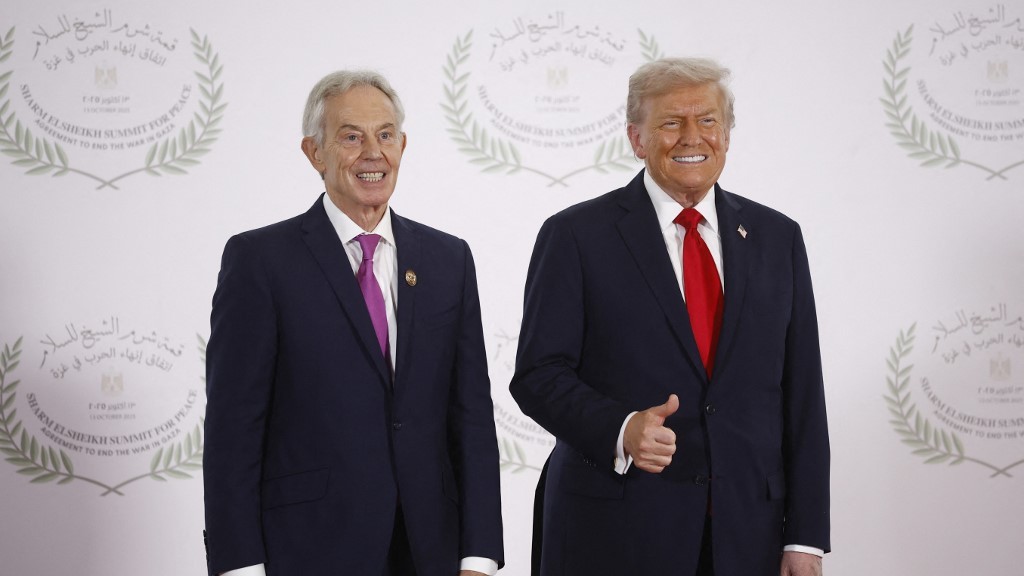
    Former UK Prime Minister Tony Blair has been removed from consideration for a position on a U.S.-led Gaza peace board chaired by President Donald Trump, following significant pressure from Arab and Muslim states. The Financial Times reports that Blair’s controversial legacy in the Middle East—particularly his role in the 2003 Iraq invasion and his criticized tenure as Middle East Peace Envoy—proved too contentious for regional acceptance.

    While the precise structure of this proposed ‘board of peace’ remains undefined, sources indicate it will consist exclusively of serving world leaders, with a subordinate executive board potentially including Blair alongside Trump advisers Jared Kushner and Steve Witkoff. Despite this setback, informed sources suggest Blair may still secure a role in future Gaza governance structures, noting that ‘The Americans like him and the Israelis like him.’

    The development occurs amid ongoing diplomatic efforts to stabilize Gaza. President Trump is scheduled to meet Israeli Prime Minister Benjamin Netanyahu on December 29th to discuss ceasefire implementation and postwar planning. However, substantial disagreements persist regarding Hamas disarmament, Gaza’s future governance, and the composition of an international stabilization force—a key element of Trump’s peace plan that appears to have stalled.

    Meanwhile, the Gaza Government Media Office reports that Israel has committed 738 violations since the October ceasefire announcement, fulfilling less than 40% of its humanitarian obligations and exacerbating the crisis for Palestinians living under blockade and military pressure.