作者: admin

  • Crunch budget vote risks trouble for French PM

    Crunch budget vote risks trouble for French PM

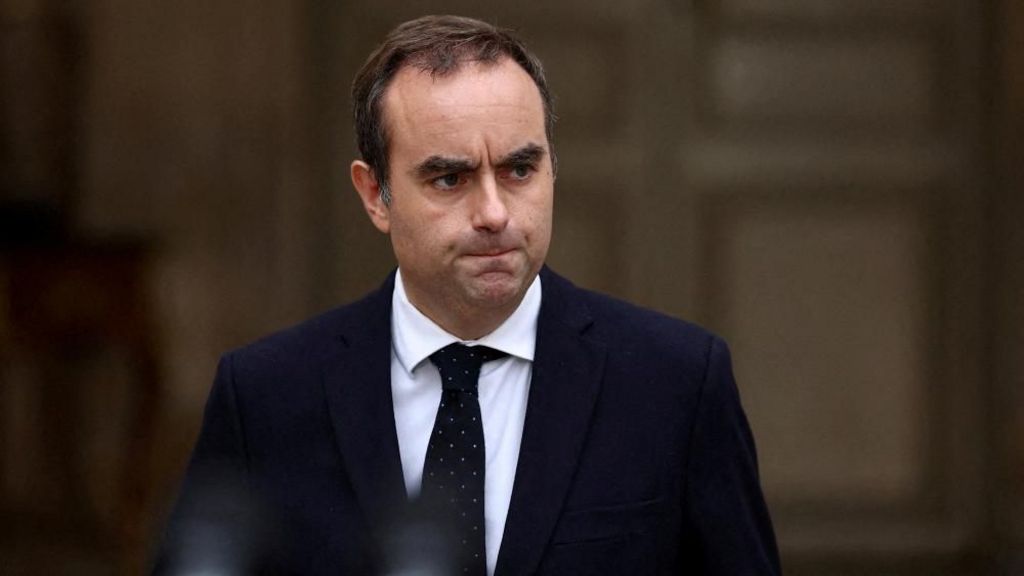
    French Prime Minister Sebastien Lecornu confronts a pivotal political challenge as the National Assembly prepares to vote on the 2026 social security budget this Tuesday. The outcome will serve as a critical indicator for the government’s ability to pass subsequent financial legislation and could potentially undermine Lecornu’s leadership authority.

    Appointed by President Emmanuel Macron in September, Lecornu has dedicated his premiership to navigating complex budget legislation through France’s divided parliament. The National Assembly, fractured since Macron’s June 2024 snap elections, remains split into three nearly equal blocs—center, left, and far-right—with none holding an outright majority.

    In a strategic maneuver to secure passage, Lecornu has made significant concessions to the Socialist Party (PS), which holds approximately 70 seats. These include suspending Macron’s controversial pension reform that would raise the retirement age to 64 and renouncing the use of constitutional article 49-3 to bypass parliamentary approval. Socialist leaders Olivier Faure and Boris Vallaud have acknowledged Lecornu’s compromise efforts and are urging their deputies to support the budget.

    However, these overtures to the left have risked alienating center-right allies, with prominent figures like former Prime Minister Edouard Philippe criticizing the bill’s inadequacy in addressing France’s deteriorating public finances. The parliamentary arithmetic remains exceptionally tight, with the far-right National Rally (140 seats), far-left France Unbowed (71 seats), and smaller left-wing factions (55 seats) all expected to reject the legislation.

    France operates with two distinct budget laws: the social security budget covering healthcare and pensions, and the main budget encompassing all other government expenditures. Both have consistently run substantial deficits for years. If Tuesday’s vote fails, the government would likely implement emergency provisions to maintain operations using 2025 allocations starting January 1st.

    Despite the high stakes, political observers suggest Lecornu is unlikely to resign immediately following a potential defeat. By voluntarily relinquishing the 49-3 option, the Prime Minister has strategically positioned parliament to bear responsibility should the budget legislation collapse.
  • Sudan militia chief sentenced to 20 years for war crimes during Darfur conflict

    Sudan militia chief sentenced to 20 years for war crimes during Darfur conflict

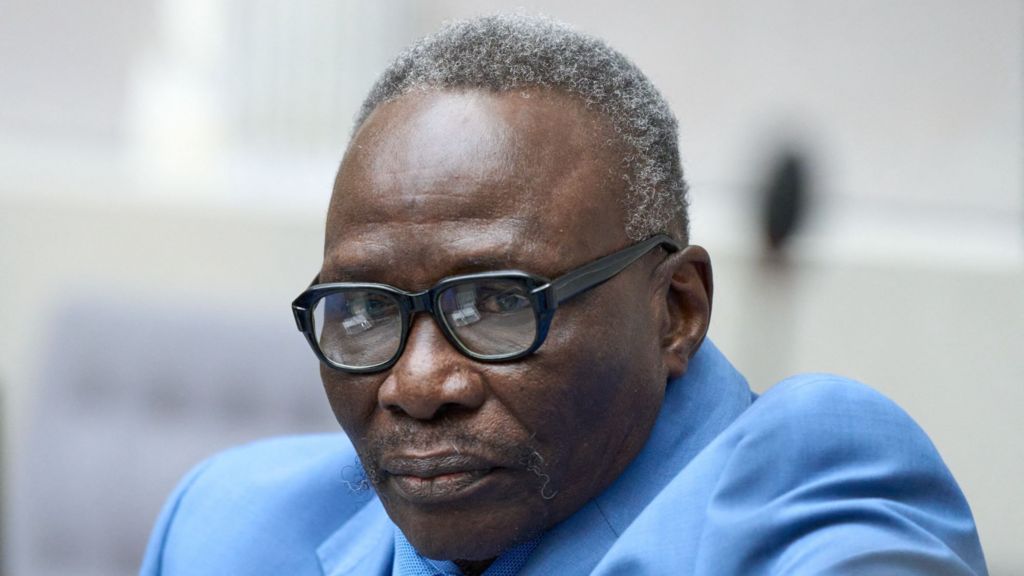
    In a landmark ruling at The Hague, the International Criminal Court (ICC) has imposed a 20-year prison term on Ali Muhammad Ali Abd-Al-Rahman, the notorious Sudanese militia commander commonly known as Ali Kushayb. The 76-year-old former Janjaweed leader received his sentence from Presiding Judge Joanna Korner on Tuesday, marking the first ICC conviction specifically addressing atrocities committed during Sudan’s prolonged civil conflict.

    The conviction stems from Kushayb’s October guilty verdict on 27 separate counts encompassing both war crimes and crimes against humanity. These charges specifically relate to systematic attacks conducted between 2003-2004 in Darfur, where government-backed Janjaweed militias orchestrated what international observers characterized as ethnic cleansing against non-Arab populations.

    During sentencing proceedings, Judge Korner detailed how Kushayb not only issued direct orders resulting in mass atrocities but personally participated in their execution. Survivor testimonies presented during the trial described villages systematically burned, males summarily executed, and women forced into sexual slavery under Kushayb’s command. The presiding judge specifically noted his instructions to subordinates to ‘wipe out and sweep away’ non-Arab tribes and to ‘bring no one alive.’

    This sentencing occurs against the troubling backdrop of renewed violence in Darfur, where many former Janjaweed combatants have now joined the Rapid Support Forces (RSF) paramilitary group. Current conflict between the RSF and Sudan’s national army has reignited patterns of systematic violence against civilian populations, with multiple international entities including the US and UK accusing RSF forces of continuing ethnic cleansing campaigns.

    Dr. Matthew Benson-Strohmayer, Sudan Research Director at the London School of Economics, observed that despite the symbolic importance of Kushayb’s conviction, the cyclical nature of violence in Darfur continues largely unabated. The region remains embroiled in what he characterized as ‘a war of terror’ employing similar tactics of militia mobilization and sexual violence as tools of warfare.

    While the ICC emphasized that Kushayb’s sentence serves both retributive and deterrent purposes, outstanding arrest warrants for other Sudanese officials—including ousted President Omar al-Bashir—remain unexecuted. Most victims of the initial Darfur conflict continue living in displacement camps, their plight compounded by renewed violence that echoes the very atrocities for which Kushayb has now been condemned.

  • Eastern aesthetics meets the world: Shen Wei

    Eastern aesthetics meets the world: Shen Wei

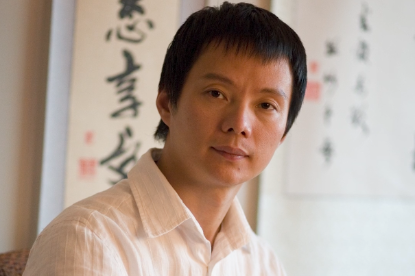
    Shen Wei, the creative mastermind behind the Beijing Olympics opening ceremony, has emerged as a transformative force in contemporary arts, seamlessly merging Eastern artistic traditions with Western performance disciplines. This MacArthur Fellowship recipient and American Dance Festival lifetime achievement award winner has redefined how Eastern aesthetics are perceived on the global stage.

    As both choreographer and visual artist, Shen Wei has developed a distinctive artistic language that demonstrates how traditional Eastern beauty concepts can evolve into compelling contemporary expressions. His groundbreaking work proves that cultural specificity, when executed with artistic excellence, possesses universal resonance across geographical and cultural boundaries.

    Through his innovative productions, Shen has challenged conventional perceptions of Eastern art as static or historical, instead presenting it as dynamic, emotionally expressive, and thoroughly modern. His recognition by prestigious Western institutions signifies a meaningful shift in global arts appreciation, where Eastern artistic perspectives are not merely exhibited but celebrated as vital contributions to contemporary dialogue.

    The artist’s cross-cultural impact extends beyond performance venues, influencing how cultural exchange is conceptualized in the global arts community. By maintaining the integrity of Eastern aesthetic principles while embracing contemporary expressive forms, Shen Wei has created a new paradigm for cultural dialogue through artistic innovation.

  • US secretary of defense: No intention to change Taiwan status quo

    US secretary of defense: No intention to change Taiwan status quo

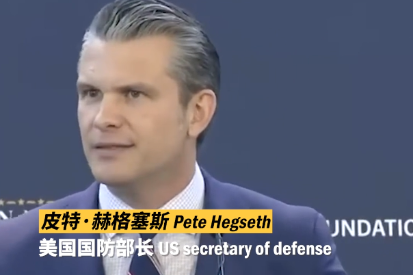
    United States Secretary of Defense Pete Hegseth has publicly reaffirmed Washington’s longstanding position regarding Taiwan during his address at the Reagan National Defense Forum on December 6. Speaking before military leaders and defense experts, Hegseth emphasized that the United States maintains no intention to alter the established status quo concerning the Taiwan question.

    The defense secretary’s comments came amid discussions about China’s ongoing military modernization efforts, which have drawn international attention. Hegseth acknowledged these developments while simultaneously stressing the consistency of American policy toward the island territory.

    This reaffirmation represents the Biden administration’s continued adherence to the One-China policy, which has formed the bedrock of Sino-American diplomatic relations since the 1970s. The policy recognizes Beijing as the sole legitimate government of China while maintaining unofficial ties with Taiwan.

    Hegseth’s statement aligns with recent diplomatic efforts to maintain stability in the Taiwan Strait, where military tensions have occasionally flared. The defense secretary’s remarks appear designed to provide clarity regarding US intentions while acknowledging regional security concerns.

    The Reagan National Defense Forum serves as a significant platform for US defense policy announcements and discussions, making Hegseth’s comments particularly noteworthy. His address highlighted the delicate balance the United States maintains in supporting Taiwan’s self-defense capabilities while avoiding actions that might escalate cross-strait tensions.

  • Does Japan’s megaquake warning mean the ‘big one’ is coming?

    Does Japan’s megaquake warning mean the ‘big one’ is coming?

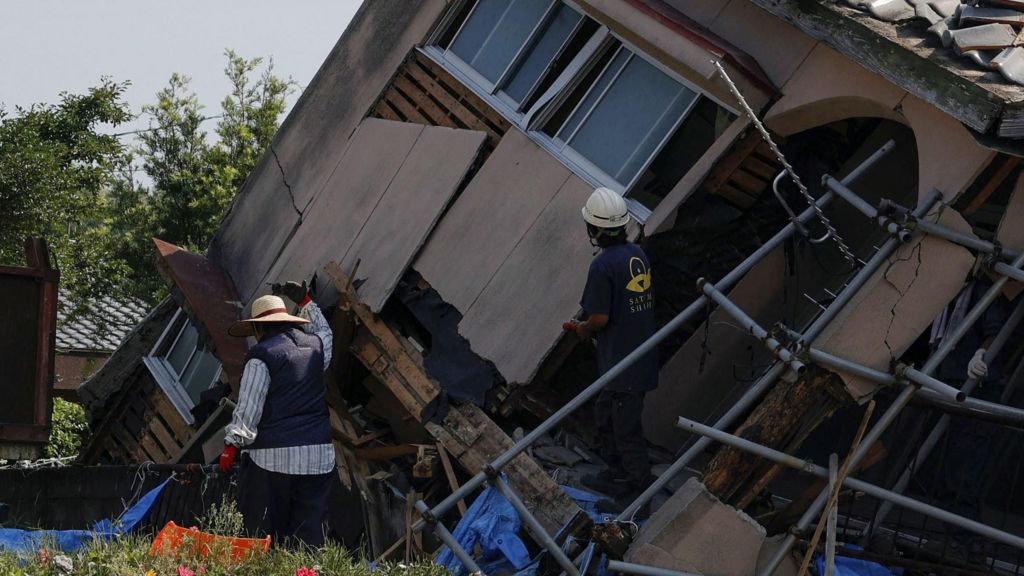
    Japanese authorities have escalated warnings about a potential catastrophic earthquake following Monday’s magnitude 7.5 tremor that struck northeastern Japan. This alert marks the second such warning in under two years, reviving concerns about the anticipated ‘big one’—a seismic event projected to occur once every century.

    According to Japan’s earthquake investigation panel, there is a 60-90% probability that a megaquake could originate from the Nankai Trough within the next three decades. This seismic zone extends along Japan’s Pacific coastline and has historically generated devastating earthquakes. Officials have projected worst-case scenarios including tsunamis exceeding 20 meters (66 feet) that could inundate Tokyo and surrounding prefectures, potentially resulting in approximately 300,000 fatalities and trillions of dollars in economic devastation.

    Residents across seven prefectures—from Hokkaido in the north to Chiba in central Japan—have been instructed to maintain heightened preparedness. While no formal evacuation orders have been issued, authorities are urging citizens to verify evacuation routes, secure household furniture, and assemble emergency supplies including food, water, and portable sanitation facilities.

    Government seismologists indicate that there is approximately a 1% chance that Monday’s earthquake could trigger a subsequent magnitude 8.0 or larger event. Takashi Yokota, Japan’s director for disaster management, emphasized during a press briefing that current global seismic data suggests a possibility rather than a prediction of an imminent major tremor.

    The Nankai Trough’s seismic history provides sobering context. This subduction zone between Suruga Bay and the Hyuganada Sea has generated catastrophic earthquakes approximately every century, often occurring in pairs. The most recent events in 1944 and 1946 resulted in significant destruction, while the 1707 rupture along the trough’s entire 600-kilometer length triggered Japan’s second-largest recorded earthquake and subsequent Mount Fuji eruption.

    Seismological experts remain divided on prediction capabilities. Geologists Kyle Bradley and Judith Hubbard describe the Nankai Trough’s historical pattern as ‘convincingly scary,’ while University of Tokyo Professor Emeritus Robert Geller maintains that earthquake warnings have ‘almost nothing to do with science,’ noting that only about 5% of earthquakes are preceded by detectable foreshocks.

    Japan’s current warning system, developed after the catastrophic 2011 magnitude 9.0 earthquake that killed over 18,000 people, was first implemented in August 2024. The Japan Meteorological Agency continues to balance public awareness with caution, stating that while earthquake probability is elevated, ‘this is not an indication that a major earthquake will definitely occur.’

  • EU investigates Google over AI-generated summaries in search results

    EU investigates Google over AI-generated summaries in search results

    The European Commission has initiated a formal investigation into Google’s artificial intelligence systems, marking a significant escalation in regulatory scrutiny of AI development practices. The probe centers on whether the tech giant improperly utilized content from websites and YouTube videos to train its AI models without providing adequate compensation or opt-out mechanisms to content creators.

    The investigation will specifically examine Google’s AI Overview feature, which displays AI-generated summaries above traditional search results, and its conversational AI Mode that provides ChatGPT-style responses. Regulators expressed concern that these innovations may be diverting traffic from original content sources, potentially devastating publishers who rely on advertising revenue. The Daily Mail reported a 50% decline in click-through rates since the implementation of AI Overviews.

    Commission executive vice-president Teresa Ribera emphasized that while AI brings ‘remarkable innovation’ and benefits, its development must not compromise European values or creative ecosystems. ‘A free and democratic society depends on diverse media, open access to information, and a vibrant creative landscape,’ she stated.

    Google responded that the investigation ‘risks stifling innovation in a market that is more competitive than ever,’ adding that Europeans deserve access to cutting-edge technologies. The company pledged continued collaboration with news and creative industries during the AI transition.

    AI ethics advocates welcomed the probe. Ed Newton-Rex of Fairly Trained noted that content creators face ‘career suicide’ if they avoid publishing online, yet Google essentially requires them to permit their work to train competing AI systems. He called the investigation ‘critically timed’ for global creators.

    The outcome could have far-reaching implications for how tech companies train AI models using publicly available content, potentially establishing new precedents for compensation and consent in the digital era.

  • German leader says US strategy shows the need for more European security independence

    German leader says US strategy shows the need for more European security independence

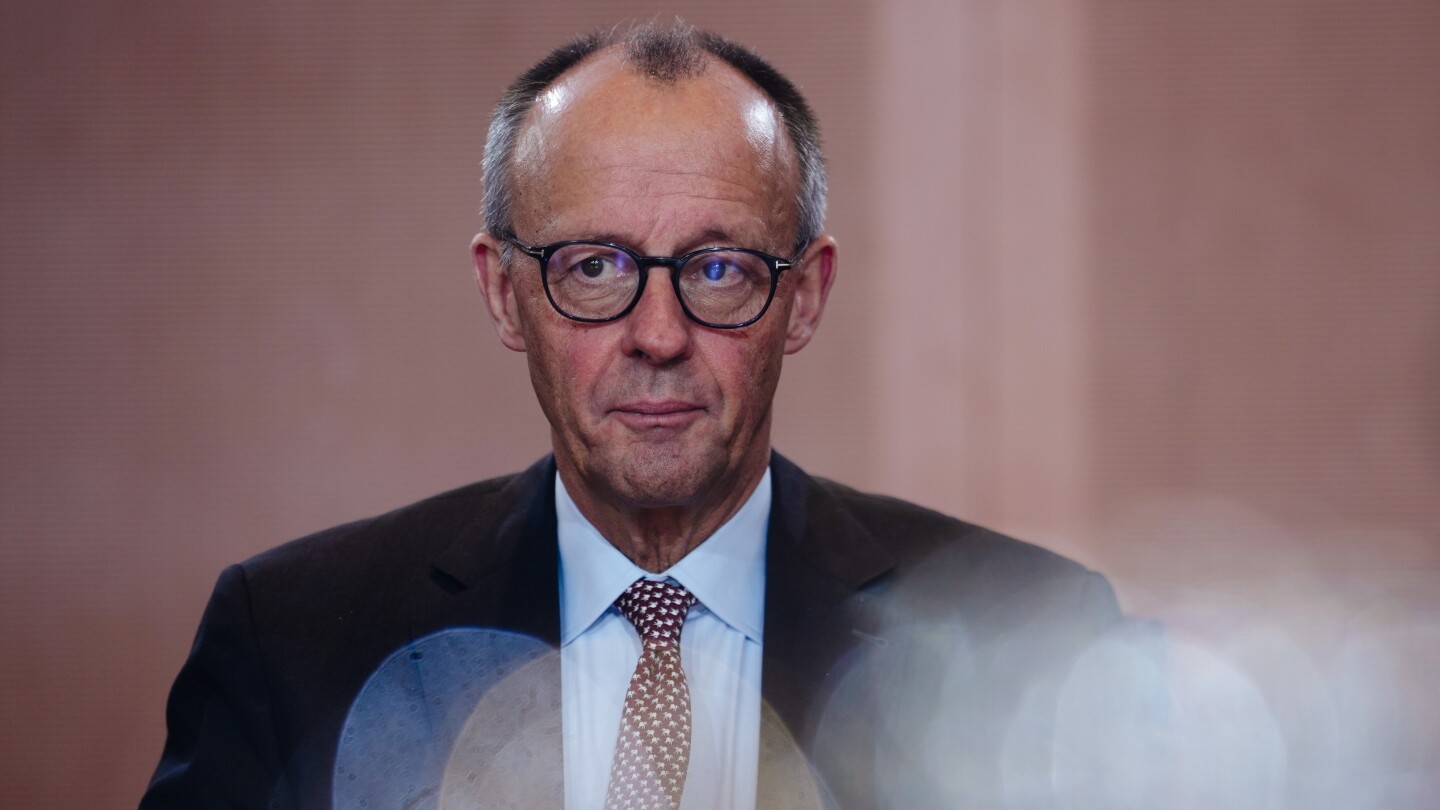
    BERLIN — German Chancellor Friedrich Merz declared on Tuesday that Europe must pursue significantly greater autonomy in security policy, responding to what he characterized as unacceptable elements within the Trump administration’s newly published national security strategy. The document, released Friday, has drawn sharp criticism for its portrayal of European allies as weakened and its perceived endorsement of far-right political movements across the continent.

    Merz, leader of the European Union’s most populous nation and largest economy, expressed particular concern over the strategy’s critical stance on European free speech and migration policies. His comments followed Monday’s warning from European Council President António Costa against U.S. interference in European governance matters, emphasizing that only European citizens should determine their political leadership.

    While acknowledging portions of the U.S. strategy as understandable, Merz stated that certain aspects remained unacceptable from a European perspective. He firmly rejected the notion that European democracy required American salvation, asserting that European nations possessed both the capability and responsibility to safeguard their democratic institutions independently.

    The chancellor revealed that the strategy’s content aligned substantially with Vice President JD Vance’s February address to European allies in Munich, which Merz said had profoundly influenced his thinking on defense matters. This awakening, he noted, had already manifested in Germany’s increased defense expenditures.

    Since assuming office in May, Merz’s government has implemented significant fiscal policy changes to enable enhanced military spending. By relaxing strict debt regulations, Germany has accelerated its military modernization initiative—a process ongoing since Russia’s full-scale invasion of Ukraine in 2022. This development occurred alongside NATO members’ agreement to substantially increase defense spending targets during June’s alliance meeting, following pressure from President Donald Trump.

    Merz concluded with a diplomatic overture to American leadership: “While ‘America first’ remains acceptable, ‘America alone’ cannot serve U.S. interests. Global partnerships remain essential, and Europe—or at minimum Germany—should stand among these crucial allies.”

  • Jakarta office fire kills at least 22, police confirm

    Jakarta office fire kills at least 22, police confirm

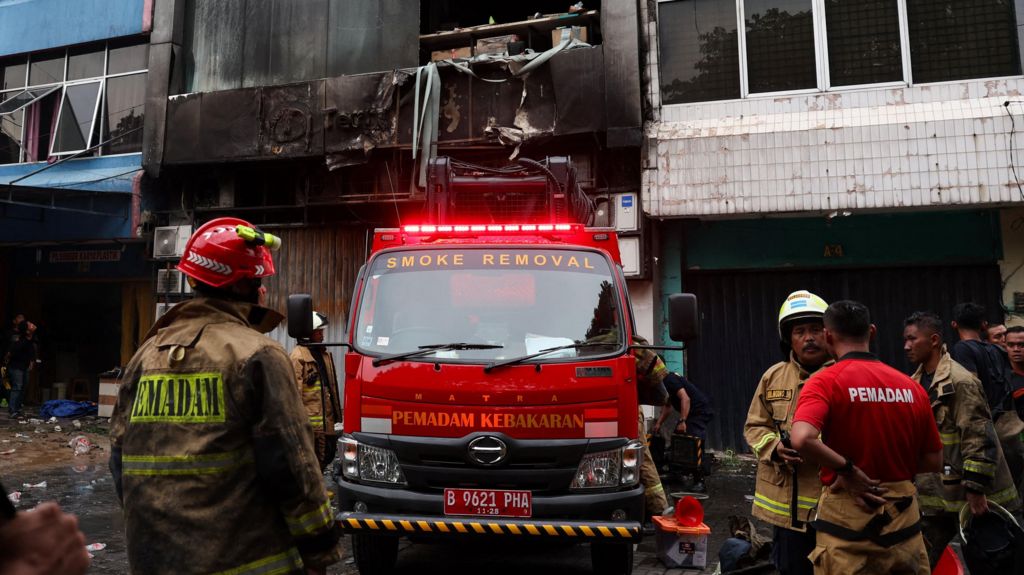
    A devastating fire erupted at a seven-story commercial building in central Jakarta on Tuesday afternoon, resulting in at least 22 fatalities as rescue operations continue. The tragedy struck during lunch hour when numerous employees were present inside the structure.

    Jakarta Police Chief Susatyo Purnomo Condro confirmed the blaze originated from a lithium battery explosion on the ground floor before rapidly ascending through the building’s upper levels. The property housed a drone manufacturing and services company that specializes in aerial surveying, mapping, and industrial inspections.

    Authorities reported a disproportionate number of female victims among the deceased, including one pregnant woman. Preliminary investigations suggest smoke inhalation rather than burns caused most fatalities, as thick toxic fumes quickly filled the upper floors where many workers became trapped.

    Fire and rescue services deployed 28 fire engines and approximately 100 personnel to combat the intense blaze. Dramatic rescue operations unfolded as firefighters used aerial ladders to evacuate stranded employees from smoke-engulfed windows. Despite extinguishing the flames, emergency teams face significant challenges accessing the sixth floor where structural integrity remains compromised.

    The Jakarta Globe reported rescue teams have completed initial sweeps of lower floors and are now concentrating search efforts on upper levels. Identification procedures for recovered victims are underway while authorities continue gathering comprehensive casualty data.

    The incident highlights growing concerns about lithium battery safety in commercial settings, particularly in buildings housing technology companies. This represents one of Jakarta’s deadliest office building fires in recent years, raising questions about emergency preparedness and safety protocols in Indonesian commercial structures.

  • China deploys 15th batch of internet satellites into orbit

    China deploys 15th batch of internet satellites into orbit

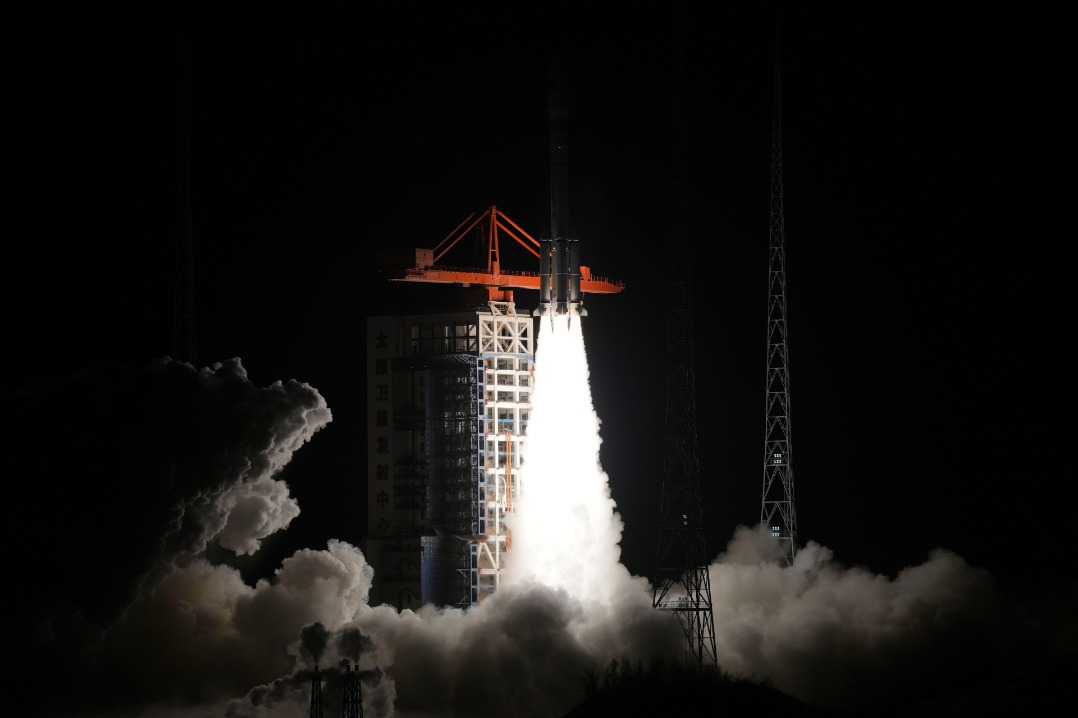
    China has successfully launched its fifteenth cluster of low-orbit internet satellites, marking another significant advancement in its ambitious space-based connectivity initiative. The deployment occurred at 6:11 am Beijing Time on December 9, 2025, utilizing a modified Long March 6A carrier rocket from the Taiyuan Satellite Launch Center in Shanxi province.

    The China Aerospace Science and Technology Corp (CASC), the nation’s primary state-owned space contractor, confirmed the satellites successfully reached their predetermined orbital trajectories shortly after launch. This latest batch of satellites was engineered and manufactured by the China Academy of Space Technology, a Beijing-based subsidiary of CASC.

    With this successful mission, China’s state-operated mega constellation now exceeds 110 satellites in orbit, substantially enhancing the network’s coverage and capacity for global internet services. The Long March 6A medium-lift launch vehicle, developed by the Shanghai Academy of Spaceflight Technology, features a sophisticated design incorporating a 50-meter liquid-propelled core booster augmented by four solid-fuel side boosters. Weighing 530 metric tons at liftoff, this versatile rocket platform is capable of delivering payloads to various orbital configurations including sun-synchronous, low-Earth, and intermediate circular orbits.

    This launch represents multiple milestones: the 81st Chinese space mission of the year and the 613th overall flight for the Long March rocket series. Notably, this mission marks the fifth utilization of the Long March 6A variant specifically dedicated to expanding China’s orbital internet infrastructure, demonstrating the country’s growing proficiency in frequent and reliable space deployments.

  • Burkina Faso accuses Nigerian Air Force of violating its airspace

    Burkina Faso accuses Nigerian Air Force of violating its airspace

    A diplomatic crisis has emerged in West Africa following the detention of eleven Nigerian military officers in Burkina Faso after their aircraft made an unscheduled landing. The incident occurred when a Nigerian Air Force C-130 transport plane experienced technical difficulties while en route to Portugal, forcing an emergency landing at Bobo-Dioulasso airfield in western Burkina Faso on Monday.

    Contradictory narratives have surfaced regarding the circumstances. Nigerian authorities maintain the landing was a necessary safety procedure due to aircraft malfunction, with crew members receiving ‘cordial treatment’ from host authorities. However, the Alliance of Sahel States (AES) – a coalition comprising Burkina Faso, Mali, and Niger – claims the aircraft entered Burkinabè airspace without authorization, characterizing the incident as an ‘unfriendly act.’

    The AES joint statement revealed that an immediate investigation confirmed the violation of airspace protocols, prompting the three nations to place their air forces on maximum alert with authorization to ‘neutralize any aircraft’ violating their collective airspace. According to the alliance, the aircraft carried two crew members and nine passengers, all identified as military officers.

    This incident occurs against a backdrop of regional tensions following recent political developments. Nigeria recently led an ECOWAS mission to Benin following an attempted coup, deploying jets and troops to suppress the mutiny. The detained aircraft’s mission to Portugal remains unclear, though Nigerian officials stated plans were underway to resume the journey as scheduled.

    The confrontation highlights deepening fractures within West African regional politics. Burkina Faso, Mali, and Niger have all withdrawn from ECOWAS earlier this year, citing political and security grievances, while simultaneously distancing themselves from Western powers and strengthening ties with Russia. This incident represents the first significant military confrontation between the newly formed AES alliance and ECOWAS leadership under Nigeria.