作者: admin

  • Japanese call for retraction by Takaichi

    Japanese call for retraction by Takaichi

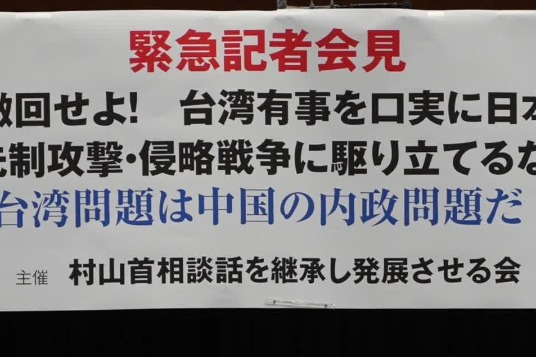
    A coalition of prominent Japanese scholars, former government officials, and legal experts has publicly demanded Prime Minister Sanae Takaichi immediately retract her controversial statements regarding China’s Taiwan region. The group warns that her parliamentary comments not only violate foundational postwar agreements but also risk reviving militaristic tendencies in Japanese policy.

    The critics, speaking at a Monday news conference organized by the Association for Inheriting and Propagating the Murayama Statement, emphasized that Takaichi’s remarks represent a dramatic departure from Japan’s longstanding diplomatic position. They specifically cited violations of the 1972 China-Japan Joint Statement and postwar international agreements that have governed Tokyo-Beijing relations for decades.

    International relations scholar and former diplomat Kazuhiko Togo underscored that Taiwan-related commitments in the 1972 agreement resulted from rigorous bilateral negotiations, and China has consistently expected Japanese adherence to these terms.

    The Association, established in 2013 to promote reflection on Japan’s wartime aggression and colonial history, expressed particular concern through its secretary-general Takakage Fujita. He stated that Takaichi’s suggestions regarding potential Japanese military response to a ‘Taiwan contingency’ marked the first time a sitting prime minister has openly discussed wartime postures in parliament, fundamentally contradicting Japan’s postwar peace commitments.

    Political economist Kazuhiko Uekusa highlighted the administration’s contradictory stance, noting that Takaichi initially claimed her November 7 remarks didn’t represent official government policy before later asserting they aligned with Japan’s established diplomatic position.

    Opposition leaders have joined the criticism, with Social Democratic Party leader Mizuho Fukushima declaring the Prime Minister’s comments on ‘survival-threatening situations’ unconstitutional during a Sunday meeting in Fukushima. Fukushima demanded both retraction and resignation according to Mainichi Shimbun reports.

    Experts warn that Takaichi’s security agenda—including defense budget increases for ‘enemy base strike capabilities,’ arms export rule revisions, and proposed intelligence legislation—collectively pushes Japan toward dangerous confrontation and unchecked military expansion. Professor Emeritus Masakatsu Adachi cautioned that these moves effectively strengthen domestic information control while pushing the nation ‘toward war.’

  • Sudan’s Heglig: Why the oil field taken by the RSF matters

    Sudan’s Heglig: Why the oil field taken by the RSF matters

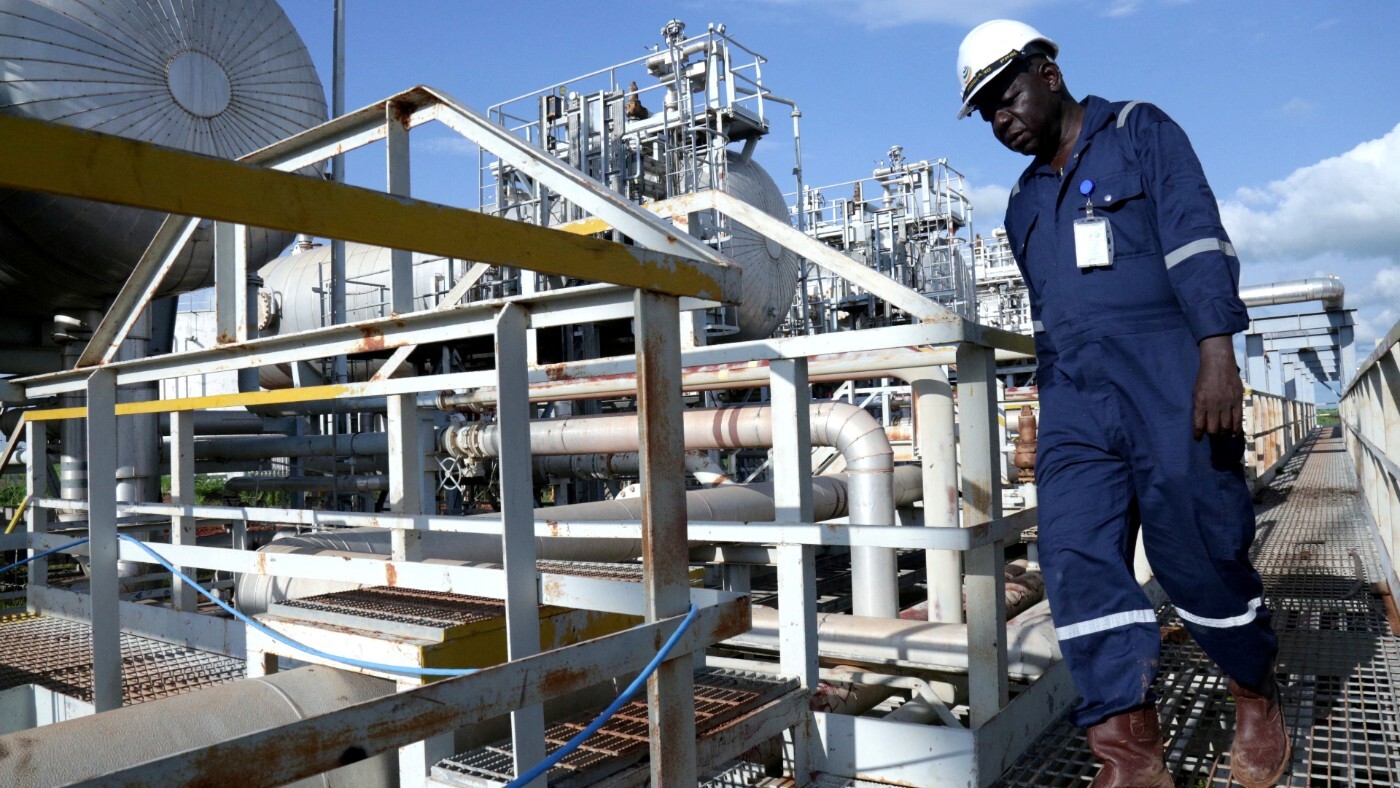
    In a significant escalation of Sudan’s ongoing civil conflict, paramilitary Rapid Support Forces (RSF) have captured the nation’s largest oil field at Heglig, consolidating control over resource-rich southern territories previously held by the Sudanese Armed Forces (SAF). This strategic victory grants the RSF command over critical infrastructure including approximately 75 wells, processing stations, and a vital segment of the 1,600km Greater Nile Oil Pipeline that exports crude to international markets via Port Sudan.

    The capture represents both military and economic transformation in the conflict. Militarily, it opens a corridor toward el-Obeid and potentially back to Khartoum, while economically it provides the RSF with substantial revenue streams through control of oil transfer nodes and refineries. Conflict analyst Emadeddin Badi notes this development enables the RSF to replicate the model of UAE-backed Libyan commander Khalifa Haftar, using oil infrastructure as bargaining leverage and military financing.

    International dimensions complicate the situation, with the United Arab Emirates facing persistent allegations of supplying the RSF despite official denials. The involvement of South Sudanese forces further illustrates the conflict’s regional complexity, as the landlocked nation depends heavily on the pipeline for its oil exports. South Sudanese soldiers were documented facilitating the RSF’s takeover after the SAF’s 90th infantry brigade withdrew following negotiations with local groups.

    The RSF’s advancement effectively bifurcates Sudan, with the army retaining northern, eastern and central regions while the RSF controls western and substantial southern territories. This division raises concerns about potential long-term partition, though analysts note key differences with Libya’s situation, particularly regarding coastal access and bureaucratic infrastructure.

    Production at Heglig has been suspended following the takeover, with engineers evacuating to South Sudan. The facility previously processed approximately 130,000 barrels daily of South Sudanese crude alongside its own 40,000-barrel production, representing a crucial component of both nations’ economies that now falls under paramilitary control.

  • Watch: Ozzy the dog sets Guinness World record for longest canine tongue

    Watch: Ozzy the dog sets Guinness World record for longest canine tongue

    An Oklahoma City mastiff mix named Ozzy has officially licked the competition, securing a coveted place in the Guinness World Records. The distinguished title for the longest tongue on a living dog now belongs to him, with an official measurement of 7.83 inches (19.89 centimeters). This impressive feat surpasses the previous record, cementing Ozzy’s unique status in the animal kingdom.

    The monumental measurement was conducted with meticulous precision by a certified veterinarian to ensure compliance with the strict Guinness guidelines. Ozzy’s owners expressed immense pride and delight in their pet’s extraordinary physical attribute, which has been a source of local fascination and now gains global recognition. The achievement highlights the fascinating diversity found within the canine world and celebrates the exceptional traits that make every pet special.

  • Prosecutors release bodycam footage of moment police confront Luigi Mangione

    Prosecutors release bodycam footage of moment police confront Luigi Mangione

    A critical legal proceeding is unfolding in Manhattan’s Supreme Criminal Court, centering on the arrest of Luigi Mangione, who stands accused of murdering United Healthcare CEO Brian Thompson. The case took a significant turn as prosecutors released body camera footage from Mangione’s apprehension at a Pennsylvania McDonald’s exactly one year prior.

    The recently unveiled video depicts two police officers approaching Mangione, who was seated wearing a medical mask. The officers requested identification and asked him to lower his mask, to which he complied. When questioned about his identity, Mangione allegedly provided false names, responding with ‘Mark’ and ‘Mark Rosario.’ The officers explained they were investigating a suspicious person report before examining his identification.

    Defense attorney Karen Friedman Agnifilo is leading a vigorous challenge against the evidence collected during this encounter. The defense contends that law enforcement officers failed to properly administer Miranda rights before the arrest and conducted warrantless searches of Mangione’s belongings. These constitutional violations, if proven, could potentially exclude crucial evidence from any future trial.

    Testimony from Patrolman Stephen Fox revealed additional details about the case. Fox acknowledged participating in the backpack search at McDonald’s and recounted Mangione’s unusual behavior during arraignment proceedings. According to Fox’s testimony, Mangione referenced himself as a ‘mass murderer’ when noticing assembled reporters and later commented about adjusting to restraints after tripping while exiting the courtroom.

    The court has reviewed multiple evidentiary items, including personal writings from Mangione’s notebook. The outcome of these hearings, presided over by Justice Gregory Carro, will significantly impact the prosecution’s case by determining which evidence may be presented to a jury.

  • US State Department revoked at least 85,000 visas in 2025: Report

    US State Department revoked at least 85,000 visas in 2025: Report

    The United States Department of State has nullified more than 85,000 visas across all categories within a single year, according to a CNN report published Tuesday. This figure represents a substantial increase, more than doubling the revocation count from the previous year under the Biden administration.

    An anonymous State Department official disclosed that nearly half of these revocations were linked to criminal offenses, including driving under the influence, assault, and theft. A more recent, smaller batch of visa cancellations targeted individuals who allegedly celebrated the death of right-wing political activist Charlie Kirk.

    Approximately 10% of the revoked visas, totaling over 8,000, belonged to international students. A significant point of contention involves students targeted for their campus activism, particularly regarding Israel’s military operations in Gaza. This action finds its basis in a January 29 executive order that authorizes measures against “alien students” perceived as antisemitic. Notable cases include students like Ranjani Srinivasan and Rumeysa Ozturk, who faced deportation proceedings for their pro-Palestine advocacy. Critics argue such deportations violate First Amendment rights, and many students have successfully contested these actions in legal challenges.

    The scope of scrutiny extends beyond current visa holders. Since June, prospective student visa applicants have reported intensified vetting of their political views. Broader immigration policy shifts include plans for enhanced screening of H1-B visa holders, re-interviewing refugees admitted under the previous administration, and expanding the list of nations subject to travel bans. Furthermore, the administration has increased H-1B visa fees to deter foreign nationals seeking U.S. employment.

    These developments align with a central pillar of President Trump’s agenda, which has consistently focused on restricting immigration. Key policies include the refinement of the so-called Muslim Ban, a sharp reduction in refugee admissions, a significant drop in border entries, and accelerated deportation efforts targeting undocumented immigrants. The administration has also attempted to revoke Temporary Protected Status (TPS) for nationals from countries like Afghanistan and Syria, who were originally granted reprieve due to civil unrest or natural disasters.

    The State Department did not respond to a request for comment from Middle East Eye by the time of publication.

  • Hamas proposes long-term ceasefire if Israel fully withdraws from Gaza

    Hamas proposes long-term ceasefire if Israel fully withdraws from Gaza

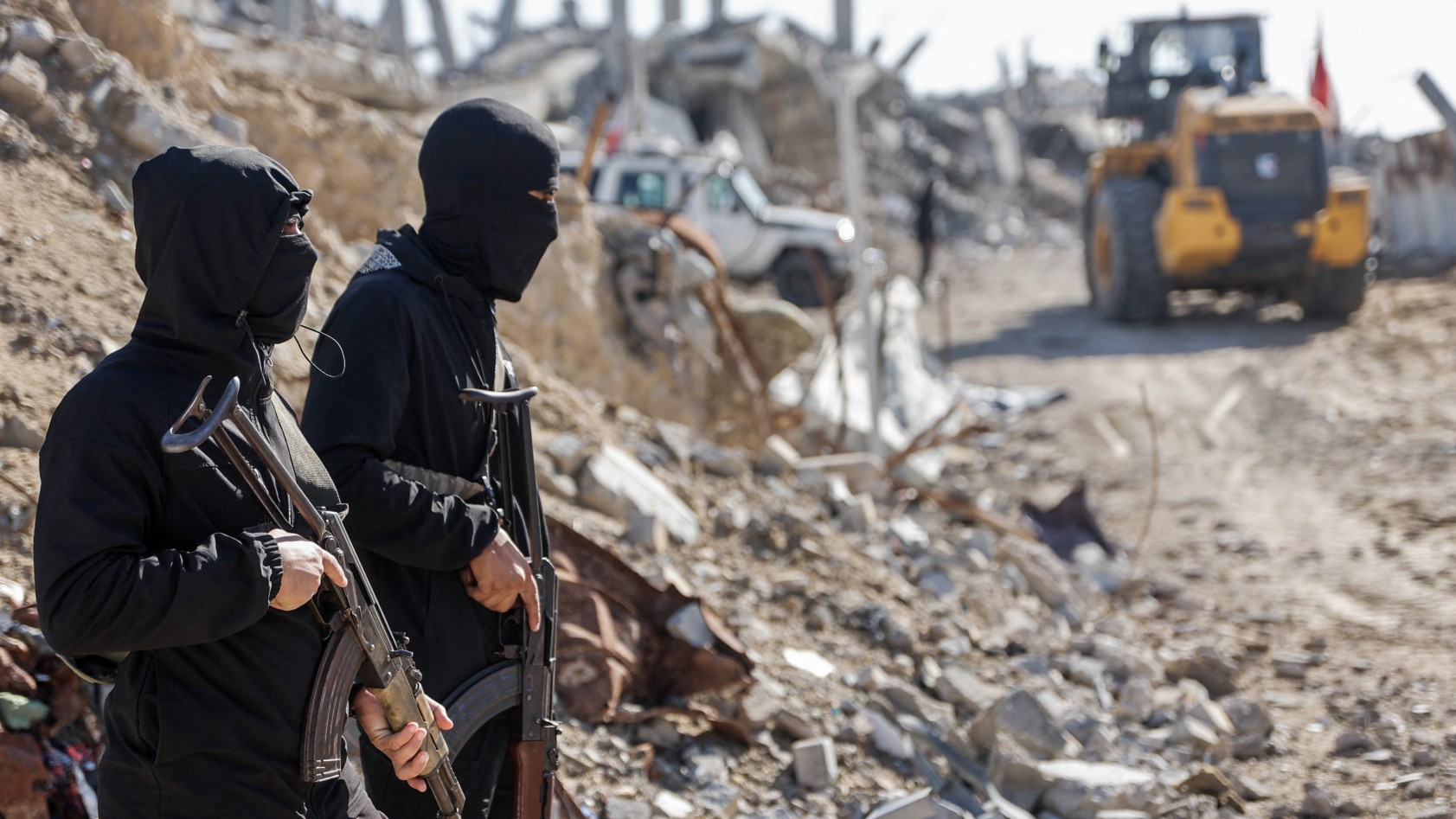
    In a significant diplomatic development, Hamas has communicated to international mediators its readiness to suspend all offensive operations against Israel for a period of up to ten years, contingent upon a complete Israeli military withdrawal from the Gaza Strip. A senior Palestinian official, speaking anonymously due to the sensitive nature of the discussions, confirmed to Middle East Eye that the proposal was formally presented to Egyptian, Qatari, and Turkish mediators during negotiations in Cairo last week.

    The proposal outlines a comprehensive hudna—a long-term truce rooted in Islamic tradition—wherein Hamas commits to ceasing all weapons fire from Gaza and would physically bury its arsenal to demonstrate compliance. Mediating nations would serve as guarantors, directly supervising Hamas’s adherence to the agreement. This offer, described by the official as a ‘substantive move,’ is intended to inject momentum into the stalled ceasefire negotiations and would allow Gaza to focus exclusively on its immense reconstruction needs and internal governance after more than two years of devastating conflict, displacement, and siege.

    This position marks a notable evolution from Hamas’s long-standing doctrine, which has historically insisted on retaining its weapons until the establishment of a fully sovereign Palestinian state. The current offer, however, is specifically confined to the Gaza theatre and does not address the group’s military or political activities in the occupied West Bank.

    The official cited a shifting regional diplomatic landscape, particularly a perceived change in Egypt’s stance toward favoring the needs of Gazans, as a factor enabling this proposal. This includes Cairo’s insistence on the Rafah border crossing operating in both directions to allow for the return of displaced Palestinians, a move Israel has thus far blocked.

    Despite a ceasefire being in effect since October, the situation remains precarious. Palestinian authorities have documented over 600 Israeli violations, including air strikes that have killed hundreds. While Israel has released thousands of detainees, it continues to hold senior Palestinian figures under conditions criticized by human rights groups.

    The official acknowledged the agreement’s imperfections from Hamas’s perspective, stating, ‘Of course Hamas thinks the agreement is not good. But its first priority was to stop the war.’ He conceded the truce is in a ‘very difficult stage,’ but emphasized a strategic decision to prioritize saving Palestinian lives and dealing with other issues subsequently. The official concluded with a defiant tone, stating that ultimately, the Palestinian people depend only on themselves and their unwavering struggle to achieve their rights.

  • China, US should lengthen list of cooperation, shorten list of problems: Chinese vice premier

    China, US should lengthen list of cooperation, shorten list of problems: Chinese vice premier

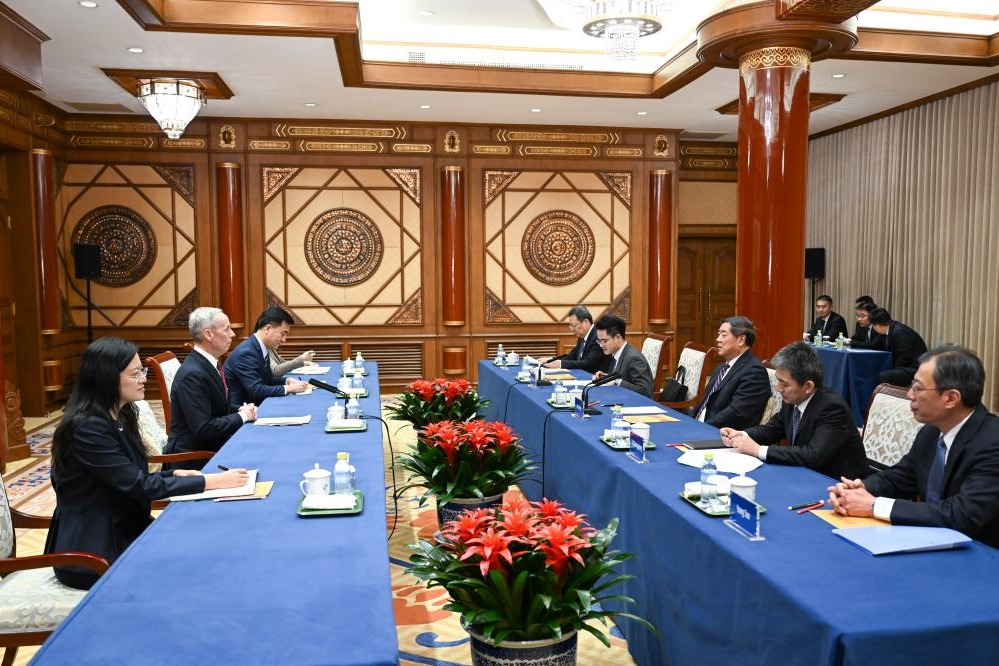
    In a significant diplomatic engagement, Chinese Vice Premier He Lifeng articulated Beijing’s vision for enhanced Sino-American relations during a high-level meeting in Beijing on December 9, 2025. The senior Chinese official emphasized the critical need for both nations to systematically expand their collaborative initiatives while concurrently reducing areas of contention.

    During his discussion with Craig Allen, Senior Counselor at the Cohen Group, Vice Premier He highlighted the substantial progress achieved through recent diplomatic channels. He specifically referenced multiple telephone exchanges between the heads of state and their successful bilateral meeting in Busan, South Korea, which yielded important mutual understandings that have paved the way for constructive engagement.

    The Chinese leadership underscored the importance of maintaining cooperative momentum under the strategic direction established by both nations’ top executives. This diplomatic overture coincides with China’s impending implementation of its 15th Five-Year Plan (2026-2030), during which the country pledges to deepen its high-standard opening-up policies. Vice Premier He extended formal invitations to American enterprises to increase investment and commercial operations within China, positioning such economic integration as fundamental to stable and sustainable bilateral trade relations.

    In reciprocal dialogue, Mr. Allen expressed his organization’s commitment to facilitating strengthened economic and trade cooperation between the world’s two largest economies, indicating willingness to serve as a diplomatic bridge for enhanced mutual understanding and commercial exchange.

  • ‘What’s your name?’ – Moment police confront Luigi Mangione at McDonald’s

    ‘What’s your name?’ – Moment police confront Luigi Mangione at McDonald’s

    Authorities have made public compelling body camera evidence documenting the pivotal moment law enforcement officers first engaged with Luigi Mangione, the individual accused in the high-profile homicide of a corporate CEO. The recently unveiled footage captures the tense exchange at a McDonald’s establishment, where police approached the suspect with the straightforward yet loaded question: ‘What’s your name?’

    The visual evidence provides unprecedented insight into the initial stages of the criminal investigation, showcasing professional police procedure during a critical suspect confrontation. The released recording represents a significant development in the judicial process, offering both the court and public a firsthand perspective on the early investigative encounter.

    Legal experts suggest this disclosure demonstrates the prosecution’s commitment to transparency in a case that has attracted substantial media attention. The footage serves as crucial documentation of the suspect’s demeanor and responses during law enforcement’s initial approach, potentially influencing subsequent legal proceedings and jury perceptions.

    This development occurs within broader discussions about police accountability, public access to investigative materials, and the ethical considerations surrounding pre-trial evidence disclosure in high-stakes criminal cases.

  • Major talks on changes to ECHR migration rules set to start

    Major talks on changes to ECHR migration rules set to start

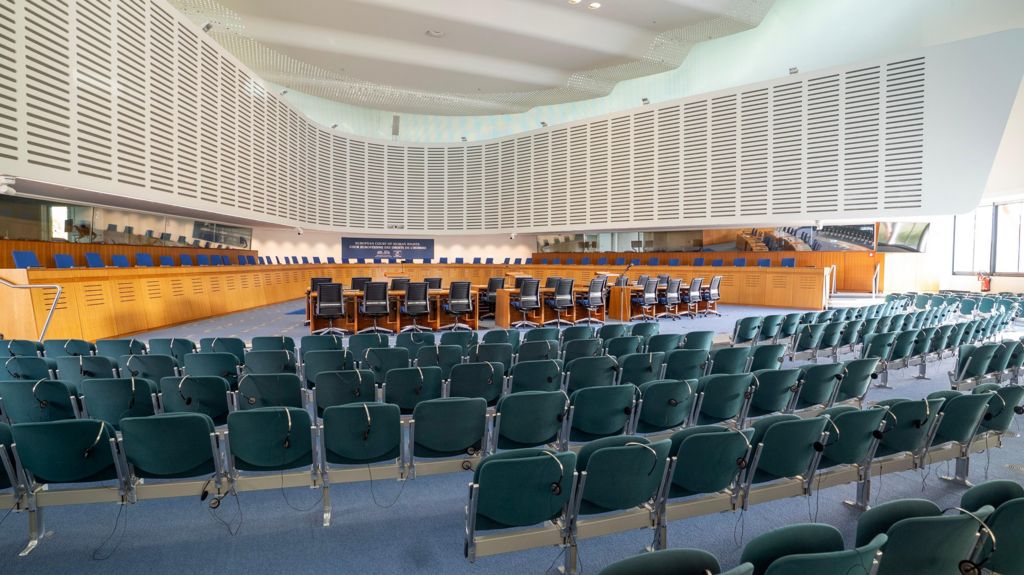
    A landmark diplomatic initiative is underway as European nations convene in Strasbourg to potentially reshape the application of human rights law in migration cases. The high-level talks, commencing Wednesday at the Council of Europe, represent the most substantial effort in decades to reinterpret the European Convention on Human Rights in response to the continent’s migration challenges.

    British Prime Minister Sir Keir Starmer and Danish Prime Minister Mette Frederiksen have jointly advocated for modernizing the framework through which states address illegal migration, arguing that current interpretations undermine public confidence in governance systems. In a pre-meeting editorial, the leaders emphasized that ‘responsible, progressive governments must deliver the change people are crying out for’ by controlling borders to strengthen democracies.

    The negotiations aim to establish a political declaration by spring 2026 that would clarify how the 75-year-old human rights convention applies to contemporary migration issues. Key discussion points include streamlining measures against human smuggling networks, creating rights-compliant ‘returns hubs’ outside Europe, and refining the application of Article 8 (right to family life) and Article 3 (prohibition of inhuman treatment) in deportation cases.

    While the UK delegation, led by Deputy Prime Minister David Lammy, maintains commitment to the convention, it seeks interpretations that don’t impede anti-smuggling operations. Domestically, Britain already plans legislation limiting privacy and family rights in removal proceedings.

    The talks follow months of diplomatic preparation and mounting pressure from nine member states, notably Italy and Denmark, though Britain pursued behind-the-scenes lobbying rather than signing their open letter. Council of Europe Secretary General Alain Berset has expressed readiness to discuss reforms while emphasizing the convention’s continuing relevance, stating the goal is ‘not to weaken the Convention, but to keep it strong and relevant.’

    The outcome could represent one of the most significant modifications to international human rights law implementation since the convention’s establishment, balancing border security concerns with fundamental rights protections.

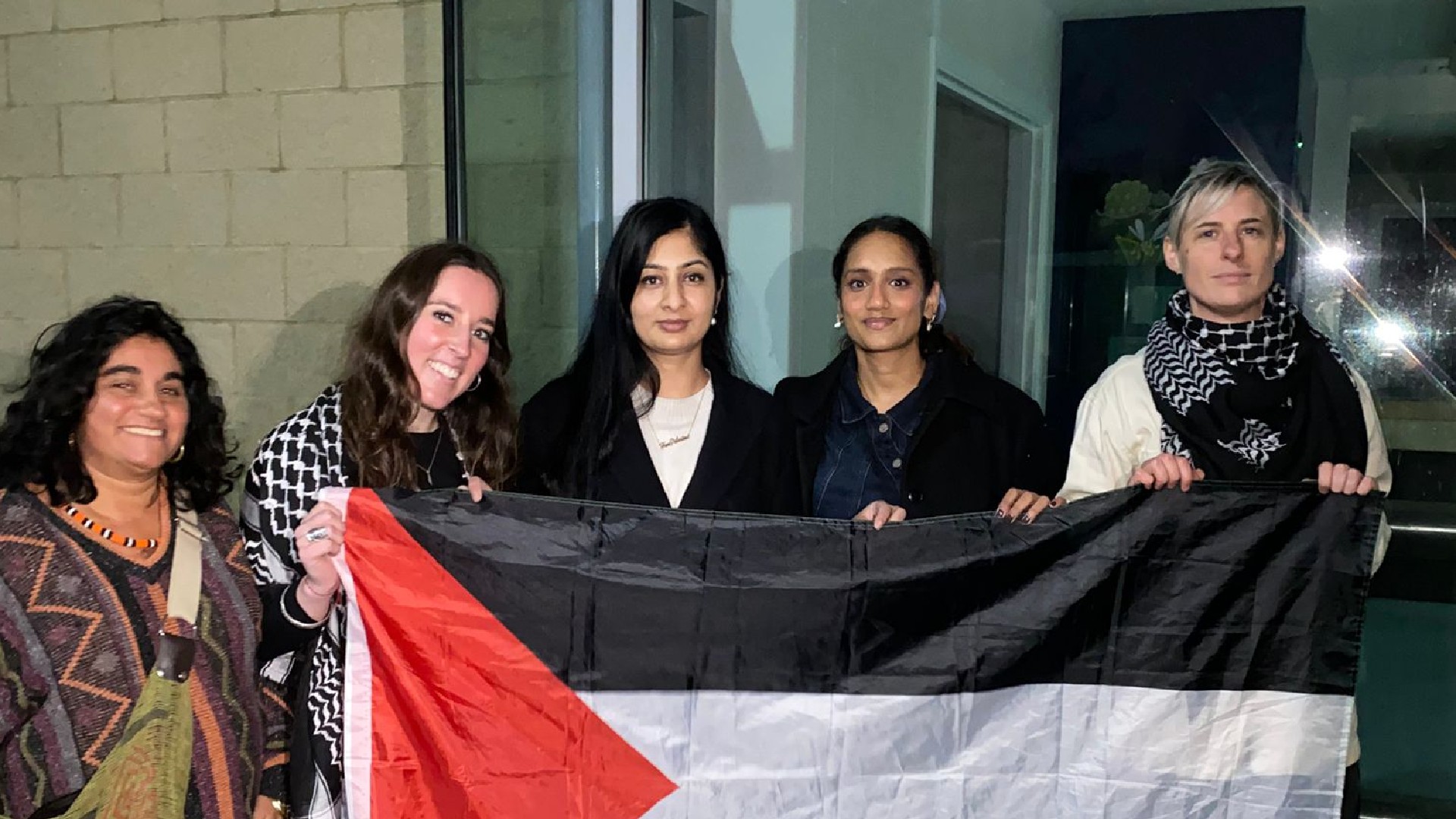
  • Zarah Sultana: Lammy claim he did not know about Palestine Action hunger strikers is a ‘lie’

    Zarah Sultana: Lammy claim he did not know about Palestine Action hunger strikers is a ‘lie’

    A significant political confrontation has erupted in the UK following allegations by Member of Parliament Zarah Sultana that Justice Secretary David Lammy deliberately misled the public regarding his knowledge of eight Palestinian solidarity activists on hunger strike in British prisons. The controversy stems from a recent encounter where Lammy claimed ignorance about the detainees’ cases, despite having received prior written communications.

    The prisoners, all affiliated with the proscribed organization Palestine Action, have now endured up to 38 days without food in what has become the most substantial hunger strike since the 1981 Irish protest led by Bobby Sands. Their demands include immediate bail, unrestricted personal communications, and the removal of Palestine Action’s proscribed organization status.

    Medical emergencies are escalating among the strikers, with five already hospitalized due to dangerously high ketone levels, severe weight loss exceeding 10kg in some cases, and critical organ function concerns. Families report inadequate medical oversight and communication failures from prison authorities, with several next-of-kin contacts allegedly altered without notification.

    MP Sultana, who recently left the Labour Party to establish a new left-wing faction with Jeremy Corbyn, condemned both the government’s response and media silence surrounding the strike. She characterized the lack of coverage as deliberate avoidance of Britain’s complicity in the Gaza conflict, which motivates the prisoners’ protest.

    The Ministry of Justice faces mounting criticism over its handling of the situation, particularly regarding protocol violations in prisoner healthcare and communication. Clinical guidelines mandate immediate medical assessment for hunger strikers, yet reports indicate delayed electrolyte provision and inconsistent monitoring, with one nurse allegedly refusing basic temperature checks.

    As health conditions deteriorate rapidly across multiple facilities, concerns grow about potential fatalities. The protest has drawn political attention beyond Sultana, with Green Party representatives and Corbyn himself arranging prison visits, signaling increasing parliamentary scrutiny over the government’s treatment of detainees engaged in political protest.