作者: admin

  • US Golden Dome moves forward as questions mount over feasibility

    US Golden Dome moves forward as questions mount over feasibility

    The United States Space Force has announced that its ambitious Golden Dome missile defense initiative will reach initial operational capability by summer 2028. The revelation came from Space Force General Michael Guetlein, head of the Golden Dome program, during the Reagan National Defense Forum.

    Conceived as a comprehensive expansion of existing missile defense capabilities, Golden Dome aims to transform limited regional protection into a nationwide shield against advanced threats including ballistic missiles, hypersonic weapons, cruise missiles, drones, and fractional orbital bombardment systems (FOBS). The system will integrate a sophisticated network of space-based interceptors, advanced sensors, data-transfer satellites, and command-and-control infrastructure.

    While program details remain largely classified, General Guetlein confirmed that contracts have already been awarded to industry partners for interceptors and software architecture. He acknowledged the program’s significant complexity and risks but expressed confidence in what he termed a “solid plan” for implementation.

    The monumental project faces substantial financial hurdles, with estimated costs reaching hundreds of billions of dollars. Funding uncertainty persists amid inflationary pressures and competing defense priorities including nuclear modernization and naval expansion. Defense Secretary Pete Hegseth noted a historic $156 billion budget increase scheduled for 2026, but long-term financial planning remains unsettled.

    Strategic justification for the program emerges from growing concerns about advanced missile threats. The US Defense Intelligence Agency’s 2025 Worldwide Threat Assessment highlights North Korea’s operational intercontinental ballistic missiles capable of reaching the continental United States, alongside developing systems like the Haeil nuclear torpedo. Similarly, China and Russia are expanding their missile inventories with sophisticated systems including FOBS and nuclear-powered superweapons designed to circumvent existing US defenses.

    A January 2025 Atlantic Council report co-authored by Robert Soofer argues that current US missile defense policy—relying primarily on nuclear deterrence for major powers while maintaining limited protection against rogue states—no longer aligns with reality. The recently published 2025 US National Security Strategy emphasizes the urgency of bolstering missile defenses, framing Golden Dome as essential for protecting the American homeland, overseas assets, and allies.

    Technical feasibility remains hotly contested. The Center for Arms Control and Non-Proliferation describes Golden Dome’s envisioned architecture as requiring unprecedented advances in sensing technology, battle management, and interceptor performance. A February 2025 American Physical Society report presents stark counterarguments, suggesting strategic missile defense—particularly space-based systems—remains technically and economically unfeasible. The APS estimates costs could reach $180 billion for deployment alone, with long-term sustainment potentially pushing expenditures into the trillion-dollar range.

    Proponents like Christopher Stone of the Global Security Review argue that technological skepticism overlooks existing capabilities and the urgent strategic reality. Stone contends that many required sensors and interceptors already exist in current programs or are orbiting, and that vulnerability to advanced missile threats is no longer acceptable.

    The program’s ultimate implementation will depend on whether US leadership determines that the risks of inaction outweigh the substantial technological and financial challenges of constructing an unprecedented defensive shield.
  • Australia captain Cummins back for third Ashes Test

    Australia captain Cummins back for third Ashes Test

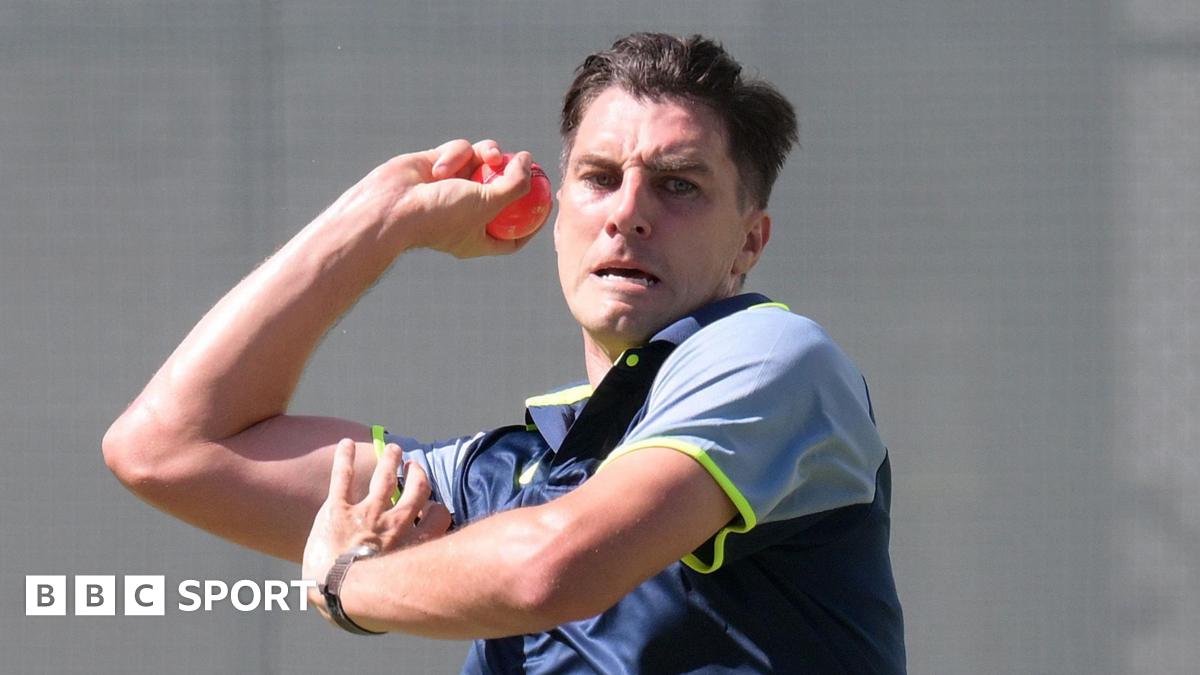
    Australian cricket captain Pat Cummins is set to make his triumphant return to the national squad for the pivotal third Ashes Test against England in Adelaide, following his absence from the first two matches due to a back injury. The fast bowler’s comeback represents the sole alteration to Australia’s lineup after their commanding eight-wicket victory in Brisbane.

    The upcoming Adelaide Test, commencing December 17th (23:30 GMT, December 16th), holds monumental significance for both teams. Australia requires merely a draw to retain the coveted Ashes urn, while a victory would secure the five-Test series outright. Historical statistics heavily favor the hosts, as England has never recovered from a 2-0 deficit to claim the Ashes in the tournament’s storied history.

    Despite not playing competitive cricket since July, Cummins has maintained intensive training sessions with the squad throughout the initial Tests. His recovery progress prompted serious consideration for selection in the second Test, though leadership temporarily remained with Steve Smith. Australian wicketkeeper Alex Carey provided encouraging updates on Cummins’ condition, noting: ‘He looks like he’s moving really well. He’s been around the group the whole time with lots of energy.’

    The Australian selection committee faces several strategic decisions beyond Cummins’ inclusion. Pace bowler Josh Hazlewood remains unavailable for the remainder of the series due to persistent hamstring and Achilles concerns. Meanwhile, fast bowler Jhye Richardson will join training sessions in Adelaide as he progresses toward recovery from a shoulder injury, potentially becoming available for later matches.

    Additional selection complexities involve off-spinner Nathan Lyon, who was omitted in Brisbane but is anticipated to return for Adelaide’s conditions. His inclusion could necessitate the exclusion of seamers Brendan Doggett and Michael Neser. Furthermore, batsman Usman Khawaja faces increased competition for middle-order positioning after missing previous Tests with back issues, with Travis Head and Jake Weatherald having established a formidable opening partnership during his absence.

    While Australian players dispersed briefly between matches, the English squad sought respite in the coastal town of Noosa before resuming training on Sunday. England confronts the daunting challenge of breaking a 17-Test winless streak in Australia to keep their Ashes hopes alive at Adelaide Oval.

    Carey emphasized Australia’s cautious optimism despite their advantageous position, referencing their 2023 experience: ‘We know England are a very good cricket team and we know we were in a position like this in England, then we weren’t able to win that series. We’re excited for the opportunity we’ve got, but also understand we have to keep playing good cricket.’

  • US tells Thailand and Cambodia to stop fighting as clashes continue

    US tells Thailand and Cambodia to stop fighting as clashes continue

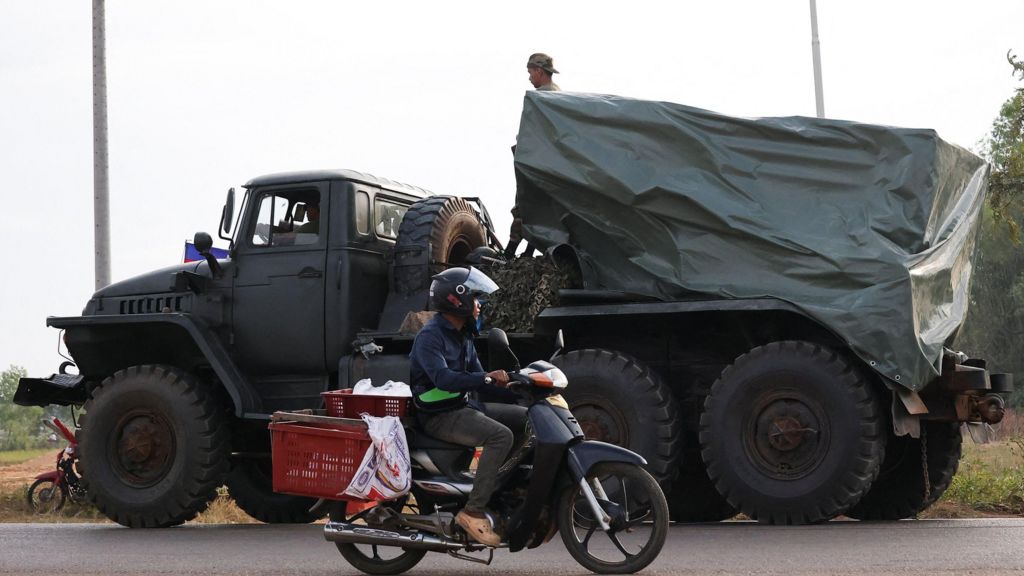
    The United States has issued a urgent call for Thailand and Cambodia to immediately cease hostilities following a severe escalation of border clashes that have now entered their third consecutive day. The conflict has resulted in a confirmed death toll of at least ten individuals and triggered the mass displacement of hundreds of thousands of civilians from border communities.

    Secretary of State Marco Rubio emphasized that both nations must adhere to de-escalation protocols established in a peace agreement brokered by President Donald Trump last October. In a notable statement, President Trump himself declared he would personally ‘make a phone call’ to mediate an end to the violence, marking the most serious military confrontation since July’s deadly clashes.

    The neighboring countries have exchanged accusations regarding responsibility for reigniting hostilities, which have involved aerial bombardments and sustained artillery exchanges. Official figures indicate seven Cambodian and three Thai casualties, while Thailand has evacuated over 400,000 people compared to Cambodia’s relocation of approximately 100,000 civilians to safety.

    Thailand’s Defense Ministry characterized its military actions as ‘limited in scope and employed as a last option,’ asserting that ‘peace must come with the safety and security of our citizens.’ Conversely, Cambodia has accused Thai forces of launching ‘aggressive military attacks’ allegedly targeting civilian infrastructure and culturally significant temples along the disputed frontier.

    The diplomatic fallout extended beyond military engagement as Cambodia announced its withdrawal from the Southeast Asian Games currently hosted by Thailand. The Cambodian National Olympic Committee cited ‘serious concerns and requests’ from athletes’ families as the primary reason for this decision.

    United Nations Secretary-General António Guterres has joined international calls for restraint, expressing particular concern over ‘significant civilian casualties, damage to civilian infrastructure, and displacement on both sides.’

    This recent violence represents the latest eruption in a century-old territorial dispute along the 800-kilometer border, originally demarcated following the French colonial occupation of Cambodia. The current clashes have expanded across multiple provinces in both nations, prompting travel advisories from several countries including the United Kingdom, United States, and Japan.

  • French far-right leader tells BBC he shares US warnings on Europe ‘for most part’

    French far-right leader tells BBC he shares US warnings on Europe ‘for most part’

    Jordan Bardella, leader of France’s National Rally (RN), has expressed substantial agreement with former U.S. President Donald Trump’s critical assessment of Europe’s direction, particularly regarding immigration policies and cultural preservation. In an exclusive BBC Political Thinking podcast interview, the 30-year-old political phenomenon addressed his party’s positioning ahead of the 2027 presidential election.

    Bardella characterized Trump’s recently published National Security Strategy as validating concerns about ‘civilizational erasure’ in Europe, attributing this primarily to decades of lenient migration policies. ‘Mass immigration and governmental laxity over the past 30 years have fundamentally destabilized European societies, particularly France,’ Bardella asserted, while simultaneously emphasizing that Europe should not become ‘subservient to any major power.’

    The interview revealed significant developments within France’s far-right movement. Current polling indicates Bardella leads presidential preferences with 44% support, potentially positioning him to succeed Marine Le Pen should her legal challenges prevent her candidacy. Le Pen faces exclusion from the 2027 race pending an appeal against her conviction for EU fund embezzlement. Bardella dismissed suggestions of internal tension, stating they campaign together based on ‘trust and friendship.’

    Addressing the RN’s controversial history under founder Jean-Marie Le Pen—convicted multiple times for Holocaust denial—Bardella distanced his leadership from past extremism. ‘I combat caricatures of my political movement,’ he stated, claiming significant Jewish support for the RN as a ‘bulwark against extremism.’

    On policy matters, Bardella pledged a national referendum on immigration if elected, despite constitutional limitations requiring parliamentary approval for such a measure. His platform includes closing radical mosques, expelling ‘hate preachers,’ and implementing stricter assimilation requirements. Notably, Bardella—whose own parents are of immigrant origin—distinguished between those who ‘reject republican institutions’ and immigrants who ’embrace French language, culture, and values.’

    Economically, Bardella described France as ‘sick’ from excessive taxation and regulation, promising to remove ‘shackles’ on growth. His foreign policy stance shows nuance regarding Ukraine: while recognizing Russia as a ‘multidimensional threat,’ he opposes troop deployments favored by Macron’s government, warning such actions could trigger escalation given nuclear capabilities.

    Responding to concerns about his youth and political inexperience compared to President Macron’s governmental background, Bardella remarked: ‘I’d rather be told today is too soon than tomorrow is too late.’

  • ‘It’s insulting they think we can’t handle it’: The Australian teens banned from social media

    ‘It’s insulting they think we can’t handle it’: The Australian teens banned from social media

    Australia’s groundbreaking social media prohibition for minors under 16 has taken effect, creating profound implications for teenage connectivity across the vast continent. The controversial legislation, implemented after year-long deliberations, represents one of the world’s most restrictive digital age barriers.

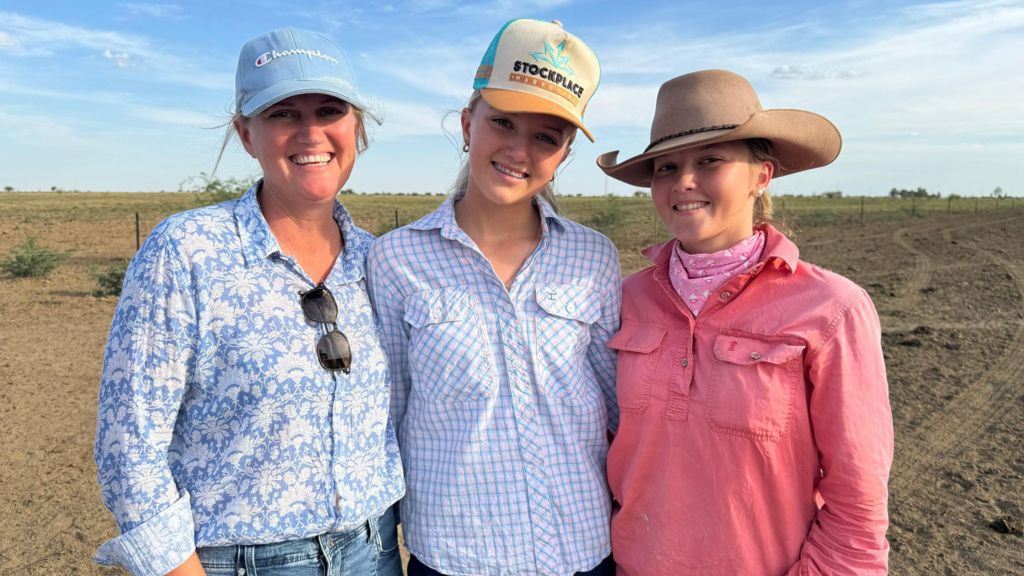
    In remote Queensland, 15-year-old Breanna Easton exemplifies the practical consequences of this policy shift. While mustering cattle on her family’s sprawling outback station, she previously maintained digital connections through Snapchat and TikTok despite geographical isolation. “Taking away our socials is just taking away how we talk to each other,” she laments, highlighting how visual communication platforms provided vital social lifelines when physical distances exceeded 100 kilometers between friends.

    The legislative measure has ignited polarized responses nationwide. Proponents, including educators and child safety advocates, argue that unchecked social media exposure subjects young people to unregulated pressures, cyberbullying, and predatory behavior. Iris Nastasi, principal at Rosebank College in Sydney, expresses strong support: “We should preserve the innocence that comes through childhood” rather than exposing children to overnight digital risks that damage real-world relationships.

    Conversely, critics question both the technological enforcement mechanisms and the policy’s potential to drive youth toward darker digital corners. Parental autonomy concerns emerge prominently, with Megan Easton (Breanna’s mother) noting that “government overstepping” undermines family-based digital education strategies. She emphasizes the importance of guided social media exposure during early adolescence, allowing supervised mistakes and corrective learning.

    The political impetus for this radical intervention came unexpectedly. South Australian Premier Peter Malinauskas pursued state-level legislation after his wife’s reaction to Jonathan Haidt’s book “The Anxious Generation,” which details smartphones’ neurological impacts on developing brains. The subsequent federal ban progressed with remarkable speed from conceptualization to implementation within eight months.

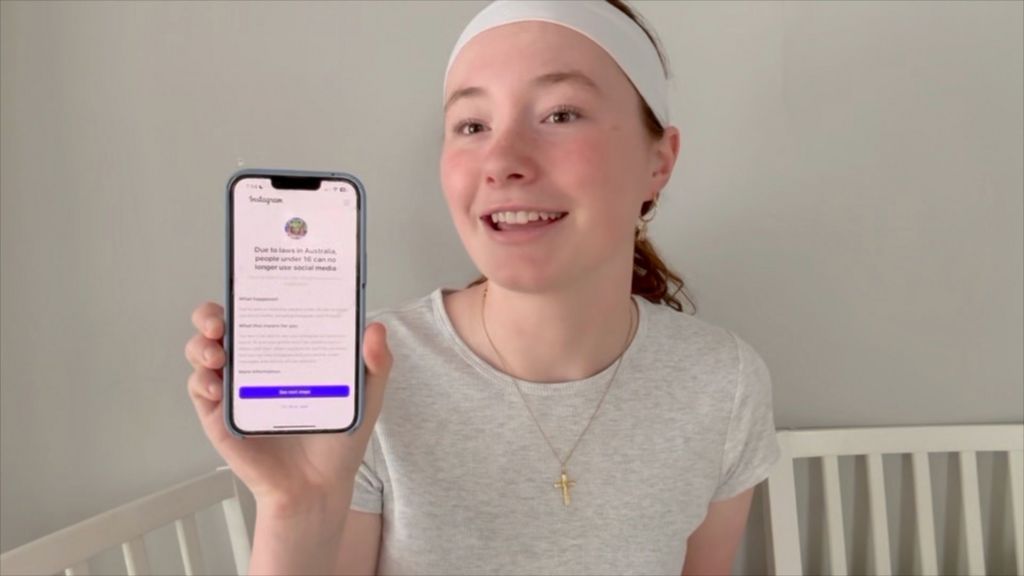
    However, significant concerns emerge regarding the ban’s impact on vulnerable communities. LGBTQ+ youth report 96% dependency on social platforms for connection and support according to Minus18 surveys. Autistic advocates similarly note that online spaces provide alternative socialization formats inaccessible in physical environments. For 13-year-old Sadie Angus, recently expelled from Instagram, anonymous sharing provided crucial emotional safety unavailable in her offline world.

    Tragic narratives underscore the policy’s moral foundation. Campaigner Emma Mason, whose 15-year-old daughter Tilly died by suicide after intense cyberbullying and image-based abuse, maintains that “agents of harm that are unregulated” necessitated government intervention. While acknowledging current teenagers might not be “clear winners,” she believes younger children will benefit from protected digital development.

    The Australian experiment continues amid pending High Court challenges, potential tech company resistance, and international scrutiny. As the nation navigates this unprecedented digital boundary, it balances protectionism against developmental autonomy, creating global precedent for how societies might reshape youth engagement with evolving technologies.

  • Sperm from donor with cancer-causing gene was used to conceive almost 200 children

    Sperm from donor with cancer-causing gene was used to conceive almost 200 children

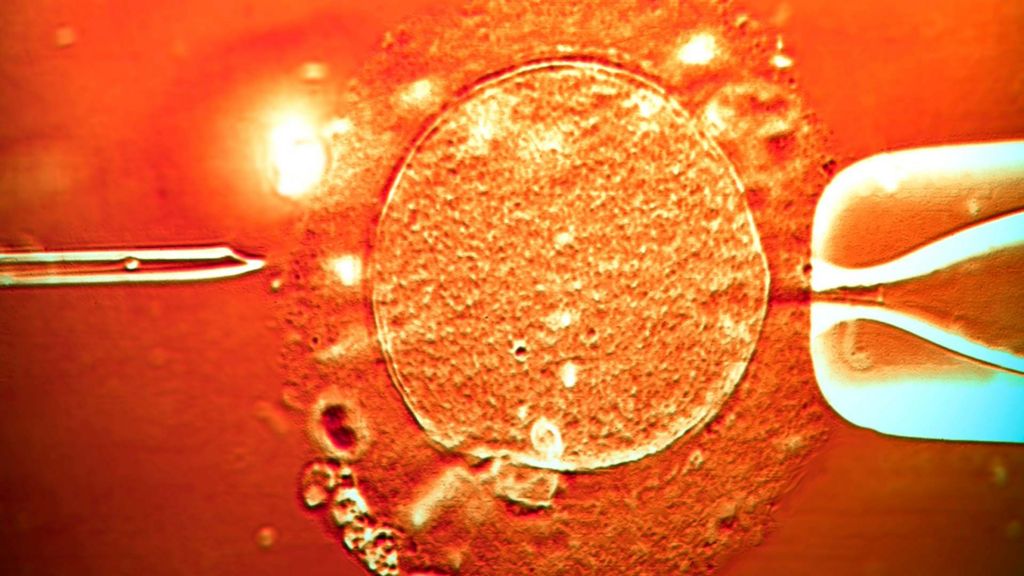
    A comprehensive multinational investigation has uncovered a critical public health situation involving a European sperm donor carrying a dangerous genetic mutation that significantly elevates cancer risk. The anonymous donor, who began contributing sperm as a student in 2005, has biologically fathered at least 197 children across multiple European countries, with some offspring already developing cancer and several having died at young ages.

    The investigation, conducted by 14 public service broadcasters including the BBC through the European Broadcasting Union’s Investigative Journalism Network, revealed that approximately 20% of the donor’s sperm contains a mutated TP53 gene. This genetic defect severely compromises the body’s natural cancer prevention mechanisms, resulting in Li Fraumeni syndrome—a condition associated with up to 90% lifetime cancer risk, particularly during childhood and for breast cancer in later life.

    Despite passing standard donor screening protocols, the donor carried this mutation in a portion of his reproductive cells. Children conceived using affected sperm inherit the mutation in every cell of their body, creating a lifelong health vulnerability. Medical experts describe the situation as particularly devastating because affected individuals require annual MRI scans of the body and brain plus abdominal ultrasounds for early tumor detection, with many women opting for preventive mastectomies.

    The European Sperm Bank, which distributed the genetic material, expressed sympathy for affected families while noting that neither the donor nor his biological relatives exhibit illness. The organization acknowledged that current genetic screening practices cannot proactively detect such mutations and stated they immediately blocked further use of the donor’s sperm upon discovery of the problem.

    Distribution records indicate the sperm was utilized by 67 fertility clinics across 14 nations, with significant regulatory breaches occurring in several countries. Belgium, which limits donors to six families per donor, recorded 38 women producing 53 children from this single source. While the sperm was not directly sold to UK clinics, British authorities confirmed a “very small number” of families who sought treatment in Denmark have been notified.

    This case has reignited debates about international sperm bank regulations and donor usage limits. Currently, no global standards govern how frequently a single donor’s sperm may be used internationally, with individual countries setting their own restrictions. The UK maintains a 10-family limit per donor, while the European Society of Human Reproduction and Embryology recently proposed a 50-family maximum—though experts note this wouldn’t prevent rare genetic disease transmission.

    Reproductive health specialists emphasize that while such cases remain extremely rare compared to the overall number of donor-conceived children, they highlight systemic vulnerabilities in the global fertility industry. With approximately half of the UK’s sperm supply now imported from international banks, experts recommend prospective parents inquire about donor origins and usage history when considering fertility treatments.

  • Kids locked out of social media apps after Australia’s world-first ban

    Kids locked out of social media apps after Australia’s world-first ban

    Australia has implemented a groundbreaking prohibition on social media access for minors under 16, becoming the first nation to enforce such comprehensive restrictions without parental consent exemptions. The landmark legislation, which took effect this week, requires major platforms including Meta, TikTok and YouTube to implement “reasonable steps” in preventing underage account creation and usage.

    Prime Minister Anthony Albanese hailed the policy as a transformative measure that could set global precedents for child protection online. “This is Australia showing enough is enough,” he declared during a press conference surrounded by advocates. “I believe this has the power to change lives around the world.”

    The regulatory framework empowers Australia’s eSafety Commissioner to monitor compliance across ten designated platforms, with corporations facing penalties up to A$49.5 million for serious violations. Julie Inman Grant, the online safety regulator, confirmed compliance checks would commence immediately, with preliminary assessments to be published before Christmas.

    Supporters argue the ban addresses critical concerns about harmful content algorithms and psychological impacts on developing brains. Twelve-year-old activist Florence ‘Flossie’ Brodribb articulated this perspective: “Our brains are going through one of the biggest rewiring periods of our lives… Social media is designed to take advantage of that.”

    However, significant opposition emerges from both youth and experts questioning the ban’s practicality and potential unintended consequences. Teenagers report already circumventing restrictions, while critics warn of isolation risks for vulnerable communities including LGBTQ+ and rural youth. Fifteen-year-old Breanna highlighted connectivity concerns: “When our Snapchat is taken away, so is our communication.”

    Technology companies have resisted the measures, emphasizing enhanced parental controls as preferable solutions. Meanwhile, international observers from Denmark to Brazil are monitoring Australia’s experiment as potential test case for their own regulatory considerations.

    The government acknowledges implementation challenges while framing the policy as part of a longer-term strategy. “Success is the fact that we’re having this discussion,” Albanese noted, recognizing the ban won’t be perfect but represents a necessary starting point for digital safety reform.

  • Watch Australian teens test out social media on first day of ban

    Watch Australian teens test out social media on first day of ban

    Australia has embarked on an unprecedented social experiment with the implementation of a nationwide ban on social media access for users under the age of 16. On the first day of this sweeping policy, Australian teenagers provided the BBC with a real-time glimpse into their attempts to log on to platforms like TikTok, Instagram, and Snapchat, revealing a complex digital landscape of adaptation, frustration, and technological workarounds.

    The policy, designed to shield minors from online harms such as cyberbullying, inappropriate content, and data privacy issues, represents one of the world’s most aggressive governmental interventions in digital youth protection. Early observations indicate a patchwork of outcomes: while some younger teens found themselves completely locked out of their accounts, others encountered partial restrictions or began immediately seeking alternative access methods, including Virtual Private Networks (VPNs) to bypass geographical restrictions.

    This digital clampdown has ignited a fiery debate across the nation. Proponents, including child safety advocates and many parents, hail the move as a necessary step to safeguard mental health and ensure a more developmental childhood. Conversely, critics and digital rights groups argue the ban is overly simplistic, potentially stifling creativity, social connection, and digital literacy. They also raise significant concerns about enforcement and the potential for such measures to push youth toward less regulated, and potentially more dangerous, corners of the internet. The effectiveness of this bold policy and its long-term societal impact remain subjects of intense global scrutiny.

  • Ethiopia embraces big projects but escalates regional tensions by seeking more access to the sea

    Ethiopia embraces big projects but escalates regional tensions by seeking more access to the sea

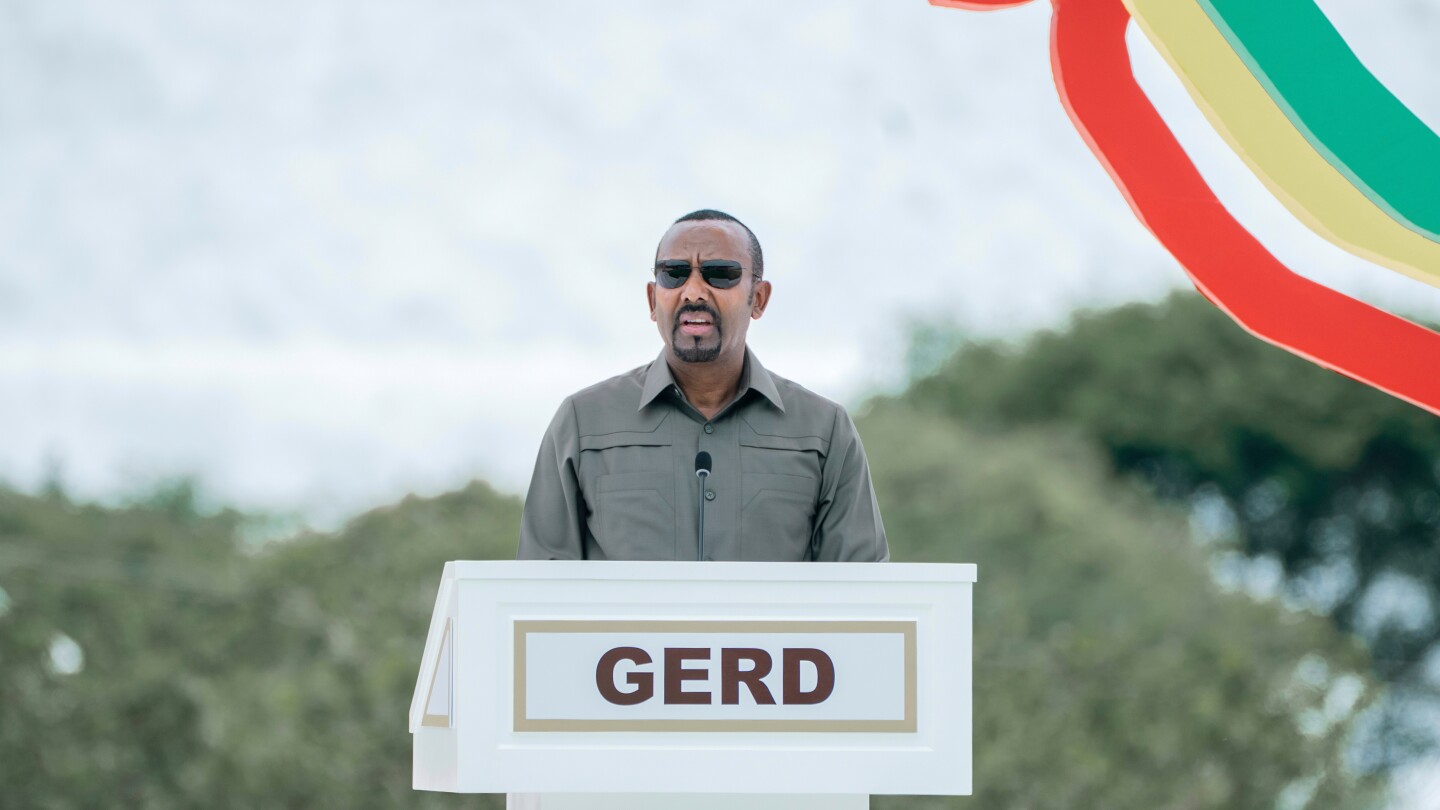
    Under Prime Minister Abiy Ahmed’s visionary leadership, Ethiopia is pursuing an ambitious transformation agenda marked by massive infrastructure projects while simultaneously navigating complex regional tensions. The recent completion of the contentious Grand Ethiopian Renaissance Dam on the Nile—a project vehemently opposed by Egypt and Sudan—stands as a testament to Ethiopia’s determination to achieve energy independence and economic sovereignty.

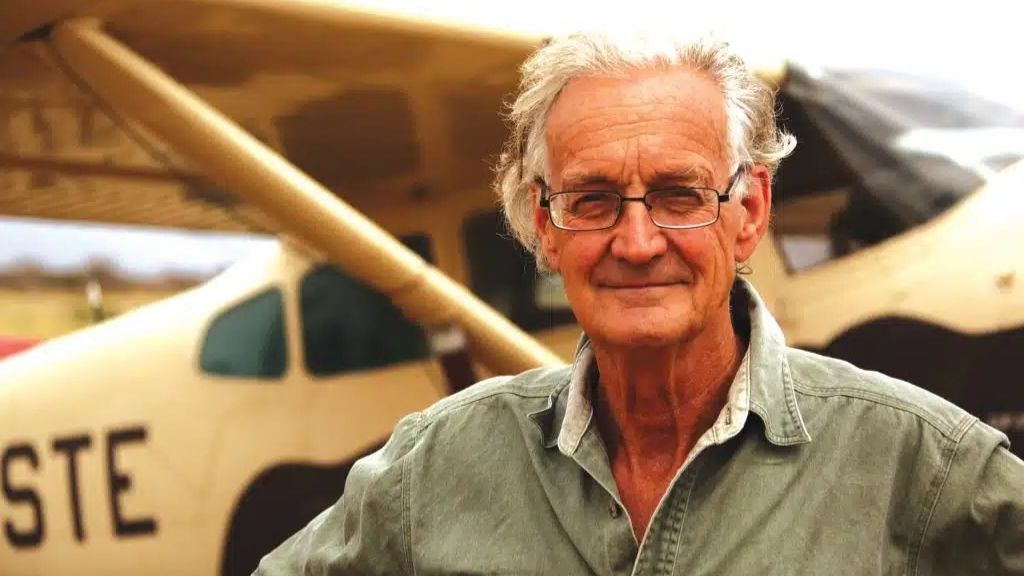
  • Iain Douglas-Hamilton, pioneering elephant conservationist, dies aged 83

    Iain Douglas-Hamilton, pioneering elephant conservationist, dies aged 83

    The global conservation community is mourning the passing of pioneering elephant researcher Iain Douglas-Hamilton, who died at 83 in his Nairobi home on Monday. The British zoologist dedicated his life to studying and protecting African elephants, revolutionizing our understanding of these majestic creatures while facing extraordinary personal risks.

    Douglas-Hamilton’s groundbreaking research exposed the catastrophic impact of poaching on elephant populations, work that proved instrumental in the international ban on ivory trade. His methodology involved meticulous documentation of individual elephants at Tanzania’s Lake Manyara National Park, where he became so familiar with herds that he could identify them by unique ear shapes and skin patterns.

    Prince William, who spent time with Douglas-Hamilton in Africa, paid heartfelt tribute to the conservationist. “The memories of spending time in Africa with him will remain with me forever,” said the Prince, who serves as royal patron for Tusk, the African wildlife conservation charity where Douglas-Hamilton was an ambassador. The Prince praised him as “a man who dedicated his life to conservation and whose life’s work leaves lasting impact on our appreciation for, and understanding of, elephants.”

    The aristocrat-turned-conservationist faced numerous life-threatening challenges throughout his career, including elephant charges, poacher gunfire, and a devastating flood that destroyed his Kenyan research facility in 2010. Despite these hardships, he remained unwavering in his mission, eventually becoming a leading voice in alerting the world to what he termed “an elephant holocaust.”

    His advocacy efforts culminated in the 1989 Convention on International Trade in Endangered Species. When this agreement proved insufficient, Douglas-Hamilton successfully targeted the world’s largest ivory markets, resulting in near-total import-export bans from China and the United States in 2015.

    In 1993, he established Save the Elephants, a charity dedicated to protecting the animals and advancing human understanding of their behavior. The organization’s CEO Frank Pope, also Douglas-Hamilton’s son-in-law, stated: “Iain changed the future not just for elephants, but for huge numbers of people across the globe. His courage, determination and rigour inspired everyone he met.”

    Fellow conservationist Jane Goodall, featured with Douglas-Hamilton in the 2024 documentary “A Life Among Elephants,” noted that his work revealed elephants’ capacity for human-like emotions. “I think his legacy will be one of a man who did so much to help people understand how majestic, how wonderful elephants are,” Goodall remarked.

    Douglas-Hamilton expressed his own vision for the future shortly before his passing: “I think my greatest hope is that there will be an ethic developed of human-elephant coexistence.” He is survived by his wife Oria, children Saba and Dudu, and six grandchildren.