作者: admin

  • Amazon, Microsoft pledge mega AI investments in India

    Amazon, Microsoft pledge mega AI investments in India

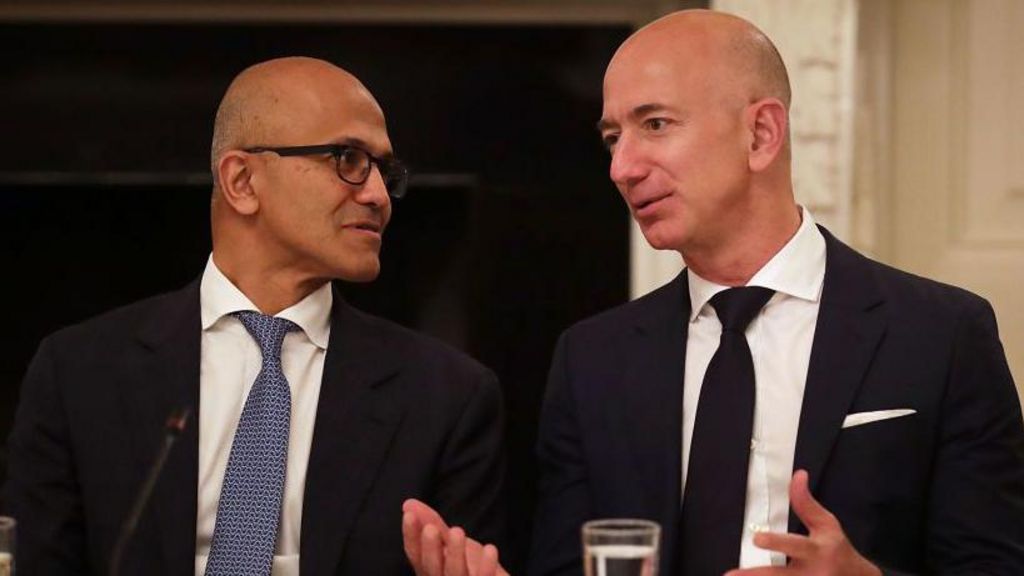
    In a landmark demonstration of confidence in India’s technological future, Amazon and Microsoft have unveiled massive investment commitments totaling $52.5 billion. This strategic move positions India as a primary beneficiary of global AI infrastructure development.

    Amazon announced on Wednesday its plan to inject $35 billion into the Indian market by 2030, focusing on AI-driven digital transformation, export enhancement, and employment generation. This commitment builds upon the company’s previous $40 billion investment, solidifying its status as India’s largest foreign investor. A substantial portion will be allocated to developing local cloud computing and artificial intelligence infrastructure.

    Microsoft’s parallel announcement of a $17.5 billion investment follows its earlier $3 billion commitment this year. The technology giant revealed plans to establish a new hyperscale cloud region in Hyderabad, scheduled for operational status by mid-2026. This cluster of data centers will form a critical component of India’s AI value chain. Additionally, Microsoft will provide access to its sovereign public cloud platform, enabling organizations to maintain sensitive data within national borders while leveraging advanced computational tools.

    The investment surge reflects India’s emergence as a significant AI and cloud infrastructure hub. Recent months have witnessed substantial commitments from other tech leaders, including Google’s $15 billion AI data hub initiative and Intel’s collaboration with Tata Electronics on a $14 billion semiconductor manufacturing project.

    Prime Minister Narendra Modi acknowledged the growing global optimism toward India’s AI capabilities following his meeting with Microsoft CEO Satya Nadella. The government’s semiconductor mission, offering generous subsidies for chip manufacturing facilities, has been instrumental in attracting these investments.

    Microsoft’s expansion includes integrating AI technologies into government platforms to support approximately 310 million informal workers. This initiative forms part of Microsoft’s broader $23 billion global AI expansion across multiple countries including Canada, Portugal, and the UAE.

    Despite India’s substantial internet user base of one billion and significant tech talent pool, the nation continues to trail global leaders like China and the United States in AI development. The forthcoming unveiling of India’s sovereign AI model in February 2025 represents another milestone in the country’s technological advancement strategy.
  • The man behind the headlines – Salah, by Klopp, Diaz and more

    The man behind the headlines – Salah, by Klopp, Diaz and more

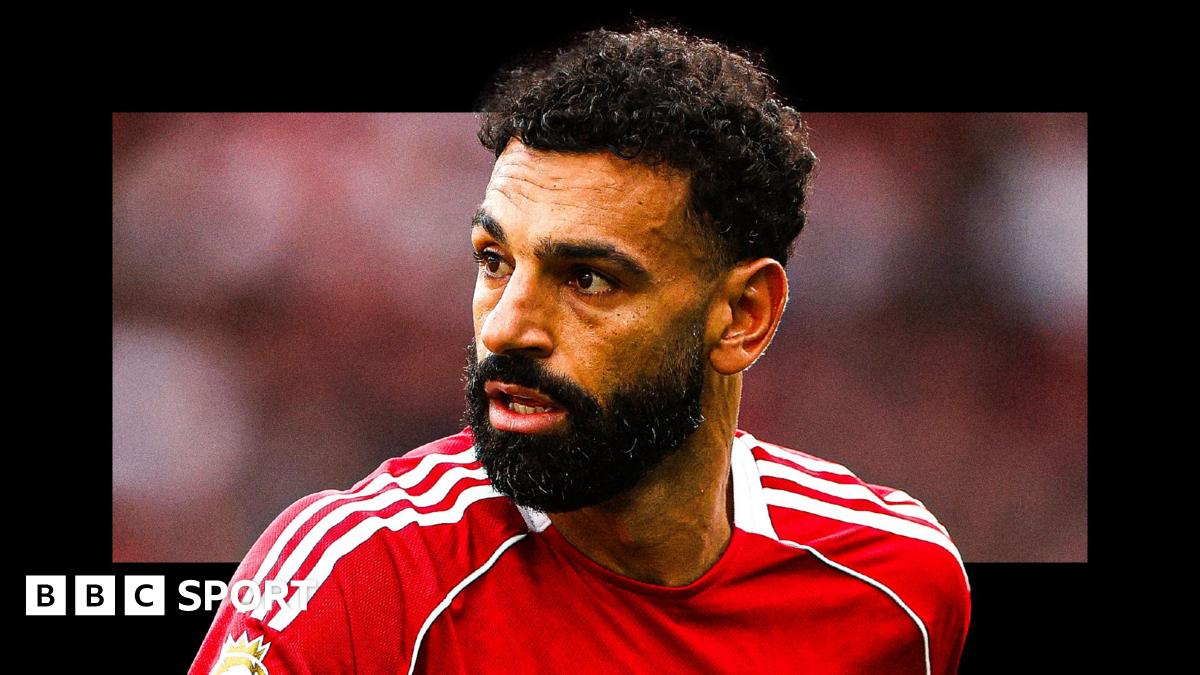
    The unfolding narrative surrounding Liverpool’s iconic forward Mohamed Salah reveals a multifaceted portrait of an athlete grappling with perceived marginalization while maintaining an unwavering commitment to excellence. Recent developments have cast a spotlight on the Egyptian international’s emotional response to being relegated to substitute status for three consecutive matches under manager Arne Slot, prompting widespread discussion about his character among supporters and pundits alike.

    Jurgen Klopp, the architect of Liverpool’s most successful modern era, provides profound insight into Salah’s psychological makeup. “We are all massively influenced by our past—how we were raised, where we grew up,” reflects the German tactician. “Mo understood from an early age that exceptional achievement required extraordinary effort. His continuous development mindset transformed him into arguably the Premier League’s most formidable attacking force.”

    Former teammates paint a picture of a relentlessly driven professional whose competitive nature transcends conventional boundaries. Adam Lallana observes: “He maintains remarkable emotional equilibrium—never excessively celebrating triumphs nor dwelling on setbacks. His composure under pressure became a calming influence throughout the squad.” James Milner, Liverpool’s former vice-captain, recalls Salah’s obsession with perfection extending even to chess matches, noting: “He hired a chess instructor to refine his strategic thinking—that exemplifies his comprehensive approach to self-improvement.”

    The analysis extends beyond sporting achievement to examine Salah’s cultural significance as a global icon. Hailing from Nagrig, an agricultural village where over half the population lives in poverty, his journey to superstardom represents a narrative of unprecedented social mobility. Maher Anwar Shtiyeh, mayor of Nagrig, emphasizes: “He remains deeply connected to his roots despite international acclaim. His philanthropic initiatives—including funding ambulance services and religious institutions—demonstrate unwavering commitment to his community.”

    Salah’s visible Muslim faith has reshaped perceptions throughout his career. Shafique Rahman, Imam at Liverpool Mosque and Islamic Institute, notes: “His regular prayers before and after matches normalized religious expression in elite sports environments. Worshipers standing shoulder-to-shoulder with him during prayers experienced profound equality in spiritual practice.”

    The current tension stems from what insiders describe as Salah’s frustration with recent performance critiques and speculation about his January transfer prospects. This scenario echoes historical patterns at Liverpool, where legendary figures including Steven Gerrard and Fernando Torres faced similar public scrutiny during transitional periods.

    Despite the uncertainty, Salah’s legacy as a transformative figure remains secure. Luis Diaz, his former attacking partner now at Bayern Munich, reflects: “His mentorship transcended tactical advice—he created genuine emotional connections. Lifting the Premier League trophy alongside him revealed the profound joy he derives from collective achievement.” As the football world watches this chapter unfold, Salah’s story continues to evolve as a complex interplay of athletic brilliance, cultural influence, and human vulnerability.

  • Nobel laureate Machado appears for the first time in 11 months

    Nobel laureate Machado appears for the first time in 11 months

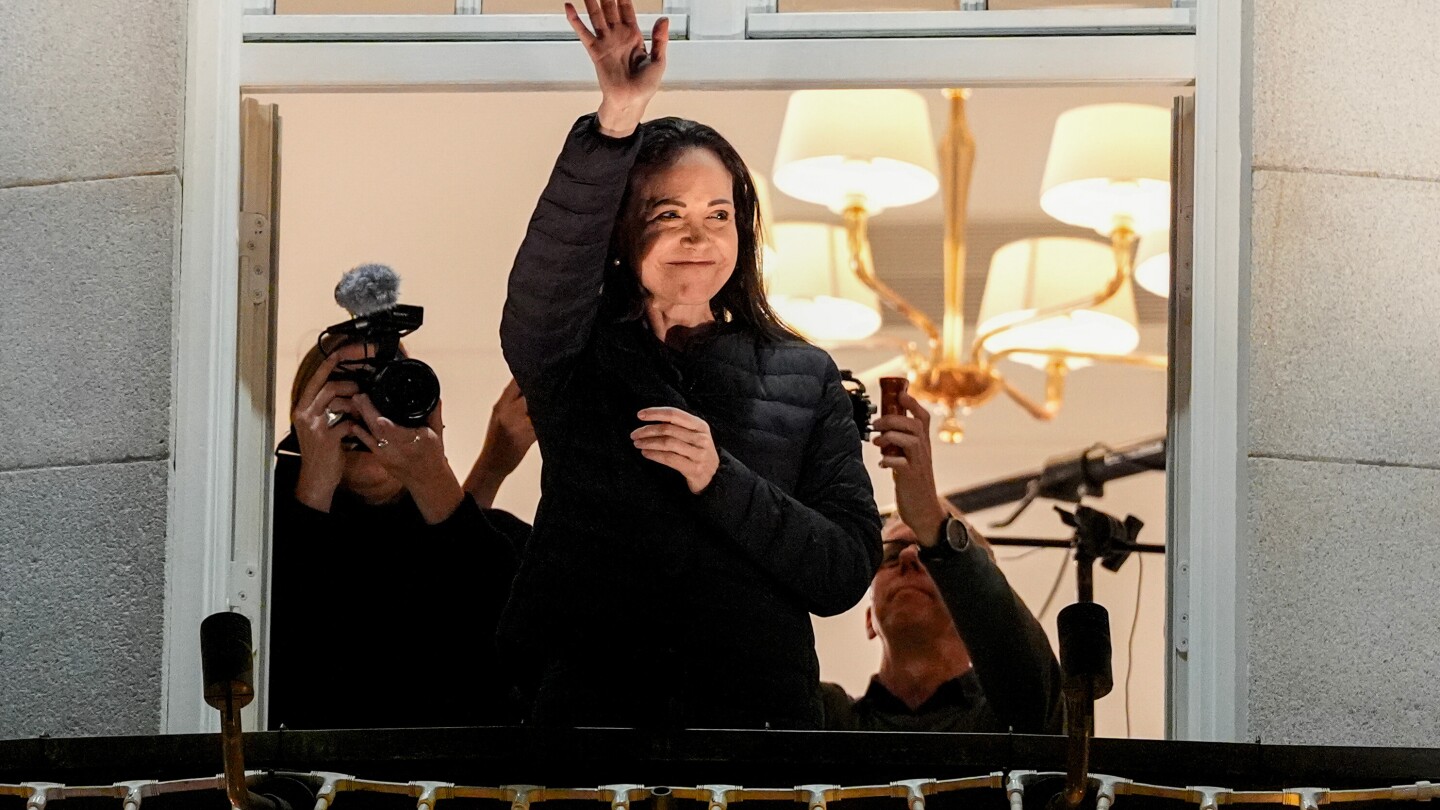
    OSLO, Norway — In a dramatic reappearance that captivated international attention, Venezuelan opposition leader María Corina Machado surfaced publicly for the first time in eleven months on Thursday. The Nobel Peace Prize laureate emerged onto a hotel balcony in Norway’s capital, greeting an emotional gathering of supporters who had assembled despite freezing temperatures.

    The momentous appearance followed her daughter Ana Corina Sosa accepting the prestigious Nobel award on her behalf just hours earlier. Machado received the honor for mounting the most significant peaceful challenge in years to President Nicolás Maduro’s authoritarian regime in Venezuela.

    Dressed casually in jeans and a puffer jacket, the 58-year-old leader spent several minutes outside Oslo’s Grand Hotel, embracing family members and close aides as the crowd erupted in chants of “Freedom!” and “President!”. The collective singing of Venezuela’s national anthem created a poignant moment of diaspora solidarity.

    “I want you all back in Venezuela,” Machado declared to supporters who raised cellphones to capture her first public appearance since January 9, when she was briefly detained after participating in a Caracas protest before vanishing into hiding.

    Her journey to Oslo involved extraordinary circumstances, with flight tracking data indicating her aircraft originated from Bangor, Maine. In an audio recording published on the Nobel website, Machado revealed that many individuals had “risked their lives” to facilitate her perilous journey, describing the recognition as “a measure of what this award means to the Venezuelan people.”

    The ceremony itself served as a powerful show of regional solidarity, with attendance from Argentine President Javier Milei, Ecuadorian President Daniel Noboa, Panamanian President José Raúl Mulino, and Paraguayan President Santiago Peña.

    Jørgen Watne Frydnes, chair of the Norwegian Nobel committee, delivered pointed remarks during the award presentation, stating that “Venezuela has evolved into a brutal authoritarian state” while praising Machado as “one of the most extraordinary examples of civilian courage in recent Latin American history.”

    Directly addressing Maduro, Frydnes issued a stark declaration: “Your power is not permanent. Your violence will not prevail over people who rise and resist. Mr. Maduro, accept the election result and step down.”

    The background to this recognition stems from Machado’s victory in an opposition primary election and her intended challenge to Maduro in the 2024 presidential race, before being barred from running by the government. Her replacement candidate, retired diplomat Edmundo González, subsequently sought asylum in Spain after Venezuelan courts issued an arrest warrant against him.

    Machado joins a distinguished group of Nobel Peace laureates who were detained or imprisoned at the time of their award, including Iran’s Narges Mohammadi (2023) and Belarusian advocate Ales Bialiatski (2022).

    In the Nobel lecture delivered by her daughter, Machado’s message emphasized that “to have democracy, we must be willing to fight for freedom”—a testament to the ongoing struggle faced by Venezuelan opposition forces despite international recognition.

  • String of celebrity scandals renews debate on South Korea’s ‘cancel culture’

    String of celebrity scandals renews debate on South Korea’s ‘cancel culture’

    South Korea’s entertainment landscape faces significant turmoil as three prominent figures—comedians Park Na-rae and Cho Sae-ho, alongside veteran actor Cho Jin-woong—simultaneously confront career-threatening allegations that have prompted their departure from television screens.

    Park Na-rae, celebrated as one of the nation’s most accomplished female comedians, faces serious accusations from former managers alleging verbal abuse, physical assault, and demands for personal errands. Despite her denial and counter-allegations of blackmail against the accusers, Park has voluntarily suspended all broadcasting activities. Additional reports of illegal at-home IV drip administrations, violating local medical laws, have further complicated her situation, triggering police investigations.

    Parallel controversies engulf comedian Cho Sae-ho, who faces scrutiny over alleged connections with a local gang member and accusations of accepting payments to promote gang-affiliated businesses. Though his agency denied involvement in criminal activities, Cho resigned from his high-profile hosting roles on ‘You Quiz on the Block’ and ‘Two Days and One Night,’ acknowledging he ‘should have been more careful’ in his associations.

    The most consequential scandal involves actor Cho Jin-woong, who announced his retirement from acting following revelations about his juvenile detention in the 1990s for robbery and sexual assault allegations. While admitting to youthful misconduct, he denied sexual assault charges. Broadcasters have swiftly removed his content, including re-recording narration for documentary series and reconsidering sequel plans for his hit TV show ‘Second Signal.’

    These incidents have ignited intense public debate regarding celebrity accountability, past transgressions, and South Korea’s stringent standards for public figures. Cultural critic Kim Sung-soo observes that celebrities become ‘easy targets’ due to their reputation-dependent careers, while online discourse reflects growing fatigue with cancel culture cycles and calls for societal reflection on how public figures are treated.

  • Eileen Higgins elected as first Democratic mayor of Miami in three decades

    Eileen Higgins elected as first Democratic mayor of Miami in three decades

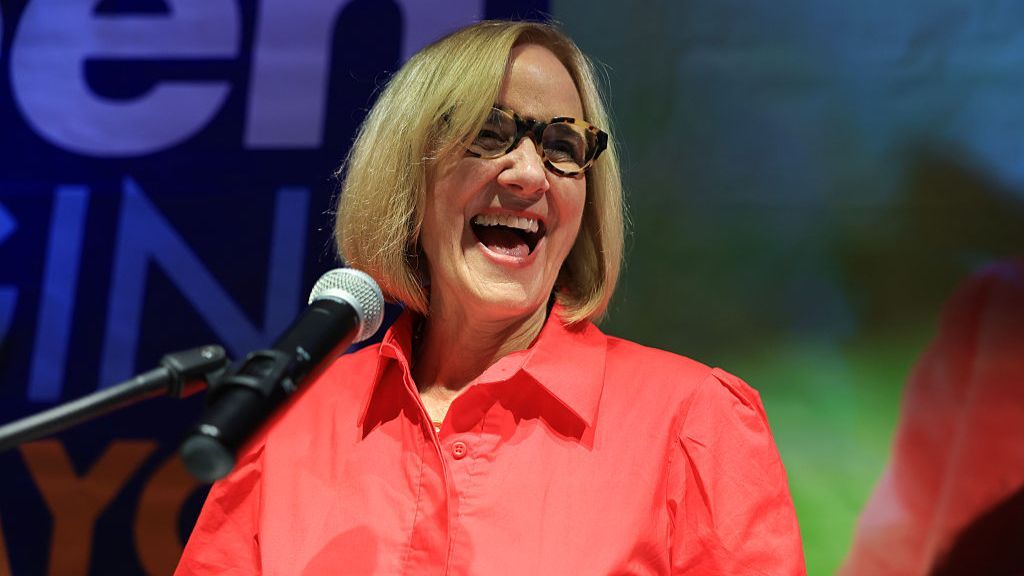
    In a landmark political realignment, Democrat Eileen Higgins has secured victory in Miami’s mayoral election, marking the first time in nearly three decades that a candidate from her party has captured this influential position. The former county commissioner decisively won the runoff election with 59% of the vote, overcoming Republican challenger Emilio Gonzalez who garnered approximately 41% despite receiving endorsements from both former President Donald Trump and Florida Governor Ron DeSantis.

    Addressing jubilant supporters at her victory celebration, Higgins proclaimed that ‘Miami chose a new direction… you chose competence over chaos.’ Her triumph not only breaks a 30-year Republican stronghold but also establishes her as the first woman ever elected to the mayoral office in Miami’s history, according to US media reports.

    The 61-year-old mayor-elect framed her victory as ‘the beginning of the work ahead,’ pledging to confront pressing urban challenges including immigration policy and affordable housing shortages. Higgins emphasized her commitment to leading ‘a city that belongs to everyone’ while drawing sharp contrasts with Trump’s governance approach. In recent interviews, she characterized the former president’s immigration enforcement tactics as ‘inhumane and cruel,’ though she expressed willingness to collaborate with the administration on areas of common interest.

    Despite the officially non-partisan nature of the race, Higgins garnered support from prominent Democratic figures including former Transportation Secretary Pete Buttigieg. Her victory extends a pattern of Democratic successes in recent elections, following significant wins in New York, Virginia, and New Jersey during the initial months of Trump’s second term.

    Higgins succeeds outgoing Republican mayor Francis Suarez, who previously mounted a brief campaign for the Republican presidential nomination. This political transition occurs against the backdrop of evolving urban politics in traditionally conservative strongholds, signaling potential shifts in voter priorities regarding municipal leadership and national political alignment.

  • Japanese urge retraction by Takaichi

    Japanese urge retraction by Takaichi

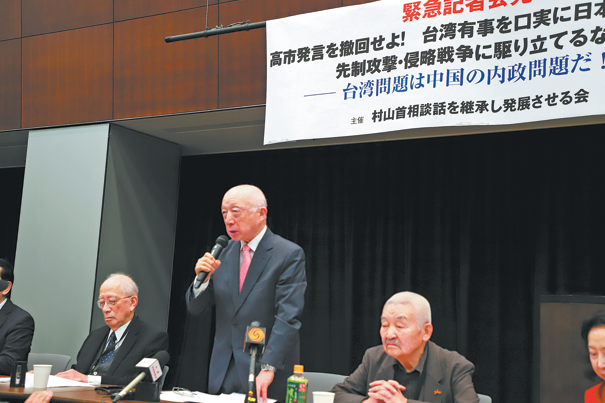
    Prominent Japanese academics, former diplomats, and legal experts have issued a forceful demand for Prime Minister Sanae Takaichi to immediately retract her controversial statements regarding Taiwan, warning that her rhetoric risks reviving militaristic tendencies in Japan. The collective condemnation emerged during a press conference organized by the Association for Inheriting and Propagating the Murayama Statement, a civic group dedicated to preserving Japan’s postwar pacifist values.

    The scholars asserted that Takaichi’s parliamentary comments represent a fundamental departure from Japan’s longstanding diplomatic position on Taiwan and directly violate both postwar international agreements and the 1972 China-Japan Joint Statement. Particularly alarming to the group was the Prime Minister’s suggestion that Japan might assume a wartime posture in response to potential Taiwan contingencies—a stance they characterize as unprecedented and dangerously reminiscent of prewar militarism.

    International relations scholar Kazuhiko Togo, a former diplomat, emphasized that the Taiwan-related commitments in the 1972 agreement resulted from meticulous bilateral negotiations and remain foundational to Sino-Japanese relations. Political economist Kazuhiko Uekusa criticized the Prime Minister’s contradictory explanations of her remarks, noting that she initially claimed they didn’t represent the government’s unified view before asserting they aligned with Japan’s traditional diplomatic position.

    Takakage Fujita, secretary-general of the association, highlighted that his organization has consistently advocated for reflection on Japan’s wartime aggression and adherence to peaceful principles since its establishment in 2013. Professor Emeritus Masakatsu Adachi of Kanto Gakuin University warned that Takaichi’s approach effectively strengthens domestic information control and foreign intelligence gathering—measures that traditionally precede conflict engagement.

    The collective statement concluded that current tensions stem primarily from Japanese provocations, yet the government has adopted an unjustified ‘victim’ posture that hinders resolution. They urged immediate retraction and acknowledgment that Taiwan matters represent China’s internal affairs.

  • Courts target child abuse done under guise of ‘strict parenting’

    Courts target child abuse done under guise of ‘strict parenting’

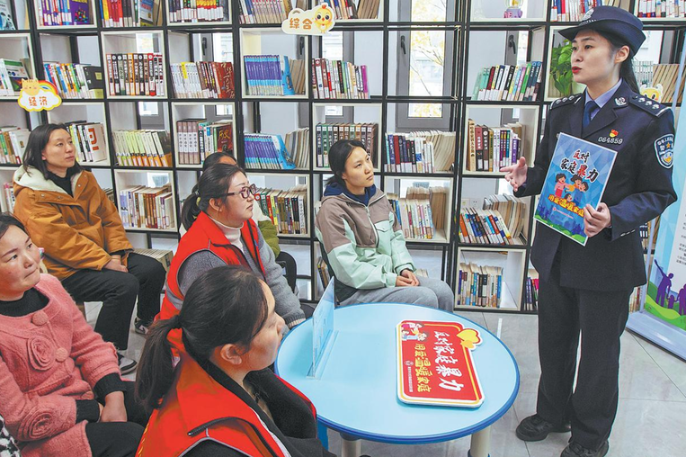
    China’s Supreme People’s Court has issued groundbreaking judicial guidance redefining physical discipline of children as potential domestic violence, marking a significant shift in the country’s approach to child protection. The national top court recently highlighted eight landmark cases demonstrating its zero-tolerance position toward family violence, particularly emphasizing protection for minors.

    Legal experts confirm that Chinese courts will now prioritize children’s wellbeing in case deliberations, with parents or guardians who employ violent disciplinary methods facing potential domestic violence charges. The judiciary has further clarified that courts will support custody modifications when violence causes minors to develop distorted understanding of family relationships, psychological issues, or imitative behavioral patterns.

    Tong Lihua, director of the Beijing Children’s Legal Aid and Research Center, emphasized that ‘parents do not possess any extralegal privilege to commit domestic violence against their children.’ He urged judges to evaluate whether severe abuse was intentional, considering methodology and frequency, while fully utilizing legal measures to penalize perpetrators and ensure societal safety.

    This judicial development challenges persistent traditional beliefs that physical discipline produces obedient children, despite research demonstrating such methods frequently cause psychological trauma, behavioral issues, and physical injuries. The guidance represents a substantial advancement in China’s ongoing efforts to combat domestic violence and protect children’s rights within family environments.

  • Shenzhou XXI astronauts conduct first spacewalk, install debris shields

    Shenzhou XXI astronauts conduct first spacewalk, install debris shields

    In a significant milestone for China’s space program, the three-member crew of the Shenzhou XXI mission has successfully executed their first extravehicular activity outside the Tiangong space station. The operation, which lasted approximately eight hours, represents the 25th spacewalk conducted by Chinese taikonauts since the nation began its manned spaceflight endeavors.

    Mission Commander Senior Colonel Zhang Lu and Spaceflight Engineer Major Wu Fei ventured into the vacuum of space at 11:45 AM Beijing Time on Tuesday, while Payload Specialist Zhang Hongzhang provided crucial support from within the station’s pressurized modules. The astronauts worked in concert with ground control teams and utilized the station’s sophisticated robotic arm to complete a series of complex tasks.

    The primary objective involved the installation of enhanced protective shielding designed to mitigate risks from space debris impacts—a growing concern in increasingly congested orbital pathways. Additionally, the team replaced aging external instruments with upgraded scientific equipment and conducted thorough inspections of the station’s exterior components.

    Of particular significance was their examination of the Shenzhou XX spacecraft’s reentry capsule, specifically documenting damage sustained by one of its windows from a micro-debris strike. This previously undisclosed incident had reportedly delayed the return of the previous crew, highlighting the very real dangers posed by orbital debris.

    Notably, 32-year-old Major Wu Fei made history as the youngest Chinese astronaut to perform a spacewalk, surpassing the previous record held by 34-year-old Lieutenant Colonel Tang Shengjie.

    The current mission marks China’s 16th manned spaceflight and the 10th expedition crew to inhabit Tiangong—presently the only space station operated independently by a single nation. Having resided aboard the orbital complex for nearly 40 days since their November 1 arrival, the crew has conducted extensive system checks, emergency preparedness drills, and robotic arm operations.

    Future mission activities may include additional spacewalks and potential repairs to the damaged Shenzhou XX spacecraft viewport, contingent upon technical feasibility and mission priorities.

  • Openness, cooperation highlighted at dialogue

    Openness, cooperation highlighted at dialogue

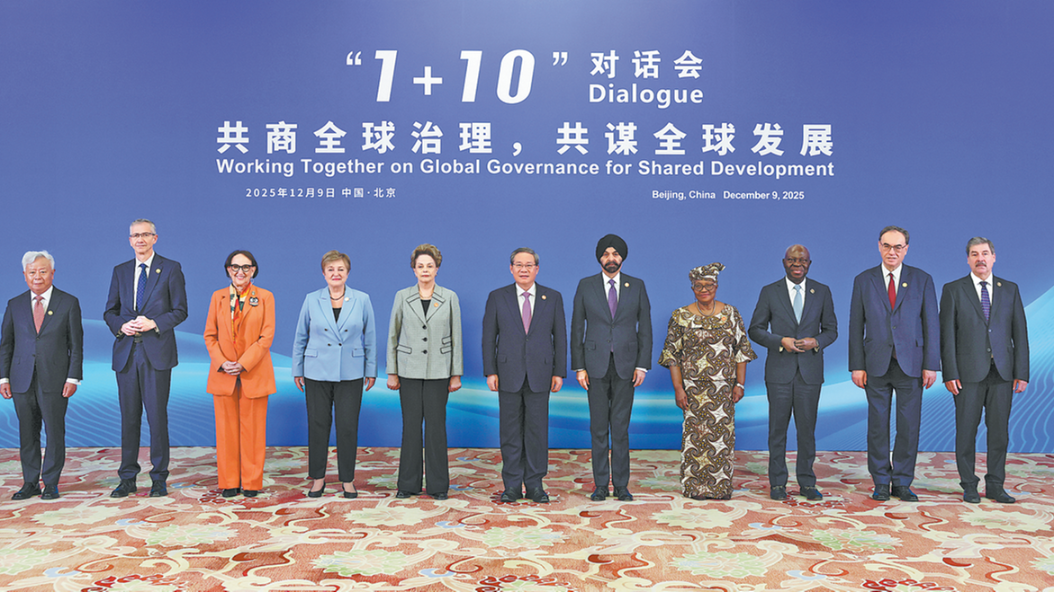
    In a significant diplomatic engagement, Chinese Premier Li Qiang convened with leaders of ten major international economic institutions in Beijing on Tuesday, advocating for enhanced global economic cooperation and warning against the politicization of trade issues. The “1+10” Dialogue brought together heads of organizations including the World Bank, International Monetary Fund, and World Trade Organization to address mounting challenges in global economic governance.

    Premier Li emphasized the urgent need for mutual market openness among nations, cautioning against the weaponization of national security concepts to justify trade restrictions. Against the backdrop of a volatile global economy facing protectionist headwinds, Li asserted that only through collaborative efforts can nations create growth opportunities, stabilize supply chains, and accelerate technological advancement.

    The Chinese leader presented a confident assessment of China’s economic trajectory, revealing that the country’s GDP grew by 5.2% year-on-year during the first three quarters of 2025 despite external pressures. New tax data showing revenues exceeding 29 trillion yuan ($4.1 trillion) for the January-November period further indicated steady growth momentum, characterized by rising consumption, resilient exports, and advances in technological innovation.

    Li positioned China as a steadfast advocate for multilateralism, referencing President Xi Jinping’s Global Governance Initiative proposed in September as offering “Chinese wisdom and solutions” to international challenges. The Premier committed to China continuing to open its markets wider to foreign companies and actively fulfilling international obligations commensurate with its capabilities.

    International organization representatives acknowledged China’s substantial contribution to global economic growth and expressed particular interest in the country’s upcoming 15th Five-Year Plan (2026-2030), which they believe aligns closely with international economic development objectives. Participants commended China’s support for Global South nations and its role in promoting a shared future for humanity.

    The dialogue concluded with commitments to strengthen cooperation across multiple domains including trade and investment, green development, artificial intelligence, and financial stability, signaling a collective determination to uphold multilateral frameworks amid growing geopolitical tensions.

  • India orders IndiGo to slash flights as airline says operations ‘normalised’

    India orders IndiGo to slash flights as airline says operations ‘normalised’

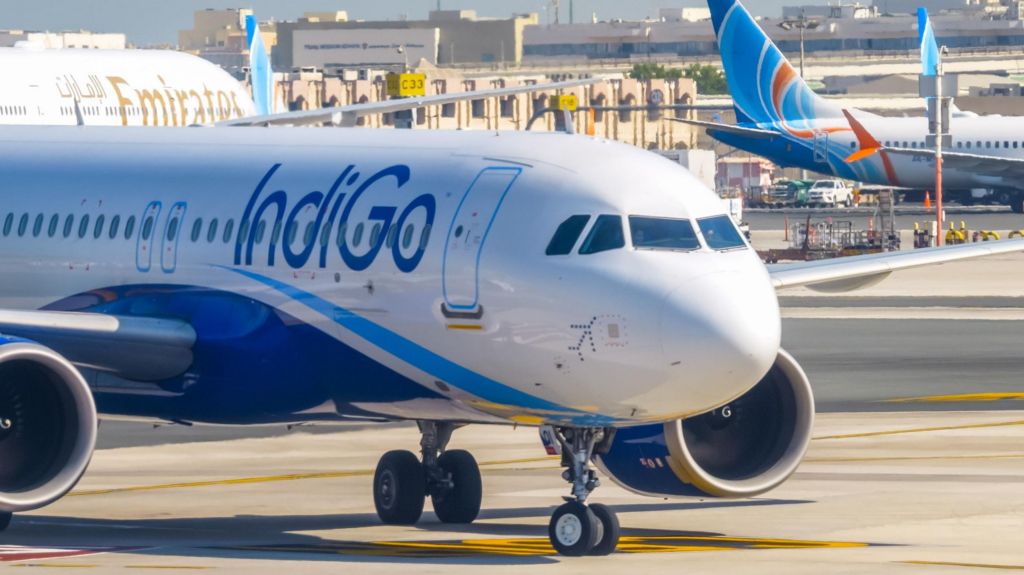
    India’s dominant carrier IndiGo has announced the stabilization of its operations following a severe disruption that resulted in over 3,000 flight cancellations last week. The crisis, attributed by company officials to inadequate pilot roster planning, stranded thousands of passengers nationwide.

    In response to the operational breakdown, Indian aviation authorities have mandated a 10% reduction in IndiGo’s winter flight schedule—doubling the initially proposed cuts. This directive could lead to the cancellation of more than 200 daily flights. Federal Aviation Minister Ram Mohan Naidu stated that the ministry ‘deems it necessary to curtail the overall IndiGo routes’ to restore operational stability, while assuring that the airline ‘will continue to cover all its destinations as before.’

    The airline, which commands over 60% of India’s domestic market with approximately 2,200 daily flights, has been ordered to submit its revised schedule to regulators by Wednesday. Additionally, the carrier must implement fare caps, expedite refund processes, and accelerate baggage handling for affected customers.

    Aviation analysts warn that reducing IndiGo’s daily capacity by 10% could exacerbate India’s ongoing aviation crisis. Sanat Kaul, an industry analyst, noted that while the government’s intervention might benefit passengers long-term, immediate consequences could include heightened fares due to constrained capacity across competitors like Air India and SpiceJet, which lack surplus capacity.

    The operational turmoil has triggered financial repercussions, with IndiGo’s shares declining 15% since December 1st. Investors express concerns over rising costs stemming from operational disruptions and increased crew expenses under new regulatory frameworks. Aviation expert Mark Martin anticipates further penalties for the carrier in coming days.

    IndiGo CEO Peter Elbers, summoned by India’s aviation ministry on Tuesday to address crisis management and passenger complaint handling, asserted in a video message on social media platform X that operations had ‘fully stabilized.’