作者: admin

  • Plunge in Iran’s currency sparks strikes and protests: Press review

    Plunge in Iran’s currency sparks strikes and protests: Press review

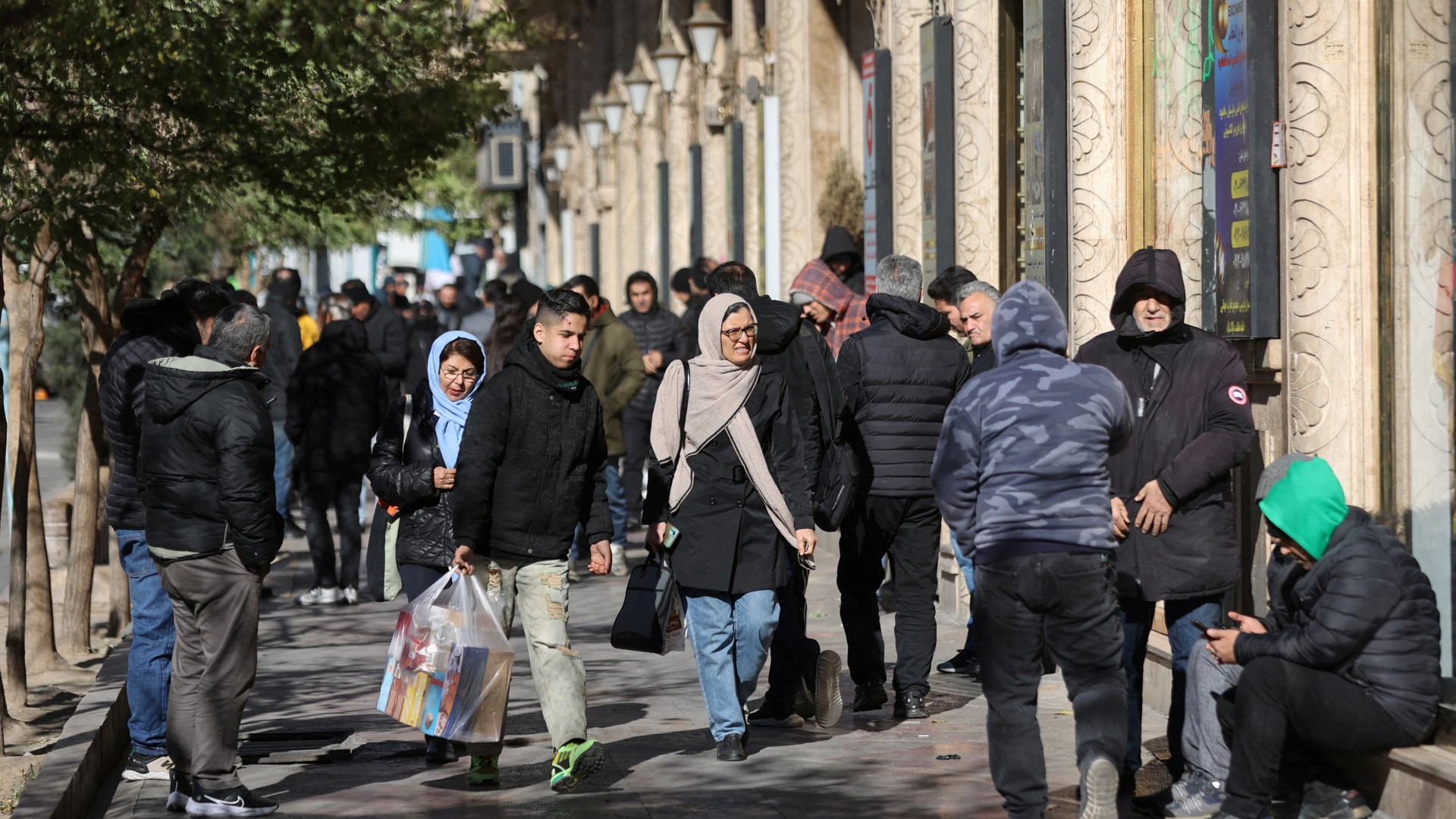
    A perfect storm of economic, political, and environmental crises is gripping Iran, placing unprecedented strain on the nation’s stability. The Iranian rial has plummeted to a historic nadir, with the US dollar trading at approximately 1.4 million rials on the open market before a slight recovery to 1.35 million. This dramatic devaluation has triggered merchant strikes at Tehran’s Grand Bazaar and sparked protests in cities nationwide, raising grave concerns about the currency’s future trajectory.

    Economists are issuing stark warnings that governmental promises to arrest the currency’s decline are futile without first tackling the nation’s rampant inflation, which has surged beyond 40%. Mohammad Kohandal, an economic analyst, emphasized that controlling inflation is the fundamental prerequisite for exchange rate stability, stating that expecting a stable rate amidst such chronic economic problems is unrealistic. Further compounding the economic distress, former central bank official Seyyed Kamal Seyyed Ali pointed to additional pressures from rising fuel prices and the persistent risk of reduced oil exports due to international sanctions.

    Amid the economic turmoil, significant political fractures are emerging within the ruling system. Supporters of President Masoud Pezeshkian report intensifying political pressure from internal rivals, which is weakening his government and deepening divisions. Although ultimate authority rests with Supreme Leader Ali Khamenei and the Islamic Revolutionary Guard Corps (IRGC), rival factions continue to fiercely compete for influence. Ali Soufi, a former minister and government supporter, cautioned that hardline parliamentary pressure may yield short-term gains but will ultimately fuel public dissatisfaction, advocating for the supreme leader to grant the president greater authority. This sentiment was echoed by political activist Mehdi Shirzad, who criticized the hardliners’ partisan demands for diverting the government from the country’s main priorities.

    In a contrasting development, the head of the Iranian Space Organisation, Hassan Salarieh, announced an ambitious plan to build and launch 30 satellites within the next two years, following the recent launch of three satellites aboard a Russian rocket. Salarieh stated that Iran has moved beyond acquiring basic space technology and is now focused on establishing a stable program and developing a ‘space economy’ for applications like imaging and disaster tracking. However, this announcement has been met with skepticism from Western sources, who raise concerns about potential links between the space program and missile development.

    Simultaneously, Iran is battling severe climate-related disasters. Following an exceptionally dry summer and autumn, the winter season has commenced with devastating floods in the southwest and heavy snowfall in mountainous regions. The Iranian Red Crescent Society reported nine individuals missing after floods swept through Khuzestan and Kohgiluyeh and Boyer Ahmad provinces, with social media videos showing severe flooding in urban areas. In the west, heavy snowfall has disrupted daily life and caused casualties, including a border guard who died from frostbite during a patrol. Earlier blizzard conditions in Kurdistan led to 14 people being reported missing before they were successfully rescued by Red Crescent teams.
  • Gold to $4,900, oil to $50s: Goldman’s big 2026 trade call

    Gold to $4,900, oil to $50s: Goldman’s big 2026 trade call

    In a comprehensive 2026 commodities outlook, Goldman Sachs has presented a strikingly divergent forecast for global markets, advocating a strategic pivot toward precious metals while cautioning against energy sector investments. The analysis, spearheaded by lead strategist Daan Struyven, identifies two powerful macroeconomic forces—dubbed the ‘Power Race’ and ‘Supply Waves’—as primary drivers reshaping commodity landscapes.

    The ‘Power Race’ encapsulates the intensifying technological and geopolitical competition between major powers, particularly the United States and China, across artificial intelligence development, energy security initiatives, and military modernization programs. This competition generates substantial demand for strategic metals essential for data center construction, electrical grid modernization, and defense applications. Conversely, ‘Supply Waves’ describes the phenomenon of sustained energy investment finally delivering substantial new production volumes to markets experiencing declining demand fundamentals.

    Goldman’s analysis positions gold as its premier commodity investment for 2026, projecting prices could reach $4,900 per ounce by December 2026. This bullish outlook stems primarily from unprecedented central bank acquisition, with institutions expected to purchase approximately 70 tons monthly—quadruple pre-2022 acquisition rates. Notably, this institutional demand occurs alongside remarkably limited retail participation, with gold ETFs representing merely 0.17% of U.S. private portfolio assets, suggesting significant room for price appreciation.

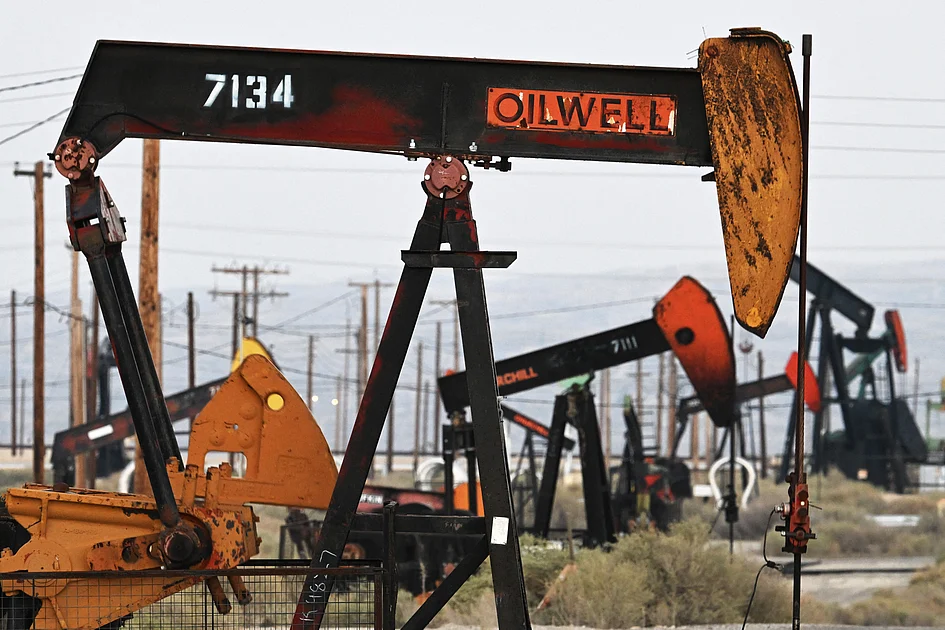
    The energy sector presents a contrasting picture. Goldman anticipates Brent crude averaging $56 per barrel in 2026, with West Texas Intermediate around $52—substantially below current spot prices. This bearish outlook reflects resilient U.S. production, expanding non-OPEC output, and inventory builds that likely will cap prices absent major geopolitical disruptions or substantial OPEC+ intervention.

    Copper occupies an intermediate position, expected to consolidate around $11,400 per ton throughout 2026 following previous gains. Goldman maintains long-term confidence in copper driven by ongoing electrification trends and infrastructure development, with potential Chinese stockpiling initiatives providing additional price support.

    Battery metals face particular challenges, with lithium and nickel prices projected to decline further due to substantial Chinese investment in overseas production capacity. Goldman anticipates lithium prices falling an additional 25% by late 2026 as supply expansion outpaces electric vehicle demand growth.

    Natural gas markets demonstrate regional variations within broader trends. While global LNG markets face potential oversupply with capacity increasing approximately 50% by 2030, the United States may experience price support as growing export volumes tighten domestic supply balances.

    The report concludes that commodities have entered a period of structural divergence, where electricity, data infrastructure, and security considerations have become the new determinants of value, fundamentally decoupling traditional relationships between energy and metals markets.

  • New Year’s Eve: 62-minute fireworks, 6,500-drone show break records at Sheikh Zayed Festival

    New Year’s Eve: 62-minute fireworks, 6,500-drone show break records at Sheikh Zayed Festival

    Two significant international incidents have come to light, revealing operational intelligence successes and tragic public safety failures. According to a Reuters exclusive, the U.S. Central Intelligence Agency (CIA) successfully cultivated and managed a high-level informant embedded within the inner circle of the Venezuelan government. This clandestine asset provided the United States with critical intelligence, facilitating the tracking and monitoring of activities and movements of Venezuelan President Nicolás Maduro. The operation represents a major intelligence coup, underscoring the deep penetration of U.S. espionage networks within regimes considered adversarial. The information supplied by the source was instrumental in shaping Washington’s understanding of the Maduro administration’s dynamics.

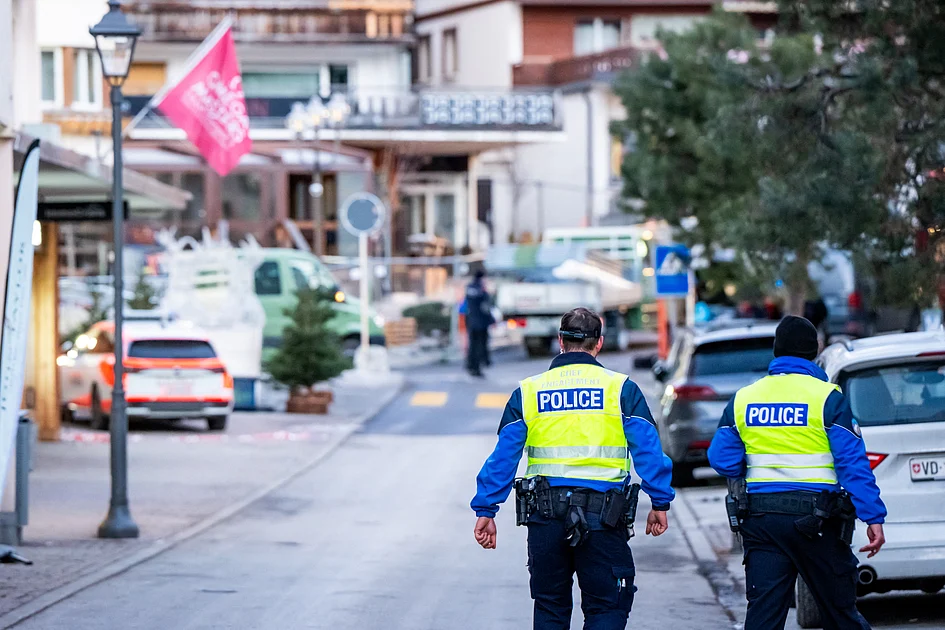
    In a separate development in Switzerland, a devastating nightclub fire has triggered a serious criminal investigation. Following the blaze that resulted in multiple fatalities, local judicial authorities have placed the establishment’s management team under formal investigation. The managers are facing preliminary charges of ‘killing by negligence,’ a serious criminal offense. Prosecutors are examining whether egregious safety lapses, including potential violations of fire codes, overcrowding, or locked emergency exits, contributed to the tragic loss of life. The investigation aims to determine the chain of responsibility and whether criminal neglect played a role in the catastrophe.

  • Senior Assad commander reveals plan to destabilise Syria to ‘fake Israeli agent’

    Senior Assad commander reveals plan to destabilise Syria to ‘fake Israeli agent’

    A groundbreaking investigation by Al Jazeera has uncovered explosive audio evidence revealing senior former Syrian military officials allegedly conspiring with Israeli intelligence to undermine the country’s current government. The revelations, broadcast on the network’s ‘The Investigator’ program, stem from over 74 hours of intercepted recordings and hundreds of documents that paint a disturbing picture of collaboration between former Bashar al-Assad loyalists and foreign interests.

    At the center of the scandal stands Suheil al-Hassan, once commander of the elite Tiger Forces unit, who is heard in recordings being assured of Israeli support by an individual posing as a Mossad operative. ‘The State of Israel, with all its capabilities, will stand with you,’ the purported intelligence officer tells Hassan, who responds by referencing coordination through Rami Makhlouf—a wealthy Syrian businessman and cousin of the deposed President Assad.

    The leaked conversations reveal not only potential coordination with Israel but also contain deeply offensive remarks from Hassan about various religious groups, including Palestinians, Shia and Sunni Muslims, and Christians. When the fake Mossad agent suggests most Sunnis in the region share Hamas’s ideology, Hassan retorts that ‘The Shias are the same and the Eastern Christians are even worse.’

    The investigation emerges against the backdrop of significant regional upheaval. Following the collapse of the Assad government after a rapid offensive by forces loyal to current President Ahmed al-Sharaa, Israel expanded its territorial control in southern Syria, seizing a UN-patrolled buffer zone in the Golan Heights in December 2024 and conducting hundreds of subsequent attacks.

    Additional high-ranking figures implicated in the leak include former brigadier general Ghiath Dalla, who validates Hassan’s claim of representing Syria’s mountainous coastal regions—traditional Assad strongholds. Syrian Interior Ministry spokesperson Nour al-Din al-Baba confirmed the recordings demonstrate how elements of the former administration were prepared to collaborate with hostile entities.

    The Al Jazeera report corroborates earlier New York Times findings that revealed exiled Assad-era figures were actively working to undermine Syria’s current government and reclaim control of coastal areas. Intercepted communications showed former intelligence chiefs and military commanders—many based in Russia and Lebanon—were rebuilding loyalist networks within the Alawi community, with Hassan reportedly meeting collaborators across multiple countries and allegedly maintaining detailed records of potential fighters and weaponry.

    The leaked communications date to April 2025, shortly after sectarian violence on Syria’s Mediterranean coast left over 1,600 dead, predominantly Alawis. The coordinated attacks against new government troops served as a rallying point for former regime figures seeking to mobilize fighters, capitalizing on economic hardship and fear within the Alawi community despite persistent resentment toward Assad’s rule.

    Further complicating matters, the investigation reveals Hassan’s alleged backing of the Beirut-based Foundation for the Development of Western Syria, which has spent millions on lobbying efforts in Washington. Disclosure filings show the foundation hired Tiger Hill Partners and former Trump administration official Joseph Schmitz under a $1 million contract, presenting itself as an advocate for Syrian minorities while allegedly advancing the interests of exiled regime elements.

  • ‘No traffic, no music’: Dubai residents, visitors ride hot air balloons to welcome 2026

    ‘No traffic, no music’: Dubai residents, visitors ride hot air balloons to welcome 2026

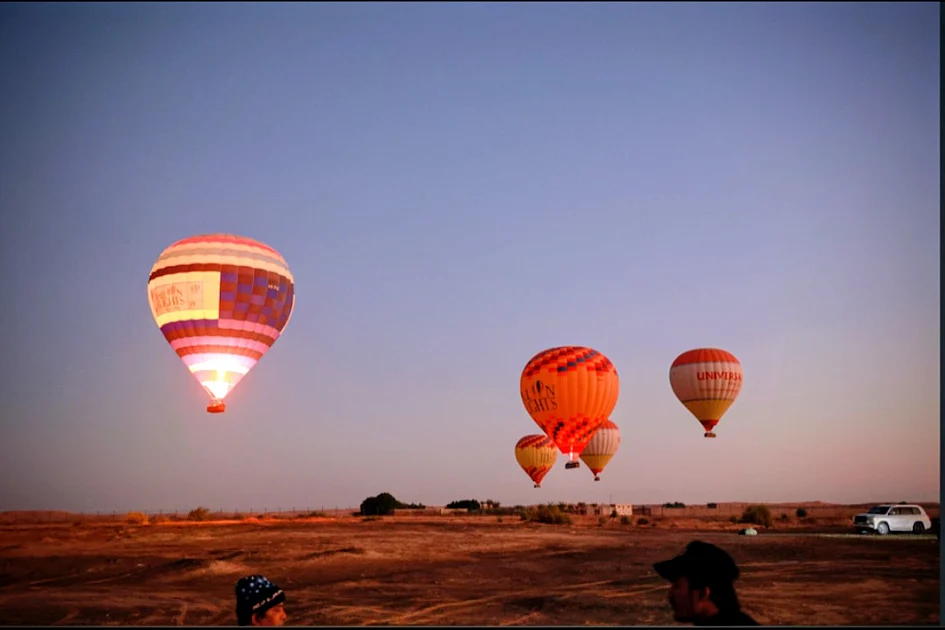
    As Dubai’s skyline typically erupts with fireworks and cheers on New Year’s Eve, an alternative celebration unfolded in the predawn hours of January 1, 2026. Hundreds of residents and visitors opted for a serene commencement to the new year, ascending above the Margham desert in hot air balloons to witness the first sunrise of 2026.

    The experience began in the early morning darkness, with participants arriving at the launch site by 5:30 AM while most of the city still slept. Against the cool desert air and absence of urban noise, guests were served traditional hot beverages and dates during balloon preparation. The operation, primarily conducted by Balloon Flights LLC, saw five of their vessels gently lift 102 passengers into the sky by 6:30 AM, accompanied by over twelve other balloons carrying more than 400 individuals collectively.

    Passengers described the experience as profoundly peaceful compared to conventional celebrations. Dubai resident Ahmed Khan noted: ‘Typically, New Year’s festivities are characterized by loud crowds and congestion. This alternative offered tranquility—no traffic noise, no music, just the whispering wind.’

    The aerial spectacle provided breathtaking views as the sun gradually transformed the desert landscape from dark brown to soft golden hues. The cityscape appeared distant and almost surreal from the elevated perspective. Many participants reported being fully immersed in the natural spectacle, with minimal smartphone usage throughout the journey.

    Adding technological innovation to the traditional balloon experience, Balloon Flights LLC incorporated an LED display within the balloon envelope—reportedly the first such implementation in the UAE. Gentle LED visuals cast a soft glow against the dark desert sky during the predawn ascent.

    The balloons drifted peacefully for approximately one hour before safely landing around 7:30 AM. For those who chose this unconventional welcoming ceremony, 2026 began not with explosive displays but with silent reverence for nature’s rhythms and the majestic awakening of the desert landscape.

  • Higher US tariffs on imported furniture take effect

    Higher US tariffs on imported furniture take effect

    The United States has enacted significant increases on import duties for specific furniture categories, effective January 1, 2026. These measures represent the implementation of previously scheduled tariff escalations originally established under the Trump administration’s sector-specific trade policies.

    The updated tariff structure imposes a 30 percent duty on certain upholstered furniture items, marking a 5 percentage point increase from previous levels. Meanwhile, import charges on kitchen cabinets and vanities have doubled to 50 percent, substantially raising costs for these household goods. These changes form part of broader trade measures affecting various sectors including steel, automobiles, and wood products.

    This policy development primarily impacts furniture imports from Vietnam and China, nations that serve as major suppliers to the American market. However, differential tariff rates apply to products originating from other trading partners. Wood imports from Britain face a maximum 10 percent duty, while goods from European Union countries and certain other negotiated partners are subject to a 15 percent ceiling.

    The Trump administration has consistently justified these protectionist measures as necessary for revitalizing domestic manufacturing capabilities and safeguarding national security interests. These sector-specific tariffs operate independently from the broader countrywide ‘reciprocal’ levies that the administration has simultaneously implemented, though the Supreme Court is currently reviewing the legal validity of those comprehensive tariffs under the International Emergency Economic Powers Act.

    Market analysts anticipate these increased costs will ultimately transfer to American consumers, potentially exacerbating existing financial pressures from sustained elevated living expenses. The furniture industry now faces significant pricing adjustments as importers and retailers adapt to the new trade landscape.

  • Why Indian millionaire flow to the UAE keeps growing

    Why Indian millionaire flow to the UAE keeps growing

    The United Arab Emirates is solidifying its position as the world’s foremost destination for migrating high-net-worth individuals, with Indian millionaires constituting one of the most substantial and consistent demographic flows. According to Henley & Partners’ latest private wealth migration estimates, the UAE recorded a net inflow of approximately 9,800 millionaires in 2025, translating to roughly $63 billion (Dh231 billion) in investable assets. This follows the country’s top global ranking in 2024, when it attracted about 6,700 millionaires.

    The Indian wealth migration pattern reveals a sustained trend rather than a temporary phenomenon. Estimates indicate approximately 5,100 Indian millionaires departed in 2023, followed by 4,300 in 2024, with nearly 3,500 projected for 2025. This consistent outflow signals a strategic, long-term capital repositioning rather than a reactive response to transient political or economic conditions.

    Surveys conducted by Kotak Private Banking and EY reveal that over 20% of ultra-high-net-worth Indians (those possessing assets exceeding Rs250 million) have either planned or executed relocation strategies. While surface-level factors like taxation, pollution, and quality of life are frequently mentioned, analysts identify deeper structural drivers including constrained competitive space in traditional industries, sluggish regulatory processes, inconsistent policy implementation, and perceived insufficient rewards for innovation and risk-taking.

    The UAE addresses these concerns through a compelling combination of zero personal income tax, absence of capital gains and inheritance taxes, and the Golden Visa system providing long-term residency security. The jurisdiction offers predictable regulatory enforcement, efficient business processes, and strategic geographic positioning bridging Asian, European, and African markets. Dubai and Abu Dhabi have consequently evolved into operational headquarters for numerous Indian entrepreneurs rather than mere lifestyle destinations.

    Healthcare economics have emerged as a critical consideration in relocation decisions. The SIP Health Cost Index 2025 ranks the UAE approximately 10th globally for healthcare affordability, with comprehensive family insurance typically ranging between Dh50,000 to Dh100,000 annually. This contrasts sharply with the United States ($17,969 per person), Hong Kong ($16,175), and Singapore ($14,231), where elevated medical insurance costs can significantly impact long-term financial planning.

    International residence and citizenship planning surged by 43% in 2025, with affluent individuals from 92 nationalities pursuing cross-border mobility strategies. Rising healthcare inflation, alongside education expenses and intergenerational security concerns, has transitioned from peripheral considerations to central drivers in migration decisions.

    While alternative destinations including the United States, Singapore, Portugal, Australia, and Canada offer various advantages, each presents trade-offs regarding taxation, healthcare costs, immigration complexity, or regional connectivity. The UAE’s distinctive appeal lies in its integrated offering combining fiscal efficiency, business opportunity, premium healthcare, educational excellence, safety, and global mobility within a stable administrative framework.

    For Indian millionaires, this migration represents not a rejection of India’s economic potential but a strategic adaptation to structural limitations domestically and enhanced flexibility internationally. As global competition for mobile wealth intensifies, the UAE’s leadership position appears both secure and likely to expand in coming years.

  • Video: Around 40 killed, 100 injured in blast at Swiss ski resort bar, police say

    Video: Around 40 killed, 100 injured in blast at Swiss ski resort bar, police say

    A devastating explosion ripped through a popular bar in the exclusive Swiss ski resort of Crans-Montana during New Year’s Eve celebrations, resulting in one of Switzerland’s deadliest peacetime disasters. Initial reports from Swiss authorities indicate approximately 40 fatalities and 100 injured, many with critical burn injuries, after the blast occurred around 1:30 a.m. local time at the “Le Constellation” bar.

    Valais canton security chief Stephane Ganzer confirmed the international scope of the tragedy, noting that victims included citizens from multiple countries. Emergency services mounted a massive response operation, deploying 10 helicopters, 40 ambulances, and establishing a no-fly zone over the affected area. Critically injured patients were transported to medical facilities across Switzerland, including hospitals in Sion, Lausanne, Geneva, and Zurich.

    Prosecutor Beatrice Pilloud emphasized that authorities are treating the incident as a catastrophic accident rather than a deliberate attack, though the exact cause remains under active investigation. Italian Foreign Minister Antonio Tajani suggested the possibility that fireworks or firecrackers used in New Year’s celebrations might have triggered the explosion, though Swiss officials have not yet confirmed this theory.

    Swiss Federal President Guy Parmelin expressed national grief, stating on social media that “what was meant to be a moment of joy turned, on the first day of the year in Crans-Montana, into mourning that touches the entire country and far beyond.” Authorities have established dedicated helplines for concerned relatives and are utilizing forensic resources to identify victims and expedite the return of remains to grieving families.

  • AI held up Wall Street in 2025. Will that continue?

    AI held up Wall Street in 2025. Will that continue?

    Wall Street concluded 2025 with remarkable gains largely fueled by an artificial intelligence investment frenzy, though the path was marked by significant volatility and underlying economic concerns. The S&P 500 finished the year with a 16.4% increase, primarily driven by massive investments in AI infrastructure and technology.

  • UAE: Asian expat returns sum of money to police, honoured for his integrity

    UAE: Asian expat returns sum of money to police, honoured for his integrity

    In a demonstration of remarkable moral integrity, an Asian expatriate in Abu Dhabi has been formally recognized by authorities for returning an undisclosed sum of found money to police authorities. The commendable incident occurred when the individual discovered the cash and immediately delivered it to the Capital Police Directorate’s Khalidiya Police Station.

    Brigadier Dr. Hamad Abdullah Al Niyadi, Director of the Capital Police Directorate within the Criminal Security Sector, personally presented the honorable citizen with a gift during a special ceremony. The recognition highlights the UAE’s ongoing commitment to fostering ethical behavior within its diverse community.

    The recipient expressed profound gratitude toward the police directorate, acknowledging Abu Dhabi Police’s persistent efforts in promoting positive public engagement and cooperative citizenship. This event marks the latest in a series of similar recognitions across the Emirates, where residents consistently demonstrate exemplary civic responsibility.

    Previous instances include another Asian national honored last year for identical ethical conduct in returning lost money, and Ajman Police’s recognition of a young girl in November for comparable honesty in similar circumstances. These recurring incidents reflect a broader cultural emphasis on integrity within the UAE’s multicultural society.