作者: admin

  • Abu Dhabi’s new pet rule sees restaurants open up to pets, owners welcome move

    Abu Dhabi’s new pet rule sees restaurants open up to pets, owners welcome move

    Abu Dhabi has ushered in a new era of urban inclusivity with groundbreaking regulatory amendments that permit licensed tourism establishments to welcome companion animals. The Department of Municipalities and Transport (DMT) has authorized hotels and restaurants to designate specific areas for pets, provided they maintain stringent health, safety, and animal welfare standards. This policy shift represents a significant departure from previous restrictions that primarily accommodated service animals.

    The hospitality sector has responded with enthusiastic implementation. EL&N at Yas Bay reported accepting its first canine-accompanied patrons within hours of the regulation taking effect. Director Mohamed Metwally hailed the move as addressing a long-standing need among pet owners seeking dining options without separation from their animals. Meanwhile, establishments like Art Market Café in Yas Bay have demonstrated prior adaptability, with staff noting regular patronage by dog owners and even a customer with a trained talking bird. The café distinguishes itself by providing customized amenities including water bowls and specially prepared pet meals.

    Despite widespread approval, animal behavior experts emphasize the necessity of responsible implementation. Antje Westermann, a professional dog behaviorist, characterized the policy as a ‘double-edged sword’ requiring careful management of potential allergies, animal phobias, and behavioral considerations. She stressed that successful adoption depends heavily on pet temperament and proper socialization, noting that well-trained animals in controlled environments typically adapt best.

    The regulation remains optional for businesses, reflecting Abu Dhabi’s balanced approach to urban modernization. For residents like Ognjen and Jelena Kukic, cat owners from Serbia, the changes offer cautious optimism. They note that feline companions present unique challenges due to their territorial nature, but welcome the opportunity to gradually test their pet’s adaptability in designated spaces. This legislative evolution aligns Abu Dhabi with global pet-inclusive trends while establishing frameworks for responsible coexistence between commercial establishments and animal companions.
  • Maduro open to US talks on drug trafficking, but silent on CIA strike

    Maduro open to US talks on drug trafficking, but silent on CIA strike

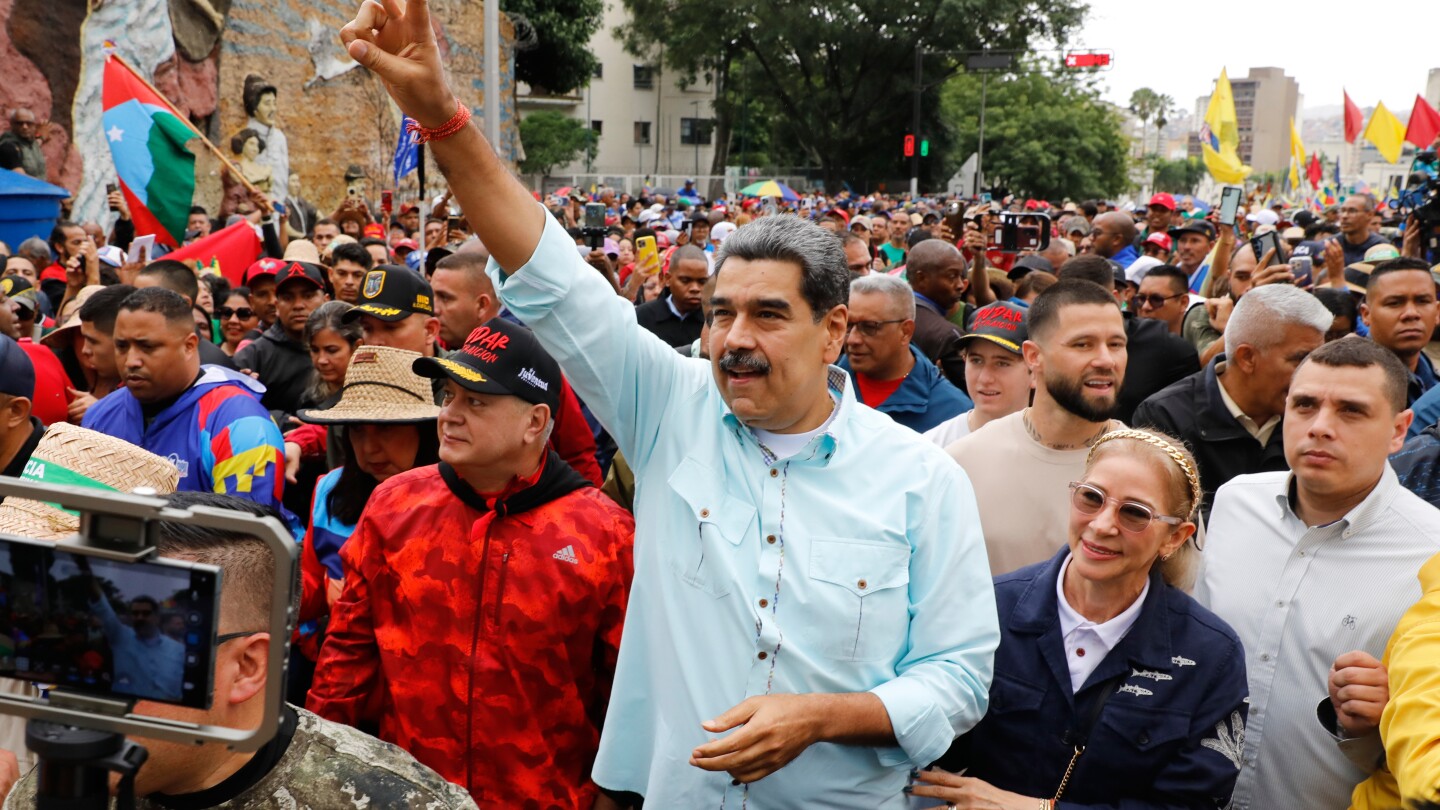
    Venezuelan President Nicolás Maduro has expressed willingness to negotiate a bilateral agreement with the United States targeting drug trafficking operations, while simultaneously accusing Washington of pursuing regime change to access the country’s substantial oil reserves. The declaration came during a state-televised interview with Spanish journalist Ignacio Ramonet that aired Thursday, though the interview was originally recorded on New Year’s Eve.

    Maduro declined to comment specifically on a recent CIA-led drone strike at a Venezuelan docking area allegedly used by cartels, stating he would address the incident “in a few days.” Instead, he framed the offer for cooperation as an alternative to current U.S. strategies, which he characterized as based on “threats, intimidation and force.”

    The Venezuelan leader presented a dual proposition: potential collaboration on narcotics enforcement alongside invitations for expanded U.S. energy investment, specifically mentioning Chevron Corp.—currently the only major oil company exporting Venezuelan crude to the United States. “If they want oil, Venezuela is ready for U.S. investment, like with Chevron, whenever they want it, wherever they want it and however they want it,” Maduro stated.

    This overture occurs against a backdrop of escalating military actions. The Trump administration has conducted 35 known boat strikes since August, resulting in at least 115 fatalities, including Venezuelan citizens. President Trump has characterized these operations as necessary escalations in an “armed conflict” with drug cartels, with recent strikes expanding from Venezuela’s Caribbean coast to the eastern Pacific Ocean.

    The CIA operation on Venezuelan soil represents a significant intensification of pressure against Maduro, who faces narco-terrorism charges in the United States. The administration’s campaign began with a substantial military deployment to the Caribbean Sea in August, which Maduro interprets as fundamentally aimed at securing control over Venezuela’s vast petroleum resources—the world’s largest proven oil reserves.

  • ‘Liberation coming to City Hall’: Thousands brave freezing temperature to welcome Mamdani as New York City mayor

    ‘Liberation coming to City Hall’: Thousands brave freezing temperature to welcome Mamdani as New York City mayor

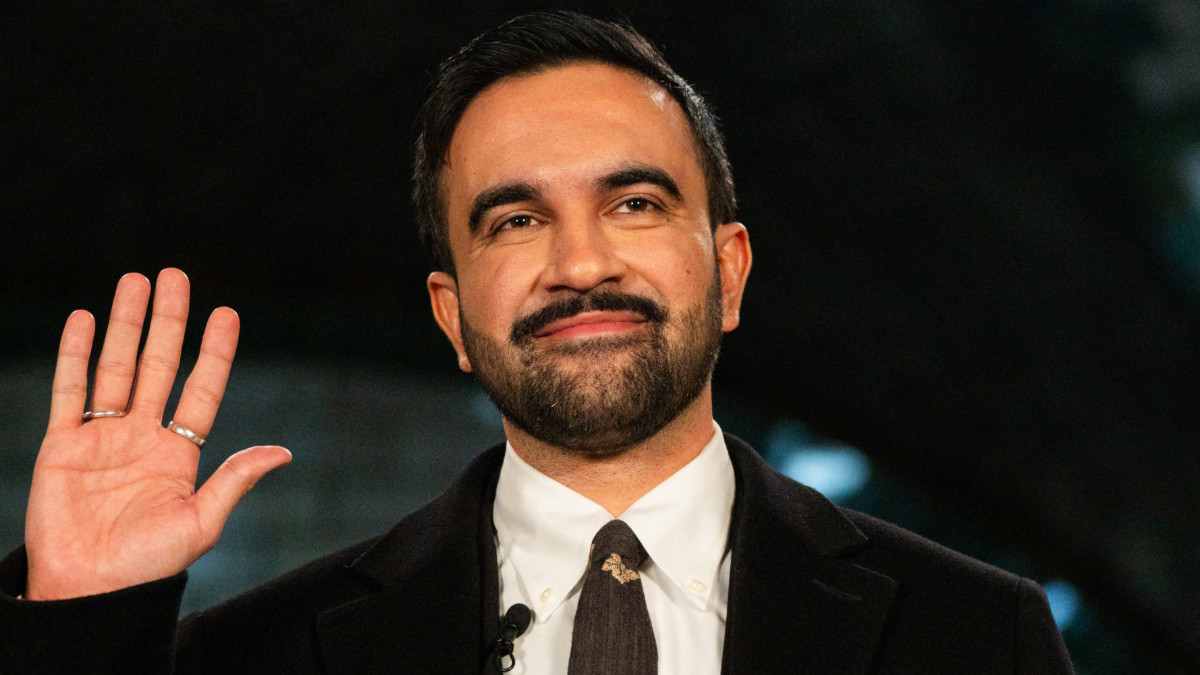
    In a landmark moment for American politics, Zohran Mamdani assumed office as New York City’s first Muslim mayor on January 1, 2026, before thousands of supporters who endured freezing temperatures to witness the historic inauguration. The ceremony at City Hall and adjacent Broadway areas transformed into a sea of blue and yellow beanies bearing the new mayor’s name, with 1990s R&B music creating a celebratory atmosphere despite the cold.

    The significance of this political milestone was palpable among attendees, many of whom clutched hand-warmers alongside Palestinian keffiyehs. Asad Dandia, an informal adviser during Mamdani’s campaign, expressed profound emotion about the occasion: ‘It’s insane we are going to have a Muslim guy in command of City Hall. Islamaphobia, anti-Muslim bigotry [and] anti-Arab bigotry lost and we won.’

    Mamdani’s inauguration actually occurred in two parts. At midnight, he participated in a private ceremony at an abandoned subway stop using his grandfather’s Quran and a 200-year-old copy borrowed from the New York Public Library. His wife, artist Rama Duwaji, held the religious texts during this intimate oath-taking, attended by former Mayor Eric Adams among few others.

    The 34-year-old mayor represents multiple historic firsts: not only New York’s initial Muslim mayor but also the first of South Asian descent and first born in Africa. His campaign deliberately centered on his faith and ethnic background while championing New York’s diversity. Through social media outreach, Mamdani addressed post-9/11 Islamophobia and highlighted experiences of Muslim and immigrant communities.

    His avowedly left-wing platform promised rent control, free bus travel, and increased taxes on the wealthiest residents. Perhaps most notably, Mamdani maintained an unapologetically pro-Palestine stance in a city deeply affected by protests against Israel’s war on Gaza.

    The broad coalition supporting Mamdani included substantial Jewish support, as noted by transgender activist Rabbi Abby Stein: ‘We had thousands of Jews knocking on hundreds of thousands of doors… we got hundreds of thousands of Jews who voted for the first Muslim mayor.’ Stein articulated the shared vision that ‘Palestinian liberation is what will help us in the battle against antisemitism, in the battle against Islamophobia.’

    The City Hall event, accommodating 4,000 ticket holders, was complemented by a neighboring block party for approximately 40,000 additional spectators who watched the proceedings on large screens across seven blocks of Lower Manhattan.

  • From Sudan to Yemen and Gaza, Middle East wars top the list of conflicts to watch in 2026, report says

    From Sudan to Yemen and Gaza, Middle East wars top the list of conflicts to watch in 2026, report says

    A comprehensive analysis by the International Crisis Group projects that global conflict levels will remain persistently high through 2026, with diplomatic solutions proving increasingly elusive across multiple critical regions. The organization’s annual ‘Conflicts to Watch’ report identifies ten major hotspots where peacemaking efforts range from tenuous to completely ineffective, with Middle Eastern nations featuring prominently on the list.

    The assessment presents a sobering evaluation of the current international security landscape, noting that traditional conflict resolution mechanisms have been substantially undermined by unconventional approaches to diplomacy. While acknowledging President Trump’s willingness to engage in unorthodox peacemaking attempts—including dialogue with leaders previously designated as terrorists—the report concludes these efforts have largely failed to mitigate global tensions and in some instances have exacerbated existing conflicts.

    Evidence of this escalation includes military actions in the Caribbean that resulted in significant civilian casualties, demonstrating a departure from previously stated diplomatic intentions. The report characterizes this approach as having fundamentally transformed international crisis management, potentially normalizing military force as an acceptable tool for powerful nations to achieve political objectives.

    In specific conflict analysis, the report details how initial progress toward a Gaza ceasefire was ultimately undermined, leading to substantial additional casualties before a fragile truce was eventually brokered. This arrangement, however, leaves fundamental issues unresolved and requires continuous diplomatic maintenance with uncertain prospects for success.

    The situation in Yemen presents a complex web of intersecting conflicts, with Houthi forces maintaining military capabilities despite extensive Israeli airstrikes, while Gulf allies Saudi Arabia and the United Arab Emirates find themselves supporting opposing factions in the ongoing civil war. Meanwhile, Iran’s nuclear program remains a persistent concern with little prospect for negotiated settlement in the current climate.

    Syria’s precarious stability faces multiple challenges including sectarian violence, limited political representation, persistent ISIS remnants, and the unresolved status of Kurdish-controlled territories. The report warns that without progress in negotiations, Damascus might attempt to reclaim these areas by force, potentially triggering Turkish intervention.

    In Sudan, the conflict has evolved into a de facto partition between the army-controlled center and east and Rapid Support Forces-held western territories. Despite diplomatic efforts led by Trump’s Africa envoy, fighting continues with no ceasefire agreement in sight.

    The report concludes that only high-level personal engagement from the U.S. president could potentially break the current deadlock in multiple conflict zones, though the prospects for such intervention remain uncertain.

  • Dubai: More than 2.8 million passengers use public transport on New Year’s Eve

    Dubai: More than 2.8 million passengers use public transport on New Year’s Eve

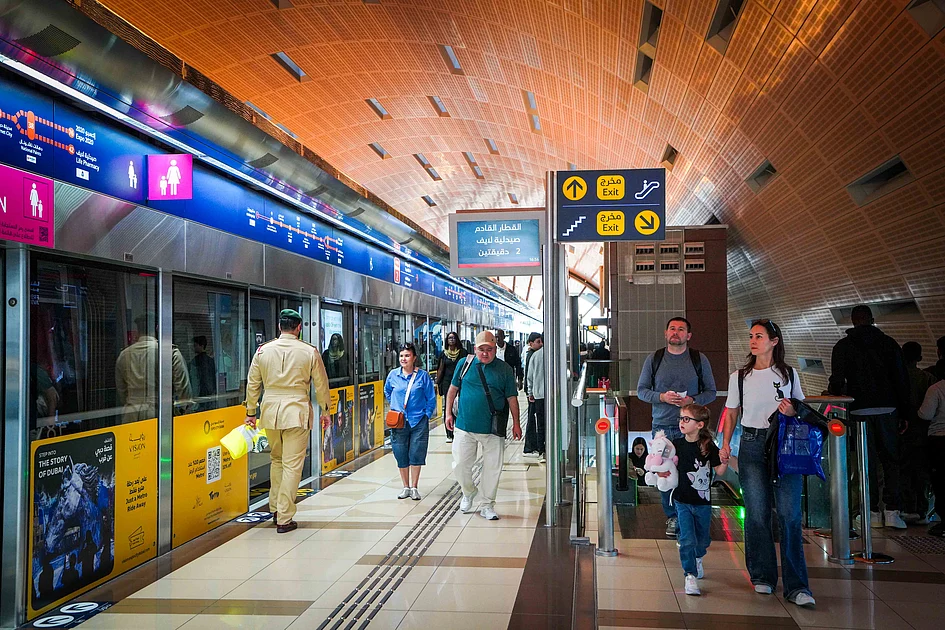
    Dubai’s public transportation network achieved an extraordinary milestone during New Year’s Eve 2026 celebrations, transporting a record-breaking 2.84 million passengers throughout the emirate. This remarkable figure represents a substantial 30% increase from the previous year’s ridership, demonstrating the growing reliance on and efficiency of Dubai’s integrated transit systems.

    The Roads and Transport Authority (RTA) executed a comprehensive operational strategy in close collaboration with the Dubai Event Security Committee to manage the massive influx of celebrants. The meticulously planned approach included sophisticated traffic management protocols and temporary road closure implementations across key areas of the city.

    Detailed ridership statistics reveal the diverse utilization of transportation modes: Metro services on both Red and Green lines accommodated 1.25 million passengers, while Dubai Tram transported 58,052 individuals. Public bus services, including on-demand buses, recorded 503,264 passengers. Taxi services proved essential with 661,538 rides, and marine transport services moved 76,745 passengers across various waterways. Additionally, e-hailing platforms facilitated 286,135 trips, with shared mobility services accounting for 1,489 journeys.

    This transportation achievement underscores Dubai’s evolving infrastructure capabilities and its commitment to providing safe, reliable mobility solutions during major international events. The successful coordination reflects the emirate’s position as a global hub capable of managing large-scale gatherings while maintaining public safety and operational excellence.

  • Missed NYE fun in UAE? Here are top 7 moments of how the nation welcomed 2026

    Missed NYE fun in UAE? Here are top 7 moments of how the nation welcomed 2026

    The United Arab Emirates ushered in 2026 with unprecedented grandeur, transforming its skyline into a canvas of technological marvels and pyrotechnic excellence on New Year’s Eve. From Abu Dhabi’s record-setting displays to Dubai’s iconic celebrations, the nation demonstrated its unparalleled capability for hosting world-class festivities that attracted both residents and international visitors.

    Abu Dhabi’s Al Wathba district witnessed a groundbreaking aerial performance featuring 6,500 drones executing a single 20-minute sortie—the largest such display globally. These drones created intricate portraits of UAE’s founding leadership while synchronizing with digital countdowns and integrated fireworks. The Sheikh Zayed Festival further amazed spectators with a continuous 62-minute fireworks display that established multiple world records for pyrotechnic density and variety.

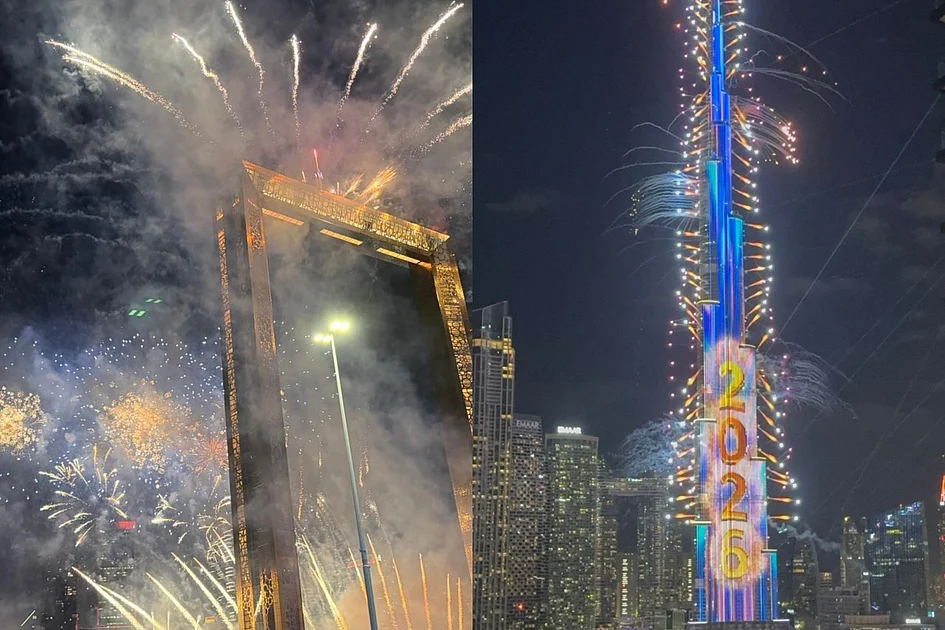
    Dubai’s iconic Burj Khalifa, the world’s tallest structure, presented a multi-sensory experience combining opera performances, aquatic dancers, and high-wire artists preceding its signature spiral fireworks. Simultaneously, the emirate coordinated 48 fireworks shows across 40 locations, including the newly participating Dubai Frame monument.

    Ras Al Khaimah earned Guinness World Records recognition for crafting the largest aerial depiction of a phoenix using 2,300 drones—1,000 of which were pyro-equipped—symbolizing renewal and optimism. This coordinated display spanned six kilometers along the coastline, combining drone formations with precisely timed fireworks.

    Global Village offered a unique multinational celebration, hosting seven sequential New Year countdowns corresponding to different time zones—from China at 8 PM to Turkey at 1 AM—each marked by distinctive fireworks and drone performances.

    The nationwide celebrations were supported by extended metro operations, free parking, and a public holiday declaration for January 1, facilitating seamless access to events that blended traditional Emirati performances with cutting-edge technological displays.

  • Trump blames bruised hand on aspirin, denies falling asleep

    Trump blames bruised hand on aspirin, denies falling asleep

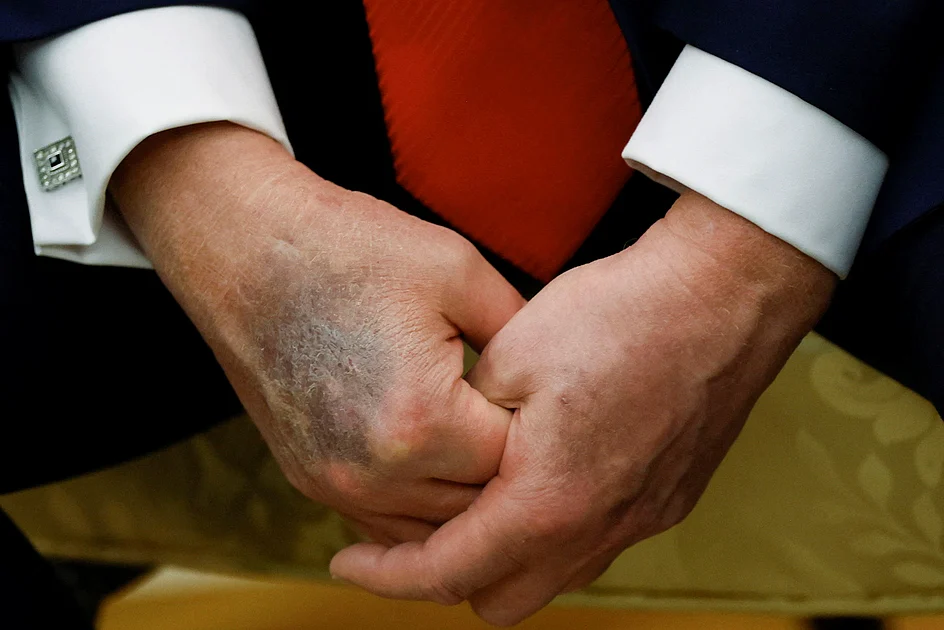
    In a revealing interview with The Wall Street Journal published Thursday, former President Donald Trump addressed mounting questions about his physical condition while defending his overall health. The 79-year-old, who holds the record as the oldest individual to assume the U.S. presidency, attributed significant bruising on his right hand to daily aspirin consumption rather than any underlying medical condition.

    Trump presented a defiant stance regarding his well-being, stating ‘my health is perfect’ while expressing visible frustration with the persistent public scrutiny. The Republican leader, known for cultivating an image of vitality through constant media engagement and social media activity, offered specific explanations for physical manifestations that have drawn attention during his second term.

    Regarding the noticeable bruising often concealed with makeup or bandages, Trump explained that aspirin serves as a blood-thinning agent, remarking ‘I don’t want thick blood pouring through my heart.’ He attributed one particular cut to an enthusiastic high-five with former Attorney General Pam Bondi, whose ring allegedly made contact with his hand.

    The interview also revealed a correction to Trump’s previous medical statements. While he had told reporters in October about undergoing an MRI scan, he clarified to the Journal that the procedure was actually a less comprehensive CT scan. His physician, Dr. Sean Barbabella, confirmed the CT scan was administered to ‘definitively rule out any cardiovascular issues.’

    Trump additionally addressed observations about his apparent drowsiness during public events, including a notable November Oval Office meeting with health representatives. Dismissing claims that he falls asleep during engagements, Trump asserted ‘I’ve never been a big sleeper,’ characterizing moments where he closes his eyes as intentional relaxation rather than fatigue. He attributed photographs suggesting sleep to being captured mid-blink, stating ‘Sometimes they’ll take a picture of me blinking, blinking, and they’ll catch me with the blink.’

    The former president’s health has become increasingly politically significant as he continues to frame his Democratic predecessor Joe Biden—who left office at 82 as the oldest president in history—as ‘sleepy’ while facing similar age-related scrutiny himself.

  • What does the New Year have in store for us: 10 predictions for life in 2026

    What does the New Year have in store for us: 10 predictions for life in 2026

    As we step into 2026, The New York Times presents a compelling forecast of societal transformations driven by technological fatigue, political theater, and evolving cultural values. Their team of expert reporters identifies ten significant trends poised to redefine modern living.

    Technology Backlash and Status Symbols: The smartphone era faces a counter-movement as ‘dumb phones’ transition from practicality to status symbols. This shift highlights a growing class divide: who can afford digital disconnection? While affluent individuals embrace low-tech devices, gig economy workers remain tethered to app-dependent livelihoods.

    AI Aesthetic Rebellion: Artificial intelligence’s ‘slop’—characterized by overly polished, synthetic content—is sparking an artistic revolution. Consumers increasingly favor the Japanese philosophy of wabi-sabi, celebrating imperfection and human authenticity over algorithmically generated perfection.

    Political Theater Escalates: The White House has transformed into a reality show under the second Trump administration, with FBI Director Kash Patel’s romantic entanglements and Health Secretary Robert F. Kennedy Jr.’s virtual relationships generating both gossip and legitimate security concerns.

    Emotional Culture Shift: Miley Cyrus’s 2025 anthem ‘End of the World’ captures a cultural move away from emotional detachment. In response to global uncertainties, people are embracing vulnerability, intentional dating, and rejecting AI companionship for genuine human connection.

    Entertainment and Gambling Convergence: Prediction markets are expanding beyond politics into entertainment, with platforms like Kalshi processing millions in bets on reality television outcomes. This merger of gambling and pop culture represents a new frontier in speculative entertainment.

    Tobacco Renaissance: Following the vaping decline, traditional tobacco experiences are resurging. Pipes and snuff are gaining popularity as people seek tactile, historical alternatives to modern nicotine delivery systems.

    Style and Influence Evolution: New York’s First Lady Rama Duwaji emerges as a fashion icon, while social media influencers increasingly abandon digital fame for traditional careers—a phenomenon dubbed ‘exfluencing.’ Meanwhile, fan-driven cinematic universes are challenging established entertainment franchises through crowdfunded creativity.

  • Several reported killed in Iran protests over economic woes

    Several reported killed in Iran protests over economic woes

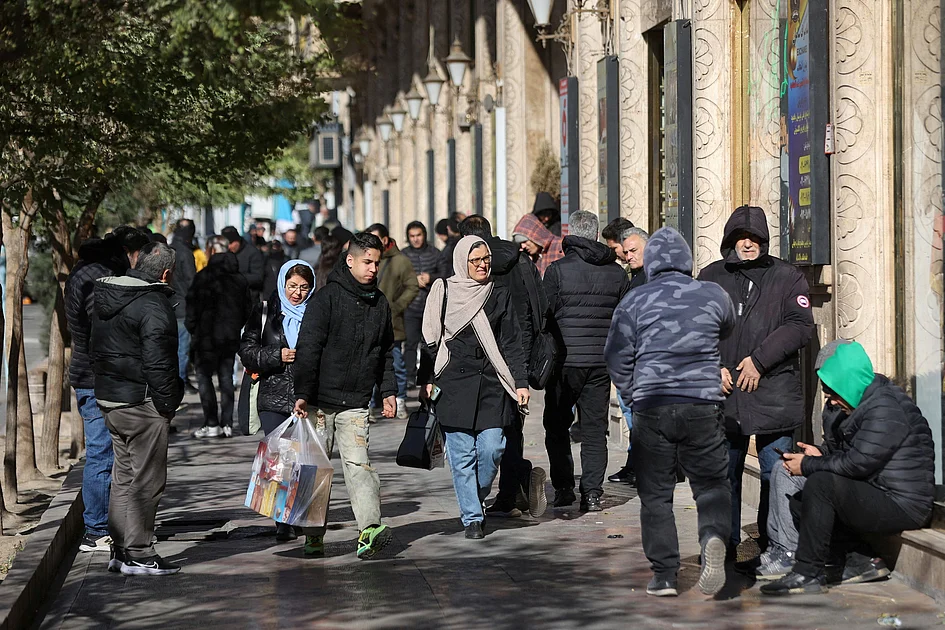
    Iran has been plunged into a new wave of civil unrest as nationwide protests over a severe economic crisis turned fatal, marking the most significant challenge to the clerical establishment in three years. Multiple casualties have been reported following violent clashes between security forces and demonstrators across several regions.

    According to reports from the semi-official Fars news agency and the human rights organization Hengaw, fatalities occurred in the western city of Lordegan. Official authorities confirmed one death in Kuhdasht, while Hengaw documented an additional fatality in Iran’s central Isfahan province. The Revolutionary Guards acknowledged that one member of its Basij paramilitary volunteer unit was killed and thirteen others wounded in Kuhdasht, attributing the violence to demonstrators who allegedly exploited the protest atmosphere.

    The current turmoil represents a dangerous escalation from initial demonstrations that began on Sunday when merchants and shopkeepers initiated strikes to protest the government’s handling of a catastrophic currency devaluation and spiraling inflation. The protests have since expanded to include student demonstrations and widespread bazaar closures, prompting the government to declare an official holiday on Wednesday citing cold weather conditions.

    This outbreak of civil disobedience occurs at a particularly vulnerable moment for Iran’s leadership. The nation’s economy has been crippled by comprehensive Western sanctions targeting its nuclear program, exacerbated by a costly 12-day aerial conflict with Israel in June 2025. These cumulative pressures have devastated Iran’s financial stability, with the national currency losing approximately half its value against the U.S. dollar throughout 2025 while inflation surged to 42.5 percent by December.

    In response to the escalating crisis, government spokesperson Fatemeh Mohajerani announced plans for direct dialogue with trade union and merchant representatives, signaling a potential conciliatory approach alongside the established security crackdown. Historically, Iranian authorities have employed stringent security measures and mass arrests to suppress protests concerning economic hardship, environmental crises, and civil liberties.

    The international community continues to monitor the situation closely as developments unfold across multiple Iranian provinces including Kermanshah, Khuzestan, and Hamedan, where Hengaw reports numerous detentions have occurred.

  • World Sports Summit concludes, signals Dubai’s growing influence on global stage

    World Sports Summit concludes, signals Dubai’s growing influence on global stage

    Two significant international developments have emerged, involving covert intelligence operations and a tragic criminal investigation. According to a Reuters exclusive report, the U.S. Central Intelligence Agency (CIA) successfully cultivated a high-level informant within the inner circle of the Venezuelan government. This asset provided critical intelligence that assisted American agencies in monitoring the activities and movements of President Nicolás Maduro. The revelation underscores the depth of U.S. intelligence penetration into the Caracas administration amid prolonged political tensions and sanctions. Separately, in a devastating incident in Switzerland, authorities have launched a criminal investigation into the management of a nightclub following a lethal fire. Swiss prosecutors are pursuing charges of killing by negligence against the club’s managers, alleging that a failure to adhere to safety protocols directly contributed to the fatalities. The investigation will scrutinize whether adequate fire prevention measures, emergency exits, and crowd management procedures were in place, highlighting a grim failure in public venue oversight.