作者: admin

  • Shares climb in Asia, and South Korea’s Kospi hits a record close, in an upbeat start to 2025

    Shares climb in Asia, and South Korea’s Kospi hits a record close, in an upbeat start to 2025

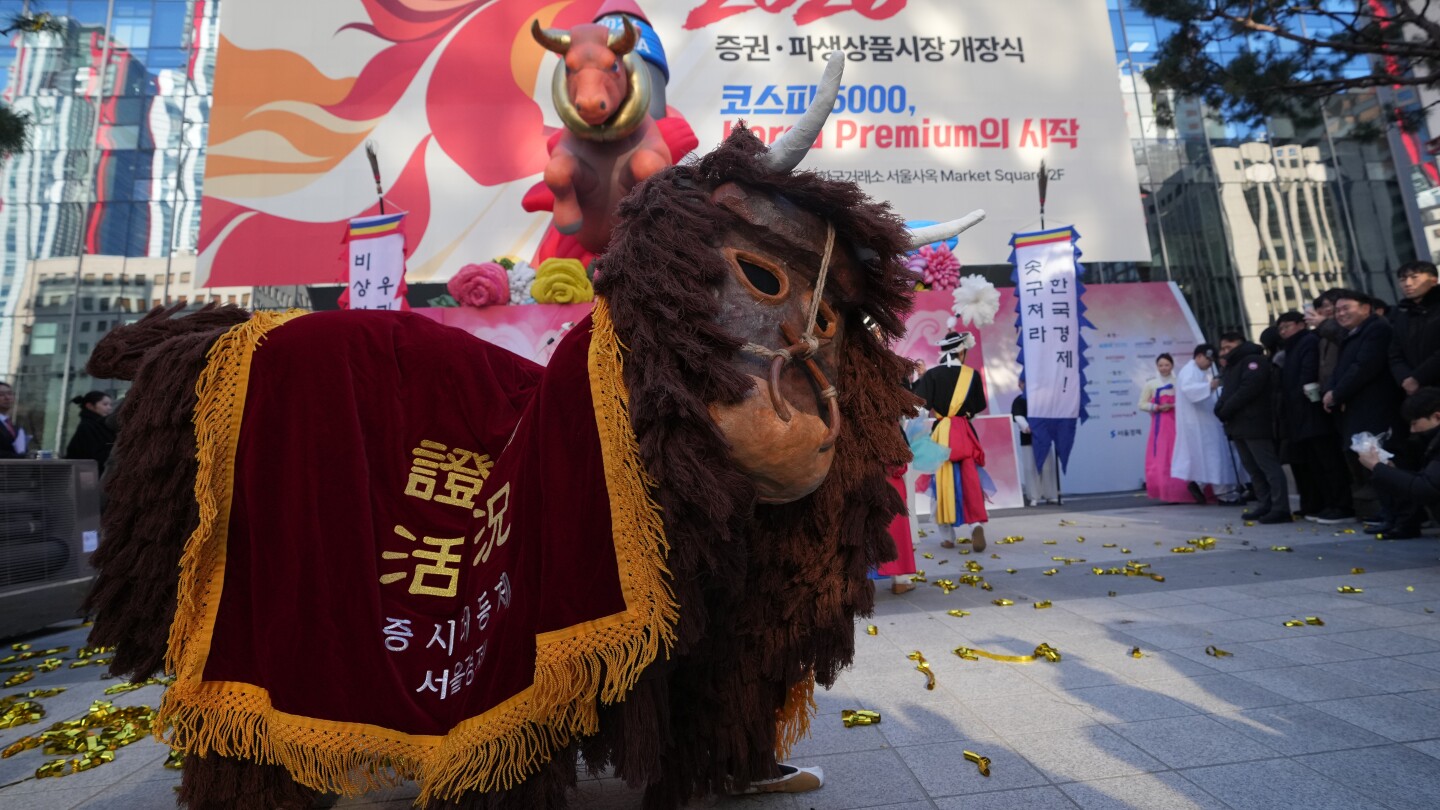
    Asian financial markets launched 2026 with substantial gains, propelled by sustained optimism surrounding artificial intelligence infrastructure demands. South Korea’s benchmark Kospi index closed Friday at an unprecedented peak of 4,309.63, marking a 2.3% surge. This performance was largely driven by semiconductor giants Samsung Electronics and SK Hynix, which soared 7.2% and 4% respectively, reflecting investor confidence in AI-related chip manufacturing.

    Hong Kong’s Hang Seng index demonstrated remarkable strength with a 2.6% advance to 26,283.53, powered by robust technology sector performance. E-commerce leader Alibaba climbed 3.7%, while Baidu—developer of the Ernie chatbot—jumped 9.5% following its announcement to spin off its AI chip unit Kunlunxin for a potential Hong Kong listing in early 2027, pending regulatory approvals.

    Regional markets showed broad positivity with Australia’s S&P/ASX 200 edging 0.2% higher to 8,727.30, Taiwan’s Taiex gaining 1.3%, and India’s Sensex adding 0.6%. Trading remained suspended in Tokyo, Shanghai, Bangkok, and Wellington markets.

    This bullish opening continues 2025’s exceptional performance where the S&P 500 achieved 39 record highs with a 16.4% annual gain, while the Nasdaq and Dow Jones posted advances of 20.4% and 13% respectively. Market analysts attribute this sustained growth to AI-driven profit expectations, Federal Reserve interest rate reductions, and stabilized trade policies.

    Commodity markets mirrored equity enthusiasm with silver rebounding 4% after a previous session decline, having gained over 140% throughout 2025. Gold advanced 1% following its 63.7% annual increase, while U.S. benchmark crude oil rose to $57.88 per barrel amid broader market optimism.
  • Japan’s emperor and his family greet New Year well-wishers

    Japan’s emperor and his family greet New Year well-wishers

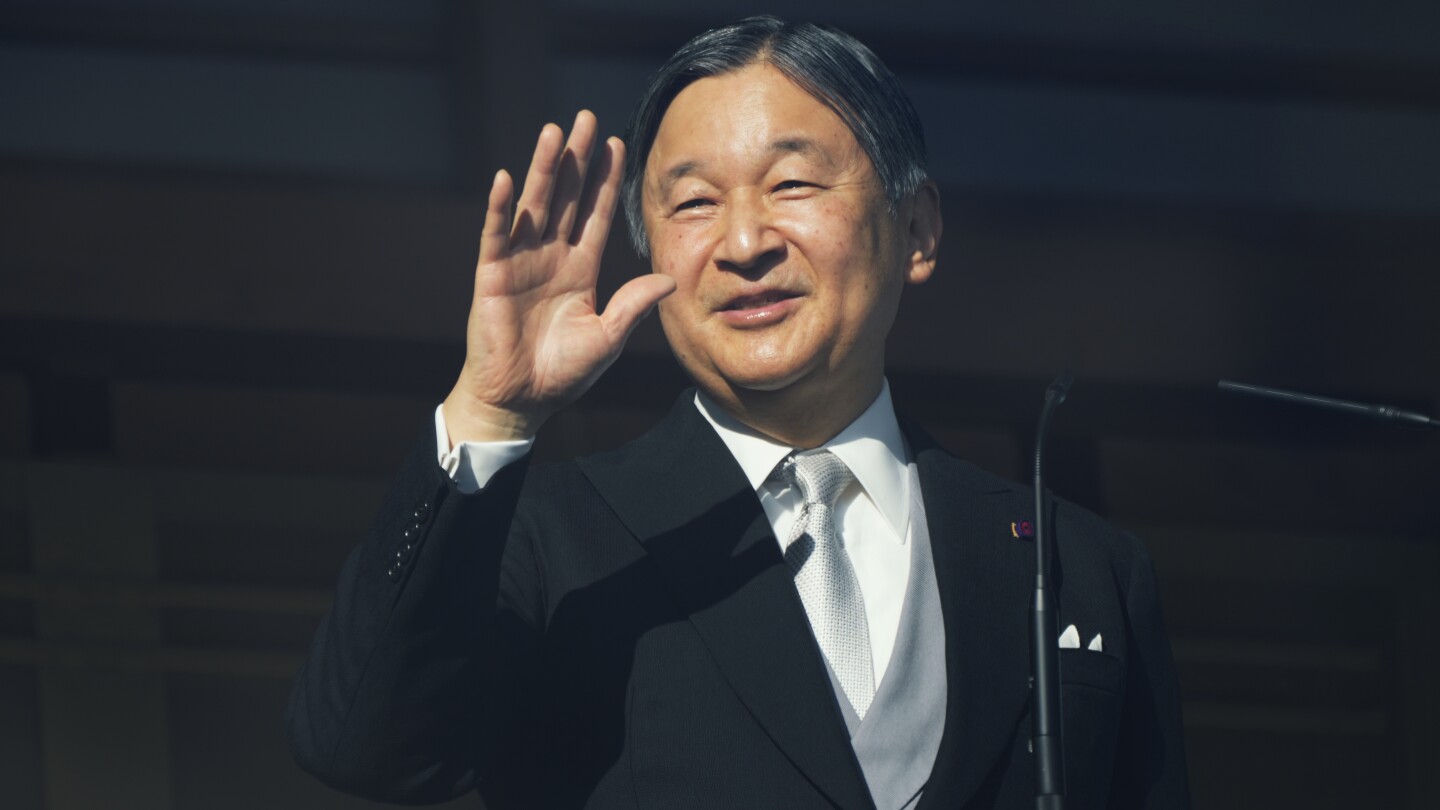
    TOKYO — Emperor Naruhito of Japan delivered a poignant message of peace during the Imperial Palace’s annual New Year greeting ceremony on Friday, marking a significant moment of public engagement for the world’s oldest continuous monarchy. The Emperor, accompanied by Empress Masako and senior royal family members, addressed thousands of flag-waving well-wishers who braved winter temperatures to gather at the palace’s typically restricted grounds.

    The appearance carried particular significance as Naruhito referenced the 80th anniversary of World War II’s conclusion in his pre-released statement. ‘I profoundly believe in the critical importance of persistent efforts toward dialogue among peoples,’ the Emperor emphasized, ‘striving to enhance mutual understanding to construct a peaceful world.’ This message resonated against the backdrop of ongoing global conflicts and domestic challenges.

    The event marked a return to normalcy after recent cancellations, including last year’s absence due to the devastating Noto Peninsula earthquake and previous years impacted by pandemic restrictions. The full imperial contingent present included Princess Aiko, the imperial couple’s only child, whose presence highlighted ongoing national discussions regarding male-only succession laws. Also drawing attention was Emperor Emeritus Akihito, who abdicated in 2019, making a rare public appearance alongside Empress Emerita Michiko.

    Beyond geopolitical concerns, the Emperor addressed recent natural disasters affecting Japan, including earthquakes, severe weather events, and wildfires, expressing solidarity with affected communities. The ceremony represented both tradition and evolution for the Chrysanthemum Throne, balancing ceremonial pageantry with contemporary relevance in modern Japanese society.

  • Japan PM joins fight for more female toilets in parliament

    Japan PM joins fight for more female toilets in parliament

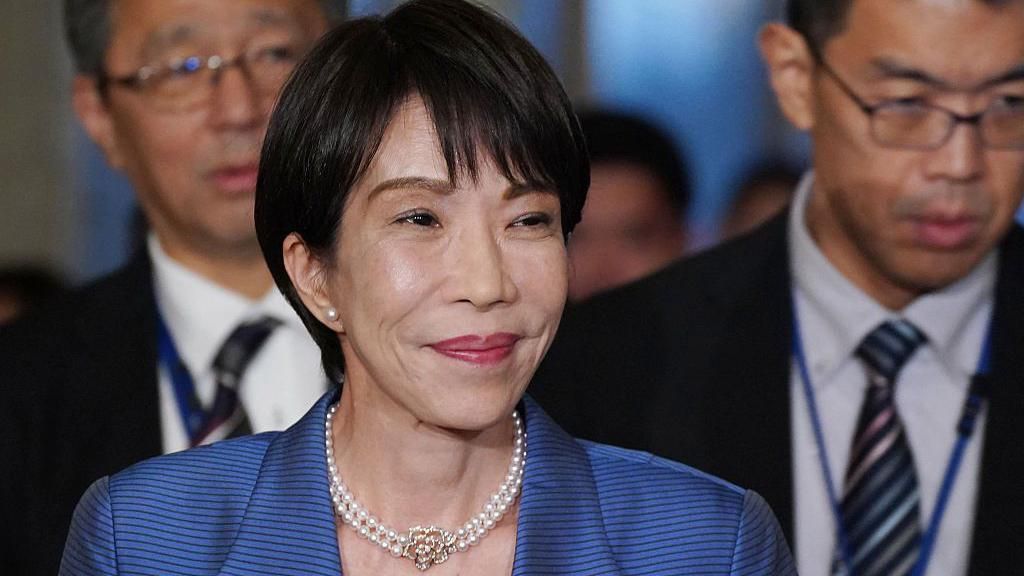
    In a landmark move highlighting infrastructure gender gaps, approximately 60 female Japanese parliamentarians including Prime Minister Sanae Takaichi have formally requested expanded women’s restroom facilities within the National Diet building. This initiative comes following October 2024’s historic election that seated 73 women in the 465-member Lower House, surpassing the previous record of 54 set in 2009.

    The petition reveals significant disparities: while male legislators enjoy access to 12 restrooms containing 67 stalls and urinals throughout the parliamentary complex, female members share merely nine restrooms with only 22 total cubicles. Most critically, just one women’s facility with two stalls serves the crucial plenary chamber area where legislators gather for major sessions.

    Opposition lawmaker Yasuko Komiyama of the Constitutional Democratic Party detailed the practical consequences: ‘Long queues consistently form before plenary sessions commence, prompting some colleagues to abandon restroom use entirely beforehand.’ The situation compounds as female staff and visitors must share these inadequate facilities.

    This infrastructure deficiency originates from the building’s 1936 construction, predating women’s suffrage (granted 1945) and the first female parliamentarians (1946). The sprawling structure encompasses over 53,000 square meters but remains structurally unchanged despite evolving demographic realities.

    Komiyama framed the issue symbolically: ‘I want to raise my voice preparing for when women exceed 30% parliamentary representation.’ Lower House committee chair Yasukazu Hamada has reportedly expressed willingness to consider the proposal, acknowledging alignment with broader gender equity goals.

    Despite a governmental target for 30% female leadership across sectors by 2020 (later extended to 2030), women currently hold just 16% of Lower House seats. Prime Minister Takaichi—who appointed only two other women to her 19-member cabinet despite Nordic-level representation pledges—now supports addressing this fundamental equity issue.

    The parliamentary restroom shortage mirrors nationwide patterns where queues for women’s public facilities remain commonplace. Former Prime Minister Shigeru Ishiba previously committed to enhancing women’s restroom infrastructure for a society where ‘women can live with peace of mind,’ indicating cross-party recognition of this persistent challenge.

  • UAE citizens travelling to Georgia must have health, accident insurance under new rule

    UAE citizens travelling to Georgia must have health, accident insurance under new rule

    Beginning January 1, 2026, Emirati citizens planning travel to Georgia must obtain both health and accident insurance coverage that meets specific regulatory requirements. The UAE Ministry of Foreign Affairs (Mofa) has instituted this new mandate, which will apply to all citizens departing for Georgia on or after the effective date.

    The insurance documentation must satisfy three critical criteria: Policies must remain valid throughout the entire duration of stay, be issued in either English or Georgian languages, and provide coverage of no less than 30,000 Georgian Lari. The regulations permit policies from reputable international insurance providers, Georgian insurance companies, or coverage obtained through airline carriers.

    Notably, the requirement exempts holders of diplomatic, special, and mission passports from this insurance mandate. This regulatory change emerges as the UAE maintains its position as holder of the world’s most powerful passport for the seventh consecutive year according to the 2025 Passport Index by Arton Capital. The insurance requirement underscores the growing importance of comprehensive travel protection even for citizens of nations with strong international mobility privileges.

  • Trump says health is ‘perfect’ amid ageing concerns

    Trump says health is ‘perfect’ amid ageing concerns

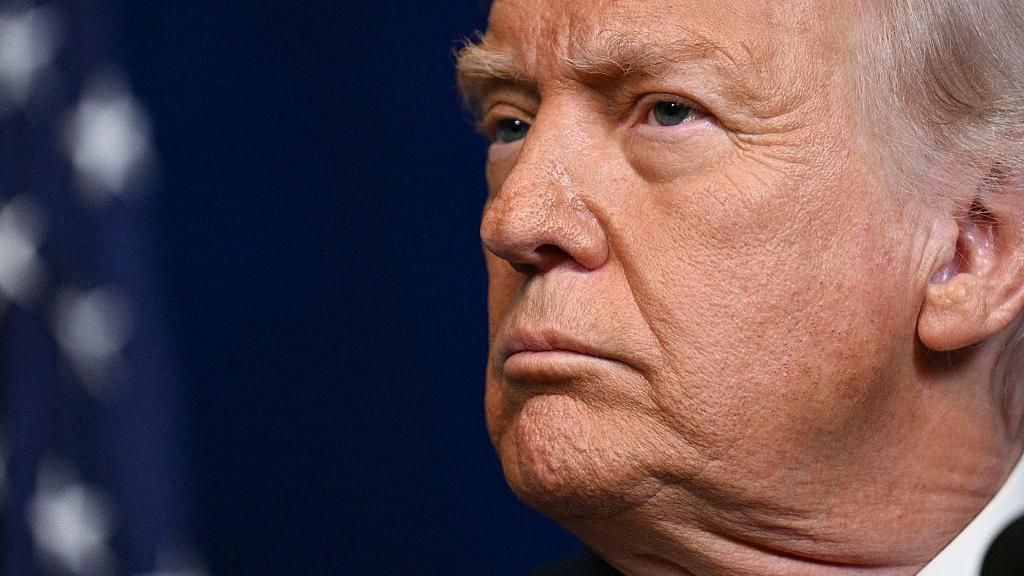
    In a remarkably transparent interview with The Wall Street Journal, former President Donald Trump disclosed unconventional health management approaches that contradict standard medical advice. The 79-year-old, who holds the distinction of being the oldest inaugurated president in American history, revealed he consistently exceeds recommended aspirin dosage, employs cosmetic solutions to conceal bruising, and avoids structured exercise regimens due to personal preference.

    Trump acknowledged taking 325mg of aspirin daily—significantly above the 81mg dose commonly recommended by physicians—citing blood thinning benefits despite recognizing the medication contributes to his susceptibility to bruising. ‘They say aspirin is good for thinning out the blood, and I don’t want thick blood pouring through my heart,’ Trump explained, adding his reluctance to alter a quarter-century routine due to superstition.

    The interview included a correction regarding his recent medical examination. Contrary to his previous public statements, Trump confirmed he underwent a CT scan rather than an MRI at Walter Reed National Medical Center in October. His physician, Navy Capt. Sean Barbabella, provided documentation confirming the CT scan was administered to eliminate cardiovascular concerns and revealed no abnormalities.

    Regarding visible signs of aging that have sparked public discussion, Trump offered alternative explanations. He characterized closed eyes during meetings as ‘relaxing’ rather than sleeping, and attributed photographic evidence of drowsiness to poorly timed blinking captures. For hand bruising, he revealed carrying makeup for quick coverage when his hands get ‘whacked’—a process he claims takes approximately ten seconds.

    Trump expressed frustration with ongoing public scrutiny of his health, which he repeatedly described as ‘perfect.’ He rejected medical advice to wear compression socks for diagnosed chronic venous insufficiency, instead opting for more frequent movement from his desk to address leg swelling. His only acknowledged physical activity remains golf, as he finds treadmill exercise ‘boring’ and unsuitable for his preferences.

    Despite these unconventional approaches, Trump’s physician affirmed in an official statement that the former president maintains ‘exceptional health and [is] perfectly suited to execute his duties as Commander in Chief.’

  • UAE President, Emir of Qatar discuss regional developments in phone call

    UAE President, Emir of Qatar discuss regional developments in phone call

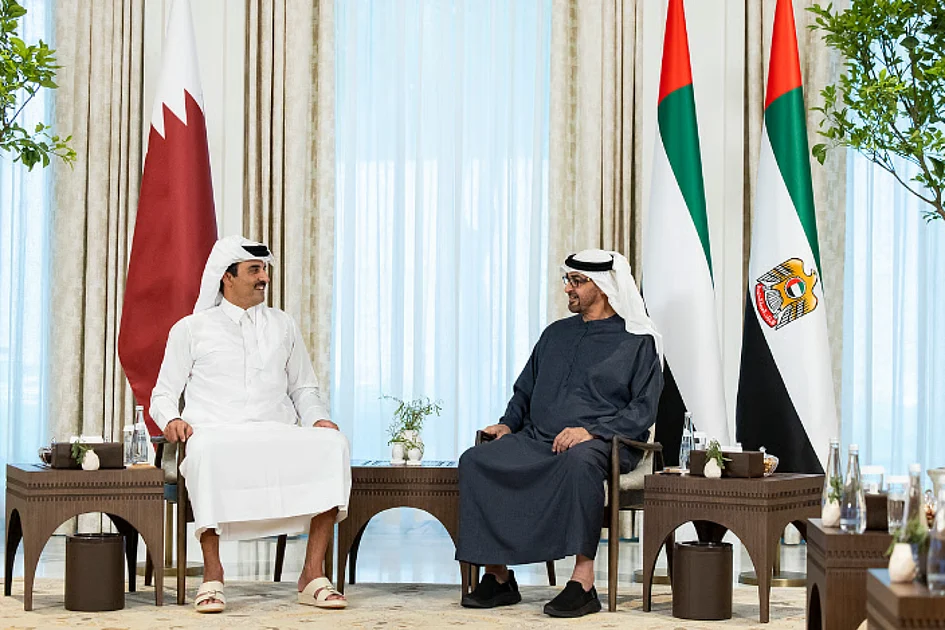
    In a significant diplomatic engagement, UAE President Sheikh Mohamed bin Zayed Al Nahyan and Qatari Emir Sheikh Tamim bin Hamad Al Thani convened via telephone on January 1, 2026, marking a pivotal moment in Gulf cooperation. The high-level discussion focused on reinforcing bilateral relations and exploring enhanced collaborative frameworks between the two nations.

    The leaders conducted comprehensive talks addressing regional geopolitical developments and matters of shared concern, signaling a coordinated approach to Middle Eastern affairs. This exchange represents continued diplomatic normalization following the resolution of the Gulf diplomatic crisis that previously affected regional relations.

    Official communications from both governments emphasized the constructive nature of the dialogue, which aimed at identifying mutual benefits for their respective populations. The conversation reflects ongoing efforts to strengthen Gulf Cooperation Council unity amid complex regional dynamics, including security challenges and economic opportunities.

    This diplomatic exchange follows recent regional developments that necessitate coordinated leadership responses. Both leaders expressed commitment to maintaining open channels of communication and regular high-level consultations to address evolving situations in the Middle East.

  • China’s BYD set to overtake Tesla as world’s top EV seller

    China’s BYD set to overtake Tesla as world’s top EV seller

    In a landmark development for the global automotive industry, Chinese electric vehicle manufacturer BYD has dethroned Elon Musk’s Tesla as the world’s premier electric vehicle seller by annual sales volume. This represents the first occasion where the Shenzhen-based automaker has outperformed its American competitor in yearly deliveries.

    BYD’s official figures released Thursday revealed a substantial 28% year-over-year increase in battery-electric vehicle sales, culminating in over 2.25 million units sold throughout 2025. Meanwhile, Tesla is anticipated to report approximately 1.65 million vehicle sales for the same period when it discloses its official results Friday, according to previously published analyst projections.

    Tesla’s challenging year has been characterized by several compounding factors, including tepid market reception to its latest vehicle offerings, growing apprehension regarding Musk’s political engagements, and increasingly fierce competition from Chinese EV manufacturers. In response to mounting competitive pressures, Tesla implemented strategic pricing adjustments in October, introducing more affordable variants of its top-selling models in the American market.

    The leadership transition occurs amid Musk’s pursuit of an unprecedented compensation package potentially worth up to $1 trillion, contingent upon his ability to dramatically elevate Tesla’s sales performance and market valuation over the coming decade. Shareholders initially approved this ambitious incentive structure in November.

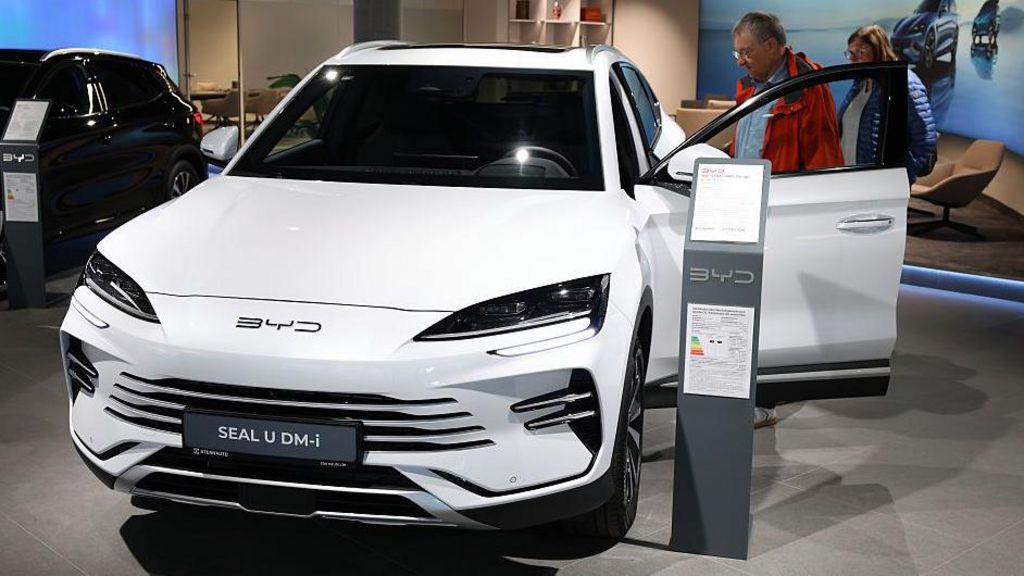
    BYD’s remarkable ascent to global EV dominance has been fueled by its competitive pricing strategy and rapid international expansion across Latin America, Southeast Asia, and European markets. This growth persists despite numerous nations implementing substantial tariffs on Chinese-manufactured electric vehicles. Notably, the United Kingdom emerged as BYD’s largest overseas market in October, with sales skyrocketing by 880% through September, primarily driven by robust demand for the plug-in hybrid version of its Seal U SUV.

    Musk continues to oversee his diverse portfolio of ventures beyond Tesla, including social media platform X, aerospace manufacturer SpaceX, and infrastructure firm The Boring Company.

  • ‘You’re invisible, you don’t exist’ – life without a birth certificate

    ‘You’re invisible, you don’t exist’ – life without a birth certificate

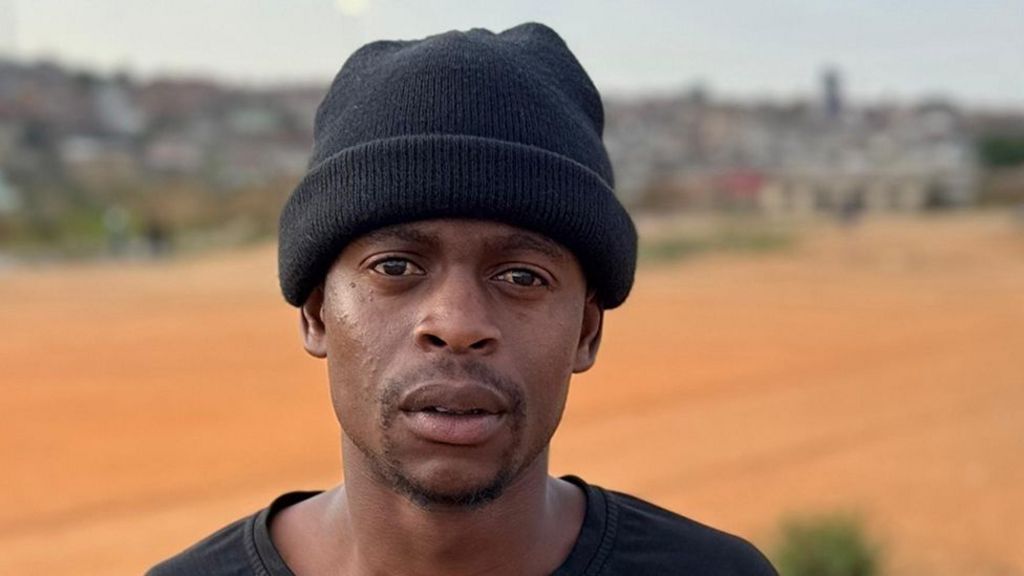
    In the shadows of South Africa’s bustling society, thousands face an invisible crisis—statelessness—that strips them of fundamental rights and opportunities. Arnold Ncube, a 25-year-old Johannesburg native, embodies this plight. Despite being born to a South African father, Arnold lacks state-issued identification, relegating him to menial work like car washing in Thembisa township. His dreams of education crumbled when he couldn’t produce a birth certificate for secondary school registration, a consequence of parental abandonment that left him without proof of identity.

    Arnold describes his existence as ‘living in the shadows,’ unable to open bank accounts, pursue formal employment, or access public services. His emotional turmoil mirrors that of an estimated 10,000 stateless individuals in South Africa, though unofficial estimates suggest global numbers reach 4.5 million, with some projections as high as 15 million.

    Christy Chitengu, a human rights lawyer who once faced statelessness herself, underscores the systemic barriers. Born to Zimbabwean parents in Johannesburg, she held a handwritten birth certificate unrecognized by authorities. At 17, she discovered her stateless status when school officials questioned her enrollment. Despite eligibility for Zimbabwean citizenship, bureaucratic hurdles—including age restrictions on late birth registration and travel constraints—left her stranded without nationality until Lawyers for Human Rights secured her South African citizenship three years ago.

    Statelessness stems from administrative gaps, poor record-keeping, and restrictive policies. South Africa’s Department of Home Affairs, responsible for immigration, remains unresponsive to inquiries about solutions. UNHCR expert Jesus Perez Sanchez emphasizes that statelessness isn’t merely legal but a developmental crisis, preventing individuals from contributing fully to society and the economy.

    Globally, experts advocate for policy reforms: allowing refugees to register children born on foreign soil and granting mothers equal rights to pass nationality to offspring. For Arnold, hope emerges through legal aid; a lawyer now assists his fight for documentation. He aspires to study computer science, believing citizenship could unlock a future beyond the shadows.

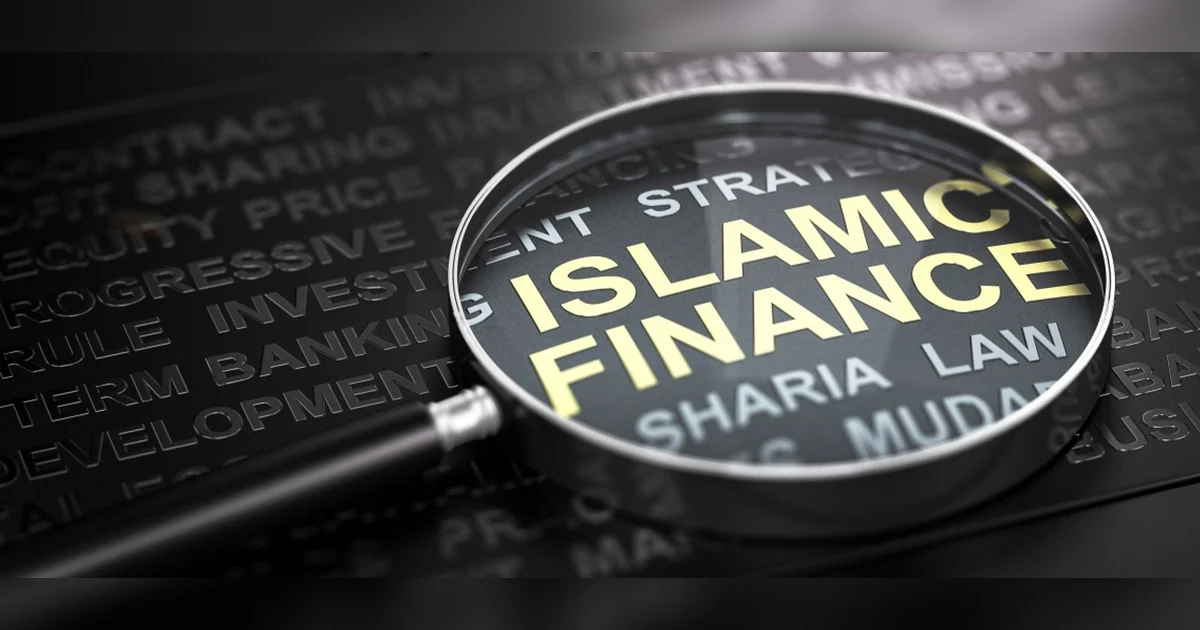
  • Global Islamic finance set to hit $6 trillion in 2026 as industry posts strong double‑digit growth

    Global Islamic finance set to hit $6 trillion in 2026 as industry posts strong double‑digit growth

    The global Islamic finance industry is demonstrating remarkable resilience and expansion, with projections indicating assets will surpass the $6 trillion threshold by the conclusion of 2026. This surge follows a year of substantial growth in 2025, during which industry assets escalated to $5.2 trillion, marking a robust 14.9% increase year-on-year, as reported by the AlHuda Centre of Islamic Banking and Economics.

    Islamic banking continues to form the cornerstone of the sector, commanding 72% of total assets, which translates to over $2.7 trillion. The year 2025 witnessed financing activities grow by more than 17%, while deposits saw an expansion of nearly 9%. This vigor was particularly evident in the Gulf Cooperation Council (GCC) nations, Asia, and an emerging cluster of African markets, where several jurisdictions reported growth rates exceeding 20%.

    The sukuk market emerged as a standout performer, with global issuance eclipsing $230 billion in 2024 and maintaining its upward trajectory throughout 2025. This growth was fueled by sovereign borrowing requirements and extensive infrastructure financing initiatives. New entrants from Africa, including Tanzania, Zambia, and Kenya, have begun to integrate more firmly into the global Islamic capital markets.

    Despite these positive trends, the industry faces significant structural challenges. CEO Zubair Mughal highlighted concerns over limited Shariah-compliant liquidity instruments, an overreliance on sovereign sukuk, and a lack of sufficient diversification beyond traditional banking activities. The report cautioned that without deeper and more liquid Islamic capital markets, banking-led growth alone may be inadequate for ensuring long-term financial resilience.

    The most dynamic growth is occurring in the Islamic FinTech sector, which, while currently representing only 3% of total assets, is expanding at a pace far exceeding that of traditional segments. Innovations in digital payments, Shariah-compliant buy-now-pay-later (BNPL) services, embedded finance, and applications of artificial intelligence and blockchain are driving financial inclusion across Africa and South Asia.

    Geographically, Asia and the GCC remain the dominant forces, collectively accounting for over half of all Islamic finance assets. However, Africa is now the fastest-growing frontier, with expectations for Ethiopia, Ghana, Uganda, and Somalia/Somaliland to formally enter the market in 2026. European interest is also renewing, with Italy, Switzerland, Portugal, and the Netherlands exploring Islamic banking frameworks.

    Looking forward, 2026 presents significant opportunities in capital-market deepening, cross-border FinTech expansion, and Africa-focused infrastructure finance. Mughal emphasized that addressing regulatory gaps, concentration risks, and market fragmentation will be crucial for harnessing innovation and ensuring the industry’s transition into a mainstream pillar of ethical and inclusive global finance.

  • UAE leaders offer condolences to Bangladesh president over passing of Khaleda Zia

    UAE leaders offer condolences to Bangladesh president over passing of Khaleda Zia

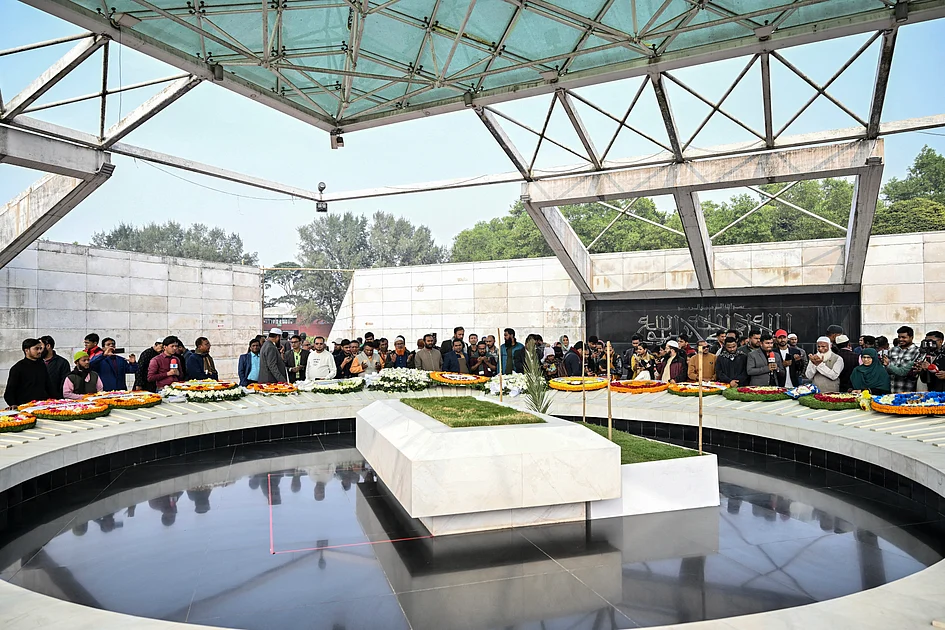
    The United Arab Emirates’ highest leadership has formally expressed sympathy to Bangladesh following the death of former Prime Minister Khaleda Zia, who passed away on December 30, 2025, at age 80. UAE President Sheikh Mohamed bin Zayed Al Nahyan conveyed heartfelt condolences to Bangladeshi President Mohammed Shahabuddin, recognizing Zia’s significant role in the nation’s political landscape.

    Similar messages of sympathy were extended by Sheikh Mohammed bin Rashid Al Maktoum, Vice President and Ruler of Dubai, and Sheikh Mansour bin Zayed Al Nahyan, Vice President and Chairman of the Presidential Court, demonstrating the UAE’s diplomatic solidarity during Bangladesh’s period of national mourning.

    The state funeral, held on December 31, 2025, attracted massive crowds honoring the political leader whose career spanned decades and profoundly shaped Bangladesh’s democratic trajectory. Zia’s Bangladesh Nationalist Party announced her passing amid what many believed would be her political comeback in upcoming February 2026 elections.

    Despite enduring years of health challenges and imprisonment on corruption charges under the government of her rival Sheikh Hasina, Zia remained politically active until her final days. Interim leader Muhammad Yunus had previously described her as “a source of utmost inspiration for the nation” and called for national prayers during her illness.

    Zia’s release from prison in 2024 coincided with the political transition that saw Hasina removed from power, setting the stage for what many anticipated would be Zia’s return to electoral politics before her untimely passing.