作者: admin

  • Iran protests: Death toll rises to 16 amid ongoing crackdown

    Iran protests: Death toll rises to 16 amid ongoing crackdown

    Iranian security forces have reportedly killed at least four protesters during demonstrations in Malekshahi county, Ilam province, according to Norway-based Iran Human Rights (IHRNGO). The organization documented 30 additional injuries resulting from clashes between security forces and demonstrators on Saturday.

    The protests, initially sparked by economic grievances including soaring inflation and the collapsing rial currency, have rapidly evolved into widespread political dissent across at least 30 Iranian cities. This represents the most significant wave of civil unrest since 2022, though demonstrations have yet to reach the capital, Tehran.

    Conflicting casualty figures have emerged from various human rights monitors. Kurdish rights group Hengaw estimates at least 17 fatalities since protests commenced last week, while activist network HRANA reports 16 deaths and 582 arrests nationwide.

    The economic foundation of the unrest traces to the Iranian rial’s catastrophic devaluation, with the currency trading at approximately 1.45 million to the US dollar by December’s end—a stark contrast to the 55,000-rial exchange rate in 2018 before the reimposition of US sanctions. Analysts attribute the economic collapse to comprehensive US sanctions on Iran’s energy exports, international banking restrictions, and domestic corruption.

    International tensions escalated when US President Donald Trump declared Friday that Washington would “come to the rescue” if Iran continued using lethal force against protesters, stating America was “locked and loaded and ready to go.”

    Iranian officials responded aggressively to both domestic unrest and international threats. Ali Larijani, secretary of Iran’s supreme national security council, accused the US and Israel of instigating protests and warned of regional destabilization should America intervene. Pro-government media have similarly characterized protesters as foreign pawns, raising concerns about potential justification for intensified crackdowns.

  • Man City held by Chelsea in major title blow, Liverpool denied in Fulham thriller

    Man City held by Chelsea in major title blow, Liverpool denied in Fulham thriller

    The Premier League title landscape underwent a seismic shift this weekend, delivering significant blows to the aspirations of Manchester City and Liverpool in a series of dramatic fixtures.

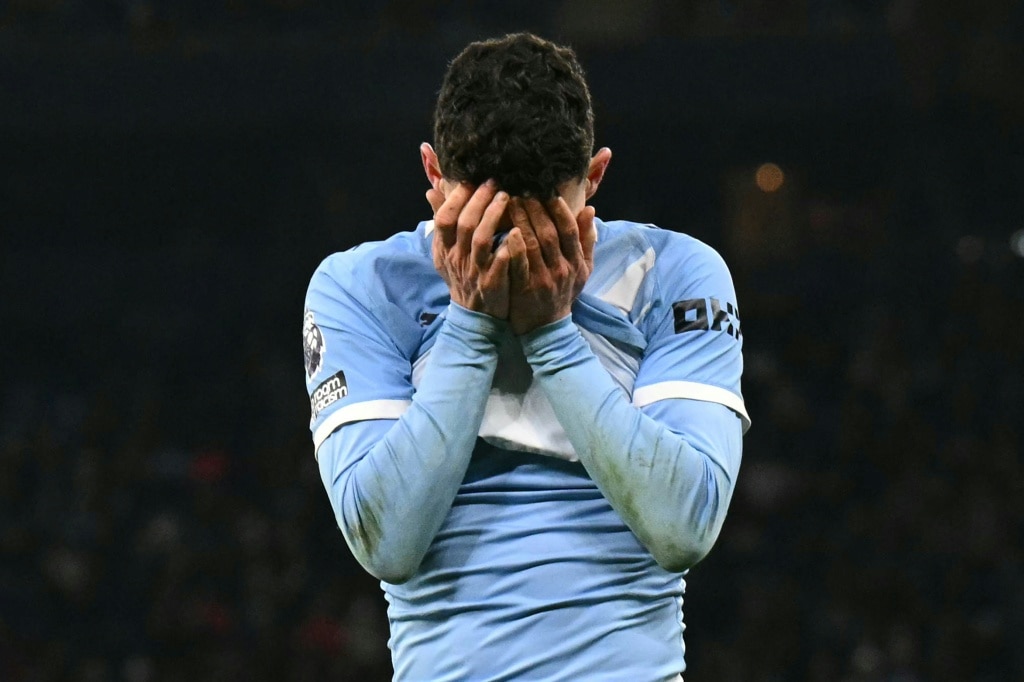
    At the Etihad Stadium, Manchester City’s pursuit of league leaders Arsenal suffered a severe setback in a stunning 1-1 draw with Chelsea. Despite taking the lead through a Tijjani Reijnders strike in the 42nd minute, Pep Guardiola’s squad conceded a devastating equalizer deep into stoppage time. Chelsea midfielder Enzo Fernandez delivered the crucial blow, capitalizing on City’s failure to secure the victory. The result leaves City trailing Arsenal by a concerning six-point margin, intensifying pressure on their title defense. The match was notably managed by Chelsea’s Under-21 coach Calum McFarlane following the recent departure of manager Enzo Maresca.

    Simultaneously, Liverpool faced their own heartbreak at Craven Cottage in a thrilling 2-2 stalemate with Fulham. After conceding an early goal to Harry Wilson, the Reds mounted a spirited comeback with Florian Wirtz leveling the score before Cody Gakpo seemingly secured a dramatic victory in the 94th minute. However, Harrison Reed delivered an extraordinary response for Fulham, unleashing a spectacular long-range strike to equalize at the death and deny Liverpool two critical points.

    In other Premier League action, Manchester United manager Ruben Amorim sparked speculation about his future following a tense 1-1 draw with historic rivals Leeds United. Despite Matheus Cunha’s equalizer canceling out Brenden Aaronson’s opener, Amorim delivered pointed comments regarding his long-term position at Old Trafford.

    Additional results saw Tottenham’s struggles continue with a 1-1 draw against Sunderland, Brentford climbed to seventh position powered by Igor Thiago’s hat-trick in a 4-2 victory over Everton, and Newcastle secured a comfortable 2-0 win against Crystal Palace.

  • Driving a noisy vehicle? Abu Dhabi Police warn of Dh2,000 fine, 12 traffic points

    Driving a noisy vehicle? Abu Dhabi Police warn of Dh2,000 fine, 12 traffic points

    Abu Dhabi authorities have implemented stringent measures against excessively noisy vehicles, imposing substantial fines and penalties to preserve public tranquility and road safety. The police department has specifically targeted disruptive behaviors including loud engine modifications, reckless driving practices, and unauthorized vehicle alterations that frequently disturb residential communities and sandy recreational areas.

    According to official statements, these noise violations create significant distress among vulnerable populations including children, elderly residents, and individuals with medical conditions. The enforcement actions fall under Article 20 of the Traffic and Circulation Law, which mandates a 2,000 Dirham fine and 12 traffic points for operating noise-polluting vehicles. Additionally, unauthorized mechanical modifications carry separate penalties of 1,000 Dirham fines, 12 traffic points, and potential vehicle impoundment for 30 days.

    Under Law No. 5 of 2020, impounded vehicles require a 10,000 Dirham release fee, with unclaimed vehicles facing public auction after three months. Authorities have established multiple channels for violation reporting, including a dedicated 999 hotline for citizens to report disruptive vehicles. The police emphasized that winter recreational activities should not compromise community welfare, urging motorcyclists and drivers to adhere to safety regulations and respect public spaces.

    The digital infrastructure supports these enforcement measures through the Tamm.AbuDhabi platform, where residents can manage impoundment cases electronically using UAE Pass credentials or alternative verification methods. The system streamlines the violation resolution process while maintaining transparency in enforcement procedures.

  • UAE aviation sector stands as key pillar of national economy with growing global presence

    UAE aviation sector stands as key pillar of national economy with growing global presence

    The United Arab Emirates’ aviation industry has firmly established itself as a cornerstone of the nation’s economic framework, demonstrating remarkable growth and international influence throughout 2025. Recent developments confirm the sector’s strategic importance, contributing approximately 18% to the country’s gross domestic product through both direct and indirect channels while supporting critical industries including tourism, commerce, and logistics networks.

    In a series of groundbreaking initiatives, the General Civil Aviation Authority (GCAA) launched the unified national platform for unmanned aerial vehicles in January 2025. This innovative digital ecosystem streamlines drone operations through comprehensive registration protocols, regulatory clarity, and enhanced safety measures, simultaneously improving operational efficiency and investment opportunities.

    The aviation landscape witnessed further transformation in April with GCAA’s design approval for the nation’s premier hybrid Heliport at Abu Dhabi Cruise Terminal. This pioneering infrastructure represents a significant advancement in the visionary Abu Dhabi Air Taxi project, marking substantial progress toward integrated, sustainable air transportation throughout the emirate.

    Environmental stewardship emerged as a priority with the GCAA submitting the UAE’s third State Action Plan for reducing aviation emissions to the International Civil Aviation Organisation. This comprehensive strategy, developed through collaborative efforts across the aviation sector, incorporates 42 operational and technological projects alongside 13 initiatives focused on sustainable aviation fuel and low-carbon alternatives.

    The UAE’s global aviation standing reached new heights with its seventh consecutive term on the ICAO Council. The international community also reaffirmed its confidence in UAE leadership by re-electing Hamad Salem Al Muhairi as Chairperson of the ICAO Aviation Security Panel for a third term. Simultaneously, Engineer Maryam AlBalooshi achieved historic recognition as the first Middle Eastern representative elected to chair ICAO’s Committee on Aviation Environmental Protection.

    The nation solidified its position as a global aviation dialogue hub by hosting prestigious international events including the ICAO Global Implementation Support Symposium and the inaugural Global Sustainable Aviation Market in Abu Dhabi. The latter initiative gained extraordinary recognition when ICAO formally adopted it as an annual event within its official calendar—a rare honor for a state-initiated concept.

    Operational excellence continued as UAE airports reported unprecedented passenger traffic, with Abu Dhabi, Dubai, and Sharjah international facilities collectively processing approximately 108.59 million passengers within the first three quarters of 2025.

  • Nicolas Maduro put in New York jail; Venezuela’s VP demands his release

    Nicolas Maduro put in New York jail; Venezuela’s VP demands his release

    In an unprecedented military operation, Venezuelan President Nicolás Maduro has been apprehended by U.S. forces and transported to New York City to face federal charges. The dramatic capture occurred following early Saturday airstrikes on Caracas that targeted key military installations, marking a significant escalation in Washington’s efforts to dismantle Maduro’s administration.

    White House-released footage depicts the 63-year-old leftist leader handcuffed and wearing sandals while being escorted through a Manhattan DEA facility. Maduro, who has governed Venezuela for over a decade amid widespread allegations of electoral manipulation, was heard offering a subdued greeting in English: ‘Good night, happy new year.’

    The operation involved approximately 150 aircraft providing support for commandos who extracted Maduro and his wife based on extensive intelligence regarding his personal routines. General Dan Caine confirmed the capture occurred without resistance and with no American casualties, though President Trump subsequently indicated ‘many’ Cuban security personnel had been killed during the intervention.

    Venezuela’s political future remains uncertain as Vice President Delcy Rodriguez assumed acting presidential powers following a Supreme Court directive. Rodriguez has vehemently demanded Maduro’s immediate release while vowing to defend national sovereignty, despite Trump’s suggestion of potential cooperation with her administration.

    The U.S. President openly acknowledged strategic economic interests behind the operation, stating American oil companies would invest billions to rehabilitate Venezuela’s crippled petroleum infrastructure. The country possesses approximately 17% of global oil reserves but currently produces under one million barrels daily due to systemic mismanagement.

    International reactions reflect deep divisions. While exiled Venezuelans celebrated from Madrid to Miami, traditional U.S. allies including France and the EU joined China, Russia, and Iran in condemning the operation. United Nations Secretary-General António Guterres expressed profound concern regarding potential violations of international law, with the Security Council scheduled to convene urgently to address the crisis.

  • Europe’s auto industry future may be electric even after EU climbdown

    Europe’s auto industry future may be electric even after EU climbdown

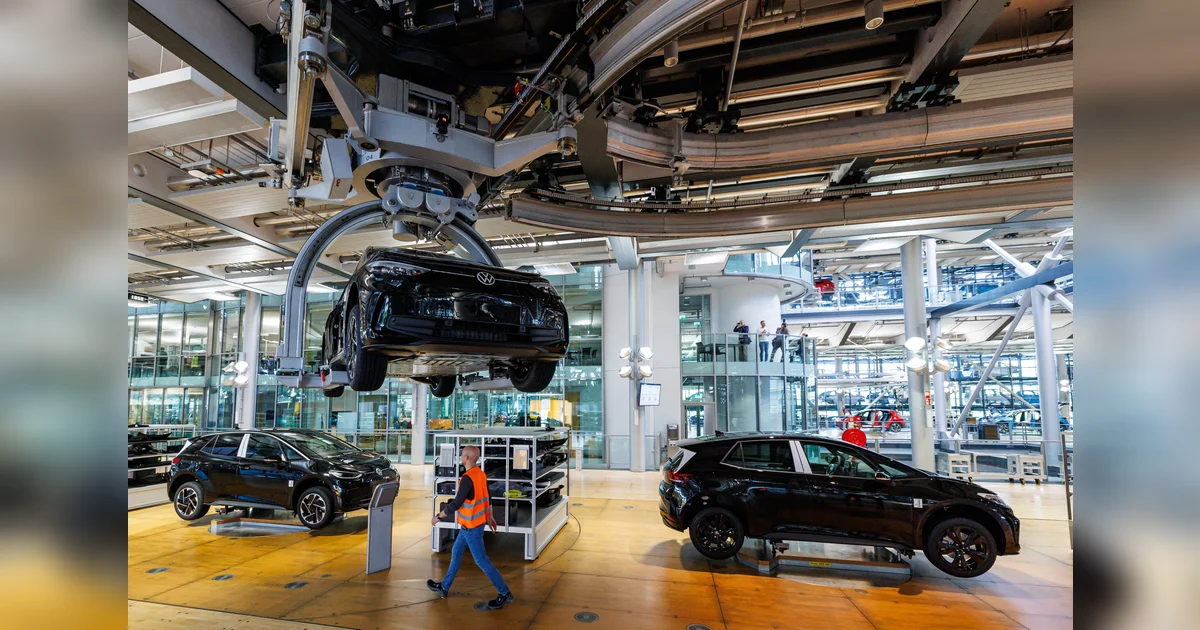
    In a significant policy recalibration, the European Commission has formally abandoned its rigid 2035 deadline for a complete transition to fully electric vehicles, offering legacy automakers extended flexibility to market hybrid and conventional engine technologies. This strategic climbdown, enacted following intensive industry lobbying, enables European manufacturers to better position themselves against rapidly advancing Chinese competitors in the global automotive arena.

    The revised regulatory framework permits the continued legality of plug-in hybrids, range-extended electric vehicles utilizing compact combustion engines for battery recharge, and traditional internal combustion engines beyond the original 2035 cutoff. Brussels further introduced a subsidized category for small-scale European-manufactured EVs, providing substantial concessions that industry analysts recognize as addressing core automaker demands.

    This policy shift creates divergent transitional pathways across market segments. Premium manufacturers including Mercedes-Benz and BMW secure extended timelines for hybrid sales before mandated full electrification. Mass-market producers like Stellantis and Renault stand to benefit significantly from subsidized small EV categories tailored for urban European consumers, leveraging existing models such as the Fiat 500 and Clio.

    The European approach now starkly contrasts with United States policy, where the Trump administration has withdrawn federal support for electric vehicle adoption. Meanwhile, Chinese manufacturers including BYD continue expanding their European footprint through tariff-exempt plug-in hybrids and combustion engine models in markets with slower EV adoption rates like Poland.

    Industry forecasts from consultancies including AlixPartners project fully electric vehicles will constitute approximately 62% of European sales by 2035, reflecting skepticism regarding enforcement capabilities for complete combustion engine prohibitions. The moderated transition timeline potentially allows critical infrastructure development, addressing one of the primary impediments to broader EV adoption through enhanced charging network deployment.

    Current industry metrics reveal fully electric vehicles accounted for 16.4% of total European sales through October, representing a 25.7% year-over-year increase, though penetration remains minimal across southern and eastern European markets.

    This policy revision presents substantial challenges for manufacturers and suppliers who have allocated tens of billions toward EV development and production capacity expansion based on previous regulatory certainty. However, the technological flexibility may catalyze increased collaboration on affordable electric platforms, exemplified by the recently announced Ford-Renault partnership for small EV development in Europe.

    Industry leadership, including Ford CEO Jim Farley, has emphasized the necessity for regulatory consistency, criticizing frequent policy adjustments that complicate long-term capital investment planning. This sentiment echoes across an industry navigating complex technological transformation amid evolving regulatory landscapes.

  • iOS 26.2 update: New iPhone lock screen customisation features explained

    iOS 26.2 update: New iPhone lock screen customisation features explained

    Apple continues to refine its mobile operating system with the latest iOS 26.2 update, introducing sophisticated customization enhancements specifically targeting the Lock Screen interface. This incremental update builds upon the Liquid Glass design language introduced in iOS 26, offering users unprecedented control over visual aesthetics without fundamentally altering the operating system’s core functionality.

    The most significant improvement arrives in the form of an expanded opacity slider for the Lock Screen clock. Previously, users could apply a translucent, frosted-glass effect to their clock display, but customization options remained relatively constrained. iOS 26.2 dramatically enhances this capability by providing a broader spectrum of transparency adjustments, enabling either near-invisible minimalism or bold, high-contrast readability depending on user preference.

    This enhanced customization works seamlessly across all available clock fonts, allowing consistent transparency adjustments regardless of typographic choice. The functionality enables perfect harmony between clock displays and background wallpapers, whether users prefer intricate photographic backgrounds or clean gradient designs.

    Accessing these new features requires a simple process: users must long-press their Lock Screen, select ‘Customize,’ choose the clock element, ensure the Glass style (rather than Solid) is activated, and then manipulate the enhanced opacity slider to achieve their desired visual effect.

    Despite these advancements, one notable limitation persists from previous versions. The ability to resize the Lock Screen clock remains exclusively available with the default system font. Users who opt for alternative typfaces can adjust transparency but cannot modify clock dimensions, maintaining a consistency in Apple’s design approach while leaving room for future enhancements.

    The iOS 26.2 update represents Apple’s continued commitment to incremental refinement rather than revolutionary change, focusing on quality-of-life improvements that enhance the user experience through subtle but meaningful interface adjustments.

  • Auschwitz survivor Eva Schloss dies aged 96 as King leads tributes

    Auschwitz survivor Eva Schloss dies aged 96 as King leads tributes

    Eva Schloss, the stepsister of Anne Frank and renowned Holocaust survivor who dedicated her life to combating prejudice through education, has passed away in London at age 96. The Anne Frank Trust UK, which she co-founded, confirmed her death on January 3rd.

    King Charles III and Queen Camilla led global tributes, expressing profound sadness at her passing. In an official statement, the monarch reflected: “The horrors that she endured as a young woman are impossible to comprehend and yet she devoted the rest of her life to overcoming hatred and prejudice, promoting kindness, courage, understanding and resilience through her tireless work.”

    Schloss’s harrowing journey began when her family fled Nazi-occupied Austria for the Netherlands, only to be captured after two years in hiding. Like the Frank family, they were deported to concentration camps. While Schloss and her mother survived Auschwitz, her father and brother perished in captivity.

    Following liberation by Soviet forces in 1945, Schloss returned to Amsterdam where her mother married Otto Frank, Anne’s father, making Eva the posthumous stepsister of the iconic diarist. This connection shaped her life’s mission: ensuring the world would never forget the Holocaust’s atrocities.

    Over four decades, Schloss became a powerful voice for tolerance education, addressing countless young audiences across Europe. Her message was consistently clear: “Each person you convince not to be racist is a positive.” She co-founded the Anne Frank Trust UK, where Queen Camilla serves as Patron, and worked extensively with Holocaust memorial organizations globally.

    Schloss’s legacy intertwines with that of Anne Frank, whose diary has sold over 30 million copies in 70 languages. Together, their stories form a dual testimony to both the unimaginable cruelty of the Holocaust and the resilience of the human spirit.

    After studying photography in London, she married fellow Holocaust survivor Zvi Schloss in 1951. The couple established their life in Britain, becoming citizens and raising a family. Schloss is survived by her daughters, sons-in-law, and grandchildren.

  • Dire year for dollar has little light at end of tunnel this year

    Dire year for dollar has little light at end of tunnel this year

    The US dollar concludes one of its most challenging years in nearly a decade with mounting evidence suggesting its decline will extend throughout 2026. Financial analysts project continued pressure on the currency as global growth dynamics shift and Federal Reserve policy maintains its accommodative stance.

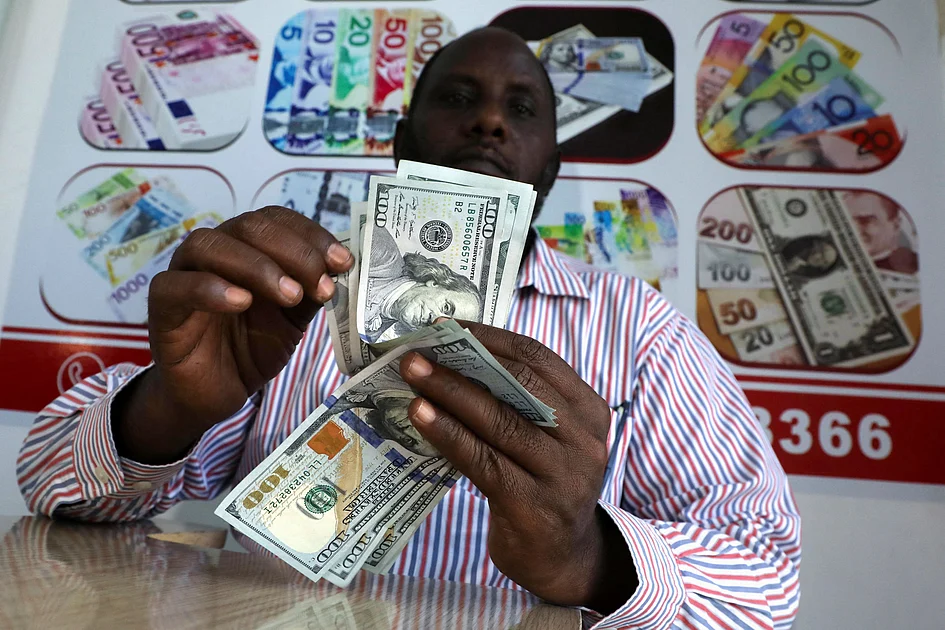
    Currency strategists note the dollar index plummeted over 9% in 2025, representing its most significant annual decline in eight years. This substantial depreciation stems from multiple factors: anticipated Federal Reserve rate reductions, narrowing interest rate differentials with other major economies, and growing concerns regarding US fiscal deficits and political uncertainty.

    Market experts emphasize that dollar weakness primarily reflects changing global growth expectations. Germany’s fiscal stimulus initiatives, China’s comprehensive policy support measures, and improving economic trajectories across the eurozone are collectively diminishing the US growth premium that previously supported dollar strength. This convergence in global economic performance reduces the dollar’s relative attractiveness to international investors.

    The Federal Reserve’s monetary policy direction remains crucial to dollar valuation. With Chair Jerome Powell preparing to transition out of his position and President Trump expected to appoint a successor advocating for lower interest rates, markets are pricing in continued accommodative policies. Several potential candidates, including White House economic adviser Kevin Hassett and former Fed Governor Kevin Warsh, have historically supported more dovish monetary approaches.

    Despite these bearish fundamentals, analysts caution that dollar weakness may not follow a linear path. Temporary factors including sustained investor enthusiasm for artificial intelligence technologies, potential US equity market inflows, and stimulus effects from recent tax cuts and government reopening could provide near-term support. However, most strategists view these as temporary factors unlikely to alter the broader downward trajectory.

    International asset managers are positioning portfolios for continued dollar weakness, noting that currency depreciation typically benefits US multinational corporations through enhanced overseas revenue conversion while improving relative returns in international markets. Current valuation metrics from the Bank for International Settlements indicate the dollar remains overvalued despite recent declines, suggesting further adjustment potential throughout 2026.

  • Why haven’t Trump’s tariffs had a bigger impact on prices?

    Why haven’t Trump’s tariffs had a bigger impact on prices?

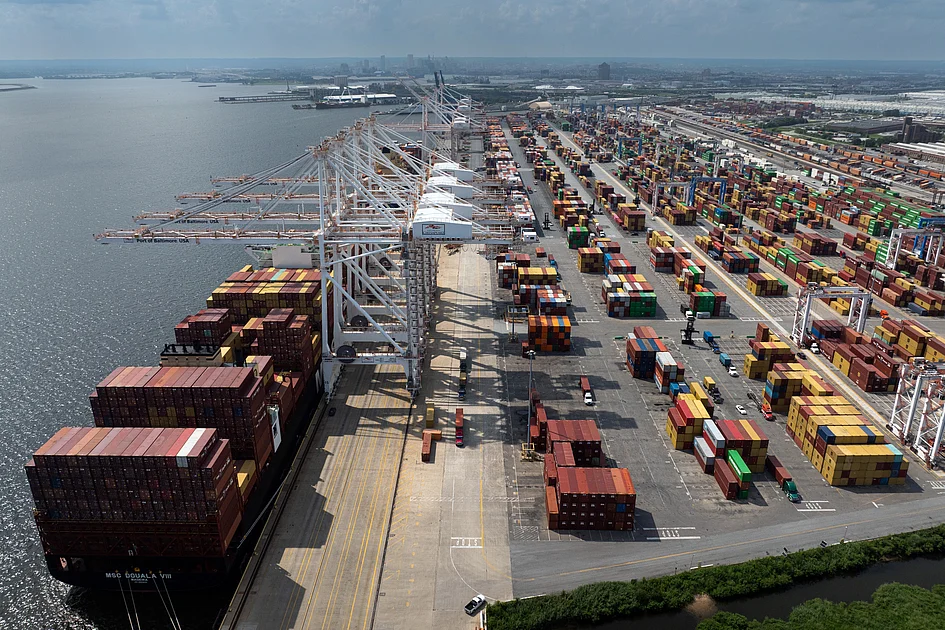
    A groundbreaking economic study from Harvard University and the University of Chicago has uncovered a substantial discrepancy between the tariff rates publicly announced by the Trump administration and what importers actually paid throughout 2025. The research demonstrates that while official figures suggested trade-weighted tariffs reaching 32.8% in April, the effective rate paid by companies stood at just 14.1% by September.

    The comprehensive analysis identifies multiple factors contributing to this significant gap. Critical exemptions for products in transit during tariff announcements created implementation delays, while special considerations for semiconductor imports substantially reduced rates for technology products. Additionally, preferential treatment under the US-Mexico-Canada Agreement and widespread compliance declarations from North American trading partners further diminished the effective tariff burden.

    The research further reveals that tariff evasion strategies, including misdeclaration of product content, value, and country of origin, contributed to the reduced effective rates. Contrary to administration claims that foreign exporters would absorb costs, the study found that 94% of tariff expenses were passed through to American importers in 2025, significantly higher than the 80% rate observed during the 2018-2019 China tariff implementation.

    Despite the lower-than-expected effective rates, the tariffs have substantially reshaped global trade patterns. China’s share of US imports plummeted from 22% in 2017 to just 8% by late 2025. The policies have particularly affected manufacturers relying on imported components, with heavy machinery, automotive, and agricultural equipment sectors experiencing the most significant cost increases.

    The administration has recently shown flexibility, delaying scheduled tariff increases on furniture and reconsidering pasta tariffs amid affordability concerns. Economists caution that with only limited data available since full implementation, the long-term economic consequences remain to be fully understood.