作者: admin

  • New clashes erupt in Iran as protests enter second week, say rights groups

    New clashes erupt in Iran as protests enter second week, say rights groups

    Iran has entered its second consecutive week of widespread civil demonstrations, with fresh clashes erupting between security forces and protesters across multiple provinces. The unrest, initially triggered by economic grievances and rising living costs, has evolved into broader anti-government sentiment challenging the clerical establishment.

    According to documentation from international human rights organizations, at least twelve fatalities have been confirmed since protests commenced on December 28th. The initial shopkeepers’ strike in Tehran’s historic bazaar district has expanded into a nationwide movement spanning 23 of Iran’s 31 provinces, affecting approximately 40 urban centers.

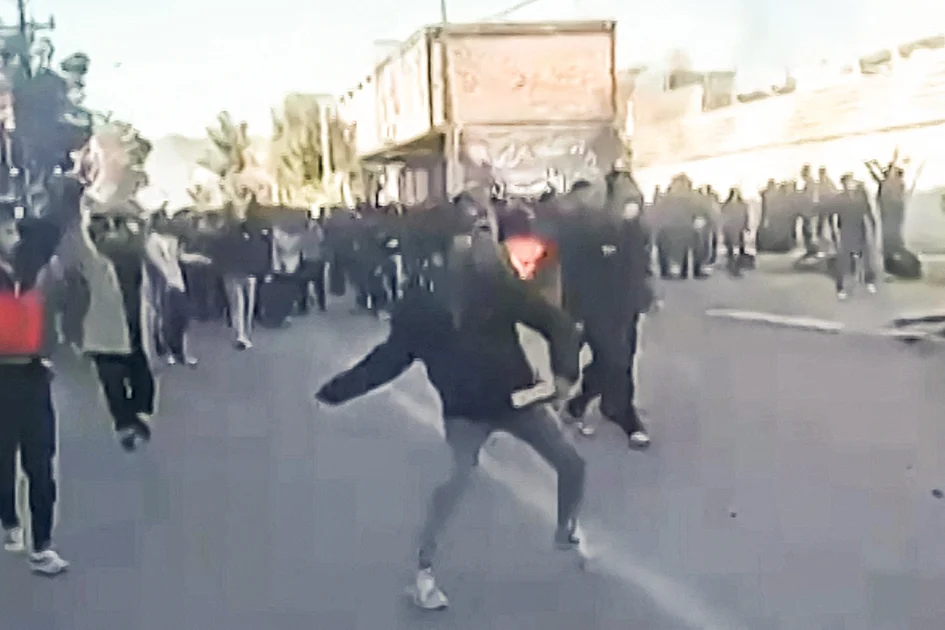
    The Norway-based Hengaw Human Rights Organization reported particularly violent confrontations in western regions with significant Kurdish and Lor minority populations. In Malekshahi county of Ilam province, Revolutionary Guards allegedly opened fire on demonstrators, resulting in four confirmed fatalities and approximately thirty injuries. Verified footage shows security forces employing aggressive dispersal tactics against protesters who blocked roads with overturned containers.

    This represents the most significant challenge to Iran’s leadership since the 2022-2023 Mahsa Amini protests, though current demonstrations haven’t yet reached comparable scale. The unrest compounds existing pressures on Supreme Leader Ayatollah Ali Khamenei’s administration, following recent military confrontations with Israel that damaged nuclear infrastructure and eliminated key security figures.

    International response has intensified considerably. United Nations Special Rapporteur Mai Sato cautioned against repeating the violent suppression witnessed during previous protests. Notably, U.S. President Donald Trump declared readiness to respond if protestor fatalities continue, while Israeli Prime Minister Benjamin Netanyahu expressed solidarity with Iranian demonstrators. Iranian officials have condemned foreign statements as interference while simultaneously acknowledging legitimate economic concerns alongside warnings against destabilization.

    With over 580 documented arrests and continued security force deployments in major urban centers, the situation remains highly volatile as both protesters and authorities appear increasingly entrenched in their positions.
  • What’s behind PM’s notable shift on closer ties to Europe?

    What’s behind PM’s notable shift on closer ties to Europe?

    In a significant policy recalibration, the British government has initiated a substantive repositioning regarding the United Kingdom’s relationship with the European Union following its departure from the bloc. This strategic maneuver, unveiled over the weekend, constitutes a multifaceted communication directed at commercial enterprises, European leadership in Brussels and other capitals, as well as governing party legislators.

    The revised approach envisions closer economic cooperation between the UK and EU being systematically evaluated through annual bilateral discussions, moving beyond the limited scope of this year’s formal assessment of the existing trade agreement. This development represents Downing Street’s substantive response to mounting political demands for a more ambitious Brexit recalibration, including proposals to rejoin the EU customs union.

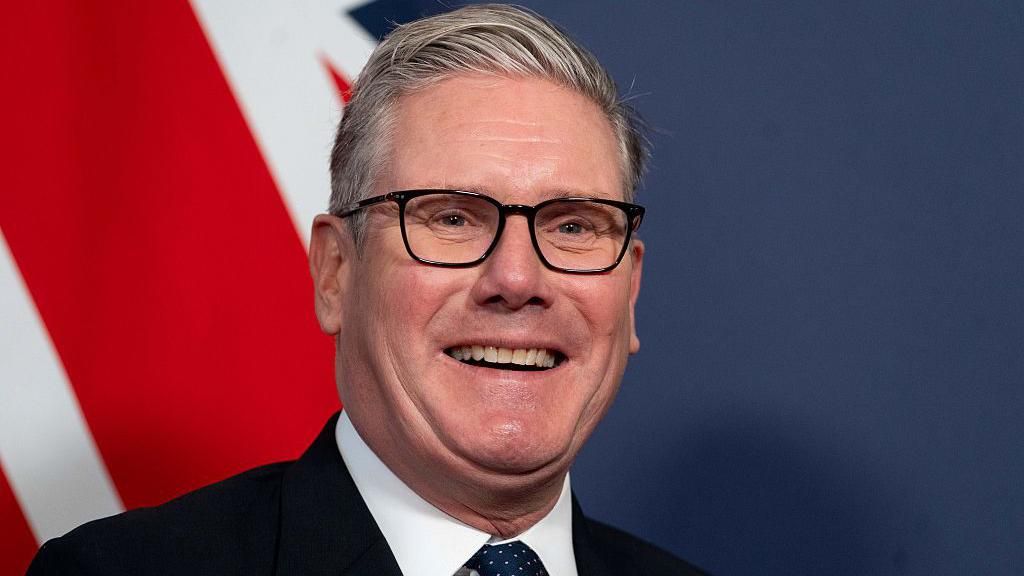
    Opposition Leader Sir Keir Starmer has articulated a distinct vision, emphasizing prioritization of enhanced single market alignment rather than customs union reintegration. This stance emerges from his administration’s successful negotiation of premium trade agreements with the United States and India, with additional Middle Eastern agreements forthcoming. Starmer’s proposed ‘Brexit reset’ specifically targets regulatory harmonization in three critical domains: agricultural exports, energy infrastructure, and emissions trading mechanisms.

    Commercial organizations have amplified calls for reduced administrative barriers, with the British Chambers of Commerce reporting that majority of surveyed members find current arrangements inadequate for sales expansion. Manufacturing sectors including automotive and chemicals present viable opportunities for regulatory alignment that could diminish post-Brexit trade impediments.

    European stakeholders have previously expressed disappointment regarding the ambition level of British proposals, particularly the rejection of facilitated goods readmission to single market mechanisms. Current negotiations encounter complications including stalled defense fund participation due to membership fee disputes, though educational cooperation through Erasmus program reinstatement demonstrates tangible progress.

    Geopolitical considerations further complicate this evolving relationship, as reflected in recent US national security documentation emphasizing European political dynamics. Domestically, the governing party faces mounting pressure from multiple political factions including Liberal Democrats and Greens, particularly in upcoming local elections.

    This comprehensive reevaluation of UK-EU relations coincides with the approaching decennial anniversary of the Brexit referendum, representing a complex intersection of economic necessities, domestic politics, and evolving global strategic considerations.

  • At least 26 dead, 14 missing as boat capsizes in northeast Nigeria

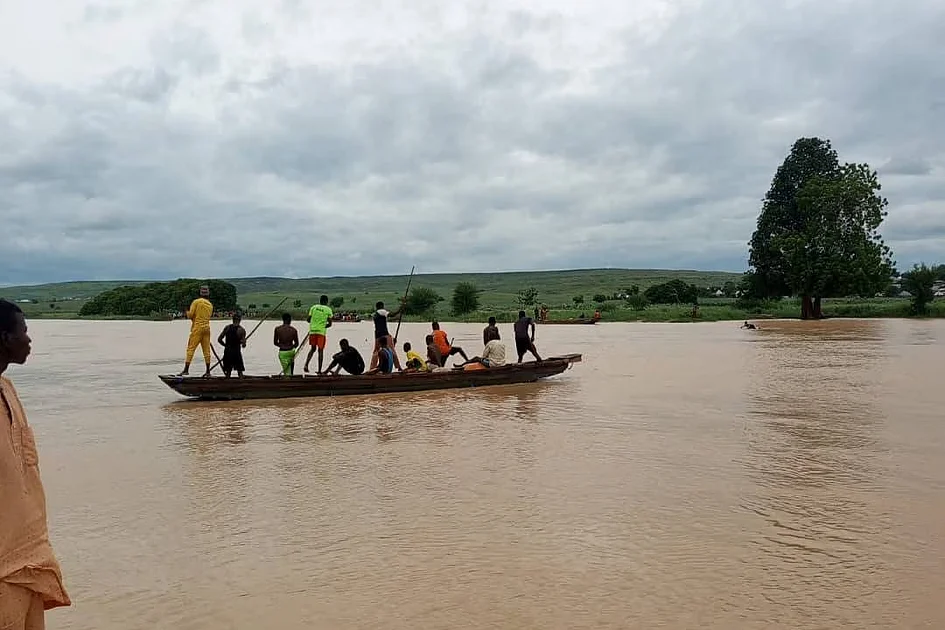
    At least 26 dead, 14 missing as boat capsizes in northeast Nigeria

    A devastating maritime accident has struck northeastern Nigeria, resulting in significant loss of life when an overloaded passenger vessel capsized during transit between states. Emergency services confirmed at least 26 fatalities with 14 individuals remaining missing following Saturday’s tragedy on the region’s busy waterways.

    The catastrophic incident occurred as the rudimentary boat journeyed from Jigawa State to Yobe State, carrying local farmers and fishermen. According to Mohammed Goje, Executive Director of Yobe State’s Emergency Management Agency, the craft succumbed to unknown circumstances late Saturday, plunging passengers into perilous waters.

    Rescue operations mobilized immediately with emergency volunteers recovering two dozen bodies from the accident site. Thirteen survivors were successfully rescued and provided medical attention, while search teams continue recovery efforts for the remaining missing persons. The ongoing operation faces challenges typical of Nigeria’s riverine regions where infrastructure limitations complicate disaster response.

    This tragedy highlights persistent transportation safety issues plaguing Nigerian waterways, where overcrowding, inadequate maintenance, and regulatory non-compliance regularly contribute to preventable accidents. National records indicate similar incidents claim dozens of lives annually across the country’s extensive network of rivers and water channels, raising urgent questions about enforcement of maritime safety protocols and vessel capacity regulations.

    The latest capsizing incident represents one of the most severe water transportation disasters in recent months, underscoring the critical need for improved safety measures and regulatory oversight in Nigeria’s vital river transport systems that serve countless communities dependent on waterborne mobility.

  • Wall St Week Ahead: Jobs data could jolt stocks from holiday calm as 2026 kicks off

    Wall St Week Ahead: Jobs data could jolt stocks from holiday calm as 2026 kicks off

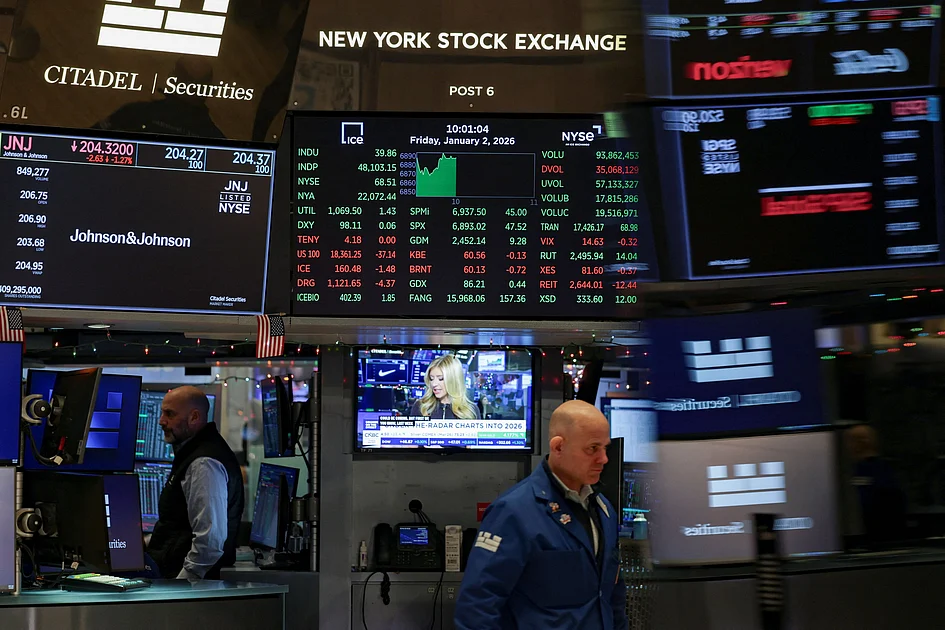
    Financial markets are poised for heightened activity as the first full trading week of 2026 approaches, with investors closely monitoring employment data that could break the current market stagnation. The January 9 jobs report emerges as a critical indicator that may determine near-term Federal Reserve policy decisions and market trajectory.

    The S&P 500 concluded 2025 with impressive 16% gains despite December losses, marking its third consecutive year of double-digit percentage growth. Current market conditions reflect a period of consolidation, with the index trading near record highs but essentially flat since late October. This stagnation has created what analysts describe as a ‘waiting game’ for directional signals.

    Labor market concerns have already influenced monetary policy, prompting the Federal Reserve to implement rate cuts during each of its final three 2025 meetings. With the benchmark rate currently at 3.5%-3.75%, futures markets indicate minimal expectation for a January reduction but nearly 50% probability of a quarter-point cut in March.

    December employment figures project a gain of 55,000 positions according to Reuters polling, following November’s 64,000 increase. The unemployment rate remains elevated at 4.6%, representing a multi-year high that continues to shape Fed deliberations balancing employment objectives against persistent inflation exceeding the 2% target.

    Beyond employment data, investors face multiple catalysts including upcoming inflation metrics, manufacturing and services sector reports, and the imminent fourth-quarter earnings season. Major financial institutions including JPMorgan are scheduled to report during the week of January 13, providing crucial insight into corporate performance expectations.

    Market strategists note that current valuations demand either robust earnings growth or sustained investor confidence in economic conditions. S&P 500 companies are projected to have achieved 13% earnings growth in 2025 with forecasts suggesting 15.5% expansion for 2026, according to LSEG IBES data.

  • Indian director Bharathiraja, hospitalised after breathlessness, is stable

    Indian director Bharathiraja, hospitalised after breathlessness, is stable

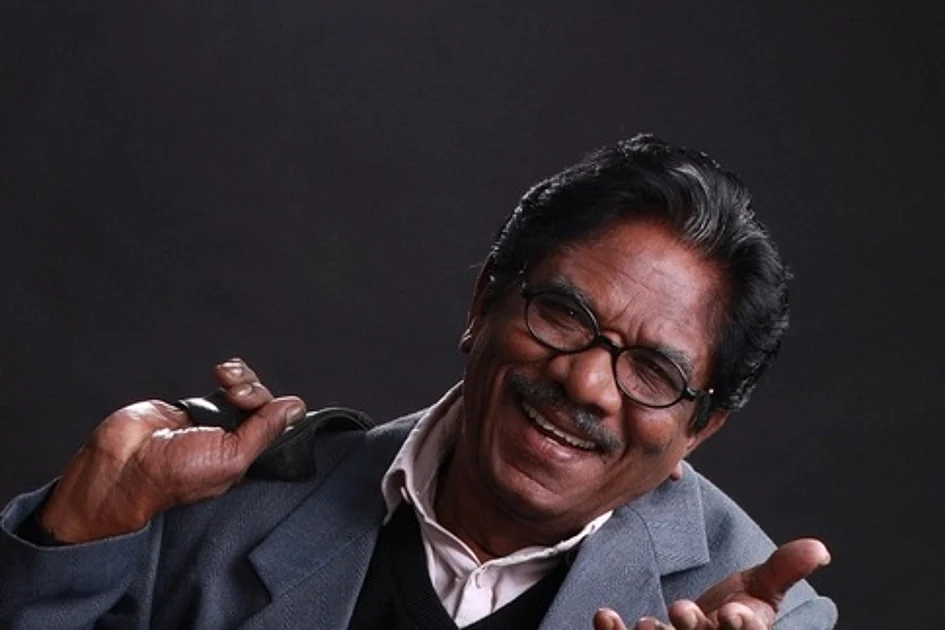
    Renowned Indian film director Bharathiraja, an iconic figure in Tamil cinema, remains in stable condition after being hospitalized for respiratory issues. The 81-year-old auteur was admitted to MGM Healthcare in Chennai on December 27th after experiencing breathlessness.

    Medical authorities at the healthcare facility released an official bulletin on January 4th confirming that the veteran filmmaker is receiving appropriate medical care in the intensive care unit. According to the statement, his clinical condition is stable with vital parameters within normal limits under appropriate medical support. The medical team continues close monitoring while reporting satisfactory response to ongoing treatment.

    The hospitalization comes during a difficult period for the acclaimed director, who lost his son Manoj Bharathiraja—also an actor-filmmaker—to cardiac arrest in March last year. Family sources indicate Bharathiraja had been struggling with his health since this personal tragedy. After his son’s passing, the director relocated to Malaysia to stay with his daughter but found little improvement in his condition despite the change of environment.

    Bharathiraja’s contributions to Indian cinema have earned him the revered title ‘Iyakkunar Imayam’ (mountain among directors). He revolutionized Tamil filmmaking by abandoning studio sets in favor of authentic outdoor locations—a radical departure from industry norms at the time. His filmography is distinguished by realistic portrayals of rural life and social divisions, notably in works like ‘Vedham Pudhithu’ (1987), which offered critical commentary on societal issues.

    Throughout his four-decade career beginning in the early 1980s, Bharathiraja directed numerous critically acclaimed films including ’16 Vayathinile’ (remade as ‘Solva Saavan’ in Hindi), ‘Kizhakke Pogum Rayil’, ‘Muthal Mariyathai’, and ‘Karuththamma’. His 1977 film ’16 Vayathinile’ is particularly celebrated for uniting three legendary stars: Kamal Haasan, Rajinikanth, and Sridevi.

    Beyond his directorial achievements, Bharathiraja demonstrated exceptional talent-spotting abilities, launching the careers of actors Revathi (‘Mann Vasanai’), Karthik, Radha, Napoleon, and several others. His mentorship also extended to emerging directors including K Bhagyaraj, Manivannan, and R Parthiban who assisted him before establishing their own successful careers.

  • Dubai outshines as GCC markets trail global rally in a divided year

    Dubai outshines as GCC markets trail global rally in a divided year

    The Gulf Cooperation Council (GCC) equity markets concluded 2025 with markedly divergent performances, revealing a growing chasm between regional exchanges and their global counterparts. Dubai’s financial marketplace emerged as a regional luminary, showcasing remarkable resilience while other Gulf markets struggled to keep pace with worldwide rallies.

    Dubai’s benchmark index soared 17.2% to close at 6,047.1 points, securing its position as the third-best performing market within the GCC region. This achievement marked the index’s fifth consecutive annual advance, demonstrating a maturing yet persistently robust upward trajectory. Sectoral performance revealed significant variations, with materials leading the charge at 29.9% growth, closely followed by communication services (29.5%) and industrials (28.1%). However, consumer discretionary sectors experienced substantial pressure, declining 24% and revealing underlying market fragmentation.

    The Dubai Financial Market witnessed exceptional growth in market capitalization, climbing 14.7% year-on-year to reach Dh1.029 trillion. This expansion was fueled by vigorous initial public offering activity, particularly the Alec Holding IPO which attracted Dh29.8 billion in orders—representing a 21-times oversubscription—and raised Dh1.4 billion. Trading metrics showed pronounced acceleration, with volumes increasing 19.8% to 60.4 billion shares and traded value surging 55.3% to Dh161.8 billion. Emaar Properties dominated market turnover with Dh46.4 billion in traded shares, followed by Emaar Development and Emirates NBD.

    Dubai’s equity market strength mirrored its formidable economic fundamentals. The emirate’s real estate sector recorded unprecedented performance, with transaction volumes rising 17.1% to 212.8 thousand deals and total sales values skyrocketing 27.3% to Dh667.6 billion. Apartment sales demonstrated particular vigor, with volumes up 19.3% and values increasing 25.4%. The International Monetary Fund projected Dubai’s GDP growth at 3.4% for 2025, acknowledging the emirate’s economic diversification and resilience amidst global uncertainties. Official data revealed GDP expansion of 4.4% during the first half of the year, propelled by construction sector growth of 8.5%.

    Conversely, Abu Dhabi delivered a more tempered recovery. The ADX General Index advanced 6.1% to close at 9,992.72 points, rebounding from two consecutive years of decline. Market capitalization grew 3.7% to Dh3.03 trillion, supported by selective sectoral gains. Real estate led sectoral advances with a 15.4% increase, followed by telecommunications and financials. However, substantial declines in consumer staples, healthcare, and consumer discretionary stocks, coupled with a utilities sector retreat, constrained broader market progress.

    Trading activity on the Abu Dhabi exchange remained vigorous, with volumes surging 35.3% to 85.8 billion shares and traded value rising 31.0% to Dh316.0 billion. International Holding Company, ADNOC Gas, and Aldar Properties emerged as the most actively traded stocks by value. Abu Dhabi’s property market demonstrated exceptional performance, with transaction values leaping 36% to Dh165.5 billion and volumes increasing 50%, reinforcing the emirate’s emergence as a transparent, well-regulated property destination. The IMF anticipates Abu Dhabi’s real GDP will expand by 6% in 2025, supporting a strengthened medium-term outlook.

    Regionally, GCC markets substantially trailed global indices, with the MSCI GCC Index gaining merely 1.6% throughout 2025. Geopolitical tensions, crude oil weakness, and declines in heavyweight Saudi stocks exerted downward pressure. Brent crude prices fell 18.5% during the year, adversely affecting energy-concentrated markets. Saudi Arabia’s TASI declined 12.8%, representing the only GCC market to post an annual loss. Oman and Kuwait outperformed with gains of 28.2% and 21.0% respectively, positioning Dubai firmly among regional leaders.

    Globally, equity markets celebrated a third consecutive year of double-digit gains, propelled by artificial intelligence stock rallies and accommodative monetary policies. Major benchmarks in the United States, Europe, and Asia advanced approximately 17%, while emerging markets surged over 30%, dramatically outperforming GCC indices. Against this backdrop, Dubai’s robust performance highlighted its increasing alignment with global growth narratives, even as the broader Gulf region contended with structural challenges and geopolitical headwinds.

  • DPRK slams US ‘hegemony-seeking act’ against Venezuela

    DPRK slams US ‘hegemony-seeking act’ against Venezuela

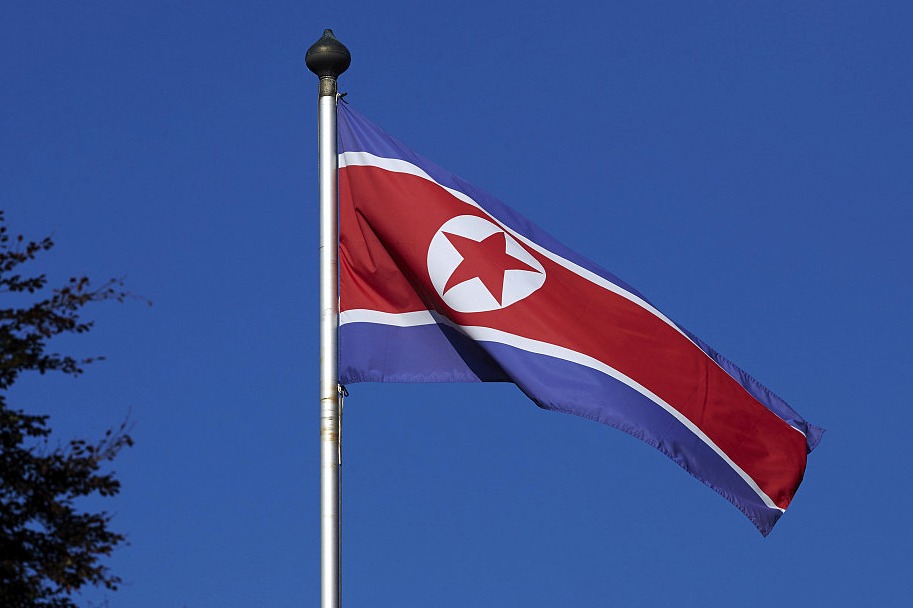
    PYONGYANG – In a strongly worded statement released Sunday, North Korea’s Foreign Ministry has issued a scathing condemnation of United States policies toward Venezuela, characterizing American actions as flagrant violations of international law and sovereignty principles.

    The official declaration, disseminated through state-controlled Korean Central News Agency (KCNA), featured a ministry spokesperson accusing Washington of committing “hegemony-seeking acts” that represent “the most serious form of sovereignty encroachment.” The statement further alleged these actions constitute wanton disregard for both the United Nations Charter and established international legal frameworks.

    According to the North Korean assessment, current regional instability directly results from what it termed “US high-handed actions” that have exacerbated an already fragile geopolitical situation in Latin America. The characterization framed recent American maneuvers concerning Venezuela as demonstrating what Pyongyang views as the “rogue and brutal nature” of United States foreign policy.

    The Democratic People’s Republic of Korea’s diplomatic corps urged the international community to recognize the escalating situation’s severity and collectively voice opposition to what it described as America’s “habituated violation” of other nations’ sovereignty. This positioning aligns with North Korea’s historical pattern of criticizing US foreign policy while simultaneously facing extensive international sanctions over its nuclear weapons program.

    The statement emerges amid ongoing political and economic turbulence in Venezuela, where international perspectives remain sharply divided regarding legitimate leadership and appropriate foreign involvement. North Korea’s vocal support for Venezuela’s sovereignty reflects broader geopolitical alignments that frequently see anti-US nations forming diplomatic alliances based on mutual opposition to American influence.

  • Filipinos in UAE can renew driving licences, access key Philippine services on January 11

    Filipinos in UAE can renew driving licences, access key Philippine services on January 11

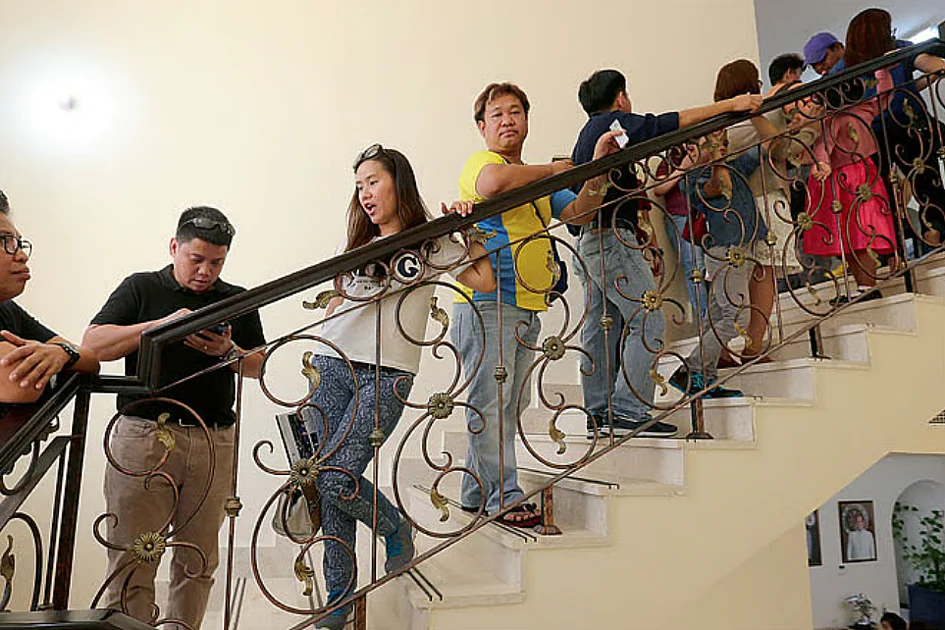
    The Philippine government has announced the return of its OFW Serbisyo Caravan initiative to Dubai, offering crucial administrative services to overseas Filipino workers without requiring international travel. On January 11th, the Land Transportation Office (LTO) will establish temporary operations at Conrad Hotel Dubai, providing license renewal capabilities and personal record updates directly within the UAE.

    This third edition of the service caravan enables Filipino expatriates to maintain current driving credentials and update critical personal information including address changes and marital status modifications. The initiative represents a significant convenience enhancement for the substantial Filipino community residing in the Emirates.

    Documentation requirements for license renewal include a completed Application for Renewal Form (APL Form), current or expired license card, medical certificate from an LTO-accredited clinic, and Comprehensive Driver’s Education certificate submitted through the LTO portal. The base renewal fee stands at Php585 (approximately Dh36.53), with graduated penalties applied based on expiration duration:

    – Php75 (Dh4.68) for licenses expired 10 days to 1 year
    – Php150 (Dh9.37) for 1–2 years expiration
    – Php225 (Dh14) plus Php100 application fee for licenses expired over 2 years

    Address modifications require proof of residency documentation, while marital status updates necessitate submission of a Philippine Statistics Authority marriage certificate, each incurring an additional Php100 processing fee. Multiple payment options including GCash, Visa Debit, and Mastercard will be accepted through the LTO’s official portal.

    While limited walk-in availability may be accommodated, advance online registration via https://tinyurl.com/SerbisyoCaravan3 is strongly recommended to guarantee service access. The event will additionally feature support services from multiple Philippine government agencies including the Department of Migrant Workers, Social Security System, Pag-IBIG Fund, and Philippine Health Insurance Corporation, providing comprehensive administrative support to the overseas workforce.

  • New Year holiday sees 595 million cross-regional trips

    New Year holiday sees 595 million cross-regional trips

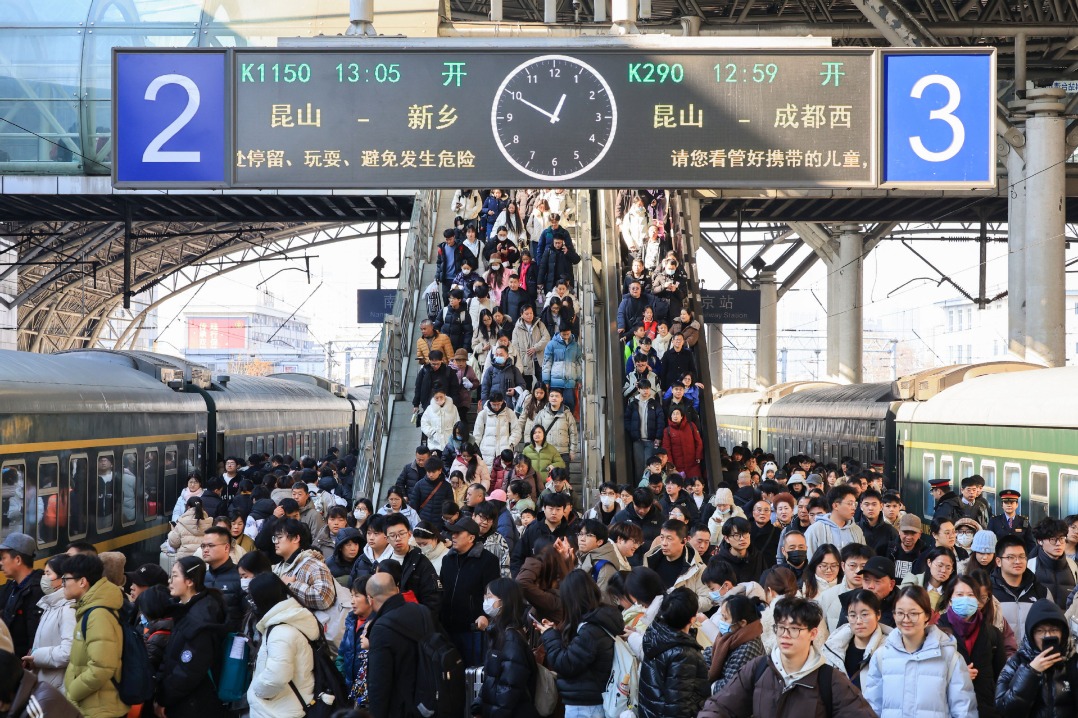
    China witnessed an extraordinary surge in domestic travel during the three-day New Year holiday period from January 1-3, 2026, with official data revealing approximately 595 million cross-regional journeys nationwide. This remarkable figure represents a substantial 19.62 percent increase compared to the same period in 2025 and a 5.74 percent rise over the 2024 New Year holiday travel volume.

    The transportation sector experienced particularly robust growth across all modes of travel. Railway networks emerged as the standout performer, handling 48.09 million passenger trips throughout the holiday period. With daily rail passenger volume averaging 16.03 million, this segment demonstrated an impressive 52.66 percent year-on-year growth compared to 2025, indicating a pronounced resurgence in long-distance travel demand among Chinese citizens.

    Road transport maintained its position as the dominant travel mode, accounting for the overwhelming majority of journeys at 539 million trips. This translated to approximately 1.8 million daily road trips, marking a 15.7 percent increase from the previous year. Within this category, private passenger vehicles facilitated 442 million trips, while commercial road passenger services handled 98 million journeys.

    Complementing the land transportation figures, waterway transport recorded 2.25 million passenger trips, and civil aviation carriers transported 5.88 million passengers during the three-day holiday period. These statistics collectively paint a picture of a nation increasingly mobile and confident in travel following periods of restriction, with the diversified transportation infrastructure effectively accommodating the pent-up demand for holiday movement and family reunions.

  • Protest in front of the White House over US military action in Venezuela

    Protest in front of the White House over US military action in Venezuela

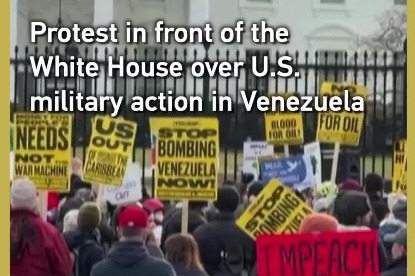
    Washington, D.C. witnessed significant public dissent as demonstrators assembled outside the White House to voice strong opposition to American military operations in Venezuela. This civic mobilization follows President Donald Trump’s declaration regarding the apprehension of Venezuelan leader Nicolás Maduro.

    The protest represents a growing domestic criticism against the United States’ foreign military strategy, highlighting deepening concerns about international intervention practices. The gathering occurred amidst parallel demonstrations across various global locations, including Caracas, Mexico City, and Colombia, where citizens expressed solidarity with Venezuela and condemnation of U.S. actions.

    Meanwhile, Moscow has officially denied allegations that Venezuelan Vice President Delcy Rodríguez has sought refuge within Russian borders, adding another layer of complexity to the international diplomatic landscape. The simultaneous protests across multiple nations indicate coordinated resistance to American foreign policy decisions and growing international apprehension regarding military interventions in sovereign states.

    The developing situation underscores escalating tensions between the U.S. and several South American nations, potentially signaling a broader geopolitical realignment in the Western Hemisphere as countries position themselves regarding the Venezuela crisis.