作者: admin

  • Experts: Strike to have consequences for region, beyond

    Experts: Strike to have consequences for region, beyond

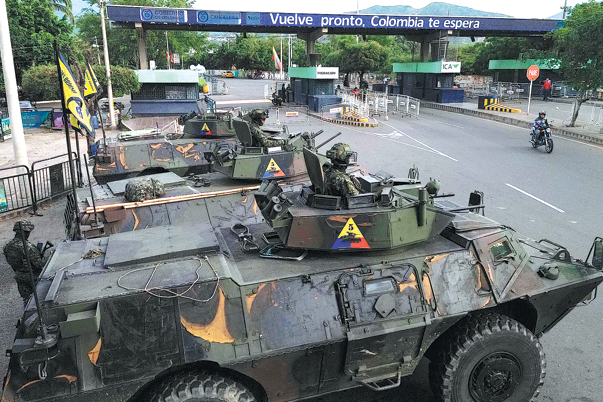
    The geopolitical landscape of the Western Hemisphere has been fundamentally altered following a unprecedented US military operation inside Venezuela, resulting in the capture of President Nicolas Maduro. South American experts are characterizing the weekend attack as a pivotal moment with profound implications for regional stability and international law.

    According to reports, US forces conducted airstrikes early Saturday before detaining President Maduro and his wife. The Venezuelan leader was subsequently transferred to a New York detention facility, awaiting trial under the US judicial system on drug trafficking allegations that had escalated tensions between the nations for months.

    Jorge Heine, Chile’s former ambassador to China and current nonresident fellow at the Washington-based Quincy Institute, dismissed the official US justification linking the operation to narcotics enforcement. “Venezuela is neither a major drug producer nor a key transit country,” Heine stated, instead identifying two primary motivations: “To get US hands on Venezuelan oil, and to appeal to the Cuban and Venezuelan exile vote in Florida.”

    The political analyst warned that Maduro’s removal fails to address Venezuela’s internal crisis while potentially exacerbating uncertainty. He specifically questioned the practicality of Washington’s post-intervention plans, noting President Trump’s announcement that the US would now govern Venezuela.

    The operation has generated unease among governments throughout South America, with Heine cautioning that the precedent could have extensive regional repercussions. “This intervention will cause great damage to US standing in the region,” he predicted, suggesting it would accelerate calls for greater strategic independence among Latin American nations.

    Beyond hemispheric concerns, Heine emphasized the attack represents a severe blow to global governance structures. “This is a flagrant violation of international law and of the United Nations Charter,” he declared. “It constitutes a significant blow to the international legal order and multilateralism.”

    Nicaraguan political analyst Xavier Diaz-Lacayo echoed these sentiments, strongly condemning the military action and urging international response. “It is time to say enough,” he told Cuban news agency Prensa Latina, calling for firm condemnation of the aggression and demanding restitution for what he termed an assault on the international legal order.

    Diaz-Lacayo emphasized the need for Washington to respect international norms regarding self-determination, advocating for Maduro’s restoration to power. “The world must demand that the US handle international affairs according to the principles of peace and dialogue,” he asserted, noting that Venezuela’s right to sovereign control over its strategic resources, particularly oil, is being unjustly denied through accusations divorced from international legality.

    The analyst framed the US position as rooted in “the doctrine of Manifest Destiny and the Monroe Doctrine, aimed at securing strategic, economic, political and military interests in the region,” warning that global condemnation contrasts sharply with persistent US unilateralism.

  • Citizens shocked, traumatized amid port bombing

    Citizens shocked, traumatized amid port bombing

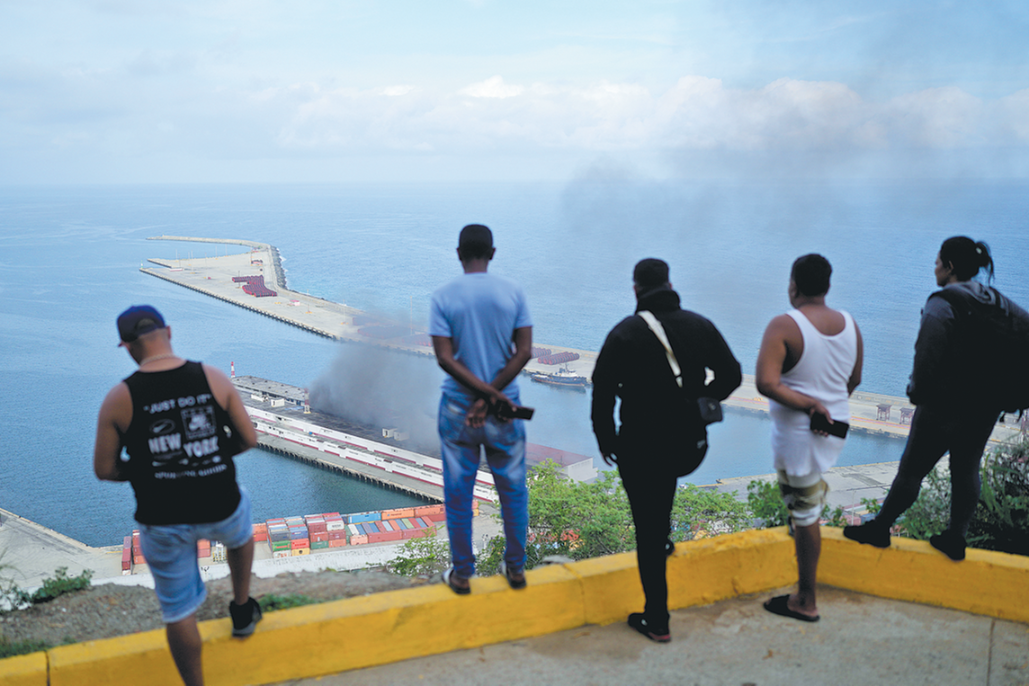
    The port city of La Guaira, Venezuela, remains shrouded in smoke and shock twelve hours after a United States military operation targeted the area. The pre-dawn strikes, part of a mission to capture and extract President Nicolas Maduro, left a landscape of devastation with deformed shipping containers, shattered public buildings, and roofless houses.

    Eyewitness accounts paint a picture of sudden terror and confusion. Alpidio Lovera, 47, described the immediate sequence of events: ‘First we saw the flash and then the explosion,’ he recounted, detailing how he fled with his pregnant wife to higher ground. The psychological impact was profound for many residents, with Linda Unamuno, 39, breaking into sobs as she recalled the nightmarish experience. ‘The blast smashed the entire roof of my house,’ she said. ‘I went out, that’s when I saw what was happening. I saw the fire from the airstrikes. It was traumatizing.’

    The operation, which US officials stated was designed to clear landing paths for helicopters, resulted in no reported casualties in La Guaira. Emergency crews worked throughout the day, with firefighters using excavators to clear debris of broken glass and gnarled metal while armed police patrolled on motorcycles to prevent looting.

    In the capital city of Caracas, the atmosphere was described as eerily quiet despite small gatherings of Maduro supporters demanding his freedom. The rapid removal of a president who had maintained power through years of international sanctions left many citizens incredulous at the day’s events. Maria Eugenia Escobar, 58, told Agence France-Presse: ‘I felt the explosions lift me out of bed. In that instant I thought: ‘My God, the day has come,’ and I cried.’

    The military action has sparked both international concern and domestic protest. Katia Briceno, a 54-year-old university professor, joined demonstrations against what she termed US ‘barbarism,’ questioning the legitimacy of a foreign government removing a country’s leader. The operation marks a dramatic escalation in the long-standing political conflict between the United States and Venezuela, with immediate physical and psychological consequences for its citizens.

  • Teahouses turn nostalgia temples

    Teahouses turn nostalgia temples

    In the picturesque landscapes of Kaihui township, just beyond Changsha’s urban sprawl, a cultural phenomenon is captivating city dwellers. The First Love Teahouse, housed within a repurposed rural supply and marketing cooperative building, has transformed into an unexpected pilgrimage site for urbanites seeking connection to simpler times.

    The establishment masterfully recreates the agrarian atmosphere of 1980s rural China through its meticulous design and curated artifacts. More than 600 vintage objects donated by local villagers—including aluminum water kettles, enamel tea mugs, and traditional bamboo baskets—create an immersive environment that founder describes as a ‘rural cultural living room.’ This attention to authentic detail has earned the venue its nickname: ‘a teahouse grown on farmland.’

    What began as a quiet nostalgic venture in September has evolved into a sensation, with patrons regularly enduring hour-long drives from downtown Changsha even on weekdays. The attraction extends beyond traditional tea service to include local specialty foods and vibrant cultural performances. Particularly popular are the Huagu Opera (flower-drum opera) shows that animate the main stage, combining with the aromatic tea steam and rhythmic drum beats to create a multisensory experience.

    Patrons consistently report powerful emotional connections to the establishment. ‘The dishes, the performance, the culture—everything feels like from our childhood,’ remarked one guest who grew up in the region. This successful blending of heritage preservation with contemporary consumption patterns demonstrates how rural cultural elements can find new relevance in modern urban life, creating sustainable business models that celebrate traditional Chinese culture while meeting the psychological needs of today’s consumers.

  • Pakistan and China call for ‘visible and verifiable’ steps against Afghan-based terror groups

    Pakistan and China call for ‘visible and verifiable’ steps against Afghan-based terror groups

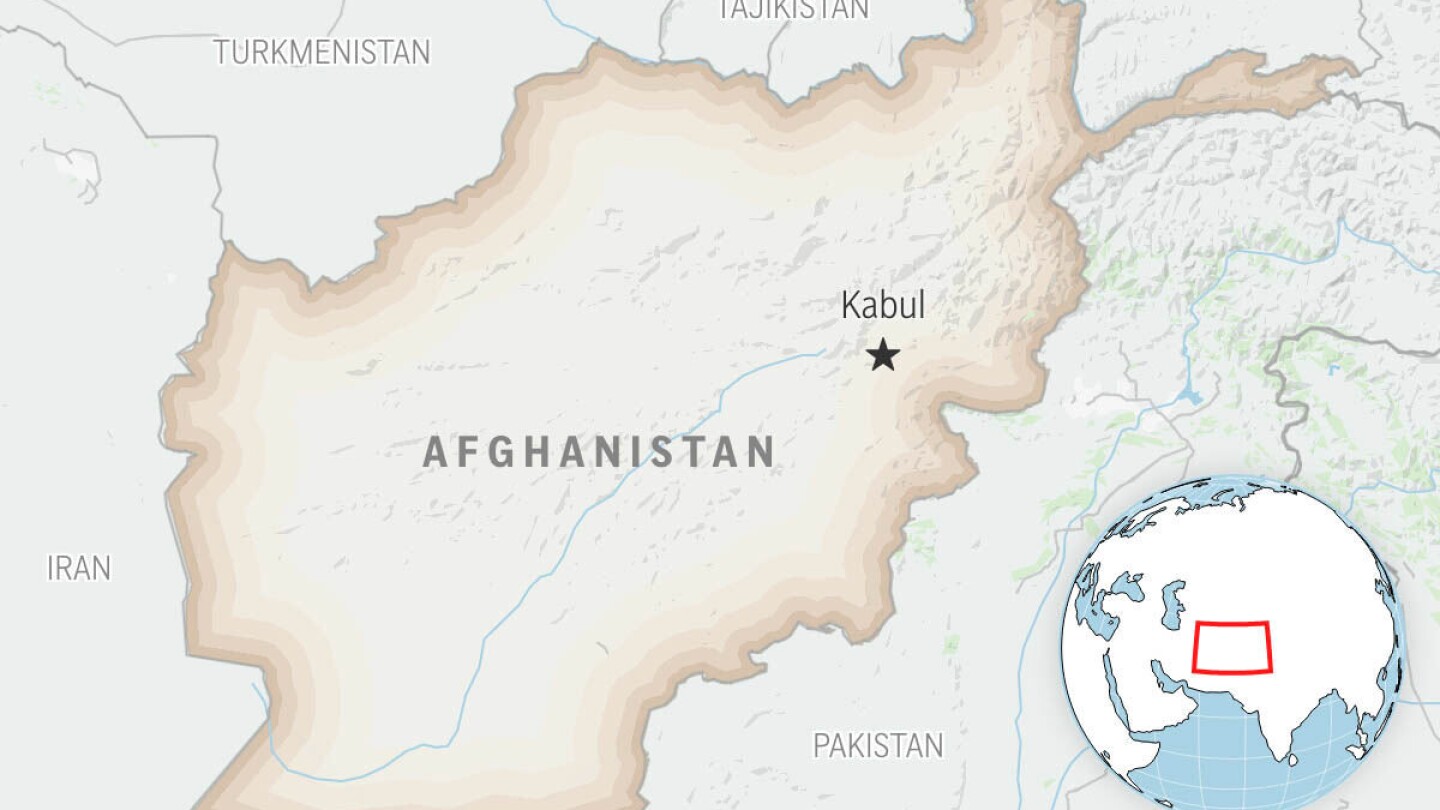
    In a significant diplomatic development, Pakistan and China have jointly called for concrete, demonstrable measures to eradicate terrorist networks operating from Afghan territory. This demand was formalized in a joint statement released following high-level talks between Pakistani Foreign Minister Ishaq Dar and Chinese Foreign Minister Wang Yi in Beijing on December 4.

    The bilateral statement emphasized that terrorist organizations based in Afghanistan continue to represent a severe threat to regional and global security. Both nations stressed the critical importance of preventing Afghan soil from being utilized as a launchpad for militant activities against other countries.

    China specifically commended Pakistan’s comprehensive counterterrorism efforts, particularly highlighting the protection of Chinese citizens and infrastructure associated with the China-Pakistan Economic Corridor (CPEC). This massive infrastructure project, part of China’s Belt and Road Initiative, employs thousands of Chinese workers and engineers developing transportation links between China’s Xinjiang region and Pakistan’s Gwadar port.

    The diplomatic pressure follows increased regional tensions, including a suicide car bombing in 2024 that killed five Chinese nationals in northwest Pakistan. Pakistan has consistently accused Afghanistan’s Taliban government of providing sanctuary to the banned Tehrik-e-Taliban Pakistan (TTP), which has been responsible for escalating attacks within Pakistan since 2021.

    Despite the Taliban’s assurances that Afghan territory isn’t used for cross-border attacks, tensions peaked in early October when Pakistan conducted airstrikes against alleged TTP hideouts in Afghanistan, resulting in dozens of casualties. Afghanistan retaliated with attacks on Pakistani military positions, leading to significant casualties on both sides. While Qatar brokered a temporary ceasefire in Doha, subsequent talks in Istanbul failed to produce substantial diplomatic breakthroughs.

  • BBC documentary captures Guangdong’s wild side

    BBC documentary captures Guangdong’s wild side

    A groundbreaking nature documentary series showcasing Guangdong’s extraordinary ecological diversity has made its global debut, marking an unprecedented collaboration between British and Chinese media organizations. ‘Wild Guangdong,’ a three-part series produced through a partnership between BBC Studios and Guangdong Radio and Television Station, premiered simultaneously across international and domestic platforms in December.

    Employing cutting-edge 4K ultra-high definition technology, the documentary presents an immersive visual journey through Guangdong’s varied ecosystems. The production represents the first time BBC Studios has partnered with provincial-level Chinese media, combining British documentary expertise with local ecological knowledge.

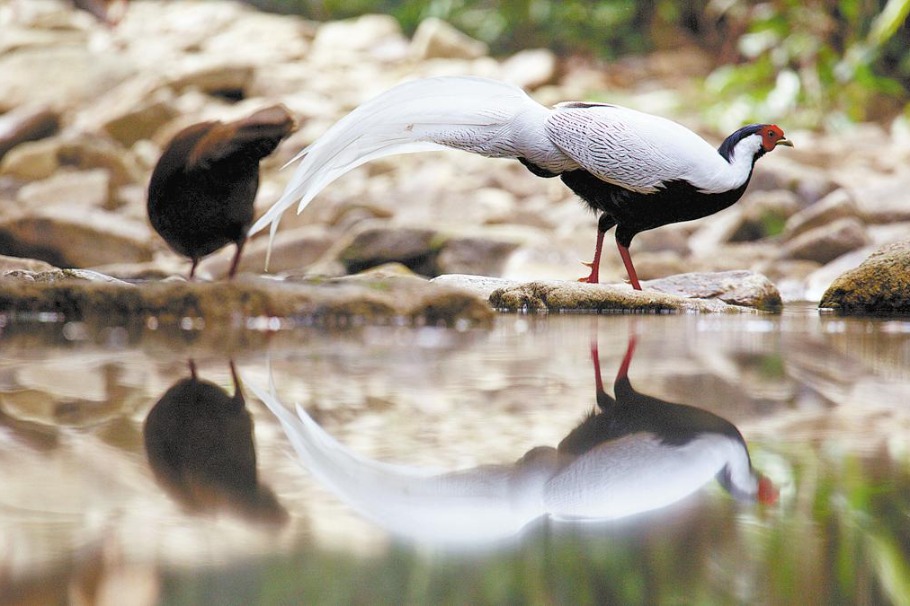
    The series, which required three years of meticulous filming across seasonal cycles, captures rarely-seen wildlife behaviors and landscapes. From the primeval forests of northern Guangdong to the coral reefs of the South China Sea, the documentary team documented over 1,000 animal species and 6,000 plant species that thrive in the region’s unique microclimates and complex terrain.

    Robi Stanton, President of Media and Streaming for BBC Studios Asia-Pacific, described the project as ‘a moving poem of harmonious coexistence’ that illustrates how Guangdong’s 130 million residents maintain ecological balance alongside rapid urban development. The documentary particularly highlights conservation success stories, including protection efforts for Chinese white dolphins and the discovery of a new species of eyelid gecko.

    Beyond its television broadcast on BBC Earth Asia and Chinese networks, the series has reached international audiences through streaming platforms across Southeast Asia, South Korea, Hong Kong, and Taiwan, potentially reaching over 20 million households. Chinese viewers can access the documentary on major platforms including Youku, iQiyi, Tencent Video, and Bilibili.

    Series producer Simon Winchcombe characterized the filming experience as ‘a fascinating journey’ that consistently yielded unprecedented wildlife footage. The documentary ultimately presents not just a catalog of species but compelling narratives about interdependence among life forms and the delicate balance between human progress and environmental preservation.

  • Trump says US needs Greenland ‘for defense’ following strikes on Venezuela

    Trump says US needs Greenland ‘for defense’ following strikes on Venezuela

    President Donald Trump has reignited controversy by asserting the United States’ strategic need for Greenland’s territory for national defense purposes. The declaration came during a telephone interview with The Atlantic magazine on Sunday, shortly after U.S. forces conducted a military operation in Venezuela that resulted in the capture of President Nicolás Maduro.

    “We do need Greenland, absolutely,” Trump stated, connecting the Arctic territory’s strategic importance to broader national security concerns. When questioned about potential implications of the Venezuela intervention on Greenland’s status, Trump responded: “It was up to others to decide what the large-scale US strike against Venezuela means to Greenland. They are going to have to view it themselves.”

    The remarks prompted an immediate and forceful response from Danish leadership. Prime Minister Mette Frederiksen issued a direct rebuke, declaring that “the United States has no right to annex” any part of the Danish Realm, which includes Denmark, Greenland, and the Faroe Islands.

    “I have to say it very directly to the United States,” Frederiksen stated, urging Washington to cease making threats against a close ally and the Greenlandic people. This diplomatic tension marks the latest chapter in a recurring pattern of territorial interest expressed by the Trump administration throughout the previous year.

    The White House has consistently justified its Greenland aspirations by citing national security imperatives, Arctic strategy considerations, and the territory’s potential wealth of critical minerals and natural resources. Meanwhile, the international community continues to express profound alarm over the Venezuela operation, with multiple nations condemning what they characterize as blatant use of force against a sovereign state.

  • Lianjiang’s long road to renewal

    Lianjiang’s long road to renewal

    The Lianjiang River, once celebrated for its crystalline waters that inspired its silk-like name, is experiencing a remarkable ecological renaissance after suffering severe degradation during China’s rapid industrialization period. Flowing 71.1 kilometers through Guangdong province from its origins in Puning to its terminus at Haimen Port in Shantou, this vital waterway supports approximately five million residents along its banks.

    During the late 20th century economic expansion, the river’s health dramatically declined as industrial contamination and population pressures turned its waters toxic. The ecological damage was so extensive that aquatic life virtually disappeared, earning the Lianjiang the unfortunate distinction of being among Guangdong’s most polluted rivers.

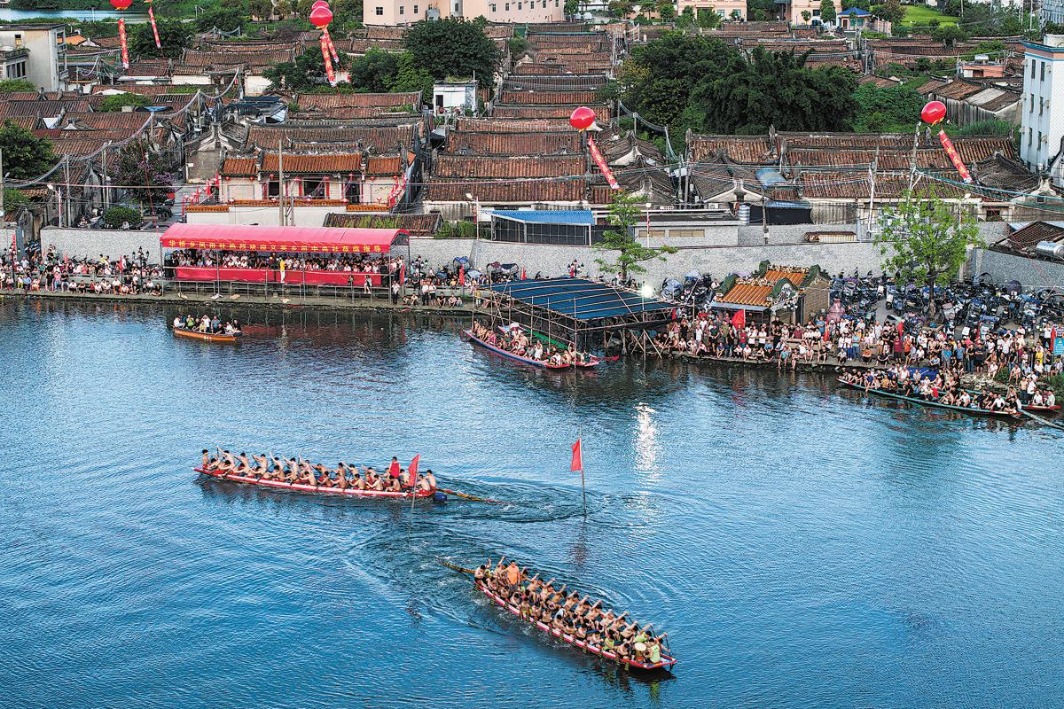
    Recent conservation efforts have sparked a noticeable recovery, with visual evidence captured in June showing children playing on inflatable rafts and swim rings while adults perform daily washing routines in one of the river’s tributaries. These scenes of community interaction with the reviving waterway signal a significant environmental turnaround.

    The rehabilitation of the Lianjiang represents part of China’s broader commitment to environmental protection and ecological restoration. As the country balances economic development with environmental sustainability, success stories like the Lianjiang’s transformation demonstrate the potential for reversing ecological damage through dedicated conservation policies and practices.

    The river’s improving condition not only enhances local quality of life but also serves as an indicator of changing priorities in regional development strategies, highlighting the increased emphasis on environmental protection in China’s modernization journey.

  • Venezuela’s acting president convenes first cabinet meeting since Maduro’s capture

    Venezuela’s acting president convenes first cabinet meeting since Maduro’s capture

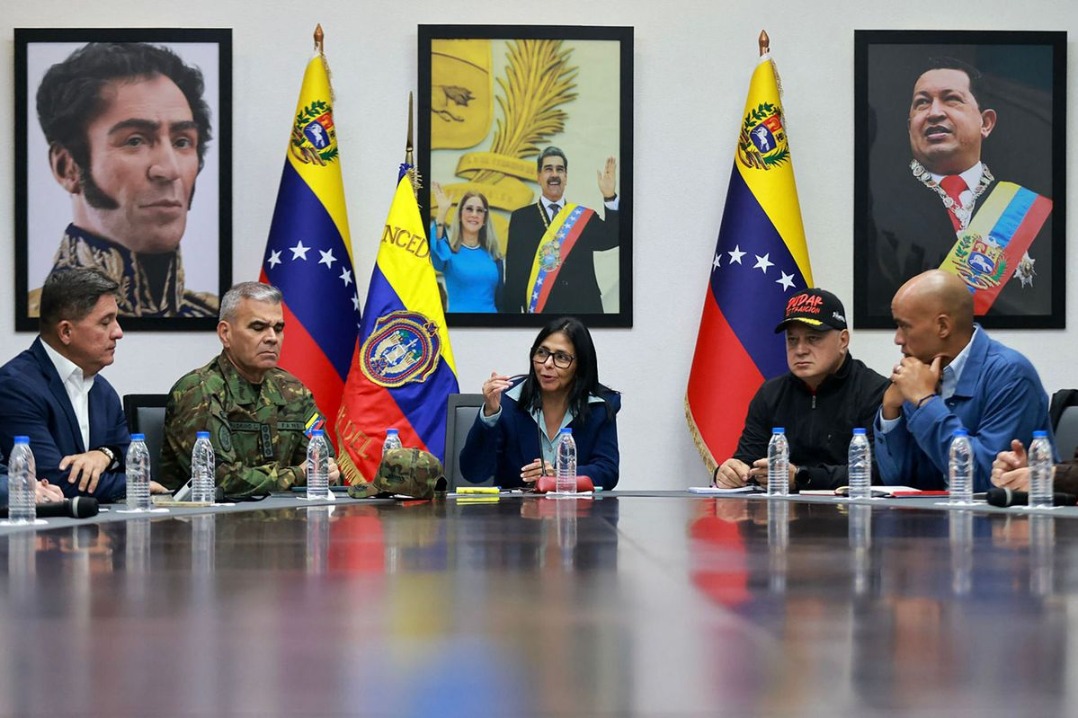
    Venezuela’s political landscape entered a critical phase as Acting President Delcy Rodriguez presided over an emergency cabinet assembly on Sunday, marking the first such gathering since the dramatic capture of President Nicolas Maduro by United States authorities. The high-stakes meeting, convened merely one day after the nation’s Supreme Tribunal formally mandated Rodriguez to assume interim presidential duties, represents a pivotal moment in Venezuela’s ongoing political crisis.

    Official state television broadcasts depicted Rodriguez flanked by key governmental figures including Defense Minister Vladimir Padrino Lopez and Interior Minister Diosdado Cabello during the council of ministers meeting at the Vice Presidency headquarters in Caracas. The visual symbolism of unity among Maduro’s closest allies served as a powerful message to both domestic and international observers.

    The administration characterized the emergency session as addressing “strategic lines framed in the ‘state of external commotion’”—a special decree previously enacted by the Venezuelan government to respond to extraordinary circumstances. This legal framework provides the interim government with expanded authority to navigate the complex geopolitical situation arising from Maduro’s detention.

    In a parallel development demonstrating the government’s coordinated response, Rodriguez announced the establishment of a specialized committee dedicated exclusively to securing Maduro’s release. This move signals Caracas’ intention to pursue diplomatic and legal channels to challenge what Venezuelan officials have characterized as an unlawful international intervention in their sovereign affairs.

    The convergence of military, judicial, and political leadership surrounding Rodriguez suggests a consolidation of power within Maduro’s political circle, aimed at projecting stability and continuity despite the unprecedented challenge to Venezuela’s leadership structure.

  • Alleged Bondi shooter Naveed Akram moved to Goulburn Supermax prison

    Alleged Bondi shooter Naveed Akram moved to Goulburn Supermax prison

    Naveed Akram, the primary suspect in December’s Bondi Beach terrorist shooting, has been relocated to Goulburn Supermax, Australia’s most secure penitentiary facility. The 24-year-old was transferred Monday to the High Risk Management Correctional Centre approximately 190km southwest of Sydney, where he will remain in protective custody while facing extensive criminal charges.

    The alleged perpetrator stands accused of 59 offenses, including commission of a terrorist act, 15 counts of murder, and 40 counts of wounding with intent to murder. The charges stem from the December 14 attack targeting Jewish celebrants during Chanukah by the Sea festivities at Bondi Beach.

    Newly released court documents reveal chilling details of alleged preparation for the attack. CCTV evidence reportedly shows Akram and his father Sajid Akram conducting reconnaissance at the attack location two days prior to the shooting. Further evidence includes October 2025 footage allegedly depicting the pair conducting firearms training in a rural NSW location and appearing before an Islamic State flag while articulating ideological justifications for their planned actions.

    A NSW Government spokesman declined to confirm specific inmate movements but emphasized that “community safety remained the government’s top priority,” noting that the High Risk Management Correctional Center is specifically designed to accommodate inmates posing the highest security risks.

    The case has sparked broader scrutiny of firearm regulations in New South Wales. Retired Senior Constable Wayne Jackson, a former NSW Police Force veteran with three decades of service, has publicly criticized what he describes as systemic failures in the firearms registry system. Jackson contends the compliance-focused approach has created an “unchecked and effectively unlimited supply of firearms” into communities, with approximately 7,500 permits and 1,900 new license applications processed monthly without adequate enforcement capabilities.

    The transfer to Supermax places Akram alongside some of NSW’s most notorious criminals, including convicted murderers Ivan Milat and Malcolm Naden, as well as terrorist Bourhan Hraichie. Akram has not yet been required to enter formal pleas to the charges against him.

  • Bluefin tuna fetches record $3.2m at Tokyo auction

    Bluefin tuna fetches record $3.2m at Tokyo auction

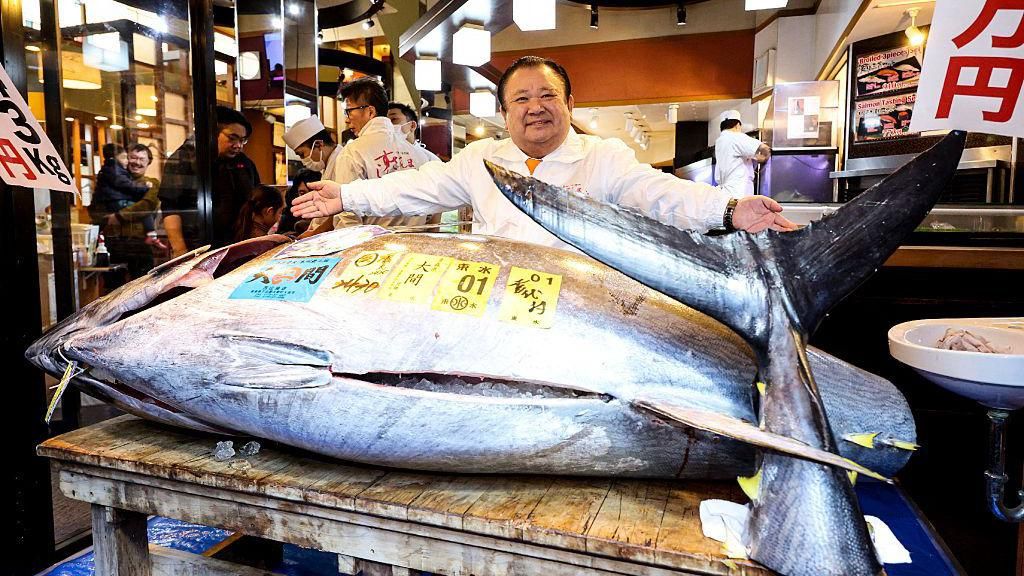
    Tokyo’s Toyosu fish market witnessed an extraordinary start to the new year as a massive 243kg bluefin tuna commanded a staggering 510.3 million yen ($3.2 million) during Monday’s inaugural auction, setting an unprecedented price record. The winning bid came from Kiyomura Corp, the parent company of renowned sushi restaurant chain Sushi Zanmai with both domestic and international locations.

    Kiyoshi Kimura, the corporation’s president and a perennial participant in these ceremonial auctions, secured the prized specimen through his aggressive bidding strategy. Known throughout the industry as the ‘Tuna King,’ Kimura has established a pattern of breaking his own records during these symbolic January events. Despite expressing surprise at the final price, telling reporters he had anticipated a more moderate outcome, the entrepreneur continued his tradition of premium acquisitions.

    This transaction surpasses Kimura’s previous benchmark of 333.6 million yen ($2.1 million) set in 2019, which itself broke his earlier records of 155 million yen in 2013 and 56.5 million yen in 2012. The auction commenced at approximately 05:00 local time, maintaining the tradition of pre-dawn bidding that has become a significant tourist attraction in Tokyo.

    Following the acquisition, the bluefin tuna was promptly transported to Kimura’s sushi establishments where master chefs prepared it for immediate consumption. Patrons expressed delight at participating in the auspicious tradition, with one customer telling reporters that consuming the year’s first premium tuna felt like an ideal way to commence the new year.

    The Toyosu market’s first auction consistently generates premium prices for bluefin tuna, with last year’s opening specimen fetching 207 million yen from competitor Onodera Group. These ceremonial purchases combine business strategy with cultural tradition, as restaurant chains leverage the publicity while honoring Japan’s deep-rooted seafood heritage.