作者: admin

  • Grief, tears and anger as funerals for people slain in Australian antisemitic mass shooting begin

    Grief, tears and anger as funerals for people slain in Australian antisemitic mass shooting begin

    SYDNEY — A somber atmosphere enveloped Sydney on Wednesday as hundreds gathered to mourn victims of Australia’s deadliest antisemitic attack in modern history. The funerals commenced for those killed in Sunday’s targeted shooting at a Hanukkah celebration on Bondi Beach, where assailants slaughtered 15 Jewish attendees and left more than 20 others hospitalized.

    The first service honored Eli Schlanger, 41, the assistant rabbi at Chabad-Lubavitch of Bondi who had organized the annual ‘Chanukah by the Sea’ event. A father of five and prison chaplain, Schlanger was remembered by his tearful father-in-law, Rabbi Yehoram Ulman, who expressed profound regret for not more frequently voicing his love and appreciation.

    Heavy police presence surrounded the funerals as Australia confronts difficult questions about security failures, rising antisemitism, and gun control. Among the victims were Boris and Sofia Gurman, a couple in their 60s who attempted to disarm one gunman, and Reuven Morrison, also in his 60s, who threw bricks at the attackers. The youngest victim, 10-year-old Matilda, was remembered at a vigil where her mother urged attendees to keep her memory alive.

    Authorials identified the perpetrators as a father-son duo—50-year-old Sajid Akram and his 24-year-old son—who carried out what federal police commissioner Krissy Barrett described as ‘a terrorist attack inspired by Islamic State.’ The elder Akram was killed during the attack, while his Australian-born son awoke from a coma and faces imminent charges.

    The investigation has expanded to examine the suspects’ November trip to the Philippines, where they listed Davao City as their destination—a region historically associated with Muslim separatist groups that once expressed support for IS.

    Prime Minister Anthony Albanese pledged decisive action to combat antisemitism and tighten Australia’s already strict gun laws, particularly after revelations that the older suspect had legally amassed six weapons. Proposed reforms include restricting gun ownership to citizens and limiting the number of firearms an individual can possess.

    Amid the tragedy, Australians have responded with solidarity. Long queues formed at blood donation centers, floral tributes multiplied at the attack site, and hundreds of swimmers held a minute’s silence at dawn before entering the ocean near the still-cordoned crime scene.

    Rabbi Ulman vowed that the Hanukkah celebration—a 31-year Bondi tradition that Schlanger had helped organize for 18 years—would continue despite the attack. ‘We’re going to show the world that the Jewish people are unbeatable,’ he declared, emphasizing resilience in the face of hatred.

  • Nickolay Mladenov: The Balkan diplomat who could be UAE’s man in Gaza

    Nickolay Mladenov: The Balkan diplomat who could be UAE’s man in Gaza

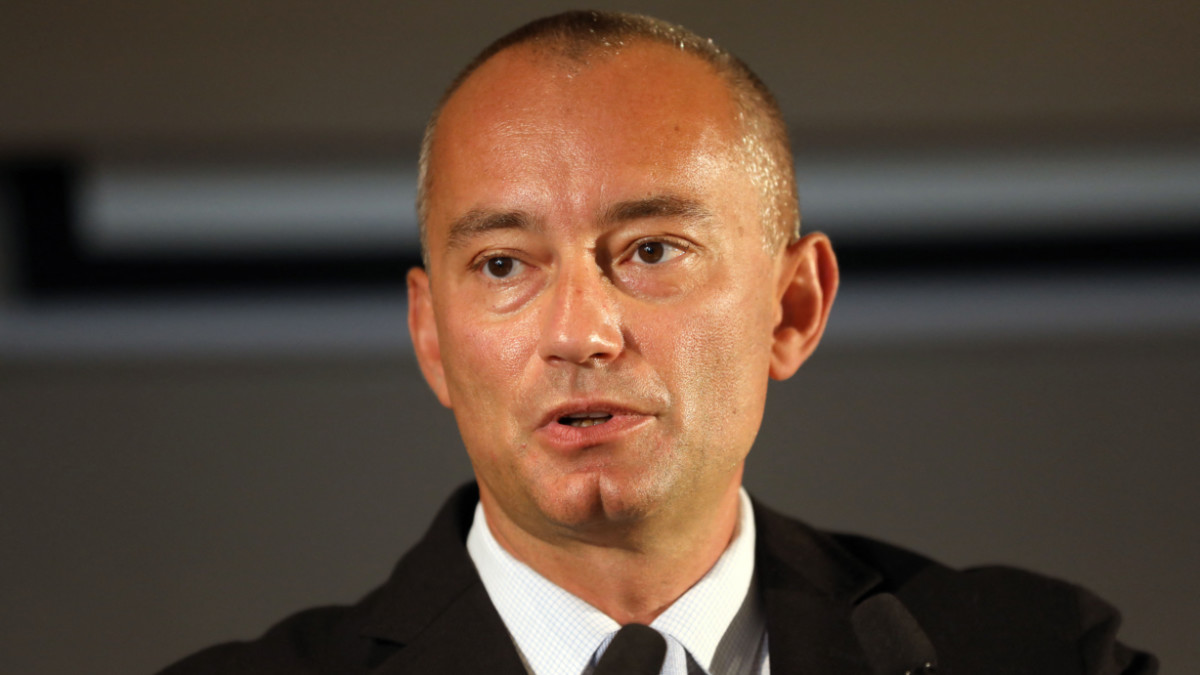
    While Bulgaria grappled with anti-government protests over corruption and economic hardship in November, former Bulgarian Foreign Minister Nickolay Mladenov was simultaneously facilitating high-level economic negotiations between the European Union and the United Arab Emirates in Abu Dhabi. This contrast highlights Mladenov’s remarkable transition from European politics to becoming a central figure in Middle Eastern diplomacy.

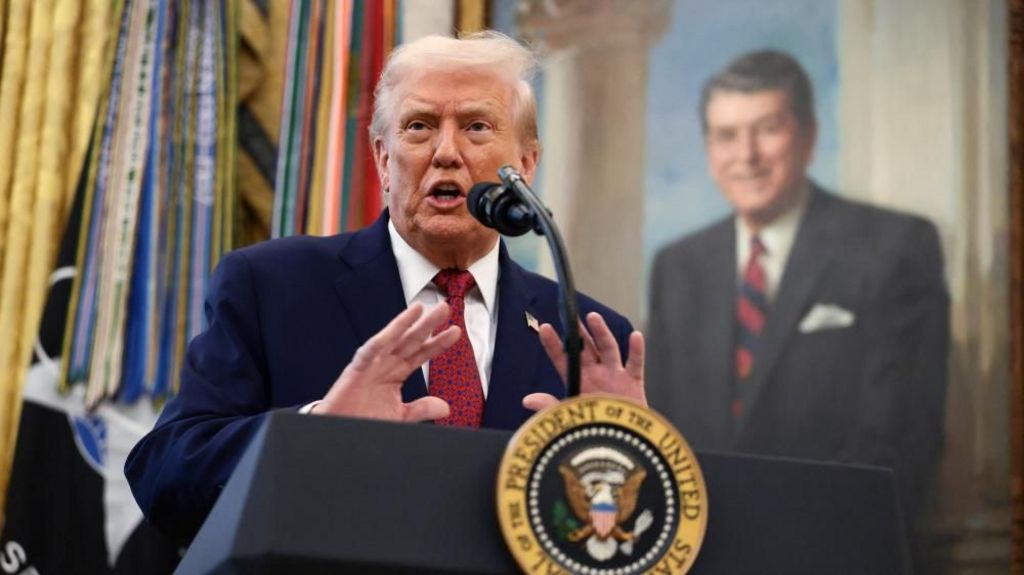
    Mladenov has now emerged as a leading candidate to oversee Gaza’s postwar reconstruction efforts on behalf of former President Donald Trump’s proposed ‘Board of Peace.’ His nomination represents a significant shift from earlier considerations of former UK Prime Minister Tony Blair, whose potential appointment faced substantial opposition.

    The Bulgarian diplomat’s journey from his communist-era family background to Middle East peacemaker reflects an unconventional career path. Born in 1972 to a family with ties to Bulgaria’s communist regime—his father served in the country’s KGB equivalent—Mladenov initially advocated for EU integration before serving as Bulgaria’s defense minister (2009-2010) and foreign minister (2010-2013).

    His diplomatic credentials were solidified during his nearly six-year tenure as UN Special Coordinator for the Middle East Peace Process, where he earned rare praise from all conflicting parties, including both the Palestinian Authority and Hamas. Senior Hamas official Khalil al-Hayya notably expressed pride in having known him, while Palestinian politicians described him as ‘a hell of a lot better than the alternative.’

    Mladenov’s effectiveness stems partly from his Balkan background. As he explained in a 2021 New York Times interview: ‘I come from the Balkans. We’ve changed borders. We’ve fought over holy places, languages, churches. When you carry that baggage, it does help you see things a bit differently.’

    The diplomat’s current considerations for the Gaza role follow his successful collaboration with Jared Kushner on the 2020 Abraham Accords, which normalized relations between Israel and several Arab states. Kushner confirmed that the Trump administration ‘confided in’ Mladenov during negotiations and valued his ‘constructive feedback.’

    However, Mladenov’s potential appointment comes amid complex regional dynamics. The UAE has emerged as Gaza’s largest donor among Gulf states, while Saudi Arabia and Qatar have expressed reservations about funding reconstruction without political solutions. The UN Security Council’s mandate for an international stabilization force faces challenges as Arab nations hesitate to deploy between Hamas and Israeli forces.

    Critics note that Mladenov’s strong ties to the UAE and Israel could influence his approach, with one Western official noting that ‘whoever is picked is going to get it on the neck, but Mladenov is very influenced by the UAE, and by extension Israel.’

    The postwar planning itself, currently managed from Tel Aviv by Kushner associates, proposes dividing Gaza into halves with screened Palestinians in Israeli-occupied zones—a controversial framework that would require delicate diplomatic navigation from any appointed envoy.

  • Warner Bros to reject $108bn Paramount bid, reports say

    Warner Bros to reject $108bn Paramount bid, reports say

    Warner Bros Discovery is preparing to formally recommend that its shareholders reject a monumental $108.4 billion acquisition proposal from Paramount Skydance, with an official announcement anticipated as early as Wednesday. This development follows Paramount’s assertion that its bid is financially superior to a separate $72 billion agreement Warner Bros recently finalized with Netflix for its film and streaming divisions.

    The acquisition landscape has grown increasingly complex with the reported withdrawal of a key financial supporter, Affinity Partners, from the Paramount-led bid. Founded by prominent US businessman Jared Kushner, son-in-law of former President Donald Trump, Affinity cited the emergence of ‘two strong competitors’ as the reason for its exit, though specifics were not disclosed.

    According to insights from the Financial Times, Warner Bros’ opposition to the Paramount offer is multifaceted, centering primarily on concerns regarding the feasibility and structure of the proposed financing. This corporate maneuvering began in October when Warner Bros Discovery initiated a formal sale process after attracting numerous expressions of interest from potential acquirers.

    The current situation presents a tale of two competing transactions. On December 5th, Warner Bros Discovery announced its agreement to transfer film and streaming assets to Netflix. Shortly thereafter, Paramount Skydance—backed by the billionaire Ellison family, which maintains close presidential connections—countered with a comprehensive bid for the entire company, including valuable television networks.

    Should any acquisition proceed, regulatory hurdles await. Both U.S. and European competition authorities are expected to subject a Warner Bros takeover to intense scrutiny. The successful acquirer would obtain a commanding position in the streaming marketplace, gaining control over an extensive content library featuring iconic franchises including Harry Potter, Friends, and the HBO Max streaming platform.

    The potential consolidation has drawn criticism from industry representatives. The Writers Guild of America East and West branches have jointly called for regulators to block the merger, warning that such market concentration would inevitably lead to reduced wages, significant job cuts, and diminished content variety for viewers.

    All involved parties—Warner Bros Discovery, Paramount Skydance, and Affinity Partners—have declined to comment publicly on these recent developments when contacted by news organizations.

  • In Senegal, climate change is adding to historic tension between farmers and herders

    In Senegal, climate change is adding to historic tension between farmers and herders

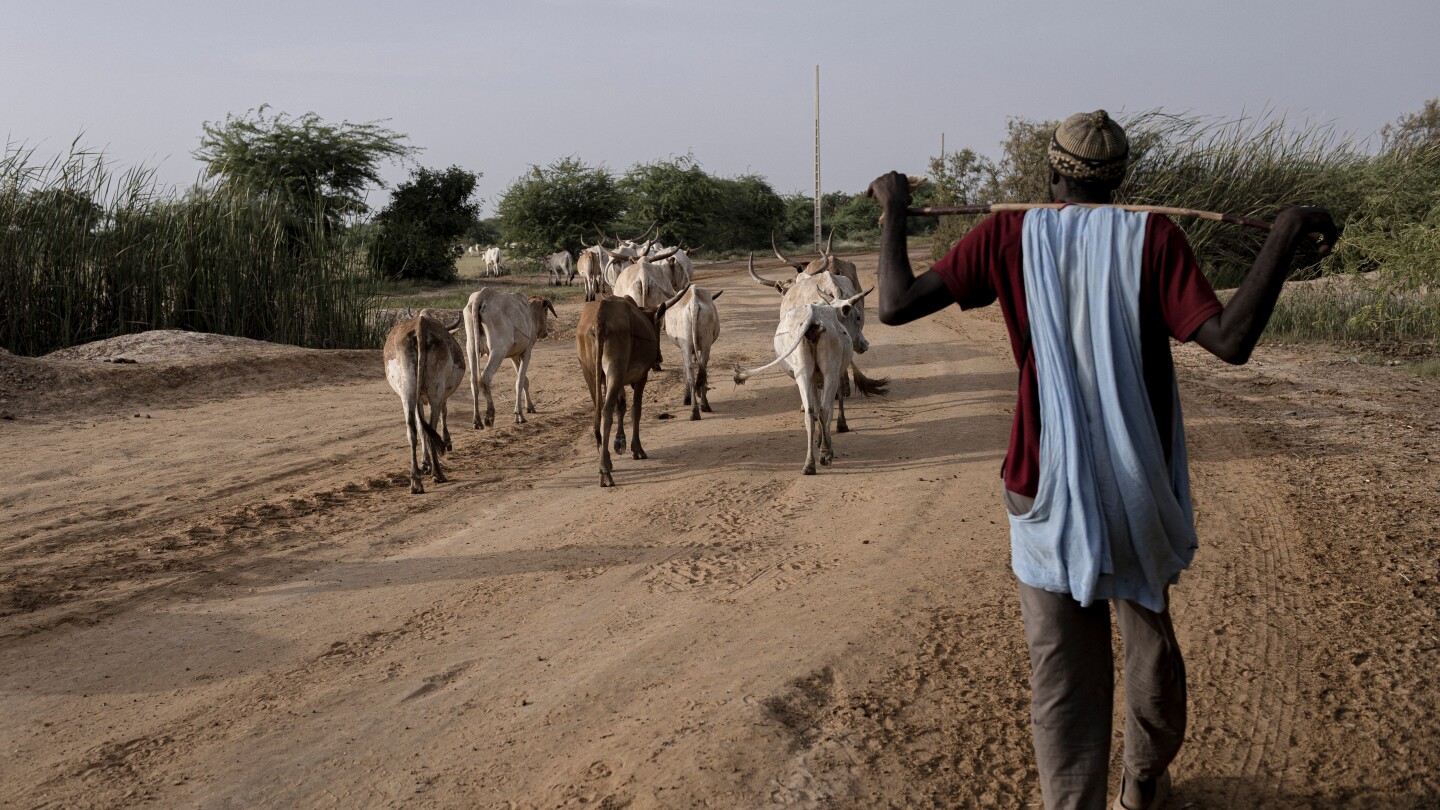
    In a tragic incident that underscores growing tensions across West Africa, 18-year-old Cheikh Diouf recounts the January day his father was brutally murdered by machete-wielding herders near their village in Senegal’s Thies region. The confrontation erupted when Moussa Diouf, a cassava farmer and mosque muezzin in his sixties, confronted herders whose animals had strayed into his cultivated fields. This personal tragedy reflects a broader pattern of escalating violence driven by environmental degradation and changing climate patterns.

    Historical tensions between agriculturalists and pastoralists have reached crisis levels as climate change dramatically alters West Africa’s landscape. According to Copernicus Climate Change Service data, Senegal has experienced a 27% reduction in annual rainfall over the past three decades compared to the 1951-1980 period. Simultaneously, unpredictable precipitation patterns have disrupted traditional farming calendars, while rising temperatures have decimated pasturelands essential for nomadic herders.

    The Peul (or Fulani) people, who have practiced transhumance across the Sahel region for centuries, now face unprecedented challenges. These pastoralists provide approximately two-thirds of the region’s meat and dairy products, yet their migratory routes have extended significantly as they search for diminishing grazing resources. The annual southward migration during October and November increasingly overlaps with harvest seasons, creating flashpoints for conflict.

    Medical professionals report treating increasingly severe injuries from these confrontations. Dr. Yawma Fall, deputy head of the Ndofane medical center, describes treating a 12-year-old shepherd struck with an ax and another herder who lost fingers to blade attacks. Farmers likewise suffer brutal injuries, with 39-year-old Mamadou Gueye losing his left hand during a 2022 confrontation over cattle incursions.

    Both communities express frustration with the deteriorating situation. Farmers like Fode Diome of Ndofane village acknowledge the necessity of animal migration but criticize herders for disregarding traditional schedules that previously minimized conflict. Herders such as 61-year-old Alioune Sow from Linguere counter that agricultural expansion has eliminated traditional grazing lands and cattle paths, forcing animals into cultivated areas.

    Senegal lacks a national framework for managing these conflicts, relying instead on local mediation through village chiefs and non-governmental organizations. In Labgar village, agricultural adviser Papa Khokhane Seydou Faye has implemented community workshops that bring both groups together to discuss solutions including clearer demarcation of grazing trails and field boundaries. However, the absence of comprehensive data collection on violent incidents hampers broader understanding and intervention efforts.

    As climate pressures intensify, the fundamental incompatibility between expanding agriculture and sustainable pastoralism threatens to exacerbate these deadly conflicts unless structural solutions addressing land use, climate adaptation, and conflict mediation can be implemented across the region.

  • Trump expands US travel ban to five more countries

    Trump expands US travel ban to five more countries

    The Trump administration has significantly expanded its controversial travel restrictions, adding five additional countries and Palestinian Authority document holders to the list of those facing entry prohibitions to the United States. Effective January 1st, the enhanced security measure will impose full entry restrictions on nationals from Burkina Faso, Mali, Niger, South Sudan, and Syria, alongside individuals traveling with Palestinian Authority-issued documentation.

    White House officials justified the expansion as a necessary precaution to safeguard national security, citing deficiencies in foreign screening systems, elevated visa overstay rates, unreliable civil documentation, corruption concerns, terrorist activities, and insufficient cooperation regarding deportation procedures. The policy revision follows recent security incidents, including the arrest of an Afghan national suspected of attacking National Guard personnel during the Thanksgiving weekend.

    This represents the third iteration of the travel ban since President Trump initially implemented the policy in 2017, which previously faced widespread protests and legal challenges before ultimately being upheld by the U.S. Supreme Court. The administration has now reclassified Laos and Sierra Leone from partial to full restrictions while implementing limited entry limitations for fifteen additional countries including Nigeria, Tanzania, and Zimbabwe.

    The restrictions will remain indefinitely until affected nations demonstrate measurable improvements in identity management protocols, information-sharing practices, and cooperation with U.S. immigration authorities. Exemptions apply for lawful permanent residents, current visa holders, diplomats, and athletes participating in major international sporting events, with case-by-case waivers available for travel deemed to serve national interests.

    Countries now facing full entry restrictions include Afghanistan, Burkina Faso, Burma, Chad, Equatorial Guinea, Eritrea, Haiti, Iran, Laos, Libya, Mali, Niger, Republic of the Congo, Sierra Leone, Somalia, South Sudan, Sudan, Syria, and Yemen, plus Palestinian Authority document holders. Partial restrictions apply to Angola, Antigua and Barbuda, Benin, Burundi, Côte d’Ivoire, Cuba, Dominica, Gabon, The Gambia, Malawi, Mauritania, Nigeria, Senegal, Tanzania, Togo, Tonga, Venezuela, Zambia, and Zimbabwe. Turkmenistan maintains restrictions for immigrants while having them lifted for non-immigrant visas.

  • IPL auction 2026 in Abu Dhabi ends after fierce contests, historic bids

    IPL auction 2026 in Abu Dhabi ends after fierce contests, historic bids

    The 2026 Indian Premier League (IPL) player auction concluded in Abu Dhabi on Tuesday, December 16th, marking a watershed moment in cricket’s financial landscape. The event, characterized by intense bidding wars among franchise owners, established new benchmarks for player valuations and underscored the league’s burgeoning economic power.

    Held internationally for the first time in several seasons, the Abu Dhabi venue provided a global backdrop for a fiercely competitive process. Franchise strategists engaged in protracted financial duels to secure both established international superstars and emerging domestic talent. The auction pool, comprising a diverse mix of seasoned veterans and promising newcomers, saw numerous records tumble as teams aggressively bolstered their squads for the upcoming season.

    Early bidding rounds set an aggressive tone, with multiple franchises demonstrating willingness to allocate substantial portions of their budgets to priority targets. The middle sessions witnessed strategic acquisitions of utility players capable of fulfilling multiple roles, while the final stages saw franchises engaging in tactical bidding to round out their rosters with value additions.

    This record-breaking auction not only reflects the IPL’s commercial dominance but also signals a significant shift in how cricket talent is valued globally. The unprecedented financial commitments demonstrate franchise confidence in the league’s continued growth and its ability to generate returns on these substantial investments. The outcomes of today’s auction are expected to reshape team dynamics and create new competitive hierarchies for IPL 2026.

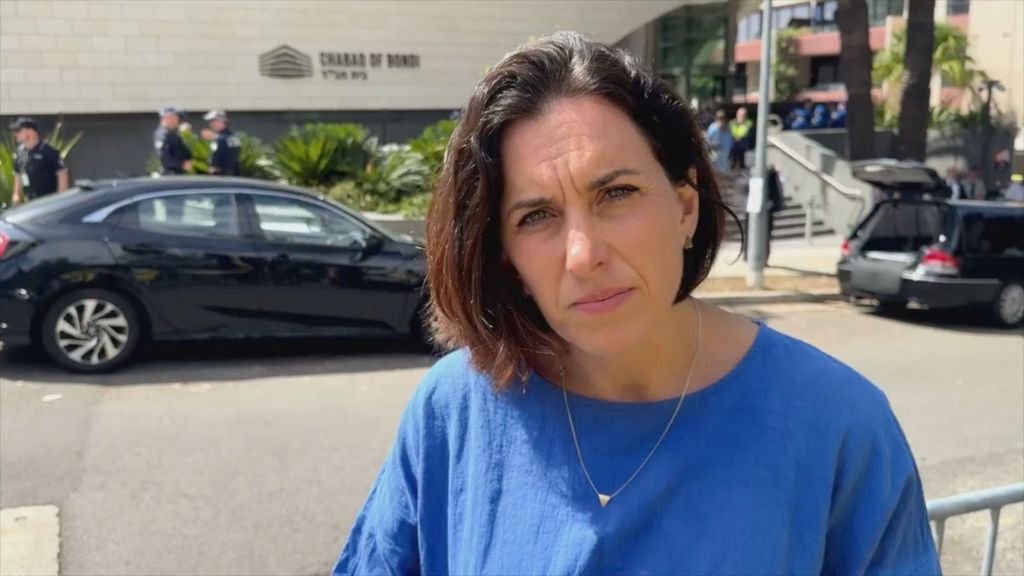
  • BBC outside Rabbi Eli Schlanger’s funeral as Bondi mourners gather

    BBC outside Rabbi Eli Schlanger’s funeral as Bondi mourners gather

    Sydney commenced the painful process of laying its victims to rest on Wednesday as the first funerals were conducted for those killed in Sunday’s devastating mass stabbing at Bondi Junction Westfield. Among the initial services was that of Rabbi Eli Schlanger, whose funeral drew significant community mourning and media attention, including coverage from the BBC.

    The ceremonies mark a somber milestone for a city still reeling from the attack that left six people dead and numerous others injured. Mourners gathered in substantial numbers to pay their respects to the victims, creating scenes of collective grief and solidarity across Bondi and surrounding communities.

    This initial wave of funerals represents the beginning of a prolonged period of mourning and recovery for Sydney residents. The services are being conducted with heightened security presence and media attention, reflecting both the public nature of the tragedy and the community’s need to collectively process the events.

    Psychological support services have been mobilized throughout affected areas as authorities recognize the profound impact on first responders, witnesses, and the broader community. The funerals serve as both private moments of grief and public expressions of resilience as Sydney begins its long journey toward healing from one of Australia’s most significant public attacks in recent years.

  • Lebanon says two dead, five injured in Israeli strikes

    Lebanon says two dead, five injured in Israeli strikes

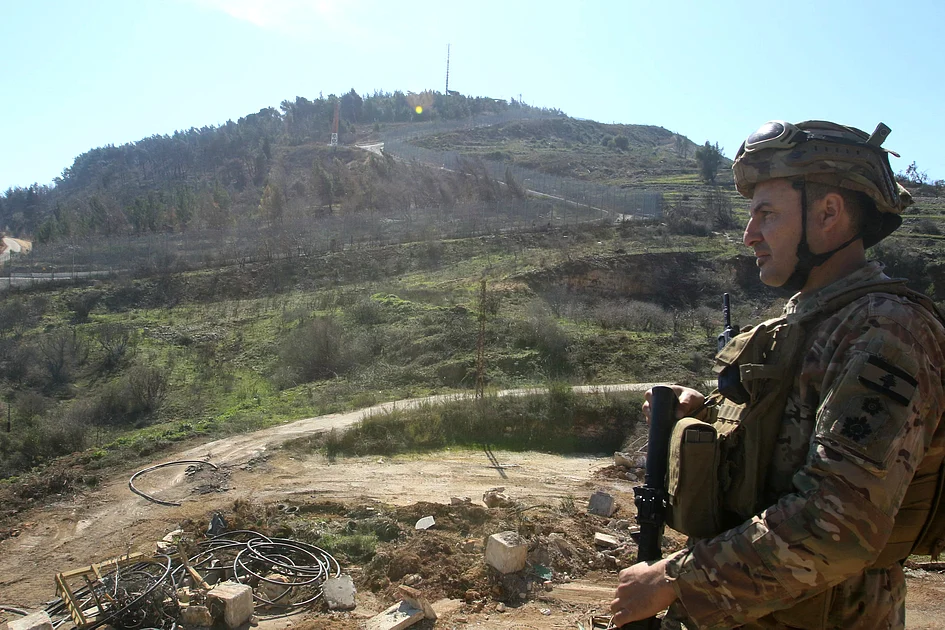
    Israeli military operations in Lebanon resulted in two fatalities and five injuries on Tuesday, escalating tensions despite an ongoing ceasefire agreement. The Lebanese Health Ministry confirmed one individual perished near Beirut’s Shouf district, approximately 30 kilometers south of the capital, while another died in a separate strike in the border town of Odaisseh.

    According to official Israeli military statements, the strikes specifically targeted two Hezbollah operatives, though no further operational details were provided. An AFP correspondent documented emergency responders and Lebanese army personnel attending to a severely damaged goods truck at the Jadra-Siblin roadway incident site.

    These developments occur against the backdrop of the November 2024 ceasefire designed to conclude over a year of hostilities between Israel and the Iran-backed Hezbollah. Despite this agreement, Israeli forces have maintained their presence in five strategic southern Lebanese regions while continuing targeted operations. A recent AFP assessment of Lebanese health reports indicates approximately 340 casualties from Israeli strikes since the ceasefire implementation.

    The Israeli government consistently maintains that these operations focus exclusively on Hezbollah members and infrastructure, aiming to prevent the group’s rearmament capabilities. This persistent violence unfolds as the ceasefire monitoring committee—including representatives from France and the United States—prepares for a critical meeting later this week.

    Under the established ceasefire terms, Hezbollah was mandated to withdraw its forces north of the Litani River and dismantle military infrastructure in the vacated territory. Concurrently, the Lebanese government has approved a disarmament plan requiring the national army to neutralize Hezbollah’s military capabilities south of the Litani by year’s end before addressing remaining regions.

  • US job growth rebounds in November; unemployment rate distorted by shutdown

    US job growth rebounds in November; unemployment rate distorted by shutdown

    The U.S. labor market demonstrated unexpected resilience in November with nonfarm payrolls expanding by 64,000 positions, significantly outperforming economic forecasts. This rebound follows October’s substantial decline of 105,000 jobs, primarily attributed to federal workforce reductions through deferred buyout programs. The statistical landscape remains complicated by methodological adjustments necessitated by the recent 43-day government shutdown, which prevented normal data collection procedures.

    The unemployment rate reached 4.6% in November, representing a four-year peak, though Bureau of Labor Statistics officials caution that this figure requires careful interpretation due to statistical distortions. The shutdown compelled the BLS to implement unconventional methodological changes, including shifting previously-collected data forward one month and adjusting composite weighting formulas. Consequently, the standard errors exceeded typical thresholds, with the November unemployment rate requiring a 0.26 percentage point change to achieve statistical significance compared to September’s 0.21 percentage point benchmark.

    Private sector hiring patterns remained relatively stable since April, though economists note increasing caution among employers regarding President Trump’s aggressive trade policies and tariff implementations. The healthcare sector emerged as the strongest performer, adding 46,000 positions across various sub-sectors, while construction employment grew by 28,000 jobs. Conversely, transportation and warehousing sectors contracted by 18,000 positions, and federal government employment continued its downward trajectory with 6,000 additional job losses.

    Wage growth moderated to 3.5% year-over-year in November, down from October’s 3.7% increase, suggesting that slowing job expansion is beginning to temper compensation increases. This development presents both advantages for inflation control and potential challenges for consumer spending momentum.

    The Federal Reserve’s recent 25-basis-point rate cut brought the benchmark interest rate to 3.50%-3.75%, with officials indicating a likely pause in further reductions pending clearer labor market and inflation signals. Chairman Jerome Powell highlighted significant downside risks in labor market conditions, referencing preliminary benchmark revisions suggesting substantially lower job creation figures than previously reported.

    Consumer spending patterns reveal growing economic stratification, with higher-income households maintaining discretionary spending while lower- and middle-income families demonstrate increased selectivity in purchases. Retail sales remained stagnant in October, reflecting the broader impact of rising living costs on consumption patterns.

  • Police release new video in manhunt for Brown University attacker

    Police release new video in manhunt for Brown University attacker

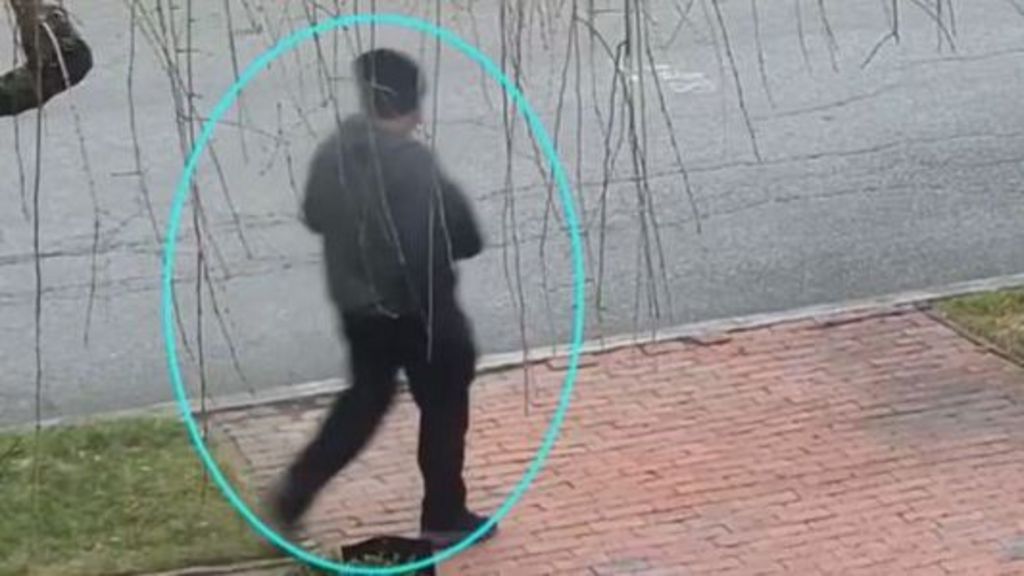
    Law enforcement authorities have intensified their search for the perpetrator behind the deadly shooting at Brown University, releasing newly enhanced surveillance footage of an individual considered a person of interest in the ongoing investigation. The video, compiled from various security cameras, depicts a figure clad in dark attire with a black mask and hat moving through campus areas approximately two hours prior to the tragic incident that resulted in two fatalities and nine injuries.

    Providence Police Chief Oscar Perez characterized the footage as showing potential ‘casing’ behavior—a reconnaissance tactic often employed by criminals before executing planned offenses. The individual appears carrying a black bag across their chest in certain frames, though this detail remains inconsistent across all footage. Despite four days of intensive investigation, authorities have yet to establish a confirmed identity for the suspect, leaving the Ivy League community in a state of heightened alertness.

    Investigators have disclosed that no internal CCTV cameras within the lecture hall—where students were conducting exam reviews during the attack—captured imagery of the gunman. Officials remain guarded regarding potential motives or whether specific individuals were deliberately targeted in the assault.

    Rhode Island Attorney General Peter Neronha affirmed that investigative operations are progressing effectively, urging public confidence in the capabilities of experienced detectives working on the case. Concurrently, law enforcement presence has been substantially amplified throughout the campus and surrounding Providence area as a precautionary measure. Mayor Brett Smiley emphasized that these enhanced security deployments aim primarily to reassure community members, noting there exists ‘no credible, actionable, specific threat’ identified since the Saturday shooting.

    Authorities continue soliciting public assistance, requesting residents review personal security systems for any relevant footage and noting distinctive characteristics such as gait patterns or other identifiable features of the individual in the released video.