作者: admin

  • Nation steps up measures to stimulate consumption

    Nation steps up measures to stimulate consumption

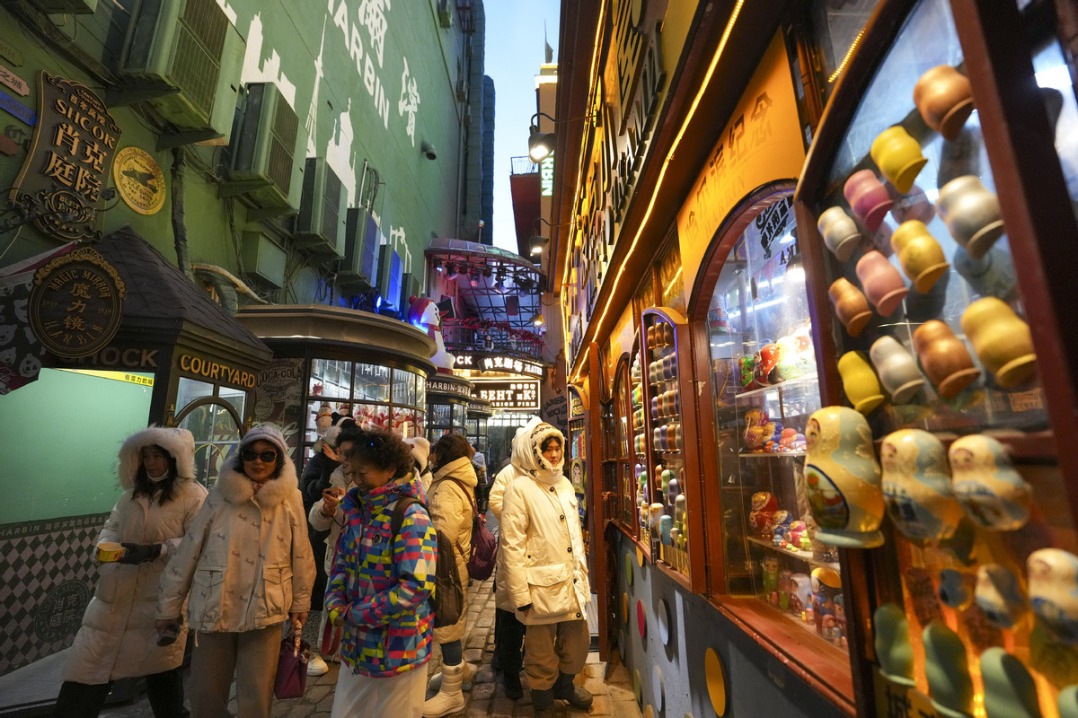
    China is implementing a dual-pronged approach to stimulate consumer spending, combining immediate financial measures with long-term structural reforms as the nation shifts toward a domestic demand-driven economic model. This strategic pivot comes as November retail sales growth slowed to 1.3% year-on-year, down 1.6 percentage points from October’s figures.

    The recently concluded Central Economic Work Conference positioned “boosting domestic demand” as the foremost priority for China’s 2026 economic agenda. President Xi Jinping emphasized in a Qiushi Journal article that expanding domestic demand constitutes both an economic stability mechanism and a national security imperative, characterizing it as a strategic rather than temporary measure.

    In concrete action, China’s Ministry of Commerce, People’s Bank of China, and National Financial Regulatory Administration jointly issued policy directives strengthening financial support for consumer spending. The measures encourage refined financial services for big-ticket purchases and innovative products targeting service sectors including elderly care, catering, tourism, and education.

    Financial analysts view this timing as strategically significant. “Front-loading such support weeks before the new year is designed to secure early economic momentum,” noted Dong Ximiao, Chief Researcher at Merchants Union Consumer Finance Co., adding that positioning ahead of February’s Spring Festival shopping season leverages peak consumption periods.

    The approach combines targeted financial support with extended trade-in programs that have already generated substantial impact. Ministry of Commerce data reveals that from January to November 2025, trade-in initiatives drove sales exceeding 2.5 trillion yuan ($355 billion), benefiting over 360 million citizens. Analysts project expansion of these programs in 2026 to include AI-enhanced products, with proposed funding increases from 300 billion to 500 billion yuan.

    Beyond immediate stimuli, economists stress that sustained consumption growth requires deeper structural reforms. These include boosting household incomes, strengthening social safety nets, and improving livelihoods. The policy focus is evolving from simple stimulus to enhancing both capacity and willingness to spend, potentially through adjusted income tax thresholds, maintained social welfare spending, and high-quality employment policies.

    Concurrently, China is promoting inbound consumption through its “Shopping in China” campaign, facilitated by visa-free policies and instant tax refunds for eligible international travelers. Former WTO Chief Economist Robert Koopman observed that China’s evolution into a major demand center will represent a significant transformation in its global economic role over the next decade.

  • Naveed Akram charged with 15 counts of murder over Bondi shooting

    Naveed Akram charged with 15 counts of murder over Bondi shooting

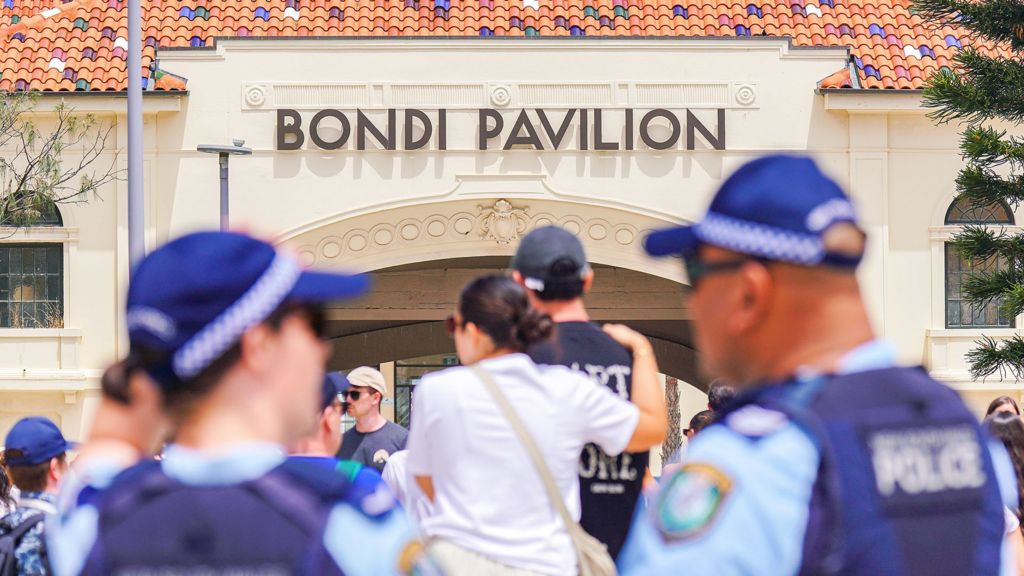
    Australian authorities have formally brought 59 criminal charges against Naveed Akram, the surviving perpetrator of Sunday’s mass shooting at Sydney’s Bondi Beach. The charges include 15 counts of murder and one count of committing a terrorist act, according to New South Wales Police documentation.

    Akram’s father and co-attacker, 50-year-old Sajid Akram, was fatally shot during an armed confrontation with responding police officers at the crime scene. The assault targeted a Hanukkah celebration event, predominantly attended by members of Australia’s Jewish community, resulting in 15 fatalities and numerous injuries. This incident represents the nation’s deadliest mass shooting event since 1996.

    Additional charges against Naveed Akram encompass 40 counts of causing grievous bodily harm with intent to murder, plus one count of publicly displaying a prohibited terrorist organization symbol. The accused remains hospitalized with critical injuries, necessitating his first court hearing to be conducted from his bedside. The New South Wales judicial system has scheduled subsequent proceedings for April 2026.

    Police Commissioner Mal Lanyon indicated investigators are awaiting reduced medication effects before initiating formal interrogation procedures. “To ensure procedural fairness, we require the suspect to fully comprehend the judicial process,” Commissioner Lanyon stated during a Wednesday press briefing.

    Medical facilities across Sydney continue to treat twenty attack survivors, with one patient maintaining critical condition. Federal authorities have officially classified the violence as a terrorist incident, with Prime Minister Anthony Albanese confirming apparent motivational links to Islamic State group ideology.

    Evidence recovery operations revealed homemade IS flags and improvised explosive devices within the perpetrators’ vehicle. Investigation updates disclosed that both attackers traveled to the Philippines during November, with final destination records indicating the southern city of Davao. Border authorities confirmed Naveed Akram traveled using an Australian passport, while his father utilized Indian documentation.

    Background checks established Sajid Akram’s origins in Hyderabad, India, though Telangana state police officials noted his “limited contact” with remaining family members in recent years.

  • Childhood friends find  ‘$55,000 diamond’ in India

    Childhood friends find ‘$55,000 diamond’ in India

    In an extraordinary turn of fortune, two young entrepreneurs from India’s impoverished Panna district have discovered a remarkable 15.34-carat gem-quality diamond that promises to transform their families’ destinies. Satish Khatik, 24, who operates a meat shop, and Sajid Mohammed, 23, a fruit vendor, stumbled upon the glittering stone while excavating a small plot they had leased from the government just weeks earlier.

    The discovery represents not just geological rarity but social significance in one of India’s most economically challenged regions. Panna, located in Madhya Pradesh state, suffers from chronic poverty, water scarcity, and limited employment opportunities despite hosting the majority of India’s diamond reserves. For generations, local residents have supplemented their incomes by leasing government plots at nominal rates, hoping to uncover the precious stones that could reverse their financial circumstances.

    Official diamond evaluator Anupam Singh confirmed the stone’s exceptional quality and market value, estimating it could fetch between 5-6 million rupees ($55,000-$66,000) at upcoming government auctions. These quarterly events attract buyers from across India and internationally, with pricing benchmarks set according to the Rapaport Report—the diamond industry’s leading independent market analysis authority.

    The two friends, who come from families with decades of unsuccessful diamond hunting experience, described their emotional reaction to the find. “We can now get our sisters married,” they expressed, highlighting the immediate social impact the discovery will have on their families. Mohammed’s father, Nafees, who had searched for diamonds his entire life without significant success, attributed the discovery to divine reward for their perseverance.

    District Mining Officer Ravi Patel emphasized the exceptional nature of their luck: “They had leased out a plot on November 19. It’s their fortune that they found a diamond of gem quality within a few weeks.” Most local diamond seekers spend years sifting through soil and rock manually, using traditional methods of digging pits, washing sediment through sieves, and examining thousands of tiny stones without ever finding a substantial gem.

    While the financial windfall awaits formal auction, both men remain focused on immediate family obligations rather than long-term investments, demonstrating the profound social significance of such discoveries in economically disadvantaged communities.

  • ‘They look hideous’ – Battle over the Irish flag on Dublin streets

    ‘They look hideous’ – Battle over the Irish flag on Dublin streets

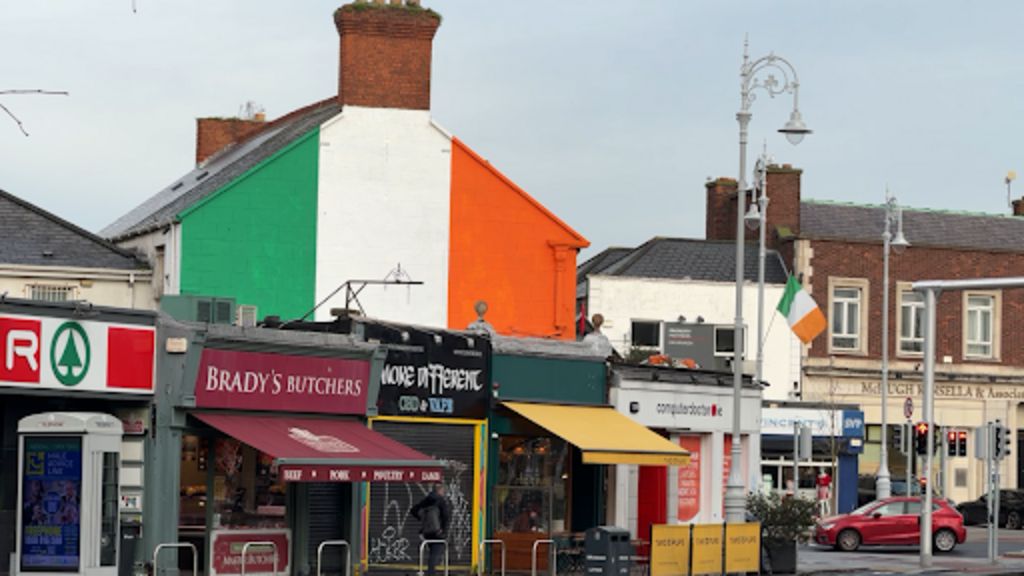
    Dublin has become the stage for a complex cultural confrontation as the Irish tricolour flag transforms into a symbol of division rather than unity. Across the capital’s northern districts, particularly in East Wall, numerous flags have appeared on street lamps without official authorization, sparking intense community debate about national identity and inclusion.

    The phenomenon has drawn sharp criticism from political figures and anti-racism advocates who characterize these displays as territorial marking and intimidation tactics. Conversely, far-right groups and certain community members maintaining the installations reject accusations of racism, insisting they simply express national pride.

    Dublin City Council has adopted a cautious stance, declining to remove the flags despite their unauthorized status. Officials deem removal ‘counterproductive,’ instead proposing educational initiatives about the flag’s historical significance and meaning.

    In response to the perceived co-opting of national symbolism, the #OurFlag movement has emerged seeking to reclaim the tricolour as an inclusive emblem. Organizer Dil Wickremasinghe, a prominent broadcaster and psychotherapist, described the campaign as resistance against those weaponizing the flag to create atmospheres of exclusion. She shared her personal experience of her six-year-old son expressing fears about safety following the 2023 Dublin riots, highlighting the very real human impact of such symbolic conflicts.

    Independent Councillor Malachy Steenson represents the opposing viewpoint, vigorously supporting the flag displays as legitimate expressions of national identity while rejecting any immigration-related motivations. He argues for the tricolour’s exclusive presence on public infrastructure, opposing other flags including European or Pride banners.

    Meanwhile, Social Democrat Councillor Cat O’Driscoll reports significant community concern about the anti-immigration messaging potentially associated with the flags. This concern has manifested physically through a new mural proclaiming ‘North Wall welcomes all’ along North Strand Road, creating a visual counter-narrative to the flag campaign.

    Academic analysis from Professor Dominic Bryan of Queen’s University Belfast contextualizes Dublin’s situation within broader UK and Irish patterns, noting how national flags can simultaneously express patriotism and function as instruments of coercive control. This duality creates particular challenges for authorities reluctant to remove national symbols.

    The council’s current strategy emphasizes community engagement and education over enforcement, aiming to foster deeper understanding of the flag’s intended meaning while addressing safety concerns only when installations create tangible hazards.

  • A homeless man’s death caught the pope’s attention. Now his likeness is on display at the Vatican

    A homeless man’s death caught the pope’s attention. Now his likeness is on display at the Vatican

    In an extraordinary convergence of art, faith, and human tragedy, the portrait of a homeless German man has found its spiritual home at the Vatican, completing a profound narrative that began with a chance encounter on Roman streets.

    German artist Michael Triegel first met Burkhard Scheffler in 2018 outside a Roman church, immediately recognizing the homeless man’s striking features as ideal for depicting Saint Peter. Unbeknownst to Triegel, this artistic decision would later intertwine with Scheffler’s tragic death from exposure in St. Peter’s Square in November 2022—an event that captured Pope Francis’s personal attention.

    The artistic journey continued in Germany where Triegel, a Catholic convert, had won a prestigious commission from Naumburg’s Protestant cathedral to create a new central altar panel complementing surviving Renaissance works by Lucas Cranach the Elder. His painting incorporated Scheffler as Saint Peter among other contemporary figures—a rabbi as Saint Paul, the artist’s daughter as Mary, and anti-Nazi theologian Dietrich Bonhoeffer.

    Following UNESCO-related disputes about the altar’s placement in Germany, the artwork was loaned to the Vatican’s Teutonic College chapel. There, in a remarkable moment of recognition, Vatican art experts identified the painted Saint Peter as the deceased Scheffler, whose grave lies mere steps away in the Teutonic cemetery—a burial place arranged by Pope Francis himself.

    The altar now resides temporarily near Scheffler’s resting place, creating what Monsignor Peter Klasvogt calls ‘a wonderful outcome’ that honors the man’s memory through art and prayer. For Triegel, the coincidental reunion validates his artistic mission: creating religious figures that feel authentically connected to contemporary humanity rather than idealized archetypes.

  • ‘An unspeakable loss’: Funeral takes place for rabbi killed in Bondi shooting

    ‘An unspeakable loss’: Funeral takes place for rabbi killed in Bondi shooting

    Sydney witnessed profound grief as thousands gathered to honor Rabbi Eli Schlanger, the first victim of the Bondi Beach shooting to be laid to rest. The 41-year-old British-born community leader, affectionately known as the ‘Bondi Rabbi,’ was among 15 fatalities when two assailants allegedly inspired by Islamic State ideology opened fire during a Hanukkah celebration.

    Rabbi Levi Wolff characterized Schlanger’s death as an ‘unspeakable loss’ for both the local community and the global Jewish nation during the emotionally charged service. Schlanger’s father-in-law, Rabbi Yehoram Ulman, remembered him as ‘my son, my friend, my confidant,’ expressing regret for not more frequently vocalizing his love and appreciation. Schlanger leaves behind a wife who recently gave birth to their fifth child just two months ago.

    In a powerful demonstration of resilience, Ulman announced that the Jewish community would maintain a 31-year tradition by lighting the final Hanukkah candle on Bondi Beach despite the tragedy. ‘We will gather under the banner of our Chabad house of Bondi, to which Eli dedicated his life,’ he declared, urging community members not to retreat from public life.

    The funeral proceedings continue with services scheduled for Rabbi Yaakov Levitan on Wednesday afternoon and 10-year-old Matilda, the youngest victim, on Thursday. Matilda’s father publicly thanked lifesavers, bystanders, and police officers who assisted during the attack, specifically acknowledging an unidentified woman who protected his younger daughter Summer throughout the ten-minute shooting.

    The memorial service attracted prominent figures including Opposition leader Sussan Ley, New South Wales Premier Chris Minns, former prime minister Scott Morrison, and Israeli Ambassador Amir Maimon. Prime Minister Anthony Albanese’s absence drew attention, with him explaining on ABC NewsRadio that he attends events by invitation only. This comes amid criticism from the Jewish community regarding his administration’s handling of antisemitism.

    In response, Albanese detailed measures including appointing Australia’s first antisemitism envoy, strengthening hate speech legislation, and increasing funding for social cohesion initiatives and Jewish institutions.

    Regarding the investigation, authorities indicated that one suspect, Naveed Akram, would face charges pending assessment of his medical condition after awakening from a coma. Akram and his father, 50-year-old Sajid Akram who was fatally shot by police, allegedly traveled to the Philippines in November, with investigations ongoing into potential connections with Islamic extremists.

    The human cost extended to two police officers critically injured during the incident. Twenty-two-year-old Constable Jack Hibbert, with merely four months of service, lost vision in one eye yet demonstrated ‘courage, instinct, and selflessness’ throughout the attack. His colleague Constable Scott Dyson remained in critical but stable condition following additional surgery.

  • Takeaways from the AP’s report on the impact of aid cuts on Rohingya children in Bangladesh

    Takeaways from the AP’s report on the impact of aid cuts on Rohingya children in Bangladesh

    A devastating humanitarian crisis is unfolding within Bangladesh’s Rohingya refugee camps, where systematic reductions in United States foreign assistance have precipitated alarming increases in child exploitation. According to an extensive Associated Press investigation, the January dissolution of the U.S. Agency for International Development under President Donald Trump has directly correlated with surging incidents of child marriage, labor exploitation, abduction, and recruitment by armed factions.

    With over half of the 1.2 million camp inhabitants being minors, the Rohingya face severe restrictions on employment in Bangladesh while remaining unable to safely return to Myanmar—where military forces previously perpetrated genocide against them. This leaves international aid as their sole lifeline. The U.S., historically the largest humanitarian donor, slashed its 2025 contributions by nearly 50%, causing the overall Rohingya emergency response to be only half-funded.

    The consequences have been catastrophic. UNICEF was forced to close 2,800 educational facilities after losing 27% of its funding, eliminating safe spaces for children. Subsequently, documented abductions quadrupled to 560 cases while child recruitment by militant groups surged eightfold to 817 cases. Verified child marriages increased by 21% and labor exploitation cases rose 17%, though officials acknowledge significant underreporting.

    In response to AP’s findings, the State Department cited $168 million in assistance since Trump’s inauguration and claimed success in “burden sharing” that prompted 11 nations to increase contributions. However, they provided no evidence supporting causation between U.S. diplomacy and these funding decisions.

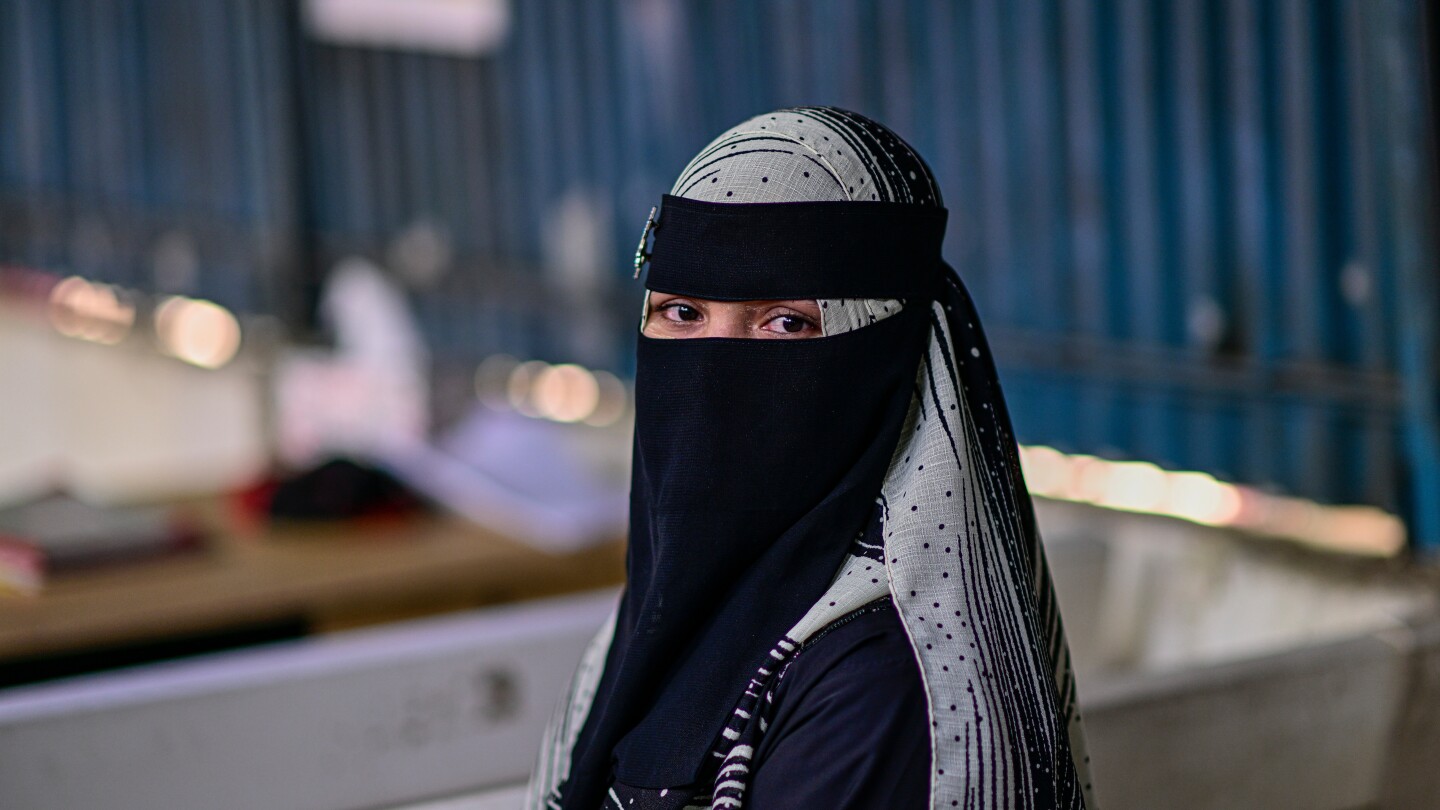
    The human impact is embodied by Hasina (pseudonym), a 16-year-old former student whose school closure led to forced marriage. Now enduring physical and sexual abuse, she mourns her lost education and aspirations: “I dreamed of being something, of working for the community. My life is destroyed.”

  • Kidnapped, married off, robbed of hope: US aid cuts contribute to exploitation of Rohingya children

    Kidnapped, married off, robbed of hope: US aid cuts contribute to exploitation of Rohingya children

    In the sprawling refugee camps of Cox’s Bazar, Bangladesh, the abrupt termination of international aid has unleashed a cascade of suffering among Rohingya children, transforming sanctuaries of learning into landscapes of despair. The systematic dismantling of educational and protection programs has forced vulnerable minors into early marriages, hazardous labor, and human trafficking networks.

    The crisis stems from drastic funding reductions initiated by the U.S. government in January 2025, which eliminated vital support systems for approximately 600,000 Rohingya children. These cuts compelled the closure of thousands of schools and youth centers that previously provided refuge from the camp’s pervasive dangers. Without these safe havens, children have become increasingly exposed to predatory groups operating within the camps’ chaotic confines.

    UNICEF data reveals alarming spikes in violations against children since the funding cessation. Reported abductions have quadrupled to 560 cases, while recruitment by armed groups has increased eightfold, affecting 817 children. Verified cases of child marriage and labor have risen by 21% and 17% respectively, though aid workers caution these figures represent significant undercounts.

    The personal tragedies are numerous and heartbreaking. Sixteen-year-old Hasina (name withheld for protection) was forced into marriage after her school closed, now enduring daily abuse from her husband. “I dreamed of being something, of working for the community,” she whispers. “My life is destroyed.”

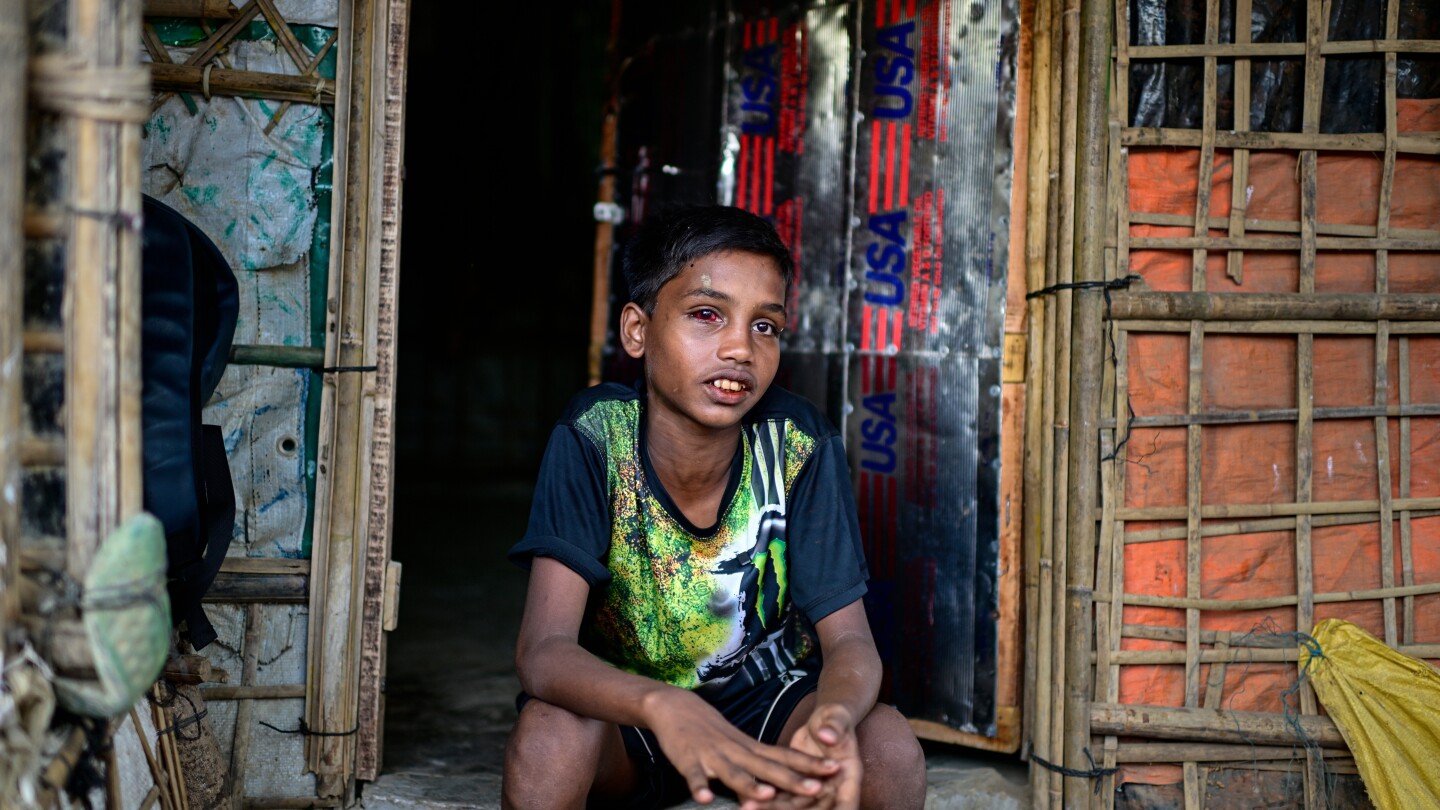
    Ten-year-old Mohammed Arfan now spends ten hours daily selling snacks on dangerous street corners after his education ended. “I feel shame working,” he says. “This is the time I should be studying.” Meanwhile, 13-year-old Rahamot Ullah wades through sewage-filled drainage ditches collecting plastic waste, risking infection and drowning to earn mere cents.

    The humanitarian situation continues deteriorating as aid agencies face critical funding shortfalls. The World Food Program warns food rations may end by March 2026, while Save the Children reports securing only one-third of necessary funding for 2026. This desperation has driven many Rohingya to attempt dangerous sea journeys, with nearly one-third of those who fled Bangladesh by boat in 2025 dying or disappearing en route.

    The United States, previously the largest donor to Rohingya assistance programs, has reduced its funding by nearly half compared to 2024 levels. While the State Department claims to have encouraged other nations to increase contributions, overall funding for the Rohingya emergency response remains at only 50% of required levels for 2025, with worse expected in 2026.

    As educational opportunities vanish and protection systems collapse, an entire generation of Rohingya children faces irrevocable loss—their childhoods sacrificed to political decisions made continents away from their bamboo-and-tarpaulin shelters.

  • Asian shares are mixed and oil prices jump as Trump orders a blockade of oil tankers to Venezuela

    Asian shares are mixed and oil prices jump as Trump orders a blockade of oil tankers to Venezuela

    Financial markets across Asia exhibited divergent trends on Wednesday as geopolitical tensions and economic uncertainties created a complex trading environment. The region’s performance was shaped by two primary factors: a significant oil price surge following new U.S. sanctions against Venezuela and cautious trading ahead of key central bank decisions.

    President Donald Trump’s executive order implementing a comprehensive blockade against ‘sanctioned oil tankers’ entering Venezuela prompted an immediate 1% spike in crude prices. This aggressive move represents an escalation of pressure on Nicolás Maduro’s administration, coming just days after U.S. forces conducted the unusual seizure of an oil tanker off Venezuela’s coast amid increased military presence in the region.

    Japan’s Nikkei 225 declined 0.3% to 49,237.58 as investors awaited the Bank of Japan’s impending interest rate decision. The cautious sentiment was reinforced by government data showing machinery orders plummeted 6.8% in October, indicating continued weakness in manufacturing activity.

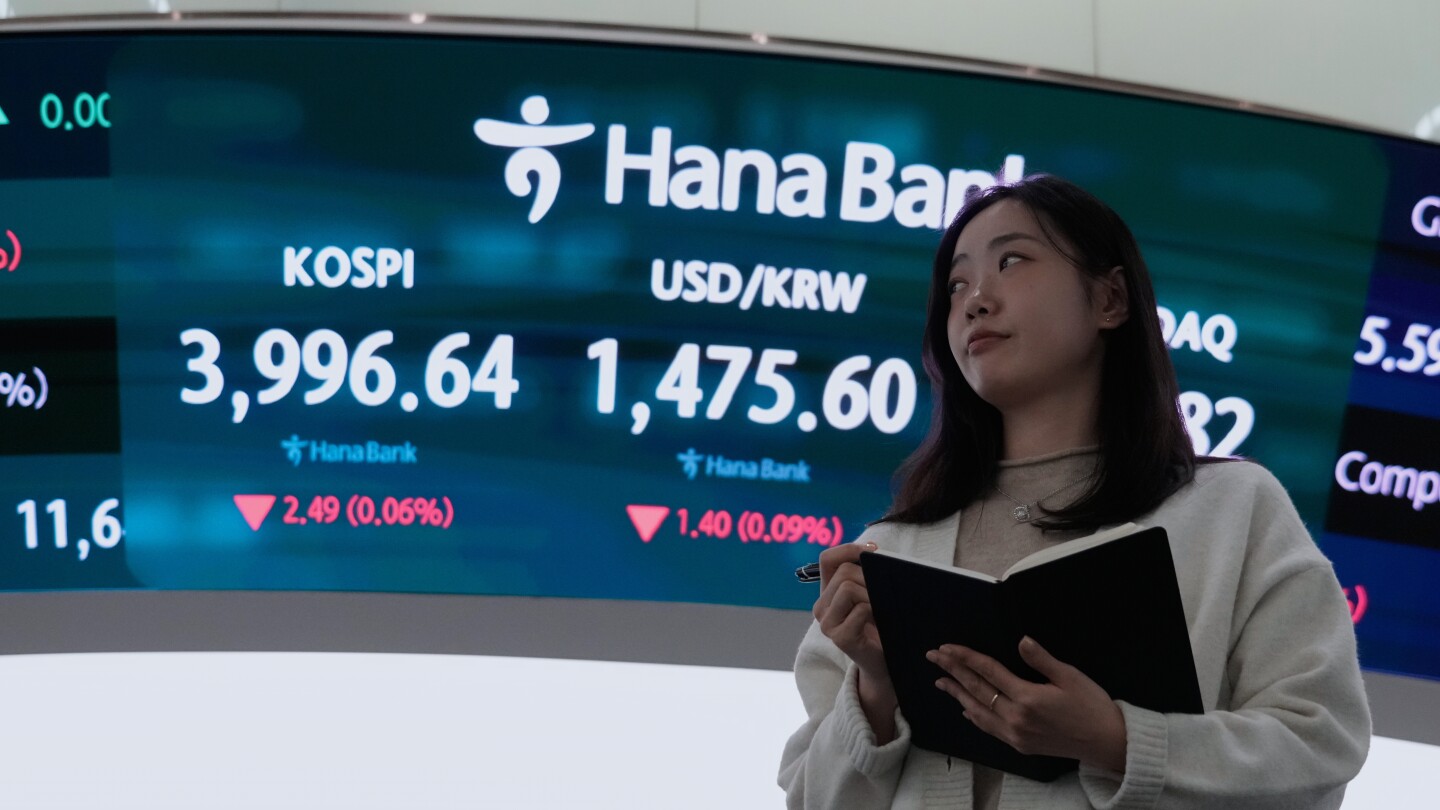
    Meanwhile, technology shares demonstrated resilience with South Korea’s Kospi advancing 0.7% to 4,028.93. Semiconductor giants SK Hynix and Samsung Electronics posted gains of 2.8% and 3.6% respectively, providing substantial support to the benchmark. Chinese markets showed modest positivity with Hong Kong’s Hang Seng rising 0.2% to 25,291.44 and the Shanghai Composite increasing nearly 0.2% to 3,831.43.

    The mixed Asian session followed uncertain trading on Wall Street where conflicting economic data created ambiguity about future interest rate trajectories. While November’s unemployment rate reached its highest level since 2021, employers simultaneously added more jobs than economists anticipated. Retail revenue indicators also surpassed expectations, adding to the complex economic picture.

    Oil sector companies suffered significant losses as crude prices continued their descent to multi-year lows amid oversupply concerns. APA Corporation plummeted 5.2%, Marathon Petroleum declined 4.7%, and Halliburton dropped 4.3%. Artificial intelligence stocks presented a mixed performance with Oracle gaining 2% and Broadcom adding 0.4%, while AI infrastructure provider CoreWeave fell 3.9% amid ongoing questions about the profitability of massive AI investments.

    Currency markets saw the U.S. dollar strengthen to 155.12 Japanese yen while the euro weakened to $1.1732, reflecting the broader financial market uncertainty.

  • South Africa coal exports to Israel soar amid Colombia ban

    South Africa coal exports to Israel soar amid Colombia ban

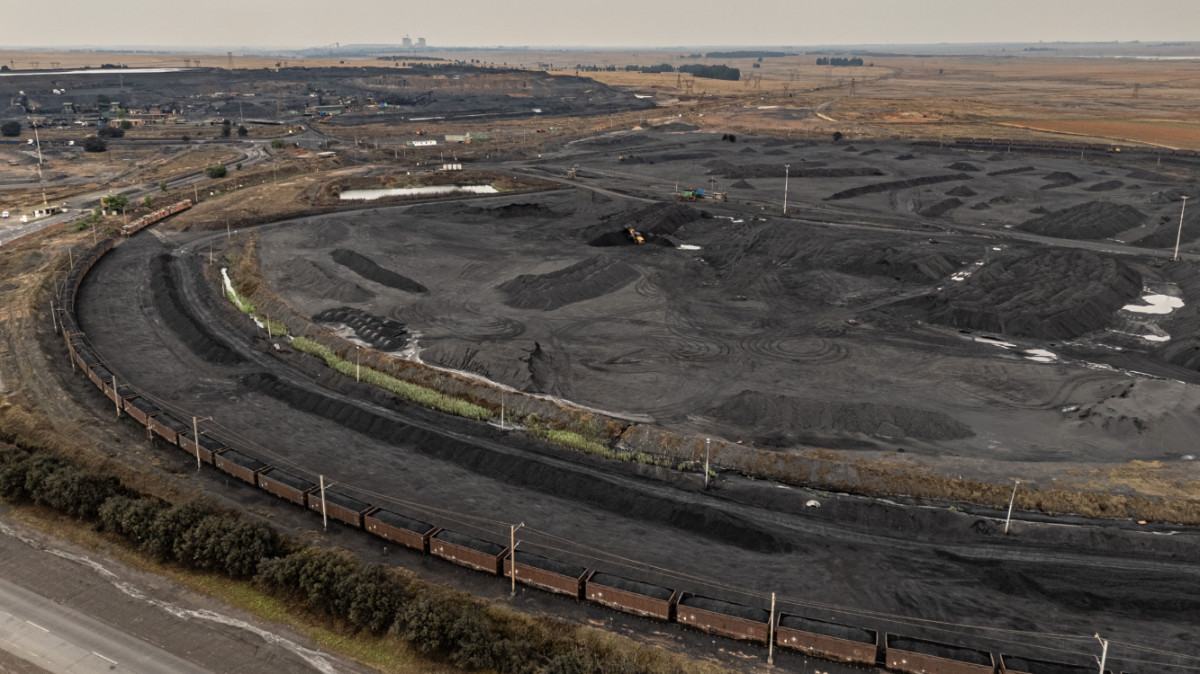
    In a significant shift in global energy trade dynamics, South Africa has substantially increased coal exports to Israel, effectively filling the void created by Colombia’s recent embargo. According to data from commodity analytics firms, South African coal shipments to Israel surged by 87% during the three-month period leading to November compared to the previous year. This development positions South Africa to achieve its highest monthly export volumes to Israel since February 2017, as confirmed by the South African Revenue Service.

    The export expansion comes directly in response to Colombian President Gustavo Petro’s June 2024 announcement suspending all coal shipments to Israel. President Petro implemented the ban contingent upon Israel’s compliance with International Court of Justice directives to cease military operations in Rafah, southern Gaza. Despite initially accounting for approximately 42% of Israel’s annual coal imports totaling two million tonnes, Colombia completely halted exports by late summer 2024, additionally blocking fulfillment of existing long-term supply agreements.

    This trade realignment occurs against the backdrop of ongoing conflict between Israel and Hamas that commenced following October 7, 2023 attacks. The hostilities have resulted in significant casualties, with international bodies including the United Nations characterizing Israel’s campaign as genocidal. Ironically, South Africa has been among the most vocal critics of Israel’s military actions, formally accusing the nation of genocide before the ICJ in December 2023.

    Market intelligence from Kpler indicates South Africa’s share of Israel’s seaborne coal market is projected to triple from 2024 levels, potentially reaching 55% market dominance. The phenomenon isn’t isolated—a November report from Oil Change International identified twenty-five nations continuing energy exports to Israel throughout the Gaza conflict. Notably, Azerbaijan remains a primary crude oil supplier, with Turkey facilitating transportation via the Baku-Tbilisi-Ceyhan pipeline despite its official condemnation of Israeli policies.

    The situation demonstrates the complex interplay between geopolitical principles, economic interests, and international humanitarian law, where nations maintain trade relationships despite overt political disagreements and humanitarian concerns.