作者: admin

  • Guangdong encouraged to lead innovation

    Guangdong encouraged to lead innovation

    During an intensive inspection tour of Guangdong from January 3-5, 2026, Premier Li Qiang delivered a strategic mandate for the southern province to accelerate its innovation-driven development and reinforce its historic role as China’s reform pioneer. The Premier emphasized Guangdong’s critical position within national development strategies, urging provincial leadership to harness its distinctive advantages in technological advancement and open-market policies.

    Premier Li’s itinerary featured multiple innovation hotspots, including the Hetao Shenzhen-Hong Kong Science and Technology Innovation Cooperation Zone, where he stressed enhancing corporate innovation capabilities through improved policy frameworks, financial mechanisms, and talent acquisition. He further examined Shenzhen’s Robot Valley and low-altitude economy infrastructure, advocating for stronger industrial ecosystems and practical application scenarios to accelerate technological iteration.

    The inspection extended to major infrastructure projects, including the Shenzhen-Zhongshan Link, where Li highlighted the necessity of advanced management systems for ensuring operational safety and regional connectivity. In Foshan, the Premier called for accelerated R&D cycles and high-quality production to stimulate demand-supply synergy. At Foshan International Land Port, he emphasized integrating infrastructure ‘hard connectivity’ with regulatory ‘soft connectivity’ to expand digital and green trade initiatives.

    With Guangdong’s GDP having exceeded 14 trillion yuan ($2 trillion) in 2024—maintaining its status as China’s economic powerhouse—the province is now positioned to drive the nation’s 15th Five-Year Plan (2026-2030) through strategic innovation partnerships and deepened reform policies.
  • Astronauts complete first cave training

    Astronauts complete first cave training

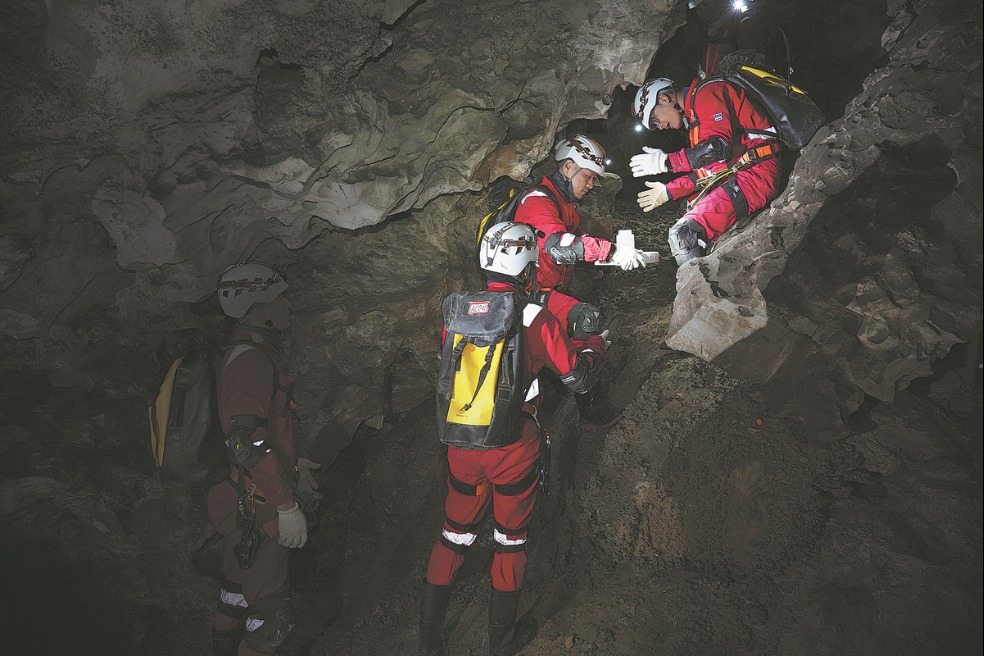
    In a groundbreaking initiative for space preparedness, China has successfully concluded its inaugural cave survival training program for astronauts in Chongqing’s Wulong district. The month-long intensive exercise, organized by the Astronaut Center of China, involved twenty-eight participants facing extreme subterranean conditions to simulate the challenges of deep space exploration.

    The astronauts endured six days and five nights in natural caves with temperatures averaging 8°C and humidity reaching 99%. The training regimen included navigating narrow passages, cliff rappelling, environmental monitoring, cave mapping, and simulated communications with mission control. Beyond physical endurance, the program specifically addressed psychological challenges including sensory deprivation, darkness adaptation, and isolation management.

    According to project leader Wu Bin, the training aimed to enhance multiple critical competencies: “This comprehensive program tested risk response capabilities, self-reliance, teamwork, emergency decision-making, and overall operational readiness in extreme environments.”

    Psychological resilience emerged as a central focus, with astronaut instructor Jiang Yuan emphasizing that “caves represent typical examples of extreme confinement and isolation, providing valuable scientific insights for supporting astronauts’ mental health during prolonged space missions.”

    Veteran astronaut Ye Guangfu, who previously participated in similar European Space Agency training, noted the program’s significance for future long-duration space station operations and crewed lunar exploration. Participants reported the experience effectively simulated the loneliness and unknowns of deep-space exploration while strengthening emergency response capabilities and team cohesion.

    The China Manned Space Agency confirms these rigorous training programs will continue for both new recruits and experienced astronauts, reflecting China’s systematic approach to preparing spacefarers for unpredictable scenarios and potential emergency landings in hostile terrestrial environments.

  • US scholar: United States violating UN Charter

    US scholar: United States violating UN Charter

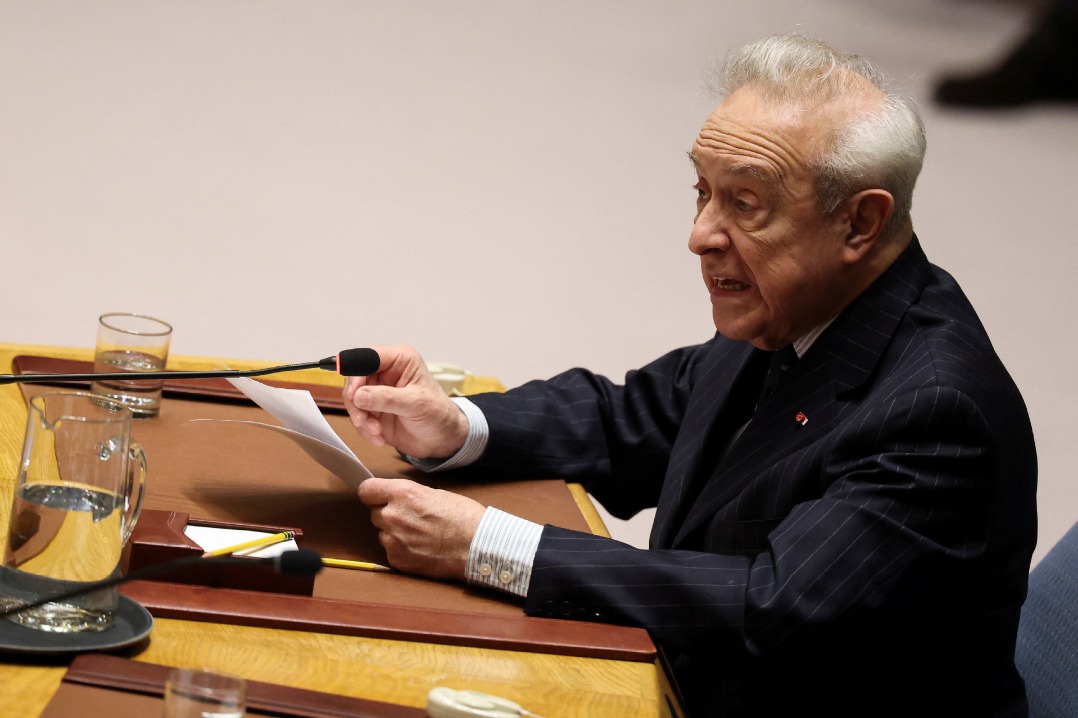
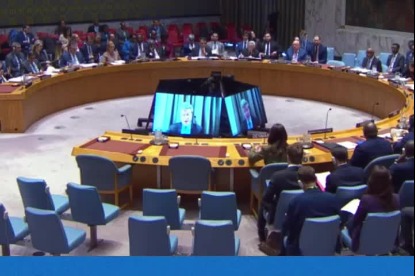
    In a striking address to the United Nations Security Council, renowned economist Jeffrey Sachs delivered a forceful condemnation of United States foreign policy during an emergency session concerning Venezuela. The Columbia University professor and president of the UN Sustainable Development Solutions Network asserted that Washington stands in serious breach of fundamental international law principles.

    Sachs presented a comprehensive critique of decades-long American foreign policy approaches, characterizing them as systematically employing military force, covert operations, and political manipulation to achieve regime change objectives. These practices, he argued, represent direct violations of the United Nations Charter that governs international conduct among sovereign states.

    During his briefing, the sustainable development expert called for immediate cessation of all illegal military actions and threats against Venezuela, emphasizing that such conduct undermines global governance structures. Sachs’s testimony before the Security Council marks a significant moment of scholarly criticism regarding interventionist policies from within the halls of international diplomacy.

    The emergency meeting provided a platform for examining the broader implications of power projection in international relations, with Sachs’s analysis extending beyond the immediate Venezuela situation to address systemic patterns in great power behavior. His remarks highlighted the tension between unilateral actions and multilateral governance frameworks established in the post-World War II international order.

  • Central African Republic President Touadéra wins third term

    Central African Republic President Touadéra wins third term

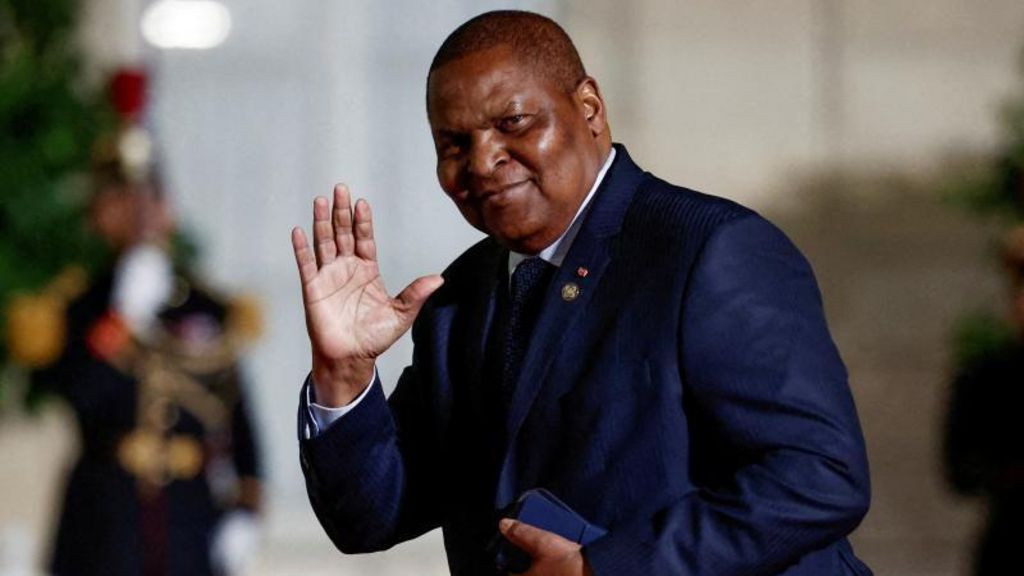
    Provisional election results confirm Central African Republic President Faustin-Archange Touadéra has secured a decisive third term with approximately 76% of the vote. The 68-year-old former mathematics professor achieved this overwhelming majority following a widespread opposition boycott of the December 28 general election.

    The election occurred against a backdrop of significant political controversy, particularly regarding constitutional amendments in 2023 that eliminated presidential term limits. The main opposition coalition, known as BRDC, refused to participate in the electoral process, citing fundamental concerns about fairness and transparency.

    Touadéra’s principal challengers, former prime ministers Anicet-Georges Dologuélé (15%) and Henri-Marie Dondra (3%), have both demanded the annulment of election results. They allege systematic electoral manipulation and widespread irregularities, with Dologuélé characterizing the process as “a methodical attempt to manipulate” the outcome.

    The government has categorically denied these allegations. The Constitutional Court must rule on any formal challenges by January 20 before certifying final results.

    Touadéra’s campaign emphasized his security record in the chronically unstable nation. Since rebels seized power in 2013, the government has enlisted Russian mercenaries and Rwandan soldiers to maintain stability. This security partnership has drawn international attention, with analysts suggesting Touadéra’s victory may strengthen Russia’s strategic interests in accessing the country’s substantial mineral resources, including diamonds and uranium.

    Despite being one of Africa’s most resource-rich nations, CAR remains among its poorest, with approximately half the population dependent on humanitarian assistance according to UN estimates. The 2019 peace agreement between the government and armed groups initially reduced tensions, though six groups subsequently withdrew from the arrangement.

    International observers noted the election was largely peaceful despite logistical challenges including delayed polling materials and issues with voter registration affecting over 2.4 million registered voters.

  • Three men stranded in Queensland floodwaters rescued by helicopter crew based 500km away

    Three men stranded in Queensland floodwaters rescued by helicopter crew based 500km away

    In a remarkable display of aerial rescue operations, a medical helicopter crew executed a marathon 510-kilometer mission to save three men trapped in treacherous flood conditions across northwest Queensland. The Mount Isa-based LifeFlight aeromedical team responded to multiple distress calls after torrential rains transformed the region into a quagmire, approximately 1,550 kilometers northwest of Brisbane.

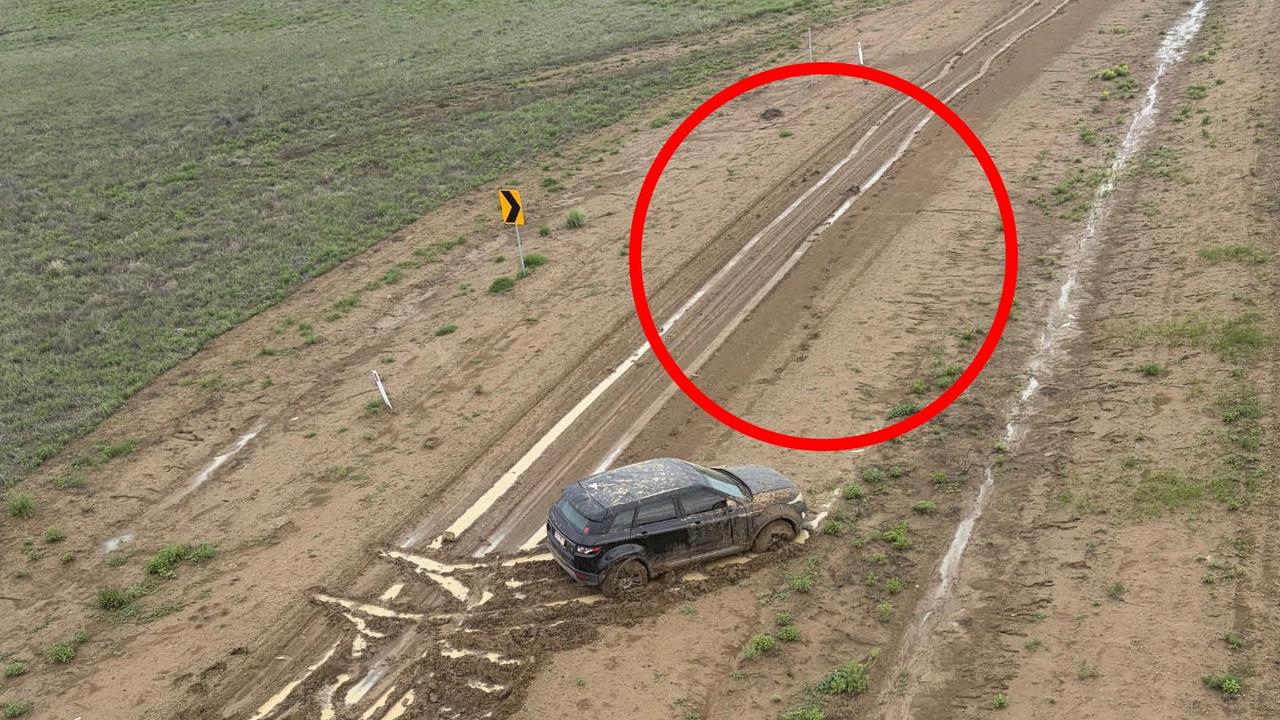
    The most extraordinary case involved a lone walker who had abandoned his vehicle and trekked nearly 40 kilometers through knee-deep mud in a desperate survival attempt. When the rescue helicopter located the stranded car, the occupant was missing. Crew members followed his footprints across the flooded landscape, eventually discovering the severely dehydrated and exhausted man 38 kilometers from his original location. He received immediate medical treatment from a Queensland Ambulance Service critical care paramedic before being airlifted to Hughenden Airport for hospitalization.

    Simultaneously, the same rescue team performed a winch extraction of two other men in their 40s whose vehicle had become completely immobilized 70 kilometers south of Hughenden. Investigation revealed the pair had been navigating from Brisbane to Darwin using Google Maps, which directed them onto flooded roads unsuitable for travel. After repeatedly getting bogged and eventually abandoning their trailer, they became permanently stuck just 500 meters from a major flooded creek crossing.

    LifeFlight pilot Andrew Caldwell described the challenging conditions: ‘We managed to land on a little high spot in the road that was solid enough to take the helicopter. The gentleman we found had no shoes, no water, no food, and his phone appeared flat. He looked absolutely exhausted – you could tell on his face he was sick of walking.’

    All three rescued individuals were assessed by flight paramedics and transported to medical facilities, highlighting the critical importance of specialized emergency services in remote Australian regions during severe weather events.

  • ASX falls as inflation fears outweigh massive $13bn BlueScope takeover bid

    ASX falls as inflation fears outweigh massive $13bn BlueScope takeover bid

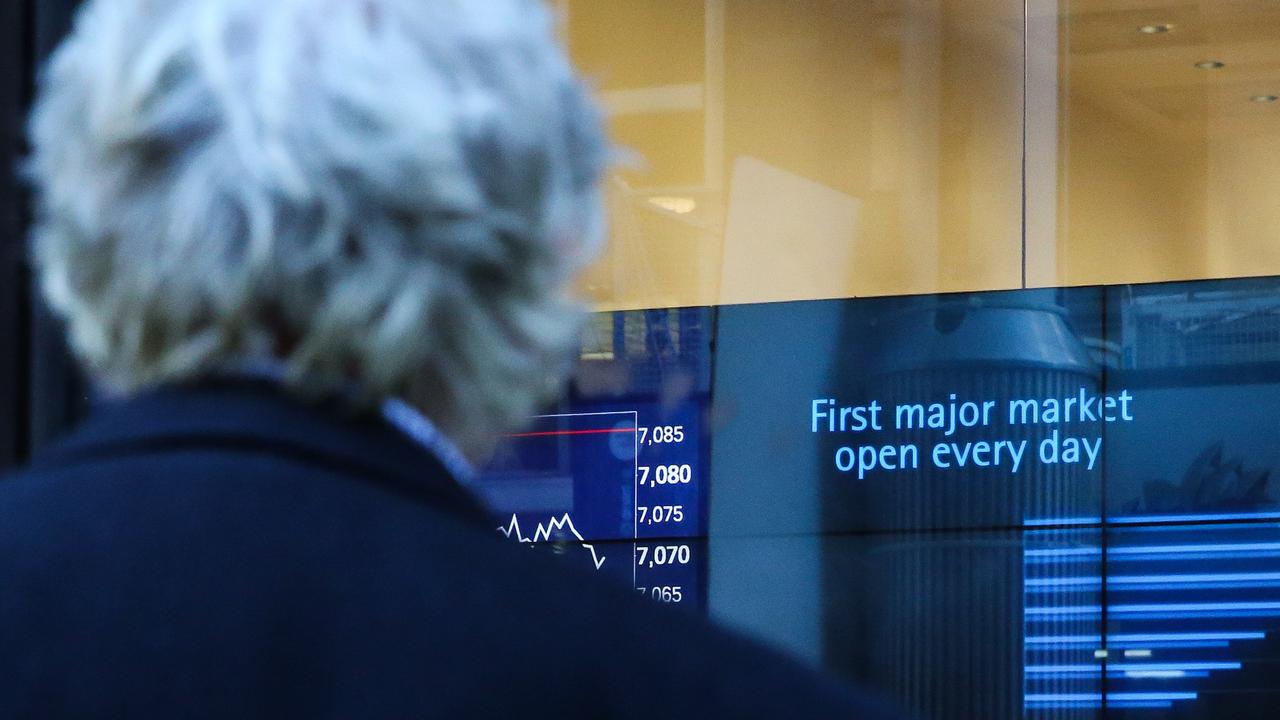
    Australian financial markets experienced a notable downturn on Tuesday as investor apprehension over impending inflation data overshadowed significant corporate developments and record-breaking commodity performances. Despite a monumental $13 billion acquisition proposal for BlueScope Steel and unprecedented copper prices, the benchmark ASX 200 declined 45.80 points (0.52%) to close at 8682.80, with the All Ordinaries index dropping 37.80 points (0.42%) to 8996.90.

    The materials sector emerged as the sole bright spot, climbing 2.01% amid the broader market retreat. BlueScope Steel witnessed extraordinary trading activity, soaring 20.82% to $29.54 following SGH Limited’s substantial takeover bid. Mining giants BHP, Fortescue, and Rio Tinto all recorded gains between 1.56% and 1.79%, bolstered by copper’s historic ascent to $13,210 per tonne—a 1.69% increase driven by mounting supply concerns.

    Financial institutions bore the brunt of market pessimism, with all four major banks experiencing significant declines. Commonwealth Bank led the downturn with a 2.95% drop, while Westpac, NAB, and ANZ fell between 1.96% and 2.37%. Consumer discretionary stocks similarly retreated, with Wesfarmers, JB Hi-Fi, and Harvey Norman all closing lower.

    The defensive sector demonstrated resilience amid geopolitical tensions, particularly between the United States and Venezuela. Counter-drone specialist DroneShield surged 18.43%, and shipbuilder Austal advanced 8.30%. Meanwhile, Life360 shares declined 3.03% despite announcing both a $120 million acquisition of Nativo and surpassing 50 million monthly active users.

    Market analysts highlighted the complex inflation landscape, with VanEck Asia Pacific CEO Arian Neiron noting ongoing debate regarding whether recent price increases represent genuine economic pressures or temporary seasonal anomalies. The Australian dollar continued its upward trajectory against the US dollar, reaching 67.29 US cents.

  • Mexico’s statement at a UN Security Council meeting on Venezuela

    Mexico’s statement at a UN Security Council meeting on Venezuela

    In a forceful address to the United Nations Security Council, Mexico’s Ambassador to the UN, Héctor Enrique Vasconcelos y Cruz, delivered a stern condemnation of recent military operations against Venezuela. The emergency session, convened on January 5, 2026, at UN headquarters in New York, addressed the escalating situation following military strikes and the reported capture of Venezuelan President Nicolás Maduro and First Lady Cilia Flores.

    Ambassador Vasconcelos articulated Mexico’s official position, characterizing the January 3rd military intervention as an act of aggression that blatantly violates Article 2 of the UN Charter. The Mexican diplomat asserted that such operations represent not merely isolated incidents but a fundamental assault on international law and the principles of multilateral diplomacy.

    The ambassador issued a grave warning regarding rhetoric suggesting potential expansion of military operations to other nations within the Latin American region, emphasizing that such discourse poses a direct threat to regional stability and security frameworks. He further challenged the concept of externally imposed regime change, describing extraterritorial measures as historically counterproductive actions that typically exacerbate conflicts and weaken national social and political structures.

    Vasconcelos concluded with a poignant observation that the current violation of international norms dangerously jeopardizes the political equilibrium of the region while simultaneously disregarding the hard-won independent history of Latin American and Caribbean nations. The address positioned Mexico as a vocal defender of sovereignty principles within international governance structures.

  • Israeli media and US lawmakers signal Iran intervention after Venezuela attack

    Israeli media and US lawmakers signal Iran intervention after Venezuela attack

    Recent developments suggest a significant shift in U.S. foreign intervention policy under President Donald Trump, with the operation against Venezuelan President Nicolas Maduro potentially serving as a blueprint for future actions. Following the high-risk abduction of Maduro from Caracas, which involved U.S. special forces and airstrikes on military installations, attention has turned toward Iran as a possible next target.

    Israeli media outlets, including The Jerusalem Post, have reported that Washington is actively considering intervention options regarding Iran’s ongoing domestic protests. The publication suggested that the Venezuela operation demonstrates a new American threshold for military engagement, a development closely monitored by Israeli security analysts.

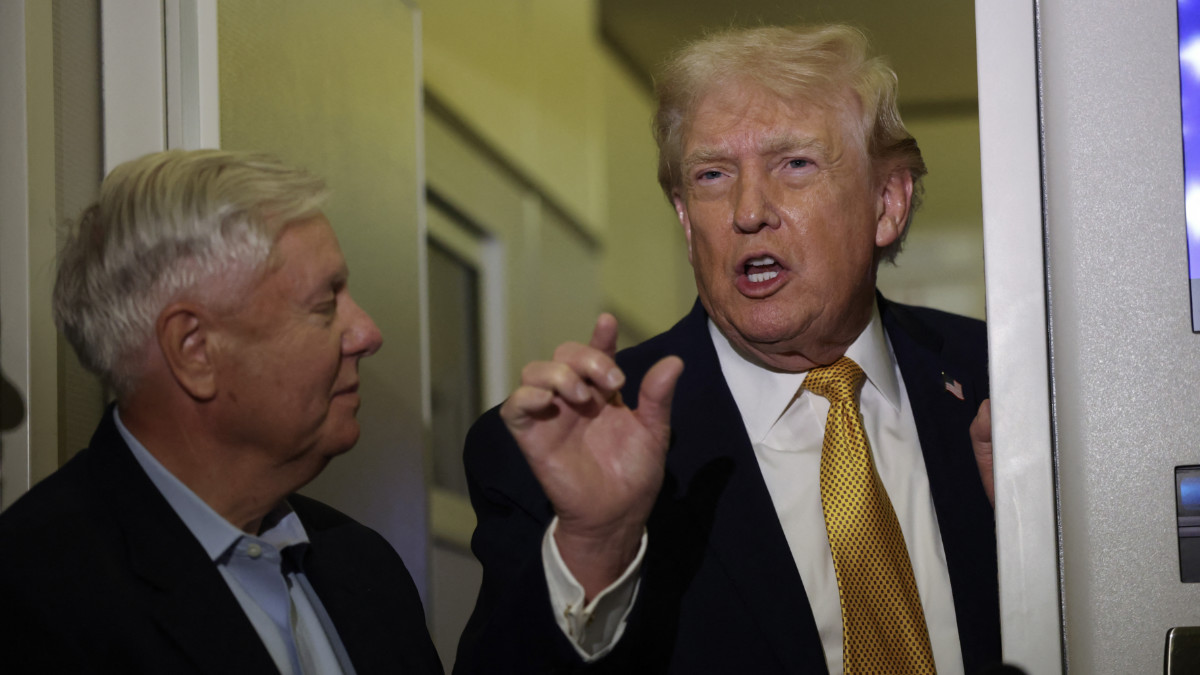
    This perspective gained traction when Republican Senator Lindsey Graham appeared on Fox News wearing a ‘Make Iran Great Again’ cap, explicitly expressing hope that 2026 would mark Iran’s transformation under American influence. The symbolism echoed Trump’s own social media threat that the U.S. stands ‘locked and loaded’ to ‘rescue’ Iranian protesters if their government responds violently to demonstrations.

    The Iranian protests, triggered by a severe cost-of-living crisis and the collapse of the national currency under U.S. sanctions, have already claimed at least sixteen lives. Former Secretary of State Mike Pompeo, a staunch Israel supporter, drew direct parallels between Maduro’s situation and Iran’s leadership, suggesting similar outcomes might await Iranian officials.

    The Venezuela operation has caused international concern, with indications that Cuba, Colombia, and Mexico might also be considered for future interventions. This apprehension was amplified when Katie Miller, spouse of White House deputy chief of staff Stephen Miller, shared an image of Greenland covered by an American flag with the caption ‘SOON.’

    Meanwhile, Maduro appeared in a U.S. court facing charges including narco-terrorism and drug trafficking, maintaining his innocence while identifying as a ‘decent man’ and legitimate president. Venezuelan officials reported the death toll from the U.S. operation has reached 80, including civilians and security personnel, with numbers potentially rising.

    Israeli Prime Minister Benjamin Netanyahu, who was visiting Trump in Florida prior to the Venezuela operation, expressed solidarity with Iranian protesters, stating: ‘We identify with the struggle of the Iranian people, with their aspirations for freedom, liberty and justice. It is quite possible that we are at a moment when the Iranian people are taking their fate into their own hands.’

  • Brazil statement at a UN Security Council meeting on Venezuela

    Brazil statement at a UN Security Council meeting on Venezuela

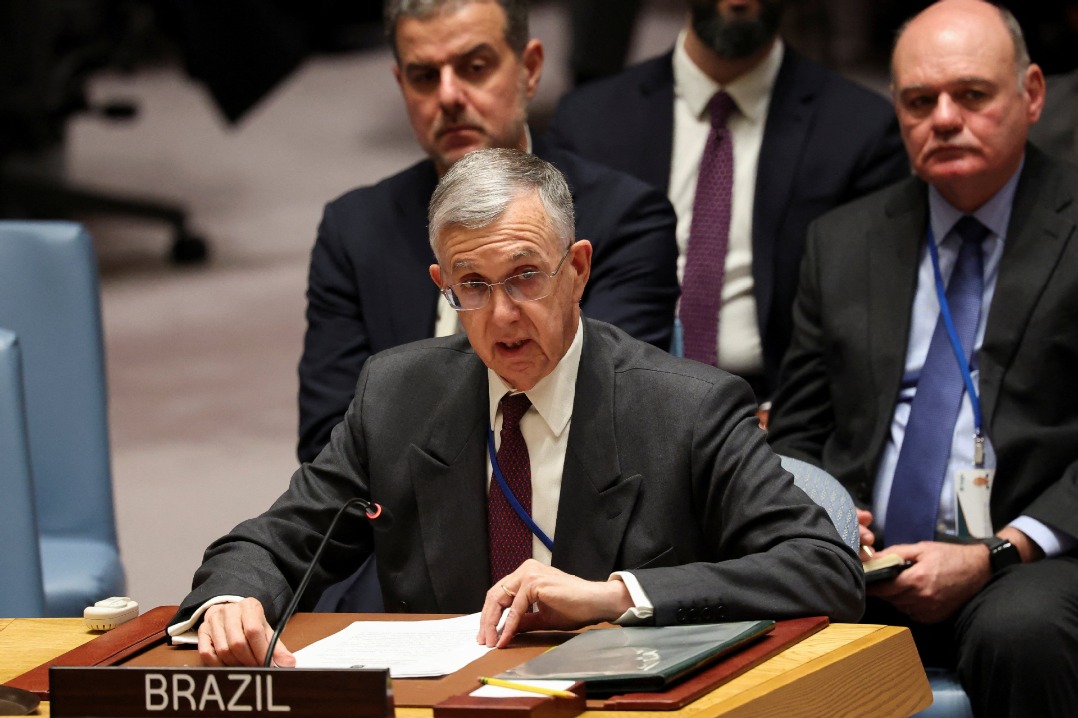
    In a forceful address to the United Nations Security Council, Brazil’s Ambassador to the UN Sergio Franca Danese delivered a scathing condemnation of recent military actions against Venezuela. The emergency session, convened on January 5, 2026, addressed the unprecedented capture of Venezuelan President Nicolas Maduro and his wife Cilia Flores following military strikes on Venezuelan territory.

    Ambassador Danese characterized the intervention as a ‘flagrant violation of the United Nations Charter and international law,’ emphasizing that the bombings and presidential capture represent an unacceptable breach of Venezuelan sovereignty. The Brazilian diplomat warned that these actions establish an ‘extremely dangerous precedent for the entire international community.’

    Highlighting the geographical significance, Danese noted this marks the first instance of external armed aggression in South America involving troop deployments and aerial bombings in a country sharing a 2,000-kilometer border with Brazil. The ambassador stressed that governing norms between states are ‘mandatory and universal,’ not subject to exceptions based on ideological, geopolitical, or economic interests.

    Brazil’s position maintains that neither natural resource exploitation nor economic considerations justify the use of force or illegal government changes. Danese called upon the Security Council to ‘assume its responsibility and react with determination, clarity, and obedience to international law’ to prevent the ‘law of force from prevailing over the force of law.’

    The ambassador concluded by affirming Brazil’s belief that Venezuela’s future should be determined exclusively by the Venezuelan people through dialogue, without external interference and within established international legal frameworks.

  • Chile’s statement at a UN Security Council meeting on Venezuela

    Chile’s statement at a UN Security Council meeting on Venezuela

    In a forceful diplomatic statement at the United Nations Security Council, Chile’s representative Paula Narvaez Ojeda delivered a stern condemnation of United States military operations within Venezuelan territory. The emergency session, convened to address escalating tensions in the region, became a platform for Chile’s vehement opposition to unilateral armed intervention.

    Speaking before the international body on Monday, Narvaez articulated Chile’s position that Latin America and the Caribbean must maintain their status as a ‘zone of peace’—a concept she emphasized benefits not only regional stability but global security as a whole. The Chilean diplomat warned that military confrontation would precipitate devastating humanitarian consequences, exacerbating civilian suffering while intensifying existing patterns of displacement, insecurity, and vulnerability throughout Venezuela and neighboring nations.

    Narvaez reiterated Chile’s firm conviction that international disputes must be resolved exclusively through peaceful mechanisms that respect established legal frameworks. She emphasized the fundamental principles of state sovereignty and the prohibition against using or threatening force—cornerstones of international law that she argued were being undermined by recent military actions.

    Echoing concerns previously voiced by the leaders of Brazil, Colombia, Mexico, Uruguay, and Spain, the Chilean representative expressed apprehension about any attempts to control governmental administration or establish foreign ownership over strategic national assets. Such actions, she contended, would violate international legal standards while jeopardizing the political, economic, and social stability of the entire Latin American region.