作者: admin

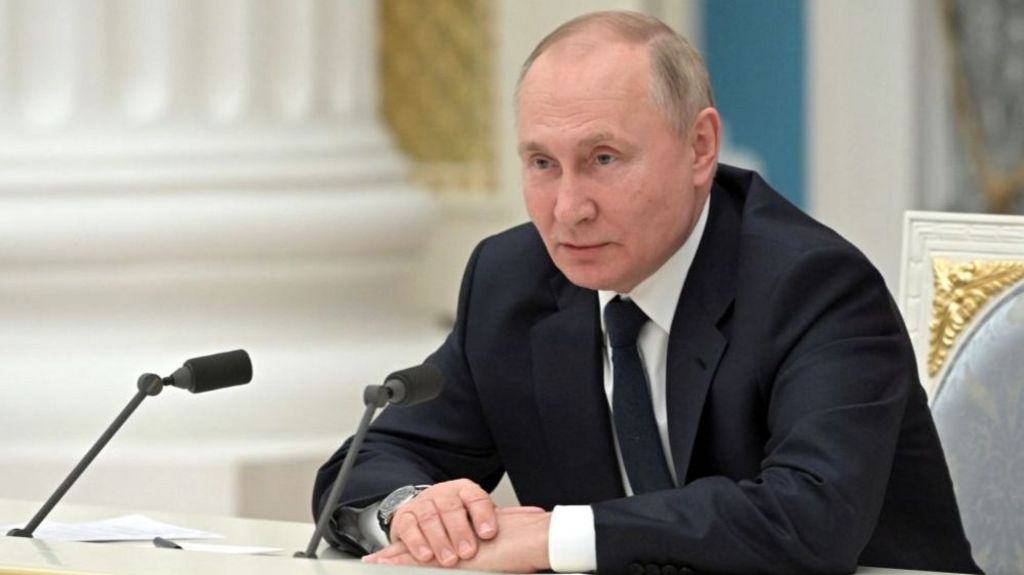
  • Rich and voiceless: How Putin has kept Russia’s billionaires on side in the war

    Rich and voiceless: How Putin has kept Russia’s billionaires on side in the war

    Under Vladimir Putin’s quarter-century reign, Russia’s billionaire class has undergone a radical transformation from politically influential oligarchs to compliant beneficiaries of the Kremlin’s war economy. Despite Western sanctions intended to pressure Russia’s elite, the number of billionaires has reached an unprecedented 140 with a collective wealth of $580 billion—just $3 billion shy of pre-invasion records.

    The dramatic shift in power dynamics became starkly evident on February 24, 2022, when Putin summoned business leaders to the Kremlin hours after ordering the full-scale invasion of Ukraine. Attendees appeared “pale and sleep-deprived,” according to witnesses, yet offered no meaningful resistance despite anticipating severe financial consequences.

    This compliance stems from Putin’s sophisticated carrot-and-stick approach. Those who publicly oppose the regime face devastating repercussions, as exemplified by banking magnate Oleg Tinkov. After criticizing the war as “crazy” on Instagram, Tinkov was forced to sell his Tinkoff Bank for merely 3% of its actual value to a Kremlin-linked entity, losing approximately $9 billion before exiting Russia.

    The contrast with the 1990s era could not be more pronounced. Following the Soviet Union’s collapse, oligarchs like Boris Berezovsky wielded immense political influence, even claiming to have orchestrated Putin’s rise to power. Berezovsky later died under mysterious circumstances in UK exile after renouncing his support, symbolizing the extinction of independent oligarchic power.

    Paradoxically, Western sanctions have strengthened Putin’s control over Russia’s wealthy elite. By freezing assets and restricting movement, the measures eliminated any possibility of defection, effectively forcing billionaires to rally around the Kremlin. According to Alexander Kolyandr of the Center for European Policy Analysis, “The West did everything possible to ensure that Russian billionaires rallied around the flag.”

    The war economy has generated unprecedented opportunities for loyalists. Lavish military spending drove 4% annual growth in 2023-2024, creating 11 new billionaires in 2024 alone through the redistribution of foreign companies’ abandoned assets. Over half of Russia’s billionaires now directly supply the military or benefit from the invasion, creating what Carnegie Russia Eurasia Center’s Alexandra Prokopenko describes as “an army of influential and active loyalists” whose fortunes depend on continued confrontation with the West.

    This consolidation of economic power under political loyalty represents the ultimate realization of Putin’s vision: a billionaire class that serves the state rather than influences it, with personal wealth entirely contingent on political compliance.


  • Godfather of Ethiopian jazz plays his last live concert

    Godfather of Ethiopian jazz plays his last live concert

    The curtain has fallen on the illustrious performing career of Ethiopian jazz luminary Mulatu Astatke, who delivered his final live concert in London last month. The 82-year-old maestro, celebrated for pioneering the distinctive Ethio-jazz genre, concluded a remarkable six-decade journey that transformed global perceptions of African music.

    Before an enraptured audience at a West End venue, Astatke—adorned in a shirt featuring artwork by Ethiopian painter Afework Tekle—approached his signature vibraphone with deliberate grace. Navigating past congas, he commenced the evening’s performance with mallets in hand, producing the mesmeric rhythms that have become his auditory signature. The opening piece drew from a 4th Century Ethiopian Orthodox church melody, demonstrating his profound connection to cultural heritage through the pentatonic scales that define his unique sound.

    Astatke’s global breakthrough occurred two decades ago when his compositions featured prominently in Jim Jarmusch’s film Broken Flowers (2005). Subsequent inclusion in the Oscar-nominated adaptation of The Nickel Boys further expanded his international audience. Yet his musical experimentation began much earlier—during the 1960s, he transformed recording studios into laboratories where he synthesized diverse musical traditions into what he terms the ‘science’ of Ethio-jazz.

    The artist’s educational journey proved instrumental to his innovative approach. After initial studies at North Wales’ Lindisfarne College, he became the first African student admitted to Boston’s Berklee College of Music in the 1960s. There he mastered vibraphone and percussion while incorporating Latin jazz elements. His return to Addis Ababa in 1969 catalyzed the ‘Swinging Addis’ era, during which he fused Ethiopian modalities with Western jazz conventions despite initial resistance from traditionalists.

    Throughout political upheavals, including the 1974 deposition of Emperor Haile Selassie that prompted many musicians to emigrate, Astatke remained in Ethiopia continuing his artistic mission. He attributes his deepest inspiration to traditional musicians he reveres as ‘scientists,’ incorporating indigenous instruments like the washint flute, kebero drum, and single-stringed masenqo fiddle into his compositions.

    Contemporary admirers recognize Astatke’s enduring influence across generations. London-based fan Juweria Dino notes that his recordings serve as primary introductions to Ethiopian culture for many international listeners. While acknowledging bittersweet emotions surrounding his retirement from touring, devotees emphasize that his legacy will persist through recordings and ongoing efforts to digitize traditional Ethiopian instruments.

    The artist himself remains committed to promoting Africa’s cultural contributions, asserting that the continent’s musical innovations deserve greater recognition. Though his concert appearances have concluded, Astatke affirms this transition marks not an endpoint but rather a new chapter in his mission to globalize Ethiopia’s rich musical heritage.

  • Taiwan rattled by magnitude-7 quake; Taipei buildings shake

    Taiwan rattled by magnitude-7 quake; Taipei buildings shake

    A significant seismic event measuring 7.0 on the Richter scale occurred approximately 32 kilometers off the coast of Yilan, a northeastern Taiwanese city, on Saturday evening. The substantial tremor, which originated at a depth of 73 kilometers, caused noticeable building swaying in the capital city of Taipei, according to official reports from Taiwan’s meteorological authorities.

    Initial assessments by Taipei municipal officials indicated no immediate reports of substantial structural damage following the quake. The National Fire Agency has activated comprehensive damage evaluation procedures across affected regions to determine the full impact of the seismic activity.

    Taiwan’s geographical position makes it particularly vulnerable to earthquakes, as the island nation sits at the convergence point of two major tectonic plates. This geological reality has resulted in numerous significant seismic events throughout Taiwan’s history.

    The region has experienced devastating earthquakes in previous decades, including the catastrophic 2016 incident in southern Taiwan that claimed over 100 lives, and the massive 1999 tremor measuring 7.3 magnitude that resulted in more than 2,000 fatalities. These historical events have prompted Taiwan to develop one of the world’s most sophisticated earthquake preparedness and response systems.

    Seismologists continue to monitor aftershock patterns while emergency services remain on high alert across the island. The earthquake’s offshore location and considerable depth potentially mitigated what could have been more severe impacts on population centers.

  • UAE welcomes UN assessment mission to Sudan’s Al Fasher, calls for unhindered aid access

    UAE welcomes UN assessment mission to Sudan’s Al Fasher, calls for unhindered aid access

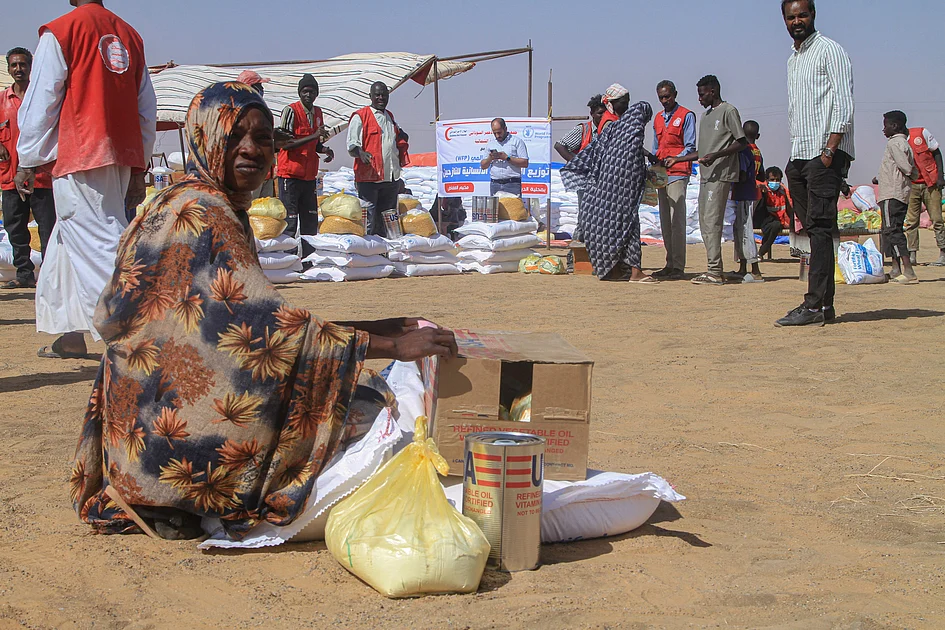
    The United Arab Emirates has formally welcomed the deployment of a United Nations assessment mission to Sudan’s besieged city of Al Fasher, characterizing the development as a critical advancement toward reestablishing humanitarian corridors for civilians trapped in the conflict-ridden region. Reem Al Hashimy, UAE Minister of State for International Cooperation, emphasized that this initial access must evolve into a consistent and reliable operational framework rather than merely symbolic gestures.

    Minister Al Hashimy articulated the urgent necessity for unimpeded aid distribution, stating that assistance must rapidly reach Al Fasher and extend to all vulnerable communities throughout Sudan. She stressed that such operations must adhere strictly to international humanitarian law while ensuring civilian protection. The UAE official further commended United States diplomatic leadership in facilitating the mission and acknowledged the extraordinary efforts of UN agencies, OCHA, and humanitarian partners operating under perilous conditions.

    In her statement, the minister issued a direct appeal to all conflict parties to permit comprehensive humanitarian access across all viable routes nationwide. She called for an immediate humanitarian truce without preconditions, noting that UAE stands prepared to activate its humanitarian logistics capabilities and operational hub resources to accelerate life-saving assistance delivery once access is secured.

    The UAE continues to collaborate with regional and international partners through multilateral frameworks including the Quad, advocating for sustained humanitarian access and an immediate nationwide ceasefire. Additionally, the Emirates has urged the international community to enhance financial support for OCHA and humanitarian organizations to scale operations commensurate with the severe humanitarian crisis unfolding across Sudan.

  • Polls open for military-ruled Myanmar’s first election in 5 years

    Polls open for military-ruled Myanmar’s first election in 5 years

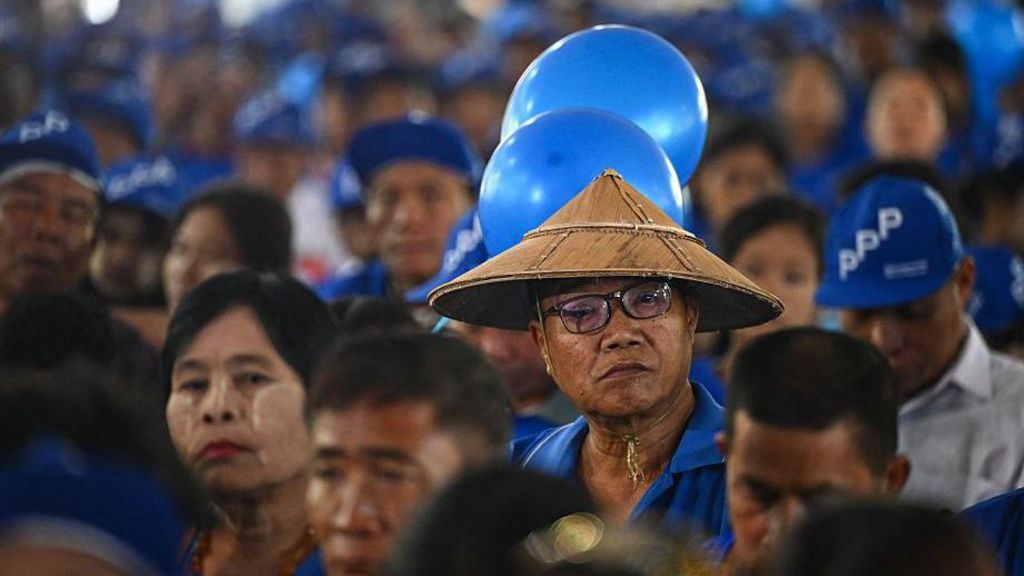
    Myanmar conducted the initial phase of its first general election in five years on Sunday under the supervision of the military government, despite ongoing civil conflict across significant portions of the nation. The polling occurred amid tightened security measures in Yangon, Naypyitaw, and other urban centers, with armed guards stationed at voting locations and military vehicles patrolling streets.

    Critics and international observers have denounced the electoral process as a calculated effort to create a veneer of legitimacy for military rule. The election follows the army’s February 2021 seizure of power, which ousted the democratically elected government of Aung San Suu Kyi. Her National League for Democracy (NLD), which achieved a landslide victory in the 2020 polls, was dissolved in 2023 after refusing to comply with new military regulations.

    The electoral landscape reveals severe constraints on political freedom. Major opposition parties either boycotted the process or were excluded, while a newly enacted Election Protection Law criminalizes public criticism of the polls. According to monitoring organizations, 73% of voters who participated in the 2020 election supported parties that no longer exist in the current political framework.

    Human rights conditions have deteriorated significantly since the military takeover. The United Nations reports that violence and intimidation have intensified, with over 22,000 individuals detained for political offenses and more than 7,600 civilians killed by security forces. The subsequent civil conflict has displaced approximately 3.6 million people.

    Despite these challenges, the military-backed Union Solidarity and Development Party is anticipated to secure a victory, potentially enabling neighboring countries such as China, India, and Thailand to justify continued engagement by citing stability concerns. Western nations, however, have maintained sanctions against Myanmar’s ruling generals due to persistent anti-democratic practices and human rights abuses.

    The voting process will continue in two additional phases scheduled for January 11 and January 25, with final results expected by month’s end.

  • War-torn Myanmar votes in widely criticised ‘sham’ election

    War-torn Myanmar votes in widely criticised ‘sham’ election

    Myanmar’s military junta has initiated a controversial phased electoral process spanning the next month, a move international observers are characterizing as a thinly veiled attempt to legitimize its power. The election proceeds under circumstances where major political parties remain dissolved, their leadership imprisoned, and approximately half the population unable to participate due to an ongoing and devastating civil war.

    This ballot, the first since the military seized control in a February 2021 coup, unfolds against a backdrop of intense conflict. The junta, bolstered by support from China and Russia, has managed to reclaim some territory this year through relentless airstrikes after suffering significant losses to a coalition of armed resistance groups and ethnic armies. The conflict has resulted in thousands of fatalities, displaced millions, and crippled the nation’s economy.

    To ensure the election proceeds as intended, the regime has enacted severe punitive measures. A law instituted in July criminalizes dissent against the polls, carrying penalties up to the death penalty. Already, prominent cultural figures, including film director Mike Tee and comedian Ohn Daing, have been sentenced to seven-year prison terms for criticizing pro-election propaganda.

    Logistical challenges are immense, with voting scheduled in only 274 of 330 townships, deemed the only sufficiently stable areas. The process is segmented into three phases, a strategy analysts suggest allows the junta to tactically adjust outcomes based on initial results. Only six parties, including the military-backed Union Solidarity and Development Party, are permitted to field candidates nationwide. Notably, Aung San Suu Kyi’s National League for Democracy, which won previous elections overwhelmingly, has been banned.

    International condemnation is widespread. The United Nations High Commissioner for Human Rights, Volker Türk, stated that conditions for free expression or assembly are nonexistent, with civilians “being coerced from all sides.” Western nations and the European Parliament have dismissed the vote as a sham, while ASEAN has called for inclusive political dialogue as a prerequisite for any legitimate election. The junta, however, maintains the election is a step toward restoring a “multi-party democratic system” for the people of Myanmar, defiantly rejecting international criticism.

  • UK restricts DR Congo visas over migrant return policy

    UK restricts DR Congo visas over migrant return policy

    The United Kingdom has implemented stringent visa restrictions against citizens of the Democratic Republic of Congo following unsuccessful negotiations regarding the repatriation of illegal migrants and foreign national offenders. This decisive action comes after the DRC government declined to implement necessary changes aligned with the UK’s recently overhauled asylum framework announced in November.

    According to ministerial statements, the Democratic Republic of Congo failed to meet requirements established under Britain’s strengthened asylum regulations. Consequently, fast-track visa processing for Congolese applicants has been suspended, and preferential treatment previously afforded to VIPs and political figures from the DRC has been revoked indefinitely.

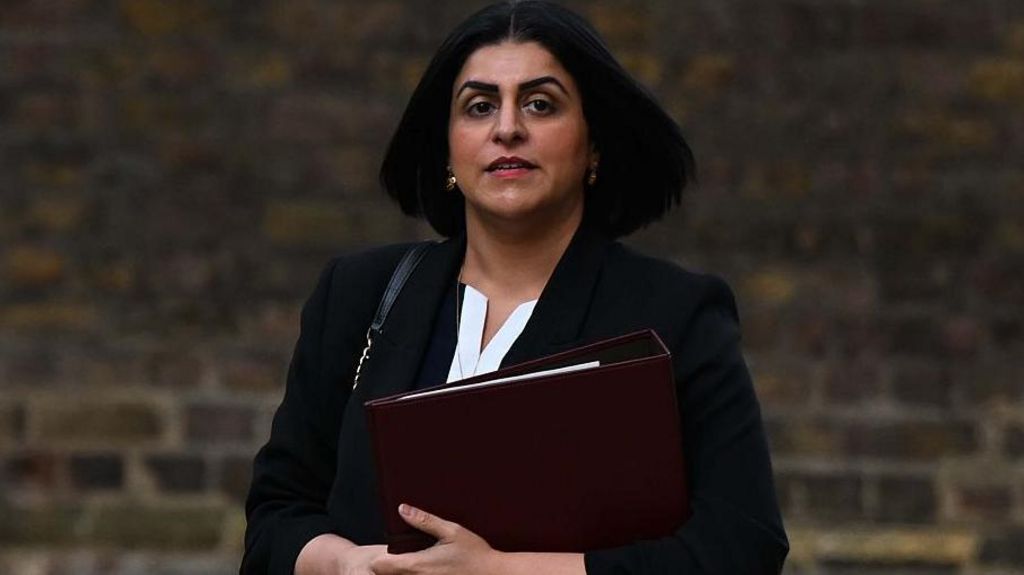
    In contrast, the Home Office confirmed that Angola and Namibia have committed to enhanced cooperation regarding citizen repatriation, thereby avoiding similar sanctions. Both nations had initially faced identical threats alongside the DRC for inadequate collaboration on migration matters. A government insider revealed that Home Secretary Shabana Mahmood remains prepared to extend visa bans to additional countries demonstrating reluctance to accept returning citizens.

    Officials characterized the agreements with Angola and Namibia as the inaugural success stemming from last month’s comprehensive asylum system reforms. These pacts are projected to facilitate the removal and deportation of thousands of individuals lacking legal residence status in the UK.

    The transformative asylum reforms include provisions establishing temporary refugee status, terminating guaranteed housing support for asylum seekers, and creating new capped ‘safe and legal routes’ for UK entry. Minister Mahmood had previously emphasized that visa penalties would target nations failing to cooperate with returns policies, including an ’emergency brake’ mechanism suspending visas for countries with elevated asylum claims until cooperation improves.

    Home Office investigations revealed that returns processes for the DRC, Angola, and Namibia were systematically obstructed through bureaucratic delays, including unprocessed paperwork and requirements for individuals to sign their own documentation—effectively granting them veto power over removals. While acknowledging some preliminary engagement from Congolese authorities, the UK government warned that additional measures, including a comprehensive visa ban, remain imminent unless cooperation improves substantially.

    Home Secretary Mahmood stated: ‘We expect all nations to adhere to established international rules. When their citizens no longer possess legal right to remain here, they must accept responsibility for their return. I express gratitude to Angola and Namibia for their constructive cooperation. The Democratic Republic of Congo now faces a clear choice: accept your citizens or forfeit entry privileges to our nation.’

  • Annette Dionne, last surviving Dionne quintuplet, dies aged 91

    Annette Dionne, last surviving Dionne quintuplet, dies aged 91

    Annette Dionne, the final surviving member of the world’s first known surviving quintuplets, has passed away at age 91, marking the end of an extraordinary chapter in Canadian history. The Dionne Quints Home Museum confirmed her death, celebrating her lifelong advocacy for children’s rights that emerged from her controversial childhood experience.

    Born in 1934 during the Great Depression’s peak in Ontario, Annette and her four identical sisters—Yvonne, Cécile, Émilie, and Marie—achieved immediate global celebrity status as medical miracles. Their unprecedented survival captured international imagination, leading to Hollywood feature films, magazine cover appearances, and commercial endorsements ranging from toothpaste to syrup.

    The Ontario government’s controversial intervention saw the infants removed from their family and placed in a specially designed compound known as “Quintland,” which operated as a public exhibition site attracting thousands of tourists. For years, the children lived under constant observation with minimal parental contact, creating a childhood devoid of normal privacy and family bonds.

    Following their return to parental custody, three sisters—Annette, Cécile, and Yvonne—initiated legal proceedings against the Ontario government in their adulthood. The landmark 1998 settlement awarded them approximately C$3 million in recognition of the exploitation and unusual circumstances they endured during their formative years.

    Annette outlived all her siblings, including her four quintuplet sisters and nine other Dionne children. Her passing represents the closing of a significant historical period that sparked important conversations about child protection and ethical treatment of minors in extraordinary circumstances. The Dionne Quints Museum continues to preserve their legacy as both a medical marvel and a cautionary tale about childhood commercialization.

  • Netanyahu to meet Trump in US Monday, discuss Gaza ceasefire’s second stage

    Netanyahu to meet Trump in US Monday, discuss Gaza ceasefire’s second stage

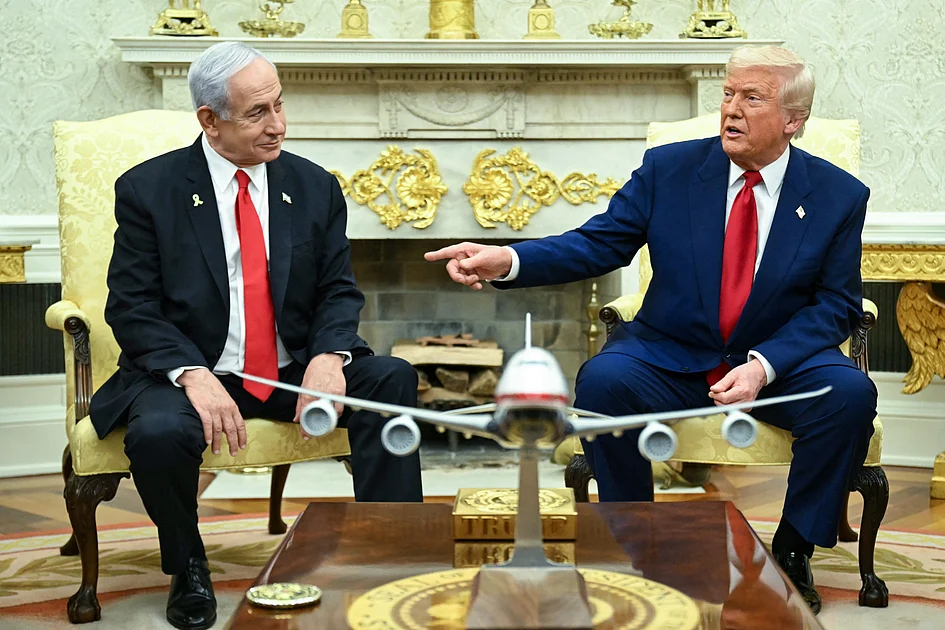
    Israeli Prime Minister Benjamin Netanyahu is scheduled to embark on his fifth official visit to the United States this year, with a pivotal meeting set with President Donald Trump at the Mar-a-Lago resort in Florida on Monday. This high-stakes diplomatic engagement occurs amid intensified efforts by the Trump administration and regional mediators to advance the second phase of the Gaza ceasefire agreement between Israel and Hamas.

    The agenda for this crucial summit encompasses a broad spectrum of Middle Eastern security concerns, including ongoing tensions with Iran, potential security arrangements between Israel and Syria, and maintaining the fragile ceasefire with Lebanon’s Hezbollah. However, the primary focus remains on breaking the deadlock in implementing the next stages of the Gaza peace process.

    According to reports from Israeli media outlet Yedioth Ahronoth and subsequent confirmation by White House officials, the Trump administration has expressed growing frustration with Netanyahu’s approach to the ceasefire. Administration officials allege that the Israeli leader has taken steps that potentially undermine the delicate truce and delay progress toward lasting peace.

    The second phase of the ceasefire agreement, brokered by Washington and regional allies, stipulates three critical components: Israel’s withdrawal from its positions in Gaza, establishment of an interim technocratic authority to replace Hamas governance, and deployment of an international stabilization force. A particularly contentious provision requires Hamas to relinquish its weapons, representing a significant obstacle to implementation.

    Axios reported Friday that White House officials consider the Trump-Netanyahu meeting essential for突破ing the current impasse. The administration aims to promptly announce both the Palestinian technocratic government for Gaza and the composition of the international stabilization force, viewing these elements as crucial for maintaining momentum in the peace process.

    The meeting follows Trump’s mid-December comments to reporters, where he indicated Netanyahu’s desire for consultation during the Christmas holiday period. This diplomatic engagement occurs against the backdrop of a persistently fragile ceasefire, with both Israel and Hamas frequently accusing each other of violations while mediators work to prevent a complete collapse of the agreement.

  • Jebel Ali’s 2025 finale delivers fun, the odd upset and plenty of feel-good racing

    Jebel Ali’s 2025 finale delivers fun, the odd upset and plenty of feel-good racing

    Jebel Ali Racecourse culminated its 2025 racing calendar with a spectacular seven-race meeting on Saturday, delivering a compelling blend of unexpected results and commanding victories that captured the essence of its community-oriented racing ethos. The season finale, renowned for its family-friendly ambiance and unique uphill dirt track, lived up to its reputation as a nurturing ground for emerging talent while showcasing the prowess of established racing figures.

    The afternoon’s competition was highlighted by two feature handicaps: the seven-furlong Glorious Saturday Stakes and the 1900-meter New Year Fest Stakes. In a dramatic turn of events, seven-year-old gelding Kafoo orchestrated a stunning upset in the Glorious Saturday Stakes. Ridden by accomplished jockey Conor Beasley, the son of Dubai World Cup champion Curlin demonstrated exceptional perseverance by surging through the inside rail to defeat The Camden Kid, while heavily favored Telemark could only manage third place after a late outside rally.

    Kafoo’s victory narrative is particularly remarkable given his journey through three different training establishments since his 2021 debut under Bhupat Seemar. His current trainer, Uruguayan veterinarian Julio Olascoaga, has successfully revitalized the horse’s career, with Beasley noting post-race that the distance reduction and straight-track configuration perfectly suited the veteran performer.

    The New Year Fest Stakes witnessed a vastly different outcome as Truth Explained delivered a crushing four-and-a-half-length victory under Panamanian jockey Oscar Chavez. Trainer Doug Watson strategically placed the bottom-weight runner following an unfavorable draw at Meydan, with Chavez executing a tactically masterful ride that demonstrated the horse’s relentless determination.

    Racing luminaries Musabbeh Al Mheiri and Bhupat Seemar maintained their consistent excellence, each securing victories to conclude the meeting. Al Mheiri’s Sirocco Winds triumphed in the Al Shafar Investment Handicap over 1400 meters, while Seemar’s Elusive Trevor captured the closing Al Redha Insurance Stakes.

    The successful season finale reinforced Jebel Ali’s distinctive position within the UAE’s racing landscape, combining competitive excellence with accessibility and community engagement. As the racing community looks toward 2026, the afternoon’s events demonstrated that exceptional racing experiences can flourish beyond the glamour of flagship venues through the combination of quality horseflesh, skilled horsemanship, and passionate spectators.