作者: admin

  • Tech crucial factor shaping China-US ties

    Tech crucial factor shaping China-US ties

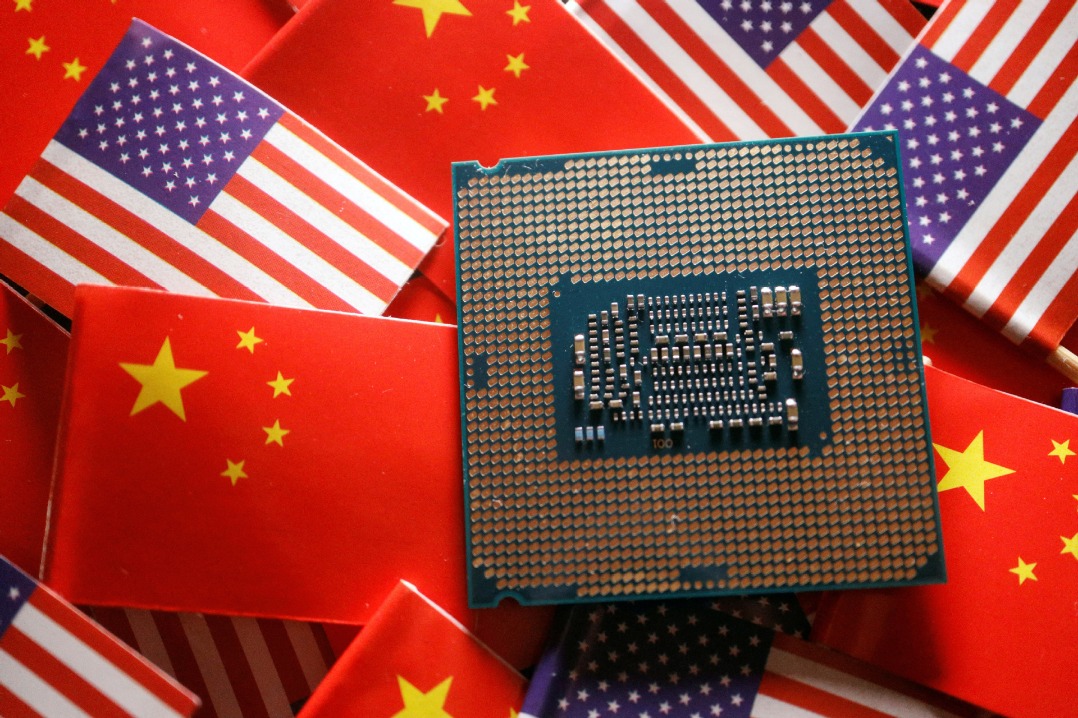
    The technological competition between the United States and China dominated bilateral relations throughout 2025, with semiconductor and artificial intelligence sectors emerging as primary battlegrounds in this strategic rivalry. Washington significantly expanded export control measures targeting Chinese technology companies while simultaneously pursuing international alliances to counter China’s growing technological influence.

    Throughout the year, the US Department of Commerce’s Bureau of Industry and Security implemented stringent restrictions, adding over 80 Chinese entities involved in advanced integrated circuits, quantum computing, and AI to its Entity List. The introduction of the controversial Affiliates Rule in September further extended these controls to foreign companies with significant ownership ties to listed entities, though implementation was temporarily suspended during trade negotiations.

    Concurrently, the US Treasury Department enacted outbound investment screening mechanisms effective January 2025, limiting American capital flow into Chinese semiconductor, quantum computing, and AI enterprises. The diplomatic offensive culminated in December with the ‘Pax Silica’ Declaration, through which Washington sought to establish a coalition of allied nations dedicated to creating alternative supply chains for critical minerals and technology components.

    Despite these comprehensive constraints, Chinese technology firms demonstrated remarkable resilience and innovation capacity. AI startup DeepSeek emerged as a particularly striking example, developing large language models that rivaled established US products while utilizing significantly reduced computational resources. Through sophisticated software optimization and hardware efficiency improvements, the company achieved performance levels comparable to OpenAI’s GPT-5 and Google’s Gemini 3.0 Pro.

    Similarly, Huawei and Semiconductor Manufacturing International Corporation (SMIC), both subject to Entity List restrictions, made substantial advances in domestic chip production technology. Huawei’s November release of the Kirin 9030 processor, manufactured using SMIC’s enhanced fabrication processes, represented China’s most sophisticated semiconductor achievement to date according to industry analysts.

    Technology policy experts increasingly question the long-term effectiveness of US export controls, noting that restrictions appear to be accelerating Chinese technological independence rather than stifling it. The International Center for Law and Economics and Information Technology and Innovation Foundation both published analyses suggesting that American measures have inadvertently stimulated innovation within China’s technology sector.

    The two nations presented contrasting visions for global AI governance, with the US emphasizing competitive leadership through its AI Action Plan while China promoted multilateral cooperation and inclusion of developing nations through its Global AI Governance Initiative. Despite these divergent approaches, experts identified potential areas for collaboration including apolitical technical standards, public health datasets, and energy infrastructure development for data centers.

    As trade negotiations continue into 2026, technology remains deeply intertwined with broader economic discussions, with semiconductor and AI policy expected to remain central factors shaping the complex relationship between the world’s two largest economies.

  • At least 7 explosions and low-flying aircraft are heard in Venezuela’s Caracas

    At least 7 explosions and low-flying aircraft are heard in Venezuela’s Caracas

    CARACAS, Venezuela — The pre-dawn hours of Saturday were shattered by a series of at least seven powerful explosions and the ominous sound of low-flying aircraft over Venezuela’s capital, sending panicked residents into the streets despite the early morning darkness. The mysterious incidents occurred approximately at 2:00 a.m. local time, with the origin and nature of the detonations remaining officially unconfirmed as multiple governments maintained silence.

    The unsettling events unfolded against a backdrop of dramatically escalating tensions between Venezuela and the United States, which has been conducting an extensive military campaign targeting alleged drug-smuggling operations in the region. According to the Trump administration, American forces have executed 35 separate boat strikes since early September, resulting in at least 115 casualties.

    Eyewitness accounts described a scene of chaos and terror. ‘The entire ground shook violently. This is absolutely horrifying. We heard consecutive explosions and aircraft in the distance,’ recounted Carmen Hidalgo, a 21-year-old office worker whose voice trembled as she spoke. She was returning from a birthday party with two relatives when the explosions occurred.

    Remarkably, Venezuelan state television continued regular programming without interruption, airing cultural content about national music and art rather than addressing the explosions. This broadcasting decision raised questions about the government’s response to the incidents.

    The geopolitical context adds layers of complexity to the situation. Just one day prior to the explosions, the Venezuelan government had expressed openness to negotiating an anti-drug trafficking agreement with the United States. However, President Nicolás Maduro simultaneously accused the U.S. of attempting to force regime change in Venezuela to gain access to the country’s substantial oil reserves through a prolonged pressure campaign that began with a massive military deployment to the Caribbean Sea in August.

    The relationship between the nations has further deteriorated following a recent CIA drone strike on Venezuelan soil targeting areas believed to be used by drug cartels—the first known direct U.S. operation on Venezuelan territory. Maduro himself faces narco-terrorism charges in the United States.

    Adding to the economic pressure, the U.S. has implemented sanctions against four Venezuelan oil companies and seized multiple sanctioned oil tankers near Venezuela’s coast, alongside establishing a naval blockade that effectively constricts the country’s economy.

    The American military presence in the region represents the largest in generations, highlighted by the November deployment of the nation’s most advanced aircraft carrier with thousands of additional troops. President Trump has characterized the boat strikes as a necessary escalation in what he describes as an ‘armed conflict’ with drug cartels responsible for funneling narcotics into the United States.

    International attention came from an unexpected source as Iranian state television reported on the Caracas explosions, showcasing images of the Venezuelan capital. The coverage underscored the strategic alliance between Iran and Venezuela, bonded significantly by their shared adversarial relationship with the United States.

  • Trump promise to intervene over Iran protests ‘reckless’ says foreign minister

    Trump promise to intervene over Iran protests ‘reckless’ says foreign minister

    Iranian officials have issued a stern rebuke of former US President Donald Trump’s offer to intervene in ongoing domestic protests, labeling his statements as dangerously irresponsible. The diplomatic clash emerged after Trump posted on social media that US forces were “locked and loaded and ready to go” should Iranian authorities move against peaceful demonstrators.

    Iran’s Foreign Affairs Minister Abbas Araghchi responded via social media platform X, asserting that “Iran will forcefully reject any interference in their internal affairs.” Drawing parallels to US domestic policy, Araghchi noted that Trump should understand from his own deployment of National Guard troops that attacks on public property cannot be tolerated.

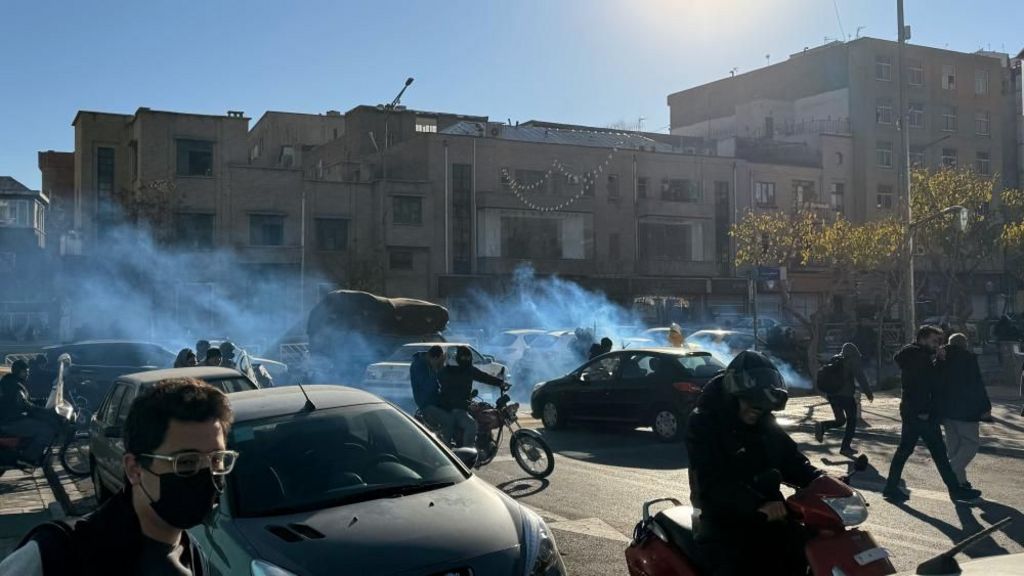
    The exchange occurs against a backdrop of significant civil unrest that has spread across multiple Iranian cities. According to various reports, at least eight fatalities have occurred during week-long demonstrations that began with shopkeepers protesting the Iranian currency’s sharp devaluation against the US dollar. The protests have since expanded to include university students and citizens chanting against the country’s clerical leadership.

    Iranian police spokesman General Saeed Montazerolmahdi stated that security forces would prevent “enemies” from transforming “unrest into chaos,” while President Masoud Pezeshkian acknowledged he would listen to “legitimate demands” of protesters. Simultaneously, Prosecutor-General Mohammad Movahedi-Azad warned that instability attempts would meet a “decisive response.”

    In a significant diplomatic move, Iran’s UN Ambassador Amir-Saeid Iravani formally requested the UN Security Council condemn Trump’s statements, warning that the US would bear “full responsibility for any consequences arising from these unlawful threats.” The current protests represent the most widespread demonstrations since the 2022 uprising sparked by Mahsa Amini’s death in custody, though on a smaller scale.

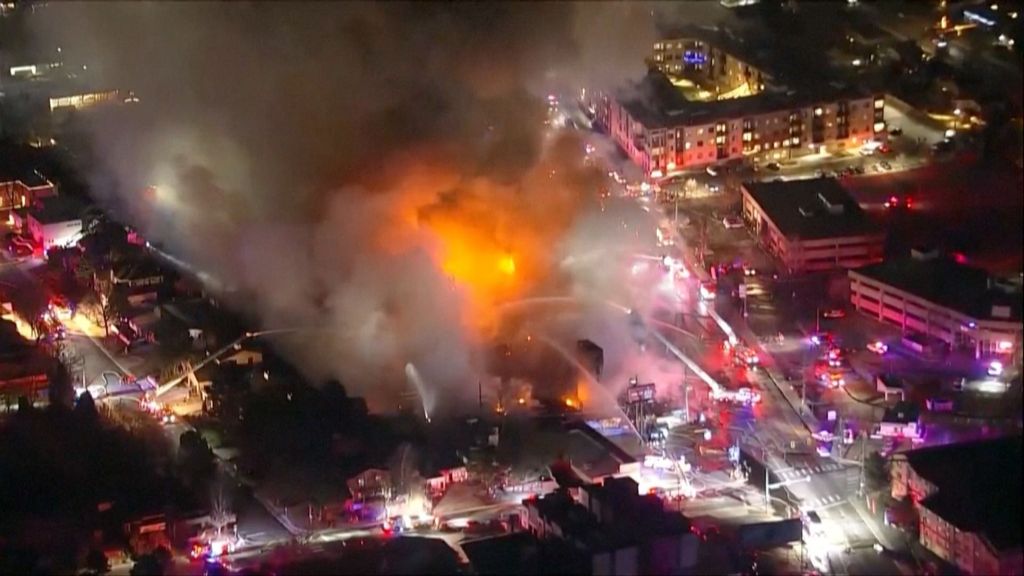
  • Watch: Over 100 firefighters on the scene of Denver blaze

    Watch: Over 100 firefighters on the scene of Denver blaze

    A significant fire response unfolded in Denver as more than 100 firefighters mobilized to combat a major structural blaze. Emergency crews demonstrated coordinated efforts at the scene, successfully preventing any civilian or first responder casualties despite the scale of the incident.

    Authorities have confirmed that while the fire’s intensity required substantial resources, their operational protocols ensured complete safety for all individuals involved. The precise location and specific property type affected have not been formally disclosed pending ongoing assessment.

    Investigative teams are now working diligently to determine the origin and cause of the fire, which remains officially undetermined at this time. Standard procedure for such incidents involves thorough examination of the site, evidence collection, and witness interviews before concluding the investigation.

    The Denver Fire Department emphasized that such large-scale responses reflect their preparedness for major emergencies, with personnel and equipment deployment meeting all safety standards. Further updates regarding property damage estimates and investigation findings are expected to follow in coming days.

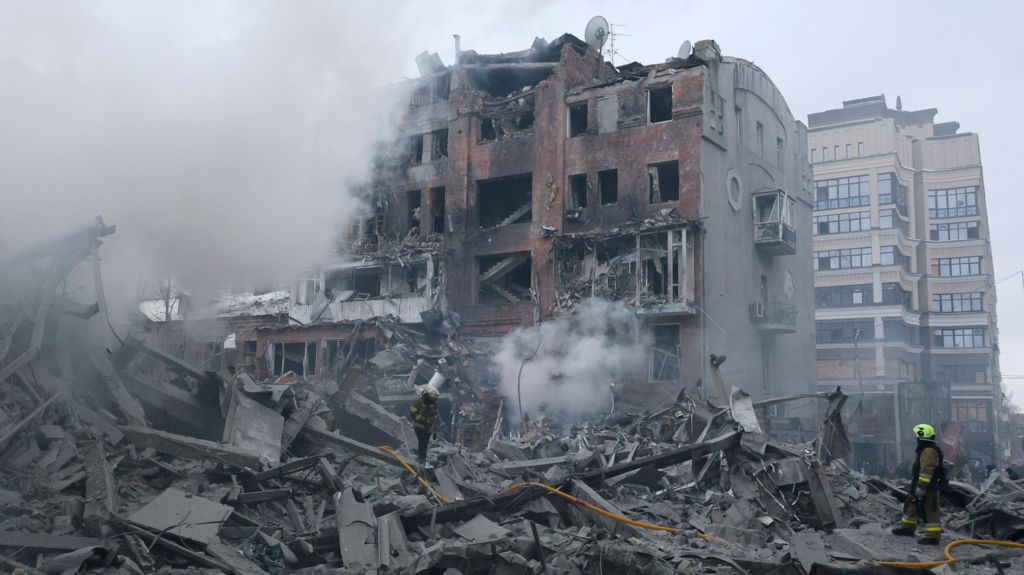
  • Missile attack on Kharkiv kills two including child, authorities say

    Missile attack on Kharkiv kills two including child, authorities say

    A Russian missile attack on the northeastern Ukrainian city of Kharkiv has resulted in multiple casualties, including the deaths of a woman and her three-year-old child, according to Ukrainian authorities. The strike, which occurred on Friday afternoon, targeted a multi-story residential apartment block that was nearly completely destroyed in the dual missile assault.

    Ukrainian President Volodymyr Zelensky condemned what he described as a ‘heinous’ attack that killed civilians even as diplomatic efforts intensify. Preliminary reports indicate that the victims found in the rubble were likely a mother and her young son. Among the approximately 28 injured victims was a six-month-old infant, with 16 requiring hospitalization for their wounds.

    Search and rescue operations continue at the devastated site, with over 80 emergency personnel and volunteers working to locate potential survivors beneath the wreckage. Regional Governor Oleh Syniehubov is overseeing the ongoing recovery efforts.

    The Russian Defense Ministry has categorically denied responsibility for the attack, asserting in an official Telegram statement that Russian forces ‘neither planned nor launched attacks using missile weapons or aircraft weapons within the city of Kharkiv.’ Russian officials instead suggested the destruction resulted from Ukrainian ammunition detonating, citing pre-attack footage showing ‘heavy smoke of unknown origin.’

    The attack comes at a diplomatically sensitive moment, with crucial peace talks brokered by the United States scheduled to take place in Kyiv on Saturday. President Zelensky indicated that approximately 15 countries are expected to participate in the discussions, along with representatives from the EU and NATO, with a US delegation joining via video link. This meeting will be followed by a gathering of the ‘coalition of the willing’ in France on January 6th.

    In a related development, Russian authorities have accused Ukraine of conducting a drone strike on a New Year’s Eve celebration in the village of Khorly in the Russian-occupied Kherson region, claiming at least 27 fatalities and over 30 injuries. Ukraine has declined to directly address these allegations, maintaining that it adheres to international humanitarian law by exclusively targeting military installations.

    The BBC has been unable to independently verify casualty figures from either incident amid the ongoing conflict and information warfare between the two nations.

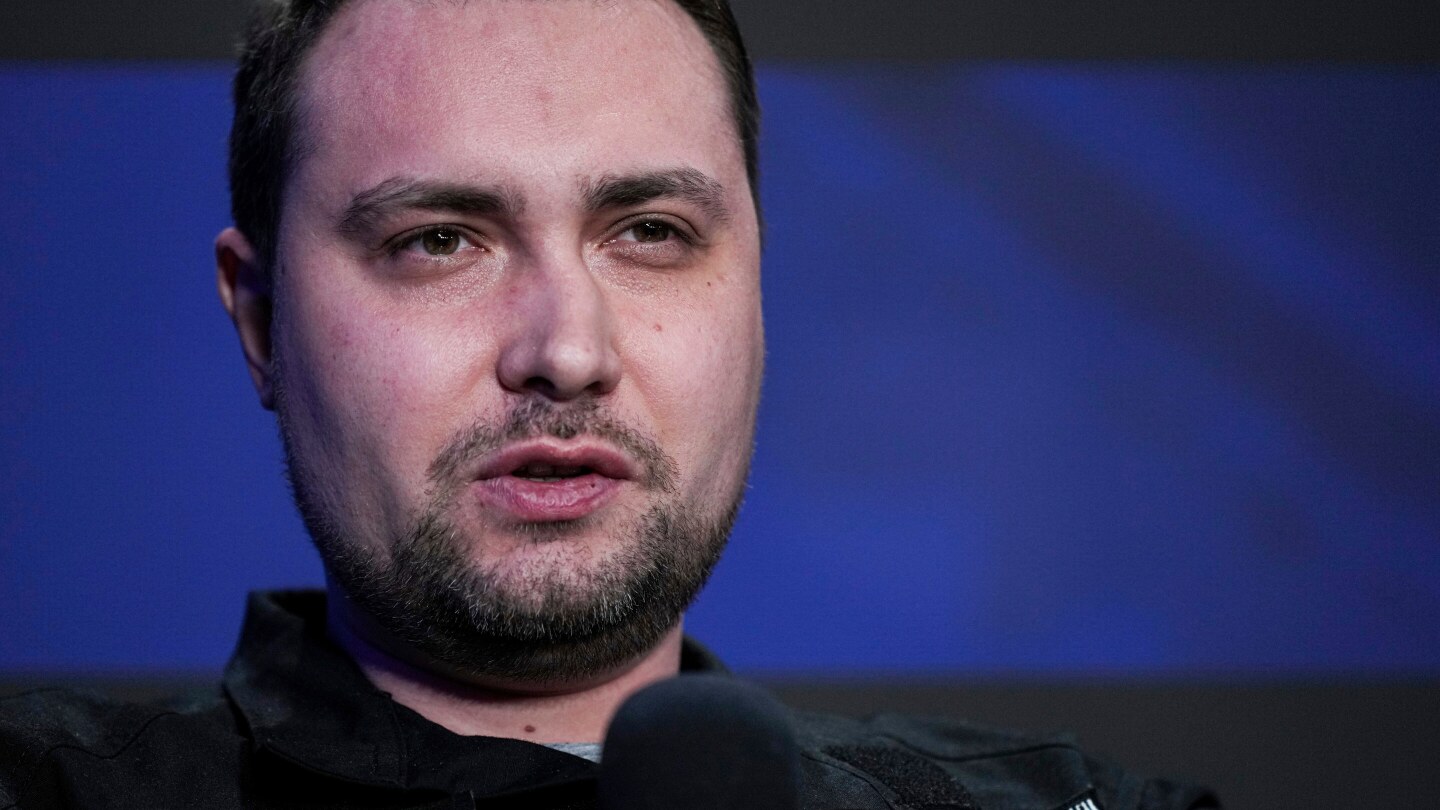
  • What to know about the Ukrainian general picked by Zelenskyy to be his new chief of staff

    What to know about the Ukrainian general picked by Zelenskyy to be his new chief of staff

    In a strategic reshuffle at the highest level of Ukraine’s government, President Volodymyr Zelenskyy has appointed General Kyrylo Budanov, the nation’s military intelligence director, to serve as his new chief of staff. This pivotal transition occurs during an exceptionally delicate phase of Russia’s prolonged invasion, now approaching its fourth year.

    General Budanov assumes the role previously held by Andrii Yermak, Zelenskyy’s longstanding principal aide who resigned in November following anti-corruption authorities searching his residence. This investigation centered on alleged graft within Ukraine’s energy sector, delivering a significant blow to the presidential administration and potentially disrupting diplomatic strategies during ongoing U.S.-mediated peace initiatives.

    At 39 years old, Budanov has commanded Ukraine’s Military Intelligence Directorate (GUR) since 2020, establishing himself as both a popular public figure and architect of numerous successful operations against Russian military assets. His career trajectory accelerated following Russia’s unlawful annexation of Crimea in 2014, with subsequent participation in special operations against Moscow-backed separatist forces. His hands-on battlefield experience includes surviving combat injuries and evading multiple assassination attempts by Russian security services.

    Under Budanov’s leadership, the GUR dramatically expanded its operational scope, coordinating sophisticated intelligence, sabotage, and special missions targeting Russian command structures, logistical networks, energy infrastructure, and naval assets—often deep within Russian territory and occupied Ukrainian regions. His frequent media appearances blended strategic messaging with psychological operations against Russian forces.

    Budanov’s appointment signals a pronounced shift toward prioritizing foreign policy, defense, and security within the presidential administration. This reorganization coincides with intensified diplomatic efforts to resolve the conflict, with Zelenskyy recently indicating that a peace agreement is approximately 90% finalized—though acknowledging the remaining 10% involving territorial disputes will ultimately determine Ukraine’s sovereign future.

    Having previously participated in diplomatic delegations collaborating with U.S. negotiators and facilitating prisoner exchanges with Russian counterparts, Budanov’s exact role in future peace processes remains undefined. In his initial response to the appointment, Budanov expressed gratitude for Zelenskyy’s confidence, declaring on Telegram: ‘I continue to serve Ukraine. This represents both an honor and a responsibility—at this historic juncture for our nation—to concentrate on critically important issues of strategic state security.’

  • Six people injured in the fatal fire at a Swiss bar remain unidentified. It’s an unbearable wait

    Six people injured in the fatal fire at a Swiss bar remain unidentified. It’s an unbearable wait

    CRANS-MONTANA, Switzerland — A devastating New Year’s Eve fire at the Le Constellation bar in this Alpine ski resort has resulted in one of Switzerland’s worst modern tragedies, with authorities confirming 40 fatalities and 119 injured. The catastrophic blaze has left families in agonizing uncertainty as forensic teams struggle to identify victims due to severe burns and the complete destruction of personal identification documents.

    The Valais regional government acknowledged the profound grief affecting countless families. Attorney General Beatrice Pilloud emphasized that identification remains the absolute priority to allow mourning processes to begin. Regional government head Mathias Reynard described the situation as ‘particularly difficult hours’ filled with ‘unbearable minutes without answers.’

    Investigators have determined the fire originated from sparkling candles atop Champagne bottles that ignited ceiling materials approximately two hours after midnight. The bar was crowded with revelers, many aged from their teens to mid-20s, celebrating the New Year.

    Eyewitness Marc-Antoine Chavanon, 14, recounted the horror to The Associated Press: ‘We were bringing people out, people were collapsing. We helped as many as we could. We saw people screaming, running. There was one of our friends: She was struggling to get out, she was all burned. You can’t imagine the pain I saw.’

    The international scope of the tragedy has emerged, with victims including 71 Swiss nationals, 14 French, 11 Italians, and citizens from across Europe including Serbia, Bosnia-Herzegovina, Luxembourg, Belgium, Portugal and Poland. Among the missing is Emanuele Galeppini, a promising Italian teenage golfer who competed internationally, though the Italian Golf Federation has already announced his death.

    Authorities are conducting multiple investigations into safety measures, including whether sound-dampening ceiling materials met regulations, if the candles were permitted for indoor use, and the adequacy of fire extinguishers and escape routes. The regional prosecutor warned of potential criminal prosecutions if negligence is established.

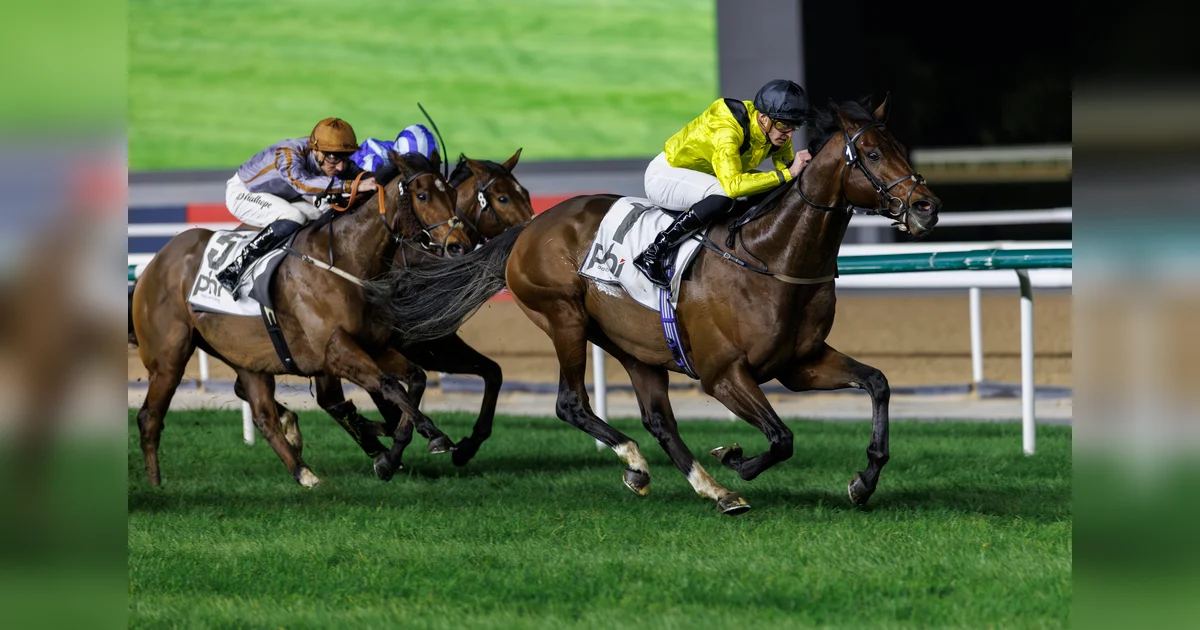
  • More fireworks at Meydan as Buick, Doyle and De Sousa spark 2026 Dubai Racing Carnival

    More fireworks at Meydan as Buick, Doyle and De Sousa spark 2026 Dubai Racing Carnival

    The 2026 Dubai Racing Carnival commenced with spectacular energy at Meydan Racecourse, setting an electrifying tone for the upcoming 30th anniversary Dubai World Cup. The opening night showcased elite jockey talent and emerging equine stars, generating widespread optimism for the season ahead.

    Reigning UAE Champion Silvestre De Sousa and former Godolphin duo William Buick and James Doyle dominated the card, collectively securing six victories. Doyle expertly guided Quddwah to a commanding win in the featured Group 2 Zabeel Mile for trainers Simon and Ed Crisford, immediately sparking discussions about the horse’s potential to emulate his dam Sajjhaa’s 2013 Dubai Turf triumph.

    Trainer Ed Crisford expressed considerable confidence in Quddwah’s future prospects, noting the horse’s smooth adaptation to Meydan’s conditions. The Crisford-Doyle partnership achieved a double when Meydaan demonstrated powerful finishing in the Zoho Handicap over 2800 meters.

    De Sousa delivered a masterclass in timing aboard El Nasseeb, securing back-to-back victories in the Dubai Stakes (G3). Trainer Musabbeh Al Mheiri acknowledged the sprinter’s potential for World Cup night consideration while emphasizing the need for careful campaign planning.

    The evening featured several breakthrough moments, including Billy Loughnane’s inaugural Meydan victory aboard Two Tribes just days after breaking Kieren Fallon’s longstanding record of 222 winners in a calendar year. British trainer Richard Spencer celebrated this milestone while eyeing future international competitions.

    Additional international success came via Ed Walker’s first UAE training victory with Northern Champion, who displayed exceptional determination under jockey Kieran Shoemark. William Buick contributed significantly to the evening’s excitement with a double, including a impressive performance by Six Speed in the UAE 2000 Guineas Trial.

    With world-class competition established from the outset, the 2026 Carnival has positioned itself as a compelling precursor to the historic 30th Dubai World Cup celebration, promising exceptional racing action throughout the winter season.

  • Watch: Woman leads orchestra suspended mid-air in jaw-dropping Burj Khalifa NYE feat

    Watch: Woman leads orchestra suspended mid-air in jaw-dropping Burj Khalifa NYE feat

    Dubai’s iconic Burj Khalifa provided the backdrop for an unprecedented New Year’s Eve performance that defied both gravity and conventional entertainment boundaries. Lebanese conductor Yasmina Sabah ascended slowly above the Dubai Fountain while expertly leading an orchestra positioned beneath her, creating a breathtaking fusion of musical artistry and aerial theatrics.

    The spectacle, orchestrated by developer Emaar, featured Sabah elevated in a brilliant red gown specifically designed to visually emphasize her altitude against the night sky. The garment’s extended train flowed dramatically beneath her as she conducted the ensemble, with the Burj Khalifa illuminated in golden hues during her ascent.

    In a recent interview with Lebanese publication Annahar, Sabah revealed the extraordinary nature of her selection process. ‘Several months ago, I received an email inquiring whether I could lead an orchestra while flying,’ she recounted. ‘Although uncertain how to respond, I agreed without excessive deliberation.’

    Contrary to assumptions that such a technologically complex production would require extensive local preparation, Sabah arrived in Dubai merely ten days prior to the global broadcast event. ‘We underwent intensive training, but it represented an extraordinary experience uniting international artists through magnificent production values,’ she noted.

    The performance synchronized perfectly with the countdown to 2026, enabling Sabah to musically farewell 2025 while symbolically representing Lebanese cultural achievement on a global platform. For those who missed the live event, the conductor will recreate her aerial performance daily until January 7, with full documentation available via YouTube broadcasts.

    Sabah brings established credibility to the achievement, having previously conducted during Expo 2020 Dubai while maintaining leadership of Lebanon’s Firdaus Orchestra and Choeur de l’USJ. This latest feat establishes new precedents for integrating performing arts with architectural marvels in large-scale public celebrations.

  • UAE-India flights: Airline offers Dh2 discounted price for excess baggage

    UAE-India flights: Airline offers Dh2 discounted price for excess baggage

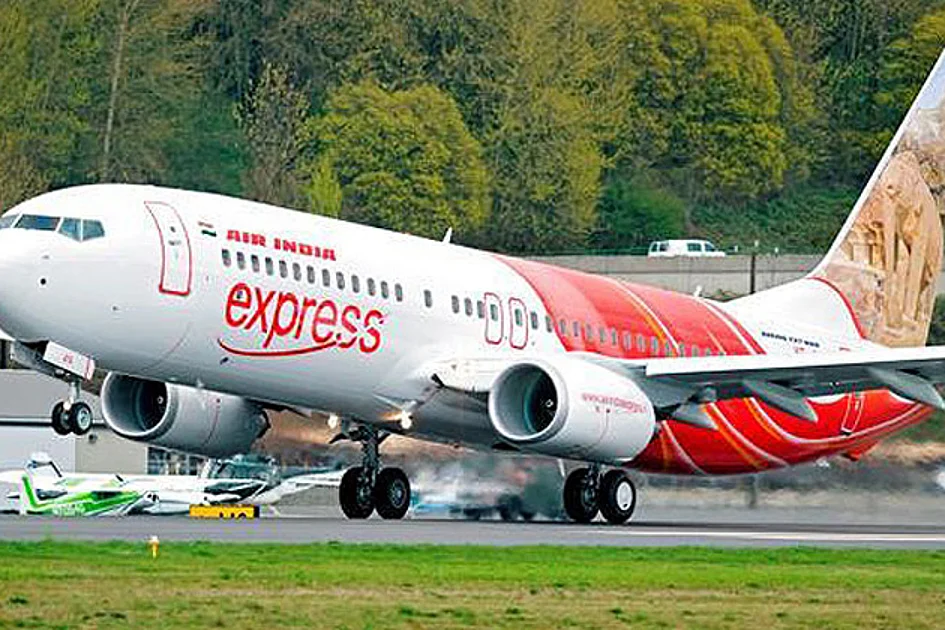
    In a groundbreaking move for budget-conscious travelers, Air India Express has unveiled an unprecedented excess baggage promotion for passengers traveling between the United Arab Emirates and India. The low-cost carrier is offering additional checked baggage at a remarkably reduced rate of just Dh2 for both 5kg and 10kg increments during a limited promotional period.

    The special offer, part of the airline’s New Year campaign, remains available for bookings made through January 31, 2026, with travel validity extending from January 16 to March 10, 2026. This discounted rate applies across all fare categories—Xpress Value, Xpress Lite, Xpress Flex, and Xpress Biz—representing substantial savings compared to standard excess baggage fees that typically range between Rs700 (Dh28.54) and Rs3,600 for international flights.

    The strategic pricing initiative comes during the traditional lean travel season when airlines typically introduce competitive fares and baggage allowances to boost seat occupancy on key routes. The UAE-GCC-India corridor ranks among the world’s busiest air travel routes, serving over nine million Indian nationals residing across Gulf Cooperation Council countries, including approximately four million in the UAE alone.

    Air India Express has extended similar discounted baggage rates across other GCC nations, with passengers from Bahrain, Kuwait, Oman, Qatar, and Saudi Arabia able to purchase additional baggage for the equivalent of Dh2 in local currencies. The airline operates direct flights between major Indian cities and UAE destinations, catering to the substantial diaspora population that frequently travels between the regions with family members.

    This pricing strategy demonstrates how budget carriers are increasingly using ancillary service discounts to attract price-sensitive travelers while maintaining competitive advantage against full-service airlines that typically charge higher rates for excess baggage.