作者: admin

  • UAE-backed southern Yemen separatists to hold independence referendum

    UAE-backed southern Yemen separatists to hold independence referendum

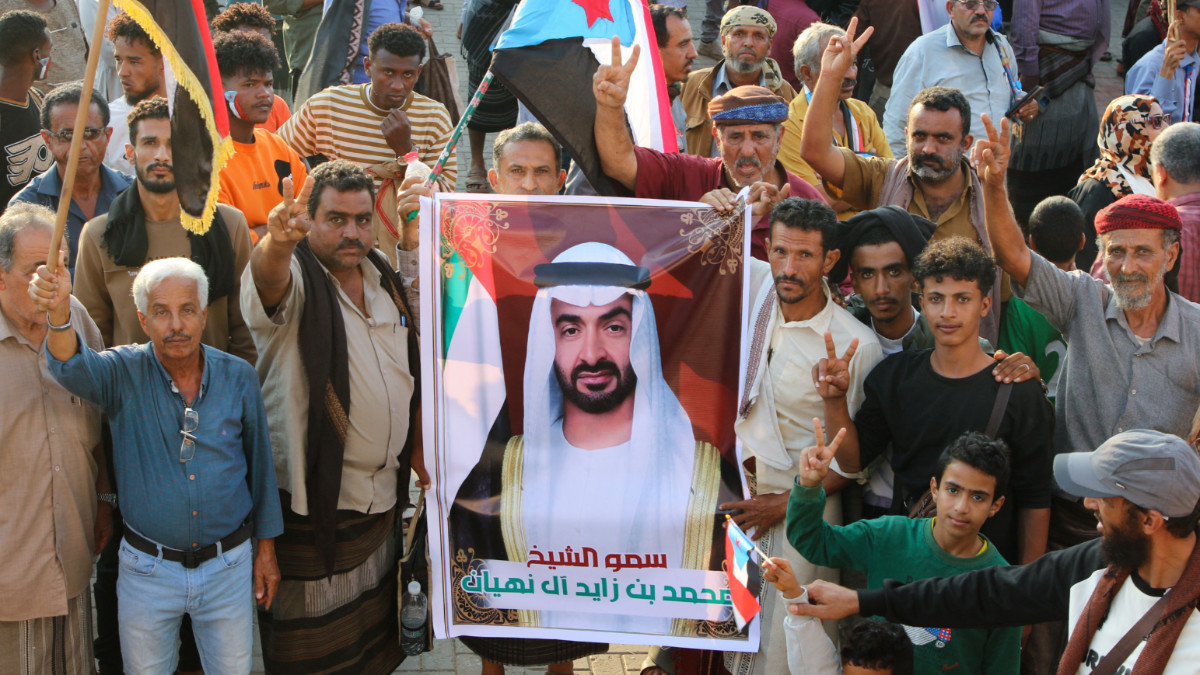
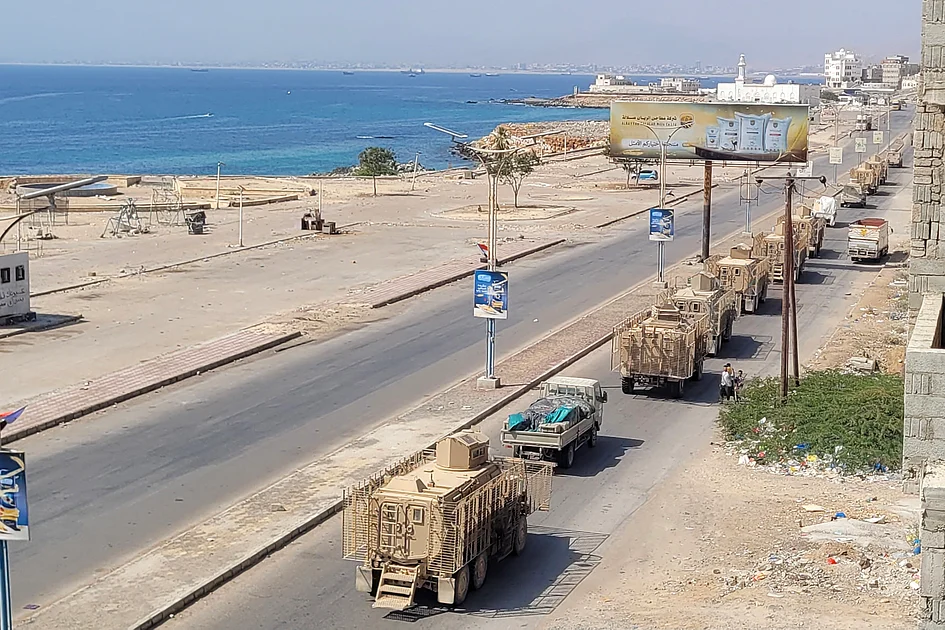
    Yemen’s Southern Transitional Council (STC), a secessionist faction with backing from the United Arab Emirates, has declared plans to conduct a referendum on independence within two years, escalating tensions with Saudi Arabia and its allied Yemeni government forces. The announcement comes amid intensified military confrontations that have exposed deepening fractures between the Gulf powerhouses.

    STC President Aidaros Alzubidi proclaimed the commencement of a transitional period in a televised address Friday, urging international mediation for north-south dialogue while threatening immediate independence declaration if southern territories face further military aggression. “This constitutional declaration shall be considered immediately and directly effective if the people of the south, their land, or their forces are subjected to any military attacks,” Alzubidi warned.

    The political maneuver coincides with lethal battlefield exchanges across southern Yemen. Saudi airstrikes targeted STC positions in Hadhramaut province Friday, resulting in 29 separatist fatalities according to STC officials. These operations supported government-aligned National Shield forces attempting to reclaim territory lost to the separatists in December.

    The conflict reveals deteriorating Saudi-Emirati coordination in Yemen, where both nations initially intervened against Houthi rebels a decade ago. Recent divergences extend beyond Yemen to include contrasting approaches toward Israel’s Gaza operations and Syrian normalization efforts. Notably, the UAE abstained from condemning Israel’s recognition of Somaliland independence—another breakaway region with Abu Dhabi ties—potentially establishing precedent for the STC’s self-determination push.

    Yemen’s internationally recognized government, backed by Riyadh, maintains opposition to southern secession. Hadhramaut Governor Salem al-Khanbashi echoed calls for peaceful dialogue Friday, stating: “We renew the emphasis on the justice of the southern cause, while rejecting the path of military control and confrontation.” The STC nevertheless asserts their constitutional declaration aligns with international law, as spokesperson Anwar al-Tamimi emphasized to Al Jazeera.
  • ‘Locked and loaded’: Trump threatens Iran over protester deaths

    ‘Locked and loaded’: Trump threatens Iran over protester deaths

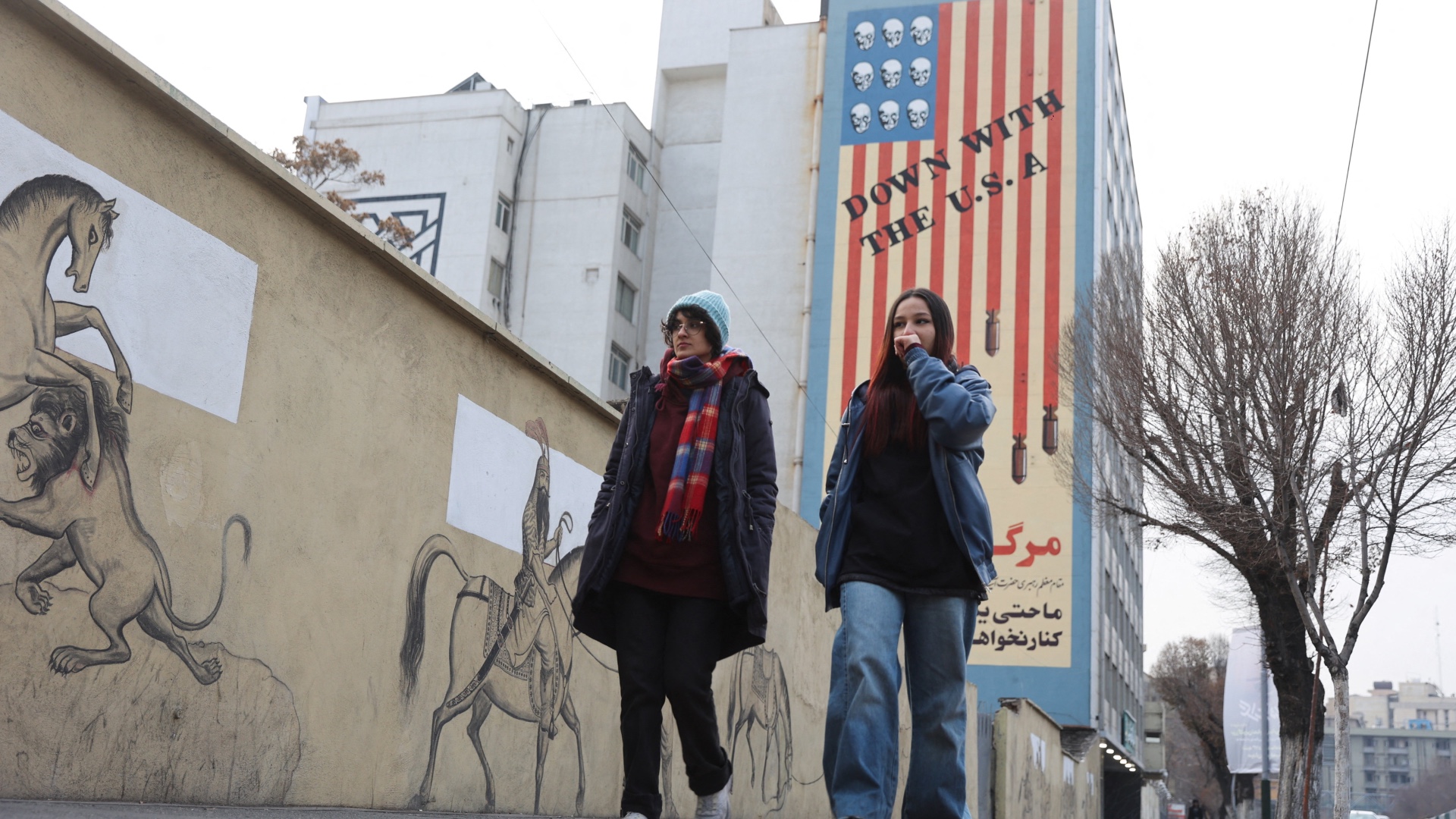
    Former US President Donald Trump has issued a direct threat of military intervention against Iran, warning that American forces stand ready to “rescue” Iranian citizens if their government continues its violent suppression of ongoing protests. The declaration came via Trump’s TruthSocial platform, where he stated: “If Iran shoots and violently kills peaceful protesters, which is their custom, the United States of America will come to their rescue. We are locked and loaded and ready to go.

    The protests have emerged in response to a severe economic crisis that has seen Iran’s currency effectively collapse under the weight of US sanctions. Current exchange rates show one US dollar equivalent to over 42,000 Iranian Rial (IRR), with the unofficial daily currency, the Toman (equivalent to 10 IRR), driving basic living costs to unsustainable levels. A traditional meal now costs approximately 600 Toman, highlighting the economic pressure on citizens.

    Iran’s leadership responded swiftly to Trump’s threats. Ali Larijani, secretary of Iran’s Supreme National Security Council, warned on social media platform X that US intervention “corresponds to chaos in the entire region and the destruction of US interests,” likely referencing Iran’s capability to target US military bases in the region. Larijani further cautioned American citizens to “take care of their own soldiers,” accusing Trump of initiating “adventurism.”

    The exchange occurs against the backdrop of recent meetings between Trump and Israeli Prime Minister Benjamin Netanyahu, where Iran’s nuclear program featured prominently on their agenda. Trump claimed that US and Israeli actions had previously “obliterated” Iranian nuclear sites, though Iran disputes this assertion. The former president added that if Iran attempts to rebuild its nuclear capabilities, “we’re going to have to knock them down… We’ll knock the hell out of them,” while leaving open the possibility of diplomatic resolution.

    Netanyahu, during his US visit, continued his longstanding advocacy for military action against Iran, alleging Tehran’s involvement in “exporting terrorism” throughout the Middle East and even to Venezuela. His comments aligned with the Trump administration’s concurrent threats against Venezuelan President Nicolas Maduro, including multiple strikes on vessels in the Caribbean Sea that the US claims are drug boats originating from Venezuela.

  • Yemen: STC announce two-year transition towards independence in south

    Yemen: STC announce two-year transition towards independence in south

    The Southern Transitional Council (STC), a major secessionist force in Yemen, has formally declared the commencement of a two-year transitional process aimed at achieving full independence for the nation’s southern regions. The landmark announcement was delivered by STC leader Aidarus al-Zubaidi in a primetime televised address on Friday, January 2nd, 2026.

    This decisive move follows the STC’s military successes, wherein its forces have effectively seized and consolidated control over substantial territories across southern Yemen. The council’s strengthened position on the ground has provided the impetus for this political maneuver towards statehood.

    “Guided by the overwhelming desire and sovereign will of our southern people to reclaim and proclaim their independent state, we hereby announce the beginning of a transitional phase set to last for two years,” stated al-Zubaidi, framing the decision as a direct response to the populace’s aspirations.

    The proclamation signals a critical juncture in Yemen’s complex geopolitical landscape, potentially fracturing the country further and redrawing the map of a region already embroiled in a prolonged and devastating multi-party civil war. The STC’s roadmap challenges the existing framework of a unified Yemen and could significantly alter the dynamics of both the ongoing conflict and future diplomatic negotiations, presenting a new challenge to the internationally recognized government and other warring factions.

  • UAE: How new law enables minors to manage financial assets, inherited funds

    UAE: How new law enables minors to manage financial assets, inherited funds

    In a landmark legislative reform, the United Arab Emirates has enacted significant amendments to its Civil Transactions Law that fundamentally alter how minors can engage with financial assets. The revised legislation reduces the age at which young individuals may seek court authorization to manage their financial affairs from 18 Hijri years (based on the Islamic lunar calendar) to 15 Gregorian years (solar calendar), representing a substantial shift in legal capacity recognition.

    The reform simultaneously lowers the age of majority from 21 lunar years to 18 Gregorian years, effectively streamlining the transition to full legal adulthood. This dual adjustment addresses previous complexities arising from the coexistence of different calendar systems in age calculations.

    Judicial oversight remains the cornerstone of this new framework. Minors seeking financial management privileges must demonstrate sufficient maturity and capability through a formal court application process. Judges retain discretionary authority to impose specific conditions or limitations to safeguard the minor’s interests, ensuring each case receives individualized assessment rather than granting automatic financial independence.

    According to legal expert Samara Iqbal, Founder of Aramas International Lawyers, these provisions specifically target scenarios involving inherited wealth, business interests, or investment portfolios rather than establishing blanket financial autonomy. ‘Judicial oversight remains key,’ Iqbal emphasized, ‘as the court assesses the minor’s competence and may impose limits or conditions to protect their interests.’

    The amendments form part of broader legal modernization initiatives within the UAE, reflecting the nation’s commitment to aligning its legal framework with contemporary social and economic realities. Additional reforms within the same legislative package include updates to proprietary rights, enhanced protection of individual autonomy, expanded judicial assistance provisions, and adjustments to blood money regulations in certain cases.

    This progressive legal evolution aims to foster youth participation in economic activities while maintaining appropriate safeguards, potentially supporting young entrepreneurs and enabling responsible financial management under supervised conditions.

  • Four challenges facing New York City Mayor Mamdani

    Four challenges facing New York City Mayor Mamdani

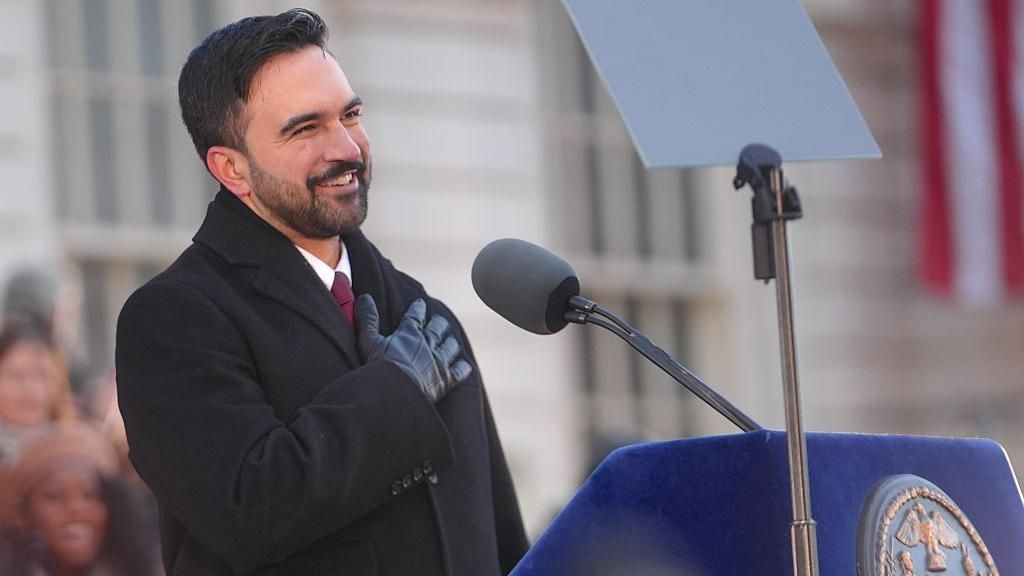
    On a frigid January morning in 2026, Zohran Mamdani assumed leadership of America’s largest city amidst thousands of cheering supporters, pledging to fundamentally reshape New York’s governance. The 34-year-old democratic socialist, whose unexpected electoral victory stunned political establishments, promised to deliver an unprecedented agenda centered on safety, affordability, and governmental representation that mirrors the city’s diverse population.

    Mamdani’s progressive platform includes revolutionary proposals: universal childcare, completely free public bus transportation, and municipally-operated grocery stores. His administration immediately faces the complex reality of implementing these ambitious policies within New York’s intricate political ecosystem. According to political analysts, while some objectives like rent freezes for subsidized housing can be achieved through strategic appointments to city boards, the more financially demanding promises encounter significant obstacles.

    Professor Robert Shapiro of Columbia University notes the fundamental challenge: ‘Initiatives like free bus service and universal childcare require substantial funding. The primary constraints will be New York State’s financial capacity and Governor Hochul’s political willingness to support Mamdani’s proposed tax increases.’ The mayor’s plan to raise corporate taxes from 7.25% to 11.5% and generate $9 billion through wealth taxes requires state legislative approval—a potential stumbling block given Hochul’s moderate stance and her own reelection considerations.

    The new administration must also navigate relationships with federal authorities and business leaders. Despite President Trump’s pre-election characterization of Mamdani as a ‘communist’ threat and warnings about withholding federal funds, their initial November meeting surprisingly yielded mutual praise. However, immigration policy remains a potential flashpoint between the progressive mayor and conservative president.

    Wall Street’s initial apprehension toward Mamdani has gradually evolved into cautious engagement. After his primary victory sparked concerns among business leaders—some threatening relocation, others funding opposition campaigns—the mayor has actively sought dialogue with influential figures including JPMorgan Chase CEO Jamie Dimon and real estate developer Jeffrey Gural. While describing Mamdani as ‘personable’ and ‘smart,’ business leaders continue expressing concerns about his limited executive experience and potential tax policies driving corporations from the city.

    Public safety presents another critical challenge. Despite homicide and shooting rates reaching near-record lows in 2025, maintaining security remains paramount. Mamdani proposes establishing a Department of Community Safety focusing on mental health programs, crisis response, and subway outreach workers—building upon but aiming to improve similar initiatives from the Adams administration that critics found inadequate.

    Political analyst Patrick Egan observes that reduced crime rates provide ‘wiggle room to think creatively’ about public safety, though Democratic strategist Howard Wolfson emphasizes that policing effectiveness and quality-of-life crime management will ultimately define the administration’s perceived success or failure. Mamdani’s decision to retain Police Commissioner Jessica Tisch from the previous administration has been widely interpreted as a pragmatic move signaling continuity in public safety approaches.

  • Two people killed in magnitude 6.5 earthquake in Mexico

    Two people killed in magnitude 6.5 earthquake in Mexico

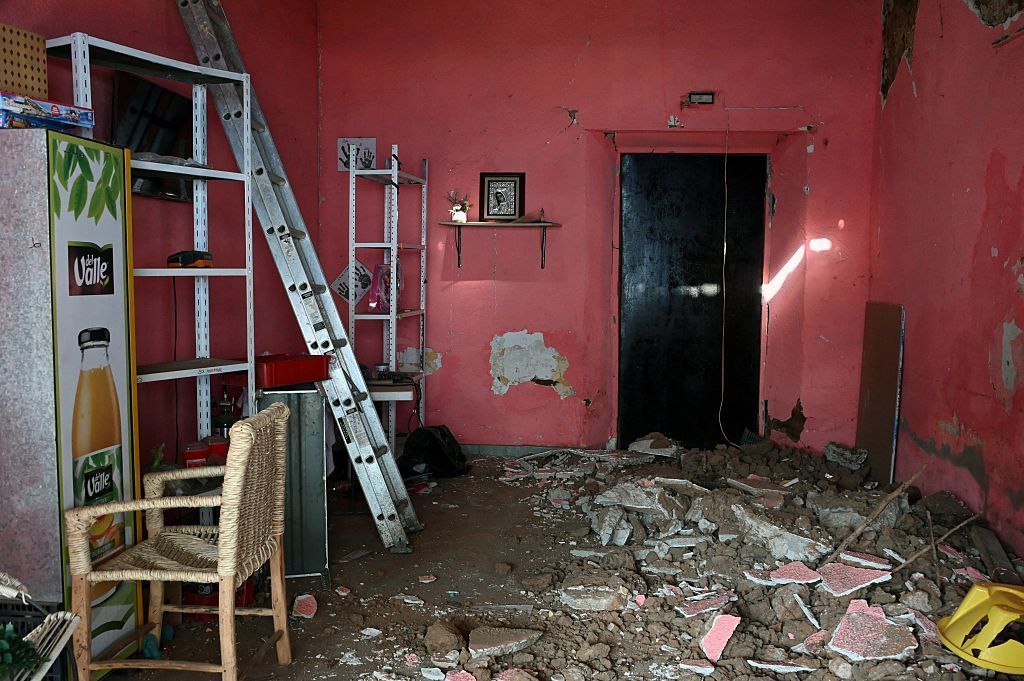
    A significant seismic event measuring 6.5 on the Richter scale struck southern and central Mexico on Friday, resulting in multiple casualties and widespread structural damage. The earthquake’s epicenter was located near the coastal tourist destination of Acapulco, specifically close to San Marcos in Guerrero state, triggering immediate emergency responses across affected regions.

    Official reports confirm at least two fatalities from the tremors. Guerrero State Governor Evelyn Salgado identified one victim as a 50-year-old woman, while Mexico City Mayor Clara Brugada confirmed the death of a 60-year-old man. Additionally, medical authorities reported approximately 12 individuals sustained injuries during the event. Mayor Brugada noted that aftershocks continued to reverberate through the region hours after the initial quake.

    The seismic activity prompted immediate evacuations throughout Mexico City and Acapulco as the Mexican Seismic Alert System activated. This sophisticated warning mechanism, implemented after the catastrophic 1985 earthquake that claimed over 10,000 lives, provided critical seconds for residents and tourists to seek safety.

    Structural engineers initiated emergency assessments of potentially compromised buildings, with two structures evaluated for collapse risk and 34 buildings plus five homes undergoing comprehensive inspections as precautionary measures.

    The earthquake occurred during President Claudia Sheinbaum’s inaugural press conference of the year, with video footage capturing the moment she interrupted proceedings to ensure orderly evacuation. The president’s calm response exemplified official preparedness protocols, including reminders about maintaining ‘Life Backpacks’—emergency kits containing essential survival items such as flashlights, radios, water, non-perishable food, warm clothing, and document copies.

    Mexico’s position within one of the world’s most seismically active regions was underscored by this event, coming seven years after the devastating 2017 earthquake that killed over 200 people and destroyed numerous structures in Mexico City.

  • The year angry men dominated Bollywood – and what it means for India

    The year angry men dominated Bollywood – and what it means for India

    India’s cinematic landscape experienced a dramatic pendulum swing in 2025 as hypermasculine action thrillers reclaimed box office dominance, abruptly ending what many had hoped would become a sustained era of feminist storytelling. The year’s defining hit, Ranveer Singh’s espionage thriller ‘Dhurandhar,’ set against India-Pakistan tensions, became the cultural touchstone for a industry-wide reversion to aggressive, male-driven narratives packed with graphic violence and gangland politics.

    This marked a stark departure from 2024’s groundbreaking achievements when women-led productions including Payal Kapadia’s ‘All We Imagine As Light,’ Shuchi Talati’s ‘Girls Will Be Girls,’ and Kiran Rao’s ‘Laapataa Ladies’ earned global acclaim. Film critic Mayank Shekhar characterized 2024 as “a moment of truth” that established Indian women filmmakers as “leading global voices rather than marginal ones.”

    Despite these breakthroughs, 2025’s top ten box office performers featured exclusively male-centric narratives except for the Malayalam-language superhero film ‘Lokah.’ The trend extended beyond action genres with romance blockbuster ‘Saiyaara’ featuring a troubled male rockstar ‘rescuing’ his partner from Alzheimer’s, while southern superstar Dhanush’s ‘Tere Ishk Mein’—despite criticism for romanticizing toxic masculinity—became his highest-grossing Hindi release at 1.55 billion rupees ($17.26 million).

    Industry analysts note this regression reflects deep structural inequalities. Priyanka Basu, Senior Lecturer in Performing Arts at King’s College London, observes that Hindi cinema has historically marginalized women protagonists, with persistent disparities in casting, pay, and opportunities. The male-centric fixation traces back to Amitabh Bachchan’s 1970s ‘angry young man’ archetype, with even Shah Rukh Khan’s romantic era giving way to action-heavy blockbusters like ‘Pathaan’ and ‘Jawan.’

    Alarmingly, streaming platforms once considered safe havens for diverse storytelling have mirrored theatrical trends. An Ormax Media analysis of 338 Hindi streaming shows revealed male-led action/crime thrillers now constitute 43% of content, while female-led stories plummeted from 31% in 2022 to just 12% in 2025.

    Yet hope persists through regional cinema and independent filmmakers. Telugu’s ‘The Girlfriend,’ Tamil’s ‘Bad Girl,’ and Malayalam’s ‘Feminichi Fathima’ explore feminist narratives with nuance, while streaming series ‘The Great Shamsuddin Family’ earns praise for capturing modern Muslim women’s complexities. As screenwriter Anu Singh Choudhary notes, “It’s a quieter movement working from the margins—and it isn’t going to disappear.”

  • ‘Somewhere to put worker bees’: Why Canada’s micro-condos are losing their appeal

    ‘Somewhere to put worker bees’: Why Canada’s micro-condos are losing their appeal

    Canada’s once-booming micro-condo market is experiencing its most severe downturn in decades, with values collapsing faster than any other housing segment amid unprecedented market pressures. The phenomenon, particularly pronounced in Toronto and Vancouver, represents a dramatic reversal for ultra-compact units that became ubiquitous over the past decade.

    The current crisis stems from a perfect storm of market forces: an oversupply of units constructed during a period of rapid population growth, shifting immigration policies that reduced demand, and rising interest rates that cooled investor enthusiasm. Urbanation President Shaun Hildebrand notes that developers ‘got way too ahead of themselves,’ creating thousands of units for a demand that abruptly vanished.

    Statistics reveal the scale of this market miscalculation. Micro-units under 600 square feet now constitute 38% of Toronto’s condo inventory, skyrocketing from just 7.7% before 2016. Investors own the majority of these compact units, which were specifically designed to maximize profitability in high-land-value urban centers.

    The correction has been severe. Properties that commanded half-million-dollar price tags just years ago are now reselling for C$300,000 or less—previously unthinkable pricing for downtown Toronto real estate. This represents what industry experts characterize as ‘a race to the bottom’ as investors struggle to offload properties purchased during the market peak.

    The downturn has prompted serious reevaluation within the development community. Many acknowledge having over-prioritized investor interests by creating units primarily designed for rental income or quick resale rather than long-term habitation. This approach has proven unsustainable as market conditions shifted.

    Paradoxically, renters are emerging as temporary beneficiaries of the crisis. Former micro-condo resident Maggie Hildebrand exemplifies this trend, having upgraded from her 300-square-foot unit to a 700-square-foot apartment for only C$200 more monthly. The increased supply has created slightly better rental deals and more options for urban dwellers.

    Looking forward, experts warn that the current price slump may be short-lived. With thousands of planned units now cancelled or postponed, Canada faces a potential supply shortage that could exacerbate the nation’s ongoing housing crisis by the decade’s end. The market correction, while painful for investors, may ultimately reshape development priorities toward more sustainable housing solutions that better balance investor interests with resident needs.

  • Jessie Buckley ‘overwhelmed’ to be starring in Oscar-tipped Hamnet

    Jessie Buckley ‘overwhelmed’ to be starring in Oscar-tipped Hamnet

    Agata Grzybowska/Focus Features
    Jessie Buckley has emerged as a strong Oscar contender for her transformative portrayal in the historical drama ‘Hamnet,’ directed by Academy Award winner Chloé Zhao. The film, adapted from Maggie O’Farrell’s acclaimed 2020 novel, explores the tragic love story between a young William Shakespeare (Paul Mescal) and his wife Agnes (Buckley), historically known as Anne Hathaway.

    Rather than presenting Agnes merely as the playwright’s spouse, the film positions her as the emotional core of the narrative, exploring her profound grief following family tragedy and her influence on Shakespeare’s seminal work ‘Hamlet.’ Buckley describes the role as ‘one of the biggest privileges of my life,’ emphasizing her character’s multidimensional nature as mother, lover, and independent woman existing alongside literary greatness.

    The production marks another career milestone for Buckley, who rose to prominence through BBC’s ‘I’d Do Anything’ talent show in 2008 before earning BAFTA and Oscar nominations for ‘Wild Rose’ and ‘The Lost Daughter.’ Her latest performance required navigating unfamiliar emotional territory, particularly in depicting maternal love and loss without personal experience of motherhood.

    Critical reception has been predominantly positive, with The Telegraph’s Robbie Collin awarding five stars and declaring the adaptation ‘couldn’t have been done any better.’ The Times’ Kevin Maher praised Buckley’s ‘performance for the ages,’ while The Wrap’s Carla Renata described her as ‘nothing less than magical.’ Some critics, including Time’s Stephanie Zacharek, found the emotional cues overly explicit, and LA Times’ Amy Nicholson questioned the dramatic intensity compared to Shakespeare’s works.

    The film’s climactic Globe Theatre sequence, showing Agnes witnessing Hamlet’s first performance, proved particularly challenging for Buckley. She recalls feeling ‘terrified’ and ‘completely lost’ during the emotionally draining ten-day shoot, ultimately recognizing that this vulnerability authentically mirrored her character’s journey.

    As awards season approaches, Buckley remains focused on the film’s artistic achievement rather than Oscar speculation. She expresses pride in the project and gratitude for audience responses, viewing potential award ceremonies as opportunities to celebrate with the close-knit production team. ‘Hamnet’ premieres in UK cinemas on January 9th, offering audiences a fresh perspective on Shakespeare’s personal tragedy and the woman who inspired his timeless art.

  • More than 50 NGOs warn Israeli bans will gravely impede aid access in Gaza

    More than 50 NGOs warn Israeli bans will gravely impede aid access in Gaza

    A coalition of 53 international non-governmental organizations operating in occupied Palestinian territories has issued an urgent warning that Israel’s recent registration measures could paralyze humanitarian operations during Gaza’s most severe crisis. The organizations, including prominent groups like Amnesty International, Doctors Without Borders, and Oxfam, revealed that 37 NGOs received official notifications on December 30th indicating their registrations would expire immediately, triggering a two-month countdown to operational cessation across Gaza, the West Bank, and East Jerusalem.

    Israel’s Ministry of Diaspora Affairs justified the licensing suspensions by citing failures to meet “security and transparency requirements,” specifically mentioning organizations that declined to provide lists of Palestinian employees for terrorism screening. The NGOs collectively challenged this rationale, emphasizing their existing compliance with rigorous international standards including donor-mandated audits, counterterror financing controls, and due diligence protocols.

    The humanitarian groups articulated profound ethical concerns about transferring sensitive employee data to conflict parties, noting such actions would violate fundamental humanitarian principles, duty of care obligations, and data protection standards. They highlighted the extreme risks facing aid workers, with over 500 humanitarian personnel killed since October 2023.

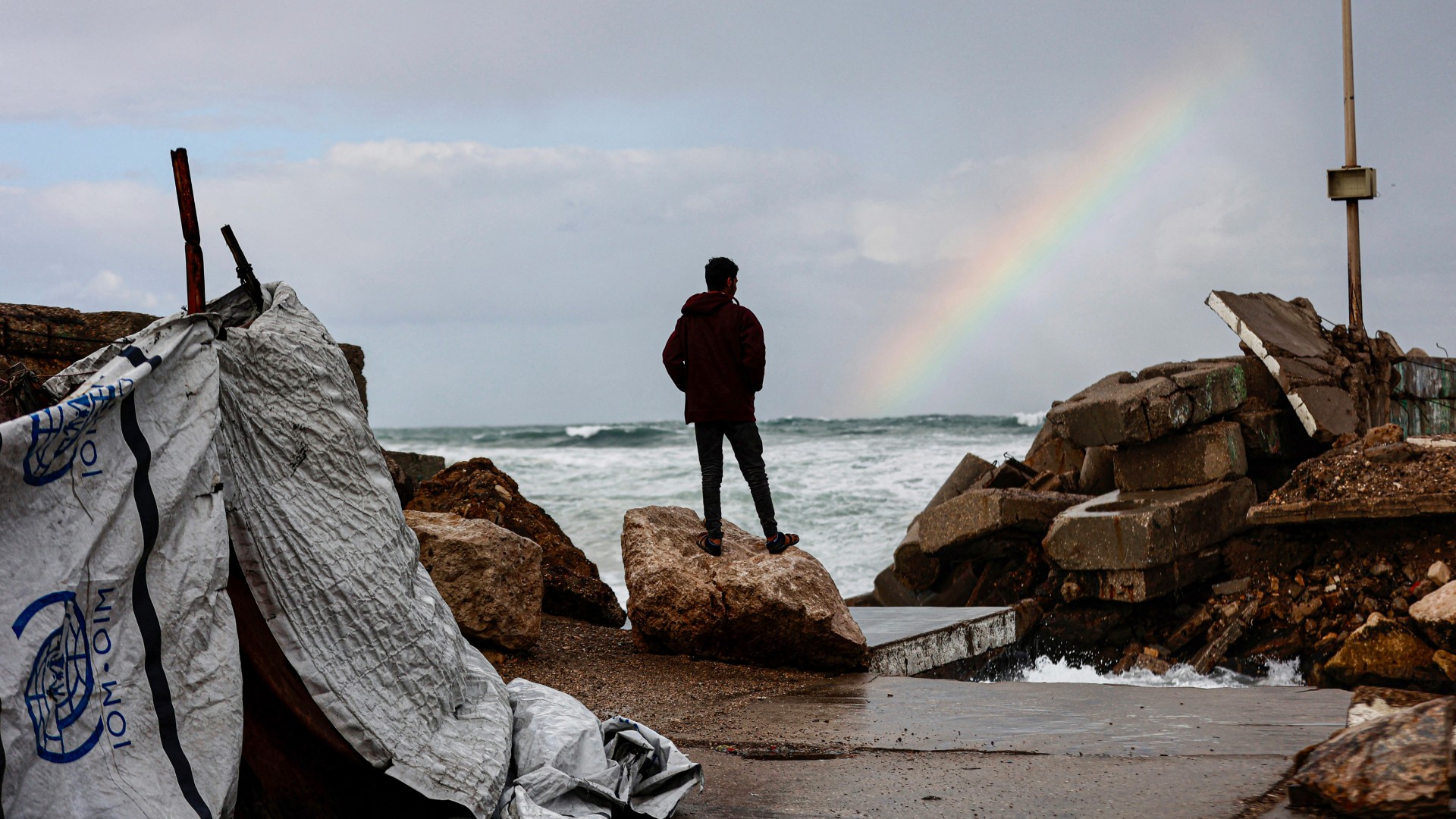
    This regulatory confrontation occurs amid deteriorating environmental conditions in Gaza, where heavy rains and powerful winds have flooded and destroyed thousands of tents, exacerbating the already catastrophic living conditions. The Shelter Cluster reports more than 42,000 tents and makeshift shelters damaged between December 10-17 alone, affecting approximately 250,000 residents. Tragically, at least three children have died from exposure to cold weather since December, with 17 additional fatalities resulting from storm-related structural collapses.

    Concurrently, eight Muslim-majority nations—Saudi Arabia, UAE, Jordan, Indonesia, Turkey, Pakistan, Qatar, and Egypt—issued a joint statement expressing deep concern about the compounded humanitarian crisis. Their foreign ministers criticized the slow pace of essential material entry into Gaza and demanded Israel ensure unimpeded operation of UN agencies and international NGOs. The ministers urged the international community to pressure Israel, as the occupying power, to immediately lift constraints on aid distribution and open the Rafah Crossing for bidirectional access.