作者: admin

  • Lijiang flower park breeds 111 new varieties, 11 registered in past year

    Lijiang flower park breeds 111 new varieties, 11 registered in past year

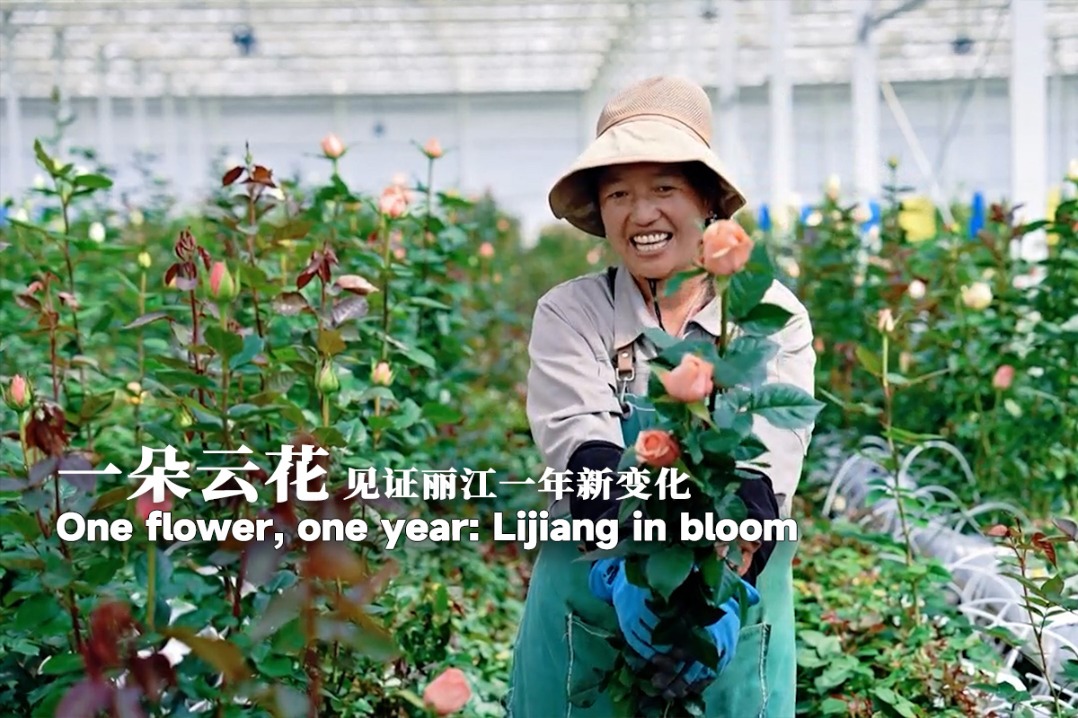
    Lijiang’s modern flower industrial park in Yunnan Province has achieved remarkable breakthroughs in floral cultivation and international market expansion over the past year. Through strategic collaboration with the Flower Research Institute of the Yunnan Academy of Agricultural Sciences, the park has successfully developed 111 innovative flower varieties, with 11 receiving official registration status.

    The horticultural innovation extends beyond research, with six domestic varieties now being produced at commercial scale, reaching an impressive daily output of 3,000 flower stems. This production milestone represents significant advancement in China’s floral agriculture capabilities.

    The park has masterfully integrated floral cultivation with tourism, creating an immersive experience featuring 830,000 flowers across 10 distinct categories and 223 varieties. This living exhibition ensures year-round blooms and spectacular visual displays that attract visitors from across the region. The destination has developed diverse attractions including educational tours, floral auctions, coffee experiences, and professional travel photography sessions.

    International markets have responded enthusiastically to Lijiang’s floral products. In 2025, the park exported approximately 3.97 million stems of fresh-cut flowers to 10 countries including Russia and South Korea, generating sales exceeding 6.9 million yuan (approximately $1 million USD). This export performance demonstrates the global competitiveness of Yunnan’s floral industry and the growing international appreciation for Chinese cultivated flowers.

    The success story illustrates how technological innovation in agriculture, when combined with tourism development and international trade, can create sustainable economic growth while promoting regional specialties to global markets.
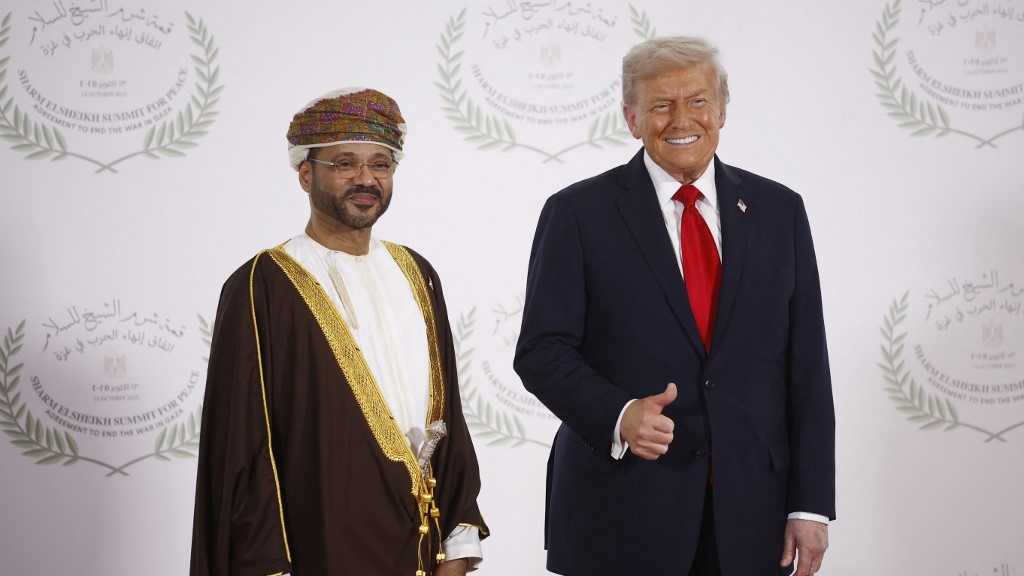

  • Oman says Iranian attacks on Gulf ‘inevitable’ response to US-Israeli assault

    Oman says Iranian attacks on Gulf ‘inevitable’ response to US-Israeli assault

    Omani Foreign Minister Badr Al Busaidi has issued a compelling appeal for the United States to withdraw from its military engagement with Iran, characterizing Tehran’s recent offensive actions against Gulf nations as a predictable consequence of American involvement. In a comprehensive analysis published by The Economist, the senior diplomat—who recently facilitated unsuccessful negotiations between Washington and Tehran—asserted that the U.S. significantly miscalculated by becoming entangled in hostilities with the Islamic Republic.

    Al Busaidi described Iran’s retaliatory strikes on what it identifies as American assets within neighboring countries’ territories as “inevitable, if deeply regrettable and completely unacceptable.” He contended that when confronted with military operations that both Israeli and American officials portrayed as intended to eliminate the Iranian government, Tehran’s leadership had limited rational alternatives available.

    The minister documented how Iran’s intensified assaults since Wednesday have targeted critical petrochemical infrastructure across Saudi Arabia and Kuwait, resulting in multiple facility fires. The combined impact of initial U.S.-Israeli operations against Iran and subsequent Iranian retaliation has generated devastating ripple effects throughout global energy markets, exacerbated by Iran’s strategic closure of the Strait of Hormuz to maritime traffic.

    Al Busaidi cautioned that the Gulf region’s established reputation as a stable center for tourism, technological innovation, and financial services now faces serious jeopardy. He indicated that ambitious projects positioning Gulf states as global data hub destinations may require substantial reconsideration. The diplomatic warning emphasized that disrupted shipping routes through the critical Strait are already driving energy price inflation and creating conditions conducive to widespread economic recession.

    The Omani official maintained that only Israel stands to gain materially from overthrowing Iran’s government, showing minimal concern about potential governance structures that might follow the Islamic Republic. He stressed that the conflict fundamentally does not serve American national interests, urging Washington’s allies to communicate frankly that both the U.S. and Iran have everything to lose from prolonged hostilities and should pursue immediate de-escalation.

    This candid assessment, while diplomatically uncomfortable, reveals the extent to which America has allegedly relinquished control over its foreign policy direction, according to the minister’s analysis.

  • Killer refused family plea before death – inquest

    Killer refused family plea before death – inquest

    An Australian coroner’s inquest has revealed that convicted murderer Bradley Murdoch, who died in July while serving a life sentence, refused to watch a heartfelt video appeal from the parents of his victim in his final weeks. The 66-year-old, terminally ill with throat cancer, rejected two separate attempts by Northern Territory detectives to obtain information about the whereabouts of Peter Falconio’s body, which has remained missing since the 2001 murder.

    The investigation detailed how police visited Murdoch in his Alice Springs prison cell on June 25th, carrying a specially recorded message from Joan and Luciano Falconio, created with assistance from Manchester police. Despite officers’ hopes that the emotional appeal might prompt a deathbed confession, Murdoch maintained his innocence and declined to view the recording. A subsequent visit to his palliative care facility one week later ended abruptly when Murdoch yelled at investigators to leave after just 30 seconds.

    Murdoch was convicted in December 2005 for the murder of 28-year-old Falconio from Huddersfield, who was shot dead on a remote stretch of the Stuart Highway near Barrow Creek while traveling Australia with his girlfriend Joanne Lees. The crime shocked both nations when Murdoch, then 43, faked vehicle trouble to stop the couple’s campervan before shooting Falconio and attempting to kidnap Lees, who managed to escape after several hours hiding in the outback.

    Despite DNA evidence linking him to the crime and two failed appeals, Murdoch never wavered from his claims of innocence. The Northern Territory’s “no body, no parole” legislation, introduced in 2016, would have prevented his parole eligibility in 2032 without disclosure of the remains’ location.

    Coroner Elisabeth Armitage confirmed Murdoch died from natural causes related to stage four cancer, noting he received “high quality and timely medical care” and was treated “in a compassionate and considerate manner” by correctional and health staff, despite criticism from Murdoch’s son regarding his father’s treatment.

  • ‘Dirty Arab’: As the French elect their mayors, Muslim candidates face unrestrained hatred

    ‘Dirty Arab’: As the French elect their mayors, Muslim candidates face unrestrained hatred

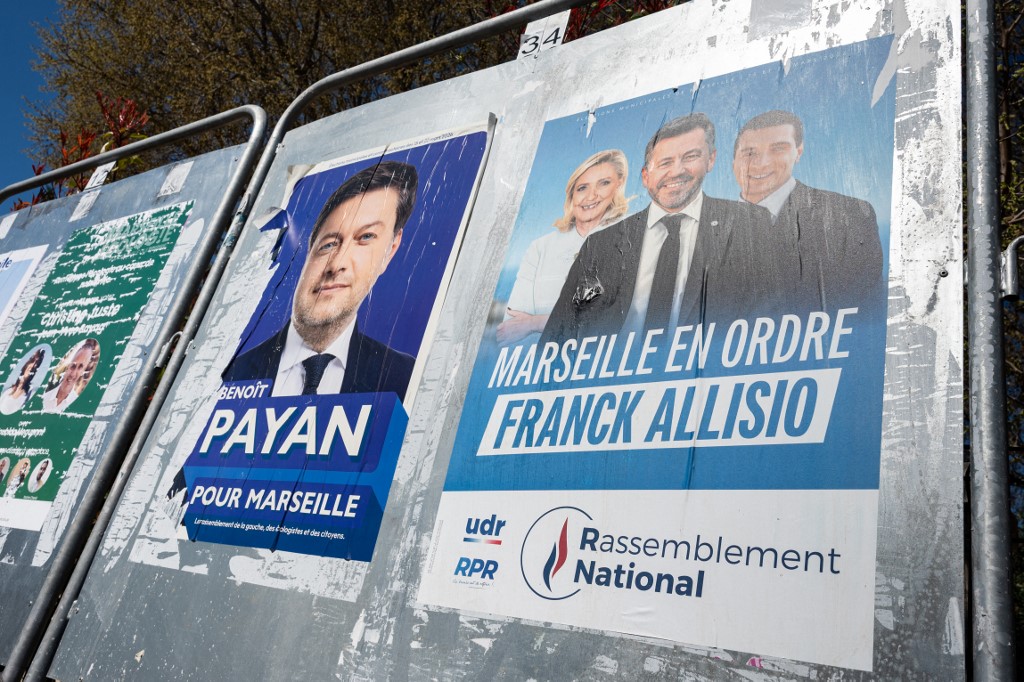
    France’s municipal elections have become a battleground for rising Islamophobia and systemic discrimination, with multiple minority candidates reporting coordinated campaigns of intimidation, vandalism, and bureaucratic obstruction. Toufik Khiar, a Green Party candidate of Algerian descent in Kremlin-Bicetre, discovered his campaign posters defaced with explicit racist messages including “Dirty Arab. Go back home” – particularly painful for the Normandy-born professor who considers France his only home.

    The pattern repeats across the country: In Rehon, Aurore Katramiz faced social media hate linking her headscarf to terrorism despite French law permitting religious symbols for elected officials. In Marseille, Hanifa Taguelmint, a sixty-year-old anti-discrimination activist, was openly called a “dirty towelhead” by National Rally supporters distributing leaflets. These incidents represent what candidates identify as a strategic normalization of racism in political discourse.

    The institutional response appears equally concerning. The Union of Muslim Democrats of France (UDMF) had its candidate lists disqualified in Nanterre and Venissieux despite previous successful participations in elections. Founder Naguib Azergui reported unprecedented administrative obstruction, with candidates subjected to extraordinary verification processes despite providing comprehensive documentation.

    This climate stems from political narratives around “separatism” and “entryism” – concepts formalized in France’s 2021 legislation and parliamentary investigations alleging Muslim Brotherhood infiltration. Nicolas Dragon, a National Rally MP, warned commission members about Muslims with “hidden objective[s] of introducing radical Islamism,” while Interior Minister Laurent Nunez claimed the likelihood of electoral list infiltration was “quite high.”

    The Human Rights League has condemned these developments as conspiratorial and Islamophobic, filing complaints against discriminatory rhetoric. Meanwhile, candidates like Samy Debah in Garges-les-Gonesse note that Muslims face dual suspicion: being labeled separatists for religious practice while accused of entryism for political participation. Many candidates now self-censor religious expression, with Khiar avoiding public iftar meals during Ramadan to prevent being weaponized by opponents.

    The violence has escalated beyond vandalism. In Strasbourg, Djamila Haddoun of France Unbowed was assaulted with a knife while poster campaigning with her children, while Lille candidate Lahouaria Addouche received death threats questioning her Frenchness. These incidents reflect what UDMF chairman Farid Omeir identifies as a colonial mindset that denies descendants of former colonies full participation in the Republic – a shift from targeting immigrants to targeting Muslims specifically.

  • Chinese singing competition in Kenya celebrates the two countries’ bond

    Chinese singing competition in Kenya celebrates the two countries’ bond

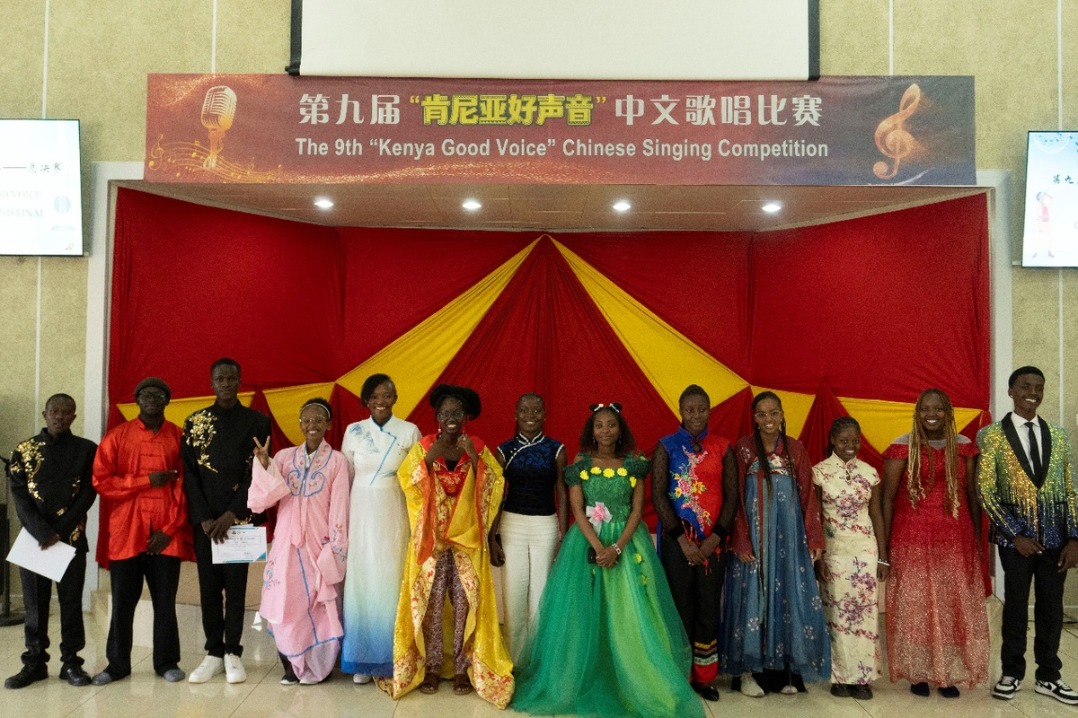
    NAIROBI – The vibrant sounds of Chinese music resonated through Kenya’s capital as twelve finalists showcased their linguistic and vocal talents at the Ninth Kenya Good Voice Chinese Singing Competition on Tuesday. This cultural spectacle, featuring participants from diverse educational institutions, transformed into a celebration of Sino-Kenyan friendship through musical artistry.

    Contestants delivered emotionally charged performances spanning romantic ballads, songs of gratitude, and anthems of perseverance, all rendered in Mandarin Chinese. The event demonstrated remarkable cultural synthesis as Kenyan performers interpreted Chinese lyrics with authentic emotion and technical proficiency.

    Leonard Chacha Mwita, Kenyan Director of the Confucius Institute at Kenyatta University, emphasized the boundary-transcending power of music. “This competition symbolizes the expanding cultural, educational, and traditional cooperation between China and Kenya,” Mwita stated. “Through melody and verse, our students articulate the profound understanding and friendship blossoming between our nations.”

    The competition revealed how cultural exchange has evolved beyond classroom language instruction into artistic expression. Caroline Kattee, a 32-year-old online English teacher for Chinese students, selected the timeless Teresa Teng classic ‘The Moon Represents My Heart’ after her students recommended it. “The song embodies China’s culture of love and the significance placed on romantic relationships,” Kattee explained. “When I sing it in Chinese, I feel genuinely passionate, as if experiencing love firsthand.”

    From enduring classics to contemporary pop hits, the musical selections reflected China’s rich auditory landscape. Tricia Mutheu, a 20-year-old enthusiast of Chinese television dramas, credited these programs with enhancing her language comprehension and cultural appreciation.

    John Mark Shibevo claimed victory with his soulful interpretation of ‘Huan Yan,’ originally performed by renowned Chinese artist Chyi Yu. The reigning champion expressed both pride and perspective: “This achievement confirms my growing proficiency in Chinese, though my journey continues.” Shibevo aspires to artistic collaborations that fuse Kenyan and Chinese cultural elements, seeking to “highlight the significance of relations between these two distinct yet connected cultures.”

  • A hidden cloister in the center of Rome has a turbulent past etched on its walls

    A hidden cloister in the center of Rome has a turbulent past etched on its walls

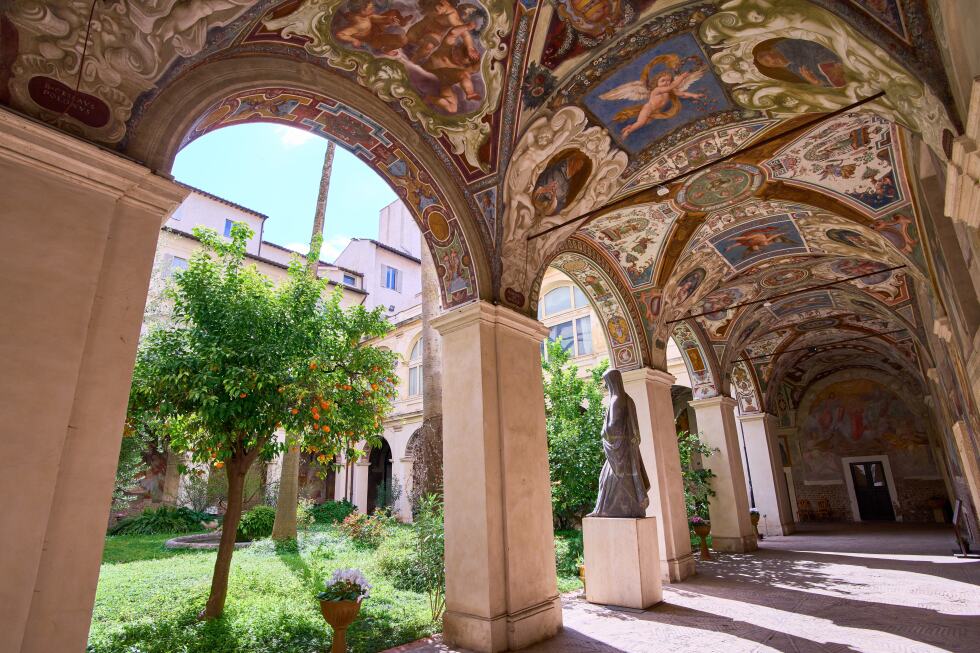
    Nestled mere steps from Rome’s bustling Pantheon, a concealed cloister offers an oasis of tranquility amidst the city’s tourist crowds. This secluded sanctuary, hidden behind an imposing wooden door, remains unknown to most visitors who pass by daily. The fresco-adorned walls enclose a space of profound historical significance, having witnessed papal conclaves and the infamous interrogation of astronomer Galileo Galilei during the Roman Inquisition.

    At the heart of the cloister lies a serene pond inhabited by goldfish and turtles, surrounded by olive trees, towering palm trees, and a citrus tree heavy with oranges that Dominican friars harvest for marmalade. The peaceful atmosphere is complemented by well-fed cats basking in sunny patches on the grass. Twenty friars continue to reside in the adjoining convent, maintaining their spiritual duties within this sacred space.

    Friar Aucone describes the cloister as “designed to be a place of prayer, of meditation and therefore in some way to encourage prayer and the meditation of the friars.” The site has attracted numerous historical figures throughout centuries, including St. Catherine of Siena and Renaissance painter Fra Angelico, both interred in the adjacent Santa Maria Sopra Minerva basilica.

    The basilica’s name reveals its layered history—dedicated to the Virgin Mary while built over ancient ruins of a temple to Minerva, the Roman goddess of wisdom. Art historian Claudio Strinati emphasizes that “this cloister of Santa Maria Sopra Minerva is one of the largest and perhaps the most beautiful in all of Rome and it was a great cultural center in ancient times and it is even now.”

    The location’s historical significance spans millennia, having served as a voting area during Julius Caesar’s reign before Dominican friars constructed a church on the site in the late 1200s. The current cloister, designed around 1570 by architect Guidetto Giudetti—a student of Michelangelo—replaced the original structure.

    The walls and vaulted ceilings feature intricate frescoes depicting rosary mysteries, intended to inspire contemplation among resident friars. Other frescoes reveal darker historical aspects, including medallion portraits showing decapitated Dominican inquisitors holding their own severed heads.

    The convent functioned as the Roman Inquisition’s headquarters in the 16th century. Most notably, in 1633, Galileo Galilei was forced to renounce his heliocentric theories in a room adjacent to the cloister. Renaissance artist Fra Angelico, himself a Dominican, resided here while painting Vatican frescoes, commemorated in a medallion depicting him as a hunched, elderly friar.

    The complex also hosted two papal conclaves—electing Pope Eugene IV in 1431 and Pope Nicholas V in 1447—with five popes buried within the basilica. According to Strinati, such hidden treasures contribute to Rome’s enduring enchantment: “There is all the history hidden and therefore sometimes something is found… The generations that will come later will continue to discover why it is so great and so profound that much is secret and hidden.”

  • China’s Kuqa city attracts visitors to experience living history

    China’s Kuqa city attracts visitors to experience living history

    Nestled at the foothills of the Tianshan Mountains in China’s Xinjiang Uygur Autonomous Region, the historic city of Kuqa has emerged as a premier destination for travelers seeking to immerse themselves in living history. This ancient Silk Road crossroads, where Eastern and Western civilizations once converged and blended, continues to captivate visitors with its unique cultural heritage and dramatic landscapes.

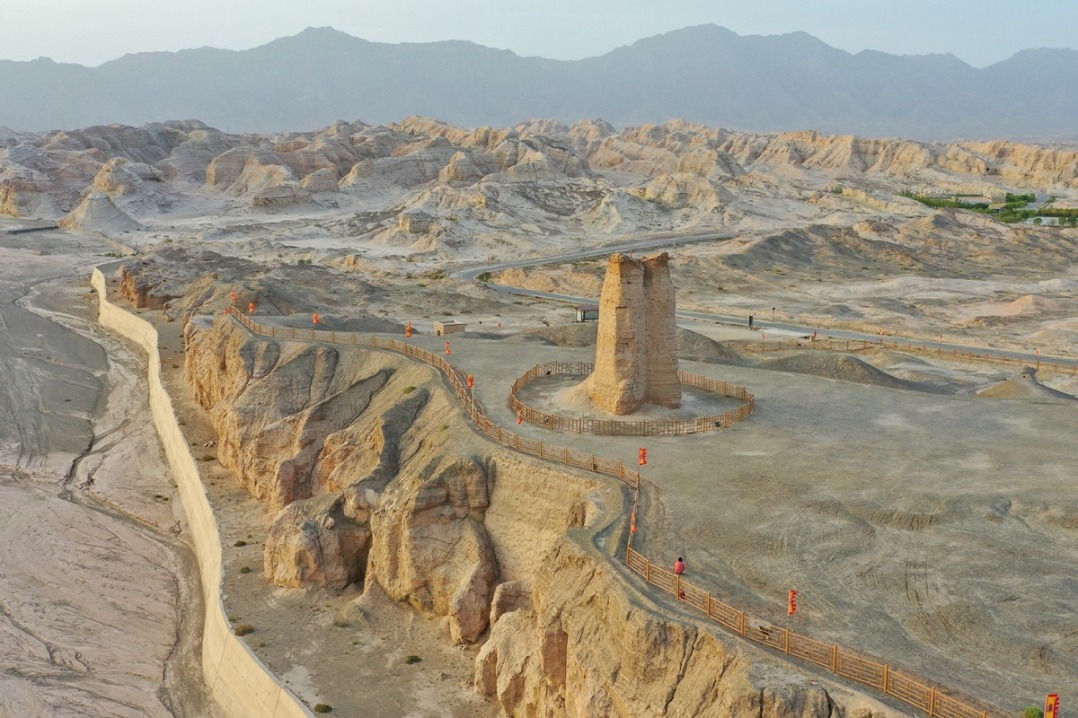
    The region’s extraordinary geography encompasses snow-capped peaks, deep canyons, and desert oases that create a breathtaking backdrop for exploration. Among its most iconic landmarks is the Kizilgaha Beacon Tower, an ancient structure that once served as a critical communication point along the Silk Road. Recently captured in stunning aerial photography, this historical monument stands as a testament to Kuqa’s significant role in ancient trade routes.

    Beyond its archaeological treasures, Kuqa functions as the gateway to the renowned Duku Highway (Dushanzi-Kuqa highway), one of China’s most spectacular mountain roads. The city itself offers visitors an opportunity to experience its vibrant old town district, where traditional culture remains actively preserved and celebrated.

    The fusion of civilizations that occurred in Kuqa over centuries has given rise to distinctive artistic traditions that continue to influence the region’s cultural identity. This blending of cultural influences makes Kuqa not just a historical site but a living museum where ancient traditions meet contemporary life, offering a unique window into China’s diverse cultural heritage.

  • Trump administration seeks $200bn in  military funding in wake of Iran war

    Trump administration seeks $200bn in military funding in wake of Iran war

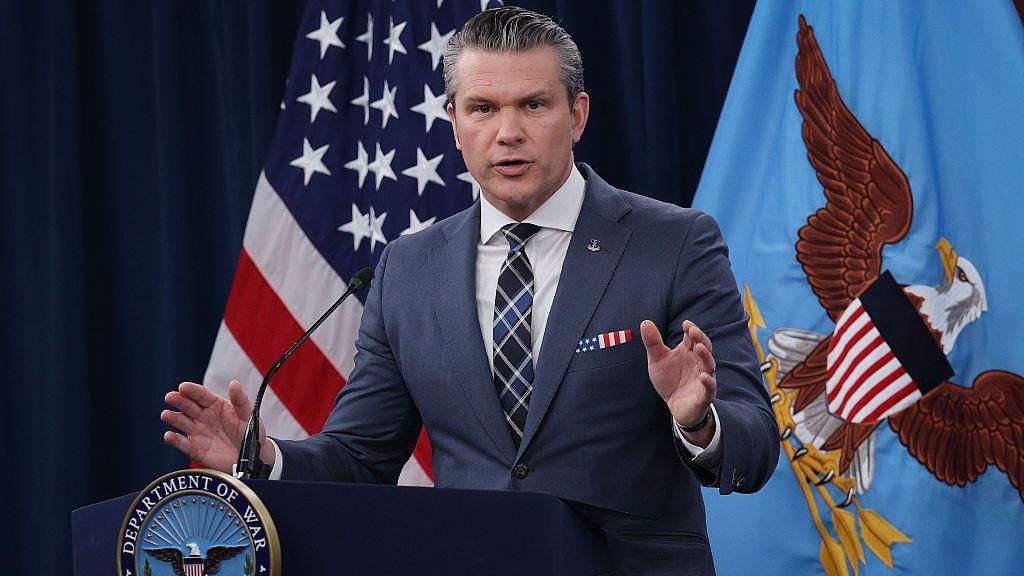
    The Trump administration has formally requested an additional $200 billion in emergency funding from Congress to support military operations in Iran, significantly expanding the financial scope of the ongoing conflict. The substantial funding request comes as Defense Secretary Pete Hegseth offered a blunt justification to reporters, stating that operational success requires substantial resources, noting that “it takes money to kill bad guys.”

    President Trump defended the massive funding increase during a White House briefing, characterizing the Iran conflict as a “very volatile war” that demands continued military investment despite previous suggestions of a swift conclusion to “Operation Epic Fury.” The administration cited multiple rationales for the funding, including ammunition replenishment and advanced military equipment procurement. Trump specifically noted that ammunition stockpiles had been diminished by substantial military aid provided to Ukraine in its conflict with Russia.

    According to official figures, Congress has approved $188 billion in Ukrainian assistance since Russia’s February 2022 invasion, with approximately $110 billion already expended as of December. Trump’s economic adviser Kevin Hassett previously indicated the Iran conflict had already cost the U.S. approximately $12 billion.

    The supplemental request would augment the Defense Department’s existing $838.7 billion annual budget approved in January. Republican House Speaker Mike Johnson acknowledged the substantial figure was “not a random number” and emphasized the need for adequate defense funding during dangerous global times.

    Democratic Representative Jim Himes responded more cautiously, invoking legislative oversight principles by noting that congressional involvement should extend throughout conflict funding decisions. The funding debate occurs against a backdrop of economic uncertainty, with the Federal Reserve maintaining steady interest rates amid concerns that oil price increases stemming from the Iran conflict could exacerbate inflation.

    The funding request sets the stage for a contentious legislative battle less than eight months before midterm elections, with polls indicating majority public disapproval of the Iran war. Democrats have sought to contextualize the massive military expenditure by comparing it to other budget priorities, including a previously proposed $35 billion health insurance subsidy extension and $100 billion in annual federal food assistance programs.

    Pentagon officials have projected the Iran conflict could continue for four to six weeks total, with operations having lasted approximately three weeks thus far. While Republicans appear to have sufficient votes to approve the funding, the administration may face significant political consequences if the conflict and its accompanying economic disruptions persist.

  • Workshop explosion at Inner Mongolia chemical firm leaves two missing, three injured

    Workshop explosion at Inner Mongolia chemical firm leaves two missing, three injured

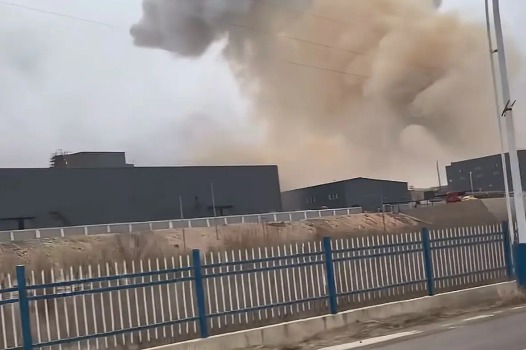
    A significant industrial accident occurred on Thursday morning at a chemical manufacturing facility in China’s Inner Mongolia Autonomous Region, resulting in multiple casualties. The explosion rocked a nitration workshop at Inner Mongolia Li Yuan Technology located in Alshaa League at precisely 11:49 am local time.

    Emergency response teams comprising firefighting units, public security personnel, and specialized rescue squads immediately mobilized to the incident site following the explosion. Preliminary reports indicate that two workers remain unaccounted for while three others sustained injuries of varying severity. The missing personnel have triggered an intensive search operation amid the compromised structural integrity of the affected workshop.

    The precise circumstances leading to the detonation remain undetermined as authorities have launched a comprehensive investigation into the incident. Chemical safety experts and industrial accident investigators are examining multiple potential causes including equipment failure, procedural violations, or combustible material mishandling.

    Inner Mongolia Li Yuan Technology, like many chemical processing plants in the region, handles potentially volatile compounds during its manufacturing operations. The nitration process specifically involves combining hydrocarbons with nitric acid, which can be hazardous under improper conditions.

    This incident highlights ongoing workplace safety challenges within China’s rapidly expanding chemical industry, particularly in remote industrial zones where regulatory oversight may face logistical constraints. The regional administration has pledged complete transparency in the investigation and has initiated immediate safety reviews at similar facilities throughout the autonomous region.

  • China weathering Iran war with minimal damage

    China weathering Iran war with minimal damage

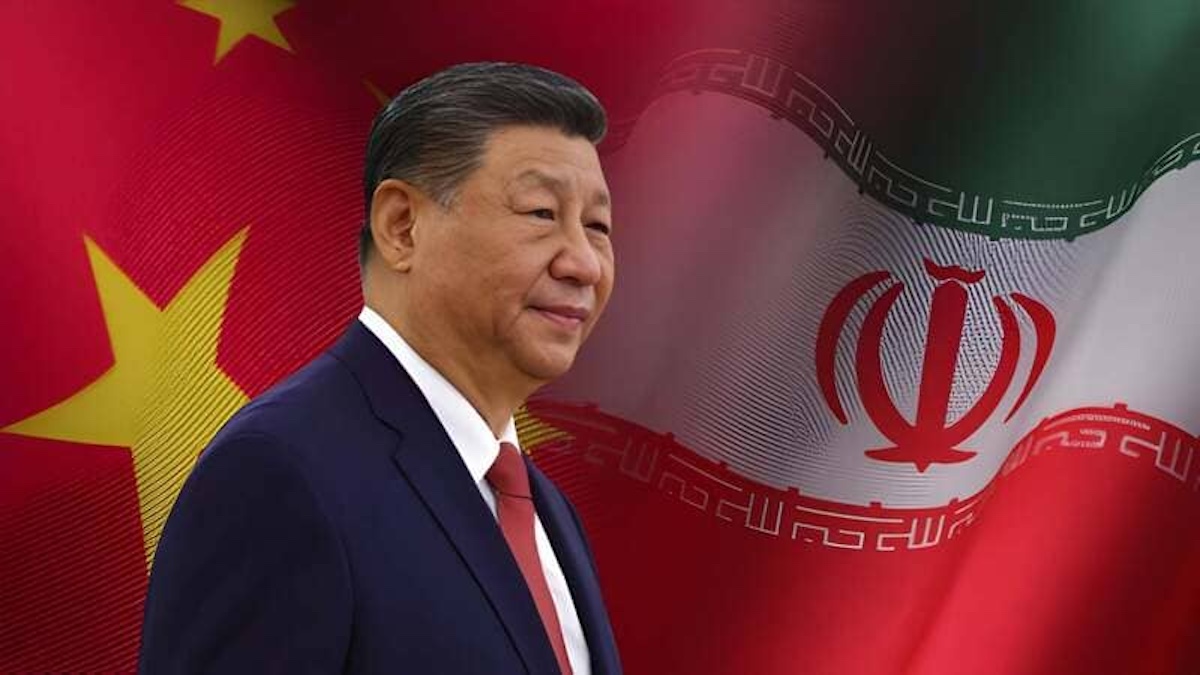
    The ongoing military confrontation between the United States and Iran has generated complex geopolitical ramifications for China, presenting both challenges and opportunities for Beijing’s global strategy. While some analysts suggest China stands to benefit from the conflict, a comprehensive assessment indicates the situation represents a net negative for Chinese interests, albeit marginally.

    China’s relationship with Iran has historically been pragmatic rather than ideologically driven. Despite signing a $400 billion investment agreement in 2021, China’s actual economic exposure remains limited. As University of Pennsylvania analyst Aaron Glasserman notes, “Iran needs China, but China does not need Iran.” Beijing maintains significantly stronger economic ties with other Gulf states, particularly Saudi Arabia, with which China conducts ten times more trade volume.

    Energy security considerations present a mixed picture. Iran supplied approximately 13% of China’s oil imports at discounted prices, providing substantial savings. The potential closure of the Strait of Hormuz—through which half of China’s imported oil and 30% of its natural gas passes—remains manageable due to China’s strategic petroleum reserve, estimated to cover 100-120 days of normal consumption. Beijing is simultaneously negotiating safe passage for China-bound vessels and exploring alternative transportation routes.

    The conflict has diminished China’s diplomatic achievements, particularly its much-publicized mediation between Saudi Arabia and Iran in 2023. Gulf Arab states, including Saudi Arabia, are reportedly encouraging continued US military action against Iran, undermining China’s regional influence.

    Conversely, Chinese officials have capitalized on global anti-war sentiment to reinforce strategic messaging contrasting US militarism with China’s peaceful leadership. State media portrays America as an irresponsible global actor while positioning China as advocating negotiation and sovereignty protection.

    Militarily, US demonstration of force projection capability has impressed even Chinese observers, with international relations scholar Shi Yinhong acknowledging evolved American warfare methods. China’s reluctance to substantially assist Iran—including denying anti-ship missile transfers—highlights the relationship’s limitations.

    The diversion of US military resources to the Middle East creates potential advantages for China. The redeployment of THAAD and Patriot systems from South Korea to the Gulf, along with depletion of precision munition stocks, temporarily reduces American capability in the Asia-Pacific region. However, this unlikely precipitates Chinese military action against Taiwan or South China Sea claimants due to Beijing’s risk aversion, ongoing military purges, and economic considerations.

    The postponement of the Trump-Xi summit delays potential US-China economic agreements but doesn’t constitute a critical setback. China’s economic growth continues at approximately 4.8%, and export diversification has reduced dependence on American markets. The tariff truce remains in effect until November 2026, with extension possibilities.

    The ultimate impact on China will depend on conflict duration, potential escalation, and lasting regional changes. While demonstrating continued US military vulnerability to Middle Eastern entanglements, the situation also reveals American conventional superiority that gives Beijing pause regarding direct confrontation.