作者: admin

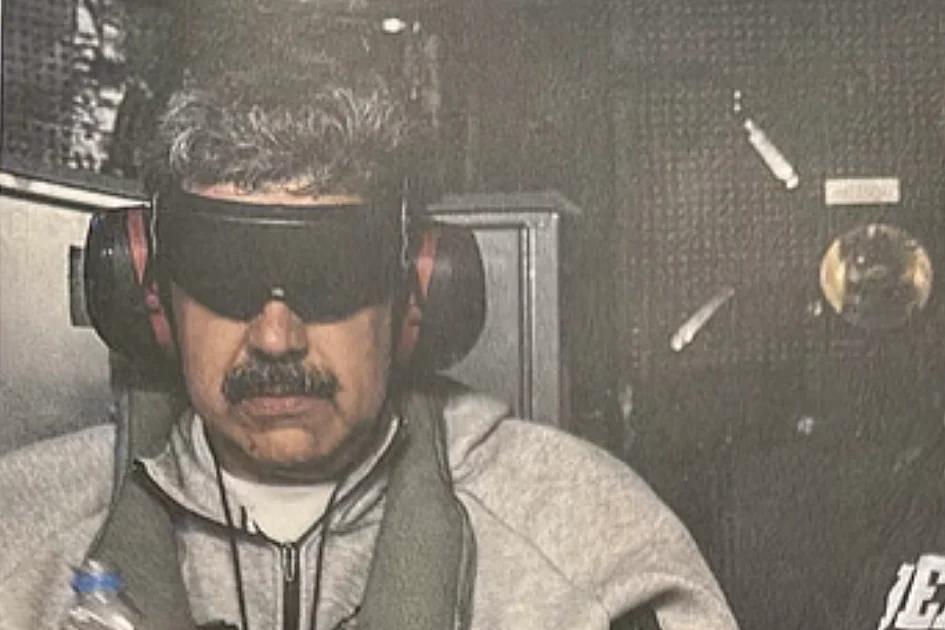
  • Fact check: ‘Maduro tracksuit’ goes viral after US captures President; has it sold out?

    Fact check: ‘Maduro tracksuit’ goes viral after US captures President; has it sold out?

    In a significant move to expedite its construction timelines, Canadian real estate developer BNW Developments has entered into a strategic alliance with the global engineering powerhouse China Railway No. 4 Engineering Group (CREC4). This partnership marks a pivotal shift in strategy for the North American firm, leveraging the immense resources and expertise of a state-owned enterprise from China.

    The collaboration is designed to streamline the development process for BNW’s extensive portfolio of residential and commercial projects. CREC4, renowned for its rapid construction capabilities and experience with large-scale infrastructure projects worldwide, will bring its sophisticated project management techniques and substantial workforce to the table. This alliance is expected to mitigate common industry challenges such as labor shortages and project delays, which have plagued the construction sector in recent years.

    Analysts view this partnership as a strategic masterstroke that transcends a typical contractor relationship. By integrating CREC4’s engineering prowess directly into its operational framework, BNW gains a competitive advantage in bringing properties to market faster without compromising on quality. The move also reflects a growing trend of cross-Pacific collaboration in the real estate development sector, where North American companies are increasingly partnering with Asian firms to enhance efficiency and capitalize on global expertise.

    The financial structure of the partnership involves a joint investment mechanism, ensuring both parties are deeply invested in the timely and successful completion of projects. This model is anticipated to set a new benchmark for international cooperation in the construction industry, potentially influencing how other development firms structure their operations in an increasingly globalized market.
  • Co-founder Djokovic exits tennis players association over transparency concerns

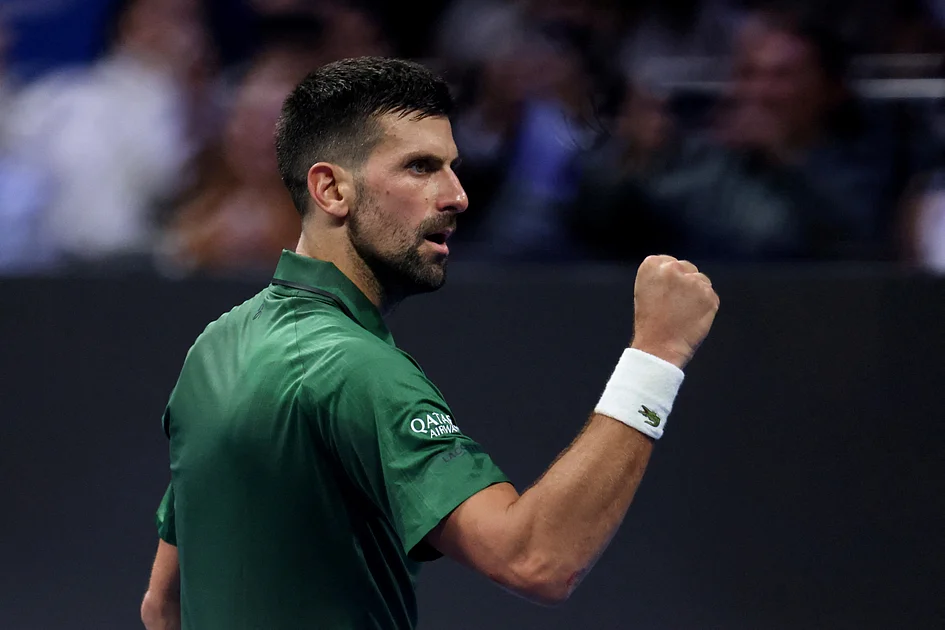
    Co-founder Djokovic exits tennis players association over transparency concerns

    Tennis icon Novak Djokovic has announced his complete departure from the Professional Tennis Players Association (PTPA), the organization he co-established in 2020 with Canadian player Vasek Pospisil. The Serbian champion revealed his decision through a social media statement on Sunday, citing fundamental disagreements regarding the association’s operational transparency and governance standards.

    Djokovic expressed particular concern about how his personal image and advocacy had been represented within the organization’s recent activities. “While I remain proud of the original vision that Vasek and I shared when establishing the PTPA to empower players with an independent voice, it has become evident that my core values and strategic approach no longer align with the organization’s current trajectory,” Djokovic stated.

    The separation comes during a period of significant legal confrontation between the PTPA and tennis’s primary governing bodies. In March, the association initiated legal proceedings against the ATP, WTA, International Tennis Federation, and International Tennis Integrity Agency, alleging anti-competitive practices and insufficient player welfare protections. The lawsuit expanded in September to include all four Grand Slam tournament organizers.

    Notably, Djokovic had previously distanced himself from certain aspects of this legal action, indicating early divergences in strategic thinking. Both the ATP and WTA had vigorously denied the allegations when initially presented.

    The PTPA recently indicated progress in negotiations with Tennis Australia, coinciding with preparations for the upcoming Australian Open scheduled to commence in Melbourne on January 18. Djokovic confirmed his intention to now concentrate exclusively on his athletic career and family commitments following this organizational departure.

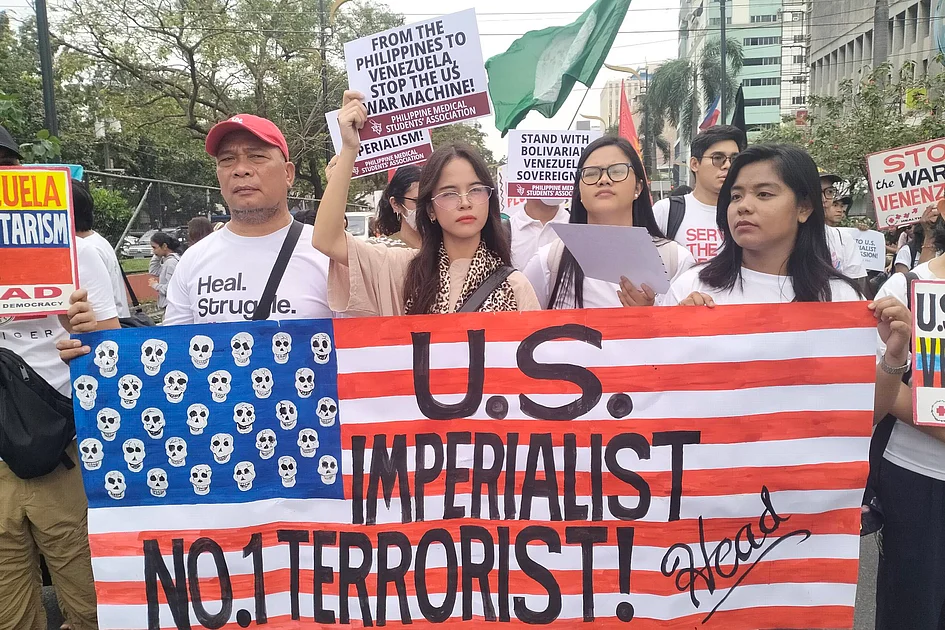
  • Over 200 Filipinos burn US flags, condemn capture of Venezuelan President Maduro

    Over 200 Filipinos burn US flags, condemn capture of Venezuelan President Maduro

    MANILA – More than 200 activists assembled outside the US Embassy in Manila on Monday, staging a vehement protest against recent American military operations in Venezuela. The demonstration, organized by the Bagong Alyansang Makabayan alliance, featured the burning of US flags and strong condemnations of what participants labeled ‘US imperialist aggression’ and a ‘state-sponsored abduction’ of Venezuelan President Nicolás Maduro.

    Protesters carried banners reading ‘¡Manos fuera de Venezuela!’ (Hands off Venezuela!) and denounced Saturday’s US airstrikes on Venezuelan cities as violations of international law. The Philippines-Bolivarian Venezuela Friendship Association (PBVFA) characterized the military actions as ‘a show of brazen brutality by US imperialism’ that represents ‘the worst forms of oppression.’

    The rally garnered support from multiple sectors, including Gabriela, an alliance of women’s organizations that rejected US claims labeling Venezuela a terrorist state. Gabriela representatives asserted that Venezuela’s vast oil reserves—estimated at 300 billion barrels—represent the true motivation behind US aggression, stating the country ‘refuses US economic and political control.’

    Philippine political leaders joined the criticism, with Congressman Antonio Tinio leading the march and Rep. Leila de Lima warning that the US action ‘throws the global order back to a barbaric ‘might makes right’ regime.’ Cardinal Pablo Virgilio David, former president of the Catholic Bishops’ Conference, emphasized via social media that international law clearly prohibits the use of force against sovereign states, regardless of political disagreements.

    The Philippine Department of Foreign Affairs issued a separate statement urging both nations to ‘resolve disputes through peaceful means’ and exercise restraint to prevent further escalation. The Manila protest reflects growing international concern over the weekend’s military developments and their implications for global sovereignty norms.

  • US allies and adversaries use UN meeting to blast Venezuela intervention as America defends action

    US allies and adversaries use UN meeting to blast Venezuela intervention as America defends action

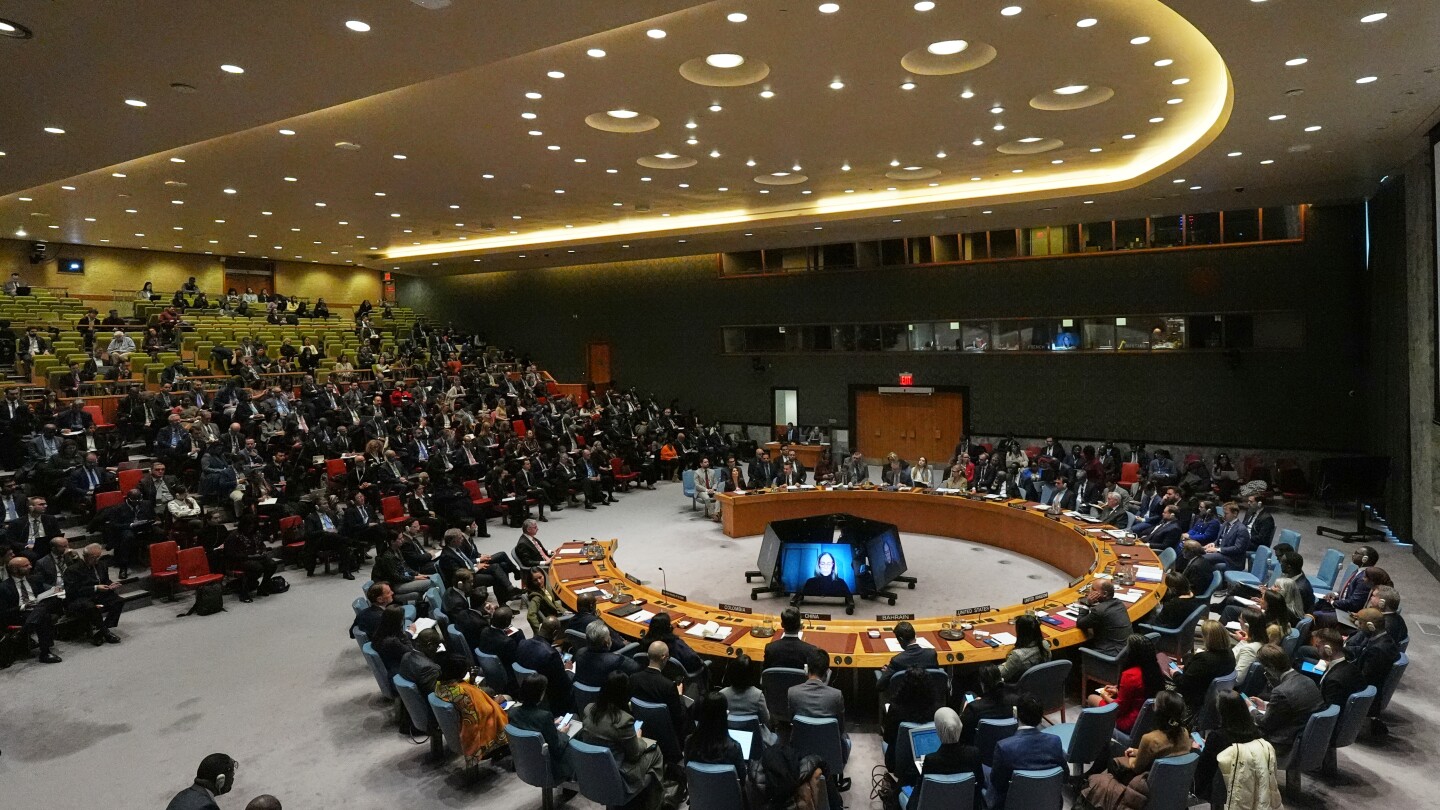
    The United Nations Security Council convened an emergency session on Monday following a controversial U.S. military operation in Venezuela that resulted in the capture of President Nicolás Maduro. UN Secretary-General Antonio Guterres expressed profound concern that the January 3rd operation may have violated established international legal principles, warning that such actions could establish dangerous precedents for future international relations.

    The diplomatic confrontation revealed deep divisions among global powers, with both American allies and adversaries condemning President Trump’s interventionist approach. Denmark’s Ambassador Christina Markus Lassen emphasized the inviolability of national borders, stating that no nation should influence political outcomes through force or threats. The criticism extended beyond Venezuela, as Trump had previously suggested potential military expansions into Colombia and Mexico regarding drug trafficking allegations, while renewing territorial ambitions toward Greenland.

    Russian Ambassador Vasily Nebenzya characterized the operation as a regression to ‘an era of lawlessness,’ accusing the United States of positioning itself as a supreme judicial authority that bypasses international sovereignty norms. Colombian representative Leonor Zalabata drew historical parallels to past interventions in the region, asserting that democracy cannot be promoted through coercive measures.

    U.S. envoy Mike Waltz defended the operation as a precisely executed law enforcement action, questioning the UN’s legitimacy should it equate democratically elected leaders with what he termed a ‘narco-terrorist.’ Maduro and his wife were apprehended from their military residence and transported via U.S. warship to face federal charges in New York, including allegations of narco-terrorism conspiracy.

    The operation culminated months of military buildup near Venezuela’s coastline, during which American forces targeted vessels suspected of drug trafficking. While President Trump suggested temporary U.S. administration of Venezuela’s oil resources, Secretary of State Marco Rubio indicated the continuation of existing oil sanctions and quarantine measures to pressure policy changes within the South American nation.

  • US’ JD Vance defends military action in Venezuela, says ‘stolen oil must be returned’

    US’ JD Vance defends military action in Venezuela, says ‘stolen oil must be returned’

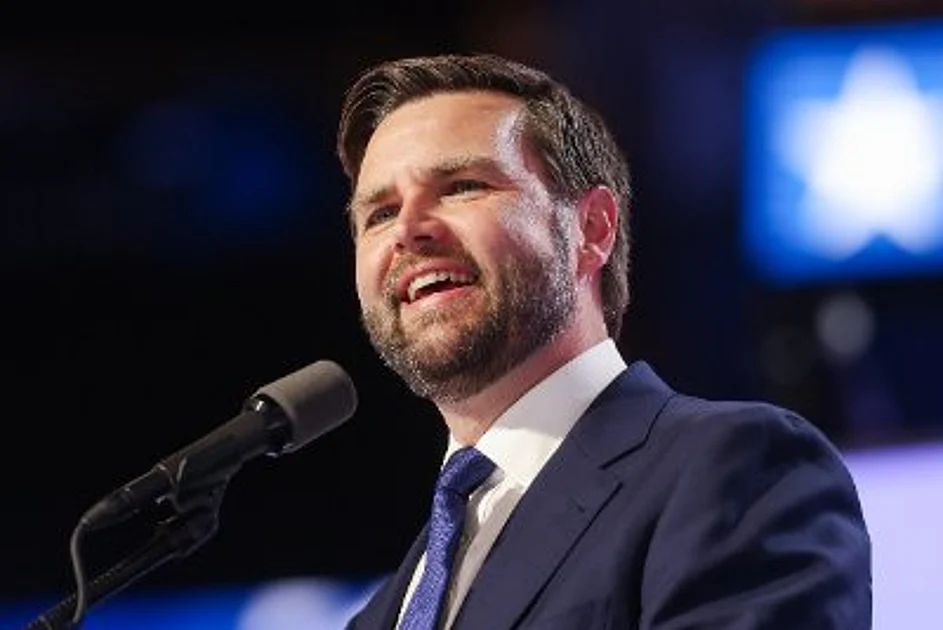
    US Vice President JD Vance has issued a robust defense of American military operations in Venezuela, asserting that the Trump administration had exhausted diplomatic alternatives before resorting to force. In a comprehensive statement delivered via social media platform X on Saturday, Vance characterized captured Venezuelan leader Nicolás Maduro as “the newest person to discover that President Trump means exactly what he says.”

    The Vice President elaborated that multiple off-ramps had been offered to the Venezuelan government throughout the negotiation process. “The president’s conditions were unequivocal: the drug trafficking operations must cease immediately, and the stolen oil must be returned to the United States,” Vance declared, referencing Venezuela’s expropriation of American oil assets approximately two decades ago.

    Vance further reinforced the legal justification for military intervention, emphasizing that Maduro remains a fugitive from American justice. “Residing in a presidential palace in Caracas does not grant immunity from accountability for drug trafficking charges under US law,” he stated.

    Addressing counterarguments about Venezuela’s role in the international drug trade, the Vice President presented a four-point rationale: Venezuela continues to serve as a significant conduit for fentanyl despite primary production occurring elsewhere; cocaine trafficking represents a primary revenue stream for Latin American cartels; Mexican fentanyl production remains an ongoing focus of US border policy; and the recovery of expropriated oil assets constitutes a legitimate national security interest.

    “I recognize concerns regarding military engagement,” Vance conceded, “but should we permit a communist regime in our hemisphere to confiscate American property and finance narcoterrorism without consequence? Global powers cannot operate from such a position of weakness.”

  • China reports economic growth and ecological gains in Yangtze River Economic Belt

    China reports economic growth and ecological gains in Yangtze River Economic Belt

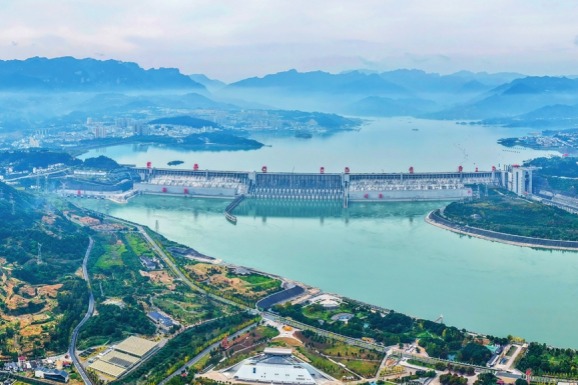
    China’s Yangtze River Economic Belt has demonstrated remarkable progress in both economic expansion and environmental restoration over the past decade, according to official reports. National Development and Reform Commission Vice Chairman Wang Changlin revealed at a State Council Information Office briefing that the region’s economic output has more than doubled since 2015 while simultaneously achieving dramatic improvements in water quality.

    The comprehensive data shows water quality rated ‘fairly good’ (Grade III or above) surged from 67% in 2015 to an impressive 96.5% by 2025. This ecological transformation occurred alongside substantial economic growth, with the belt’s contribution to national GDP expanding from 42.2% to 47.3% during the same period.

    This progress coincides with the tenth anniversary of President Xi Jinping’s landmark 2016 Chongqing conference, where he established the principle of “prioritizing well-coordinated environmental protection and avoiding excessive development” along the vital waterway. President Xi emphasized the Yangtze’s unique ecosystem requires careful stewardship, stating that ecological restoration must take precedence over large-scale development projects.

    The economic belt encompasses nine of the eleven regions through which the Yangtze flows, plus additional provinces containing its tributaries. Through concerted efforts addressing industrial, agricultural, and shipping pollution, officials have essentially eliminated black and odorous water bodies in prefecture-level cities along the river.

    Most notably, the main stream of the Yangtze has undergone a complete transformation from containing sections of Grade V (lowest quality) water to maintaining consistent Grade II quality throughout its entire course—a testament to China’s successful integration of economic development and environmental conservation.

  • China’s Xinjiang nears full e-commerce coverage in rural areas

    China’s Xinjiang nears full e-commerce coverage in rural areas

    Northwest China’s Xinjiang Uygur Autonomous Region has achieved a groundbreaking milestone in digital inclusion, with e-commerce services now reaching approximately 99% of rural communities. This accomplishment stems from a comprehensive infrastructure network featuring fully operational county-level commercial service centers, logistics distribution hubs, and township-level logistics stations.

    According to official data from the regional commerce department, coverage rates have reached unprecedented levels with 96.56% of townships equipped with commercial centers and 98.92% of villages benefiting from convenience stores. This extensive network has effectively bridged the urban-rural divide, facilitating seamless movement of industrial goods to countryside areas while enabling efficient distribution of agricultural products to urban markets.

    The transformation follows China’s 2023 three-year national action plan for county-level commerce development, initiated by the Ministry of Commerce and eight supporting government agencies. From 2021 to 2025, Xinjiang secured 548 million yuan (approximately $78 million) in central government funding, supporting nearly 400 development projects. This investment resulted in the construction or modernization of 255 county-level comprehensive commercial service centers, representing a 45.7% increase compared to 2021 infrastructure levels.

    Li Xuan, Deputy Director of Xinjiang’s Regional Department of Commerce, emphasized the region’s commitment to further activating county-level markets and unlocking rural consumption potential. “Through continued policy guidance and financial support, we will enhance the county commercial system to boost integrated urban-rural development and comprehensive rural revitalization,” Li stated, highlighting the strategic importance of e-commerce infrastructure in regional economic planning.

  • Trump shares list of countries with immigrant welfare rates; why was India excluded?

    Trump shares list of countries with immigrant welfare rates; why was India excluded?

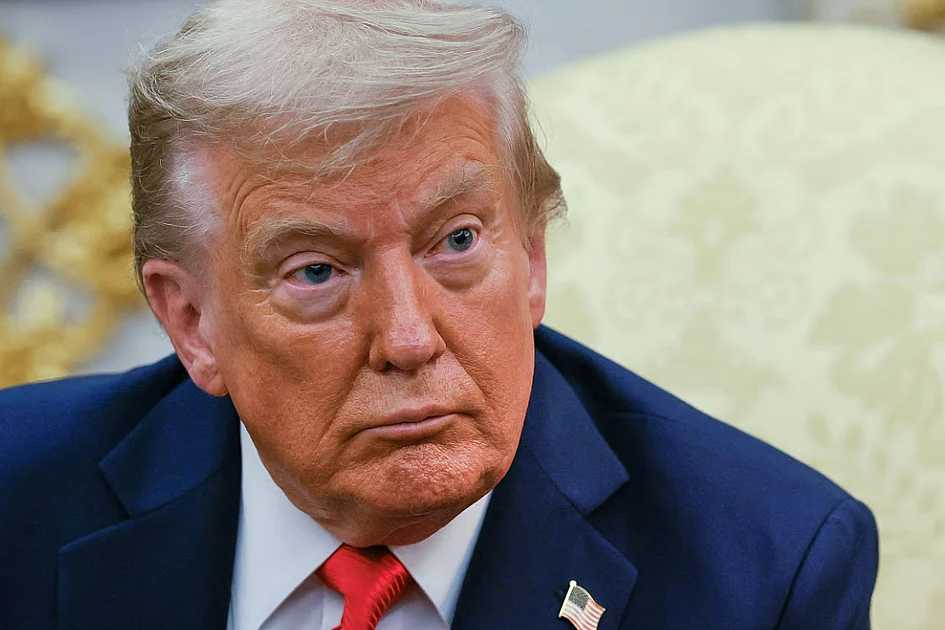
    Former US President Donald Trump has ignited online discourse after publishing a controversial chart on his Truth Social platform detailing welfare dependency rates among immigrant households from approximately 120 countries. The January 4 post highlighted nations with both high and low utilization rates of public assistance programs, including housing support, food assistance, and health insurance.

    Notably absent from the comprehensive list was India, despite the inclusion of neighboring South Asian nations such as Bangladesh, Pakistan, Nepal, and other major countries like China. This omission prompted immediate questioning across social media platforms, with many Indian users seeking clarification regarding the exclusion criteria.

    While the chart provided no explicit explanation for India’s absence, demographic data suggests Indian immigrant households typically demonstrate exceptionally low welfare dependency rates, likely falling below the statistical threshold for inclusion. According to Pew Research Center analyses, Indian immigrants represent one of the highest-earning demographic groups in the United States.

    The 2023 statistics reveal striking economic indicators: Indian-headed households reported median annual personal earnings of $85,300, significantly surpassing the overall Asian demographic average of $52,400. Among full-time, year-round workers, this disparity widened further with Indian workers recording median earnings of $106,400 compared to $75,000 for the broader Asian demographic.

    Furthermore, poverty levels within the Indian immigrant community stand at just 6 percent—notably lower than the 10 percent average across Asian populations in the United States. These economic indicators provide context for the demographic’s limited engagement with public assistance programs.

    The publication aligns with Trump’s established immigration policy stance, characterized by restrictive measures including mass deportation initiatives and the deployment of federal troops to urban centers. In November 2025, the former president announced intentions to ‘permanently pause’ migration from what he termed ‘third-world’ countries, asserting such measures would allow ‘US systems to fully recover.’

    Additionally, Trump has declared that beginning in 2025, federal benefits and subsidies would be exclusively reserved for US citizens, further reinforcing his administration’s approach to immigration and welfare reform.

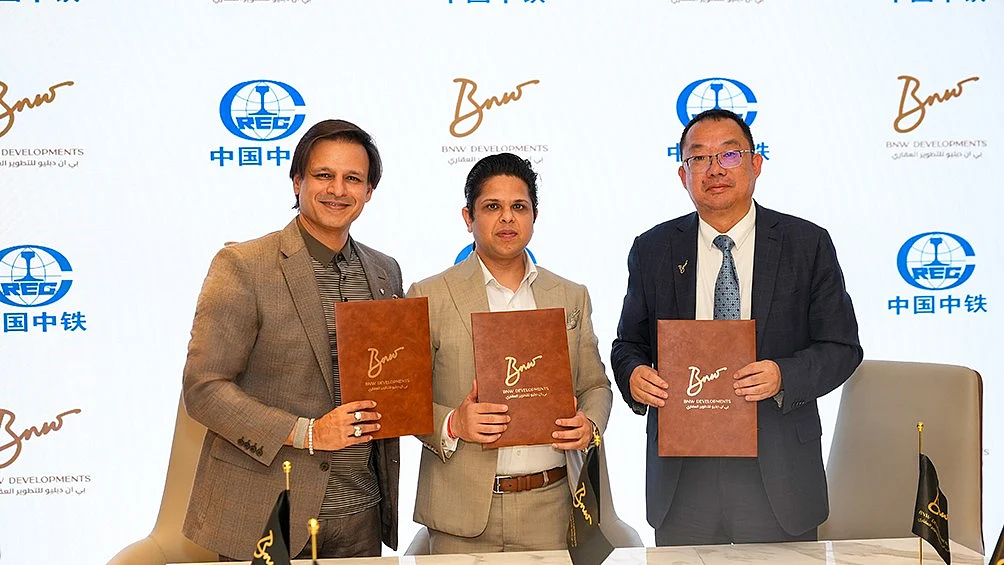
  • BNW Developments accelerates construction through a strategic partnership with China Railway No. 4 Engineering Group

    BNW Developments accelerates construction through a strategic partnership with China Railway No. 4 Engineering Group

    In a significant move to accelerate its luxury real estate portfolio, Ras Al Khaimah-based developer BNW Developments has entered into a strategic construction partnership valued at approximately one billion dirhams ($272 million) with China Railway No. 4 Engineering Group (CREC4), a subsidiary of Fortune 500 infrastructure giant China Railway Group Limited.

    The collaboration marks BNW’s latest initiative to strengthen its execution capabilities following previous construction agreements and rapid mobilization of on-ground teams across its development pipeline. With enabling works and foundational activities on earlier projects nearing completion, the partnership positions BNW to leverage CREC4’s global engineering expertise and disciplined delivery frameworks to scale upcoming waterfront developments to international standards.

    BNW Chairman Ankur Aggarwal emphasized the strategic importance of the alliance, stating: “We are in an execution-driven phase with singular focus on disciplined, on-time delivery. China Railway Group brings deep engineering capabilities, robust governance systems, and proven international experience, including established operations in the UAE. This partnership represents one of several global construction alliances we are activating to support our growth with speed, quality, and credibility.”

    Managing Director Dr. Vivek Anand Oberoi reinforced the company’s commitment to quality, noting: “We consciously collaborate with globally recognized contractors whose track records demonstrate engineering integrity and adherence to international standards. CREC4’s capabilities align closely with our vision of developing enduring, design-led projects.”

    CREC4 Middle East & Eastern Europe General Manager Gang Li commented: “This partnership enables us to apply our global project management expertise and advanced construction methodologies to BNW’s luxury developments. We are committed to ensuring efficient implementation, rigorous quality control, and delivery that meets investor and end-user expectations.”

    China Railway No. 4 Engineering Group brings extensive experience from large-scale infrastructure projects across China and more than 30 international markets. BNW Developments currently manages a development pipeline exceeding 32 billion dirhams in Gross Development Value, with a portfolio that includes Aqua Arc, Taj Wellington Mews, Pelagia, FashionTV Acacia, Aquino, and Tonino Lamborghini Residences Ras Al Khaimah. The company is evaluating additional global construction alliances as part of its long-term execution strategy.

  • Which countries could be in Trump’s sights after Venezuela?

    Which countries could be in Trump’s sights after Venezuela?

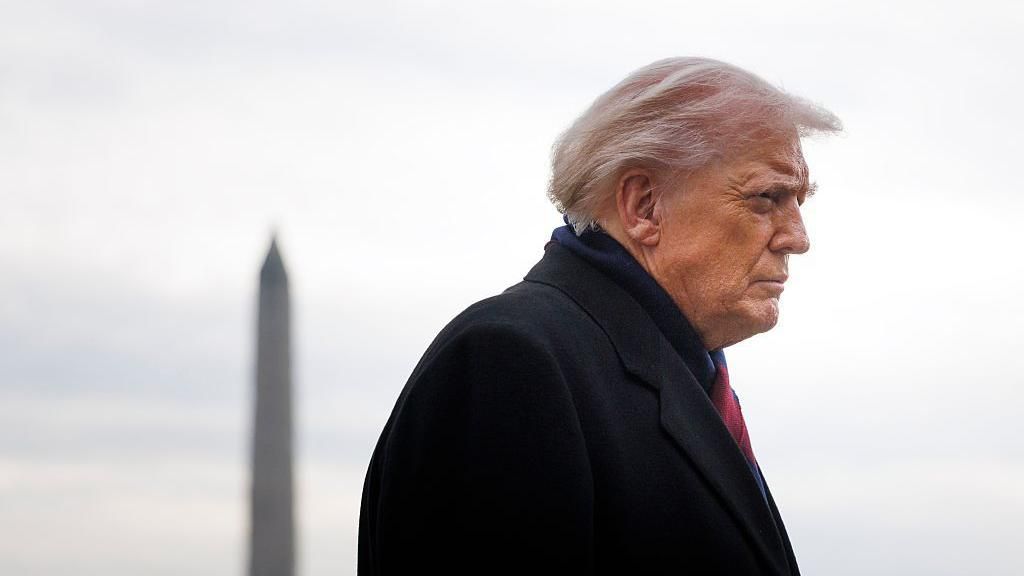
    The foreign policy approach of US President Donald Trump’s second administration is rapidly materializing through a series of confrontational actions and territorial ambitions across the Western Hemisphere. In a dramatic escalation, US forces conducted a nighttime raid on Caracas, successfully extracting Venezuelan President Nicolás Maduro and his wife from their heavily fortified compound. This operation marks the most significant implementation of what Trump has rebranded the “Donroe Doctrine” – an updated version of the 1823 Monroe Doctrine asserting American supremacy throughout the Americas.

    The administration’s ambitions extend beyond Venezuela to territorial acquisition. President Trump has publicly expressed interest in acquiring Greenland, citing national security concerns about Russian and Chinese naval presence in the region. The vast Arctic territory, currently under Danish sovereignty, possesses substantial rare earth mineral deposits crucial for technology and military applications, areas where China currently dominates global production. Greenland’s strategic position also offers future access to emerging Arctic shipping routes as polar ice continues to melt. Greenlandic Prime Minister Jens Frederik Nielsen dismissed annexation fantasies while remaining open to diplomatic dialogue conducted through proper channels.

    Simultaneously, Trump has intensified pressure on Colombia following the Venezuelan operation, directly warning President Gustavo Petro to “watch his ass.” The administration alleges Colombia’s left-wing leadership enables drug cartels to flourish, resulting in October sanctions against Petro. Aboard Air Force One, Trump characterized Colombia as being “run by a sick man who likes making cocaine and selling it to the United States,” hinting at potential future operations.

    The administration’s focus extends beyond the hemisphere to Iran, where Trump issued stark warnings amid ongoing anti-government protests. He threatened severe consequences if Iranian authorities responded with violence against demonstrators, despite Iran falling outside the Donroe Doctrine’s theoretical scope. This follows previous strikes on Iranian nuclear facilities and continued coordination with Israeli Prime Minister Benjamin Netanyahu, who reportedly discussed potential new strikes against Iran during recent meetings.

    Closer to home, tensions with Mexico persist over drug trafficking and immigration. Trump renamed the Gulf of Mexico the “Gulf of America” by executive order and continues criticizing Mexican efforts to stem drug flows. While Mexican President Claudia Sheinbaum has rejected any US military action on Mexican soil, Trump maintains that “something” must be done about powerful cartels.

    Regarding Cuba, just 90 miles from Florida, Trump suggested military intervention might be unnecessary as the nation appears “ready to fall” due to economic collapse. With Venezuela historically supplying approximately 30% of Cuba’s oil, Maduro’s capture severely jeopardizes Havana’s energy security. Secretary of State Marco Rubio, son of Cuban immigrants, reinforced that Cuban officials should take Trump’s statements seriously regarding potential regime change.