作者: admin

  • Eyeing its own security, Europe muted as Trump ousts Maduro

    Eyeing its own security, Europe muted as Trump ousts Maduro

    European leaders have responded with measured caution to President Donald Trump’s military operation in Venezuela that resulted in the capture of strongman Nicolás Maduro. While avoiding outright condemnation of an action critics label a violation of Venezuelan sovereignty, key European figures emphasized the importance of international law.

    German Chancellor Friedrich Merz described the legal dimensions of the intervention as “complex,” while British Prime Minister Keir Starmer characterized developments as a “fast-moving situation.” The European Union acknowledged the potential for democratic transition in Venezuela following Maduro’s ouster but carefully avoided endorsing Washington’s assertion that it would now administer the country.

    Spanish Prime Minister Pedro Sánchez delivered the strongest rebuke among European leaders, stating the intervention clearly “violates international law.” Spain maintains deep historical and cultural ties to Latin America.

    The generally restrained response reflects Europe’s strategic calculation to preserve cooperation with the Trump administration on more pressing security concerns, particularly regarding Ukraine. European diplomats privately acknowledge their dependence on U.S. support for Kyiv’s defense against Russian aggression.

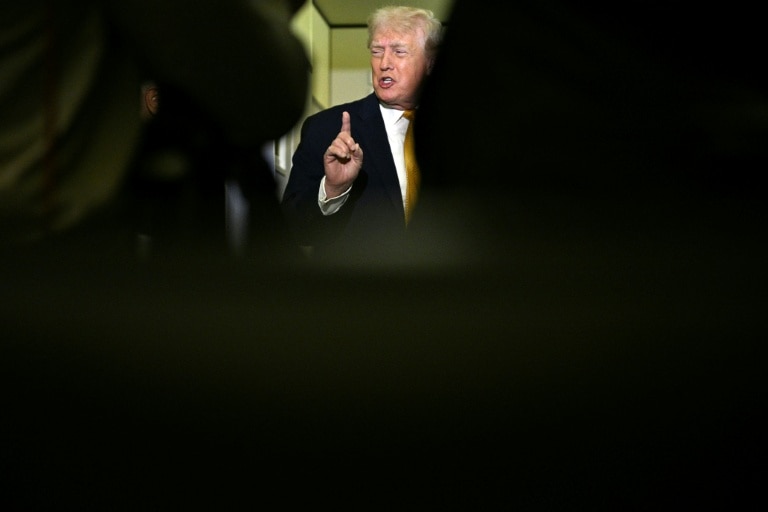
    The Venezuela operation has heightened European anxieties about Trump’s broader geopolitical ambitions. Most alarmingly, Trump reiterated his interest in acquiring Greenland, citing U.S. national security interests, despite vehement objections from Denmark, which governs the autonomous territory.

    Analysts from the German Marshall Fund warn that the Venezuela intervention sets a dangerous precedent that could legitimize powerful nations imposing their will on neighboring territories, creating potential implications for Taiwan, Ukraine, and Moldova.

    The European Council on Foreign Relations suggests European nations face an inevitable choice between accommodating or resisting Washington’s ambitions, noting that both approaches carry significant costs for transatlantic relations.
  • Why does Trump want Greenland and what do its people think?

    Why does Trump want Greenland and what do its people think?

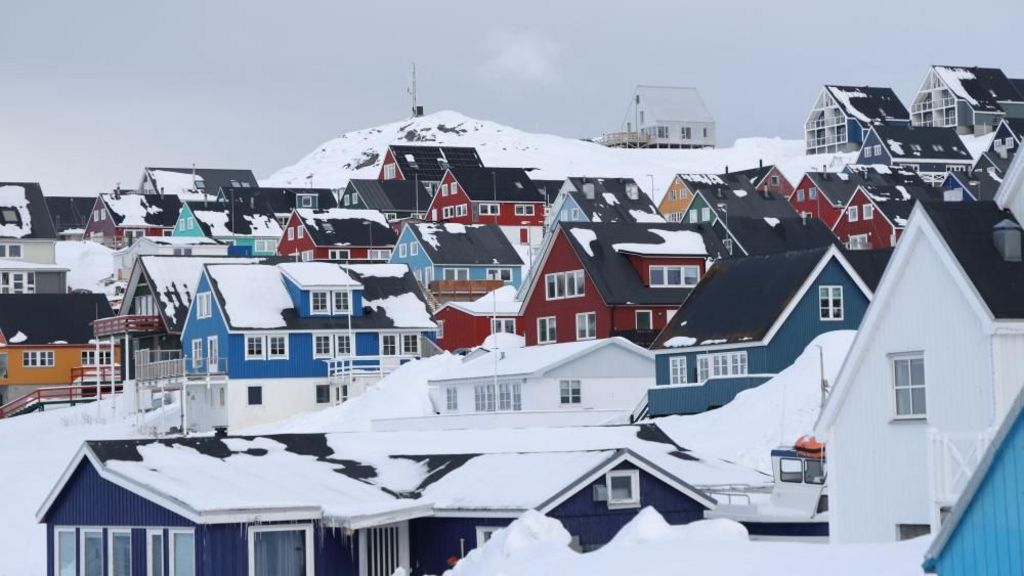
    In a dramatic escalation of geopolitical tensions, former and current U.S. President Donald Trump has renewed his campaign to acquire Greenland, citing urgent national security concerns. The controversial proposition has been met with firm resistance from both Greenland’s autonomous government and Denmark, creating an unprecedented rift between the NATO allies.

    Following a military operation in Venezuela that resulted in the capture of President Nicolás Maduro, Trump intensified his calls for American control over the strategic Arctic territory. ‘We require Greenland from the standpoint of national security,’ Trump asserted to journalists. ‘The region is overwhelmingly strategic. Presently, Russian and Chinese vessels dominate the surrounding waters.’

    Greenlandic Prime Minister Jens Frederik Nielsen delivered a sharp rebuke, characterizing Trump’s annexation ambitions as pure ‘fantasy’ and demanding an end to the pressure campaign. Danish Prime Minister Mette Frederiksen reinforced this position, declaring that the United States possesses no legitimate claim to any territory within the Danish realm.

    This territorial dispute represents a reactivation of Trump’s 2019 offer to purchase the island, which Denmark previously dismissed as nonsensical. Since returning to the White House in January 2025, Trump has not excluded military options, alarming European partners. The administration has further provoked Copenhagen through high-level diplomatic maneuvers, including Vice-President JD Vance’s visit to Greenland in March 2025, where he accused Denmark of inadequate investment in territorial defense.

    The appointment of special envoy Jeff Landry in late 2025, who openly advocates for Greenland’s incorporation into the United States, ignited fresh diplomatic hostilities. The world’s largest non-continental island possesses growing geopolitical significance due to its position in the rapidly changing Arctic region, where melting ice caps are unlocking access to substantial deposits of rare earth minerals, uranium, and iron ore.

    While Trump maintains that his interest is purely security-driven, historical context reveals deeper motivations. The U.S. military has maintained a continuous presence in Greenland since World War II, when American forces preemptively invaded following Nazi Germany’s occupation of Denmark. The Pituffik Space Base (formerly Thule Air Base) remains a critical component of America’s missile defense system, with experts noting its vital role in intercepting potential Russian nuclear strikes via the polar route.

    Historical archives reveal that American attempts to acquire Greenland date back to 1867, when Secretary of State William H. Seward pursued acquisition shortly after securing Alaska from Russia. Another substantial offer of $100 million was presented in 1946, equivalent to approximately $1.2 billion today, but rejected by Danish authorities.

    Despite Greenland’s colonial history and current status as a semi-autonomous Danish territory, polling indicates strong local support for eventual independence—though overwhelmingly opposed to American annexation. As one resident emphatically told BBC correspondent Fergal Keane: ‘Greenland belongs to Greenlanders. Trump can visit but that’s it.’

    The escalating confrontation represents one of the most significant diplomatic challenges to transatlantic relations in modern history, testing the resilience of NATO alliances and international norms regarding territorial sovereignty.

  • US expands list of countries whose citizens must pay up to $15,000 bonds to apply for visas

    US expands list of countries whose citizens must pay up to $15,000 bonds to apply for visas

    The Trump administration has significantly expanded its controversial visa bond program, adding seven new countries to a list requiring passport holders to post financial guarantees of up to $15,000 for U.S. visa applications. The newly designated nations—Bhutan, Botswana, Central African Republic, Guinea, Guinea-Bissau, Namibia, and Turkmenistan—joined the program effective January 1, according to a State Department notice published on travel.state.gov.

    This expansion brings the total to thirteen countries subject to these financial requirements, with eleven now being African nations. The bond amounts, ranging from $5,000 to $15,000, create substantial financial barriers for many prospective visitors from these countries seeking entry to the United States.

    Administration officials defend the bonding system as an effective mechanism to ensure compliance with visa terms and prevent overstays. However, the policy has drawn criticism for creating disproportionate hurdles for applicants from developing nations. The bond is refundable if visas are denied or if travelers comply with all visa conditions, but payment does not guarantee visa approval.

    This move represents the latest in a series of immigration restrictions implemented by the Trump administration, which has also mandated in-person interviews for most visa applicants and required extensive disclosure of social media histories and detailed travel backgrounds for applicants and their family members.

    The new countries join Mauritania, Sao Tome and Principe, Tanzania, Gambia, Malawi, and Zambia, which were previously added to the bond requirement list during August and October of last year.

  • NHC unveils 4th catalog of branded drugs to boost generic alternatives

    NHC unveils 4th catalog of branded drugs to boost generic alternatives

    China’s National Health Commission (NHC) has launched its fourth comprehensive catalog of reference brand-name drugs, marking a significant advancement in the nation’s healthcare strategy. Released on January 5, 2026, this initiative specifically targets the development of high-quality generic alternatives to address critical clinical gaps across multiple medical specialties.

    The newly published catalog, developed through collaboration between the NHC and three additional government agencies, features 21 innovative pharmaceutical products spanning oncology, neurology, reproductive medicine, and diagnostic imaging. The selection process prioritized medications demonstrating novel therapeutic mechanisms and targets, including groundbreaking treatments such as difelikefalin for chronic kidney disease-associated pruritus and four radiopharmaceutical therapies currently unavailable in domestic markets.

    Notably, the catalog incorporates internationally recognized first-line treatments like suvorexant for insomnia management, which demonstrates efficacy in sleep initiation and maintenance while reducing daytime impairment. In alignment with national population policies, the list also includes advanced reproductive health formulations designed as gels and suppositories to minimize adverse reactions during assisted reproduction procedures.

    The catalog further emphasizes medicines with established clinical utility within China’s healthcare system, such as deflazacort for managing Duchenne muscular dystrophy. Since initiating this program in 2019, Chinese health authorities have consistently released these catalogs to accelerate the availability of affordable, therapeutically equivalent generic medications, thereby enhancing treatment accessibility while maintaining pharmaceutical quality standards.

  • Who is Venezuela’s interim president?

    Who is Venezuela’s interim president?

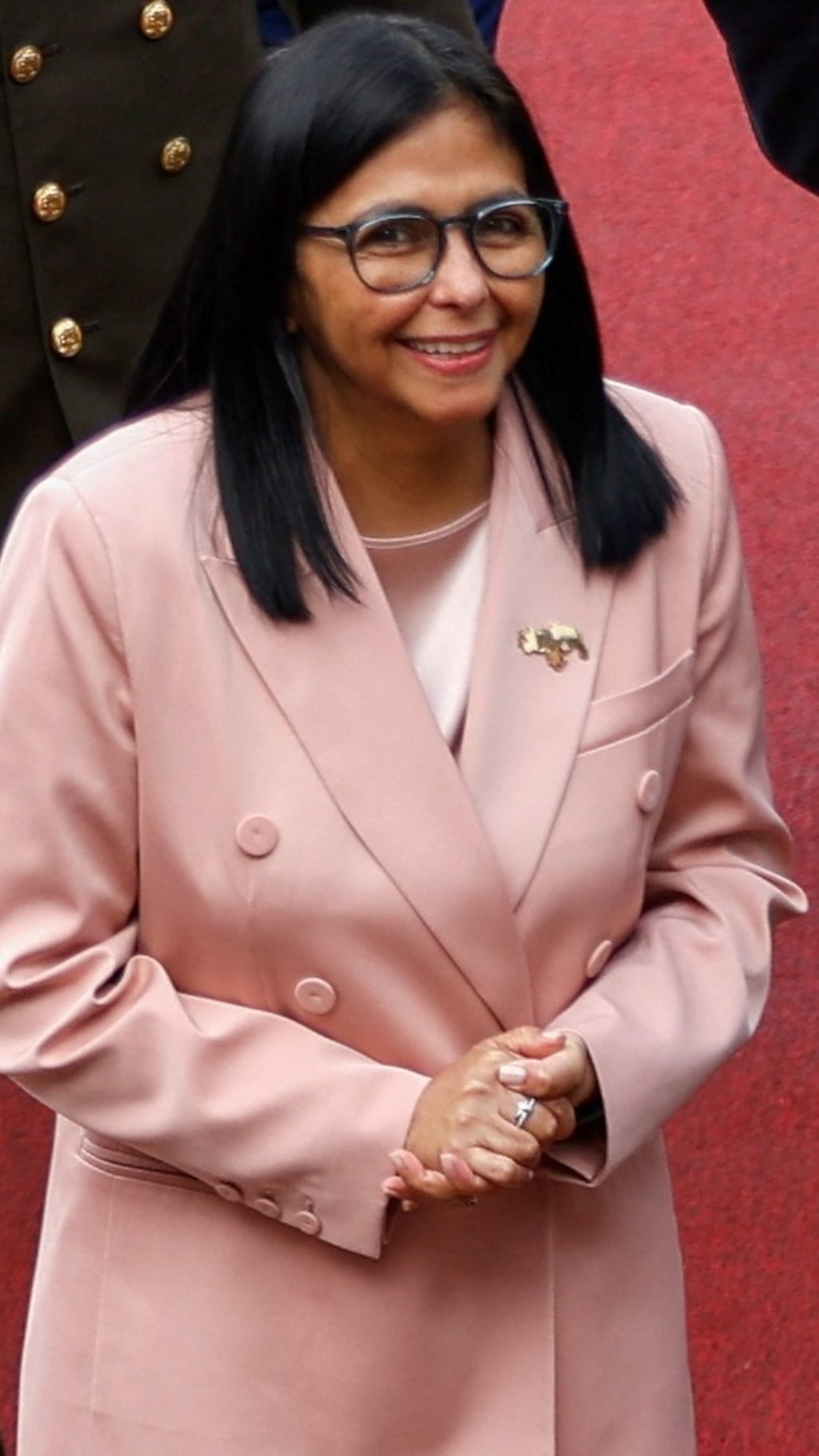
    In a significant political development, Venezuela has witnessed the swearing-in of Delcy Rodríguez as the nation’s interim president. This transitional leadership appointment occurs amid a complex political landscape that has characterized the South American country in recent years. Rodríguez, a seasoned political figure with extensive governmental experience, previously served as Venezuela’s vice president and has been a close ally of the ruling party establishment. The interim presidency role typically signifies a temporary leadership position that maintains executive authority during periods of political transition or uncertainty. This development represents the latest chapter in Venezuela’s ongoing political narrative, which has drawn international attention and commentary. The appointment follows established constitutional protocols for ensuring governmental continuity while the nation addresses its broader political challenges. Rodríguez’s assumption of duties demonstrates the current administration’s commitment to maintaining structural stability while navigating both domestic and international pressures. The interim president now assumes responsibility for guiding the nation’s daily governance and upholding institutional operations during this transitional phase.

  • Why millionaires are moving to Dubai: Reality TV stars reveal what buyers really want

    Why millionaires are moving to Dubai: Reality TV stars reveal what buyers really want

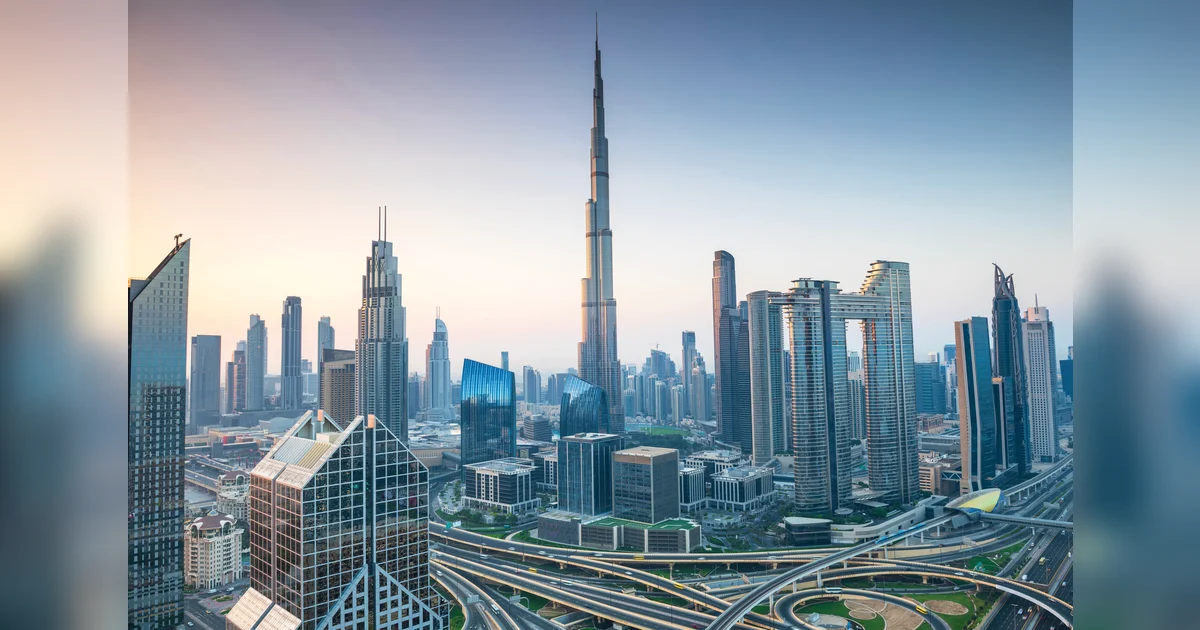
    Dubai’s luxury property market continues to attract unprecedented global wealth, with reality television series ‘Million Dollar Listing UAE’ providing unprecedented insight into this high-stakes world. The show’s second season, now streaming on STARZPLAY, has emerged as a platform revealing the sophisticated mechanics behind the emirate’s multi-million dollar transactions.

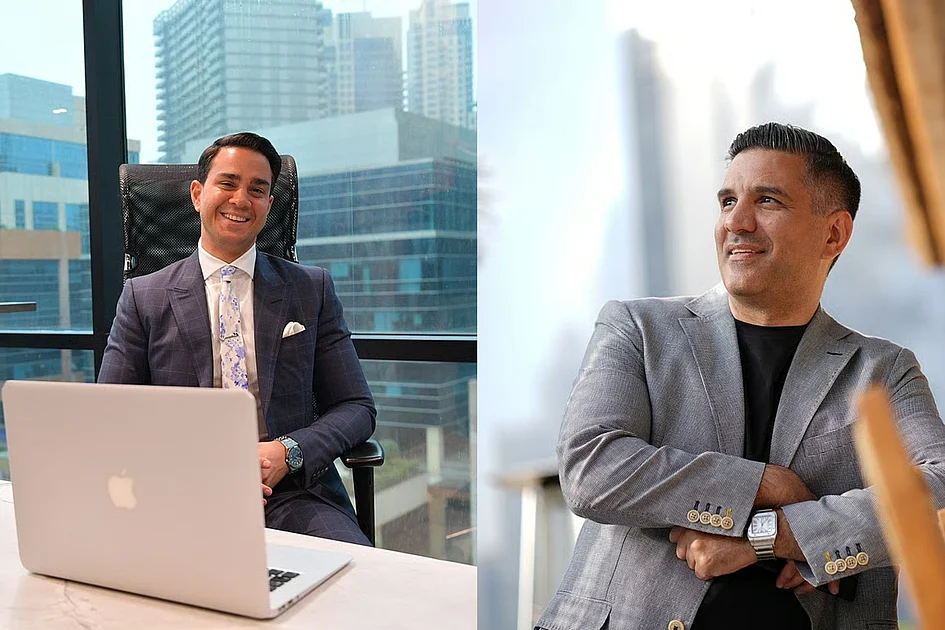
    Ben Bandari and Rami Wahood, the breakout stars of the series, explain that today’s ultra-wealthy buyers demonstrate fundamentally different motivations compared to just three years ago. Rather than opportunistic investments driven by global uncertainty, current purchasers exhibit strategic, long-term commitment—relocating families, moving businesses, and building legacy portfolios with genuine conviction about Dubai’s maturity as a market.

    The scale of transactions has reached unprecedented levels, with Season 2 featuring a headline-making Dh61.5 million sale. Behind these record-breaking deals lies immense pressure and responsibility that cameras cannot fully capture. Brokers manage complex negotiations spanning weeks or months across multiple jurisdictions, where a single misjudgment could cost millions or damage longstanding professional relationships.

    According to Bandari, the fundamental shift represents a move from curiosity-driven purchasing to strategic acquisition. “Today’s ultra-wealthy buyers understand Dubai as a mature market and are buying with conviction rather than curiosity,” he notes. This transformation reflects Dubai’s evolution into a global decision-making hub rather than merely a property investment destination.

    The city recorded 435 homes sold above $10 million in 2024, with nearly 9,800 millionaires reportedly relocating to Dubai in 2025. While tax efficiency and luxury lifestyle remain important factors, Bandari emphasizes that buyers are primarily purchasing “security and optionality”—a combination of stability, infrastructure, governance, and global connectivity that few cities can match.

    The reality series has significantly impacted the brokers’ professional lives, simultaneously opening doors while raising client expectations to unprecedented levels. Wahood acknowledges that visibility creates both opportunity and pressure: “Clients come in expecting you to know your stuff and move fast. There’s nowhere to hide.”

    As Dubai expands its global influence, the show features an international crossover with London, highlighting how Dubai-based clients approach foreign markets with distinctive speed and determination. This international dimension underscores Dubai’s growing status as a source of global capital rather than merely a destination for investment.

    Both brokers emphasize that beneath the glamorous exterior portrayed on social media lies a highly efficient, professional, and regulated market environment. The reality series ultimately reveals Dubai’s maturation beyond spectacle and record-breaking sales into a sophisticated ecosystem where global wealth operates with strategic purpose.

  • Macao sees tourism surge during New Year holiday

    Macao sees tourism surge during New Year holiday

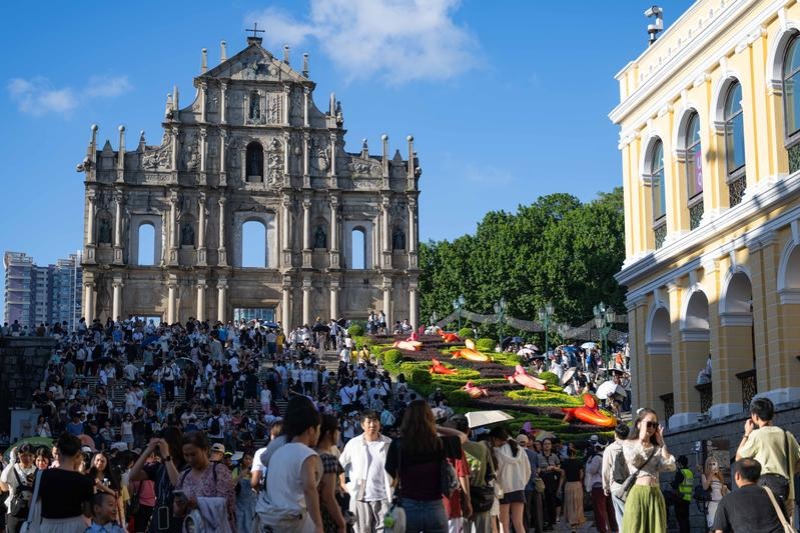
    Macao’s tourism sector has demonstrated extraordinary resilience and appeal during the recent New Year holiday period, with official data revealing record-breaking visitor numbers that underscore the region’s growing popularity as a premier travel destination. According to statistics released by Macao’s Public Security Police Force, the special administrative region witnessed an extraordinary influx of travelers between December 31, 2025, and January 4, 2026. The border checkpoints processed a staggering 3,807,706 inbound and outbound movements during this five-day period, highlighting the massive scale of holiday travel activity. The data further revealed that inbound visitor arrivals reached 766,240, demonstrating robust travel demand despite global economic uncertainties. The most remarkable milestone occurred on January 1st, when Macao’s border crossings achieved an unprecedented single-day record of 866,603 inbound and outbound trips. That same day, visitor arrivals peaked at 188,036—the highest number ever recorded for New Year’s Day in Macao’s history. This exceptional holiday performance builds upon an already record-shattering year for Macao’s tourism industry. Preliminary annual figures for 2025 indicate total visitor arrivals reached 40.06 million, establishing a new benchmark for the region’s tourism sector and signaling a complete recovery from previous pandemic-related disruptions. The consistent growth trajectory positions Macao as one of Asia’s most dynamic and resilient tourism markets, with the New Year surge serving as a strong indicator of continued expansion in 2026.

  • ‘One Battle After Another’, Timothee Chalamet: Key winners at Critics Choice Awards

    ‘One Battle After Another’, Timothee Chalamet: Key winners at Critics Choice Awards

    The 31st Annual Critics Choice Awards concluded on Sunday evening with significant victories for both established and emerging talents in the film and television industries. Hosted by North America’s most prominent critics’ organization, the ceremony recognized outstanding achievements across cinematic and broadcast mediums.

    Political satire ‘One Battle After Another’ emerged as the night’s most celebrated film, securing three prestigious awards including Best Picture. Director Paul Thomas Anderson received dual recognition, winning both Best Director and Best Adapted Screenplay for his work on the critically acclaimed production.

    In the acting categories, Timothee Chalamet reinforced his awards season momentum by claiming Best Actor for his portrayal in ‘Marty Supreme,’ while Jessie Buckley earned Best Actress honors for her performance in ‘Hamnet.’ These wins significantly strengthen their positions as strong contenders for the upcoming Academy Awards.

    The horror genre received substantial recognition as ‘Sinners’ collected four awards, including Best Original Screenplay for Ryan Coogler and Best Young Actor/Actress for Miles Caton. Despite this impressive haul, the film ultimately missed the top prize of Best Picture.

    Television categories saw notable wins for ‘The Pitt’ as Best Drama Series, with Noah Wyle receiving Best Actor in a Drama Series. The comedy arena was dominated by ‘The Studio,’ which won Best Comedy Series with Seth Rogen earning Best Actor honors. Jean Smart continued her awards success with another Best Actress win for ‘Hacks.’

    Limited series categories were led by ‘Adolescence,’ which took home both Best Limited Series and Best Actor for Stephen Graham. Sarah Snook received Best Actress in a Limited Series for ‘All Her Fault,’ adding to her growing collection of industry accolades.

    Additional notable winners included ‘KPop Demon Hunters’ for Best Animated Feature and ‘The Secret Agent’ for Best Foreign Language Film, demonstrating the awards’ recognition of diverse cinematic achievements.

  • ‘Freak accident’: Singer Chitra Iyer mourns death of sister Sharada in Oman

    ‘Freak accident’: Singer Chitra Iyer mourns death of sister Sharada in Oman

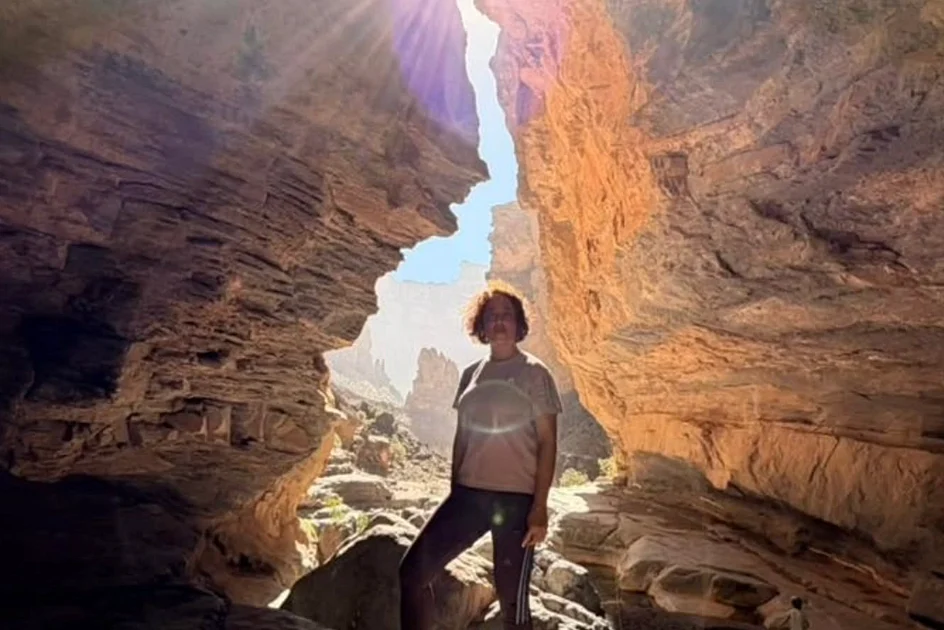
    In a devastating turn of events, Indian expatriate Sharada Iyer lost her life during a hiking expedition in Oman’s renowned Wadi Ghul canyon region. The incident, described by family as a “freak accident,” occurred at Jebel Shams, frequently dubbed the “Grand Canyon of Arabia” for its dramatic geological formations.

    Sharada, an Omani resident originally from Kerala, India, was participating in the outdoor adventure when tragedy struck. Her sister Chitra Iyer, an accomplished Indian playback singer, confirmed the heartbreaking news through emotional social media tributes that captured their deep sibling bond despite their playful rivalry.

    “What am I going to do? How will I ever carry on living without your annoying voice jabbering nonstop at the other end of the phone? Or screaming from the next room?” Chitra expressed in her moving online homage, accompanied by cherished photographs of her departed sister.

    Arrangements are currently underway to repatriate Sharada’s remains to her native Kerala, where final rites have been scheduled for January 7 at the family’s ancestral home. The Indian expatriate community across the Gulf region has expressed profound sympathy for the grieving family.

    The Wadi Ghul area, while offering spectacular vistas and challenging terrain for outdoor enthusiasts, presents significant safety considerations that adventure seekers must acknowledge. This incident serves as a sobering reminder of the unpredictable nature of wilderness expeditions, even in popular tourist destinations.

  • From vision to velocity: Dubai’s blueprint for future-ready government

    From vision to velocity: Dubai’s blueprint for future-ready government

    As Dubai commemorates the 20-year leadership tenure of His Highness Sheikh Mohammed bin Rashid Al Maktoum as Ruler of Dubai and UAE Vice-President and Prime Minister, the emirate’s extraordinary governance transformation offers a compelling case study in strategic modernization. Since 2006, Dubai has evolved from a regional trading center into a globally recognized paradigm of agile, citizen-centric governance that balances technological innovation with human-centered development.

    The Dubai model distinguishes itself through its systematic institutional redesign prioritizing operational efficiency, transparency, and quality of service delivery. Public institutions have been fundamentally reengineered to serve citizens and businesses with unprecedented speed and accountability, creating governance systems now studied internationally as proven operational frameworks rather than theoretical concepts.

    Technological integration formed a cornerstone of this transformation, with the UAE embedding digital infrastructure into public services long before it became a global priority. From pioneering e-government initiatives to contemporary artificial intelligence applications in policy design and infrastructure resilience, innovation has become institutionalized while maintaining trust and responsibility as core principles.

    Beyond technological advancement, Dubai’s holistic approach emphasizes cultural development through institutions like the Museum of the Future and Louvre Abu Dhabi, recognizing cultural capital as essential to national progress. Concurrently, comprehensive social initiatives addressing family welfare, elderly care, and population development ensure inclusive advancement.

    Economically, Dubai’s forward-looking regulatory environment has attracted global enterprises while nurturing homegrown businesses and startups, creating a diversified, non-oil growth model that enhances economic resilience and accessibility.

    The UAE’s global talent attraction strategy, facilitated through long-term residency pathways and world-class education ecosystems, has established the nation as a stable environment for building complete lives rather than just careers. This stability has emerged as a strategic asset in an increasingly volatile global landscape.

    Internationally, the UAE has extended its leadership through platforms like the World Government Summit while demonstrating humanitarian commitment through crisis response and aid initiatives. Guided by a clear vision extending to the UAE Centennial 2071, the nation has established a roadmap anchored in sustainability, innovation, and societal wellbeing that ensures cumulative rather than episodic progress.

    According to Deloitte Middle East partners Muhannad Tayem and Shargil Ahmad, whose organization marks its centennial in the region this year, Dubai’s transformation demonstrates that enduring change requires partnership between bold leadership and disciplined execution. As Dubai progresses toward its next developmental chapter, its governance model provides a blueprint for future-ready administration worldwide.