作者: admin

  • US says it now plans to deport Abrego Garcia to Liberia as soon as Oct. 31

    US says it now plans to deport Abrego Garcia to Liberia as soon as Oct. 31

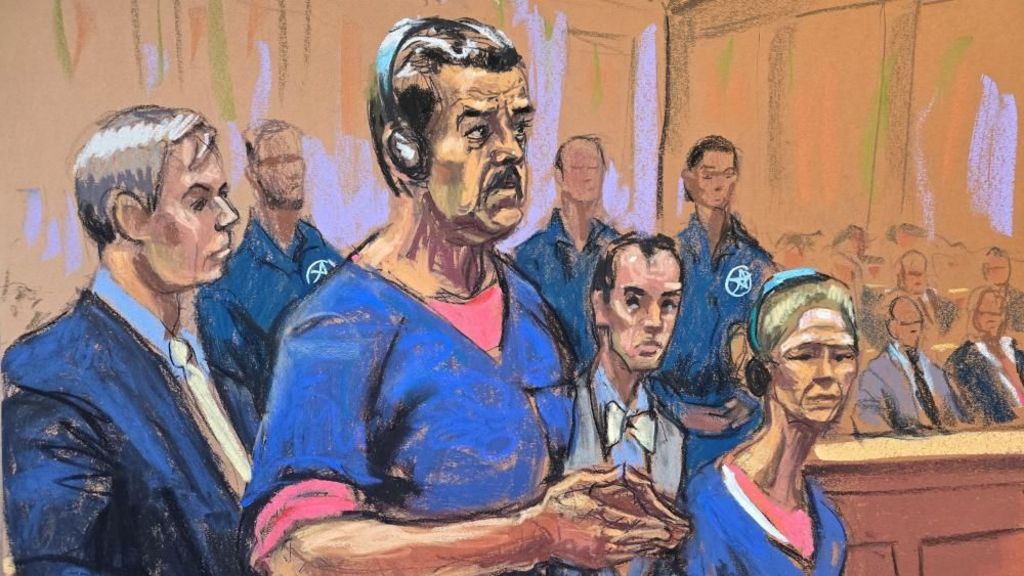
    The U.S. government is preparing to deport Kilmar Abrego Garcia, a Salvadoran national, to Liberia as early as October 31, according to a recent court filing. This decision follows a series of contentious legal battles surrounding his immigration status and deportation. Abrego Garcia’s case has drawn significant attention due to its implications for President Donald Trump’s immigration policies. He was mistakenly deported to El Salvador in violation of a settlement agreement, prompting the U.S. Supreme Court to mandate his return to the U.S. in June. Since then, Immigration and Customs Enforcement (ICE) has sought to deport him to various African countries, including Liberia. A federal judge in Maryland has temporarily blocked his immediate deportation, while Abrego Garcia’s lawsuit alleges that the Trump administration is using the deportation process to punish him for the earlier error. The Department of Homeland Security’s filing describes Liberia as a democratic partner with robust human rights protections, arguing it is a suitable destination. However, Abrego Garcia’s attorney, Simon Sandoval-Moshenberg, contends that the government’s actions are punitive and unconstitutional, especially given Costa Rica’s willingness to accept him as a refugee. Abrego Garcia, who has lived in Maryland for years with his American wife and child, faces criminal charges in Tennessee for human smuggling, which he denies, claiming the prosecution is vindictive.

  • US imposes sanctions on Colombia’s president and family members over drug trade allegations

    US imposes sanctions on Colombia’s president and family members over drug trade allegations

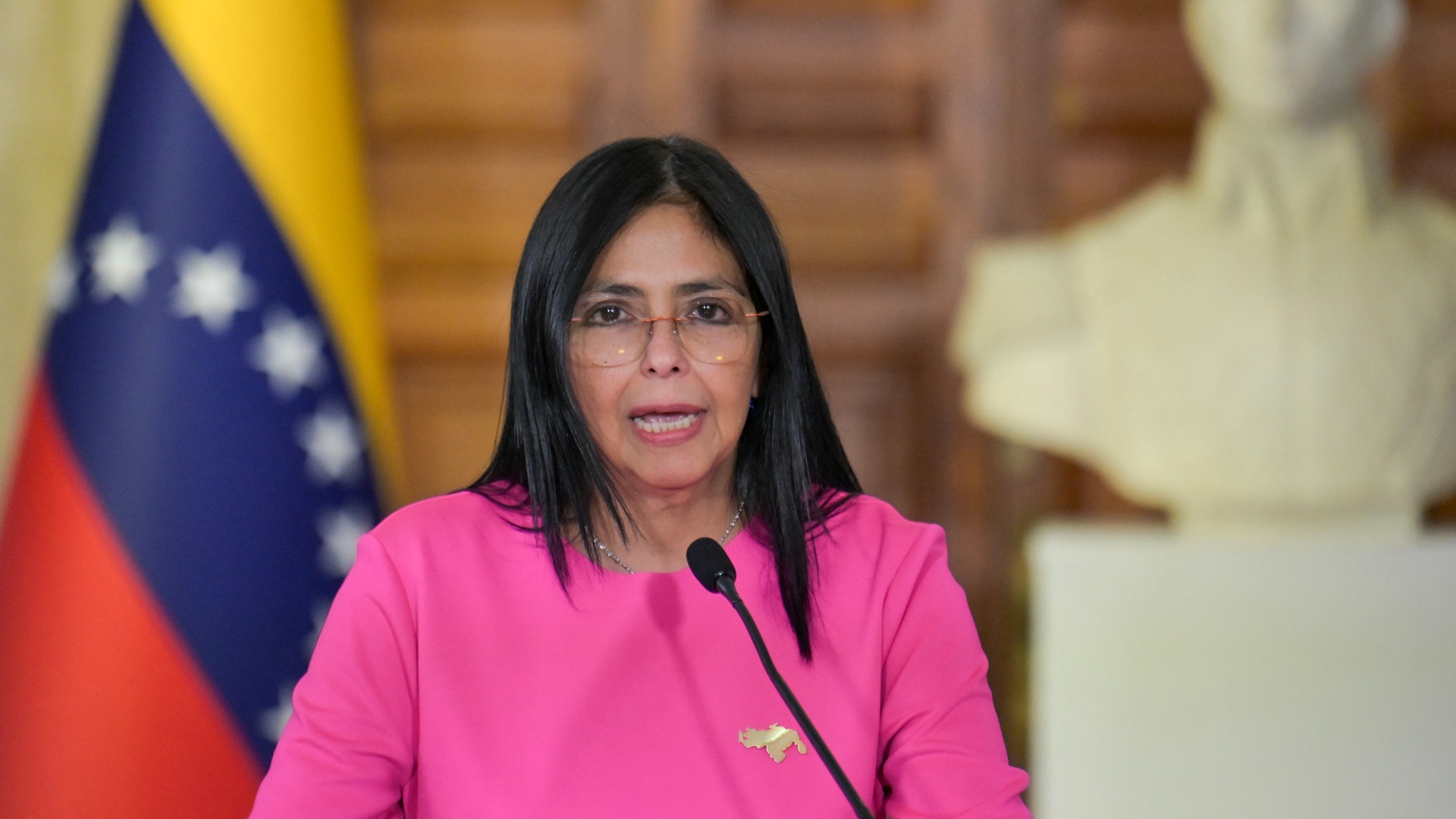
    The Trump administration has imposed sanctions on Colombian President Gustavo Petro, his family, and a senior government official, accusing them of involvement in the global drug trade. This move marks a significant escalation in tensions between the U.S. and one of its closest allies in South America. The sanctions, announced by the Treasury Department, target Petro, his wife Veronica del Socorro Alcocer Garcia, his son Nicolas Fernando Petro Burgos, and Colombian Interior Minister Armando Alberto Benedetti. Treasury Secretary Scott Bessent stated that Petro has allowed drug cartels to thrive and failed to curb their activities, prompting President Trump to take decisive action to protect the U.S. from drug trafficking. The sanctions follow a series of clashes between the U.S. and Colombia, particularly over American military strikes on alleged drug-carrying vessels off South America. This week, the U.S. expanded its anti-drug operations to the eastern Pacific Ocean, a major cocaine smuggling route, and deployed an aircraft carrier to the region. Petro has vehemently denied the accusations, vowing to defend himself in U.S. courts and emphasizing his commitment to combating drug trafficking through alternative policies, such as agreements with coca growers to transition to legal crops. The U.S. has also slashed aid to Colombia, with expected cuts of at least 20%, or $18 million, and threatened tariffs on Colombian exports. Petro’s approach to drug policy, which focuses on addressing the root causes of drug production rather than repression, has drawn criticism from the Trump administration, which has intensified military operations in Latin America to target traffickers. The sanctions and aid cuts underscore the deepening rift between the two nations, with Petro accusing the U.S. of hypocrisy and vowing to resist pressure.

  • Dubai announces new planning standards for early childhood centres

    Dubai announces new planning standards for early childhood centres

    Dubai Municipality has unveiled new planning standards for early childhood centers, marking a significant step in the emirate’s efforts to enhance its urban planning framework. The updated regulations, announced on Friday, October 24, 2025, include provisions for constructing a dedicated first floor exclusively for administrative and service purposes. Additionally, preschools, nurseries, and daycare centers must maintain a minimum setback of three meters on all sides to ensure adequate open space. The new standards also outline specific parking requirements, mandating one parking space per classroom, one space per 50 square meters of office area, and one dedicated bus space for every three classrooms. These measures aim to optimize land use, improve capacity, and elevate service levels without imposing additional fees. Eng. Sanaa Al Alili, Director of the Urban Planning Department at Dubai Municipality, emphasized that the changes align with Dubai’s Urban Master Plan 2040 and its vision to nurture future generations. The initiative was developed in collaboration with the Knowledge and Human Development Authority (KHDA) and the Knowledge Fund, ensuring a modern learning environment for children while enhancing the investment appeal of early education. Eng. Nasser BuShehab, CEO of the Planning and Governance Sector at Dubai Municipality, highlighted that the standards support Dubai’s goal of building an integrated and sustainable community within a contemporary educational framework.

  • Dubai: 3-year-old girl wears police uniform, tours emirate in luxury patrol cars

    Dubai: 3-year-old girl wears police uniform, tours emirate in luxury patrol cars

    In a heartwarming gesture, Dubai Police turned a young girl’s aspiration into reality by organizing a special day for her. Three-year-old Sara, who expressed her desire to become a policewoman during a community event at a hospital, was invited to the General Command Headquarters. There, she was warmly welcomed by officers and presented with a custom Dubai Police uniform and a souvenir. The highlight of the day was a tour of the city in luxury patrol cars, where Sara was escorted through the streets of Dubai. Commemorative photos were taken to capture this memorable experience. This initiative by Dubai Police not only brought joy to Sara and her family but also highlighted the force’s commitment to community engagement and inspiring the next generation.

  • Chief prosecutor says top official would not call China an enemy

    Chief prosecutor says top official would not call China an enemy

    The high-profile espionage case involving allegations of spying for China has collapsed, with the Director of Public Prosecutions, Stephen Parkinson, attributing the failure to the Deputy National Security Adviser’s refusal to classify China as an ‘enemy’ during the relevant period. In a detailed letter to MPs, Parkinson explained that Matt Collins, the Deputy National Security Adviser, could not confirm that China posed an active threat to UK national security between 2021 and 2023, a stance that proved ‘fatal to the case.’ This revelation comes ahead of Parkinson’s appearance before a parliamentary committee next week, where government witnesses are expected to scrutinize his written evidence. The case involved Christopher Cash and Christopher Berry, who were charged under the Official Secrets Act 1911 in April 2024 for allegedly passing information to a Chinese intelligence agent. However, the charges were dropped in September 2024 after the Crown Prosecution Service (CPS) withdrew its case, citing insufficient evidence. Parkinson’s letter outlines the legal complexities, emphasizing that prosecutors needed to prove to a jury that China was considered an ‘enemy’ during the alleged offenses. This requirement became insurmountable after Collins declined to provide the necessary factual evidence, stating that such a classification did not align with the former Conservative government’s policy. The case’s collapse has sparked a political blame game, with attention now focused on the role of officials in national security decisions. The CPS’s inability to secure critical evidence from Collins ultimately led to the case’s unraveling, raising questions about the UK’s approach to handling espionage allegations involving foreign powers.

  • High school entrance exam will remain, education authorities clarify

    High school entrance exam will remain, education authorities clarify

    Education authorities in Chengdu, Sichuan province, and Shanghai have addressed recent online speculation suggesting the abolition of the high school entrance exam, known as the zhongkao, in certain pilot programs. Officials clarified that while new educational reforms aim to integrate middle and high school training models, they do not equate to eliminating the zhongkao, a critical academic assessment. In Chengdu, a 12-year coherent training program will be introduced in eight pilot schools starting in 2025, allowing students in specific continuous education classes to bypass the zhongkao if they choose. However, the program is limited in scope and does not signify a citywide cancellation of the exam. The reforms focus on creating a seamless educational pathway from primary through high school, emphasizing holistic development over exam scores. Similarly, Shanghai’s education commission highlighted that its pilot program aims to unify curriculum design and optimize resource sharing across school stages but does not abolish the zhongkao. The flexible approach helps manage enrollment fluctuations and promotes cross-campus resource sharing, making education more efficient and adaptable. Public concerns about vocational education persist, with many parents fearing that poor zhongkao performance could force their children into vocational schools. Authorities have reiterated that vocational education is a vital part of the education system, offering diverse pathways for students with varying strengths. Experts like Xiong Bingqi, president of the 21st Century Education Research Institute, emphasized that the reforms provide more educational options but do not fundamentally alter the competitive nature of high school admissions. He noted that deeper structural reforms, such as eliminating school hierarchies and bridging the gap between regular and vocational education, are necessary for systemic change. The 2022 revised Law on Vocational Education has redefined vocational education as a parallel pathway to regular education, calling for greater integration between the two systems.

  • Iranian press review: Moscow moves to restore Tehran-Damascus ties

    Iranian press review: Moscow moves to restore Tehran-Damascus ties

    Recent diplomatic engagements between senior Iranian and Russian officials have sparked speculation about Moscow’s strategic intentions in the Middle East. Alexander Lavrentiev, Russian President Vladimir Putin’s special envoy to Syria, arrived in Tehran on Monday for high-level meetings with Iran’s foreign ministry and Supreme National Security Council. This visit follows Syrian President Ahmed al-Sharaa’s talks with Putin in Moscow just a week earlier, signaling Russia’s active role in reshaping regional dynamics. According to the Sharq daily, Moscow aims to restore strained relations between Tehran and Damascus, which have been tense since the fall of Bashar al-Assad, who now resides in exile in Russia. Russia’s mediation efforts reportedly focus on two key areas: the restoration of diplomatic ties and the future of economic cooperation between Iran and Syria. Meanwhile, Asr-e Iran reported that Moscow seeks to balance its bilateral relations with Iran while leveraging its influence in Syria to promote regional stability. However, some Iranian analysts have criticized Tehran’s growing reliance on Moscow, arguing that Russia’s pragmatic approach could undermine Iran’s interests. Abbas Abdi, a prominent political analyst, warned that Moscow would prioritize its own agenda over loyalty to Tehran. Amid these developments, Iran faces internal challenges, including a surge in executions and protests by death row inmates at Qezel Hesar Prison, who staged a hunger strike to demand an end to state killings. The strike, which lasted six days, was temporarily suspended after judicial officials pledged to halt executions. On the nuclear front, Mahmoud Reza Aghamiri, a key figure in Iran’s nuclear program, dismissed claims by U.S. President Donald Trump that the Fordow facility was destroyed during Israel’s recent attacks. Aghamiri asserted that Iran retains the technical expertise to rebuild its nuclear infrastructure and even produce a nuclear weapon if necessary. As Iran navigates these complex challenges, its deepening ties with Russia continue to fuel debates about Moscow’s role as a mediator or potential trap in shaping Tehran’s future.

  • Education ministry unveils measures to improve students’ mental health

    Education ministry unveils measures to improve students’ mental health

    In a significant move to address the growing concerns over mental health among young learners, China’s Ministry of Education has unveiled a comprehensive set of measures aimed at improving the psychological well-being of primary and secondary school students. Announced on October 24, 2025, the initiative focuses on reducing academic pressures, limiting screen time, and fostering supportive environments both in schools and at home. The measures span ten critical areas, emphasizing the reduction of excessive academic burdens and exam-related anxieties. Schools are now mandated to strictly control the volume of written homework, introduce weekly ‘no homework days,’ and limit the frequency and difficulty of tests. Additionally, ranking students based on exam scores has been completely banned. To promote a healthier lifestyle, the policy requires at least two hours of daily physical activity, engaging physical education classes, and regular sports competitions. Sufficient sleep is also prioritized, with schools advised to adjust schedules to ensure necessary rest, including nap time where feasible. The new measures also enforce a classroom ban on mobile phones and promote ‘screen-free’ time to reduce digital dependency. Online platforms are urged to refine their algorithms to stop pushing content that harms students’ mental health, and the ‘minor mode’ will be strengthened to ensure a cleaner and safer online environment. Special attention will be given to vulnerable groups, including left-behind children and those from single-parent families, with tailored support and regular home visits guaranteed. The initiative also calls for the establishment of a national mental health monitoring and early warning system, with annual sample surveys to be conducted. Schools are required to strengthen their counseling services by hiring full-time mental health teachers and offering regular teacher training. Furthermore, efforts will be made to create a more friendly campus atmosphere and encourage peer support. Schools are also directed to work closely with families, providing parents with guidance on mental health and parenting skills to build harmonious family relationships.

  • Satellite images shows extent of demolition at the White House

    Satellite images shows extent of demolition at the White House

    Recent high-resolution satellite images have unveiled the full-scale demolition of the White House East Wing, a historic section of the presidential residence. This significant structural overhaul is part of an ambitious renovation project aimed at constructing a grand ballroom for former President Donald Trump. The images, captured by advanced satellite technology, depict the site cleared of all previous structures, marking a pivotal moment in the ongoing transformation of the White House grounds. The decision to demolish the East Wing has sparked widespread debate, with critics questioning the preservation of historical architecture, while supporters argue it reflects modern presidential needs. The project underscores the intersection of political legacy and architectural evolution in one of the world’s most iconic buildings.

  • China ratifies Commemoration Day of Taiwan’s Restoration

    China ratifies Commemoration Day of Taiwan’s Restoration

    In a significant move, China’s national legislature has officially designated October 25 as the Commemoration Day of Taiwan’s Restoration. The decision was ratified during the ongoing session of the Standing Committee of the 14th National People’s Congress in Beijing. This new commemoration day underscores China’s historical claim over Taiwan, emphasizing the island’s return to Chinese sovereignty after World War II. The move is seen as a reaffirmation of China’s stance on Taiwan as an inseparable part of its territory. The establishment of this day is expected to further solidify national unity and historical awareness among Chinese citizens. It also aligns with China’s broader efforts to strengthen its narrative on Taiwan amid ongoing geopolitical tensions. The decision has sparked discussions on its implications for cross-strait relations and regional stability.