作者: admin

  • Maduro makes 1st court appearance in New York

    Maduro makes 1st court appearance in New York

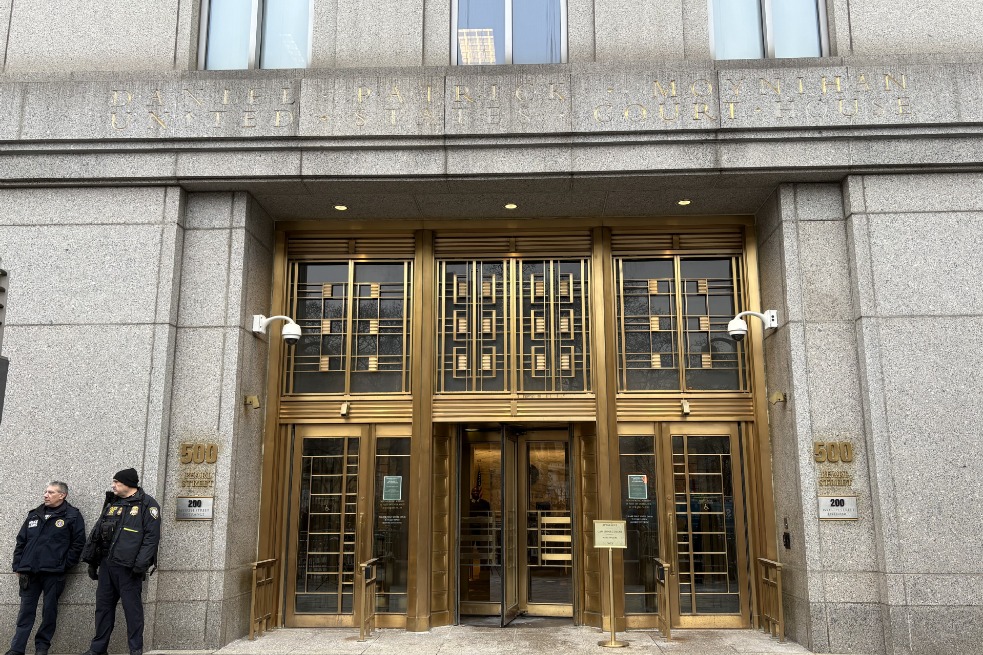
    Venezuelan President Nicolás Maduro appeared before a federal court in New York on Monday morning, marking his first judicial proceeding since being apprehended by U.S. military forces on Venezuelan soil. The unprecedented operation represents one of the most dramatic escalations in U.S.-Venezuela relations in modern history.

    The courtroom proceedings unfolded under tight security as the Venezuelan leader faced charges previously filed by U.S. prosecutors. Legal experts characterize the case as extraordinary in its implications for international law and diplomatic relations between nations.

    The detention operation, conducted by U.S. special forces, has ignited immediate geopolitical repercussions across Latin America and beyond. Regional leaders have begun issuing statements regarding the breach of sovereign territory, while international law specialists debate the legal precedents being established.

    The court appearance sets in motion what promises to be an extended legal battle with significant implications for international justice standards, diplomatic immunity protocols, and cross-border military operations. The case is expected to test longstanding conventions regarding head-of-state protections and extraterritorial jurisdiction.

    Observers note that the proceedings could establish landmark precedents concerning the accountability of national leaders under international law, while simultaneously raising questions about the appropriate boundaries of cross-border judicial enforcement.
  • Key moments in the US arrest of and case against Venezuelan leader Nicolás Maduro

    Key moments in the US arrest of and case against Venezuelan leader Nicolás Maduro

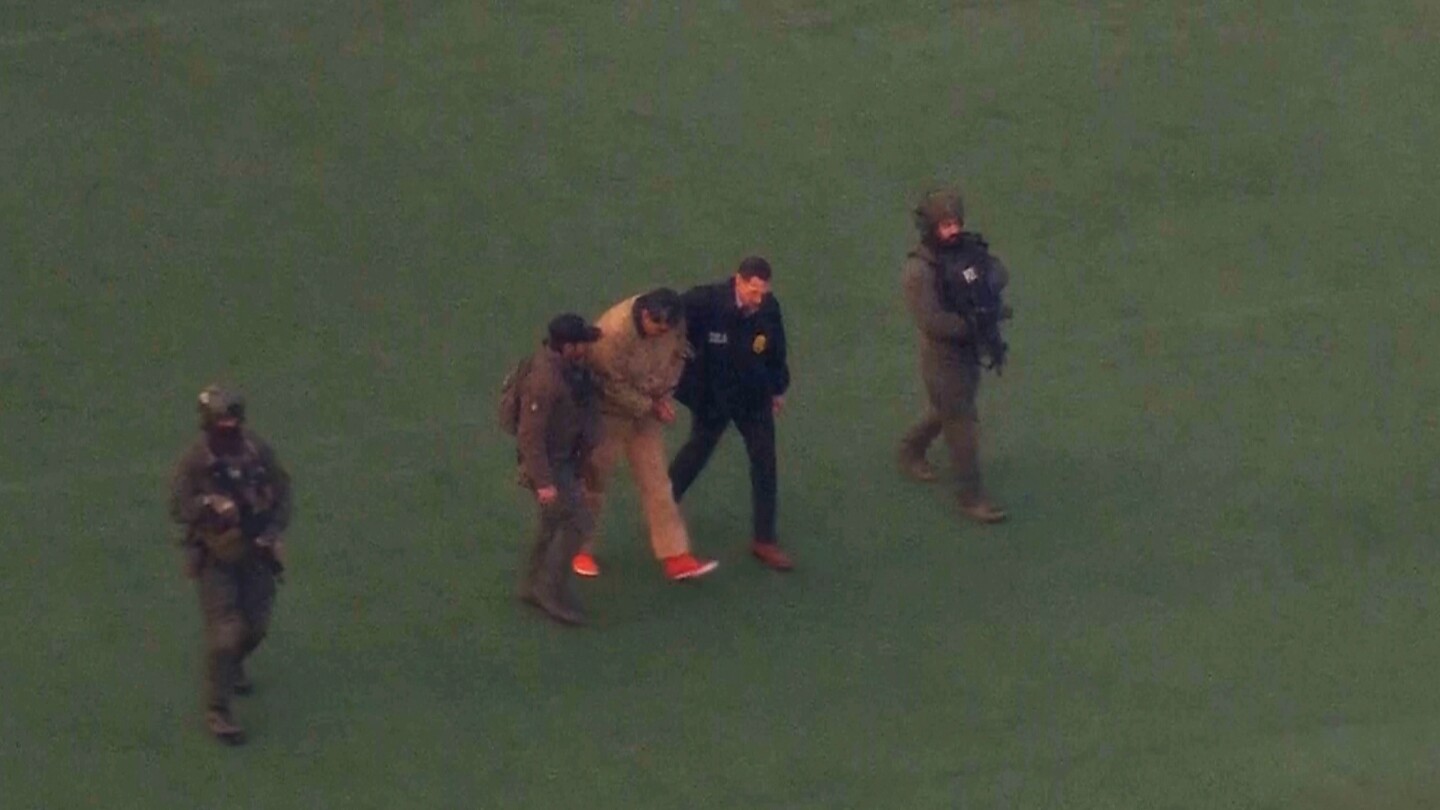
    In a meticulously coordinated military operation authorized by former President Donald Trump, United States forces successfully apprehended Venezuelan leader Nicolás Maduro and his wife Cilia Flores over the weekend of January 2-3, 2026. The dramatic capture unfolded with American special operations teams converging on Maduro’s compound in Caracas before transporting the detainees to a U.S. warship stationed in the Caribbean Sea.

    The operation commenced at 10:46 p.m. EST on January 2 when Trump authorized the mission. Within hours, at 1:01 a.m. EST on January 3, U.S. forces reached Maduro’s residence in Venezuela’s capital. By 3:29 a.m. EST, the extraction team had already departed Venezuelan territory with their high-value captives. Trump publicly announced the successful operation via Truth Social at 4:21 a.m. EST, proclaiming a ‘large scale strike’ against Venezuela.

    Maduro and Flores were transported aboard the USS Iwo Jima to New York, where they faced arraignment on narco-terrorism conspiracy charges. The Justice Department released a new indictment detailing their alleged involvement in drug trafficking operations. During a press conference, Trump was accompanied by key administration officials including Defense Secretary Pete Hegseth, Secretary of State Marco Rubio, CIA Director John Ratcliffe, and Homeland Security advisor Stephen Miller.

    The U.S. president made controversial statements regarding America’s intentions, stating the U.S. would ‘run Venezuela’ until a ‘judicious transition of power’ could be arranged. Trump further escalated regional tensions by making provocative comments about neighboring governments, suggesting similar actions might target Colombian President Gustavo Petro and criticizing Mexico’s approach to drug trafficking.

    Venezuela’s political leadership responded with Vice President Delcy Rodríguez assuming interim presidential duties following a directive from the nation’s high court. Rodríguez demanded proof of life for Maduro and Flores while leaving open possibilities for diplomatic engagement with the U.S. despite the military intervention.

    The operation resulted in significant international backlash, with Cuba reporting 32 military and police officers killed during the strikes. The United Nations Security Council convened an emergency meeting where both allies and adversaries of the United States uniformly condemned the unilateral action.

    On January 5, Maduro appeared in a Manhattan federal courtroom where he pleaded not guilty to all charges, declaring himself ‘a decent man, the president of my country.’ His next court date was scheduled for March 17, 2026, as the unprecedented case continues to develop amid global diplomatic repercussions.

  • The Middle East’s new year is as unhappy and fractured as ever

    The Middle East’s new year is as unhappy and fractured as ever

    Historical precedents never suggested that achieving lasting stability in the Middle East would be straightforward. Yet the rapid deterioration of the Israel-Hamas ceasefire agreement brokered by President Donald Trump just three months ago presents a sobering reality check. What was hailed as a diplomatic breakthrough has given way to renewed violence and political fragmentation across the region.

    The Gaza ceasefire, which required Hamas to disarm, has proven predictably unworkable. Approximately 400 casualties have been recorded since the agreement took effect, as the militant group maintains its arsenal while facing continued Israeli military operations. The absence of any new security authority or governance structure has left a vacuum filled by ongoing violence. Israel’s recent ban on 37 humanitarian organizations from operating in Gaza, citing non-compliance with new regulations, has further exacerbated tensions.

    More concerning still is the emerging rift between key Arab powers. Saudi Arabia and the United Arab Emirates, traditionally aligned Gulf partners, now support opposing factions in Yemen and Sudan’s civil conflicts—both of which have proven deadlier than the Gaza hostilities. The December 30th bombing of an Emirati weapons shipment by Saudi forces in Yemen demonstrates how regional cooperation has unraveled. This fragmentation threatens any prospect of unified Arab support for Palestinian statehood.

    Iran presents a complex picture of internal unrest amid external aggression. Widespread protests against economic deterioration and government repression have weakened the regime, which continues to fuel conflicts through proxy groups across the region. Though diminished by strikes on its nuclear facilities and proxy defeats, Iran maintains financial channels through weapons sales to Russia. President Trump’s threatened intervention to support Iranian protesters adds another layer of uncertainty to regional dynamics.

    European nations that recently recognized Palestinian statehood now bear responsibility for advancing concrete plans for its realization. Countries including Britain, France, Spain and Ireland must leverage their diplomatic influence at the United Nations and with regional partners to push for viable solutions. While the Trump administration maintains primary influence, European diplomacy could play a crucial role in mediating Arab differences and balancing unconditional support for Israel.

    The path forward requires concerted pressure on all parties—from Gulf states to Israel and Hamas—to transform fragile ceasefires into durable political solutions. Though the challenges remain formidable, coordinated international engagement represents the only alternative to perpetual conflict.

  • Ancient healing, modern holistic wellness to take centre stage in Dubai on February 15-17

    Ancient healing, modern holistic wellness to take centre stage in Dubai on February 15-17

    Dubai is positioning itself as a global nexus for integrative medicine with the upcoming 3rd International AYUSH Conference & Exhibition, scheduled for February 15-17, 2026 at the Dubai World Trade Centre. The event marks a significant advancement in the United Arab Emirates’ strategy to incorporate ancient healing methodologies into its contemporary healthcare infrastructure.

    Organized by the Science India Forum and World Ayurveda Foundation under the patronage of India’s Ministry of AYUSH and the Consulate General of India in Dubai, the conference will assemble wellness brands, practitioners, and medical institutions from across the globe. The gathering will showcase traditional medical systems—Ayurveda, Yoga, Naturopathy, Unani, Siddha, Sowa-Rigpa, and Homeopathy—and their modern applications through technological innovation and scientific research.

    Ahmed Ibrahim Musabih, President of the UAE Yoga Committee, revealed that formal memoranda of understanding will be signed during the event to strengthen collaboration between AYUSH practitioners and UAE health authorities including the Dubai Health Authority and Ministry of Health. This institutional partnership aims to bridge existing gaps in healthcare integration and foster future research initiatives.

    The conference’s scale underscores its importance: over 100 exhibitors, 75 invited talks, 250 oral presentations, and more than 1,200 delegates from 35 countries. Participants will include AYUSH pharmaceutical companies like Himalaya and Dabur, wellness brands, educational organizations, research laboratories, and manufacturers of herbal processing machinery and medical devices.

    Dr. V.L. Shyam, General Secretary of the Organizing Committee, emphasized the philosophical alignment between AYUSH principles and Dubai’s sustainability goals: “AYUSH represents the epitome of sustainability by addressing fundamental questions about creating and maintaining population health.”

    Beyond healthcare, the event highlights the substantial economic ecosystem surrounding traditional medicine. Satish Kumar Shivan, Consul General of India in Dubai, noted the dual focus on medical outreach and trade expansion: “There is a significant economy built around the AYUSH tradition, and this event provides crucial global market access for manufacturers and producers.”

    The conference reflects growing recognition of holistic health models that address both physical and mental wellbeing. Dr. Easa Bastaki, President and CEO of Dubai University, stated: “AYUSH encompasses everything—not just the body, but also the mind and overall wellbeing. This event represents a collaborative effort to create a comprehensive and deeply integrated healthcare system.”

  • Filipino expat missing since Christmas found in UAE hospital; worried family seeks help

    Filipino expat missing since Christmas found in UAE hospital; worried family seeks help

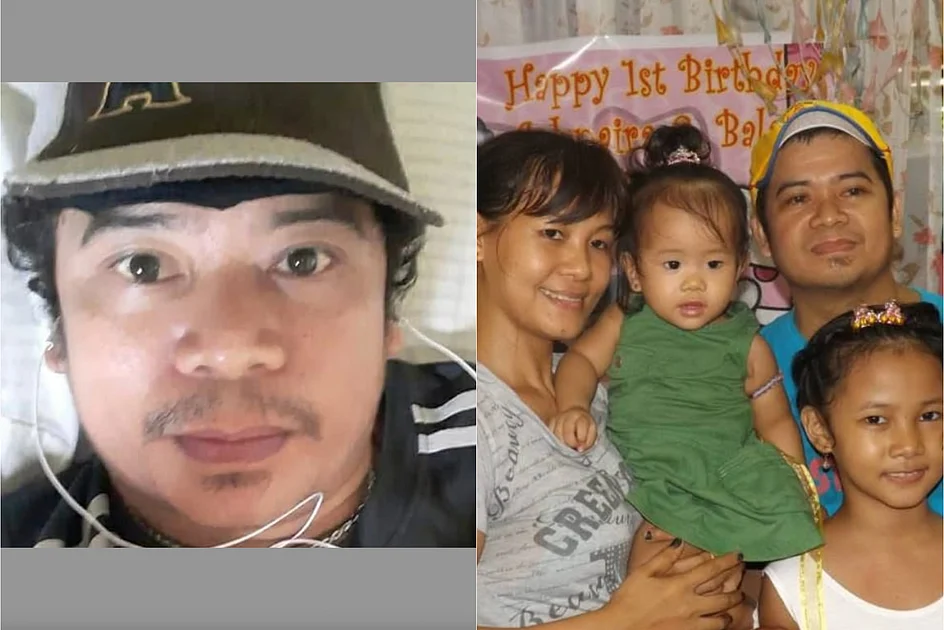
    A distressing situation has unfolded for a Filipino family after their missing relative was unexpectedly located in an Abu Dhabi medical facility. Andres Andaya Balane, a 52-year-old oxygen welder who had resided in the UAE for seven years, vanished on Christmas Day and was subsequently discovered approximately ten days later in a hospital’s surgical intensive care unit.

    The breakthrough emerged when concerned Filipino expatriates in Abu Dhabi recognized Balane from missing-person posters circulating on social media platforms. These compassionate compatriots alerted his daughter, Ezra Nhiez Balane, who resides in the Philippines’ Guimaras province with her mother and younger sister.

    Medical authorities have placed Balane on ventilator support following respiratory complications and surgical intervention. He remains unconscious, with hospital officials indicating that immediate family presence is critically required. The circumstances surrounding his hospitalization and the precise timeline between his disappearance and admission remain unclear.

    The family’s last communication occurred on December 25th at 7:30 AM, when Balane, residing in bachelor accommodations, informed them of his plans to attend Christmas church services. His daughter Ezra has initiated contact with Abu Dhabi Police and attempted to reach her father’s employer, an engineering firm based in Mussafah Seaport. While a coworker has reportedly notified the company, official response remains pending.

    A relative residing in Dubai is preparing to visit the hospital to assess Balane’s condition and gather additional information. Meanwhile, the family in the Philippines has formally registered their case with the Overseas Workers Welfare Administration (OWWA), anticipating further guidance imminently.

    The situation presents significant practical challenges as none of Balane’s immediate family members possess passports, compounded by severe financial constraints that prevent international travel. Ezra has expressed intentions to begin passport application procedures while simultaneously seeking assistance from UAE diplomatic missions.

    Balane’s wife, who operates a salon in the Philippines, maintains emotional resilience for their two daughters while navigating bureaucratic channels. The family retains minimal photographic memories, with their most recent family portrait dating back twelve years.

  • Military action in Venezuela emerges as an issue in a closely watched GOP primary in Kentucky

    Military action in Venezuela emerges as an issue in a closely watched GOP primary in Kentucky

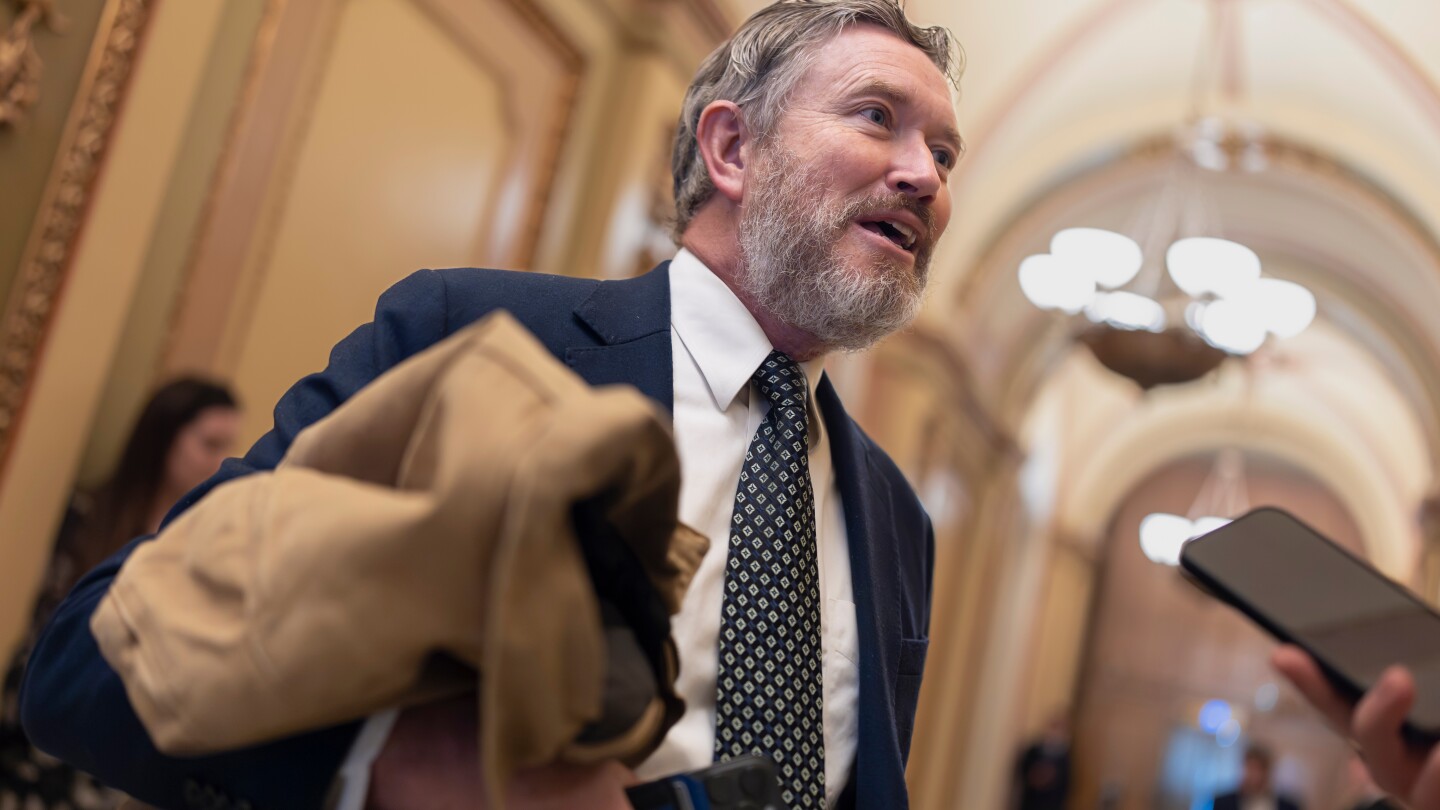
    A significant political division has emerged within Kentucky’s Republican primary as President Donald Trump’s military intervention in Venezuela becomes a central point of contention. The race features Congressman Thomas Massie, a longstanding libertarian-leaning Republican who has frequently clashed with Trump, facing challenger Ed Gallrein, a retired Navy SEAL officer enjoying the former president’s full endorsement.

    Massie has launched a vigorous social media campaign condemning the military operation that resulted in the capture of Nicolás Maduro, characterizing it as an unconstitutional overreach of executive power. The congressman asserted that the Venezuela intervention fundamentally concerns oil interests and regime change rather than combating drug trafficking, directly contradicting the administration’s stated objectives.

    “The Founders deliberately vested war-making authority in Congress, not the executive branch,” Massie emphasized, accusing Trump of bypassing constitutional procedures.

    Gallrein countered by defending the operation as a necessary measure against rogue regimes. “This decisive action demonstrates America’s commitment to holding bad actors accountable, restoring international law and order, deterring aggression, and protecting American families,” the Trump-endorsed candidate stated. He further argued that U.S. involvement creates opportunities for Venezuelans to experience peace and prosperity after decades of oppression.

    The May primary will serve as a crucial test of Trump’s ongoing influence within Republican politics. Massie, despite his frequent disagreements with Trump, has consistently secured reelection by substantial margins since 2012. Gallrein benefits from Trump’s powerful political machinery and support from a super PAC operated by former Trump aides, though he confronts a well-established incumbent with significant financial resources.

    Trump recently reinforced his endorsement of Gallrein through social media, urging other potential Republican candidates to avoid the race and describing Massie as a “Weak and Pathetic RINO” (Republican In Name Only). The primary winner will likely become the favored candidate in a district that last elected a Democrat two decades ago, though at least two Democratic contenders have already filed for the congressional seat representing northern Kentucky.

  • Unbearably long wait for justice leaves South African families in limbo

    Unbearably long wait for justice leaves South African families in limbo

    South Africa’s crumbling judicial system has created a national crisis of delayed justice, leaving thousands of victims’ families in emotional and financial limbo. The case of Jason Pretorius exemplifies this systemic failure—waiting over two years for his mother’s alleged killer to face trial while navigating a legal system with backlogs approaching 100,000 cases.

    Charlene Pretorius, a 43-year-old grandmother described by her son as “my best friend” and “someone kind and loving,” died in May 2023 after being set alight in her car in what authorities allege was gender-based violence. Despite the accused remaining in custody, the trial has been repeatedly postponed due to missing reports, incomplete investigations, judicial unavailability, and administrative failures.

    The scale of the crisis is staggering. Official reports indicate 37,000 pending cases, though justice department estimates suggest the actual number may approach 100,000. With only approximately 250 judges serving a population of 60 million—just four judges per million residents—South Africa’s judiciary operates at a fraction of the capacity of comparable nations. India maintains 15 judges per million, while European countries typically exceed 200.

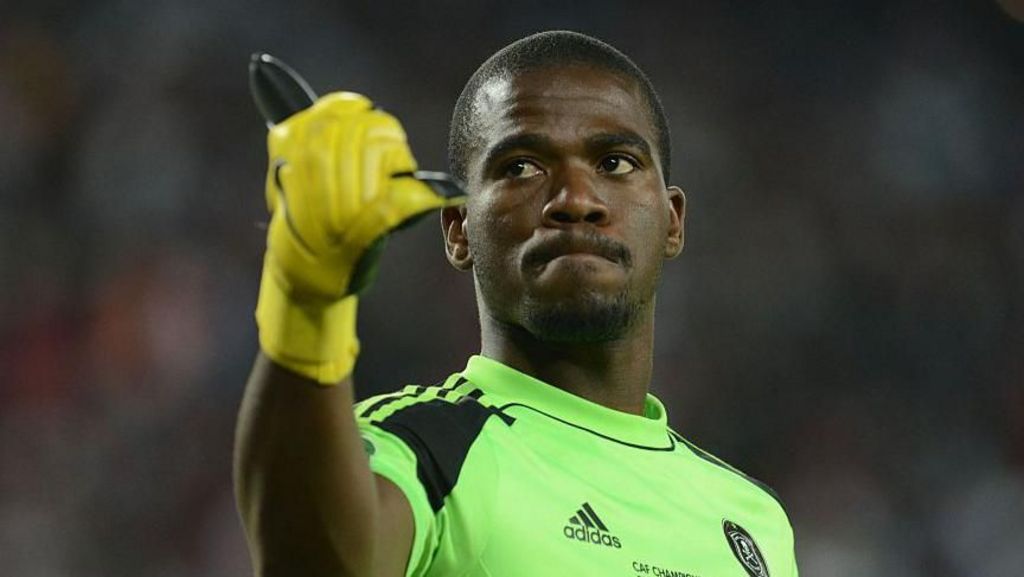
    This judicial collapse affects cases across the socioeconomic spectrum. The high-profile murder of national football captain Senzo Meyiwa in 2014 remains unresolved after a decade of botched investigations, changing legal teams, and allegations of police factionalism. Meanwhile, ordinary citizens like Jason Pretorius face dual burdens: emotional trauma compounded by financial strain as he now supports his wife, child, younger sister, and grandmother—responsibilities his mother previously shared.

    Government officials acknowledge the crisis. Lucky Mohalaba, head of court administration, admits “some matters could have been processed much quicker” and promises reforms including hiring additional magistrates and potentially extending court hours. However, advocacy groups like Action Society report that victims are losing faith in a system where delays create a “vicious cycle” in a nation with a 90% re-offender rate.

    As victims’ families await justice that may take years to arrive, the fundamental legal principle that “justice delayed is justice denied” becomes increasingly evident in a system struggling to maintain public confidence.

  • The ‘magical’ blue flower changing farmers’ fortunes in India

    The ‘magical’ blue flower changing farmers’ fortunes in India

    A quiet agricultural revolution is unfolding across rural India as the vibrant blue butterfly pea flower transforms from a common wild vine into a valuable commercial commodity. This botanical species, scientifically known as Clitoria ternatea and locally called aparajita, has become the foundation of an emerging natural dye industry that empowers farmers and entrepreneurs alike.

    In the northeastern state of Assam, Nilam Brahma represents this transformation. What began as casual flower harvesting has evolved into a formal enterprise. ‘My initial earnings of $50 from dried flowers delivered an electric shock of possibility,’ Brahma recounts. Her subsequent investment in solar drying technology enabled quality preservation and business expansion, demonstrating how traditional knowledge can merge with modern agricultural practices.

    This botanical renaissance responds to growing international demand for natural colorants. Varshika Reddy, founder of THS Impex export company, observes: ‘The global appetite for natural ingredients is exploding, driven by regulatory shifts and consumer preferences.’ The 2021 FDA approval of butterfly pea as a food additive in the United States created significant market opportunity, though European authorities maintain caution regarding its novel food status.

    Despite regulatory variations, Indian entrepreneurs recognize the flower’s potential. Nitesh Singh, founder of Blue Tea near Delhi, describes his seven-year journey developing supply chains: ‘Initially, we imported superior varieties because domestic flowers lacked sufficient pigment retention.’ Through persistent farmer education and quality control implementation, Singh now collaborates with 600 growers nationwide.

    The production process reveals why this crop particularly benefits rural women. Singh explains: ‘Women possess naturally softer hands and intuitive understanding of delicate harvesting techniques.’ Their dominance in flower plucking creates meaningful employment opportunities in agricultural communities.

    Post-harvest handling requires precise temperature control during drying. ‘One error destroys both medicinal properties and color value,’ Singh emphasizes. The technical complexity necessitates close collaboration between farmers and processing experts.

    Emerging research suggests potential health benefits that could further boost market prospects. Dr. V Supriya of Sri Ramachandra Institute reports promising findings: ‘Our preliminary study on pre-diabetic subjects showed improved sugar control with butterfly pea consumption.’ While acknowledging need for more comprehensive human trials, researchers note the flower’s rich antioxidant properties.

    West Bengal farmer Pushpal Biswas exemplifies the crop’s transformative impact: ‘From struggling with traditional crops, I’ve expanded my land holdings through butterfly pea cultivation.’ His production increased 60% using scientific methods, creating ripple effects through local economies. ‘This has evolved beyond farming into a community business network,’ Biswas concludes.

    The butterfly pea’s journey from backyard ornamental to commercial commodity demonstrates how global trends in natural products can create sustainable livelihoods while preserving agricultural heritage.

  • NSW Police Commissioner Mal Lanyon to decide on extension of Sydney protest ban

    NSW Police Commissioner Mal Lanyon to decide on extension of Sydney protest ban

    New South Wales Police Commissioner Mal Lanyon is poised to make a pivotal determination regarding the potential extension of Sydney’s controversial protest ban, initially implemented following Christmas Eve legislative changes enacted after the Bondi terror incident. The decision, expected Tuesday, could prolong restrictive measures well into the new year.

    The current regulations, granting unprecedented authority to law enforcement, emerged from marathon parliamentary debates that established a 14-day prohibition on all public assemblies following declared terrorist events. This framework permits Commissioner Lanyon to maintain restrictions for up to three months, with provisions denying all police authorization requests during the initial fortnight.

    Notably, the legislation expands police capabilities to remove facial coverings from individuals suspected of committing offenses at public gatherings—a power previously reserved for more serious categories of criminal activity.

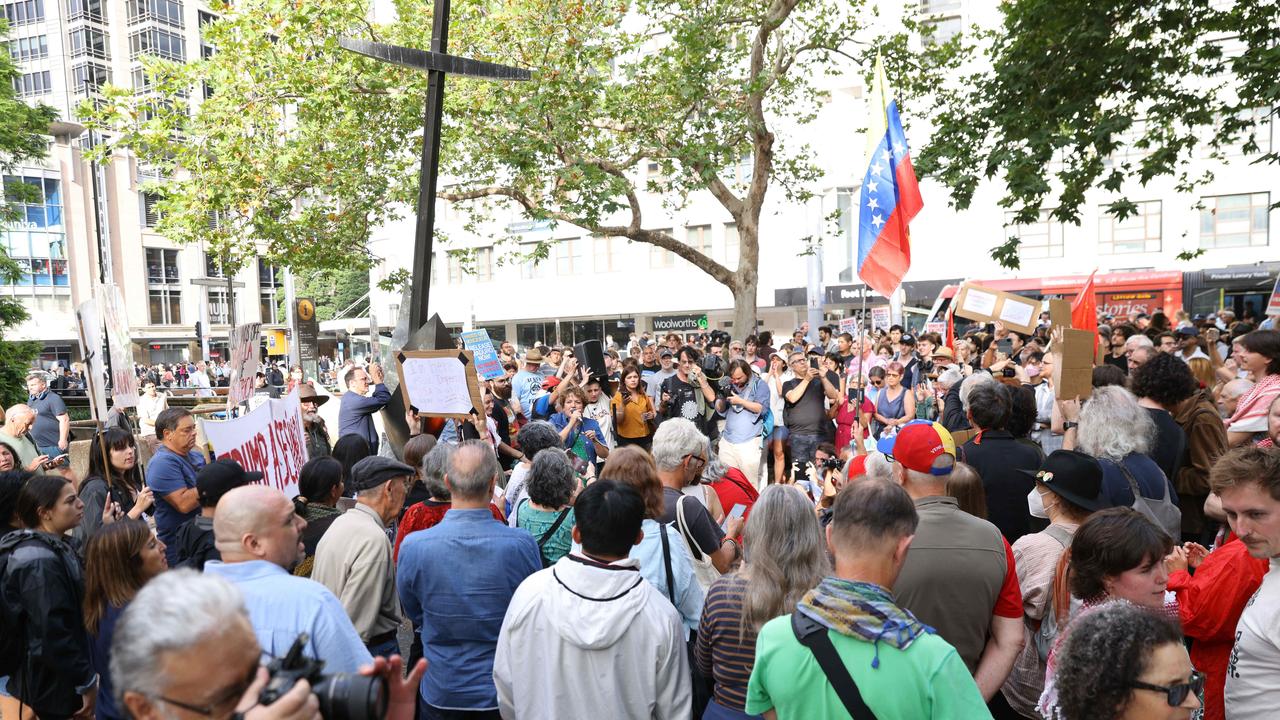
    The urgency of Commissioner Lanyon’s decision intensified after approximately 250 demonstrators defied the ban on Sunday, assembling at Sydney’s Town Hall to protest American military actions against Venezuela. Participants displayed placards bearing anti-imperialist messages and modified American flags featuring skull imagery. Counter-protesters numbered around forty according to police accounts.

    Law enforcement arrested three individuals during the unauthorized gathering: two men aged 26 and 34 for breach of peace, and a 53-year-old woman allegedly wearing offensive attire. All were released without formal charges following the demonstration’s conclusion.

    Commissioner Lanyon previously justified the restrictions by emphasizing their role in preventing community fear and divisiveness, asserting that “NSW Police is committed to exercising these new powers responsibly and transparently.”

    However, civil liberties organizations have mounted significant opposition. NSW Council for Civil Liberties president Timothy Roberts condemned the powers as “extremely anti-democratic,” while the Palestine Action Group criticized the measures as undermining fundamental democratic rights. Advocacy groups argue the regulations disproportionately suppress legitimate dissent across various social movements, extending beyond their original counter-terrorism purpose.

  • India reported bird flu outbreaks on farms in Kerala state

    India reported bird flu outbreaks on farms in Kerala state

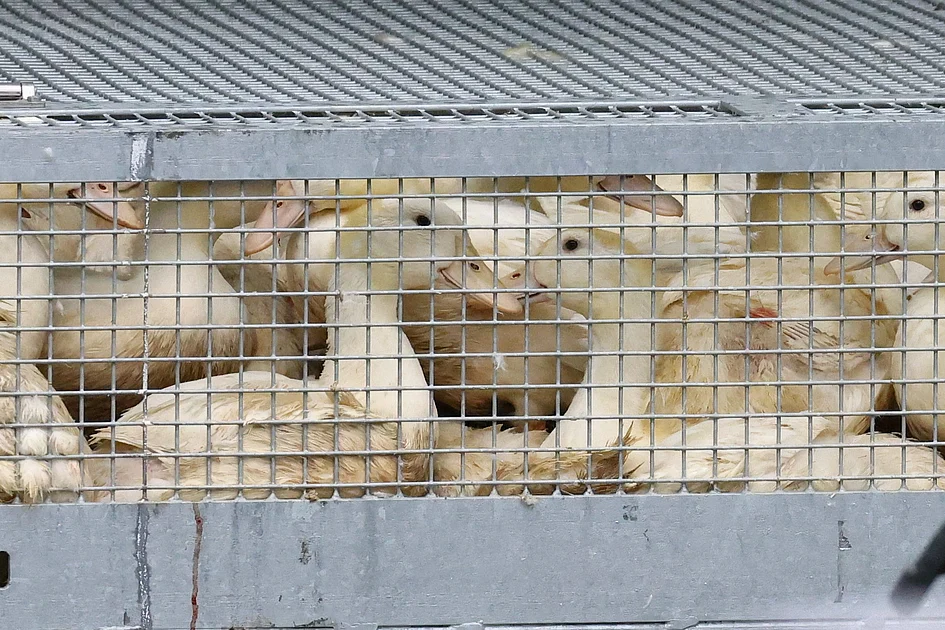
    Indian veterinary authorities have confirmed eleven distinct outbreaks of highly pathogenic H5N1 avian influenza across poultry farms in the southern state of Kerala, according to an official report submitted to the World Organisation for Animal Health (WOAH) on Monday. The Paris-based intergovernmental body disclosed that the virus has resulted in the sudden mortality of approximately 54,100 birds, predominantly ducks.

    The outbreaks, first detected on December 9th and formally confirmed through laboratory testing on December 22nd, mark the first recurrence of the virus within India’s domestic poultry sector since May of last year. In a decisive containment effort, an additional 30,289 birds were culled to prevent further viral spread. This resurgence has reignited global concerns within the agriculture and public health sectors, given the virus’s devastating impact on poultry supplies worldwide in recent years, which has contributed to market disruptions and elevated food prices.

    The recurrence of H5N1 underscores the persistent threat of zoonotic diseases and the critical need for vigilant surveillance. While primarily affecting avian populations, the virus’s potential for transmission to humans continues to be a significant point of concern for epidemiologists. The Indian government’s immediate reporting to WOAH reflects adherence to international health protocols aimed at tracking and mitigating such transboundary animal diseases.