作者: admin

  • Travis Head’s third century of the series lifts Australia to 281-3 at lunch on Day 3

    Travis Head’s third century of the series lifts Australia to 281-3 at lunch on Day 3

    Australian opener Travis Head delivered a spectacular batting performance on Day 3 of the final Ashes Test at Sydney Cricket Ground, smashing an unbeaten 162 runs to propel Australia to 281-3 at lunch. The left-handed batsman’s magnificent innings significantly reduced England’s first-innings advantage to just 103 runs.

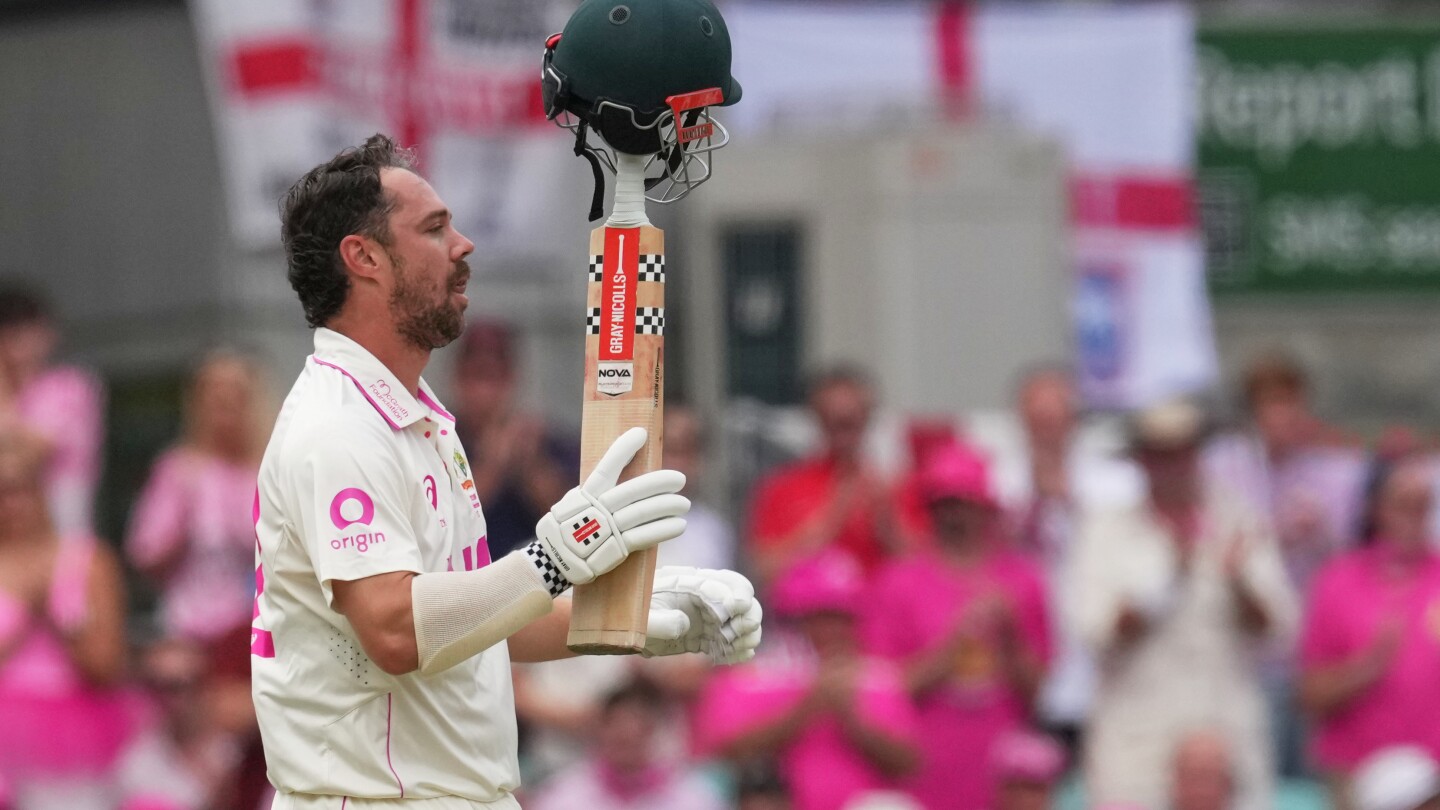
    Head’s century marked his third of the series, achieving the milestone from 105 deliveries and joining an elite group of Australian openers. He became the first since Matthew Hayden in the 2002-03 series to score three centuries in an Ashes contest. The 32-year-old showcased aggressive yet calculated batting, particularly dominating after reaching triple figures with three consecutive boundaries in Matthew Potts’ over.

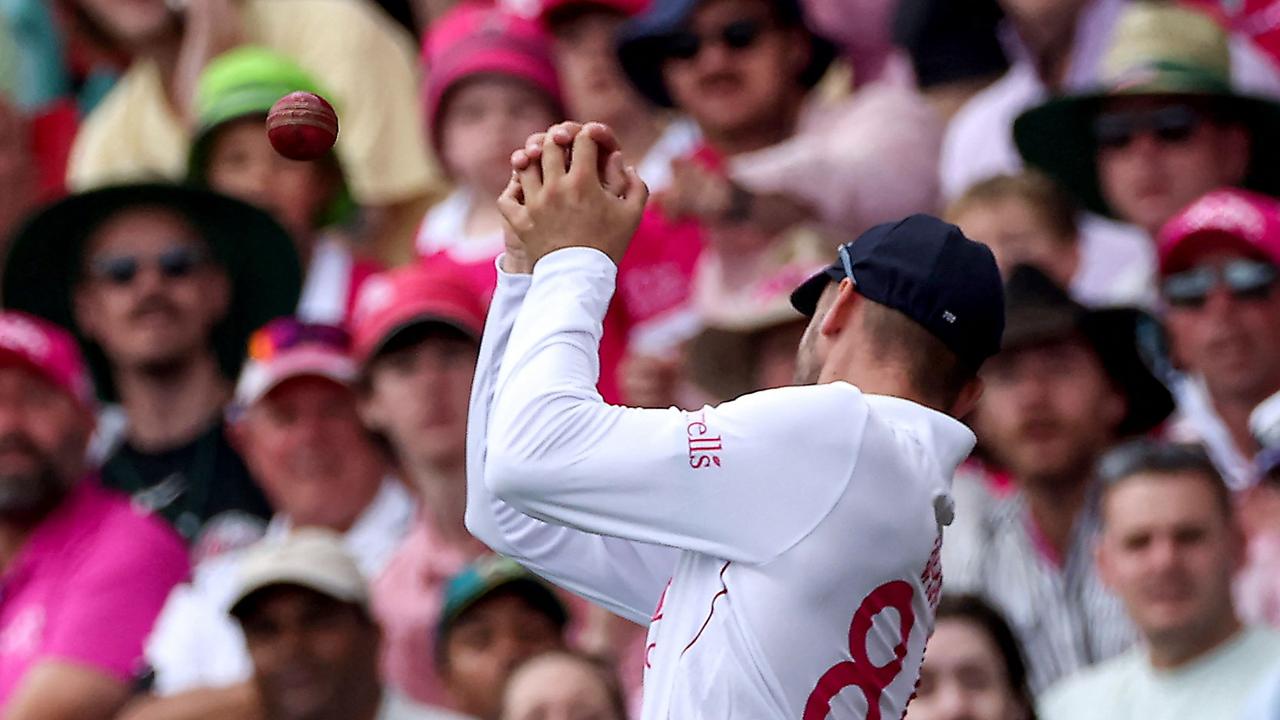
    England’s fielding woes continued throughout the morning session, with Will Jacks dropping Head twice—first on 121 at mid-wicket and later missing a difficult return catch just before lunch. These missed opportunities represented England’s 12th and 13th dropped catches of the series. Nightwatchman Michael Neser contributed a resilient 24 from 90 deliveries before being caught behind off Brydon Carse’s bowling, ending a 72-run partnership with Head.

    England faced additional challenges with their Decision Review System allocations, exhausting all three reviews on an unsuccessful lbw appeal against Neser. Steve Smith remained not out on 16 at the interval, with Australia showing determined resistance after England’s drought-breaking victory in Melbourne.

    Head’s celebration upon reaching his century—swinging his bat ceremoniously and raising his helmet to the appreciative SCG crowd—highlighted the significance of his achievement. His previous centuries in Perth and Adelaide had been instrumental in Australia retaining the Ashes, and his current innings demonstrates his successful transition to a permanent opening role after being elevated from number five due to Usman Khawaja’s injury.
  • ‘I am innocent’: Venezuela’s ousted leader Nicolas Maduro pleads not guilty in US court

    ‘I am innocent’: Venezuela’s ousted leader Nicolas Maduro pleads not guilty in US court

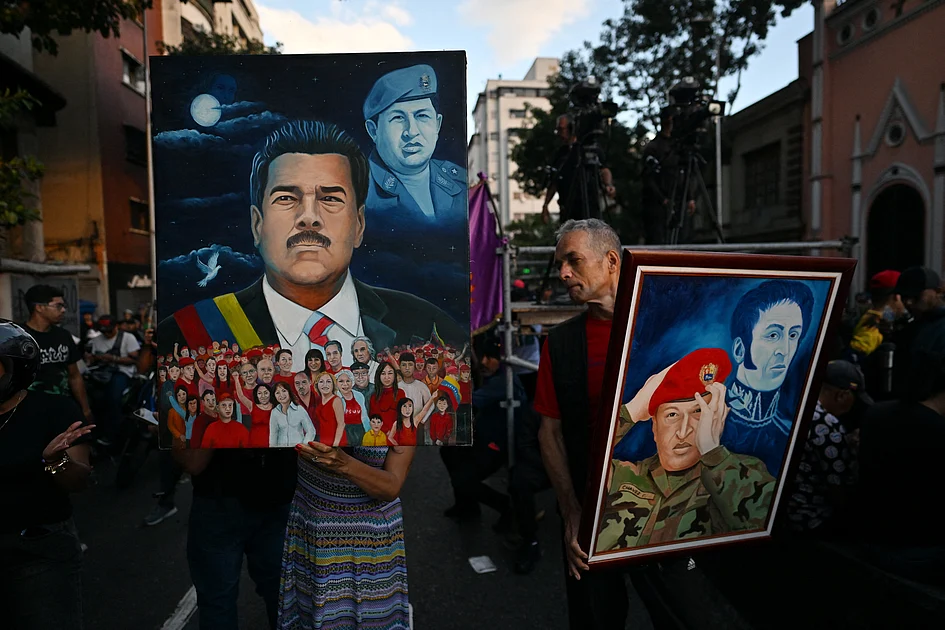
    In a dramatic courtroom appearance that has ignited international controversy, ousted Venezuelan leader Nicolas Maduro vehemently pleaded not guilty to narco-trafficking and weapons charges in a New York federal court on Monday. The 63-year-old, who maintains he remains Venezuela’s legitimate president, denounced the US military operation that resulted in his capture from his Caracas residence as an illegal act of aggression.

    The extraordinary legal proceedings follow a stunning weekend raid conducted by US commandos with aerial and naval support, marking an unprecedented escalation in Washington’s approach to regime change. President Donald Trump subsequently announced that the United States would assume control of Venezuela’s governance and its substantial but dilapidated oil infrastructure, triggering both domestic celebrations and widespread international condemnation.

    Global leaders expressed alarm at the intervention, with UN Secretary-General Antonio Guterres emphasizing the fundamental importance of respecting “sovereignty, political independence and territorial integrity” during an emergency Security Council session. Mexican President Claudia Sheinbaum declared that the Americas “do not belong” to any single nation, while Colombian President Gustavo Petro issued a fiery statement suggesting he would “take up arms” against Trump’s administration.

    Meanwhile, Venezuela’s political future remains uncertain as interim president Delcy Rodriguez, previously Maduro’s vice president, has signaled willingness to cooperate with US demands. The Trump administration has indicated preference for continuity with existing structures rather than installing previously recognized opposition figures.

    The geopolitical shockwaves extend beyond Venezuela, with Trump simultaneously threatening action against Cuba and reiterating US claims to Greenland. Financial markets responded positively to the prospect of accessing Venezuela’s vast oil reserves, with shares in major US energy corporations surging significantly.

    Casualty reports from the military operation continue to emerge, with Cuban officials reporting 32 nationals killed during the assault. The US has acknowledged some service members were wounded but confirmed no American fatalities.

    Outside the Manhattan courthouse, polarized demonstrations reflected the deep divisions surrounding the intervention, with protesters both condemning and celebrating the unprecedented shift in US foreign policy.

  • The Ashes 2025-26: Travis Head continues golden summer after horror England dropped catch

    The Ashes 2025-26: Travis Head continues golden summer after horror England dropped catch

    Australian batsman Travis Head has delivered a masterclass performance, compounding England’s frustrations in the ongoing Ashes series with a spectacular third century of the tournament. The flamboyant left-hander capitalized on a crucial dropped catch at 121 runs, relentlessly punishing England’s fielding errors throughout the morning session. Head remained unbeaten at 162 runs from just 162 deliveries, dramatically narrowing Australia’s deficit to merely 103 runs behind England’s first innings total.

    The match turned decisively when Will Jacks, typically regarded as one of England’s most reliable fielders, fumbled a straightforward catch opportunity at the leg side boundary off Brydon Carse’s bowling. According to CricVizz analytics, this marked England’s 15th dropped catch of the summer series, representing a critical failure in fielding discipline that has consistently undermined their performance.

    Cricket commentator Kerry O’Keeffe expressed sharp criticism during Kayo Sports’ live coverage, stating: ‘You’re paid good money to take these, you shouldn’t be dropping them.’ The fielding woes continued as Jacks and Crawley mishandled additional opportunities later in the session.

    Supporting Head’s dominant display, Michael Neser fulfilled his nightwatchman role effectively, surviving 90 balls for 24 runs before being caught behind. Statistical analysis revealed the stark contrast between Head’s explosive performance—scoring 162 runs from 26.4 overs—and the remaining Australian batters’ collective 3-119 from 38.2 overs.

    England’s challenges mounted as they exhausted both review opportunities on Neser’s dismissal, leaving the team without referrals for crucial subsequent decisions. The series has increasingly highlighted the contrasting impact of Australia’s standout performers Head and Mitchell Starc against England’s inconsistent execution.

  • 92-year-old US judge presiding over Maduro case

    92-year-old US judge presiding over Maduro case

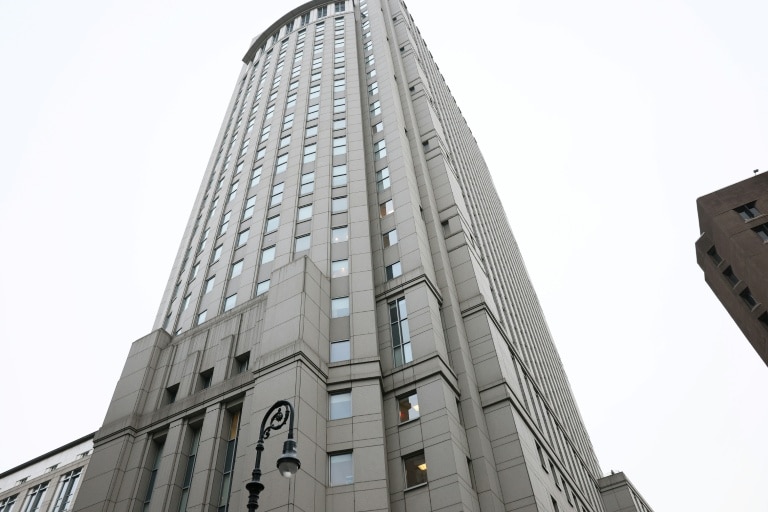
    At 92 years of age, U.S. District Judge Alvin Hellerstein is presiding over one of the most significant international cases of his lengthy judicial career: the arraignment of Venezuelan leader Nicolás Maduro. The proceedings unfolded in Judge Hellerstein’s Manhattan courtroom at the Daniel Patrick Moynihan courthouse, where Maduro and his wife, Cilia Flores, entered not guilty pleas to charges including narco-terrorism.

    This case represents the latest chapter in a sprawling drug trafficking investigation that has been before Hellerstein for approximately 15 years, resulting in the 2020 indictment of Maduro and the prior conviction of Venezuela’s former intelligence director, Hugo Armando Carvajal.

    Judge Hellerstein’s judicial tenure spans more than two decades since his 1998 appointment by President Bill Clinton to the Southern District of New York. A Columbia University law graduate and former U.S. Army lawyer (1957-1960), Hellerstein has developed a reputation for handling complex, high-profile cases with international implications.

    His distinguished career includes presiding over numerous civil cases related to the September 11, 2001 terrorist attacks, and he has issued several notable rulings that challenged both Democratic and Republican administrations. In a significant 2015 decision, Hellerstein ordered the U.S. government to release photographs depicting detainee abuse in Iraq and Afghanistan.

    More recently, Hellerstein has intersected with Trump-era policies, rejecting a request to move Donald Trump’s New York hush money case to federal court and blocking the administration from deporting alleged Venezuelan gang members without court hearings.

    The jurist has also handled major financial fraud cases, sentencing tech entrepreneur Charlie Javice to over seven years for defrauding JPMorgan Chase and imposing an 18-year sentence on Archegos Capital Management founder Bill Hwang. In another international matter, he presided over a case finding BNP Paribas liable for supporting Sudan’s former regime, resulting in a $20.75 million award to plaintiffs.

  • Maduro pleads not guilty in US court

    Maduro pleads not guilty in US court

    Venezuelan President Nicolas Maduro formally declared his innocence before a United States federal court in New York on Monday, marking an unprecedented legal proceeding against a sitting head of state. During his initial court appearance, Maduro entered a plea of not guilty to all charges brought against him by US authorities.

    “I am innocent, I am not guilty,” Maduro asserted in open court, according to journalists present in the courtroom. The Venezuelan leader further stated that he had been forcibly taken from his residence in Caracas and emphasized that he remains the legitimate president of Venezuela despite his current detention.

    In a parallel development, Maduro’s wife, Cilia Flores, similarly proclaimed her complete innocence regarding the allegations leveled against her by American prosecutors. The simultaneous legal challenges facing both individuals represent an extraordinary escalation in US-Venezuela relations.

    Judicial authorities have scheduled the next hearing in this landmark case for March 17, establishing a timeline for what promises to be a complex international legal battle with significant diplomatic implications.

    The circumstances preceding Monday’s court appearance were equally remarkable. In the early hours of Saturday, US military forces conducted targeted operations in Caracas and other Venezuelan locations, culminating in the apprehension and extraction of both Maduro and his wife. The detained couple was subsequently transported to New York where they now await further judicial proceedings, setting a dramatic precedent in international law and interstate relations.

  • Iran says no leniency for ‘rioters’ as protests persist

    Iran says no leniency for ‘rioters’ as protests persist

    Iran’s judiciary has declared an uncompromising stance against individuals it labels as ‘rioters’ amid sustained nationwide demonstrations, while simultaneously acknowledging citizens’ constitutional rights to peaceful protest. Judicial Chief Gholamhossein Mohseni Ejei issued directives to prosecutors nationwide to enforce legal measures “with resolve” against those allegedly instigating violence, emphasizing zero leniency would be shown.

    The unrest, now entering its second week, originated from economic grievances but has progressively incorporated political demands. Initial protests emerged in Tehran on December 28 when merchants staged strikes protesting soaring prices and economic stagnation, subsequently spreading across 23 provinces and affecting at least 45 urban centers according to AFP verifications.

    International responses have intensified significantly. United Nations Secretary-General Antonio Guterres has urged Iranian authorities through spokesperson Stephane Dujarric to uphold protesters’ rights to peaceful assembly and prevent further casualties. Concurrently, U.S. President Donald Trump issued a stark warning from Air Force One, stating Iran would face severe consequences if demonstrations turned deadly.

    The Iranian government has implemented dual strategies addressing the crisis. Economically, authorities announced direct cash transfers to citizens equivalent to 3.5% of average monthly wages, acknowledging legitimate socioeconomic frustrations. Simultaneously, security forces have intensified operations, with Mizan News Agency reporting weapons seizures from alleged militant hideouts in Tehran.

    Media polarization reflects the complexity of the situation. Reformist publication Arman Melli suggested authorities were heeding protesters’ concerns, while conservative outlets Javan and Kayhan accused the United States and Israel of financing destabilization efforts. Iranian foreign ministry spokesman Esmail Baqaei condemned Israel for allegedly exploiting protests to undermine national unity.

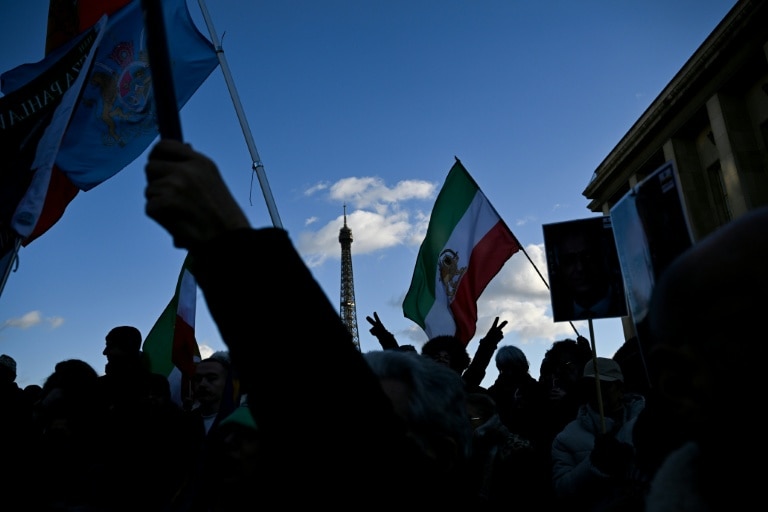
    Despite official reports of diminishing protest scales from Fars News Agency, social media evidence suggests continued mobilization. The diaspora has intensified solidarity demonstrations globally, with Paris-based protester Sahar Aghakhani declaring incremental progress toward systemic change. Current demonstrations remain smaller than the 2022 Mahsa Amini protests, though analysts note similar patterns of economic discontent evolving into political challenges.

  • Djokovic pulls out of Australian Open lead-up in Adelaide

    Djokovic pulls out of Australian Open lead-up in Adelaide

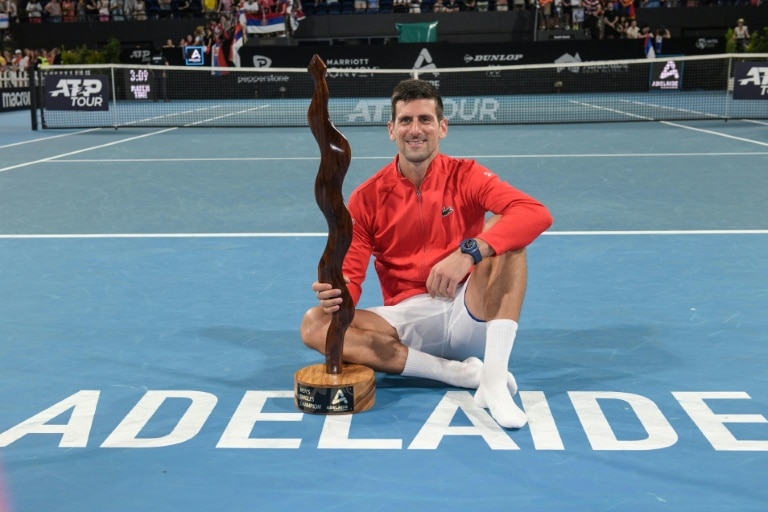
    In a significant development for the tennis world, Novak Djokovic has officially withdrawn from the upcoming Adelaide International tournament. The Serbian tennis legend announced his decision through social media platforms, stating he lacks the necessary physical preparedness to compete at the required level.

    The 38-year-old champion had intended to utilize the Adelaide event, scheduled to commence January 12, as a strategic preparation platform for the Australian Open. Djokovic seeks to claim an unprecedented 11th title at Melbourne Park alongside pursuing his elusive 25th Grand Slam championship.

    Addressing his global fanbase via Instagram, Djokovic expressed personal disappointment: “To all my fans in Adelaide, unfortunately I’m not quite physically ready to compete next week. This decision proves particularly disappointing given my triumphant victory here two years ago and the overwhelming support that makes this venue feel like home.”

    The world’s fourth-ranked player hasn’t participated in official tour matches since his victory over Lorenzo Musetti in the Athens final during early November. This competitive hiatus occurs amidst a notable shift in men’s tennis dynamics, where emerging talents Jannik Sinner and Carlos Alcaraz have increasingly dominated the tour.

    Djokovic’s competitive record shows remarkable consistency with semifinal appearances across all four majors in 2025, though he hasn’t captured a Grand Slam title since his 2023 US Open victory. This withdrawal follows another significant announcement regarding his departure from the Professional Tennis Players Association, which he co-founded, citing concerns about organizational transparency and representation issues.

  • US recommends fewer childhood vaccines in major shift

    US recommends fewer childhood vaccines in major shift

    In a landmark policy reversal, the United States has fundamentally restructured its childhood immunization recommendations, moving away from universal vaccination mandates for several diseases. The Department of Health and Human Services, under the leadership of Secretary Robert F. Kennedy Jr., announced the overhaul that eliminates routine immunization recommendations for rotavirus, influenza, hepatitis A, hepatitis B, and meningococcal disease for all children.

    The new framework, adopted by the Centers for Disease Control and Prevention (CDC), shifts these vaccines from standard practice to selective administration based on individual risk assessment. The policy change means physicians and parents will now determine necessity for these immunizations rather than following blanket recommendations. This approach mirrors the CDC’s existing model for COVID-19 vaccinations implemented in 2025.

    The revision reduces the number of universally recommended pediatric vaccines from 17 to 11, marking the most significant alteration to the country’s immunization schedule in decades. President Donald Trump celebrated the decision, acknowledging the influence of ‘MAHA Moms’—online advocates who strongly support Kennedy’s health agenda.

    The administration justified the changes as aligning US policy with international standards, specifically referencing Denmark’s vaccination model. Health officials conducted comparative analyses with peer nations following Trump’s directive last month to review the American schedule.

    Medical experts and public health organizations have expressed profound concern about the policy shift. The American Academy of Pediatrics Committee on Infectious Diseases chair, Dr. Sean O’Leary, emphasized that the established vaccine schedule represents ‘one of the most thoroughly researched tools we have to protect children from serious, sometimes deadly diseases.’

    Researchers from the University of Minnesota’s Vaccine Integrity Project noted that Denmark’s approach reflects specific societal conditions—including homogeneous population, centralized healthcare, and low baseline disease prevalence—that differ dramatically from the US context. Senator Bill Cassidy, a physician who cast the deciding vote confirming Kennedy’s appointment, warned the changes would ‘make America sicker’ by creating unnecessary fear and confusion.

    Despite the policy change, federal officials assure that insurance coverage for all previously recommended vaccines will continue without cost sharing. The administration maintains the new framework strengthens transparency and informed consent while protecting children’s health.

  • Prime Minister Anthony Albanese unveils $38m package for Queensland’s flood-stricken northwest

    Prime Minister Anthony Albanese unveils $38m package for Queensland’s flood-stricken northwest

    Prime Minister Anthony Albanese has announced a comprehensive $38 million disaster assistance package for northwest Queensland, where catastrophic flooding has wreaked havoc on communities and agricultural operations. The joint federal-state funding initiative comes as the region faces one of its most severe flood events in recent history.

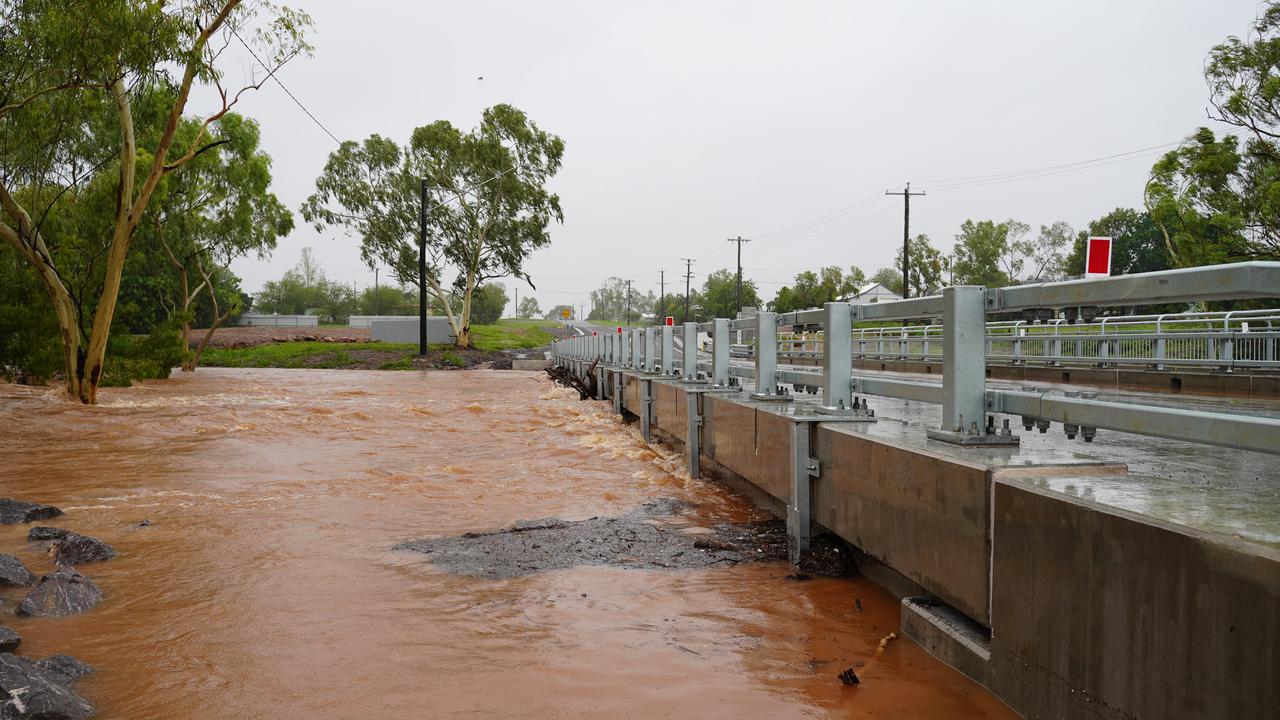
    During his visit to the flood-ravaged Outback city of Mt Isa on Tuesday, the Prime Minister witnessed firsthand the extensive damage caused by torrential downpours that have triggered major flood warnings across multiple river systems, including the Western, Flinders, Georgina, Herbert, and Norman rivers.

    The relief package allocates $21.5 million for primary producer disaster recovery grants, providing up to $75,000 per eligible farmer. An additional $11.5 million has been designated for critical repairs and enhanced flood resilience measures at Cloncurry Airport, whose runway sustained significant damage from the inundation. A further $5 million will fund emergency livestock feed for surviving animals.

    The human and agricultural toll has been substantial, with reports indicating approximately 16,500 cattle either deceased or missing in floodwaters, raising concerns about massive financial losses in this agriculturally dominant region. Tragically, the floods have claimed one life—a man in his seventies found deceased in his vehicle.

    Cloncurry Mayor Greg Campbell described the current flooding as more severe than the region’s notorious 2019 flood season, prompting discussions about long-term infrastructure planning for improved water management. Emergency services personnel expressed concerns about further rainfall forecast for the coming week, with already saturated soils increasing flood risks.

    Mr. Albanese emphasized bipartisan cooperation, acknowledging Queensland’s Liberal National Party Premier David Crisafulli and stating, ‘There’s no politics in any of this. This is about different levels of government working together in the national interest.’

  • Central Africa Republic President Faustin Archange Touadéra reelected, provisional results show

    Central Africa Republic President Faustin Archange Touadéra reelected, provisional results show

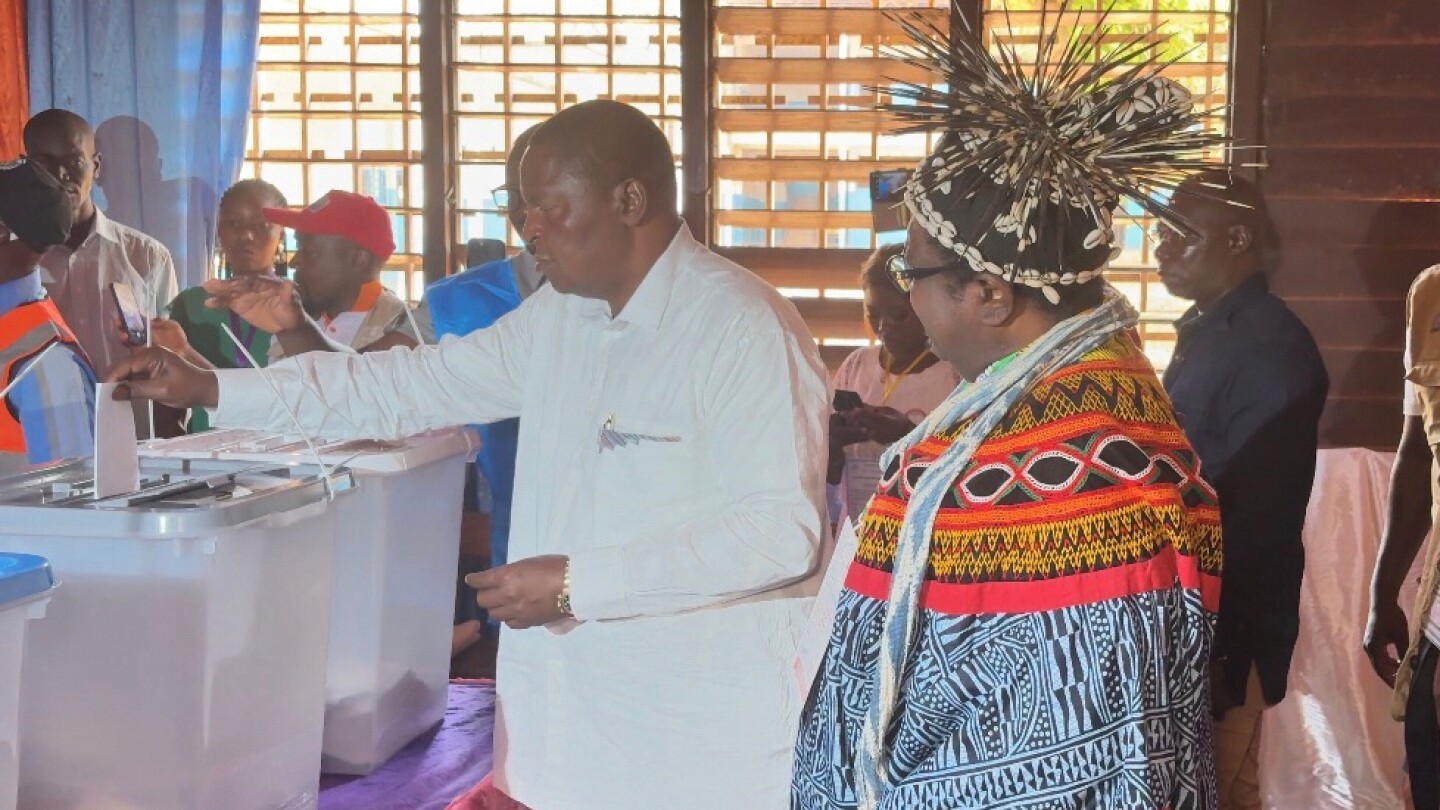
    BANGUI, Central African Republic — The nation’s electoral authority has confirmed President Faustin Archange Touadéra’s victory in securing a third presidential term, according to provisional results released late Monday. The controversial election, held last month, proceeded without participation from the major opposition coalition that had denounced the political climate as fundamentally unequal.

    The electoral landscape shifted significantly when a constitutional referendum earlier removed presidential term limits, enabling Touadéra to seek re-election despite previous restrictions. This constitutional amendment prompted the main opposition coalition to boycott the electoral process entirely, claiming the playing field was systematically tilted in favor of the incumbent administration.

    Despite the boycott, six candidates remained in the presidential race against Touadéra. Official results from the National Election Authority indicate the president captured a commanding 76.15% of the total votes cast. The election occurred amid ongoing security challenges in the mineral-rich yet impoverished nation, which has experienced prolonged instability since a violent rebellion ousted former President François Bozizé in 2013.

    International observers have noted concerns about the electoral process, while the government maintains the election was conducted fairly and represents the will of the Central African people. The outcome solidifies Touadéra’s continued leadership amid persistent armed conflict and deepening humanitarian crises affecting approximately half of the country’s population.