作者: admin

  • Spain’s statement at a UN Security Council meeting on Venezuela

    Spain’s statement at a UN Security Council meeting on Venezuela

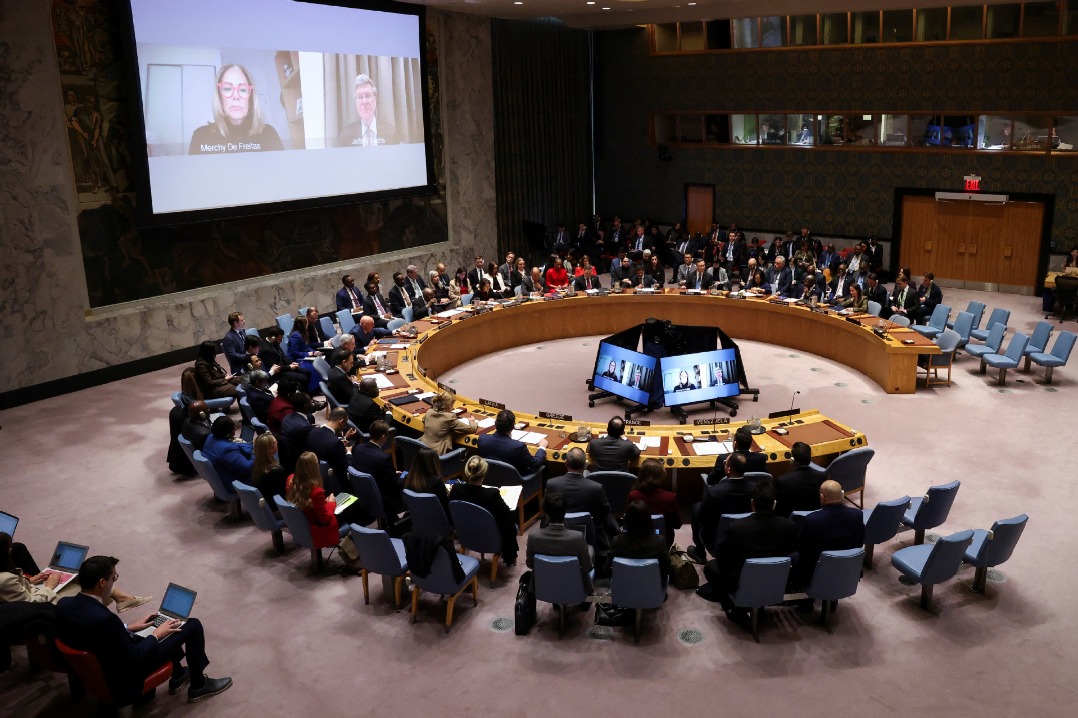
    At an emergency session of the UN Security Council convened to address the escalating situation in Venezuela, Spain’s ambassador to the United Nations delivered a stern warning about the potential global ramifications. Ambassador Hector Gomez Hernandez articulated Spain’s position during the Monday meeting held at UN headquarters in New York, characterizing recent developments in the South American nation as deeply troubling.

    The Spanish representative emphasized that the unfolding events establish ‘a very worrying precedent’ with significant implications extending beyond Venezuela’s borders to affect regional stability and international security frameworks. This assessment aligned with concerns previously raised by the United Nations Secretary-General regarding the gravity of the situation.

    Ambassador Hernandez underscored the principle of national sovereignty regarding natural resources while simultaneously expressing apprehension about how recent actions might undermine regional peace and security architectures. The Spanish diplomat further addressed the complex challenge of organized crime in the region, acknowledging its priority status while insisting that effective countermeasures must be pursued exclusively through established international cooperation mechanisms rather than unilateral actions that might compromise broader stability.

    The emergency session reflected growing international apprehension about Venezuela’s political and economic trajectory, with Spain’s statement representing a significant European perspective on the crisis. The ambassador’s remarks highlighted the delicate balance between respecting national sovereignty and addressing security concerns that transcend national boundaries, positioning the Venezuela situation as a test case for international diplomatic response protocols.

  • Female teacher, 33, charged over alleged ‘persistent sexual conduct’ with child at WA high school

    Female teacher, 33, charged over alleged ‘persistent sexual conduct’ with child at WA high school

    A 33-year-old female educator from Western Australia is confronting serious criminal charges following allegations of maintaining an inappropriate sexual relationship with a student. The teacher, employed at an educational institution south of Perth, is accused of engaging in persistent sexual misconduct with an underage pupil between 2024 and 2025.

    Law enforcement authorities have filed multiple charges against the educator, including two counts of sexually penetrating a child aged between 13 and 16 years. Additional charges encompass possession of child exploitation materials and engaging in persistent sexual conduct with a minor under the age of 16.

    Western Australian Police released a statement acknowledging the profound distress such cases cause within the community. “Protecting children and ensuring their safety remains our highest priority,” a police spokesperson emphasized. “Specialist detectives and support services are working tirelessly to investigate these matters and provide comprehensive care for victims.”

    The accused teacher is scheduled to appear before the Mandurah Magistrates Court on January 27 to answer to the allegations. Police have encouraged anyone with information regarding sexual abuse or similar offenses to come forward through the Safe2Say online reporting system, reinforcing their commitment to addressing such violations with utmost seriousness.

  • Landmines destroy limbs and lives on Bangladesh-Myanmar border

    Landmines destroy limbs and lives on Bangladesh-Myanmar border

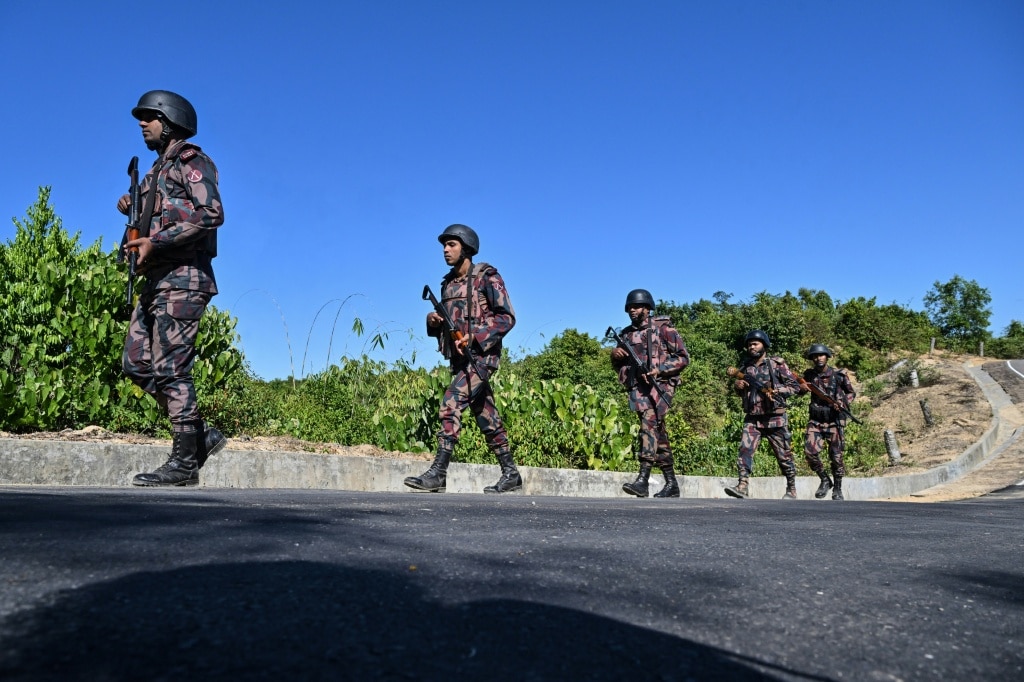
    Along the densely forested Bangladesh-Myanmar frontier, civilian populations face an escalating humanitarian crisis as landmine explosions inflict life-altering injuries and economic devastation. This volatile border region has become a deadly contamination zone where villagers routinely fall victim to explosive remnants of foreign conflicts.

    The human toll is embodied by individuals like Ali Hossain, a 40-year-old who lost his leg to a landmine explosion while gathering firewood in early 2025. His account of the traumatic incident—the sudden blast, severed limb, and desperate race to medical care—represents countless similar tragedies occurring throughout the Bandarban district. Despite receiving prosthetic assistance, Hossain remains unable to resume his rubber plantation work, forcing his young sons into the same dangerous wood-collecting activities that cost him his limb.

    Medical infrastructure struggles to address the complex needs of blast survivors. Mohammad Abu Taleb, 47, described how his accidental crossing into Myanmar territory resulted in catastrophic injury and subsequent financial ruin. With prosthetic maintenance costing approximately $80 per visit—an insurmountable expense for families surviving on minimal income—many victims face impossible choices between medical care and basic subsistence.

    International monitoring organizations classify Myanmar as the world’s most perilous nation for landmine casualties. The International Campaign to Ban Landmines documented over 2,000 incidents during 2024 alone, representing a doubling from previous years. Their Landmine Monitor report specifically highlighted intensified weapon deployment throughout 2024-2025, with particular concentration along the Bangladeshi border region.

    Bangladeshi authorities attribute mine placement to both Myanmar’s military junta and opposition armed factions, including the guerrilla Arakan Army that controls substantial border jungle territories. The situation compounds existing humanitarian challenges, including the presence of over one million Rohingya refugees in border zones caught between conflicting military forces.

    Border Guard Bangladesh has implemented warning systems and demining operations, but Lieutenant Colonel Kafil Uddin Kayes acknowledges the fundamental injustice of the situation: ‘This cruelty cannot be legitimized.’ The November 2025 death of a border guard who lost both legs to mine explosion underscores the persistent danger.

    Local communities emphasize that survival necessities override safety concerns. As farmer Dudu Mia, 42, explains, ‘The population is increasing, and people are moving closer to the border, as we have farmlands there.’ This tragic reality leaves Bangladeshi civilians paying the ultimate price for a conflict beyond their control, with limited solutions visible on the horizon.

  • South Korea’s Lee snaps Xi selfie with Chinese ‘backdoor’ phone

    South Korea’s Lee snaps Xi selfie with Chinese ‘backdoor’ phone

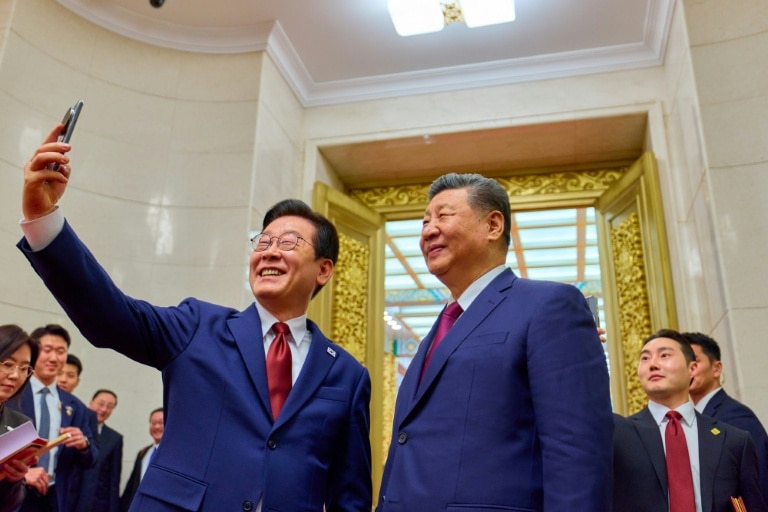
    In a striking display of diplomatic camaraderie, South Korean President Lee Jae Myung captured a historic selfie with Chinese President Xi Jinping using a controversial Xiaomi smartphone gifted by the Chinese leader. The moment occurred following an official dinner at Beijing’s Great Hall of the People on January 5, 2026, where both leaders appeared alongside their wives in the spontaneously taken photograph.

    President Lee subsequently shared the image on social media platform X, accompanied by a caption expressing gratitude for what he termed “the shot of a lifetime.” The South Korean leader further pledged enhanced communication and closer collaboration with China in future bilateral relations.

    This symbolic gesture follows previous lighthearted exchanges between the two leaders regarding the smartphone’s security features. During November’s APEC summit in South Korea, President Xi had jocularly suggested Lee should “check if there is a backdoor” when questioned about the device’s communication security, referencing potential surveillance vulnerabilities through pre-installed software.

    The cordial interaction represents a significant departure from Xi’s typically reserved diplomatic demeanor and coincides with substantial geopolitical developments. The meeting occurred against the backdrop of recent U.S. military operations in Venezuela that resulted in the capture of President Nicolas Maduro—actions strongly condemned by both China and North Korea.

    President Lee, who assumed office in June following his predecessor’s impeachment, has actively pursued improved relations with Beijing after years of diplomatic stagnation. The ninety-minute summit addressed strategic cooperation in what both leaders characterized as an increasingly complex global landscape, with Xi emphasizing the importance of making “right strategic choices” amid international turbulence.

    The viral social media post garnered significant online engagement, being shared over 3,400 times within hours and generating both diplomatic analysis and public commentary regarding its geopolitical implications.

  • Australian Open winners to get $2.79mn as prize money hits new high

    Australian Open winners to get $2.79mn as prize money hits new high

    Tennis Australia has unveiled a groundbreaking prize pool for the upcoming Australian Open, setting a new benchmark in Grand Slam compensation. The total tournament purse will reach an unprecedented Aus$111.5 million (approximately US$75 million), representing a substantial 16 percent increase from previous years.

    The champions in both men’s and women’s singles divisions will claim Aus$4.15 million (US$2.79 million) each, marking a remarkable 19 percent boost from the 2023 prize of Aus$3.5 million. This significant elevation in winner’s compensation underscores the tournament’s commitment to rewarding elite athletic achievement.

    In a move demonstrating comprehensive support for players across all competitive levels, even first-round competitors will receive Aus$150,000 (US$100,750). Notably, athletes eliminated during the qualifying rounds will benefit from substantially enhanced compensation, with Aus$40,500 (US$27,200) allocated to those exiting in the initial qualifying stage.

    Tournament Director Craig Tiley emphasized that this financial strategy reflects Tennis Australia’s dedication to fostering sustainable careers throughout the professional tennis ecosystem. ‘Our 55 percent increase in qualifying prize money since 2023, combined with enhanced player benefits, demonstrates our commitment to making professional tennis viable for competitors at every stage,’ Tiley stated.

    He further elaborated on the broader vision: ‘By supporting athletes across all tiers, we’re cultivating richer talent development pipelines and creating more engaging narratives for our global audience.’

    The 2026 Australian Open is scheduled to commence at Melbourne Park on January 18th, with defending champions Jannik Sinner and Madison Keys returning to contest their titles amidst this new era of elevated recognition and reward for tennis excellence.

  • Maya house: Local hope cleared to return after missing opening United Cup clash

    Maya house: Local hope cleared to return after missing opening United Cup clash

    Australian tennis has received a significant boost ahead of its pivotal United Cup encounter against Czechia with the medical clearance of emerging talent Maya Joint. The world No. 32, who missed Saturday’s opening match against Norway due to illness, has been approved for competition following extensive recovery efforts.

    The 19-year-old phenom, who observed teammate Storm Hunter’s straight-sets victory from the sidelines last weekend, maintained her preparation through isolated training sessions while avoiding team activities at Monday’s lawn bowls event in Clovelly. Her return sets up a challenging season debut against two-time grand slam champion Barbora Krejcikova, marking a critical moment in Australia’s tournament campaign.

    Team veteran Hunter provided encouraging updates regarding Joint’s condition, noting: ‘She’s feeling much better after resting in quarantine away from the group. She completed practice sessions both yesterday and today, with the final decision resting on her assessment of competitive readiness.’ Hunter emphasized Joint’s conscientious approach, adding: ‘We know she won’t compete unless confident in delivering her best performance. Her phenomenal 2025 season has earned this opportunity, and we hope she can experience it fully if health permits.’

    The lineup continues with Alex de Minaur seeking redemption against Norway’s Casper Ruud in subsequent singles action, creating a compelling narrative of recovery and rivalry as Australia pursues advancement in the international team competition.

  • A rare ‘thank you’ to the media from the Trump administration

    A rare ‘thank you’ to the media from the Trump administration

    In an unusual departure from its typically adversarial relationship with the press, the Trump administration has publicly thanked major news organizations for exercising restraint in reporting sensitive military information. The gratitude follows last weekend’s successful U.S. military operation in Venezuela that resulted in the capture of President Nicolás Maduro.

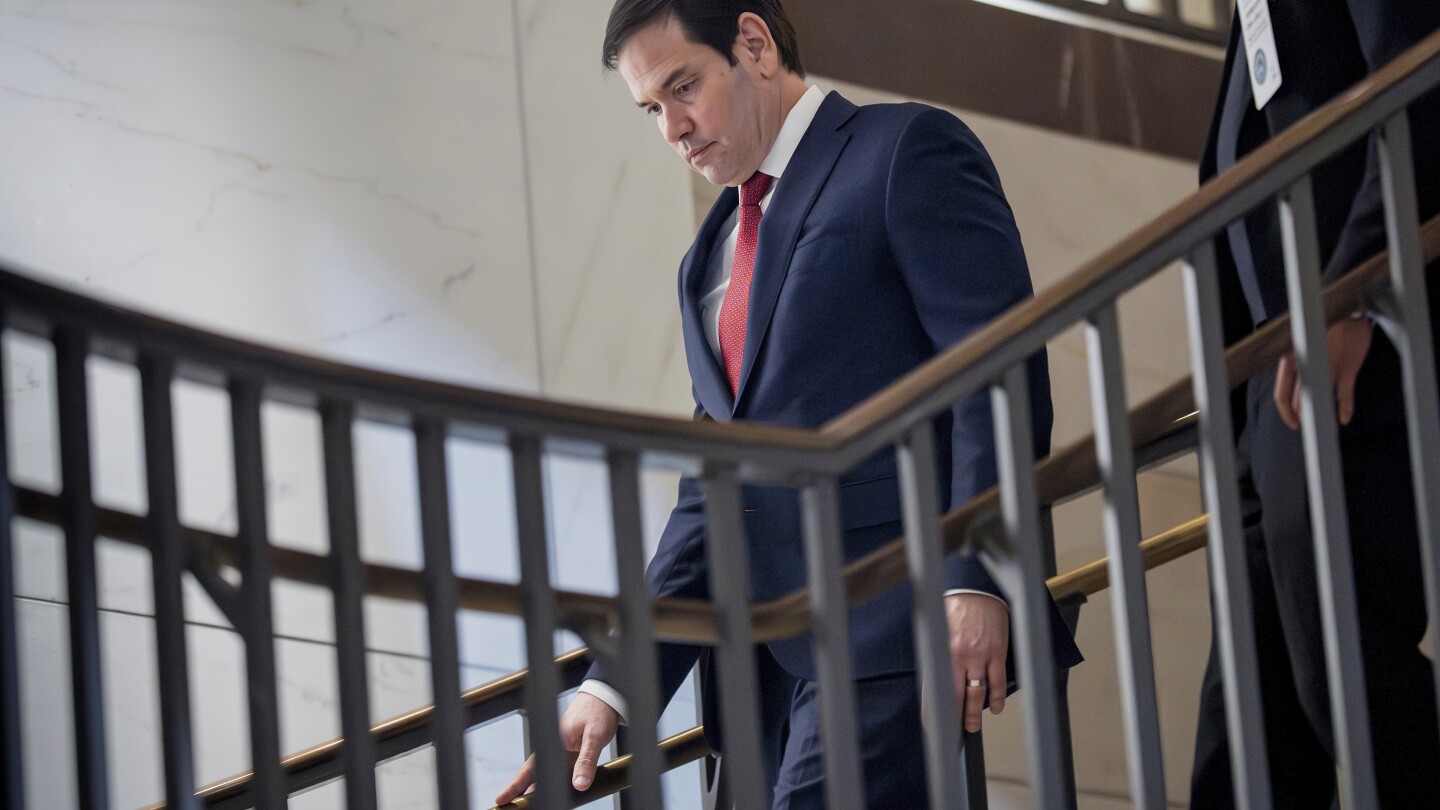
    Secretary of State Marco Rubio specifically acknowledged that several prominent media outlets, including The New York Times and The Washington Post, had obtained advance knowledge of the planned strike but deliberately withheld publication to prevent compromising operational security and endangering American lives. This recognition marks a significant moment in the administration’s frequently contentious relationship with the press corps.

    The administration’s appreciation emerges against the backdrop of Defense Secretary Pete Hegseth’s implementation of restrictive press regulations at the Pentagon, which have prompted most mainstream news organizations to vacate their assigned positions rather than comply with what they consider excessive constraints. Hegseth has consistently cited concerns about journalists’ handling of classified information as justification for these measures.

    According to reports from Semafor, administration officials engaged in direct communications with news organizations regarding the Venezuela operation. Veteran national security reporter Dana Priest, now a professor at the University of Maryland, emphasized that such discretion represents standard practice for reputable news organizations when lives are at stake.

    The complex dynamics of national security reporting were further illustrated by incidents such as The Atlantic editor Jeffrey Goldberg’s accidental inclusion in a text chain revealing details about a Yemen operation last spring. Goldberg waited until all personnel were safe and information was verified before publishing.

    Historical precedents include President John F. Kennedy’s successful persuasion of The New York Times to withhold information about the Bay of Pigs invasion—a decision later regretted when the mission failed spectacularly. This tension between national security interests and the public’s right to knowledge continues to define the delicate balance media organizations must maintain.

    Despite administrative pressures, journalists remain committed to their fundamental mission of informing the public while exercising appropriate judgment regarding operational security, according to Priest, who characterized the Pentagon’s current rules as ‘ridiculously broad censorship.’

  • Asian shares and US futures advance, as Tokyo’s Nikkei 225 hits a record high

    Asian shares and US futures advance, as Tokyo’s Nikkei 225 hits a record high

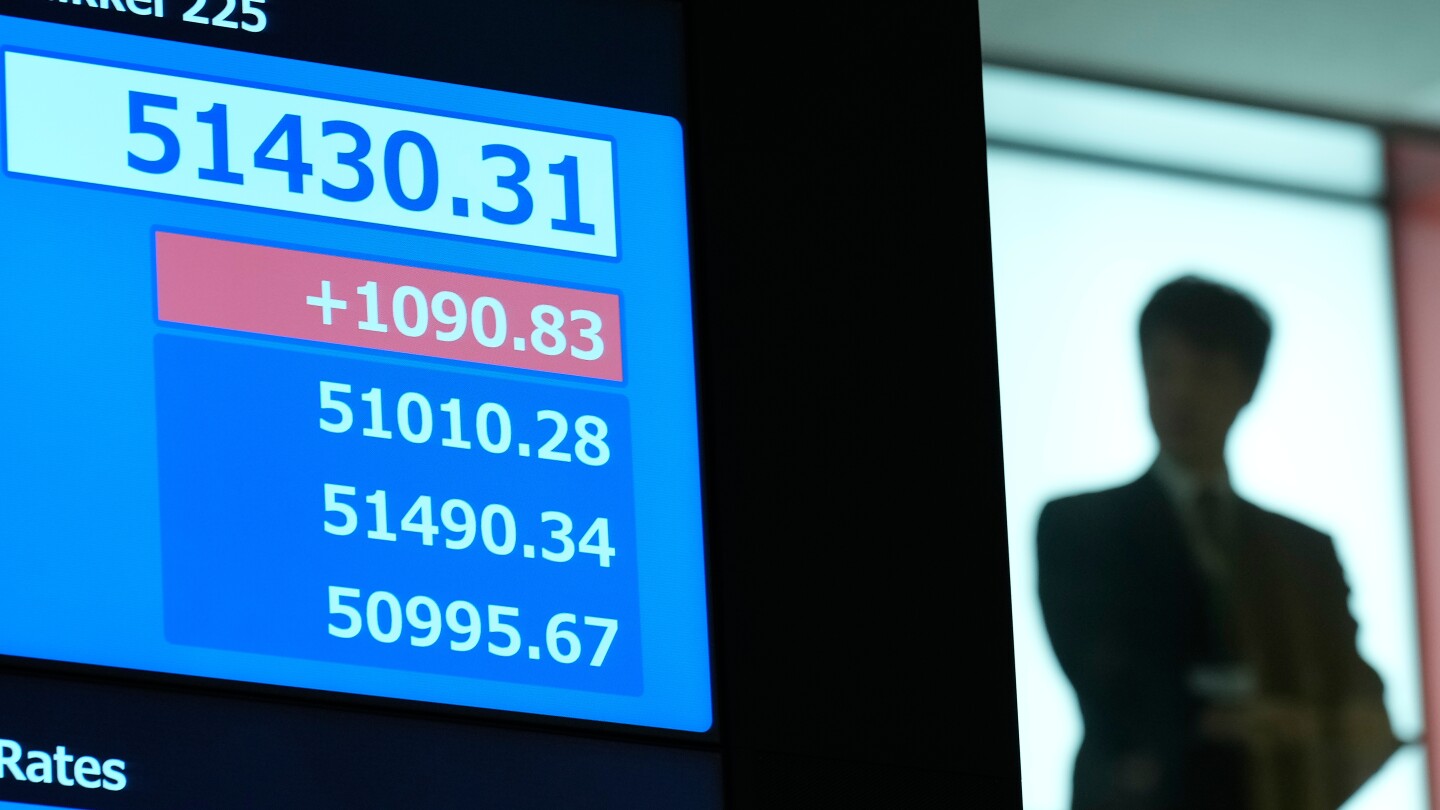
    Asian equity markets experienced substantial gains on Tuesday, with multiple benchmarks reaching historic levels in the wake of a powerful Wall Street rally and significant geopolitical developments involving Venezuela. Tokyo’s Nikkei 225 shattered previous records by climbing 1.3% to close at 52,518.08, propelled by robust buying in technology-related shares including precision tools manufacturer Disco Corp., which surged 6.1%. South Korea’s Kospi advanced 1.5% to 4,525.98, establishing new record territory supported by automotive and electronics manufacturers. Hong Kong’s Hang Seng index jumped 1.5% to 26,748.80, while mainland China’s Shanghai Composite rose 1.5% to 4,082.36, marking its highest position in four years. Taiwan’s Taiex climbed 1.6%, though Australia’s S&P/ASX 200 retreated 0.5% and India’s Sensex declined 0.5%. The broad Asian rally followed Monday’s substantial gains on Wall Street where energy corporations and financial institutions led advances. The S&P 500 increased 0.6%, approaching its December record, while the Dow Jones Industrial Average achieved a new historic high by adding 1.2% to 48,977.18. The technology-focused Nasdaq composite rose 0.7%, and small-cap stocks demonstrated particular strength with the Russell 2000 jumping 1.6%, indicating widespread investor confidence. Energy markets remained volatile following the capture of Venezuelan President Nicolás Maduro by U.S. forces. While crude prices surged Monday with U.S. crude reaching $58.32 per barrel and Brent crude climbing to $61.76, both benchmarks retreated slightly in early Tuesday trading. Major oil companies including Chevron (up 5.1%), Exxon Mobil (up 2.2%), and Halliburton (surging 7.8%) recorded substantial gains after former President Trump proposed involving U.S. energy firms in rebuilding Venezuela’s decimated petroleum industry. Market participants are anticipating several key economic indicators this week, including Wednesday’s services sector report from the Institute for Supply Management and upcoming employment data. The Federal Reserve continues monitoring labor market conditions against inflation concerns as it deliberates interest rate policy. Meanwhile, technology shares remained in focus as the CES trade show commenced in Las Vegas, with artificial intelligence investments continuing to drive market optimism despite valuation concerns. Precious metals maintained their upward trajectory with gold adding 0.5% and silver advancing 2.9% following Monday’s significant gains, reflecting ongoing safe-haven demand amid geopolitical uncertainties. Bitcoin retreated 1.3% to approximately $93,700 after recently reaching its highest level since mid-November.

  • Skiers create heart-shaped tribute for Switzerland fire victims

    Skiers create heart-shaped tribute for Switzerland fire victims

    In a poignant display of collective mourning, hundreds of skiers meticulously arranged themselves into a massive heart formation on the pristine slopes of Crans-Montana, Switzerland. This powerful visual tribute came just days after a devastating fire claimed the lives of 40 individuals in the popular Alpine resort town.

    The organized memorial, captured by aerial photography, transformed the mountainside into a symbol of solidarity and remembrance. Participants wearing contrasting ski gear created striking visual definition against the snow, forming what has become an internationally recognized gesture of sympathy for the victims and their families.

    Local authorities and tourism officials supported the grassroots initiative, recognizing its significance for community healing. The event demonstrates how winter sports communities worldwide have been impacted by the tragedy, with many international visitors joining Swiss residents in this spontaneous memorial.

    This heart-shaped gathering represents one of several tributes occurring throughout the Valais region, where the resort community continues to process the profound loss. Psychological support services remain available to those affected by what authorities describe as one of Switzerland’s deadliest fires in recent decades.

  • Progress for Ukraine talks in Paris uncertain with US focus shifting to Venezuela

    Progress for Ukraine talks in Paris uncertain with US focus shifting to Venezuela

    PARIS — A critical gathering of Ukrainian allies convened in Paris on Tuesday to deliberate post-ceasefire security arrangements, though the proceedings encountered unexpected complications due to shifting American geopolitical priorities. The summit, orchestrated by French President Emmanuel Macron, assembled an unprecedented delegation of 35 participants including 27 heads of state and government, all dedicated to formulating concrete security guarantees for Ukraine against potential future Russian aggression.

    The original American delegation, initially slated to be led by Secretary of State Marco Rubio, underwent last-minute restructuring following Washington’s heightened engagement with Venezuelan affairs. The United States instead dispatched envoys Steve Witkoff and Jared Kushner to represent President Trump’s administration. This diplomatic rearrangement occurred despite prior indications of substantive progress in multilateral discussions regarding Ukrainian security frameworks.

    Central to the negotiations were five pivotal security priorities: ceasefire monitoring mechanisms, sustained support for Ukraine’s armed forces, potential deployment of multinational forces across various domains, contingency plans for renewed Russian aggression, and long-term defense cooperation agreements. European leadership, particularly France and Britain, have championed a comprehensive approach that would strengthen Ukraine’s military capabilities through advanced weaponry, specialized training, and intelligence sharing.

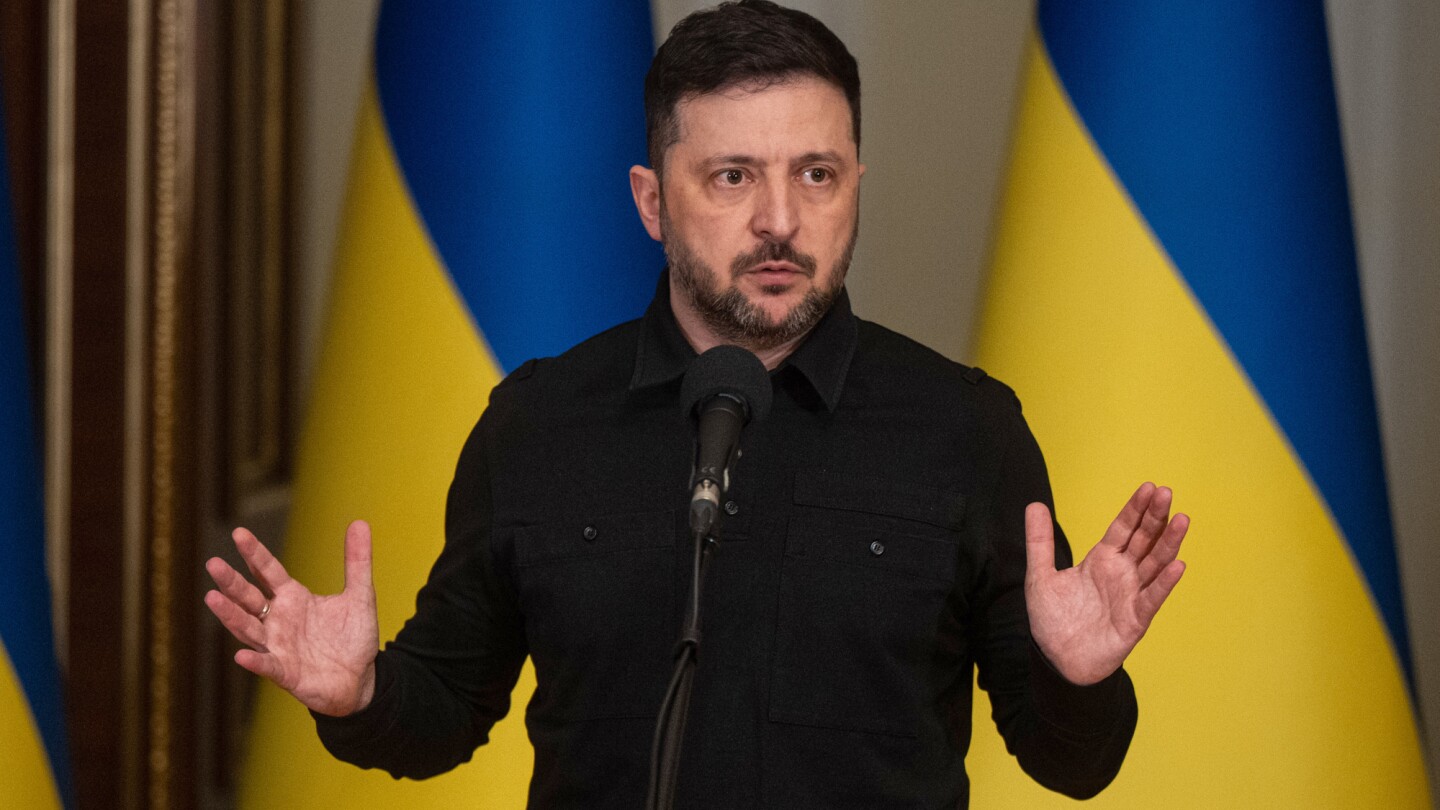
    President Volodymyr Zelenskyy expressed cautious optimism while acknowledging implementation challenges, noting that parliamentary approvals across multiple nations might complicate military commitments. The Ukrainian leader emphasized that meaningful participation from nuclear-capable European powers would be essential for the coalition’s credibility, suggesting that alternative support mechanisms including sanctions and financial assistance could supplement defense arrangements.

    The Paris meeting represents the culmination of months of diplomatic efforts by the so-called ‘coalition of the willing,’ though the ultimate effectiveness of these security guarantees remains contingent on sustained international engagement and resolution of critical operational details.