作者: admin

  • Quttainah Hospital earns JCI re-accreditation, reinforcing its leadership in ethical elective care

    Quttainah Hospital earns JCI re-accreditation, reinforcing its leadership in ethical elective care

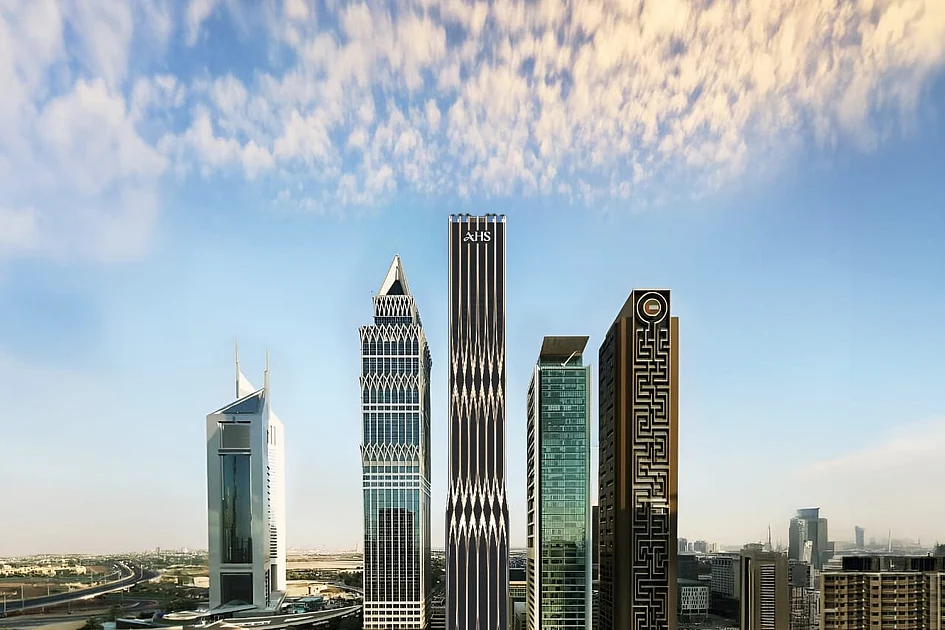
    Dubai’s Quttainah Medical Center has once again achieved the coveted Joint Commission International (JCI) re-accreditation, solidifying its status as a premier institution for ethical elective and aesthetic healthcare in the Middle East. This distinguished recognition, awarded following an exhaustive evaluation process, validates the hospital’s unwavering dedication to exceptional patient safety protocols, clinical excellence, and organizational integrity.

    The JCI Gold Seal represents the highest global standard in healthcare quality, with accreditation demanding strict adherence to over 1,300 measurable criteria spanning clinical outcomes, infection prevention, facility management, and staff credentialing. Quttainah Hospital’s successful renewal demonstrates not merely compliance but consistent exceeding of these rigorous international benchmarks.

    This accomplishment carries substantial implications for both the institution and Dubai’s expanding medical tourism sector. The re-accreditation enhances patient confidence in selecting ethically-grounded elective procedures, supports Dubai’s strategic vision to become a world-class medical destination, and establishes new quality standards for regional healthcare providers.

    Hospital leadership emphasized the cultural significance behind this achievement. Founder and Chairman Dr. Adel Quttainah stated, ‘This accreditation transcends ceremonial recognition—it embodies our daily commitment to patient-centered care. While aesthetic excellence remains our trademark, creating an environment where patients feel secure, valued, and comprehensively supported defines our fundamental philosophy.’

    Chief Medical Officer Dr. Mohamed Omran elaborated on operational excellence: ‘Reattaining the JCI Gold Seal reflects meticulous attention to detail across every care continuum—from initial consultation through postoperative recovery. Our integrated systems prioritize patient protection while delivering treatments that meet stringent international protocols, a responsibility we embrace with profound seriousness.’

    The re-accreditation positions Quttainah Hospital at the forefront of Dubai’s medical landscape, potentially influencing broader healthcare standards while reinforcing the emirate’s growing reputation as a trusted global destination for medical tourism.

  • UAE Lottery hints at weekly Lucky Day draws this December in Instagram post

    UAE Lottery hints at weekly Lucky Day draws this December in Instagram post

    A dual-crisis scenario has emerged across Asia, with Indonesia reeling from catastrophic flooding while India takes unprecedented aviation safety measures. According to Indonesia’s national disaster management agency, devastating floods have resulted in more than 200 fatalities, marking one of the deadliest natural disasters in the region this year. The flooding, triggered by torrential rainfall, has caused widespread destruction across multiple provinces, submerging entire communities and displacing thousands of residents. Emergency response teams are conducting massive rescue operations amid challenging conditions, with limited access to remote areas complicating relief efforts. Meanwhile, in a separate development impacting regional transportation safety, India’s aviation regulatory authority has issued a directive temporarily prohibiting airlines from operating Airbus A320 family aircraft until specific modifications are completed. The grounding order affects one of the most widely used aircraft families in commercial aviation and reflects heightened safety vigilance following recent technical concerns. Aviation experts indicate the mandated modifications address critical systems that require urgent attention to ensure passenger safety. The simultaneous occurrence of these events highlights different facets of disaster management and preventive safety measures across Southeast Asia.

  • Hong Kong charities provide assistance to migrant domestic workers

    Hong Kong charities provide assistance to migrant domestic workers

    Hong Kong’s charitable organizations have launched comprehensive emergency response initiatives to assist migrant domestic workers impacted by the recent catastrophic fire in Tai Po. Multiple aid groups have established specialized help desks and 24-hour hotlines to provide critical support services to the affected community.

    Edwina A. Antonio, Executive Director of Migrant Women’s Refuge, confirmed her organization is implementing extensive outreach efforts to connect with workers displaced or otherwise affected by the devastating Wang Fuk Court blaze. “We’re deploying all available resources to ensure migrant workers receive the assistance they need during this difficult time,” Antonio stated.

    The emergency response includes temporary housing arrangements, psychological counseling services, legal assistance, and basic necessities distribution. Community centers across Hong Kong have been converted into temporary support hubs where affected workers can access multiple services in centralized locations.

    Local humanitarian organizations are coordinating with government agencies to streamline aid distribution while respecting the unique cultural and linguistic needs of Hong Kong’s diverse migrant worker population. The collaborative effort represents one of the most comprehensive non-governmental responses to a residential disaster affecting the territory’s migrant community in recent years.

  • Peru to declare a state of emergency as migrants leaving Chile trigger backlash

    Peru to declare a state of emergency as migrants leaving Chile trigger backlash

    SANTIAGO, Chile (AP) — Peruvian President José Jarí announced Friday that his government will implement a state of emergency along the nation’s southern border and deploy additional armed forces to the region. This decisive action comes in response to a significant reversal in migration patterns, with substantial numbers of Venezuelan migrants now moving north from Chile back toward Peru.

    The development occurs against the backdrop of Chile’s intensely polarized presidential campaign, where anti-immigrant sentiment has become a central political issue. For years, Chile has represented a beacon of stability and prosperity in Latin America, attracting hundreds of thousands of migrants escaping economic collapse and authoritarian regimes, particularly from Venezuela. These migrants traditionally traversed the continent seeking better opportunities in Chilean society.

    However, this established migration pattern has undergone a dramatic reversal as Chile prepares for its December 14 presidential runoff. Ultraconservative lawyer José Antonio Kast, the current frontrunner, has built his campaign platform around stringent immigration controls and warnings against unauthorized migration. Kast recently filmed a campaign video at Chile’s desert border with Peru, delivering an ultimatum to immigrants without formal status: “You have 111 days to leave Chile voluntarily. If not, we will stop you, we will detain you, we will expel you. You will leave with only the clothes on your back.”

    Peruvian media has subsequently been flooded with images of migrant families hastily moving north from Chile into Peru, carrying their possessions in backpacks and garbage bags. The situation created immediate border challenges, prompting President Jarí to personally inspect border controls and deploy security reinforcements to the area.

    Residents in northern Chilean border towns reported growing chaos as crowds of people who departed Chile but lacked permission to enter Peru found themselves stranded in legal limbo. The exact number of migrants reversing course remains unclear, though the movement appears directly linked to Kast’s threats of mass deportations and what immigration attorneys describe as rising xenophobia in the country of 18.5 million people.

    Chilean Security Minister Luis Cordero addressed the situation cautiously, noting that “rhetoric sometimes has consequences” when asked about the impact of Kast’s statements on migrant outflows. Cordero emphasized that “people cannot be used as a means to create controversy for the elections” and stated that “our main purpose is to prevent a humanitarian crisis.”

  • Parents of abducted children plead with the Nigerian government for news of rescue

    Parents of abducted children plead with the Nigerian government for news of rescue

    PAPIRI, Nigeria — Anxious families congregated Friday at the site of a recently attacked Catholic school in north-central Nigeria, issuing urgent appeals to authorities for the safe return of their children. The emotional gathering comes one week after armed militants stormed the educational facility, capturing more than 300 students and staff members in a brazen early morning assault on November 21.

    According to school administrators, approximately 50 children successfully escaped their captors, but more than 250 remain in militant custody. The incident represents the latest in a disturbing pattern of mass school abductions that have plagued the West African nation.

    “These kidnapped children include some of extremely tender age,” recounted Abuchi Nwolisa, a distraught parent at the school. “The attackers literally snatched some directly from their sleeping beds.”

    The crisis has prompted President Bola Tinubu to declare a state of emergency, authorizing enhanced police powers to address the escalating security situation. This abduction marks the second major school kidnapping within a fortnight, following a separate incident in Kebbi where 30 students were taken before eventually being secured through government intervention.

    Historical data reveals the alarming frequency of such attacks, with at least a dozen mass school abductions occurring since 2014. According to documentation, approximately 1,799 students have been kidnapped during this period, with some never successfully rescued.

    Stephen Okafor, spokesperson for the Minna Catholic Mission, emphasized the devastating scope: “We have parents with two, three, even five children currently held by abductors. We are here to demonstrate the devastating reality of this situation to the world.”

    The security crisis has drawn international attention, including recent threats of military intervention from former U.S. President Donald Trump, who cited widespread persecution of Christians. Nigerian officials have rejected these characterizations, maintaining that the security threats represent complex challenges affecting all citizens regardless of religious affiliation.

  • Emirates Gold and Public Gold launch the world’s first fintech-enabled gold ATM in the UAE

    Emirates Gold and Public Gold launch the world’s first fintech-enabled gold ATM in the UAE

    In a groundbreaking development for the precious metals industry, Emirates Gold and Public Gold have unveiled the world’s first fintech-integrated gold ATM at the Dubai Precious Metals Conference 2025. This revolutionary installation at Atlantis, The Palm represents a significant advancement in digital-to-physical gold infrastructure, merging cutting-edge financial technology with traditional bullion accessibility.

    The landmark launch was ceremoniously inaugurated by Ahmed Bin Sulayem, Executive Chairman and CEO of DMCC, alongside Abhijit Shah of Emirates Gold and Jerry Ng from Public Gold. This strategic collaboration combines Emirates Gold’s refinery expertise with Public Gold’s technological capabilities, creating a seamless platform that transforms how consumers interact with precious metals.

    Operating 24/7, these sophisticated ATMs can store over 70 distinct designs of gold and silver bars, enabling users to purchase bullion using digital payment methods including e-wallets and credit cards. The machines feature advanced security systems and offer multiple functionalities beyond simple transactions, with future enhancements planned for cryptocurrency conversion and tokenized gold redemption from secure vault facilities.

    The initial installation at Almas Tower will serve as the prototype for an extensive network of 35-40 units scheduled for deployment across high-traffic locations throughout the UAE by 2026. This expansion will establish the region’s most comprehensive gold ATM infrastructure, reinforcing the UAE’s position as a global leader in both traditional gold markets and financial innovation.

    Abhijit Shah emphasized the transformative nature of this development: “As the UAE maintains its status as the world’s most trusted physical gold hub, this innovation establishes new global standards for secure and transparent bullion accessibility.” Jerry Ng added that this technological breakthrough “eliminates traditional barriers, making physical gold ownership fundamentally more accessible and secure for everyone.”

    This initiative aligns perfectly with the UAE’s broader objectives of economic diversification and technological advancement, while simultaneously addressing evolving investor preferences for digital-physical asset integration. The ATMs maintain Emirates Gold’s rigorous standards for purity and security while offering curated selections suitable for investment, collection, or gifting purposes.

  • Water and light show draws visitors to Zhangjiajie river

    Water and light show draws visitors to Zhangjiajie river

    The Suoxi River in Zhangjiajie’s Wulingyuan district has become the epicenter of a breathtaking nocturnal spectacle, drawing massive audiences with its innovative water and light exhibition. This immersive experience transforms the natural waterway into a multidimensional canvas of artistic expression through cutting-edge technological integration.

    Central to the display are engineered water curtains cascading from bridge structures, synchronized with dynamic musical compositions and sophisticated lighting systems that create mesmerizing reflections across the water’s surface. Adding another dimension to the production, fleets of drones perform coordinated aerial maneuvers, forming intricate luminous patterns against the night sky that celebrate the region’s distinctive natural landscapes and cultural heritage.

    Beyond its entertainment value, this ambitious project represents a significant ecological rehabilitation initiative. Municipal authorities have implemented comprehensive water channel regulation measures alongside ecosystem restoration efforts, demonstrating how tourism development can coexist with environmental stewardship.

    The installation forms part of Zhangjiajie’s strategic sustainable development plan to enhance visitor engagement through innovative landscape architecture. By reimagining riverfront spaces with environmentally conscious design principles, the city establishes new standards for nature-based tourism experiences that balance aesthetic appeal with ecological responsibility.

  • Palestine Action prisoner hospitalised due to hunger strike

    Palestine Action prisoner hospitalised due to hunger strike

    A British activist detained on charges linked to the proscribed organization Palestine Action has been hospitalized following a severe health deterioration during his hunger strike. Kamran Ahmed, currently held at London’s Pentonville prison, initiated the protest action alongside five other inmates earlier this month after UK Home Secretary Shabana Mahmood failed to address their concerns regarding prison conditions.

    The collective hunger strike coincides with a three-day judicial review at London’s High Court examining the government’s controversial decision to proscribe Palestine Action under terrorism legislation in July 2024. This designation effectively criminalizes membership or any form of support for the direct action group.

    According to the campaign organization Prisoners for Palestine (PFP), Ahmed experienced a medical emergency on Friday, collapsing in his cell with dangerously low blood sugar levels indicative of hypoglycemia. The asthmatic activist had reportedly been suffering from dizziness, respiratory complications, chest pains, and significant weight loss—dropping from 74kg to 68kg—with medical tests revealing critically elevated ketone levels.

    Ahmed’s sister, Shahmina Alam, provided Middle East Eye with disturbing details about the incident, revealing that her brother regained consciousness alone on his cell floor after fainting. Despite requests for emergency medical intervention, Alam claims prison authorities initially refused to call a second ambulance after paramedics declined hospitalization on Saturday, stating they could not intervene in a hunger strike situation.

    The Ministry of Justice responded to inquiries by emphasizing that “any prisoner assessed as needing hospital treatment is immediately taken to hospital,” while simultaneously noting legal restrictions preventing them from sharing healthcare information with unverified callers.

    Meanwhile, the five other participating prisoners across multiple facilities are experiencing accelerating health declines. Qesser Zurah and Amu Gib at HMP Bronzefield, along with Heba Muraisi at HMP New Hall and Jon Cink at Bronzefield, have reported rapid weight loss and deteriorating physical conditions. PFP documents indicate prison medical staff initially displayed reluctance to conduct examinations and were reportedly “hostile” toward the strikers.

    The situation has drawn significant political attention, with former Labour Party leader Jeremy Corbyn writing to Justice Minister David Lammy expressing “grave concern” and demanding an urgent meeting regarding his constituent’s treatment. Over 100 medical professionals have additionally signed a letter to NHS England’s health and justice team urging immediate intervention.

    Prison authorities maintain that all inmates are managed according to established policies and procedures, with HMP Bronzefield emphasizing available channels for addressing complaints through proper institutional frameworks.

  • Huawei celebrates smart fitness and youth empowerment through its month-long campaign at the DFC 2025

    Huawei celebrates smart fitness and youth empowerment through its month-long campaign at the DFC 2025

    During the recently concluded Dubai Fitness Challenge 2025, Huawei emerged as a pivotal force in redefining urban wellness through technological innovation. The month-long November initiative saw the tech giant deploy its comprehensive ecosystem of smart devices and digital platforms to foster community health engagement across Dubai.

    Huawei’s strategic partnership with Dubai Ride 2025 exemplified its commitment to creating seamless connections between digital innovation and physical wellbeing. At Zabeel Park, the company transformed its Huawei Health+ application into a real-world fitness hub, offering weekly complimentary training sessions that attracted diverse community participants.

    A landmark achievement came through Huawei’s collaboration with the Asian Paralympic Committee and Dubai Club for People of Determination. The technology leader unveiled its groundbreaking Wheelchair Mode feature on the HUAWEI WATCH GT 6, developed through consultations with APC President Majid Rashed. This innovation provides wheelchair users with precise tracking of movement metrics, demonstrating technology’s power to create inclusive fitness solutions.

    The company’s TruSense System took center stage, showcasing advanced capabilities in monitoring over 60 health parameters including emotional wellbeing indicators. This sophisticated health monitoring technology represents Huawei’s significant investment in human-centric innovation.

    Lei Cheng, Chief Marketing Officer of Huawei Consumer Business Group for Middle East and Africa, emphasized the company’s philosophy: “Our technological development prioritizes human potential enhancement. We envision fitness as an organic lifestyle component where technology serves as an enabler for richer life experiences and sustainable wellbeing.”

    Through interactive challenges, community workouts, and smart wearable integration, Huawei successfully created a holistic fitness ecosystem that extended beyond physical events into continuous digital engagement. The initiative supported Dubai’s broader vision of becoming a health-conscious, technology-enabled smart city while empowering youth and diverse community segments to adopt sustainable wellness practices.

  • UAE: Free meals, National Day gifts for blood donors; Indian group holds drive

    UAE: Free meals, National Day gifts for blood donors; Indian group holds drive

    In celebration of the UAE’s 54th National Day, an Indian social organization is launching a significant humanitarian initiative—a massive blood donation campaign set for November 30 at the Dubai Health Authority’s Al Jaddaf headquarters. The event, organized by the Kasargod wing of KMCC in collaboration with the Kindness blood donation team, aims to attract at least 500 donors through enhanced incentives including complimentary meals, National Day gifts, and free transportation services.

    Operating from 8:30 AM to 2:30 PM, the campaign offers shuttle services from Al Jadaf metro station at 30-minute intervals, with additional bus transportation available for residents across Dubai including Deira, Karama, and Bur Dubai. Prospective donors must present valid Emirates ID and meet standard medical requirements to participate.

    Salam Kanyappady, president of the organizing group, emphasized the campaign’s dual purpose: honoring the UAE as their adopted homeland while contributing meaningfully to community welfare. The initiative builds upon a decade-long commitment to blood donation advocacy, having collected over 5,000 units since 2015. The group’s persistence has transformed public perception about blood donation safety, gradually turning skepticism into enthusiastic participation.

    The legacy of late philanthropist Dr. PA Ibrahim Haji continues to inspire the organization’s monthly mobile blood donation vehicles, which now regularly serve various emirates. The campaign’s success is further evidenced by dedicated regular donors like Faisal Patel, a 50-year-old cafeteria owner who has donated blood every two months for 13 years. Patel attributes his robust health to regular donation, noting he hasn’t required significant medication since 2021 and maintained COVID-free status throughout the pandemic while continuing his donations.