作者: admin

  • Trump leaves Venezuela’s opposition sidelined and Maduro’s party in power

    Trump leaves Venezuela’s opposition sidelined and Maduro’s party in power

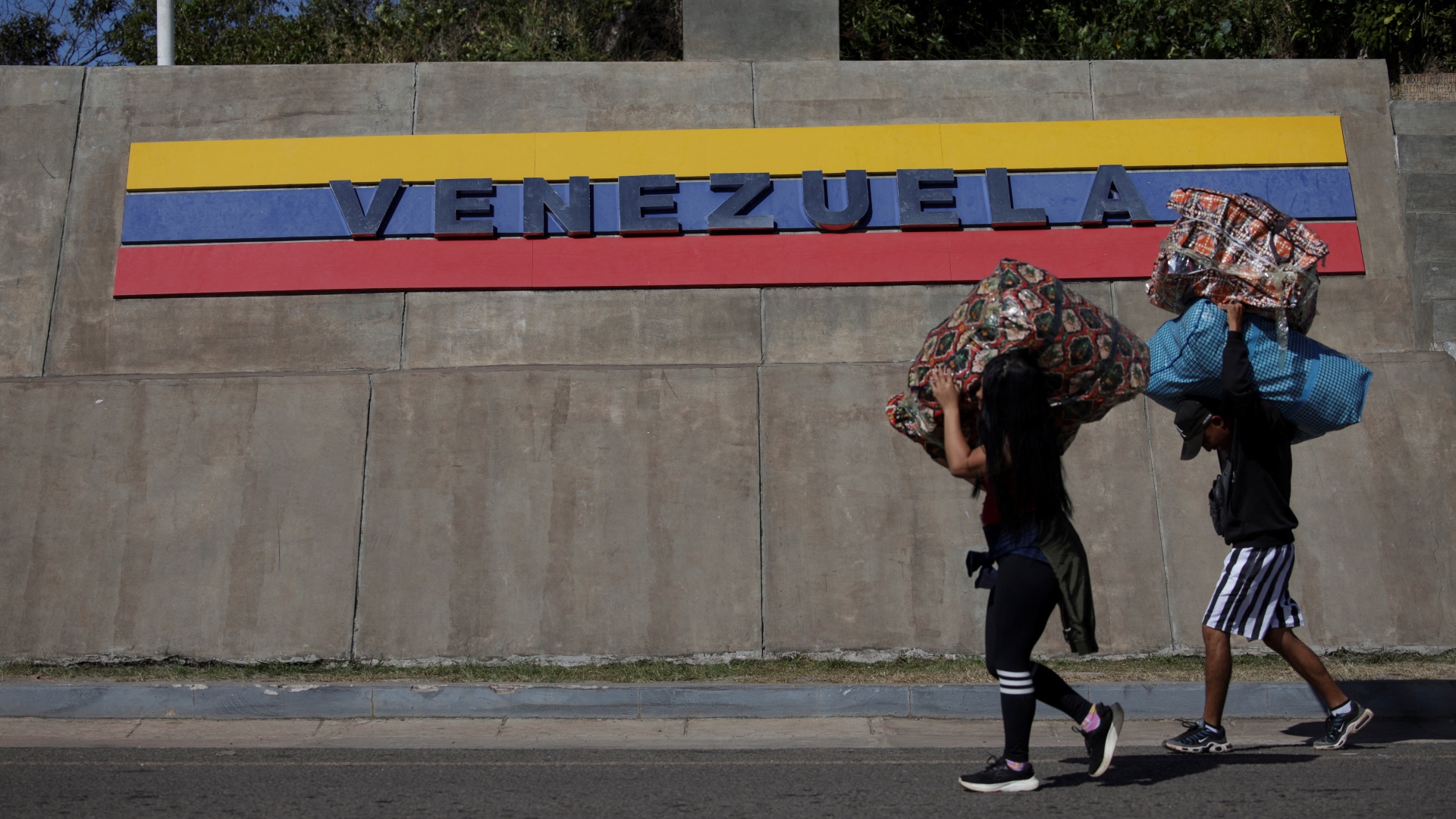
    In an unprecedented military operation, U.S. forces have extracted Venezuelan authoritarian leader Nicolás Maduro from his Caracas residence, transporting him to New York to face drug trafficking charges. However, the anticipated democratic transition has stalled as President Donald Trump unexpectedly endorsed Maduro’s vice president, Delcy Rodríguez, to assume control rather than supporting the internationally recognized opposition.

    The development represents a devastating setback for Venezuela’s opposition movement, which had spent years preparing for Maduro’s removal with bipartisan U.S. support. Instead of installing opposition leadership, the Trump administration has chosen to work with Rodríguez, a key figure from Maduro’s repressive regime.

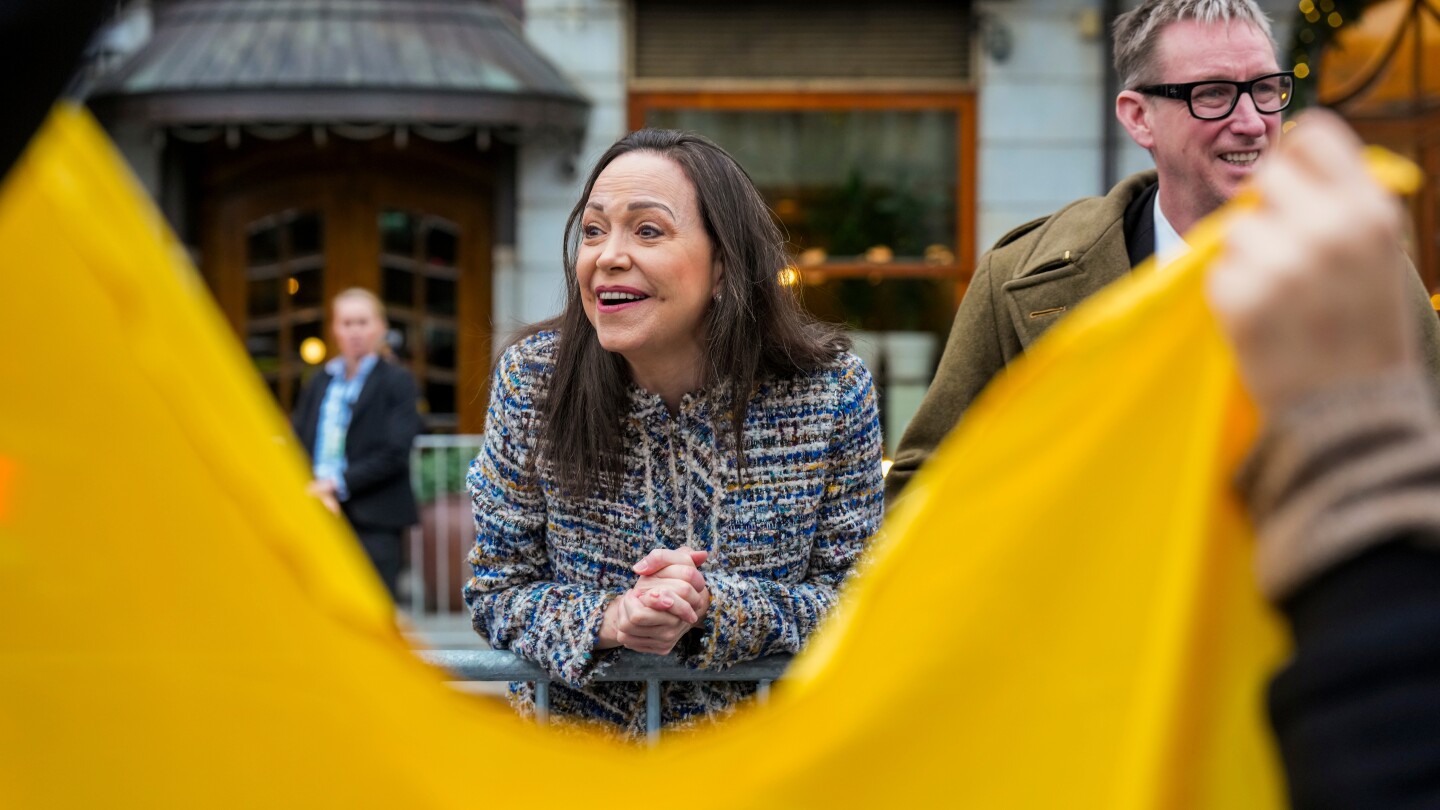
    Most prominent opposition leaders, including Nobel Peace Prize laureate María Corina Machado, remain either imprisoned or in exile. Machado, despite being the legitimate winner of the 2024 presidential election according to detailed tally sheets and international recognition, was barred from running by Maduro’s government and ultimately represented by proxy candidate Edmundo González Urrutia.

    Trump publicly expressed skepticism about Machado’s leadership capabilities, stating she lacks sufficient domestic support and respect. Ironically, Machado’s consistent praise for Trump—including dedicating her Nobel Prize to him and supporting aggressive U.S. policies toward Venezuelan migrants—has diminished her popularity at home.

    Constitutional uncertainties cloud Venezuela’s political future. While the constitution mandates elections within 30 days when a president becomes permanently unavailable, Maduro loyalists in the Supreme Court have declared his absence temporary, allowing Rodríguez to assume power for up to 90 days, extendable to six months with legislative approval.

    Secretary of State Marco Rubio attempted to clarify Trump’s controversial statement about the U.S. “running” Venezuela, emphasizing instead that Washington would leverage control over Venezuela’s oil industry—home to the world’s largest proven crude reserves—to force policy changes.

    The opposition now faces monumental challenges: both Machado and González remain in exile, while Rodríguez consolidates power among ruling party factions. Experts warn that bypassing the legitimate opposition movement risks damaging Venezuela’s democratic spirit and humiliating citizens who voted overwhelmingly for change.

  • Protest-hit Iran warily watches the US after its raid on Venezuela

    Protest-hit Iran warily watches the US after its raid on Venezuela

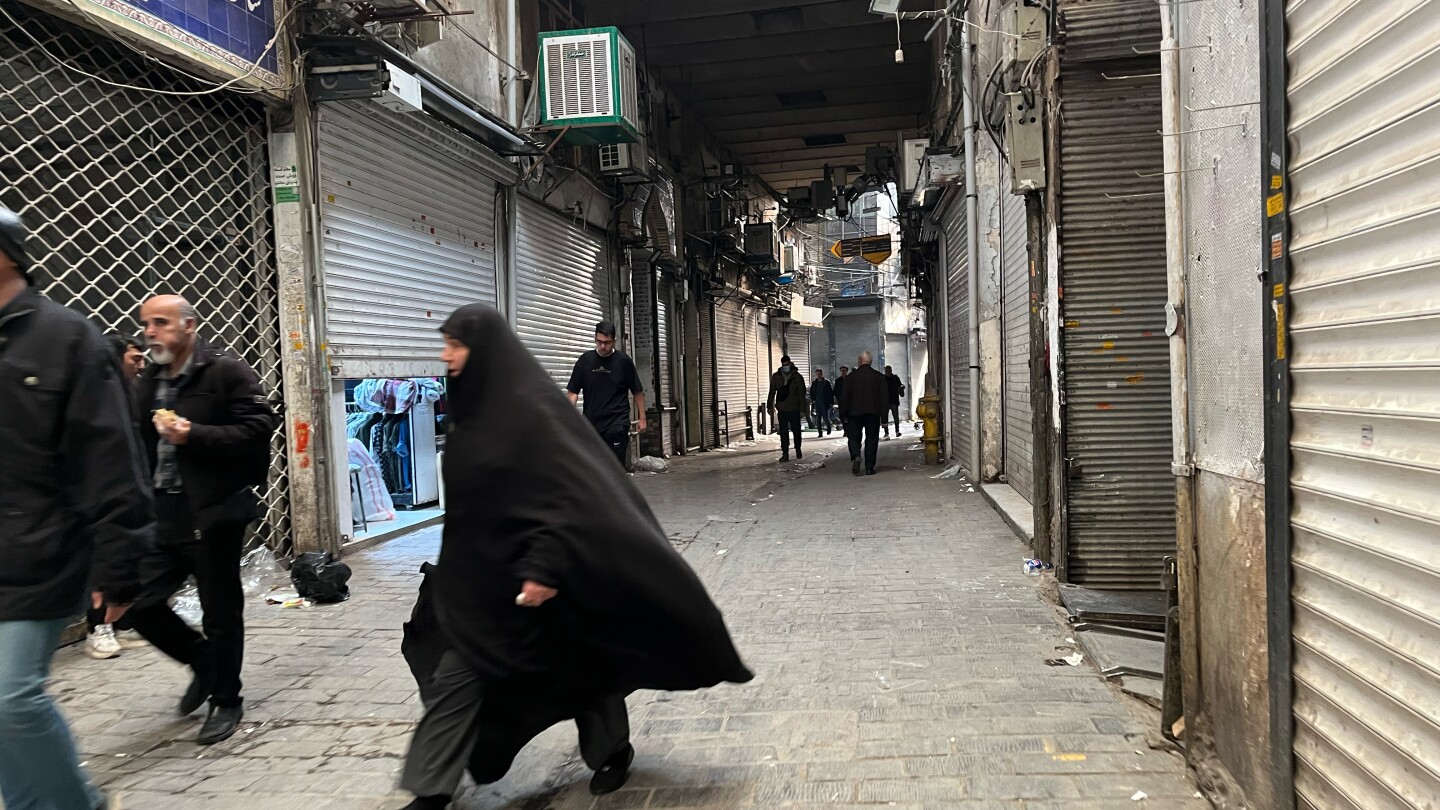
    DUBAI, United Arab Emirates — A palpable sense of anxiety has permeated Iran’s political landscape following the United States military’s seizure of Venezuelan President Nicolás Maduro. While Tehran has officially condemned the operation against its longstanding ally, unofficial conversations reveal growing apprehension that similar tactics could be employed against the Islamic Republic’s leadership, including 86-year-old Supreme Leader Ayatollah Ali Khamenei.

    This heightened paranoia intersects with existing concerns among Iranians regarding potential Israeli military actions, reminiscent of June’s 12-day conflict that resulted in significant losses including high-ranking military officials and nuclear scientists. The memory of Operation Eagle Claw—the failed 1980 U.S. special forces mission to rescue hostages in Tehran—further compounds these security anxieties.

    Analysts note crucial distinctions that complicate any potential intervention scenario. Iran possesses roughly double Venezuela’s territorial size, maintains more robust military capabilities, and operates under a complex political structure where the paramilitary Revolutionary Guard answers directly to Khamenei. Farzin Nadimi, senior fellow at the Washington Institute for Near East Policy, warns that hardliners could respond with assassinations, cyberattacks, and assaults on Middle Eastern shipping routes if threatened.

    The international community has responded with mixed reactions. Israeli opposition leader Yair Lapid suggested Iran’s regime should ‘pay close attention’ to Venezuela’s developments, while Prime Minister Benjamin Netanyahu acknowledged the protest movements within Iran. President Donald Trump previously warned that the U.S. would ‘come to their rescue’ if Iran violently suppressed protests.

    Meanwhile, U.S. politicians have openly speculated about regime change possibilities. Representative Marjorie Taylor Greene connected the Venezuela operation to potential oil supply control ahead of ‘the next obvious regime change war in Iran,’ while Senator Lindsey Graham publicly donned a ‘Make Iran Great Again’ hat during a Fox News segment.

    Even regional rivals are monitoring the situation closely. Ghassan Charbel, editor-in-chief of Saudi-owned Asharq Al-Awsat newspaper, described Maduro’s capture as a ‘brutal message’ to Tehran’s leadership, suggesting the psychological impact on Khamenei would be particularly devastating.

  • Saint-Tropez bids adieu to Brigitte Bardot with a funeral and public homage

    Saint-Tropez bids adieu to Brigitte Bardot with a funeral and public homage

    SAINT-TROPEZ, France — The French Riviera resort town of Saint-Tropez hosted a poignant dual tribute on Wednesday to honor Brigitte Bardot, the iconic actress turned animal rights activist who passed away December 28 at age 91. The ceremony blended private family mourning with public admiration for the woman who called this Mediterranean haven home for over fifty years.

    Bardot’s funeral procession moved through the narrow streets of Saint-Tropez as residents and admirers applauded the final journey of the woman who once captivated global cinema. The coffin of the legendary screen siren, whose image defined 1960s sensuality and French postwar liberation, was carried to the Notre-Dame-de-l’Assomption Catholic Church where a private service commenced with Maria Callas’ rendition of ‘Ave Maria.’

    In attendance were Bardot’s husband Bernard d’Ormale, who revealed in a Paris Match interview that cancer had claimed her life following two operations, along with her son, grandchildren, and invited representatives from the Brigitte Bardot Foundation for animal protection. ‘She remained conscious and concerned about animal welfare until her final moments,’ d’Ormale attested.

    Max Guazzini, foundation secretary general, expressed the collective grief: ‘Sadness is overwhelming, and pain too.’ In a moving eulogy, he envisioned Bardot’s arrival in ‘a great, white immensity’ followed by ‘thousands of animals she saved… forming a procession behind her.’

    Hundreds gathered at public viewing areas with large screens installed at the port and town squares to witness the farewell. Bardot will be interred in the strictest privacy at the marine cemetery overlooking the Mediterranean, joining her parents and first husband Roger Vadim—the director who launched her international career with the groundbreaking film ‘And God Created Woman.’

    Though she retired from filmmaking at 39 in 1973 after starring in over two dozen films, Bardot remained a visible and often controversial public figure through her militant animal rights activism and associations with far-right politics. The town hall acknowledged her enduring legacy, stating: ‘Brigitte Bardot will forever be associated with Saint-Tropez, of which she was the most dazzling ambassador.’

  • Overseas scholars drawn to China’s scientific clout, funding

    Overseas scholars drawn to China’s scientific clout, funding

    China is rapidly transforming into a global magnet for scientific talent, attracting overseas researchers through unprecedented funding resources and expanding research capabilities. While government initiatives like the Thousand Talents Plan have historically targeted top-tier experts, the country’s academic institutions are now independently drawing early-career scientists seeking advanced facilities and rapid innovation cycles.

    Interviews with international scholars reveal a significant shift in perception. Mejed Jebali, an AI researcher from Tunisia at Shanghai Jiao Tong University, noted the remarkable pace of development: “The scale of the research and how fast things get built is really amazing.” This sentiment is echoed across disciplines, from materials science to medical research, where China’s investment in strategically important fields like artificial intelligence and quantum computing creates compelling opportunities.

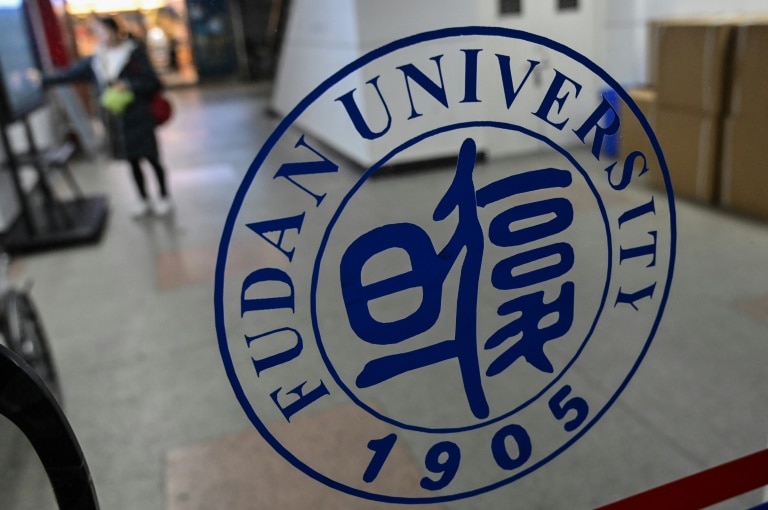
    Statistical evidence supports this trend. Although no official database exists, at least 20 prominent STEM experts have relocated to Chinese institutions in the past year alone. Notable transitions include cancer specialist Feng Gensheng leaving a tenured position at the University of California for Shenzhen Bay Laboratory, and German medical scientist Roland Eils taking a part-time role at Fudan University.

    Professor Futao Huang of Japan’s Hiroshima University observes: “A significantly greater number of overseas scientists—particularly those of Chinese origin—have returned to work in China compared with around 10 years ago.” This reverse brain drain is accelerated by both pull factors (abundant resources, market access) and push factors (increasing research security regulations and visa scrutiny in Western nations).

    China’s academic quality has reached global parity, with Nature Index data showing four of the top five research institutions in natural and health sciences are now Chinese. This represents a dramatic reversal from historical Western dominance. Insect migration expert Jason Chapman, recently seconded to Nanjing Agricultural University, acknowledged: “I wouldn’t have done it 15 years ago,” but now finds the funding and support “far more than available overseas.”

    Despite these advantages, challenges persist regarding academic freedom, geopolitical tensions, and cultural adaptation. Researchers note concerns about collaboration restrictions with military-linked institutions and must navigate different academic social structures. However, for motivated scientists seeking to advance their research programs, China presents an increasingly attractive proposition in the global scientific landscape.

  • Strasbourg face pitfalls of multi-club system as Chelsea take Rosenior

    Strasbourg face pitfalls of multi-club system as Chelsea take Rosenior

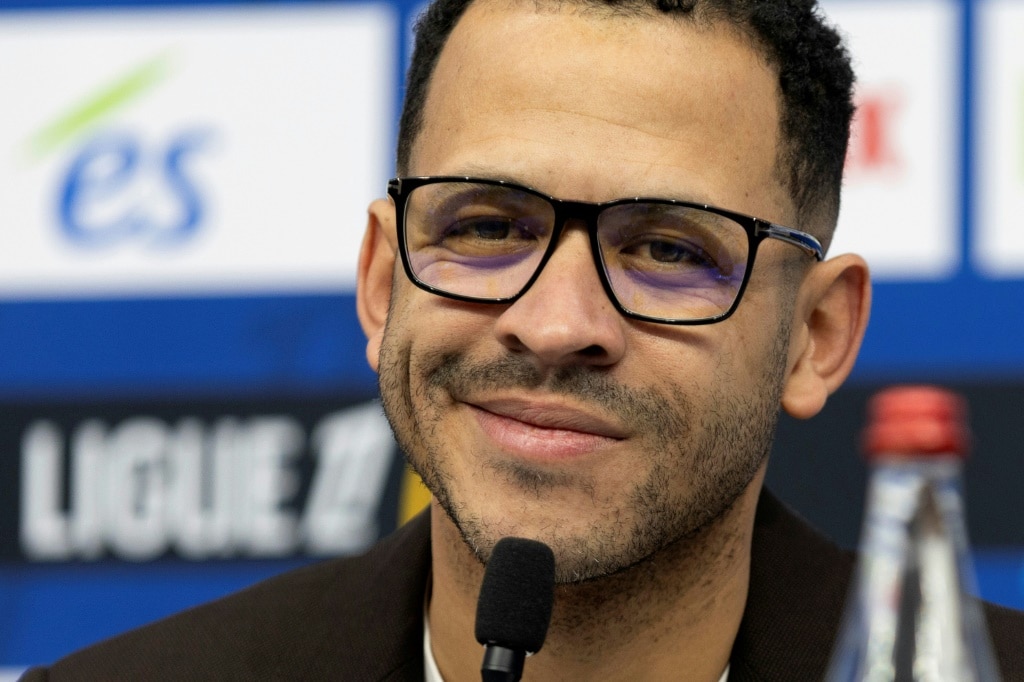
    The football world is grappling with the escalating implications of multi-club ownership models, a phenomenon thrust into the spotlight by Liam Rosenior’s controversial transition from Strasbourg to Chelsea. Both clubs operate under the BlueCo consortium, helmed by American investor Todd Boehly, highlighting a growing trend where 200-300 clubs worldwide are now enmeshed in such interconnected networks.

    This move has ignited fury among Strasbourg supporters, who perceive their team as being relegated to a ‘feeder club’ status within a clearly defined hierarchy. The loss of their promising young coach to Premier League giants Chelsea, coupled with the impending transfer of club captain Emmanuel Emegha, has intensified feelings of disenfranchisement. This scenario exemplifies the inherent conflicts when a smaller club’s assets—both human and tactical—are strategically redirected to benefit the consortium’s flagship entity.

    Despite fan frustrations, sports economists point to tangible benefits for smaller clubs within these structures. Christophe Lepetit of the University of Limoges notes that without BlueCo’s backing, Strasbourg would lack access to current squad talents, including the retention of Emegha last summer and Argentine forward Joaquin Panichelli. The club has also benefited from loan arrangements, securing players like England defender Ben Chilwell and Brazilian midfielder Andrey Santos from Chelsea.

    The model presents a complex duality: while it provides financial stability and talent access, it simultaneously erodes club autonomy and fan identity. Luc Arrondel, a researcher at the French National Centre for Scientific Research, emphasizes that supporters consider themselves the ‘only loyal entities’ in an ecosystem where players, coaches, and ownership increasingly fluctuate.

    This ownership revolution is further complicated by regulatory challenges. UEFA’s rules on multiple ownership recently forced Crystal Palace’s relegation to the UEFA Conference League to avoid competing with fellow Eagle Group member Lyon. As private equity funds continue diversifying football investments to mitigate risks like relegation, the sport faces fundamental questions about competitive integrity, fan acceptance, and the future balance of power in global football.

  • The Ashes 2025-26: Jacob Bethell coming-of-age knock saves England from innings defeat

    The Ashes 2025-26: Jacob Bethell coming-of-age knock saves England from innings defeat

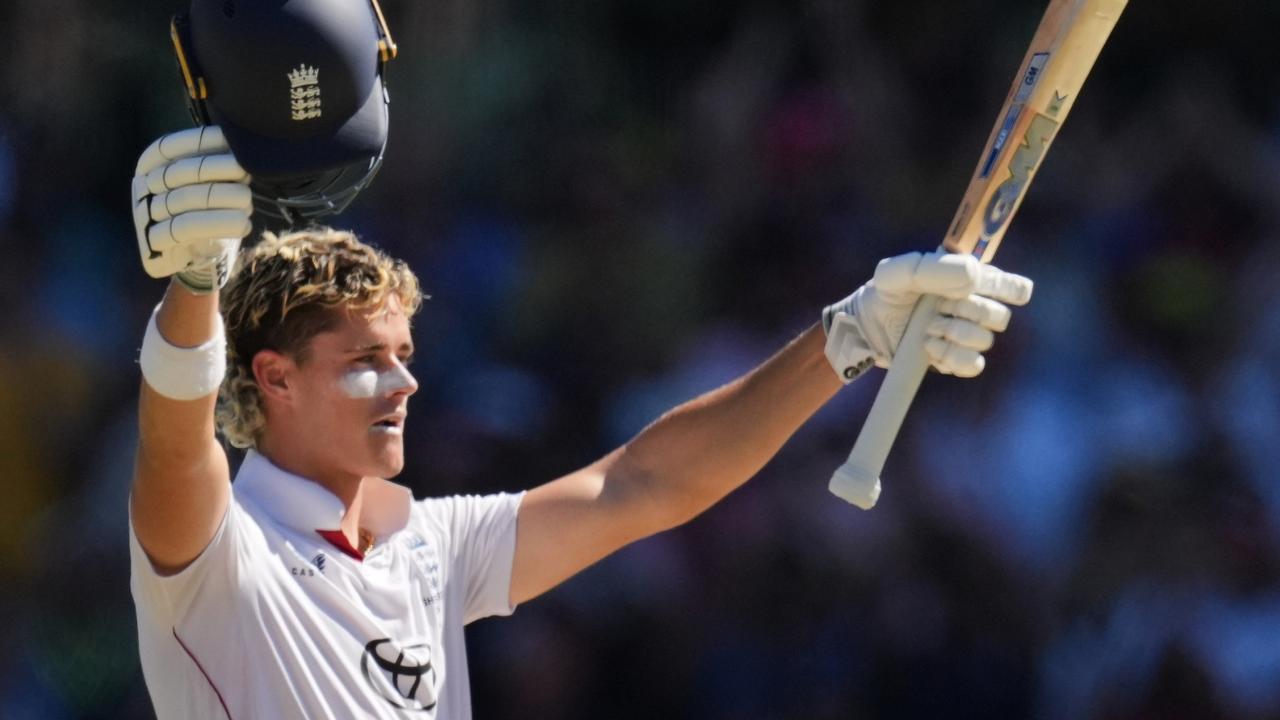
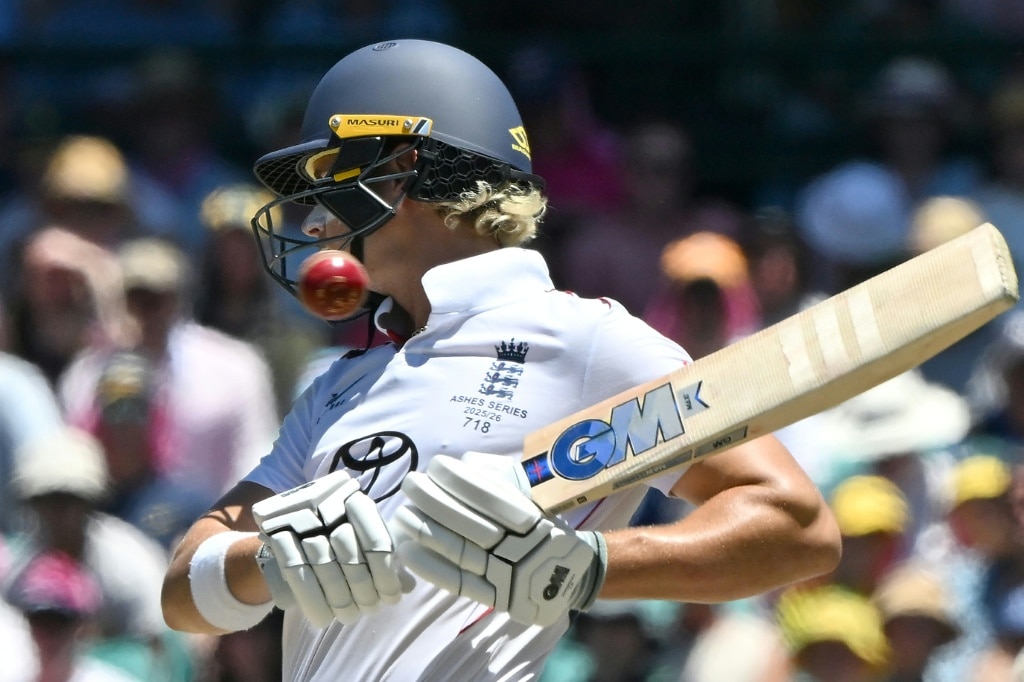
    Amidst a challenging Ashes series for England, a new cricketing prodigy has emerged to justify the nation’s faith in its future talent. Jacob Bethell, the 22-year-old left-handed batsman, delivered a stunning century on day four of the fifth Test at the Sydney Cricket Ground, single-handedly preventing an innings defeat against Australia.

    The young batsman arrived at the crease under immense pressure following the early dismissal of Zak Crawley in Mitchell Starc’s first over. Demonstrating remarkable composure, Bethell constructed his innings with a sophisticated blend of drives and precision cuts through point. His journey to triple figures culminated dramatically as he faced seven dot balls on 99 before confidently launching Beau Webster for a boundary, much to the relief of his anxious family watching from the stands.

    Cricket legends immediately recognized the significance of the performance. Former England captain Michael Vaughan declared ‘a star is born here at the SCG’ during Fox Cricket’s commentary, while Australian great Mark Waugh praised Bethell’s optimal balance between defensive solidity and scoring opportunities. The innings contained particularly memorable moments, including two exceptional boundaries against Cameron Green in the 33rd over that showcased both his backfoot and frontfoot technique.

    Bethell’s resilience was further evidenced when he recovered from being struck in the head early in his innings, displaying a maturity beyond his years. His technical prowess drew comparisons to former England captain Andrew Strauss from Hall of Fame fast bowler Brett Lee, who remarked ‘the kid can play’ after witnessing one particularly elegant frontfoot drive.

    The selection dilemma surrounding England’s decision to start the series with Ollie Pope at number three instead of Bethell now looms large as a significant ‘what-if’ of the series. Bethell’s performance not only surpassed Pope’s series tally in fewer innings but also demonstrated his capability on difficult pitches, having previously looked England’s most composed batsman on a challenging Melbourne wicket.

    As Australia now faces a tricky fourth innings chase, with several batsmen playing for their careers, Bethell’s innings has not only changed the complexion of this Test but has also signaled a potential shift in the rivalry’s future dynamics. With the aging Australian team facing transition questions, Bethell’s emergence presents a formidable challenge for the Australians when the next Ashes series commences on English soil in 18 months.

  • Turkey edges closer to leading Black Sea mission under Ukraine security guarantees

    Turkey edges closer to leading Black Sea mission under Ukraine security guarantees

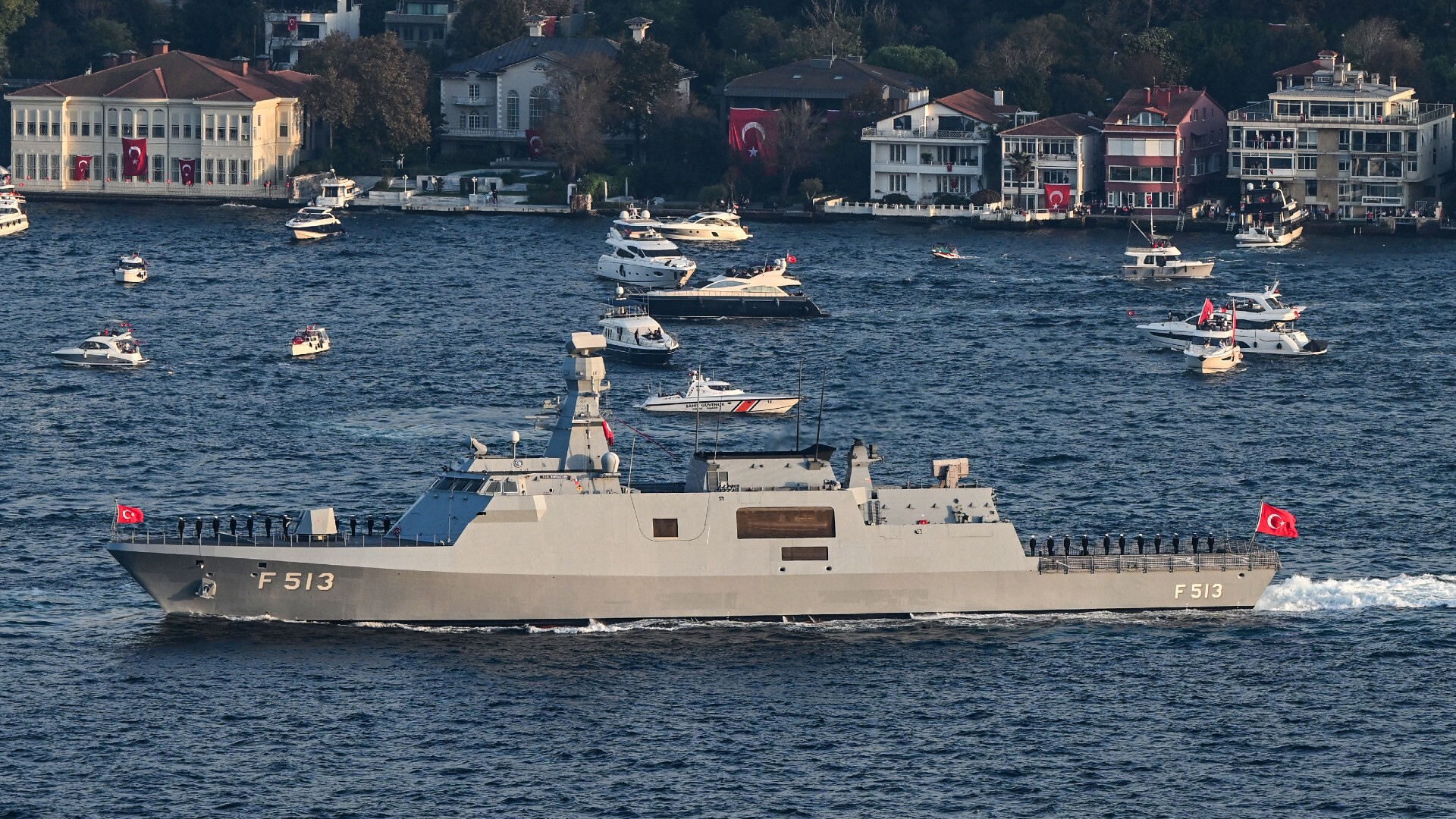
    Turkey is positioned to assume a pivotal naval leadership role in Black Sea security operations as a core component of international security assurances for Ukraine. The announcement came from Turkish Foreign Minister Hakan Fidan following a high-level Coalition of the Willing summit convened in Paris on Tuesday.

    Minister Fidan articulated that the Turkish Armed Forces have consistently advocated for assuming responsibility for any naval framework established during peacetime. ‘Considerable progress has been made on this,’ Fidan confirmed to journalists, emphasizing the natural fit for NATO’s predominant Black Sea naval power to oversee maritime security operations.

    The Paris summit yielded significant advancements in constructing robust security guarantees for Kyiv, designed to activate following a prospective ceasefire in the Russia-Ukraine conflict. French President Emmanuel Macron corroborated Turkey’s willingness to undertake this critical security role during his press conference remarks.

    According to summit agreements, the United States would spearhead a ceasefire monitoring mechanism while Britain and France formalized a declaration of intent through a trilateral agreement with Ukrainian President Volodymyr Zelensky. This arrangement envisions potential troop deployments and establishment of ‘military hubs’ on Ukrainian territory contingent upon a peace agreement.

    This strategic development follows Ankara’s diplomatic recalibration last year after Moscow’s firm opposition to NATO troop presence in Ukraine. Instead, Turkey has concentrated on leading a prospective naval mission encompassing deterrent operations, maritime demining initiatives, and supporting Ukrainian naval reconstruction.

    German representatives adopted a more circumspect approach, suggesting potential NATO-area presence while acknowledging the necessity for compromises given Russia’s staunch opposition to NATO troop deployments in Ukraine.

    Minister Fidan revealed that both conflict parties have neared potential agreement more than at any previous point, with detailed discussions addressing the region’s postwar architecture. He characterized the emerging framework as ‘a comprehensive agreement that would go on to define Russia’s regional policies as well,’ serving as a long-term structure for Russo-European peace modalities.

    Beyond military commitments, Turkey expressed strong interest in leading Ukraine’s reconstruction efforts. Fidan highlighted Turkey’s unique capabilities in economic revitalization, business expertise, and infrastructure development, positioning the nation as a primary driver of regional economic recovery post-conflict.

  • ‘Spectacle of empire’: US has no day-after plan for Venezuela, experts say

    ‘Spectacle of empire’: US has no day-after plan for Venezuela, experts say

    A panel of foreign policy experts convened by the Quincy Institute for Responsible Statecraft has sharply criticized the Trump administration’s military operation in Venezuela, characterizing it as a poorly conceived spectacle that violates international norms without strategic justification.

    According to University of Chicago political science professor John Mearsheimer, the abduction of Venezuelan President Nicolás Maduro constitutes a violation of international law that makes no strategic sense for the United States. ‘Venezuela posed no threat to the US,’ Mearsheimer stated, noting that if narcotics were the genuine concern, Mexico would represent a more logical target.

    The operation, conducted by US special forces with aerial support that reportedly killed approximately 80 security forces and civilians, has left the administration embroiled in precisely the type of nation-building exercise that President Trump previously pledged to avoid. Maduro and his wife now face trial in New York City, where he has pleaded not guilty to all charges.

    Curt Mills of The American Conservative suggested President Trump appears ‘addicted to these sort of special operations as a way of looking like a wartime commander in chief’ without calculated risks. Meanwhile, Pomona College Professor Miguel Tinker Salas described the operation as ‘performative’ and emblematic of ‘the spectacle of empire,’ noting the apparent absence of any coherent plan for Venezuela’s future governance.

    The administration has assigned Secretary of State Marco Rubio, a long-time advocate for regime change in Venezuela and Cuba, to oversee Venezuela’s administration. Surprisingly, Trump has sidelined opposition leader Maria Corina Machado, suggesting she lacks sufficient institutional support. Interim leadership has been assumed by Delcy Rodríguez, Maduro’s former vice president, who has adopted a conciliatory stance toward US cooperation.

    Experts raised multiple concerns about the operation’s broader implications. Despite Trump’s transparent interest in Venezuela’s oil reserves—the world’s largest—Mills questioned the economic rationale, noting current low oil prices and the absence of extraction plans. Geopolitically, Mearsheimer warned the intervention represents ‘manna from heaven’ for China and Russia, as US resources become diverted from Asian priorities to Western hemisphere nation-building.

    The panel further expressed alarm about deteriorating relations with European allies, particularly given Trump’s simultaneous threats to forcibly acquire Greenland from Denmark. The experts noted Europe’s ‘dramatic’ silence on Venezuela, potentially reflecting fears about abandoned Ukrainian support or retaliatory tariffs.

    Mearsheimer concluded with a stark assessment: ‘Watching the Trump administration in action, I think that they are a rogue operation. They’ve turned the United States into a rogue state.’

  • Bethell stands tall as England 174-3 in final Test, nine behind

    Bethell stands tall as England 174-3 in final Test, nine behind

    Emerging batsman Jacob Bethell delivered a commanding performance, remaining unbeaten on 79 runs as England reached 174-3 at tea on day four of the final Ashes Test at Sydney Cricket Ground. The tourists now trail Australia by just nine runs, with Harry Brook providing support at 24 not out. The 22-year-old Bethell is now poised to pursue his maiden Test century in the final session.

    Australia had earlier been dismissed for 567 in their first innings, building a substantial lead of 183 runs thanks to impressive centuries from Travis Head (163) and captain Steve Smith (138). England’s response faced early adversity when captain Ben Stokes exited the field with a suspected groin injury while bowling during the morning session, casting doubt on his batting availability.

    The English innings began shakily as Mitchell Starc claimed his 29th wicket of the series, trapping Zak Crawley lbw for just one run in the opening over. Ben Duckett contributed 42 runs before chopping on against Michael Neser, while veteran batsman Joe Root, fresh from his first-innings 160, fell cheaply for six runs to Scott Boland’s persistent bowling.

    Despite these setbacks, Bethell displayed remarkable composure at the crease, reaching his fourth Test half-century with a boundary off Starc. His partnership with Brook has provided England with hope of securing a consolation victory after Australia had already retained the Ashes with a 3-1 series lead.

    Earlier in the day, Australia’s innings concluded with Beau Webster remaining unbeaten on 71, while Josh Tongue (3-97) and Brydon Carse (3-130) were the most successful English bowlers.

  • Ex-CIA agent convicted of spying for Soviets dies in prison

    Ex-CIA agent convicted of spying for Soviets dies in prison

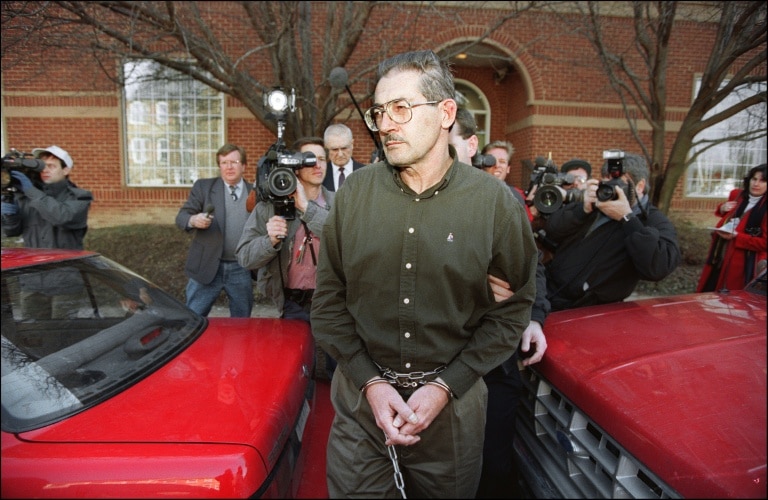
    Aldrich Hazen Ames, the former Central Intelligence Agency officer whose espionage for the Soviet Union stands as one of the most damaging breaches in American intelligence history, has died in federal custody at age 84. The Bureau of Prisons confirmed his death on Monday while serving a life sentence without parole.

    Ames leveraged his 31-year tenure as a counterintelligence analyst to compromise U.S. operations from 1985 to 1993, systematically betraying national secrets in exchange for over $2.5 million from Soviet and later Russian intelligence services. His disclosures led directly to the execution of at least a dozen U.S. assets operating within Soviet territory.

    Operating from his strategically sensitive position as head of the CIA’s Soviet branch, Ames provided Moscow with comprehensive intelligence, including the identities of double agents and highly classified operational details. The magnitude of his betrayal became apparent through his family’s conspicuously lavish lifestyle—maintaining Swiss bank accounts, purchasing luxury vehicles like a Jaguar, and accruing $50,000 in annual credit card expenditures.

    The exposure of Ames in 1994 triggered seismic repercussions across diplomatic and intelligence spheres. His actions deliberately misinformed three presidential administrations—Reagan, George H.W. Bush, and Clinton—regarding Soviet military capabilities through fabricated intelligence assessments. The subsequent investigation compelled the resignation of then-CIA Director James Woolsey and initiated sweeping institutional reforms under successor John Deutch.

    International relations deteriorated rapidly as the White House expelled Russian diplomat Aleksander Lysenko for alleged involvement, while Moscow dismissed the incident as American emotionalism. The Ames case remains a paradigm of Cold War espionage, alongside historical precedents like the Rosenbergs’ atomic secrets transmission and John Walker’s naval intelligence deciphering operations.