作者: admin

  • ‘I had no electricity for six months’: US families struggle with soaring energy prices

    ‘I had no electricity for six months’: US families struggle with soaring energy prices

    A deepening energy affordability crisis is gripping American households as skyrocketing utility bills force millions into severe debt and service disconnections. The plight of Kristy Hallowell, a 44-year-old New York resident, exemplifies the nationwide struggle. After losing her job, Hallowell faced an unexpected tripling of her energy bill to $1,800 monthly, resulting in complete service termination that left her family relying on generators for six months during 2025.

    Recent analysis of consumer credit data reveals nearly one in twenty U.S. households now risk having utility debt sent to collections this winter. The severity of overdue payments has intensified, with the number of severely delinquent accounts increasing by 3.8% during the first half of President Donald Trump’s second term.

    Despite campaign promises to slash energy costs by half, the Trump administration confronts a harsh reality: electricity prices surged 6.9% year-over-year in November, significantly outpacing overall inflation. The White House attributes persistent economic pressures to former President Biden’s policies and Federal Reserve interest rates, while simultaneously proposing cuts to federal assistance programs for low-income households’ energy bills.

    Multiple structural factors drive the crisis. Natural gas prices have jumped dramatically, affecting nearly half of U.S. electricity generation. Simultaneously, the artificial intelligence boom has created unprecedented demand from energy-intensive data centers, particularly in states like Virginia. Experts warn that the administration’s rollback of clean energy initiatives—including paused offshore wind projects—further exacerbates price pressures by increasing dependence on foreign oil.

    Laurie Wheelock of New York’s Public Utility Law Project reports utility debts have ballooned from pre-pandemic averages of $400-$900 to frequently exceeding $6,000. Winter heating costs are projected to jump 9.2% this season, compounding financial distress across all regions from California to Georgia.

    While some states like Virginia are implementing tiered rate systems to shield residential customers from data center energy demands, federal solutions remain contentious. Treasury Secretary Scott Bessent maintains electricity pricing is a ‘state problem,’ while analysts argue national clean energy investment could provide relief. For millions of Americans like Hallowell, who still faces $3,000 in utility debt despite partial service restoration, the crisis shows no signs of abating.

  • US military strikes Islamic State group targets in Syria, officials say

    US military strikes Islamic State group targets in Syria, officials say

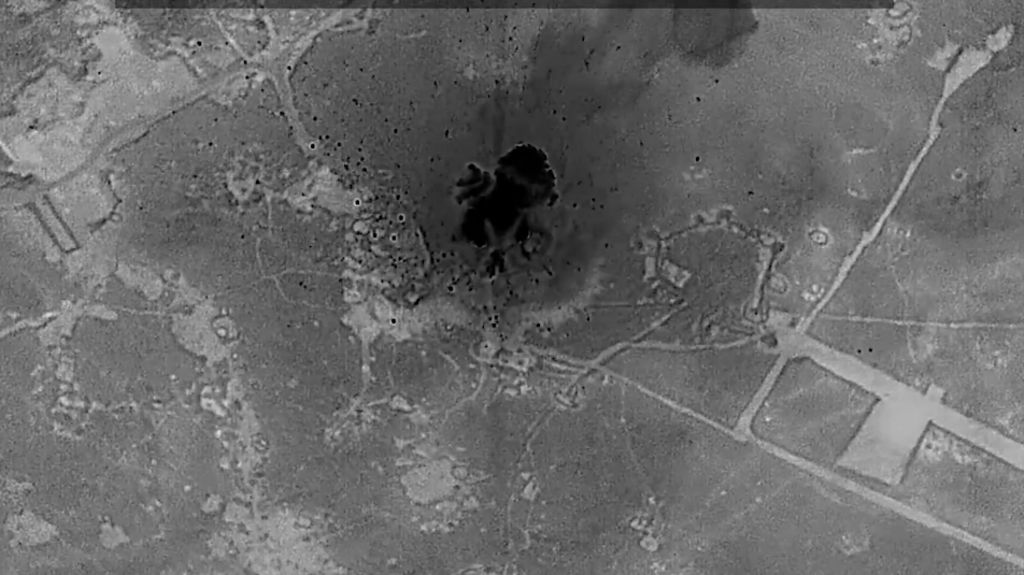
    In a significant military escalation, United States Central Command (CENTCOM) has confirmed the execution of large-scale airstrikes against Islamic State (ISIS) targets across Syria. The operation, authorized directly by President Donald Trump, represents a forceful response to the December 13th ambush in Palmyra that resulted in the deaths of two American soldiers and a civilian interpreter.

    Dubbed Operation Hawkeye Strike, the mission involved a formidable coalition of air assets. An official speaking to CBS News detailed that over 20 aircraft, including F-15Es, A-10s, AC-130J gunships, MQ-9 Reaper drones, and Jordanian F-16 fighter jets, delivered more than 90 precision-guided munitions against in excess of 35 confirmed ISIS targets.

    The strategic objective, as stated by CENTCOM, is twofold: to degrade terrorist capabilities and to ensure the security of US and partner forces operating within the region. The command issued a stark warning on social media platform X: ‘Our message remains strong: if you harm our warfighters, we will find you and kill you anywhere in the world, no matter how hard you try to evade justice.’

    This recent action is part of a sustained campaign. Prior to Saturday’s strikes, CENTCOM reported that nearly 25 ISIS operatives had been killed or captured in 11 separate missions conducted between December 20th and 29th. The operation commenced with a massive joint US-Jordanian assault on December 19th, which employed over 100 precision munitions against more than 70 targets.

    Defense Secretary Pete Hegseth characterized the operation not as the start of a new war but as a ‘declaration of vengeance,’ affirming the administration’s unwavering commitment to defending American personnel. The exact location of the latest strikes and assessments regarding enemy casualties remain undisclosed at this time.

    The ongoing operations occur against a complex geopolitical backdrop. Syria remains in a fragile state following the ouster of President Bashar al-Assad in late 2024, which concluded a devastating 13-year civil war. The country is now under the control of rebel leader Ahmed al-Sharaa (Abu Mohammed al-Jolani). Although significantly weakened, ISIS persists as an active insurgent threat, primarily conducting attacks against Kurdish-led forces in the nation’s northeast.

  • Oman sentences 59 expat workers to jail for Christmas Day riot, vandalism

    Oman sentences 59 expat workers to jail for Christmas Day riot, vandalism

    A court in Oman has delivered a decisive verdict against 59 expatriate workers, sentencing them to imprisonment and subsequent deportation from the Sultanate for their involvement in a violent protest on Christmas Day 2025. The ruling, announced by Oman’s Public Prosecution Authority on January 10th, 2026, concludes a case that has drawn significant attention to labor relations and public order in the Gulf nation.

    The incident unfolded on the evening of December 25th in the Sa’al area of Wilayat Bidbid, where Royal Oman Police responded to reports of mass gatherings and property destruction near a company-owned residential complex. Upon arrival, law enforcement discovered a substantial group of workers engaged in acts of vandalism against company facilities and vehicles, including the damaging of transportation buses, which severely disrupted operations.

    Despite direct orders from police to disperse and cease destructive activities, the workers refused to comply, leading to their immediate arrest and subsequent interrogation. Following comprehensive investigations, prosecutors charged the individuals with multiple criminal offenses under Omani law.

    The Court of First Instance handed down convictions on four distinct charges: incitement to gather (carrying a 3-month sentence), participation in a public gathering of ten or more persons that could disrupt security (6-month sentence), damaging movable and immovable property (1-year sentence), and using information technology to produce and disseminate material harmful to public order (1-year sentence).

    In addition to cumulative prison terms, the court mandated the permanent deportation of all convicted individuals from Oman and ordered the confiscation of mobile phones used in committing cyber offenses. Notably, twenty-three other defendants involved in the same incident were acquitted of all charges, suggesting careful judicial consideration of individual participation levels.

    This case highlights Oman’s stringent approach to maintaining public order while simultaneously raising questions about labor conditions for foreign workers in the region. The timing of the incident on Christmas Day suggests possible cultural or religious dimensions to the protest, though official statements focused exclusively on the legal violations rather than underlying causes.

  • ‘Hounded and harassed’: The former pop star taking on Uganda’s long-time president

    ‘Hounded and harassed’: The former pop star taking on Uganda’s long-time president

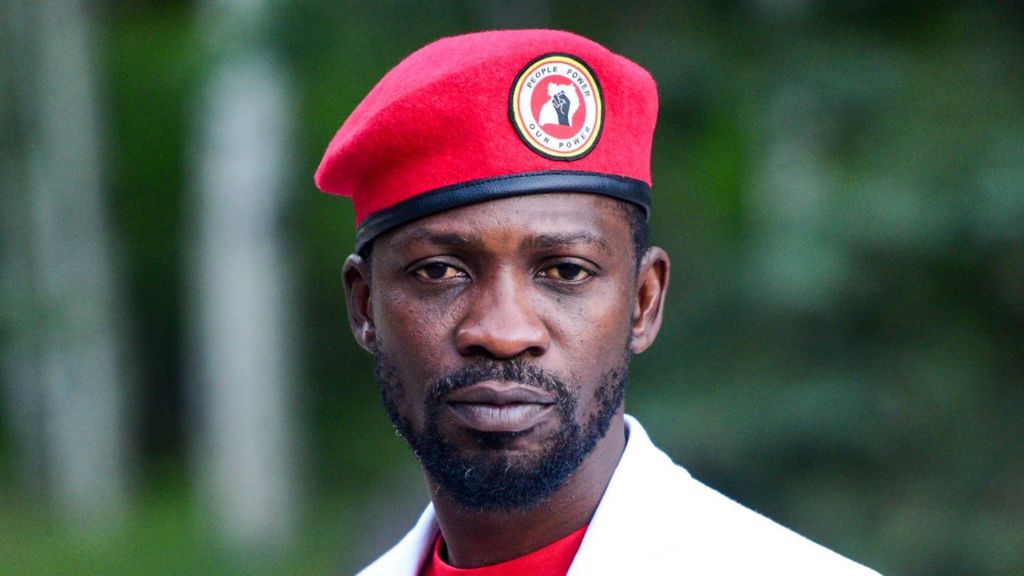
    In Uganda’s high-stakes political arena, musician-turned-opposition-leader Bobi Wine presents a formidable challenge to President Yoweri Museveni’s 40-year reign as the nation approaches pivotal elections on January 15. The 43-year-old revolutionary, born Robert Kyagulanyi Ssentamu, has transformed from entertainment icon to political force through his powerful connection with Uganda’s youth demographic.

    Wine’s political journey began dramatically in 2017 when he won a parliamentary by-election in Kyadondo-East constituency with a landslide victory, securing five times more votes than his ruling party opponent. His grassroots movement, People Power, evolved into the National Unity Platform (NUP) party, now Uganda’s primary opposition vehicle. The movement’s signature red berets have become symbols of resistance against Museveni’s establishment.

    The opposition leader’s campaign focuses squarely on systemic corruption, youth unemployment crisis, and wealth redistribution—issues resonating deeply in a country where 78% of the population is under 35. Wine’s upbringing in Kampala’s Kamwokya slum informs his ‘ghetto president’ persona, creating stark contrast with Museveni’s military-backed regime.

    His political ascent has come at tremendous personal cost. Wine has endured multiple arrests on charges widely condemned as politically motivated, including illegal firearms possession and treason allegations that were eventually dropped. The 2018 detention sparked international outcry, with music luminaries like Coldplay’s Chris Martin and Gorillaz’s Damon Albarn petitioning for his release.

    The 2021 presidential election witnessed deadly violence, with dozens killed during campaign periods. Despite securing 35% of votes against Museveni’s 59%, Wine rejected the results citing widespread irregularities. His perseverance earned global recognition through the Oscar-nominated documentary ‘Bobi Wine: The People’s President’.

    As the new election approaches, Wine campaigns under heavy security protection, with supporters forming human shields against state violence. He maintains that Uganda is ready for civilian leadership, asserting constitutional military subordination to civilian authority despite concerns about his non-military background.

    ‘The military must respect civilian authority according to our constitution,’ Wine insists, framing the election as ‘a liberation movement through ballot box protest.’ His message continues to galvanize young Ugandans seeking change from Africa’s third-longest serving president.

  • ‘The answer cannot be nothing’: The battle over Canada’s mystery brain disease

    ‘The answer cannot be nothing’: The battle over Canada’s mystery brain disease

    A perplexing medical saga unfolding in Canada’s New Brunswick province has sparked intense debate between patients, physicians, and scientific authorities regarding the existence of a mysterious neurological condition affecting hundreds of residents.

    The controversy began in early 2019 when hospital officials identified two patients with Creutzfeldt-Jakob Disease (CJD), a rare and fatal brain disorder. While the CJD cases were contained, neurologist Dr. Alier Marrero revealed he had been documenting patients with similar yet unexplained symptoms for several years. These cases displayed a bewildering array of neurological manifestations including rapid-onset dementia, muscle atrophy, hallucinations, movement disorders, and cognitive impairments—particularly concerning as they appeared in unusually young patients.

    Dr. Marrero’s cluster of suspected cases expanded dramatically from initially 20 to approximately 500 patients over five years. The Cuban-born neurologist, described by patients as exceptionally compassionate and thorough, pursued extensive testing while reporting to Canada’s Creutzfeldt-Jakob Disease Surveillance System. Despite negative results for known prion diseases, Marrero grew convinced of an environmental connection, specifically pointing to glyphosate herbicides used in provincial forestry operations.

    The situation escalated in March 2021 when a leaked government memo brought public attention to the apparent syndrome, dubbed ‘New Brunswick Neurological Syndrome of Unknown Cause.’ Federal scientists initially supported investigation efforts, with the Canadian Institutes of Health Research offering $5 million for research. However, provincial authorities abruptly suspended collaboration and declined the funding, citing concerns about Marrero’s methodologies and what they perceived as circumvention of proper channels.

    Subsequent government investigations concluded in February 2022 that no common environmental cause or unified condition existed among patients. This conclusion was bolstered by a May 2025 study published in JAMA that examined 25 patients from the cluster. The research, led by Toronto neurologist Dr. Anthony Lang, found all patients suffered from previously identified conditions including functional neurological disorder (FND), various dementias, and other established diagnoses. The study attributed the apparent cluster to serial misdiagnosis amplified by media attention, pandemic-related institutional distrust, and limitations in provincial healthcare resources.

    The scientific consensus has sparked outrage among many patients who remain fiercely loyal to Dr. Marrero. Advocates including Bloodwatch director Kat Lanteigne allege a government cover-up of environmental contamination and have challenged the JAMA study’s ethics and methodology. Meanwhile, patients who sought second opinions through the provincially-run Mind Clinic have received diagnoses for conditions such as FND—a complex disorder where psychological factors manifest as physical symptoms without structural neurological damage.

    The human impact remains profound. Several patients have deteriorated significantly, with at least one opting for medical assistance in dying (MAID) and others considering it. Jillian Lucas, who developed symptoms after caring for her affected stepfather, represents those caught between seeking answers and facing deteriorating health: ‘I have a limit in my mind of how far I can go.’

    Dr. Marrero continues to treat patients outside the provincial system, maintaining his conviction about an unidentified neurological syndrome. As debates continue regarding medical ethics, diagnostic accuracy, and environmental safety, hundreds of patients and families await resolution while navigating uncertain medical futures.

  • Myanmar holds second round of voting in first general election since military takeover

    Myanmar holds second round of voting in first general election since military takeover

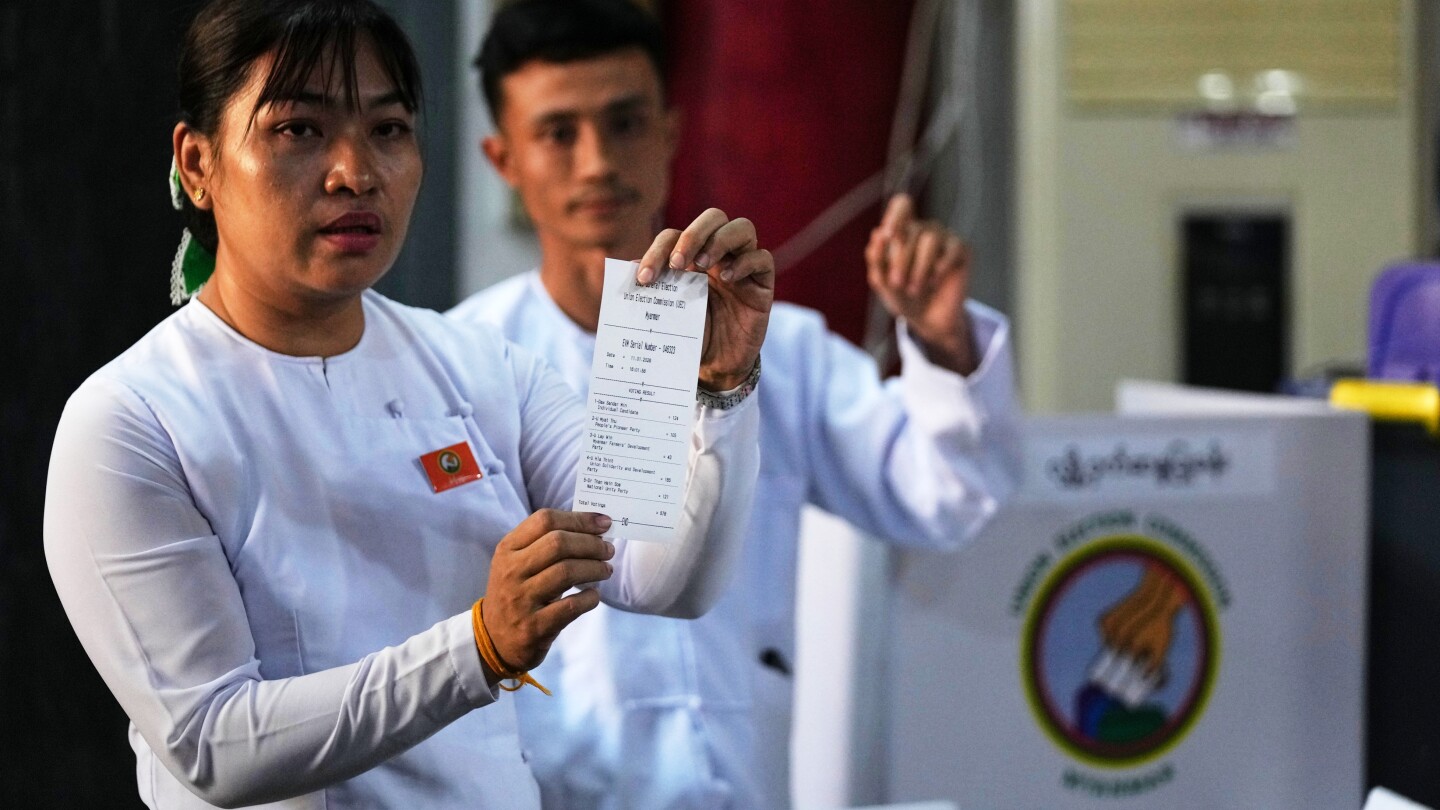
    Myanmar conducted the second phase of its controversial general election on Sunday, marking the first electoral process since the military seized power in February 2021. The voting expanded to include 100 additional townships, many situated in conflict-ridden regions where armed resistance against military rule continues to escalate.

    International observers and human rights experts have condemned the electoral process as fundamentally flawed. Tom Andrews, UN Special Rapporteur on human rights in Myanmar, characterized the election as a ‘sham’ due to systematic political repression. ‘Fundamental freedoms are crushed when thousands of political prisoners remain behind bars, credible opposition parties face dissolution, and journalists are systematically muzzled,’ Andrews stated.

    The electoral landscape reflects the military’s tight control over the political process. According to data from the Assistance Association for Political Prisoners, over 22,000 individuals face detention for political offenses since the coup, while security forces have caused more than 7,600 civilian casualties. A newly enacted Election Protection Law imposes severe penalties for any public criticism of the electoral process, with authorities already charging more than 330 people for leafleting or online activism.

    Despite these measures, armed resistance groups attempted to disrupt Sunday’s voting through attacks on polling stations and government buildings in at least four townships, resulting in two administrative officials killed according to independent media reports.

    The military-backed Union Solidarity and Development Party (USDP) emerged dominant from the first voting phase in December, securing nearly 90% of contested lower house seats. The absence of Aung San Suu Kyi’s National League for Democracy, which was dissolved in 2023 after refusing to comply with new military regulations, has left the political landscape heavily skewed toward military-aligned parties.

    Voter turnout appeared significantly lower than in the 2020 elections, with AP journalists observing sparse attendance at polling stations across Yangon and Mandalay. The military government nevertheless claimed success, reporting approximately 52% participation among eligible voters in the first phase.

    The military government plans to convene the new parliament in March, with the transition to a new government scheduled for April, solidifying what critics describe as the institutionalization of military rule through manipulated democratic processes.

  • Iran intensifying deadly crackdown under internet blackout cover, say rights groups

    Iran intensifying deadly crackdown under internet blackout cover, say rights groups

    Human rights organizations are sounding alarms over Iran’s intensified suppression of widespread protests, with security forces allegedly escalating lethal tactics under the concealment of a comprehensive nationwide internet blackout now extending beyond 36 hours. The demonstrations, representing the most significant challenge to Iran’s theocratic leadership in over three years, have reportedly resulted in at least 51 fatalities according to Norway-based Iran Human Rights, though actual numbers may be substantially higher.

    Amnesty International confirmed it is investigating disturbing accounts of security personnel intensifying their unlawful deployment of lethal force against demonstrators since Thursday, resulting in additional casualties. Nobel Peace Laureate Shirin Ebadi issued warnings that authorities might be preparing to execute a ‘massacre under the cover of a sweeping communications blackout.’

    Verified footage reveals continued protests across multiple cities including Tehran, Mashhad, Tabriz, and Qom, with participants chanting anti-government slogans and demanding political change. In response, Supreme Leader Ayatollah Ali Khamenei has accused the United States of instigating the unrest and denounced protesters as ‘vandals,’ while Iranian military forces pledged to ‘vigorously protect national interests’ against perceived external threats.

    The internet shutdown imposed by authorities has severely hampered communication capabilities, with Netblocks confirming the blackout remains actively enforced. This digital censorship coincides with reports of significant property damage, security force deployments, and early business closures throughout Tehran. International observers continue to monitor the situation closely as both protesters and government forces demonstrate increased determination in the ongoing confrontation.

  • Syrian army announces stop to Aleppo offensive, but Kurdish fighters deny halt

    Syrian army announces stop to Aleppo offensive, but Kurdish fighters deny halt

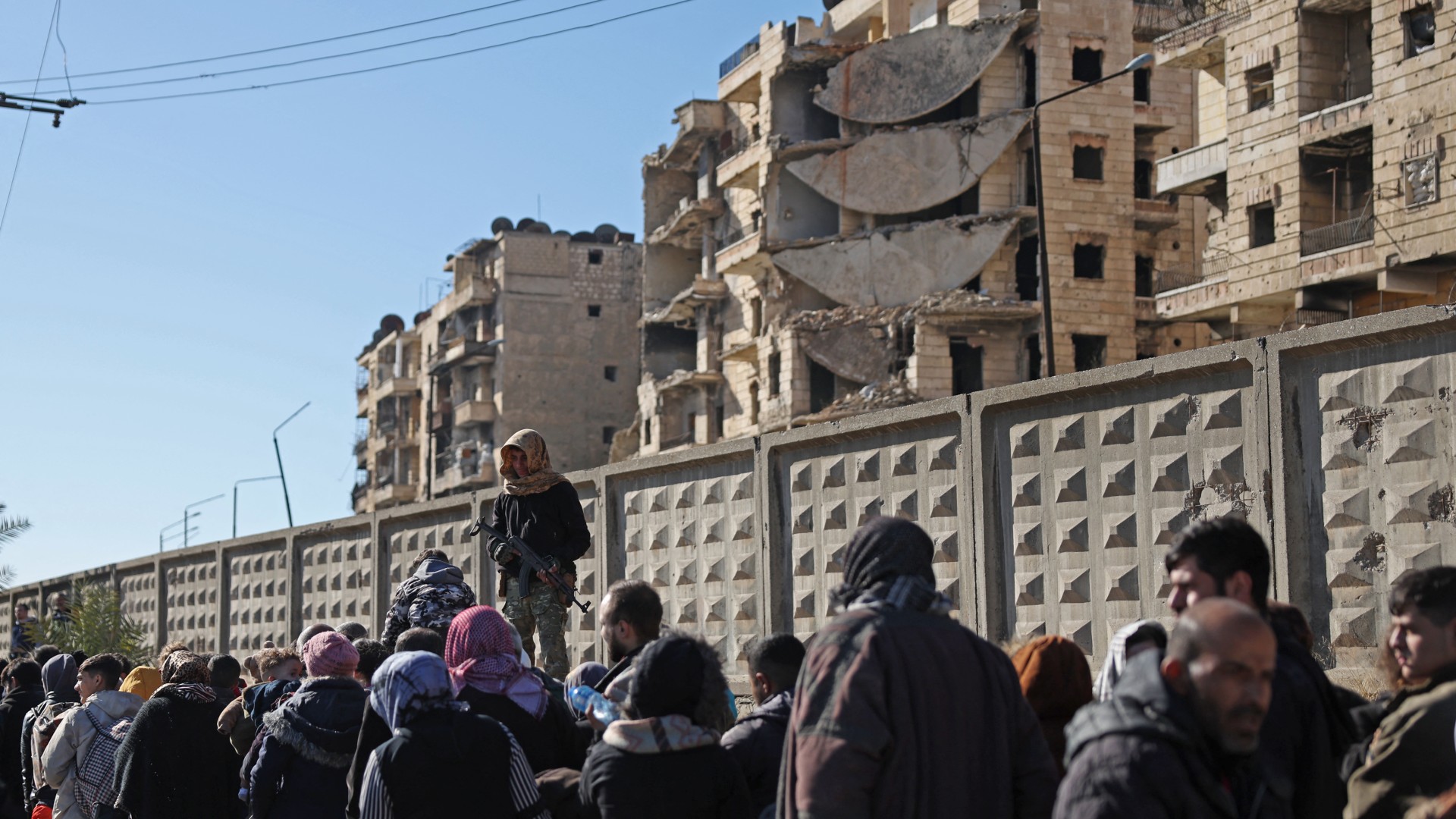
    The Syrian military declared a suspension of its offensive operations in Aleppo’s Sheikh Maqsud district on Saturday, though Kurdish forces immediately contested the claim, reporting continued fierce combat. The violence erupted earlier this week following stalled negotiations to integrate the Kurdish-led Syrian Democratic Forces (SDF) into the national government framework.

    The Syrian Arab News Agency (SANA) published an official statement indicating the cessation of all military activities would take effect at 3:00 PM local time. Concurrently, the military announced plans to transfer surrendering Kurdish fighters to the northeastern city of Tabaqa, under the supervision of the interior ministry. State television documented the transportation process, showing at least four buses accompanied by security forces departing the conflict zone.

    However, the SDF vehemently denied both the ceasefire declaration and government assertions that they controlled most of Sheikh Maqsud. Kurdish officials characterized the army’s statements as a “blatant attempt to mislead public opinion” while reporting they were actively repelling attacks. The fighting has exacted a severe humanitarian toll, with at least 21 civilian fatalities confirmed and approximately 155,000 residents displaced from their homes, according to Aleppo’s governor.

    The conflict stems from unresolved disagreements regarding the implementation of a March 2023 integration agreement. Kurdish demands for decentralized governance structures have particularly hampered progress. Elham Ahmad, a senior Kurdish administration official, accused Damascus of “choosing the path of war” and undermining previously established agreements.

    International attention has intensified, with US envoy Tom Barrack confirming discussions with Jordan’s foreign minister regarding ceasefire consolidation, safe SDF withdrawal from Aleppo, and civilian protection. Both parties emphasized the urgent need to implement the integration agreement to achieve lasting stability.

  • 6.3 magnitude earthquake strikes Indonesia, NCM says

    6.3 magnitude earthquake strikes Indonesia, NCM says

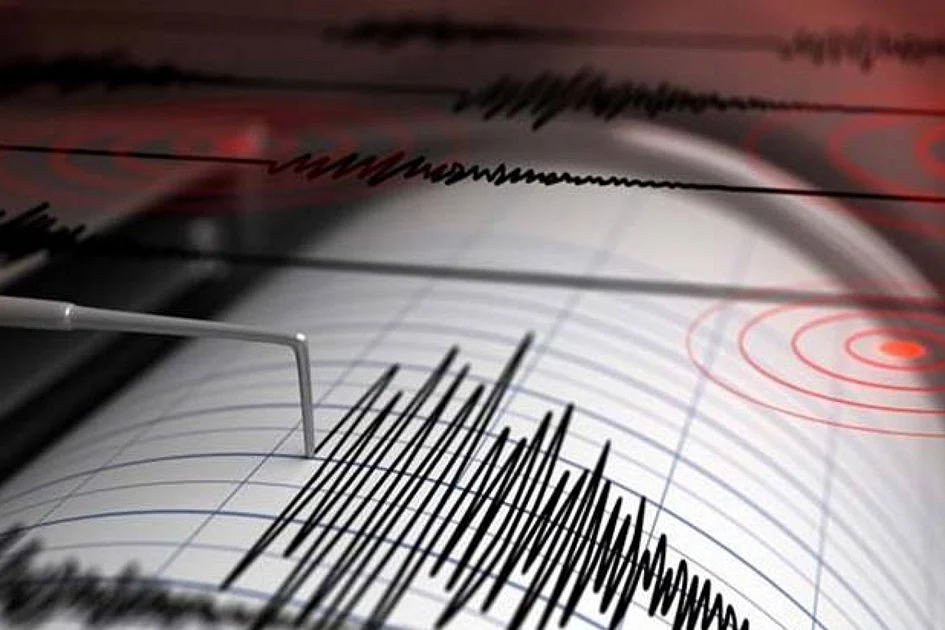
    A substantial seismic event measuring 6.3 on the Richter scale occurred off the coast of Indonesia’s Talaud Islands on Saturday evening, according to multiple seismic monitoring agencies. The German Research Center for Geosciences (GFZ) reported the earthquake struck at approximately 6:00 PM UAE time, with its epicenter located offshore in the seismically active region.

    The temblor originated at a considerable depth of 77 kilometers (approximately 47.85 miles) beneath the earth’s surface, which typically reduces surface impact while still representing significant geological activity. Indonesia’s National Seismic Network, operated by the National Center of Meteorology, independently confirmed the earthquake’s magnitude and timing.

    Indonesia, situated along the Pacific Ring of Fire, experiences frequent seismic activity due to the convergence of multiple tectonic plates. The Talaud Islands region, located north of Sulawesi, has historically experienced moderate to strong earthquakes, though this particular event’s deep focus may have mitigated potential damage.

    Seismologists continue to monitor the region for aftershocks, which commonly follow earthquakes of this magnitude. No immediate tsunami warnings were issued following the event, as subduction zone earthquakes at this depth typically don’t generate significant tsunami activity. Local authorities are assessing potential impacts on coastal communities while residents reported feeling moderate tremors across the archipelago.

  • ‘Hermès of durian’: The luxury fruit cashing in on China’s billion-dollar appetite

    ‘Hermès of durian’: The luxury fruit cashing in on China’s billion-dollar appetite

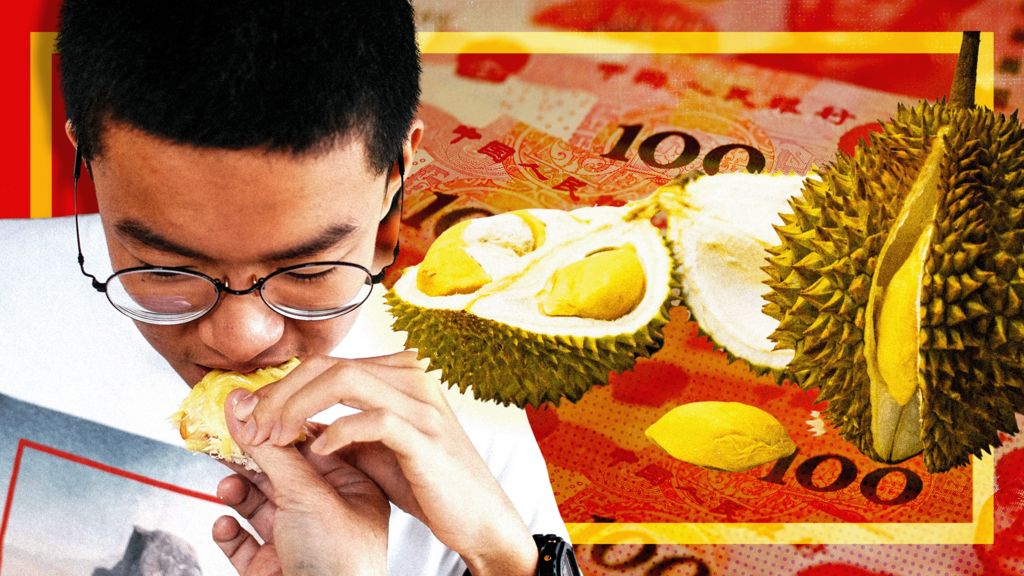
    The humble Malaysian town of Raub, once renowned for its gold mining heritage, has undergone an extraordinary economic transformation driven by China’s insatiable appetite for durians. This small community now proudly identifies as the heartland of Musang King—a premium durian variety celebrated as the “Hermès of durians” among Chinese connoisseurs.

    Driving through Raub’s mountainous terrain, the presence of the spiky fruit is unmistakable. Fragrant trails follow durian-laden trucks along winding roads, while public art and signage proudly proclaim the town’s newfound identity. This visual and olfactory landscape tells the story of an agricultural revolution reshaping Southeast Asia’s farming communities.

    China’s durian imports skyrocketed to a record $7 billion in 2024, representing a threefold increase since 2020. This massive demand now absorbs over 90% of global durian exports, creating unprecedented economic opportunities across the region. “Even if only 2% of Chinese consumers purchase durians, that represents enormous business potential,” notes Chee Seng Wong, factory manager at Fresco Green, a Raub-based exporter.

    The economic shift has been dramatic. Where farmers once replaced durian trees with oil palms during 1990s economic struggles, they now reverse this process, sacrificing cash crops to cultivate the prized fruit. This agricultural recalibration reflects durian’s extraordinary market value—while common varieties sell for under $2 in Southeast Asia, premium Musang King specimens command $14 to $100 per fruit depending on quality and season.

    Despite its divisive aroma—often compared to cabbage, sulfur, or sewers—durian has cultivated a sophisticated Chinese fanbase. It functions as an exotic luxury gift, social media status symbol, and culinary innovation ingredient, appearing in everything from durian chicken hotpot to pizza. This cultural embrace has turned the once-maligned fruit into a diplomatic tool, with Beijing signing numerous trade agreements positioning durian exchange as celebration of bilateral ties.

    Malaysia’s durian industry has created remarkable success stories. Farmers like “Uncle Thing” Lu Yuee Thing have achieved millionaire status through family-operated enterprises where sons handle transportation while daughters manage finances. “Durian has significantly contributed to our local economy,” acknowledges Uncle Thing, though he emphasizes the physical demands of farming despite the financial rewards.

    The durian boom carries complex consequences. Food safety concerns emerged when Chinese authorities detected carcinogenic dyes in Thai imports, while Vietnamese coffee farmers switching to durian cultivation have contributed to rising global coffee prices. In Raub, legal conflicts have erupted over thousands of durian trees allegedly planted illegally on state land.

    Meanwhile, China pursues “durian freedom” through domestic cultivation in Hainan province, where experimental harvests reached 2,000 tonnes in 2025. While currently representing less than 1% of China’s consumption, this domestic production potential introduces uncertainty for Southeast Asian producers who have built their economies around Chinese demand. Yet Raub’s farmers remain confident in their product’s superiority, focusing on quality and yield while monitoring China’s agricultural developments.