作者: admin

  • Israel planning renewed Gaza offensive in March, report says

    Israel planning renewed Gaza offensive in March, report says

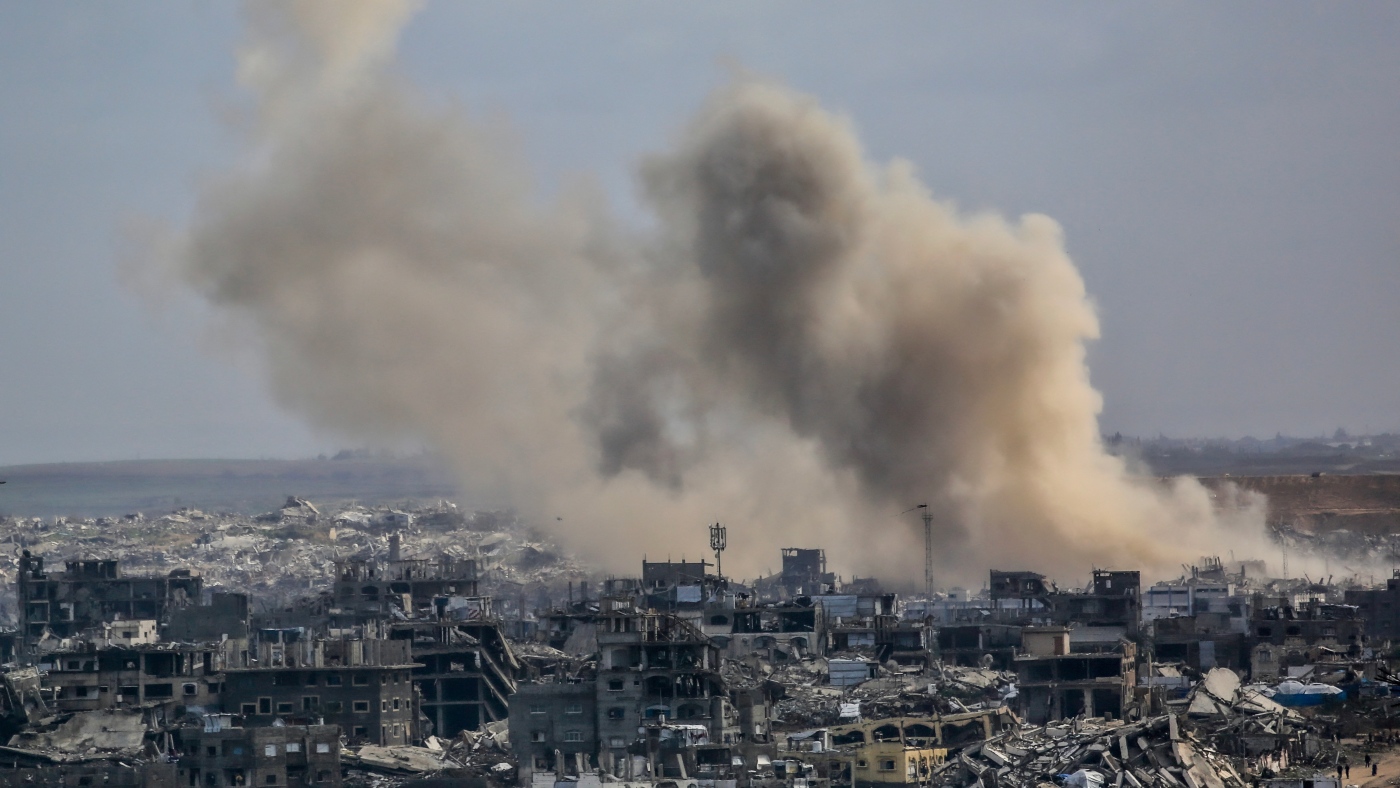
    The Israeli military is reportedly preparing to initiate a renewed ground offensive in the Gaza Strip by March, aiming to expand its territorial control westward toward the coastal region. According to a Times of Israel report citing official sources, this planned operation would focus on Gaza City and represents a significant escalation despite ongoing ceasefire negotiations.

    The current ceasefire, brokered by the United States on October 10, 2025, established the Yellow Line demarcation that granted Israel control over approximately 53% of Gaza territory. Israeli officials justify the planned offensive by citing Hamas’s refusal to disarm, though Arab diplomats question this rationale.

    Hamas spokesperson Hazem Qassem announced the group’s intention to dissolve governmental bodies in Gaza and transfer authority to a technocratic committee. However, Hamas simultaneously accuses Israel of repeatedly violating the ceasefire agreement, documenting nearly 1,200 violations including airstrikes, shelling, and home demolitions that have resulted in 439 Palestinian fatalities over three months.

    The humanitarian situation in Gaza continues to deteriorate catastrophically. Palestinian health authorities report that Israeli forces have killed more than 71,400 Palestinians since October 2023, including at least 20,000 children, with thousands more missing beneath rubble. Rescue operations are severely hampered by inadequate equipment and deteriorating weather conditions.

    UN agencies warn that recent storms have exacerbated the crisis, with flooding affecting approximately 65,000 families and over one million people requiring emergency shelter assistance. Philippe Lazzarini, head of UNRWA, emphasized that current aid remains insufficient and poorly suited to winter conditions, with non-waterproof tents providing inadequate protection.

    Complicating international efforts, Israeli Prime Minister Benjamin Netanyahu has opposed Turkey’s participation in a proposed stabilization force, discouraging contributions from other potential partners including Azerbaijan, Pakistan, Saudi Arabia, and Indonesia. Meanwhile, Israel’s announced restrictions on humanitarian organizations operating in Gaza have drawn widespread condemnation, with aid groups warning that hundreds of thousands would be cut off from essential care if implemented.

    Arab and European nations are demanding Israel permit “sustainable, predictable and unrestricted” access for rights groups, particularly during the challenging winter months, as the UN humanitarian office reports damaged infrastructure further impedes aid delivery.

  • US urges Americans to leave Venezuela ‘immediately’ due to risks

    US urges Americans to leave Venezuela ‘immediately’ due to risks

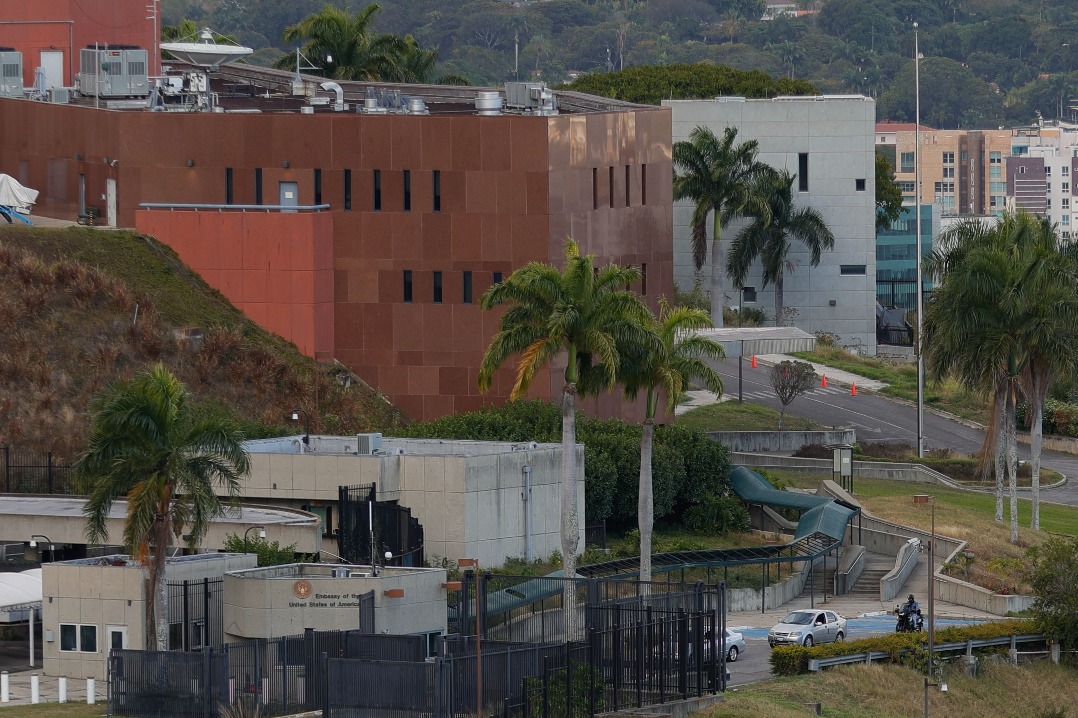
    The United States has escalated its travel warnings for Venezuela to the most critical level, urging American citizens to evacuate the South American nation immediately. This urgent advisory comes amid deteriorating security conditions and heightened risks to U.S. nationals.

    The U.S. Department of State’s Bureau of Consular Affairs issued the Level 4: Do Not Travel alert—the highest danger classification—citing multiple severe threats including wrongful detention, torture in custody, terrorism, kidnapping, arbitrary law enforcement, widespread crime, civil unrest, and inadequate healthcare infrastructure.

    According to official communications, the security situation in Venezuela remains highly volatile. Intelligence reports indicate armed militia groups, locally known as ‘colectivos,’ have established roadblocks throughout the country where they systematically search vehicles for evidence of U.S. citizenship or perceived support for American interests.

    The timing of this heightened alert follows the recent resumption of international flights, providing evacuation opportunities that previously didn’t exist. U.S. citizens are advised to maintain extreme vigilance during road travel and closely monitor airline communications for updated flight information.

    This development occurs against the backdrop of heightened tensions between Washington and Caracas following recent military actions. The current security landscape presents what U.S. officials characterize as an unacceptable risk environment for American citizens, necessitating immediate departure while commercial options remain available.

  • New law bans China-based IT engineers from Pentagon cloud access

    New law bans China-based IT engineers from Pentagon cloud access

    President Donald Trump has enacted sweeping cybersecurity legislation explicitly prohibiting individuals from China and other adversarial nations from accessing the Pentagon’s cloud computing infrastructure. This decisive action, embedded within the $900 billion National Defense Authorization Act, represents the government’s formal response to critical security vulnerabilities exposed earlier this year.

    The legislative measure follows a ProPublica investigation revealing that Microsoft had utilized China-based engineers to maintain Defense Department computer systems for nearly ten years. This arrangement potentially compromised some of the nation’s most sensitive military data to foreign access. While Microsoft implemented a ‘digital escort’ program with US-based supervisors intended to monitor foreign engineers, investigators found these escorts frequently lacked the technical expertise to effectively oversee their more skilled Chinese counterparts.

    Cybersecurity experts and intelligence officials consistently warned that such practices created unacceptable national security risks, particularly given China’s legal framework that grants authorities broad data collection powers. The revelation prompted bipartisan concern in Congress, with some Republican members condemning Microsoft’s practices as ‘a national betrayal.’

    Defense Secretary Pete Hegseth publicly denounced the practice in July, prompting Microsoft to voluntarily cease using Chinese engineers for Pentagon cloud systems. The Department of Defense subsequently updated its cybersecurity requirements in September, formally banning IT contractors from utilizing China-based personnel. The newly signed legislation codifies these changes into federal law, extending prohibitions to personnel from Russia, Iran, and North Korea.

    The law significantly enhances congressional oversight mechanisms, mandating that the Defense Secretary brief congressional defense committees on implementation progress by June 1, 2026, with annual follow-up briefings scheduled through 2029. These sessions will evaluate control effectiveness, security incidents, and recommend additional legislative or administrative actions.

    Microsoft declined to comment specifically on the legislation but previously committed to collaborating with national security partners to adjust security protocols. Congressional leaders including Representative Elise Stefanik and Senator Tom Cotton praised the legislation for closing dangerous contractor loopholes and protecting critical infrastructure from foreign adversaries.

    The Pentagon has initiated both an investigation into potential national security compromises by China-based engineers and a third-party audit of Microsoft’s digital escort program. Defense officials have stated they were unaware of the full extent of Microsoft’s foreign engineer program until the ProPublica disclosure, despite Microsoft’s claims of having disclosed the arrangement to the Pentagon.

  • ‘A race against time’: Jerusalem’s Silwan faces escalating Israeli expulsions

    ‘A race against time’: Jerusalem’s Silwan faces escalating Israeli expulsions

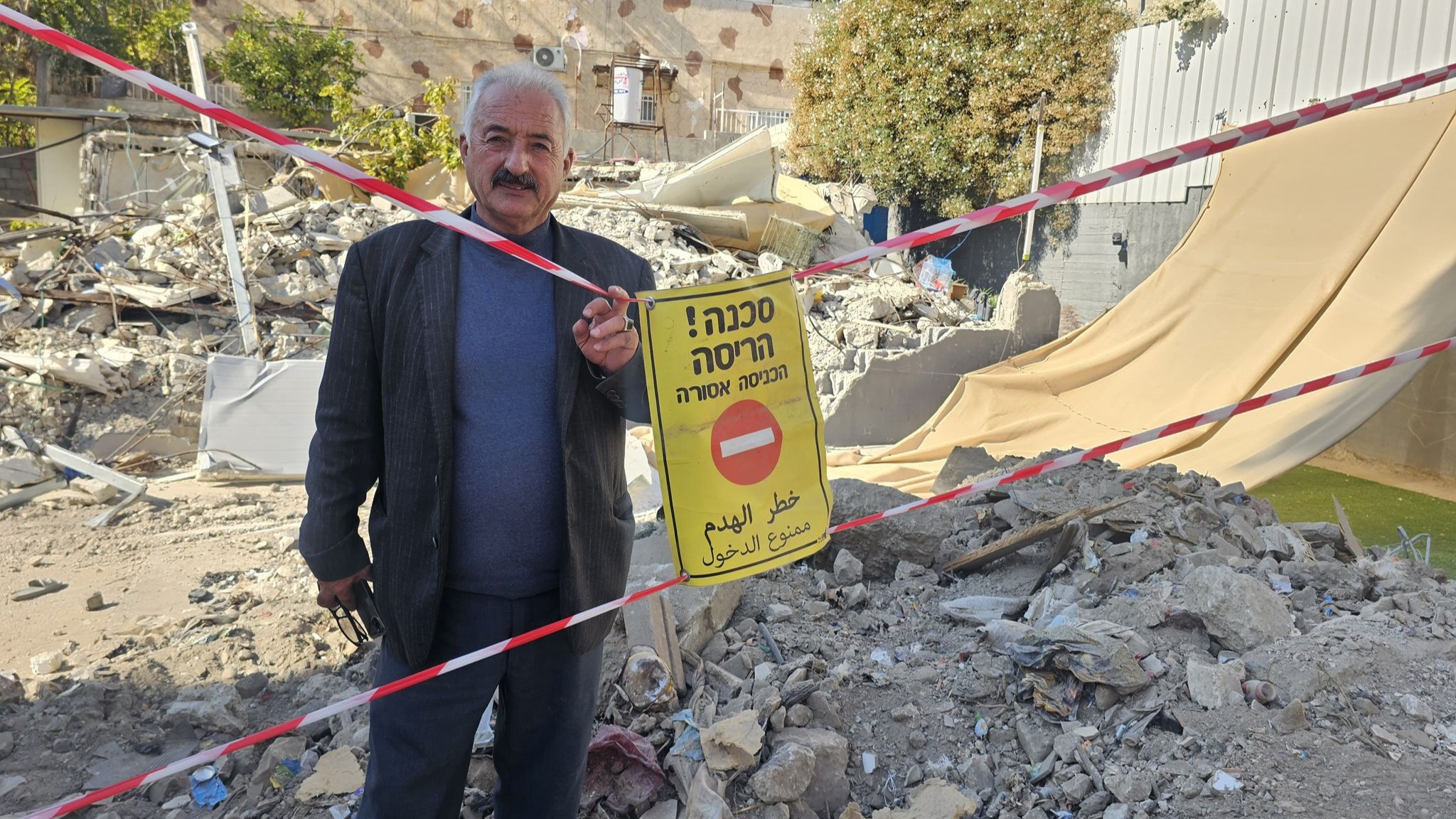
    In the occupied East Jerusalem neighborhood of Silwan, a profound humanitarian crisis unfolds as Israeli authorities accelerate property demolitions and settler takeovers. Fakhri Abu Diab, a prominent community activist, embodies this struggle having witnessed his family home destroyed twice in 2024 alone—each demolition compounding what he describes as overwhelming psychological trauma and financial devastation.

    The architectural dismantling of Palestinian residences occurs under the justification of building permit violations, a requirement local residents argue is systematically designed for their failure. Beyond bureaucratic mechanisms, settler organizations employ both legal maneuvers and intimidation tactics to displace longstanding communities. Current estimates indicate approximately 2,200 Palestinians face imminent expulsion from Silwan, with 24 families comprising 130 people at immediate risk.

    Israeli human rights organization B’Tselem characterizes these coordinated actions as government-sanctioned ethnic cleansing. The campaign extends beyond residential properties to include educational institutions and community infrastructure, fundamentally altering the neighborhood’s social fabric.

    Financial burdens compound the trauma, with displaced families forced to pay demolition costs—often exceeding $100,000 for permit applications that remain virtually unattainable. The judicial system offers limited protection, with courts frequently favoring state interests according to political analyst Firas Yaghi.

    Urban planning restrictions further exacerbate the crisis, with only 13% of East Jerusalem zoned for Palestinian construction. The separation wall compounds these restrictions, simultaneously isolating communities and providing pretexts for residency revocation.

    This systematic displacement forms part of what researchers identify as the ‘Judaisation of Jerusalem’—a strategic effort to replace the city’s Palestinian character with Jewish settlement. Plans reportedly exist to demolish up to 45,000 Palestinian homes across the city.

    Despite international condemnation, residents report accelerated actions on the ground. Abu Diab warns that without robust international intervention and legal protection, Israel will continue implementing these policies with impunity, permanently erasing Palestinian heritage from the city.

  • Venezuelan acting president vows to realize return of Maduro, his wife

    Venezuelan acting president vows to realize return of Maduro, his wife

    Venezuela’s interim President Delcy Rodríguez has issued a resolute pledge to secure the return of President Nicolás Maduro and First Lady Cilia Flores, who were apprehended by United States forces during a controversial military operation earlier this month.

    Addressing a community gathering in Miranda state on Saturday, Rodríguez emphatically dismissed any notions of leadership uncertainty within the South American nation. “There is no uncertainty here. The Venezuelan people are in charge, and there is a government, that of President Nicolás Maduro,” she declared before assembled supporters.

    The acting leader framed the recovery effort as a national priority, vowing not to rest “for a single minute” until both Maduro and Flores are safely returned to Venezuelan territory. Rodríguez invoked symbolic significance in her remarks, noting that exactly one year prior, she had been sworn in alongside Maduro at the commencement of his third presidential term. “Today, one year later, we are swearing for his freedom,” she proclaimed.

    Rodríguez emphasized that national unity would prove decisive in what she characterized as the mission to “rescue” the captured leadership. She further reaffirmed her administration’s commitment to continuing implementation of the seven strategic action lines previously established by Maduro’s government, signaling continuity in governance despite the unprecedented circumstances.

    The crisis stems from January 3rd military strikes conducted by US forces in Caracas and three additional Venezuelan cities—an operation that resulted in the detention of both Maduro and Flores. These actions have triggered widespread international condemnation and expressions of concern from numerous nations and global organizations.

  • US launches large-scale strikes against IS targets in Syria

    US launches large-scale strikes against IS targets in Syria

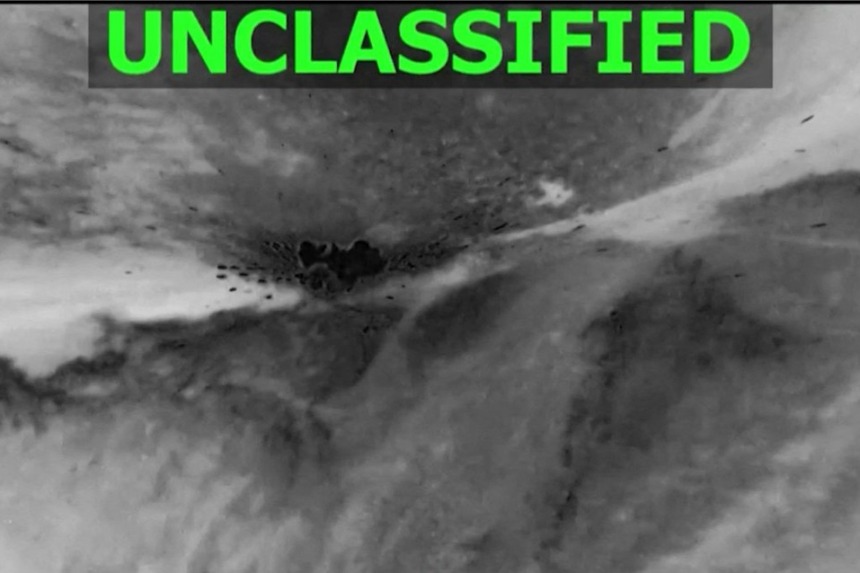
    The United States Central Command (CENTCOM) has executed a significant military operation against Islamic State (ISIS) targets throughout Syria. The large-scale aerial strikes, carried out on Saturday afternoon Eastern Time, represent a decisive response to recent terrorist activities against American personnel.

    According to an official statement released on social media platform X, the operation involved coordinated efforts between U.S. forces and allied partner nations. The military action forms part of Operation Hawkeye Strike, an ongoing campaign initiated on December 19th following a deadly ambush in Palmyra, Syria.

    The previous incident on December 13th involved a lone ISIS operative attacking U.S. and Syrian forces, resulting in the tragic deaths of two American soldiers and one civilian interpreter. CENTCOM emphasized that these strikes demonstrate America’s continued determination to combat Islamic terrorism, safeguard military personnel, and prevent future attacks against U.S. and coalition forces in the region.

    The command further reaffirmed the unwavering commitment of combined forces to pursue terrorist elements that threaten United States security interests, highlighting the strategic importance of maintaining pressure on extremist organizations in the Middle East.

  • Greenland’s harsh environment and lack of infrastructure have prevented rare earth mining

    Greenland’s harsh environment and lack of infrastructure have prevented rare earth mining

    The Trump administration’s controversial proposition to acquire Greenland faces monumental geological and infrastructural obstacles that transcend political ambition. Despite the president’s assertion that “We are going to do something on Greenland whether they like it or not,” experts confirm that the island’s rare earth mineral deposits remain largely inaccessible due to extreme environmental conditions and technological limitations.

    Greenland’s formidable challenges include its remote Arctic location, complete absence of transportation infrastructure, complex mineralogy, and fragile ecosystem. The rare earth elements—crucial for manufacturing high-tech products ranging from electric vehicles to military equipment—are encased within a particularly stubborn rock formation called eudialyte, from which no commercially viable extraction method has been developed.

    Industry analysts suggest geopolitical positioning rather than practical resource acquisition drives the administration’s interest. “The fixation on Greenland has always been more about geopolitical posturing—a military-strategic interest and stock-promotion narrative—than a realistic supply solution for the tech sector,” stated Tracy Hughes of the Critical Minerals Institute.

    The timeline for potential production stretches years into the future, with current exploration activities remaining in preliminary stages. Even the most advanced projects would require hundreds of millions in additional funding and technological breakthroughs to become operational.

    Environmental concerns present additional complications, as the toxic chemicals necessary for mineral separation could damage Greenland’s burgeoning tourism industry and fragile Arctic ecosystems. The frequent presence of radioactive uranium alongside rare earth deposits further complicates extraction prospects.

    Alternative solutions are emerging elsewhere, with established mining operations in the United States, Australia, and other accessible locations offering more immediate potential to reduce dependence on Chinese rare earth exports, which currently dominate over 90% of global supply.

  • Millions of Venezuelans scattered across Latin America cautiously watch what comes next

    Millions of Venezuelans scattered across Latin America cautiously watch what comes next

    Across Latin America, the Venezuelan diaspora responded to news of Nicolás Maduro’s deposition with measured optimism rather than immediate plans to return home, despite calls from U.S. and regional leaders for repatriation. From textile markets in Lima to migrant shelters in Monterrey, Venezuelan expatriates expressed cautious hope while acknowledging the profound challenges preventing their return.

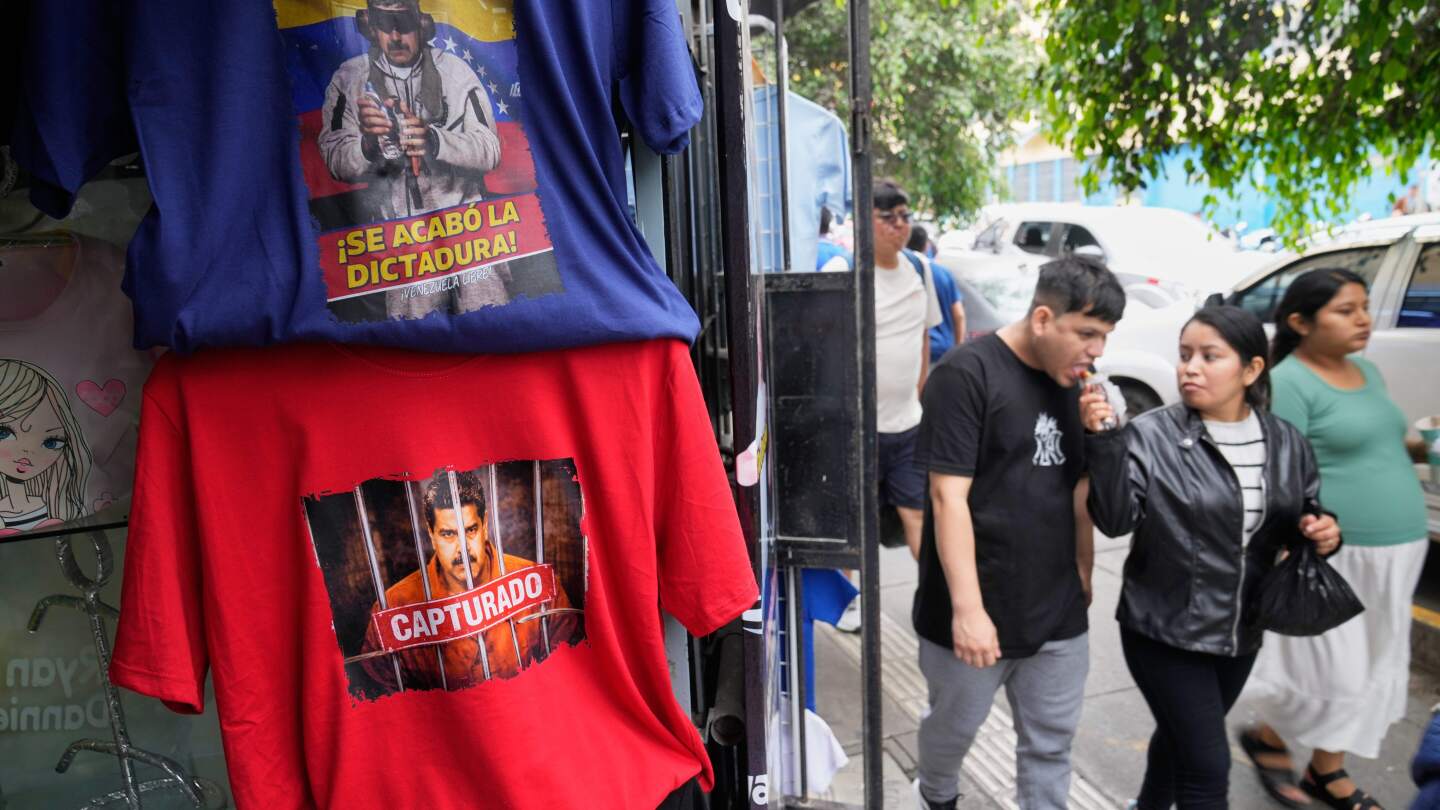
    In Peru’s capital, 22-year-old graphic designer Yanelis Torres capitalized on the political shift by selling T-shirts emblazoned with Maduro’s image and captions like “Game Over.” Despite the enthusiastic response from Peruvian customers, Torres reflected the prevailing sentiment among migrants: “I have a lot of things here. You’ve got to keep an eye on it, know what’s going on, but not lose hope.”

    The scale of displacement remains staggering, with nearly 7 million Venezuelan migrants and refugees scattered throughout Latin America. Colombia hosts the largest population at 2.8 million, followed by Peru with 1.5 million, according to United Nations-coordinated data. These numbers represent one of the largest displacement crises globally, driven by complex political and economic collapse that has pushed 80% of Venezuela’s population into poverty despite the nation’s vast oil reserves.

    Eduardo Constante’s journey exemplifies the diaspora’s struggles. Having left Venezuela during the 2017 “hunger crisis,” he spent years navigating South America’s precarious migrant trail—from Colombia to Peru, then Chile, and finally to Mexico’s northern border. His optimism about Maduro’s ouster was tempered by concerns about family members still facing food scarcity and government surveillance back home.

    The political landscape in host countries presents additional complications. Chile’s ultra-conservative President-elect José Antonio Kast has made deporting undocumented immigrants a central policy, giving thousands “63 days left to leave our country.” Similar immigration-focused elections loom in Peru and Colombia, potentially jeopardizing the protected status of Venezuelan refugees.

    Human rights experts warn of a “perfect storm” brewing for vulnerable migrants. Maureen Meyer of the Washington Office on Latin America (WOLA) noted that returning refugees would face exploitation risks from organized crime groups, particularly as smuggling networks have diminished. The organization emphasizes that Venezuela remains far from providing conditions that would ensure safe and sustainable returns.

    Despite these challenges, glimpses of hope persist. In Santiago’s “little Caracas” district, initial celebrations have settled into determined resilience. Sixty-six-year-old Alexander Leal, who sells homemade ice cream while dreaming of eventual repatriation, captured the collective aspiration: “It won’t be this year, but maybe it will be next year. That is everyone’s aspiration, that the country is fixed.”

  • Fresh protests in Iran as internet blackout persists

    Fresh protests in Iran as internet blackout persists

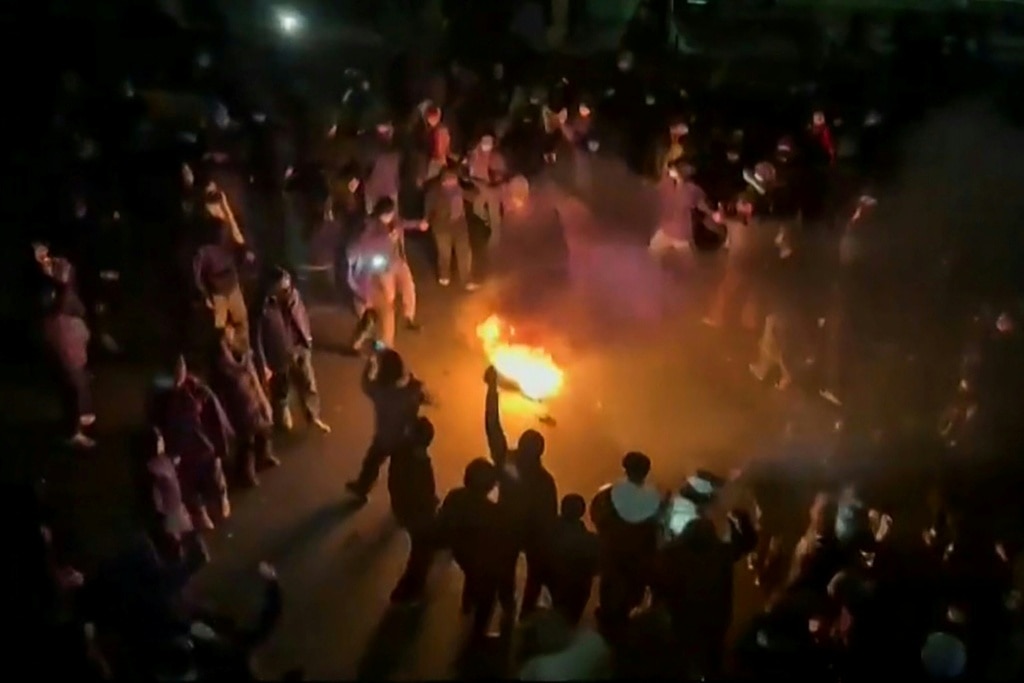
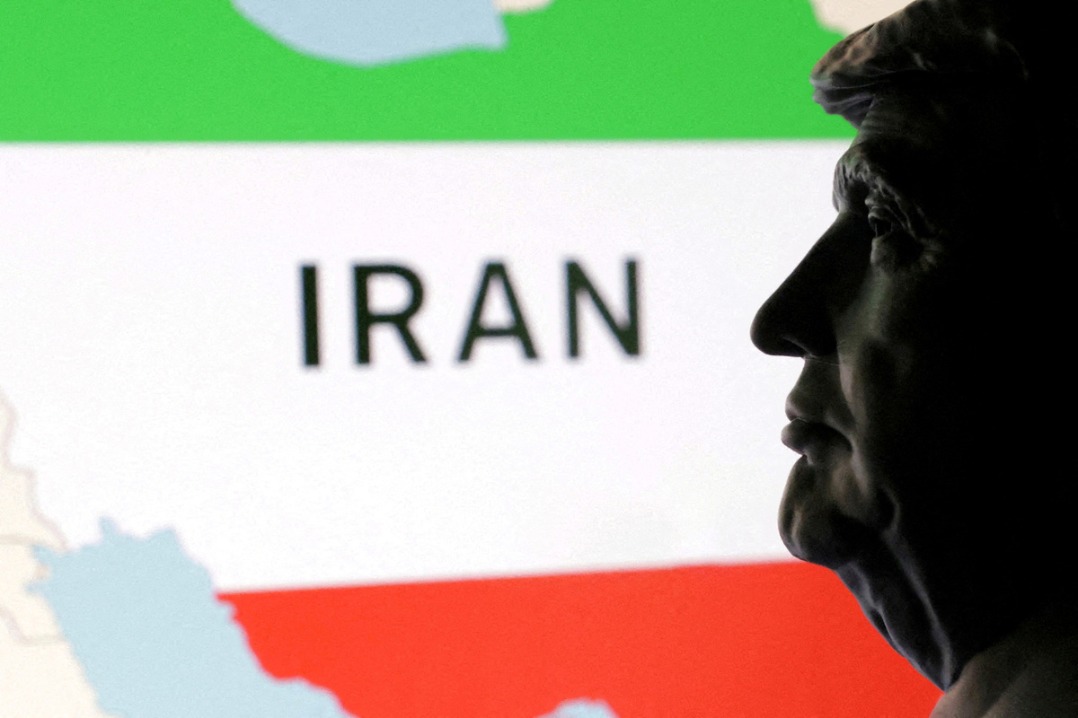
    Iran’s capital witnessed renewed anti-government demonstrations Saturday night as a nationwide internet blackout entered its third day, raising international concerns about the severity of the regime’s crackdown on protesters. The protests, which began two weeks ago over economic grievances, have evolved into the most significant challenge to Iran’s theocratic government since the 2019 unrest, now featuring explicit calls for regime change.

    Verified footage from Tehran’s northern districts showed protesters igniting fireworks, banging pots, and chanting slogans supporting the ousted monarchy. Additional unverified videos circulating on social media indicated similar demonstrations occurring across multiple cities including Mashhad, Tabriz, Qom, and Hamedan, where one individual waved the pre-revolutionary lion-and-sun flag—a potent symbol of opposition.

    The digital blackout, described by internet monitor NetBlocks as a near-total connectivity shutdown since Thursday, has severely limited information flow, prompting rights organizations to warn of escalating violence. Amnesty International reported analyzing ‘distressing reports’ of security forces intensifying lethal measures against demonstrators, while Norway-based Iran Human Rights documented at least 51 fatalities, with actual numbers potentially higher based on hospital imagery from eastern Tehran.

    International reactions have intensified, with U.S. President Donald Trump proclaiming on Truth Social that ‘Iran is looking at FREEDOM, perhaps like never before’ and offering American assistance. The New York Times reported that Trump had received briefings on potential military options, though no decisions have been made regarding intervention.

    Iran’s leadership has responded with increasing defiance. Supreme Leader Ayatollah Ali Khamenei condemned protesters as ‘vandals’ doing America’s bidding during a Friday address, while the Iranian army issued statements vowing to ‘vigorously protect national interests’ against enemies seeking to ‘disrupt order and peace.’

    European leaders have called for restraint, with EU Commission President Ursula von der Leyen expressing support for Iranian protesters and condemning the ‘violent repression’ by authorities. The situation remains volatile as citizens report inability to conduct basic communications or work, with one Tehran resident characterizing the internet shutdown as ‘the price to pay before the victory of the people.’

  • Trump renews threats against Iran, saying US ‘ready to help’

    Trump renews threats against Iran, saying US ‘ready to help’

    Former U.S. President Donald Trump has intensified his confrontational stance toward Iran, declaring that the United States stands prepared to assist the country amid ongoing civil unrest. Through his Truth Social platform on Saturday, Trump asserted that Iran is \”looking at FREEDOM, perhaps like never before,\” accompanied by his unambiguous pledge: \”The USA stands ready to help!!!\”\n\nThis declaration follows repeated warnings from Trump and senior U.S. officials that Washington would intervene should Iranian authorities respond violently to peaceful demonstrations. Trump elaborated on Friday, stating that while U.S. involvement wouldn’t entail \”boots on the ground,\” it would involve \”hitting them very, very hard where it hurts\” if protesters faced lethal force.\n\nThe Iranian Foreign Ministry has condemned these statements as \”interventionist and deceptive,\\” characterizing them as reflective of Washington’s enduring hostility toward the Iranian people. The current wave of protests, emerging in multiple Iranian cities since late December, stems primarily from severe economic deterioration—including the sharp depreciation of the rial—and longstanding financial hardships.\n\nIranian authorities have acknowledged the demonstrations and expressed commitment to addressing economic grievances while simultaneously cautioning against violent acts and vandalism. The escalating exchange between Trump and Iranian officials highlights renewed tensions in U.S.-Iran relations, with Trump adopting characteristically aggressive rhetoric that challenges diplomatic norms.