作者: admin

  • Israeli police detain aide to Prime Minister Netanyahu

    Israeli police detain aide to Prime Minister Netanyahu

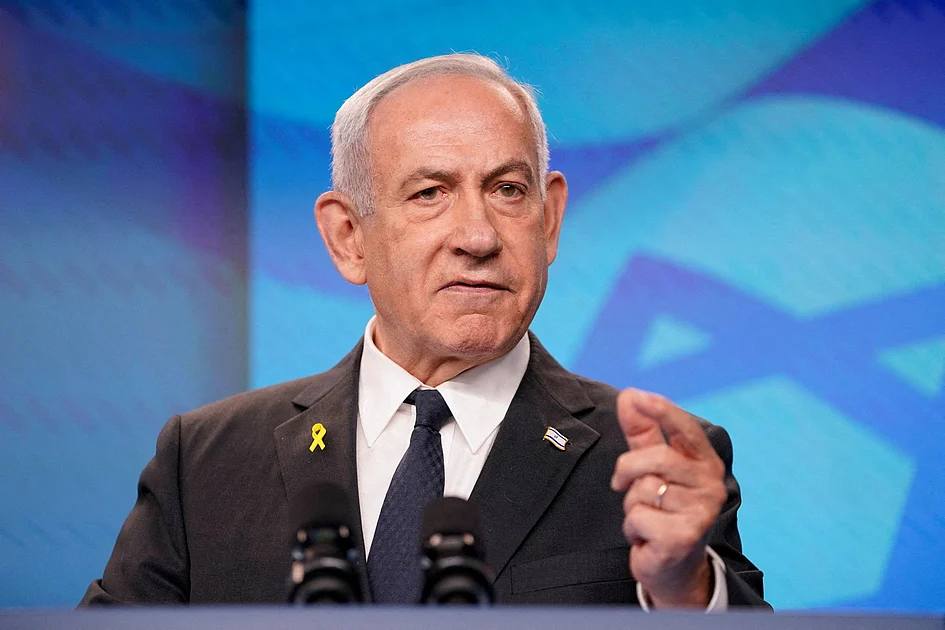
    Israeli authorities have taken into custody a high-ranking official from Prime Minister Benjamin Netanyahu’s inner circle amid allegations of obstructing a sensitive investigation into military intelligence leaks. The detained individual, identified by local media as Tzachi Braverman—Netanyahu’s current chief of staff and designated ambassador to the United Kingdom—faces serious accusations related to attempts to interfere with a probe concerning classified information disclosures during the Gaza conflict.

    According to police statements released Sunday, the senior official was questioned ‘under caution’ regarding suspicions of investigation obstruction. The case centers on allegations that Braverman attempted to influence an ongoing military investigation into how sensitive documents were leaked to foreign media outlets during Israel’s military operations in Gaza.

    The investigation gained momentum following revelations from Eli Feldstein, a former Netanyahu aide currently involved in multiple legal controversies. Feldstein claims that shortly after he leaked a classified military document to German publication Bild in September 2024—an action for which he was subsequently arrested and charged—Braverman approached him with offers to potentially ‘shut down’ the military’s investigation into the matter.

    The leaked document in question was reportedly intended to demonstrate Hamas’s reluctance toward ceasefire agreements and bolster Netanyahu’s position that military pressure rather than negotiations represented the most effective means to secure the release of hostages taken during Hamas’s October 2023 attack on Israel.

    Complicating matters further, Feldstein himself remains embroiled in the separate ‘Qatargate’ scandal, wherein Netanyahu associates face allegations of promoting Qatari interests within Israel. While Braverman is not directly implicated in this secondary investigation, the timing of his detention has raised significant political concerns.

    In response to these developments, opposition leader Yair Lapid has publicly demanded the immediate suspension of Braverman’s ambassadorial appointment to the UK, arguing that individuals under investigation for security-related offenses should not represent Israel in crucial diplomatic posts. The situation continues to develop as police conduct additional searches and pursue further questioning of involved parties.
  • Electricity fully restored in Sharjah after power outage due to emergency fault

    Electricity fully restored in Sharjah after power outage due to emergency fault

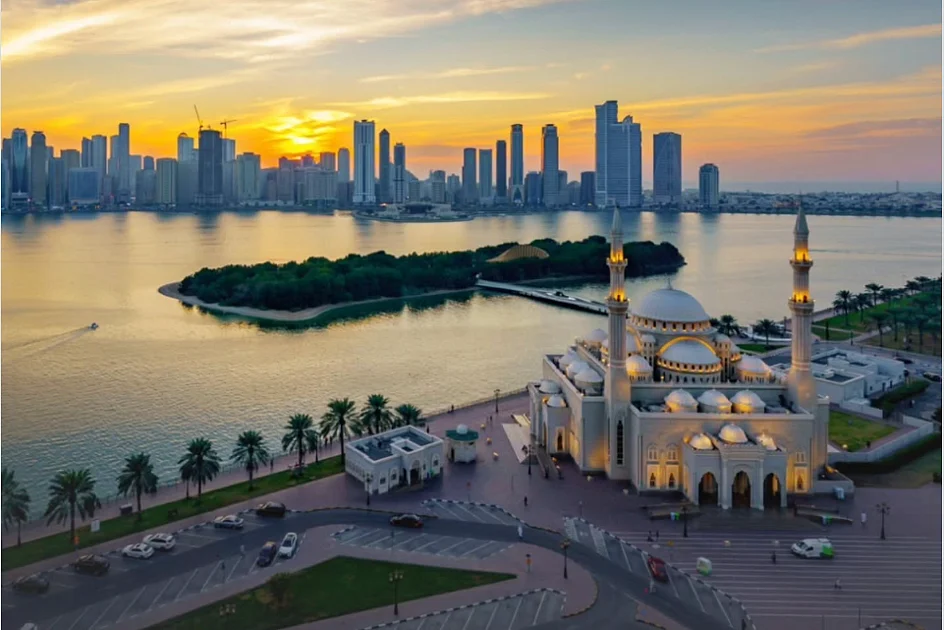
    Sharjah’s electrical infrastructure demonstrated remarkable resilience on Sunday as authorities successfully restored power across all affected areas following an unexpected outage. The disruption, which commenced approximately at noon, temporarily impacted essential services including government operations, commercial activities, and banking functions throughout several key neighborhoods.

    The Sharjah Electricity and Water Authority (SEWA) confirmed the incident resulted from an isolated emergency fault within the local power network. This triggered automated protection mechanisms designed to prevent widespread grid instability. Technical response teams were immediately deployed to identify and address the fault source while implementing strategic isolation protocols.

    Affected zones included prominent commercial and residential districts such as Al Majaz and Al Taawun, with Jamal Abdul Nasser Street experiencing particular service interruptions. The outage temporarily disabled elevator operations, internet connectivity, and routine municipal services, though critical infrastructure remained protected throughout the event.

    SEWA’s emergency protocols proved effective, with most areas seeing restoration within three hours. Resident testimonials reflected generally positive experiences, with Ghada Mamoon of Al Majaz noting: ‘The power went off for a short time and was restored efficiently.’ Similar sentiments were echoed by Sara Al Amin along Jamal Abdul Nasser Street, who confirmed normal operations resumed within hours.

    While some residents in Al Taawun reported slightly extended restoration timelines, SEWA officials assured complete recovery by afternoon through methodical phased restoration—a standard procedure ensuring system safety during re-energization.

    The authority emphasized its ongoing commitment to grid modernization and preventive maintenance, citing the incident as evidence of robust protection systems successfully containing what could have become a more extensive disruption. The UAE’s electrical networks maintain among the highest reliability standards regionally, with such occurrences remaining exceptional due to advanced infrastructure investments and rapid-response capabilities.

  • Novel concept: China’s spellbinding bookstores draw selfie snappers

    Novel concept: China’s spellbinding bookstores draw selfie snappers

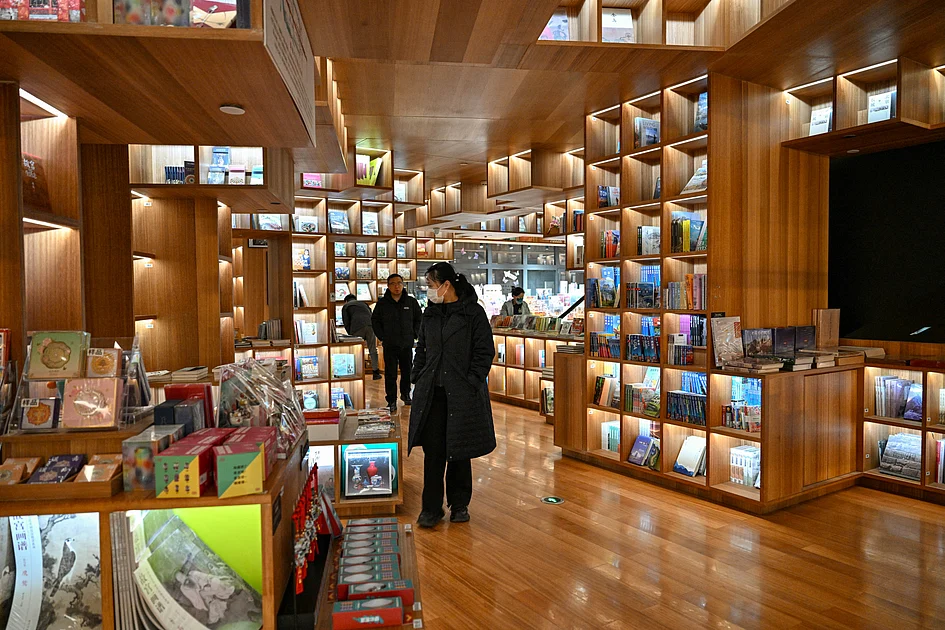
    Across China, a new generation of architecturally spectacular bookstores is drawing crowds more interested in Instagrammable moments than literary discoveries. Despite persistent challenges in print book sales that continue to lag behind pre-pandemic levels, these visually striking establishments are experiencing remarkable growth through their transformation into cultural landmarks and social media hotspots.

    In Tianjin, the recently opened Zhongshuge location has become a sensation with its dramatic design featuring towering accordion-style steps and a fantastical spiral staircase that evokes comparisons to Harry Potter’s Hogwarts. The store regularly fills with visitors wielding selfie sticks and tripods, all competing to capture the perfect shot against its cobalt-colored architectural marvels. So intense is the photography activity that faded prints marking ‘The Best Spot for Photos’ dot the floor.

    This phenomenon represents a strategic shift in China’s bookstore industry. According to industry experts, many establishments now deliberately invest in creating photogenic interiors specifically designed to attract social media users. Beijing-based architect Zheng Shiwei notes that this approach has become ‘relatively mainstream’ as bookstores seek new revenue streams beyond traditional book sales.

    The trend has sparked both enthusiasm and concern within cultural circles. While these visually striking spaces successfully draw public engagement with literary venues, some establishments have implemented restrictions on professional photography equipment and flash photography due to disruptions to actual readers. The famous Librairie Avant-Garde in Nanjing notably banned tripods and unauthorized photoshoots after customer complaints about interference with reading experiences.

    Despite these challenges, many bookstore owners embrace the photographic trend. Juli Hu, founder of a Beijing bookstore converted from a former Taoist temple, acknowledges that ‘books bring in relatively low profit’ and actively welcomes social media exposure. Her establishment frequently refreshes cultural displays to maintain photographic appeal while integrating tea service and trinket sales to sustain operations.

    Industry representative Ai Limin confirmed that physical bookshops have ‘maintained steady growth’ through this wave of uniquely characteristic establishments that blend cultural preservation with modern consumer behavior. The phenomenon demonstrates how traditional bookselling is adapting to contemporary digital culture while creating spaces that serve multiple purposes beyond mere commerce.

  • Venezuelans demand political prisoners’ release, Maduro ‘doing well’

    Venezuelans demand political prisoners’ release, Maduro ‘doing well’

    Hundreds of demonstrators gathered in Caracas over the weekend as Venezuela’s political landscape undergoes dramatic shifts following the capture of former president Nicolas Maduro. The interim government of Delcy Rodriguez has initiated prisoner releases in what appears to be a carefully orchestrated diplomatic opening toward Washington.

    Interim President Rodriguez, who previously served as Maduro’s vice president, has committed to pursuing “the diplomatic route” with the United States. This policy shift has resulted in the liberation of several prominent opposition figures, though human rights organizations note that approximately twenty individuals have been freed thus far—far fewer than the “large” number initially promised.

    From his detention facility in New York, Maduro conveyed through his son that he remains “doing well” following his dramatic capture on January 3rd. US forces apprehended Maduro and his wife Cilia Flores during overnight airstrikes across Caracas, extraditing them to face trial on drug-trafficking and weapons charges.

    The prisoner release initiative has generated both hope and anxiety among Venezuelan families. Outside notorious detention facilities like El Rodeo and El Helicoide, relatives maintained candlelight vigils while displaying signs bearing names of incarcerated loved ones. The atmosphere turned tragic with reports of a detained police officer’s death in state custody, which opposition group Primero Justicia attributed directly to the Rodriguez regime.

    Meanwhile, former US President Donald Trump claimed credit for Venezuela’s political transformations, announcing on his Truth Social platform that the country had “started the process, in a BIG WAY, of releasing their political prisoners.” Trump administration officials have pressed for access to Venezuela’s substantial oil reserves, though industry executives responded cautiously due to the country’s deteriorated infrastructure following years of mismanagement and sanctions.

    The geopolitical ramifications extended to Cuba, with Trump warning Havana to “make a deal” or face consequences as Venezuelan oil exports diminish. Cuban President Miguel Diaz-Canel responded defiantly, asserting Cuba’s sovereignty and readiness to “defend the homeland to the last drop of blood.”

    Despite organized demonstrations featuring approximately 1,000 supporters waving flags with Maduro’s image, the protests notably lacked participation from top figures within the former administration, signaling potential fractures within the political establishment.

  • Britain is in talks with NATO to counter Russia and China in the Arctic

    Britain is in talks with NATO to counter Russia and China in the Arctic

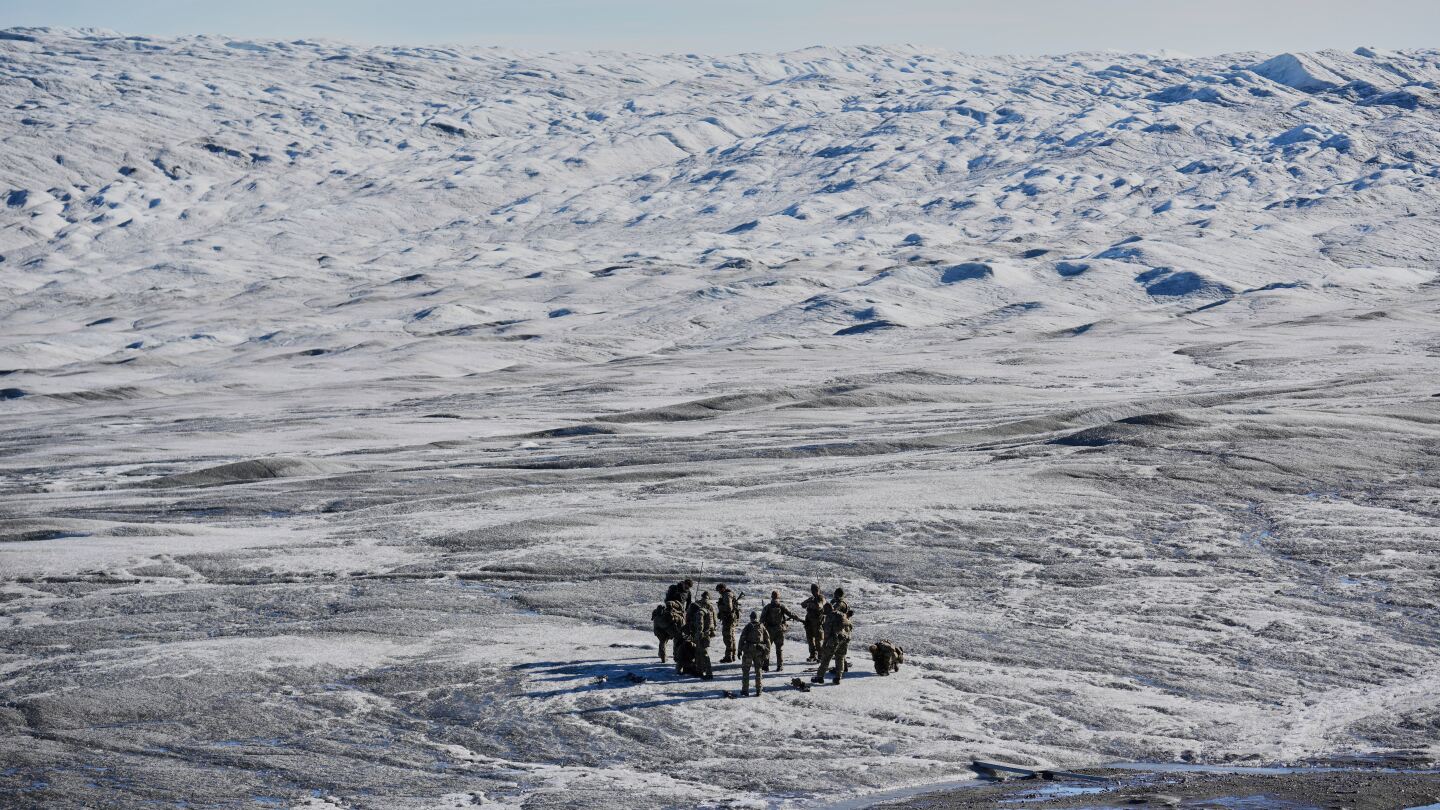
    LONDON — The United Kingdom is actively coordinating with NATO partners to enhance security measures in the Arctic region, addressing growing concerns about strategic competition from Russia and China. This development emerges alongside diplomatic friction between the United States and Denmark regarding Greenland’s sovereignty.

    Transport Secretary Heidi Alexander characterized these multilateral discussions as routine strategic planning rather than a direct reaction to recent statements from U.S. President Donald Trump regarding Greenland. “While we haven’t witnessed the severe consequences in the Arctic that we’ve seen in Ukraine, it’s imperative that we collaborate with all NATO allies to establish an effective deterrent against Putin’s ambitions,” Alexander stated during a BBC interview.

    The geopolitical landscape has grown increasingly complex since President Trump expressed interest in acquiring Greenland, a semi-autonomous Danish territory, citing prevention of Russian or Chinese expansion as primary motivation. “One way or another, we’re going to have Greenland,” Trump told reporters aboard Air Force One, describing such an acquisition as strategically beneficial for the United States.

    Danish officials have responded firmly to these propositions. Prime Minister Mette Frederiksen has warned that any forced takeover would fundamentally undermine NATO’s integrity. Denmark’s Ambassador to the U.S., Jesper Møller Sørensen, emphasized that Greenland’s future should be determined exclusively by its inhabitants, stating: “Let’s continue to address security challenges in the Arctic as partners and allies.”

    The situation has prompted varied responses from British political figures. Liberal Democrat leader Ed Davey proposed that Britain deploy troops to Greenland under a joint command with Denmark, suggesting this would demonstrate genuine security commitment without violating sovereignty. “Tearing the NATO alliance apart would only play into Putin’s hands,” Davey cautioned.

    Meanwhile, former UK ambassador to the U.S. Peter Mandelson expressed skepticism about military action, noting: “He’s not a fool. We must acknowledge that the Arctic requires securing against China and Russia, and leadership will inevitably fall to the United States.”

    The broader NATO alliance faces philosophical and practical questions regarding collective defense obligations. While President Trump has questioned NATO’s reliability, the alliance’s Article 5 mutual defense provision was previously invoked following the September 11 attacks, leading to NATO’s operational engagement in Afghanistan.

    As diplomatic discussions continue between Danish officials and U.S. Secretary of State Marco Rubio, NATO members are evaluating appropriate responses to potential scenarios involving Greenland, with the UK positioning itself as a mediating force in preserving alliance cohesion.

  • Sudan’s government returns to capital after nearly 3 years of war

    Sudan’s government returns to capital after nearly 3 years of war

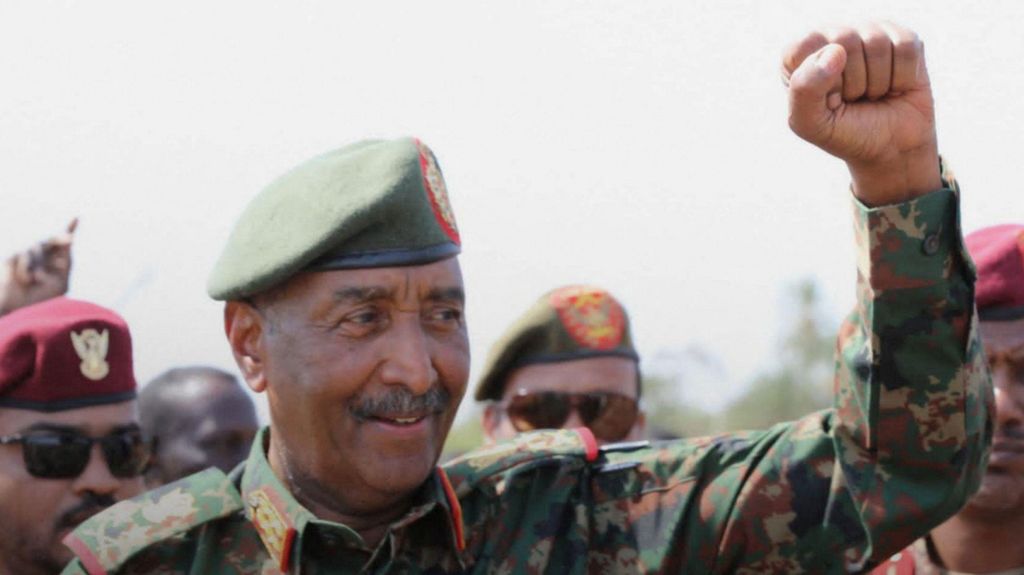
    In a landmark development for Sudan’s protracted civil conflict, the nation’s military-led administration has officially reestablished its presence in the capital city of Khartoum after operating from a provisional headquarters in Port Sudan for nearly three years. The symbolic return marks a significant shift in the country’s turbulent political landscape.

    Prime Minister Kamil Idris formally announced the government’s restoration during a press conference on Sunday, characterizing the administration as a ‘government of hope’ committed to addressing the severe humanitarian challenges facing Khartoum’s residents. The capital had endured brutal occupation by the paramilitary Rapid Support Forces (RSF) since April 2023, when violent power struggles erupted between military leadership and the RSF command.

    The reconquest of Khartoum by national army forces last March represented a critical strategic victory after extensive urban combat that left substantial portions of the metropolitan area in ruins. United Nations assessments indicate approximately five million civilians fled the city during the conflict’s most intense phases, while those remaining endured systematic looting and property seizures by RSF fighters.

    Prime Minister Idris outlined immediate priorities including restoration of essential services—particularly electricity, water infrastructure, healthcare systems, and educational institutions—which UN officials had previously reported were ‘barely functional’ as recently as October. The administration simultaneously declared 2026 as a ‘year of peace’ for Sudan, where conservative estimates indicate at least 150,000 fatalities and approximately 12 million displacements throughout the conflict period, creating what international organizations describe as the world’s most severe humanitarian crisis.

    The initial violence originated from the dissolution of Sudan’s ruling coalition, specifically the fracture between army commander General Abdel Fattah al-Burhan and his former deputy Mohamed Hamdan Dagalo, who commands the RSF paramilitary group. Both factions have faced extensive allegations of human rights violations during the conflict, with foreign powers accused of exacerbating hostilities through weapon shipments and strategic support. Recent diplomatic scrutiny has particularly focused on the United Arab Emirates’ alleged backing of RSF forces, claims which Emirati officials vehemently deny.

  • Myanmar votes in second phase of junta-run election

    Myanmar votes in second phase of junta-run election

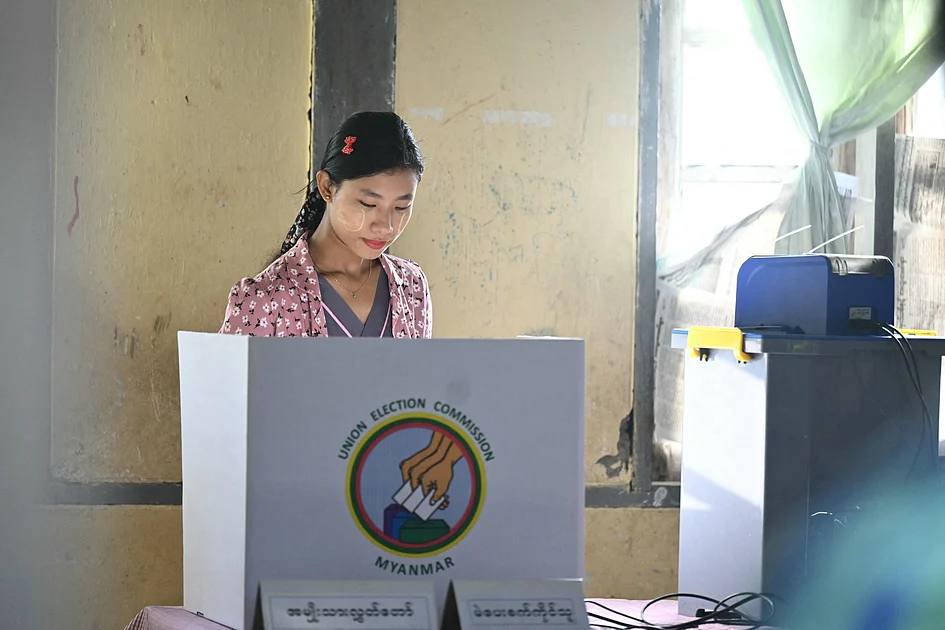
    Myanmar’s military regime conducted the second phase of its staged electoral process on Sunday, January 11, 2026, amidst mounting international condemnation and domestic skepticism. The voting included the constituency previously represented by ousted democratic leader Aung San Suu Kyi, whose party was forcibly dissolved following the 2021 coup that abruptly ended Myanmar’s decade of democratic transition.

    The State Administration Council, as the junta styles itself, has framed this three-phase electoral exercise as a pathway to restoring civilian governance, with the final phase scheduled for completion by January 25. However, democracy monitoring organizations and international rights experts have uniformly dismissed the process as a carefully orchestrated attempt to cement military dominance under a veneer of electoral legitimacy.

    Electoral mathematics already indicate predetermined outcomes. The military-aligned Union Solidarity and Development Party (USDP) secured approximately 90% of lower house seats during the initial voting phase in late December 2025. This overwhelming victory occurred amid reports of severe voter suppression, with turnout estimated at just 50%—a dramatic decline from the 70% participation recorded in the 2020 elections that brought Suu Kyi’s National League for Democracy to power.

    The electoral landscape reflects Myanmar’s ongoing civil conflict. Voting has been canceled across extensive territories controlled by ethnic rebel factions and resistance forces, while the military has intensified offensive operations, including aerial bombardments of civilian areas, in contested regions. UN Human Rights Special Rapporteur Tom Andrews characterized the process as ‘engineered polls designed to manufacture a facade of legitimacy while violence and repression continue unabated.’

    Myanmar’s political environment remains perilous for dissent. Over 330 individuals face prosecution under junta-enacted laws that criminalize election criticism with penalties up to 10 years imprisonment. The Assistance Association for Political Prisoners documents more than 22,000 political detainees currently held in military prisons, underscoring the repressive context in which this electoral exercise unfolds.

  • Prashant Tamang, Indian Idol season 3 winner and star of ‘Paatal Lok’, dies at 43

    Prashant Tamang, Indian Idol season 3 winner and star of ‘Paatal Lok’, dies at 43

    The entertainment industry is grappling with the tragic loss of Prashant Tamang, the celebrated Indian Idol season 3 winner and accomplished actor, who passed away unexpectedly on January 11, 2026, at his New Delhi residence. The 43-year-old multifaceted artist succumbed to a fatal stroke, as confirmed by multiple news sources including NDTV.

    Tamang’s friend, Mahesh Sewa, disclosed to Press Trust of India that the artist experienced cardiac arrest around 9 AM. Despite being rushed to medical facilities by family members, he was pronounced dead upon arrival. Sewa expressed profound shock, noting that Tamang had appeared in excellent health during their recent conversation.

    The talented performer first captured national attention in 2007 through his victorious Indian Idol journey, which launched his diverse entertainment career. His musical contributions spanned multiple languages, with his debut album ‘Dhanyavad’ featuring both Hindi and Nepali tracks. Tamang subsequently became a prominent figure in Nepali cinema, contributing to films including ‘Gorkha Paltan’ (2010), ‘Angalo Yo Maya Ko’, and ‘Himmat 2’ (2013).

    Tamang’s acting prowess gained significant recognition through his portrayal of a serial killer in the second season of the critically acclaimed crime thriller ‘Paatal Lok’. His final cinematic appearance will be seen in the upcoming Bollywood war drama ‘Battle of Galwan’, starring Salman Khan and Chitrangada Singh.

    Beyond his artistic achievements, Tamang served as an inspirational figure for the Nepali-Indian community, breaking cultural barriers in mainstream entertainment. West Bengal Chief Minister Mamata Banerjee commemorated his legacy on social media, highlighting his Darjeeling roots and previous association with Kolkata Police.

    The artist leaves behind his wife and their four-year-old daughter, with the industry mourning the loss of a versatile talent whose career transcended musical and theatrical boundaries.

  • In Gaza hospital, patients cling to MSF as Israel orders it out

    In Gaza hospital, patients cling to MSF as Israel orders it out

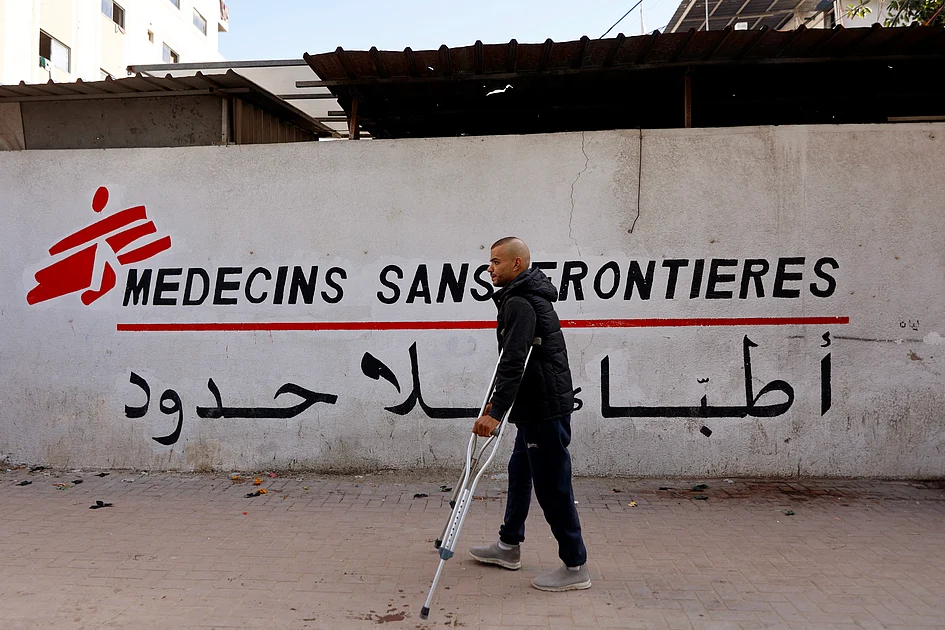
    A critical humanitarian crisis is escalating in Gaza as Médecins Sans Frontières (MSF) faces imminent expulsion from the territory under Israel’s controversial NGO ban. The organization, along with 36 other aid groups, has been ordered to cease operations by March 1st for allegedly failing to provide detailed staff information to Israeli authorities.

    At Nasser Hospital in southern Gaza—one of the few remaining functional medical facilities—patients express profound anxiety about losing MSF’s essential services. Ten-year-old Adam Asfour, receiving treatment for shrapnel wounds sustained in September bombings, articulated the collective fear: “They stood by us throughout the war. When I heard it was possible they would stop providing services, it made me very sad.”

    Israel’s Ministry of Diaspora Affairs and Combating Antisemitism, which oversees NGO registrations, has leveled serious allegations against MSF, claiming two employees maintain ties to Hamas and Islamic Jihad—charges the organization vehemently denies. This decision has drawn international condemnation and warnings of catastrophic consequences for Gaza’s already strained relief systems.

    MSF currently sustains approximately 20% of hospital beds across Gaza while operating around 20 health centers. Their 2025 operations included over 800,000 medical consultations and more than 10,000 deliveries. Beyond medical care, the organization provides critical drinking water distribution to a population devastated by prolonged conflict.

    Humanitarian workers report that constraints are already mounting. “We can’t have any more international staff enter Gaza, nor can we bring in supplies—we will run into shortages,” stated Kelsie Meaden, MSF logistics manager at Nasser Hospital. Claire Nicolet, another MSF official, emphasized the irreplaceable nature of their work: “It’s almost impossible to find an organization that could replace all what we are doing currently in Gaza.”

    The potential withdrawal occurs against the backdrop of a healthcare system pushed to the brink by two years of war. Many facilities have been damaged by bombardments or overwhelmed by casualties, with unreliable electricity, water, and fuel supplies compounding the crisis. Aid groups warn that emergency care, maternal health, and pediatric treatment services risk complete collapse without international support.

    Humanitarian sources confirm that at least three international NGO employees have already been barred from entering Gaza through the Kerem Shalom crossing due to rejected applications. As the March deadline approaches, patients like 18-month-old Joud—being treated for severe burns from boiling water accidents—face uncertain futures despite showing significant improvement under MSF care.

    While MSF asserts it will “continue working as long as we can,” the organization acknowledges that without reversal of Israel’s decision, their life-saving operations in Gaza will terminate in March, leaving hundreds of thousands without essential medical services.

  • Thousands march and dozens arrested in Minneapolis protests against ICE

    Thousands march and dozens arrested in Minneapolis protests against ICE

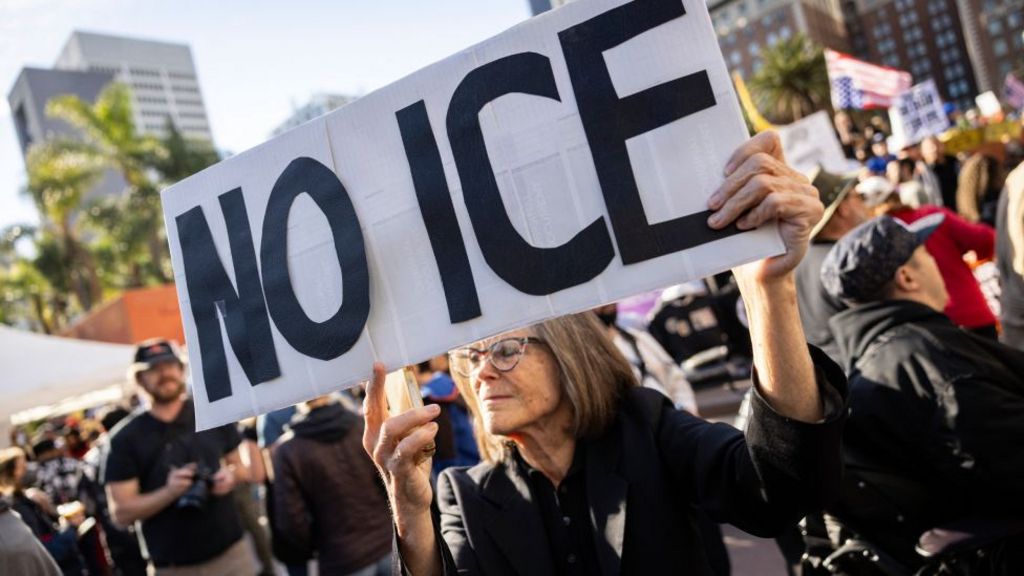
    Minneapolis became the epicenter of nationwide demonstrations as thousands braved freezing temperatures Saturday to protest U.S. Immigration and Customs Enforcement (ICE) operations. The protests erupted following Wednesday’s fatal shooting of 37-year-old Renee Nicole Good by an ICE agent during what authorities describe as an enforcement operation.

    The ‘ICE out of Minnesota’ rally drew tens of thousands to Powderhorn Park before marching through city streets. Despite Mayor Jacob Frey’s characterization of the protest as predominantly peaceful, tensions flared Friday night when several hundred demonstrators surrounded the Canopy Hotel, believed to house ICE personnel. Police declared an unlawful assembly after protesters forced entry through an alley and allegedly threw ice, snow, and rocks at officers.

    The political fallout intensified as three Minnesota congresswomen—Ilhan Omar, Kelly Morrison, and Angie Craig—accused ICE and the Department of Homeland Security of obstructing congressional oversight after being denied access to local ICE facilities. Their attempted visit came amid revelations of a new DHS policy requiring seven days’ notice for congressional visits, implemented the day after Good’s shooting.

    The incident has exposed deep ideological divisions. Homeland Security Secretary Kristi Noem characterized Good’s actions as ‘domestic terrorism,’ claiming she ‘weaponized’ her vehicle against agents. Conversely, Mayor Frey described the victim as attempting a three-point turn to escape the scene, stating local law enforcement felt ‘outnumbered’ by federal agents.

    Video evidence shows ICE agents approaching Good’s stationary vehicle before shots were fired as she attempted to drive away. The agent involved was identified as Jonathan Ross, a veteran officer previously injured in the line of duty. The FBI has assumed sole investigative authority over the case, prompting Minnesota officials to launch their own inquiry after claiming they were ‘frozen out’ of the federal investigation.

    Protests extended beyond Minneapolis to major cities including New York, Los Angeles, Seattle, and Austin, reflecting growing national tension over immigration enforcement methodologies.