作者: admin

  • Trump won’t take Greenland by force, Mandelson says

    Trump won’t take Greenland by force, Mandelson says

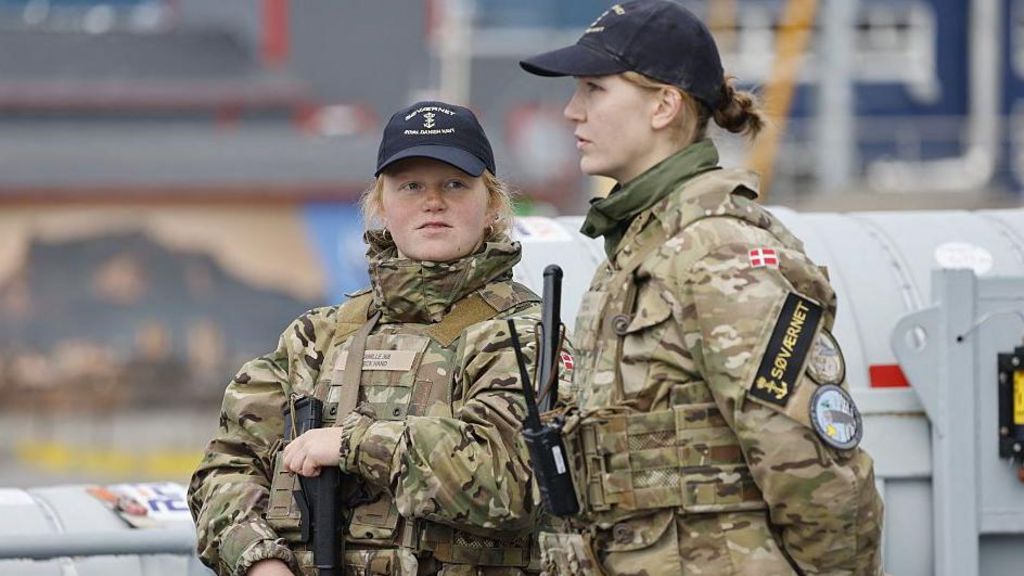
    A significant geopolitical confrontation is unfolding in the Arctic region as the United States under President Donald Trump’s administration demonstrates renewed interest in acquiring Greenland, creating diplomatic friction with NATO allies. While former UK ambassador Lord Mandelson has dismissed the possibility of military action, stating Trump wouldn’t “land on Greenland and take it by force,” the situation has escalated into a serious international discussion about Arctic sovereignty and security.

    The strategic importance of Greenland cannot be overstated. Its geographical position between North America and the Arctic makes it ideally situated for missile early warning systems and monitoring maritime activity. President Trump has repeatedly emphasized Greenland’s vital role in U.S. national security, claiming without evidence that Russian and Chinese vessels increasingly populate surrounding waters. This focus intensified following recent military operations in Venezuela that resulted in the capture of President Nicolas Maduro.

    Denmark and Greenland have firmly maintained that the territory is not for sale, with Danish officials warning that any military intervention would effectively destroy the NATO alliance. This stance has garnered support from major European nations and Canada, who have collectively reaffirmed that “only Denmark and Greenland can decide on matters concerning their relations.”

    The UK government finds itself navigating delicate diplomatic waters. Transport Secretary Heidi Alexander acknowledged the need for enhanced Arctic security cooperation with NATO allies while carefully distinguishing these discussions from being a direct response to U.S. posturing. Meanwhile, political leaders expressed divergent views, with Conservative leader Kemi Badenoch considering Greenland a “second order” issue compared to events in Iran, while Liberal Democrat leader Sir Ed Davey criticized Trump’s “outrageous threats” as benefiting Russian President Vladimir Putin.

    Complicating the diplomatic landscape is the background of Lord Mandelson himself, whose brief tenure as ambassador ended due to revelations about his contacts with convicted sex offender Jeffrey Epstein. Mandelson claims the government was fully aware of his background when appointing him, though Number 10 sources previously stated he had been “economical with the truth” during his vetting process.

    Beyond geopolitical positioning, Greenland’s signifcance extends to its substantial natural resources, including rare earth minerals, uranium, iron, and potential oil and gas reserves that are becoming increasingly accessible due to climate-change-induced ice melt. This economic dimension adds another layer to the ongoing international interest in the strategically crucial territory.
  • With Cuban ally Maduro ousted, Trump warns Havana to make a ‘deal’ before it’s too late

    With Cuban ally Maduro ousted, Trump warns Havana to make a ‘deal’ before it’s too late

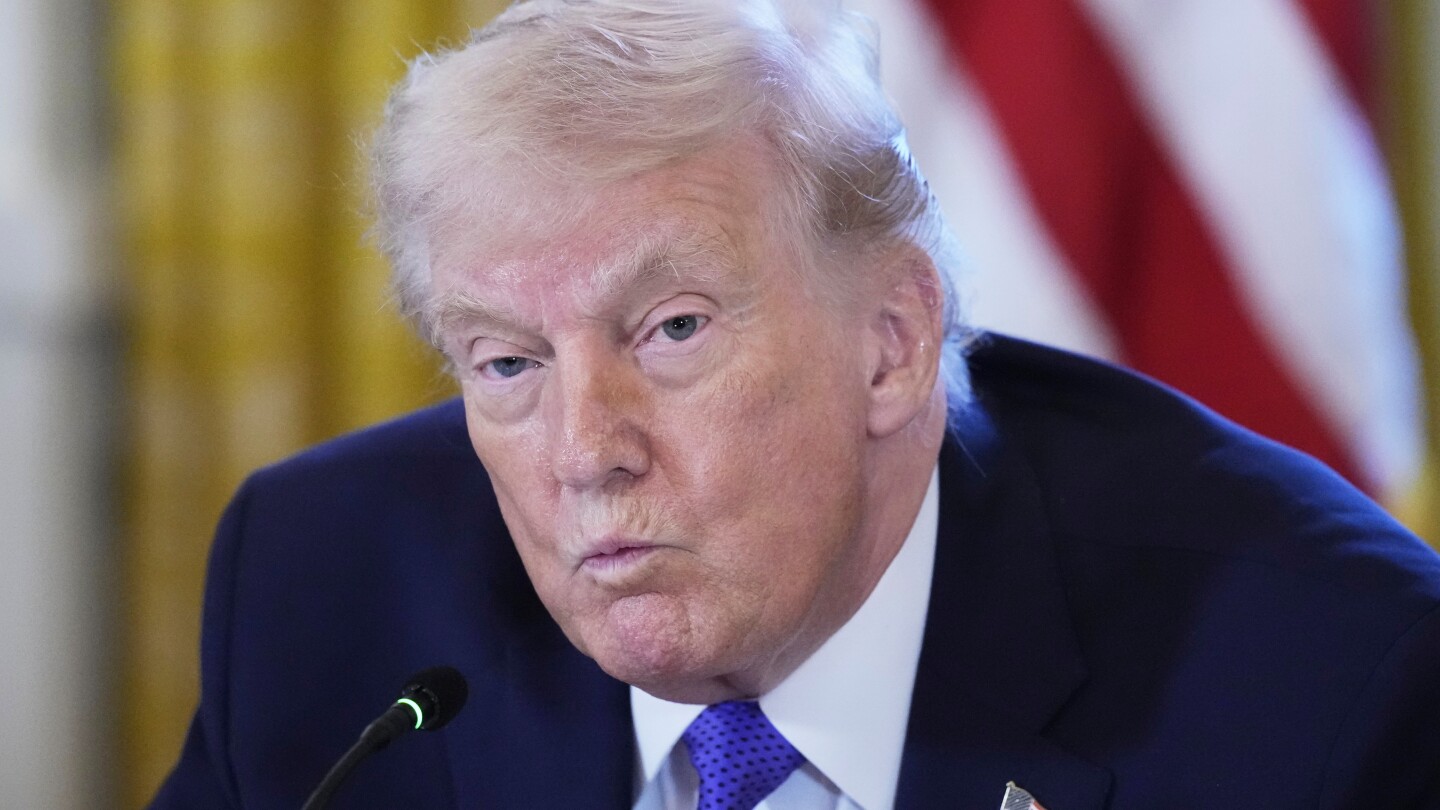
    WEST PALM BEACH, Fla. — President Donald Trump escalated tensions with Cuba through a series of social media declarations on Sunday, warning the communist nation of severe economic consequences following the deposition of Venezuelan leader Nicolás Maduro. The U.S. President asserted that Cuba’s longstanding reliance on Venezuelan oil subsidies has reached its definitive endpoint.

    From his Florida residence, Trump proclaimed that Cuba would no longer receive petroleum resources or financial support from Venezuela, emphasizing his message with the declaration: “THERE WILL BE NO MORE OIL OR MONEY GOING TO CUBA – ZERO!” The President urged Cuban leadership to “make a deal, BEFORE IT IS TOO LATE,” though he provided no specific details regarding potential negotiation terms.

    The geopolitical confrontation intensified when Cuban President Miguel Díaz-Canel responded via social media platform X, challenging U.S. moral authority in international affairs. Díaz-Canel asserted that “those who turn everything into a business, even human lives, have no moral authority to point the finger at Cuba.”

    This diplomatic exchange occurs against the backdrop of significant regional upheaval. Cuban authorities reported that 32 military personnel from their nation’s security agencies were killed during the American operation that captured Maduro. These personnel were stationed in Caracas under a bilateral security agreement between Cuba and Venezuela.

    Trump reinforced his position by stating that Venezuela no longer requires protection from “thugs and extortionists,” instead promising that “the most powerful military in the World” would now provide protection to the Venezuelan people.

    The U.S. administration has intensified its pressure campaign against Cuba, which faces its most severe economic crisis in decades. The island nation has suffered from extensive blackouts and critical shortages of essential goods. Cuban officials attribute these challenges primarily to U.S. sanctions, which they claim have cost the economy over $7.5 billion between March 2024 and February 2025.

    Díaz-Canel defended Cuba’s political sovereignty and criticized U.S. economic measures, stating that those blaming the Cuban Revolution for economic hardships “should be ashamed” while condemning American-imposed “draconian measures.”

    Trump previously predicted Cuba’s economic deterioration would accelerate following Maduro’s removal from power, bluntly stating: “It’s going down for the count.”

  • Iran: Death toll rises to 116; internet blackout crosses 60 hours

    Iran: Death toll rises to 116; internet blackout crosses 60 hours

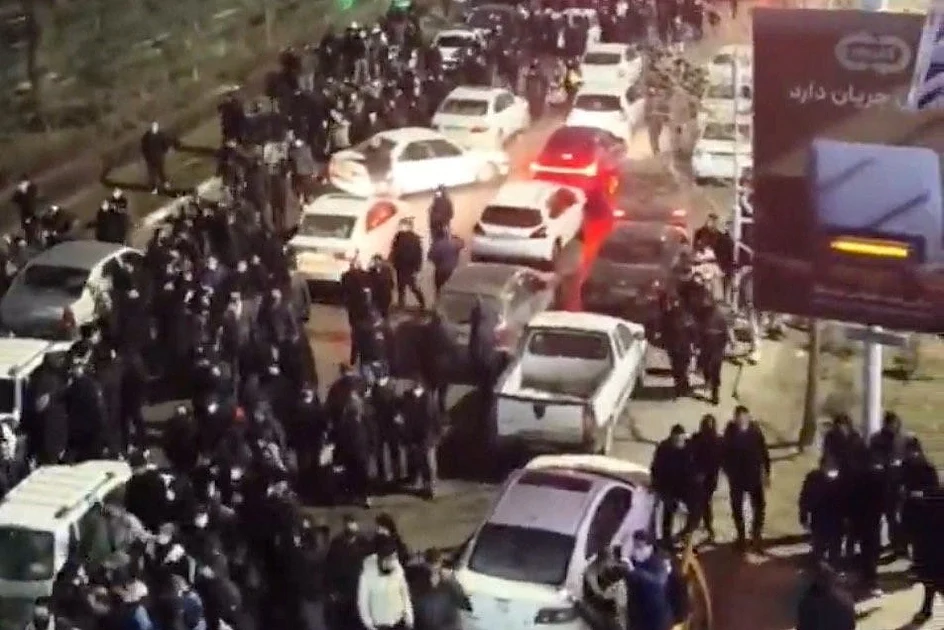
    Iran remains engulfed in a severe communications crisis as authorities continue to enforce a nationwide internet blackout that has now surpassed 60 consecutive hours. The digital shutdown coincides with escalating civil unrest that has resulted in a mounting death toll, with the US-based HRANA Rights Group reporting at least 116 fatalities linked to ongoing protests against governmental authorities.

    Netblocks, an internet monitoring organization, has characterized the censorship measures as particularly dangerous during this critical period. ‘The censorship measure presents a direct threat to the safety and wellbeing of Iranians at a key moment for the country’s future,’ the monitor stated via social media platform X, emphasizing the prolonged duration of the connectivity restrictions.

    The Iranian government has simultaneously declared three days of national mourning for what official sources describe as ‘martyrs,’ though state media has not provided specific casualty figures or detailed accounts of the circumstances surrounding these deaths. This official period of mourning stands in stark contrast to the ongoing suppression of digital communications that would typically allow for documentation and international awareness of the situation.

    The extended internet blackout represents one of the most severe digital crackdowns in Iran’s recent history, effectively isolating the country’s population from global communication networks and hindering the flow of information both within and beyond its borders. Such comprehensive restrictions on digital connectivity have raised significant concerns among human rights organizations regarding transparency and accountability during periods of civil unrest.

  • UAE: Woman duped in phone scam, court orders fraudsters to repay Dh40,900

    UAE: Woman duped in phone scam, court orders fraudsters to repay Dh40,900

    In a significant ruling against digital fraud, the Al Dhafra Court of First Instance in Abu Dhabi has mandated two convicted fraudsters to fully reimburse an Emirati woman they deceived through an elaborate telephone scam. The court’s final judgment, issued on January 8, 2026, brings closure to a case that highlights growing concerns about sophisticated digital financial crimes in the region.

    The defendants orchestrated their scheme by impersonating government officials, convincing the victim to download a specific mobile application under false pretenses. Once they gained her trust, they directed her to transfer a total of Dh40,900 to multiple bank accounts. The victim only realized she had been defrauded after completing the transactions.

    Court documents reveal that both defendants were already serving criminal sentences in separate cases—one detained at Bur Dubai Detention Center and the other at Al Qusais Detention Center. They had previously received criminal convictions in absentia for acquiring property through fraudulent means, resulting in three-month suspended prison sentences and orders for deportation from the UAE.

    During civil proceedings, the court established that the first defendant had illicitly obtained Dh22,500 from the victim, while the second defendant had taken Dh18,409. Neither had returned any portion of the stolen funds, prompting the civil claim for restitution.

    The court’s ruling requires both defendants to jointly repay the full Dh40,900 they fraudulently acquired. While the plaintiff had sought additional compensation of Dh9,000 for material and moral damages, the court awarded partial compensation exclusively for material damages, acknowledging the financial harm suffered. The claim for moral damages was rejected due to insufficient evidence of reputational harm.

    The judgment also ordered defendants to cover court expenses but denied the plaintiff’s claim for attorney fees since she represented herself throughout the legal proceedings. With no appeals filed, the court’s decision stands as final.

  • Dubai-Riyadh route records second highest airfare increase among cross-border travel

    Dubai-Riyadh route records second highest airfare increase among cross-border travel

    The Dubai-Riyadh air corridor has emerged as a significant aviation market, recording the world’s second-highest airfare increase in 2025 with a notable 6% price surge. According to aviation analytics firm OAG, average fares on this route reached $267 (Dh980), reflecting robust demand primarily driven by business travel and religious tourism.

    This pricing trend coincides with the route’s remarkable capacity expansion, ranking as the seventh busiest global corridor with 4.465 million seats annually—a 4% year-on-year increase and a substantial 42% growth compared to pre-pandemic 2019 levels. The sustained demand underscores the Middle East’s strengthening connectivity and economic integration.

    Dubai International Airport’s traffic statistics further validate this trend, revealing Saudi Arabia as its second-largest market during the first three quarters of 2025. The airport recorded 5.5 million passengers traveling to Saudi destinations, with Riyadh specifically accounting for 2.3 million travelers during this period, solidifying its position as Dubai’s second most popular city destination.

    The facilitation of travel between the neighboring Gulf nations has been significantly enhanced by Saudi Arabia’s streamlined visa policies. The introduction of electronic pilgrimage visas through the Nusuk Umrah platform, launched in August 2025, has simplified access for UAE residents and other international visitors seeking religious tourism experiences. This digital initiative offers comprehensive service customization, allowing pilgrims to arrange integrated packages or individual components including visas, accommodation, and transportation.

    Globally, the Kuala Lumpur-Singapore route experienced the most substantial airfare increase at 8%, while New York-London saw a more modest 2% rise. Conversely, several Asian routes including Tokyo-Taipei and Bangkok-Hong Kong witnessed fare reductions ranging from 5% to 12% throughout 2025.

  • One person dead and 300 buildings destroyed in Australia bushfires

    One person dead and 300 buildings destroyed in Australia bushfires

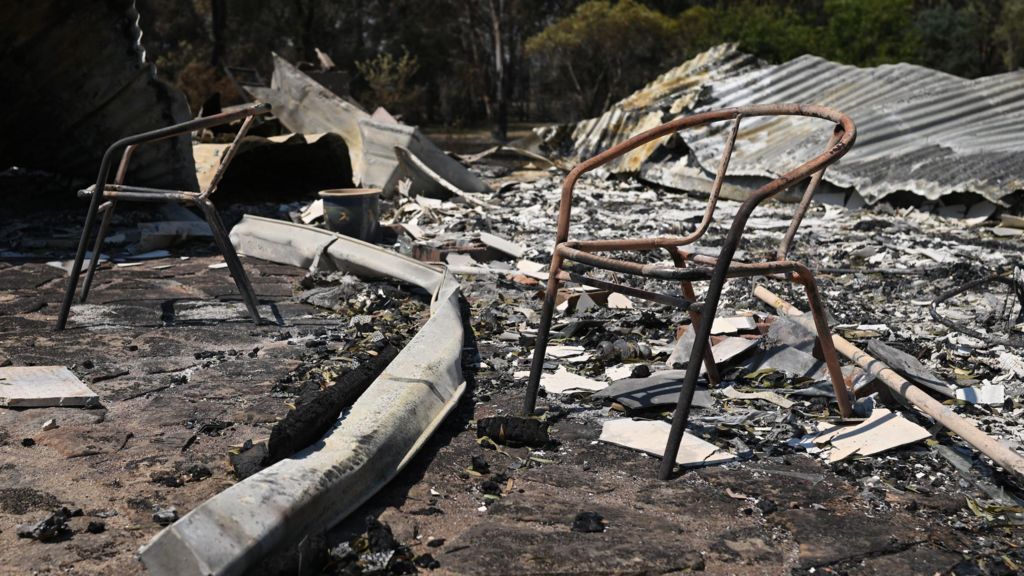
    A devastating bushfire crisis has engulfed southeastern Australia, resulting in one confirmed fatality and the destruction of approximately 300 properties across multiple regions. The fires, which have been raging for several days primarily in Victoria state with additional outbreaks in New South Wales, have consumed land areas nearly double the size of Greater London.

    Victoria Premier Jacinta Allan confirmed that 30 active fires were burning across the state as of Sunday, with 10 posing particular concern to authorities. The blazes have already scorched approximately 350,000 hectares of land, prompting the declaration of a state of emergency. Thousands of firefighters supported by more than 70 aircraft are battling the infernos amid extremely hot, dry, and windy conditions that officials fear could sustain the fires for several weeks.

    Human remains were discovered in the village of Gobur, approximately 110 kilometers north of Melbourne, though the victim has not yet been formally identified. Premier Allan praised emergency workers who recovered the body under difficult circumstances, noting that the Gobur community was experiencing profound grief.

    The current fires represent the most severe bushfire event in southeastern Australia since the catastrophic 2019-2020 season that killed 33 people and destroyed an area equivalent to Turkey’s size. Smoke from the current blazes has significantly degraded air quality across Victoria, including metropolitan Melbourne.

    In a particularly tragic development, firefighter Tyrone Rice lost his own home in Harcourt while battling fires elsewhere. Describing the experience as “a kick in the guts,” Rice acknowledged he was neither the first nor last to endure such loss. Local fire captain Andrew Wilson characterized the destruction in Harcourt as “gut-wrenching,” with journalists reporting catastrophic damage where only tin roofs remained where houses once stood.

    While scientists note that linking individual wildfires directly to climate change remains complex due to land management factors, they emphasize that climate change is making the hot, dry conditions that fuel such fires increasingly common across Australia.

  • India eyes new markets with US trade deal in limbo

    India eyes new markets with US trade deal in limbo

    India has embarked on an aggressive global trade expansion strategy, rapidly securing multiple international agreements as negotiations with the United States remain stalled following punitive tariff impositions. The diplomatic friction emerged in August when President Donald Trump escalated tariffs to 50%, significantly impacting India’s export ambitions and manufacturing growth prospects.

    This economic pressure has catalyzed New Delhi’s most active trade negotiation period in years, resulting in four operationalized agreements throughout 2025, including a landmark pact with Britain. Current negotiations are advancing with the European Union, Eurasian Economic Union, Mexico, Chile, and the Mercosur trade bloc, potentially positioning India with comprehensive trade arrangements across nearly all major global economies.

    Trade experts identify this diversification drive as a strategic response to reduce dependency on the US market. Ajay Srivastava of the Global Trade Research Initiative notes that 2025 marked exceptionally vigorous deal-making activity aimed at risk distribution rather than complete US market abandonment.

    The tariff escalation originated from Washington’s objections to India’s continued purchases of Russian oil, which the US maintains finances Moscow’s military operations in Ukraine. This economic confrontation has compelled Indian exporters to seek alternative markets, with labor-intensive sectors particularly benefiting from new agreements.

    The UK trade deal is projected to potentially double garment exports to Britain within three years, while a prospective EU agreement promises even greater economic benefits. European Commission President Ursula von der Leyen has characterized the potential EU-India pact as potentially ‘the largest deal of this kind anywhere in the world,’ with negotiations continuing despite missing the 2025 deadline over steel and auto export disagreements.

    Smaller agreements demonstrate strategic value beyond immediate trade volumes. The Oman-India agreement, despite covering less than $11 billion in annual trade, provides access to Middle Eastern and African markets, while the New Zealand FTA secured substantial foreign investment and demonstrated India’s negotiation flexibility.

    November 2025 witnessed a surprising 19% goods export surge, driven by electronics (still tariff-exempt) and marine products. While diversification has shown measurable success, exporters emphasize that alternative markets cannot fully replace the United States as India’s premier trading partner. The situation remains fluid, with reduced Russian oil imports in December potentially influencing future US-India relations.

  • Guard at Winter Olympic construction site dies in nighttime subfreezing temperatures

    Guard at Winter Olympic construction site dies in nighttime subfreezing temperatures

    Italian authorities have launched a comprehensive investigation into the tragic death of a security guard at a construction site adjacent to the 2026 Winter Olympic venues in Cortina d’Ampezzo. The 55-year-old worker succumbed during his overnight shift in extreme subzero temperatures that plummeted to -12°C (10.4°F) on Thursday.

    Infrastructure Minister Matteo Salvini has demanded a full inquiry into the circumstances surrounding the incident. Initial reports from Milan Cortina organizing committee representatives indicate the worker suffered a fatal heart attack while on duty near Cortina’s ice arena complex.

    Andrea Varnier, CEO of Fondazione Milano Cortina 2026, stated during a press briefing at a Milan hockey arena test event: ‘Current information suggests natural causes were responsible. We await conclusive findings from the ongoing investigation while confirming all operational documentation was properly maintained.’

    The construction site, reportedly not under the direct supervision of governmental infrastructure company Simico, has prompted expressions of profound concern from Cortina municipal officials. Simico extended formal condolences while clarifying their non-involvement in the project.

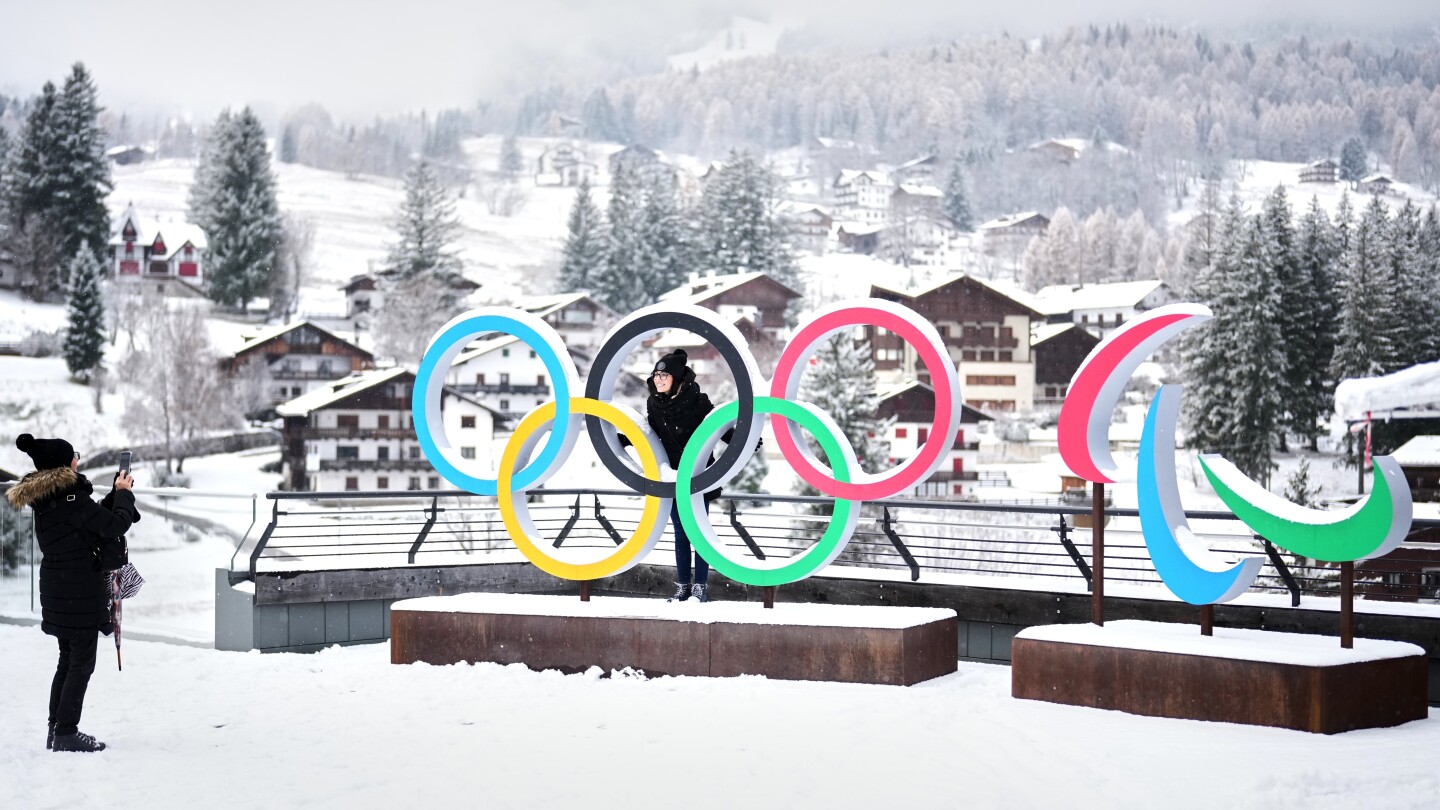
    With the Winter Olympics scheduled for February 6-22, 2026, the incident has raised questions about worker safety protocols during extreme weather conditions. Cortina d’Ampezzo is designated to host curling, sliding events, and women’s Alpine skiing competitions during the Games.

  • UAE: Indian influencer Dhruv Rathee says ‘every line fact-checked’ in his YouTube videos

    UAE: Indian influencer Dhruv Rathee says ‘every line fact-checked’ in his YouTube videos

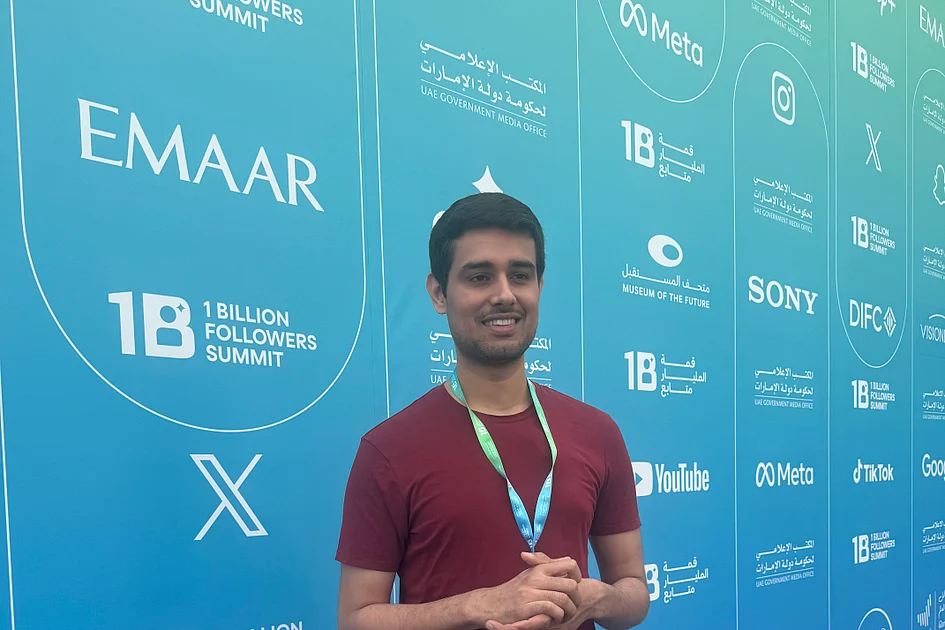
    At the prestigious 1 Billion Summit in Dubai, Indian digital content creator Dhruv Rathee revealed his rigorous approach to combating misinformation through meticulous verification processes. With over 30 million YouTube subscribers, Rathee has established himself as one of India’s most influential digital educators, producing explainer-style videos covering politics, governance, climate change, and social issues.

    Rathee disclosed that his operation employs a dedicated team of researchers and fact-checkers who scrutinize every single line presented in his videos. This verification process is complemented by comprehensive documentation, with each video accompanied by a publicly available resource paper containing all sources used. “Viewers can access these documents through links in the video description, ensuring complete transparency,” Rathee explained to Khaleej Times.

    The selection of topics follows a structured methodology incorporating multiple criteria, including audience demand, personal passion, and relevance within the current political and social landscape. Each potential subject undergoes a scoring system before receiving approval for coverage.

    Beyond content creation, Rathee has expanded into entrepreneurship by co-founding AI Fiesta, an all-in-one platform he describes as one of his most challenging career transitions. “Creating videos for ten years didn’t prepare me for business management involving HR, customer support, and product development,” he acknowledged. His team now comprises 10-15 members, requiring him to balance filming, video reviews, and operational management.

    Despite facing legal threats and online trolling throughout his career, Rathee has developed resilience and maintains a legal team to handle disputes. When questioned about concerns regarding democratic discourse’s future, he identified public apathy as the primary worry, emphasizing the need for greater public engagement.

    Now a father, Rathee has shifted priorities toward efficiently managing time between work and family life. He described this year’s 1 Billion Summit, which gathers content creators worldwide, as the most impressive edition yet, noting the event’s scale resembled “an entire city.”

  • Erich von Däniken, Swiss writer who spawned alien archaeology, dies at 90

    Erich von Däniken, Swiss writer who spawned alien archaeology, dies at 90

    BERLIN — Erich von Däniken, the Swiss author who captivated millions with his controversial theories about extraterrestrial influences on ancient civilizations, passed away at age 90. His representatives confirmed his death in a central Swiss hospital on Saturday, announcing the news through his official website on Sunday.

    Von Däniken achieved global recognition with his 1968 debut work “Chariots of the Gods,” which proposed that advanced alien civilizations visited ancient Mayan and Egyptian societies, providing them with technological knowledge to construct monumental structures like pyramids. This publication emerged during a period of heightened fascination with unexplained phenomena, coinciding with humanity’s first lunar landing through conventional scientific achievement.

    The author’s literary career expanded with over two dozen additional books that blended historical speculation with imaginative narratives, creating a distinctive genre that consistently challenged established archaeological and scientific consensus. According to Swiss public broadcaster SRF, his works reached remarkable commercial success with approximately 70 million copies sold across more than 30 languages, establishing him as one of Switzerland’s most widely read authors.

    Despite his professional accomplishments, von Däniken’s personal life was marked by financial instability and legal challenges. Born in 1935 in Schaffhausen to a clothing manufacturer, he rejected his Catholic upbringing and boarding school education, developing alternative explanations for human origins. His early career in hospitality included positions as waiter and barkeeper, during which he faced multiple fraud allegations and brief prison sentences.

    Following the publication of his first book, von Däniken encountered further legal troubles including tax evasion charges that resulted in additional incarceration. However, the substantial royalties from “Chariots of the Gods” and subsequent works like “Gods from Outer Space” enabled his dedication to paranormal research and global travel.

    Throughout the 1970s, von Däniken conducted extensive field research across Egypt, India, and Latin America, delivering lectures and establishing organizations to promote his unconventional theories. He pioneered multimedia approaches to reach audiences seeking alternative historical narratives, maintaining his beliefs despite mounting scientific criticism.

    In 1991, the scientific community recognized his work with satirical distinction—the Ig Nobel Prize for literature—for promoting scientific awareness through questionable claims. Even when confronted with evidence of fabricated artifacts in documentary investigations, von Däniken maintained the fundamental validity of his theories.

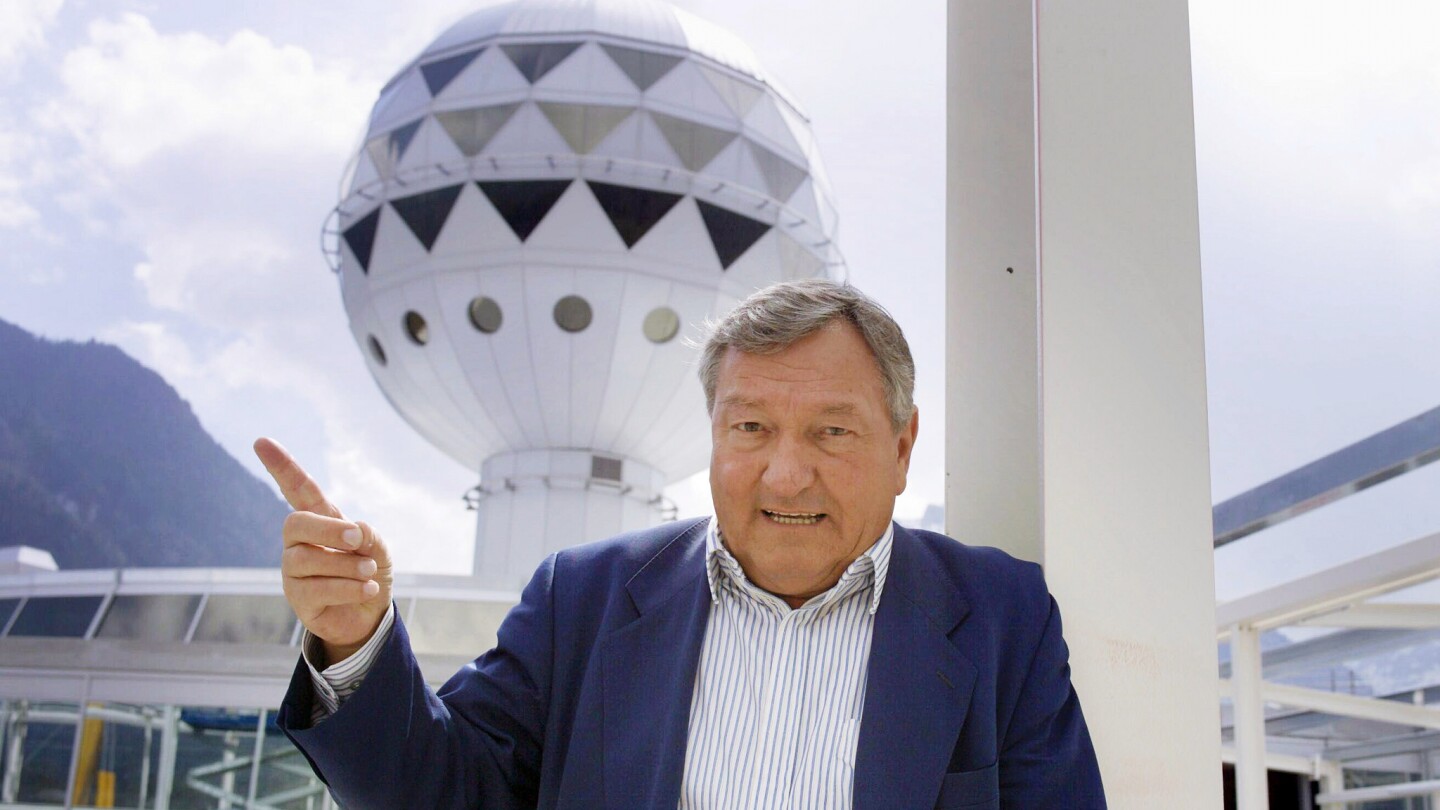
    Though his influence diminished in English-speaking regions during the 1980s, his ideas permeated popular culture through television programs like “The X-Files” and numerous documentary specials. His final major project, the “Mystery Park” theme park based on his books, closed after limited public interest, with its structures now standing neglected near Interlaken.

    Erich von Däniken is survived by his wife of 65 years, Elisabeth Skaja, their daughter Cornelia, and two grandchildren.