作者: admin

  • Danish PM says Greenland showdown at ‘decisive moment’ after new Trump threats

    Danish PM says Greenland showdown at ‘decisive moment’ after new Trump threats

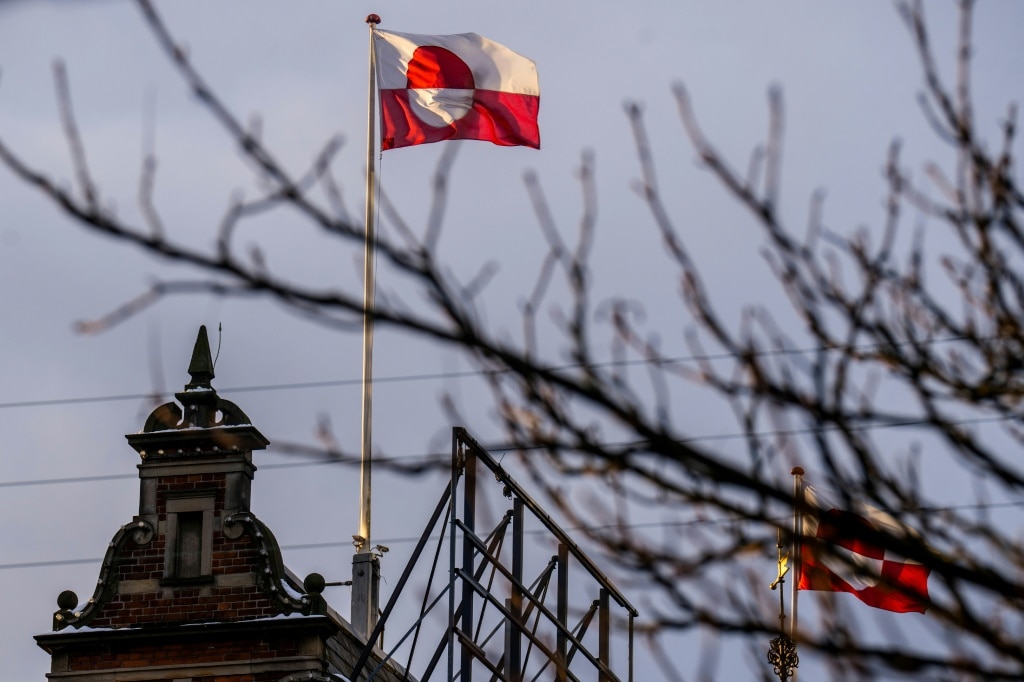
    A significant diplomatic confrontation is unfolding between Denmark and the United States regarding the sovereignty of Greenland, with Danish Prime Minister Mette Frederiksen characterizing the situation as reaching a ‘decisive moment.’ This escalation follows renewed statements from former President Donald Trump suggesting potential forceful measures to acquire the strategically vital Arctic territory.

    Prime Minister Frederiksen emphasized during political debates that the conflict extends beyond Greenland’s immediate future, representing broader geopolitical tensions. Through her official social media channels, she affirmed Denmark’s readiness to defend its values in the Arctic region, underscoring the nation’s commitment to international law and the principle of self-determination for all peoples.

    The Danish position has received substantial international backing, with both Sweden and Germany expressing firm support. Swedish Prime Minister Ulf Kristersson explicitly condemned what he termed ‘threatening rhetoric’ from the United States, warning that any attempted takeover of mineral-rich Greenland would constitute a violation of international law and potentially establish a dangerous precedent for similar actions by other nations.

    German officials, including Foreign Minister Johann Wadephul and Finance Minister Lars Klingbeil, reinforced their nation’s solidarity with Denmark while emphasizing NATO’s collective approach to Arctic security. Wadephul noted that while alliance members recognize growing strategic challenges in the region, particularly concerning Russian and Chinese military activities, Greenland’s future must be determined exclusively by its people and the Danish government.

    The controversy has prompted coordinated European diplomacy, with leaders from seven nations including France, Britain, Germany, and Italy signing a joint letter affirming that Greenland’s status remains solely a matter for Denmark and Greenland itself to decide. This collective response emerged following White House indications that Trump remained interested in acquiring Greenland and had not excluded military options.

    NATO Supreme Allied Commander General Alexus Grynkewich provided military context to the situation, acknowledging the Arctic’s rapidly increasing strategic importance while noting no immediate threat to NATO territory. The general confirmed that discussions regarding Greenland’s status were ongoing at the North Atlantic Council in Brussels, characterizing these dialogues as constructive despite the political tensions.

    Greenland, which transitioned from Danish colony to home rule territory in 1979, has consistently expressed opposition to any potential US takeover through public opinion polling. The current situation represents the most significant test of Arctic sovereignty norms in recent decades, with implications extending far beyond the immediate region.
  • Bangladesh plans to join international stablization force in Gaza

    Bangladesh plans to join international stablization force in Gaza

    Bangladesh has formally expressed its intention to participate in the proposed international stabilization force for Gaza during high-level diplomatic discussions in Washington. The development emerged from meetings between Bangladeshi National Security Adviser Khalilur Rahman and U.S. diplomats Allison Hooker and Paul Kapur on Saturday.

    According to an official government statement, Rahman conveyed Bangladesh’s ‘interest in principle’ to contribute to the multinational peacekeeping initiative, though specific details regarding troop numbers or operational capacity remain undisclosed. The U.S. State Department has not yet issued an official response to Bangladesh’s proposal.

    This potential deployment stems from a UN Security Council resolution adopted in mid-November that authorized the creation of a temporary International Stabilization Force. The force would operate under a ‘Board of Peace’ framework in coordination with participating nations.

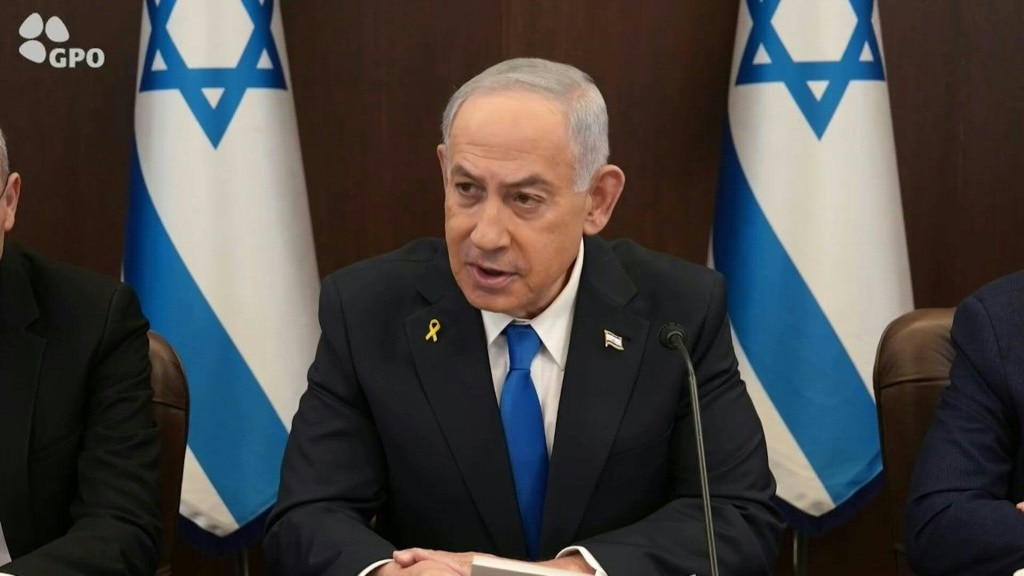
    The diplomatic movement occurs against a backdrop of stalled ceasefire negotiations. The initial truce agreement, implemented in October, has failed to progress beyond its first phase, with both Israeli and Hamas leadership accusing each other of violations. Since the ceasefire began, conflict monitoring groups report over 400 Palestinian fatalities and three Israeli soldier deaths.

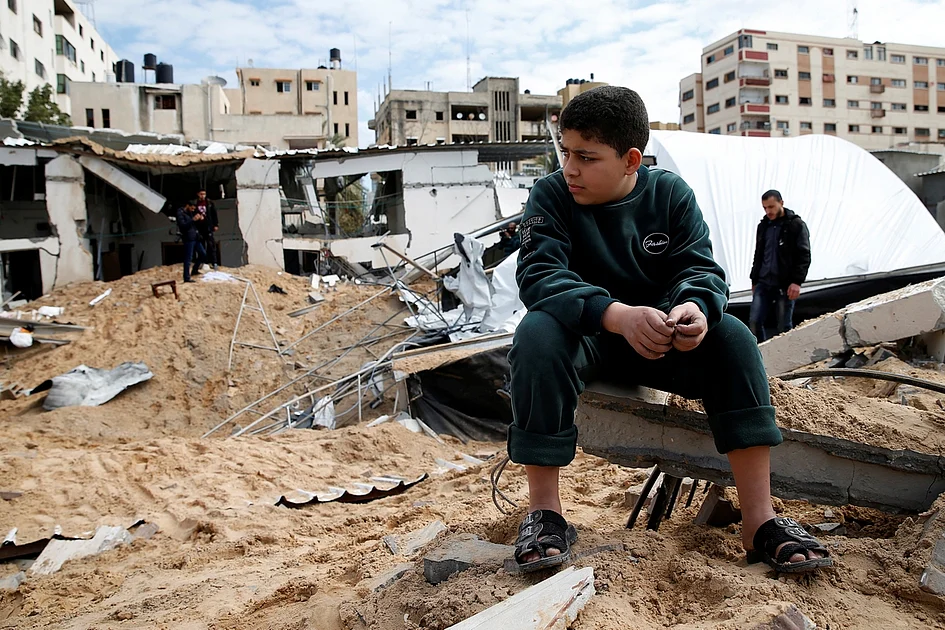
    Gaza’s humanitarian situation remains critical, with nearly all of the territory’s 2.3 million residents living in temporary shelters or structurally compromised buildings within confined areas where Israeli forces have withdrawn and Hamas has resumed administrative control.

    The broader context includes Israel’s military campaign launched in late 2023 following Hamas attacks that killed approximately 1,200 Israelis and resulted in 250 hostages. The subsequent offensive has generated widespread international concern, with multiple UN experts and human rights organizations characterizing the response as disproportionate and potentially constituting genocide under international law—allegations Israel strongly denies while maintaining its actions represent legitimate self-defense.

  • More federal agents to be sent to Minnesota, Trump administration says

    More federal agents to be sent to Minnesota, Trump administration says

    The Trump administration announced plans to deploy hundreds of additional federal officers to Minneapolis following controversial shooting incident involving a U.S. Immigration and Customs Enforcement agent. The escalation comes amid growing tensions between federal and local authorities over immigration enforcement tactics.

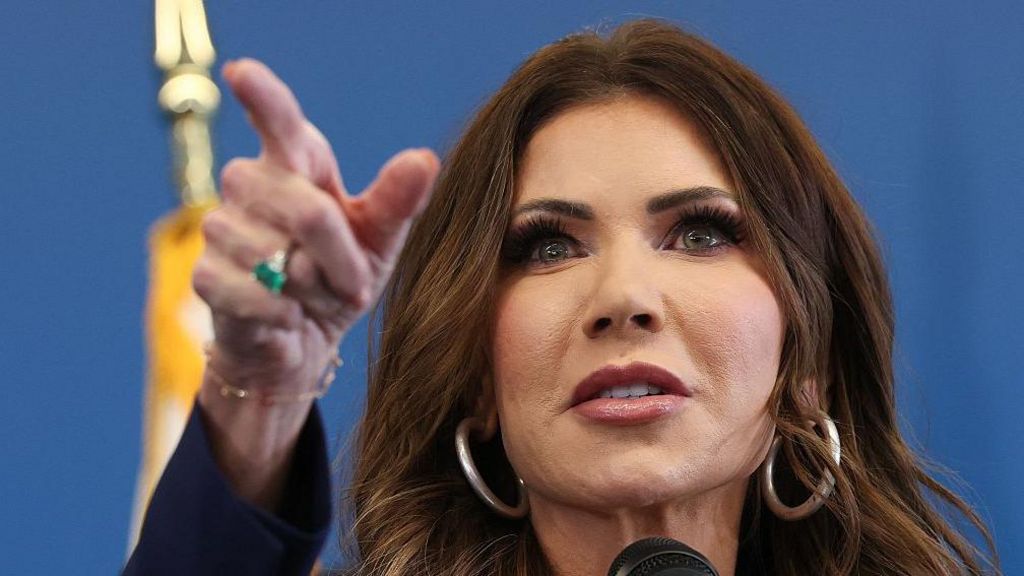
    Homeland Security Secretary Kristi Noem confirmed the deployment during a Fox News interview, stating the reinforcements would ensure safety for ICE and Border Patrol personnel operating in the city. The decision follows the fatal shooting of 37-year-old Renee Nicole Good, who was killed by an ICE agent during what authorities describe as an enforcement operation last Wednesday.

    Contrasting narratives have emerged regarding the circumstances of the shooting. Federal authorities maintain the agent acted in self-defense, while local officials assert Good posed no imminent threat. Video evidence shows ICE agents approaching Good’s vehicle in the middle of a street before the confrontation escalated.

    The incident has triggered widespread demonstrations across multiple U.S. cities. Minneapolis witnessed one of the largest gatherings with tens of thousands participating in the ‘ICE out of Minnesota’ rally this past weekend. Parallel protests emerged in Austin, Seattle, New York, and Los Angeles, though Minneapolis Mayor Jacob Frey characterized his city’s protest as peaceful despite 31 arrests over two days.

    Secretary Noem has drawn criticism for characterizing Good’s actions as ‘domestic terrorism,’ claiming the victim had ‘weaponized’ her vehicle against federal agents. Minneapolis Mayor Frey directly contradicted this assessment, telling CNN that video evidence clearly shows ‘a victim is not a domestic terrorist’ but rather someone attempting to execute a three-point turn to escape the scene.

    The political confrontation intensified when Minnesota Senator Tina Smith (D) accused the Trump administration of attempting to ‘cover up what happened here.’ The White House responded through spokesperson Abigail Jackson, accusing Smith of spreading lies that ‘inflame tensions and incite violence against law enforcement officers.’

    Multiple investigations are now underway, including an FBI probe and a separate state-level inquiry initiated after Minnesota officials claimed they were excluded from the federal investigation. The involved agent has been identified as Jonathan Ross, a veteran ICE officer previously injured in the line of duty.

    The escalating situation reflects broader tensions between federal immigration enforcement strategies and local governance, with Minnesota experiencing a significant surge in federal law enforcement presence as the administration intensifies immigration operations in the state.

  • India proposes forcing smartphone makers to give source code in security overhaul

    India proposes forcing smartphone makers to give source code in security overhaul

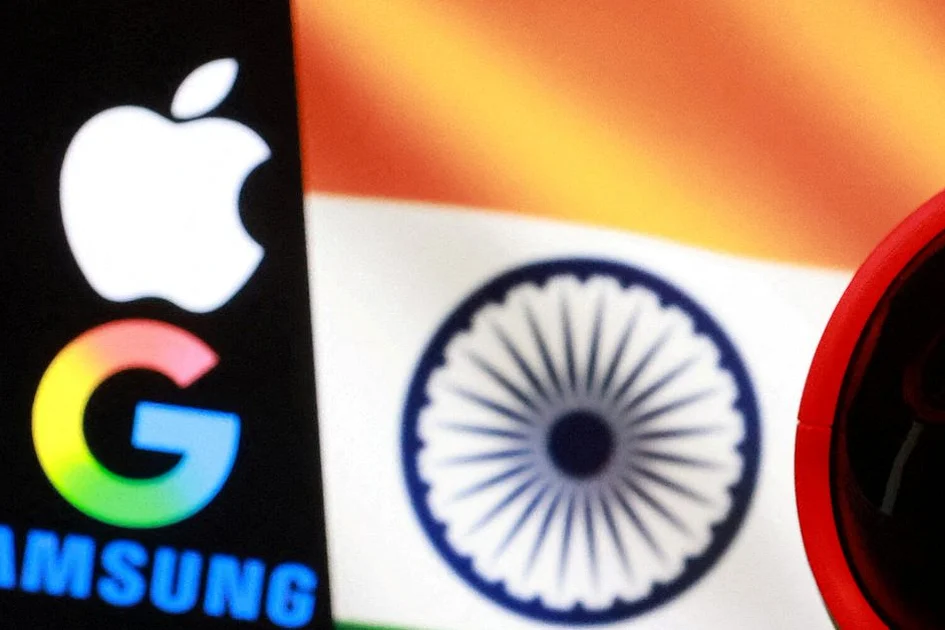
    In a bold cybersecurity initiative that has triggered significant industry opposition, the Indian government is advancing a comprehensive security framework that would compel smartphone manufacturers to surrender their proprietary source code for government analysis. The proposed regulations, comprising 83 distinct security standards, represent one of the most stringent technology oversight regimes globally.

    The security overhaul, championed by Prime Minister Narendra Modi’s administration, aims to address growing concerns about data breaches and online fraud in the world’s second-largest smartphone market, which serves approximately 750 million devices. Beyond source code access, the measures would require manufacturers to enable complete uninstallation of pre-installed applications, implement background restrictions on camera and microphone access, and mandate automatic malware scanning systems.

    Technology behemoths including Apple, Samsung, Google, and Xiaomi have mounted substantial behind-the-scenes resistance to the proposals through the Manufacturers’ Association for Information Technology (MAIT). Industry representatives argue that the requirements lack global precedent and threaten to compromise closely guarded intellectual property. In confidential communications reviewed by Reuters, MAIT characterized the source code review mandate as ‘not possible due to secrecy and privacy concerns,’ noting that no major markets in the EU, North America, Australia or Africa impose similar obligations.

    The proposed Telecom Security Assurance Requirements would establish designated Indian laboratories for source code analysis and vulnerability assessment. Additionally, manufacturers would be required to notify the National Centre for Communication Security about significant software updates before public release, granting authorities testing privileges—a requirement industry groups label as ‘impractical’ for time-sensitive security patches.

    IT Secretary S. Krishnan has indicated willingness to address ‘legitimate concerns’ while maintaining that premature conclusions should be avoided. This confrontation continues India’s pattern of assertive technology regulation, following previous mandates for pre-installed security apps and rigorous camera testing protocols that previously drew industry criticism.

    The ongoing consultations between ministry officials and technology executives will continue this week, with the government considering formal legal implementation of standards initially drafted in 2023.

  • Iran rights group warns of ‘mass killing’, govt calls counter-protests

    Iran rights group warns of ‘mass killing’, govt calls counter-protests

    Iran finds itself at a critical juncture as nationwide protests escalate into one of the most significant challenges to the Islamic Republic’s authority in decades. According to Norway-based Iran Human Rights (IHR), security forces have committed what amounts to “mass killing” with confirmed fatalities reaching 192 protesters, though unverified reports suggest the actual death toll could exceed 2,000 casualties.

    The demonstrations, initially triggered by economic grievances and rising living costs, have transformed into a broad movement against the theocratic establishment that has governed Iran since the 1979 revolution. Despite a comprehensive internet blackout lasting over 72 hours—severely restricting information flow and external communication—protests have continued to intensify across multiple cities.

    Disturbing visual evidence emerged Sunday showing dozens of bodies wrapped in black bags accumulating outside a morgue in Kahrizak, south of Tehran. The authenticated footage depicts grieving relatives searching for loved ones amid what rights organizations describe as a “major international crime against the people of Iran.”

    The Iranian government has responded by characterizing the unrest as “riots” orchestrated by foreign adversaries. President Masoud Pezeshkian accused arch-foes of attempting to escalate violence by importing “terrorists from abroad.” State media has broadcast images of burning buildings and funeral processions for security personnel killed in the clashes.

    In a strategic countermove, authorities have declared three days of national mourning for fallen security forces while organizing pro-government rallies framed as an “Iranian national resistance battle against America and the Zionist regime.” The government maintains that violence has been perpetrated by “urban terrorist criminals” and claims protest numbers are diminishing.

    The situation in Tehran approaches paralysis according to on-ground reports, with skyrocketing food prices, shuttered businesses, and early closures due to massive security deployments. More than 2,600 protesters have been arrested according to IHR estimates.

    Internationally, the son of Iran’s ousted shah has expressed readiness to return and lead a democratic transition, while U.S. President Donald Trump has threatened military action should the crackdown intensify. Iranian officials have warned that U.S. military and shipping would become “legitimate targets” in response to any American intervention.

  • Venezuelans await political prisoners’ release after government vow

    Venezuelans await political prisoners’ release after government vow

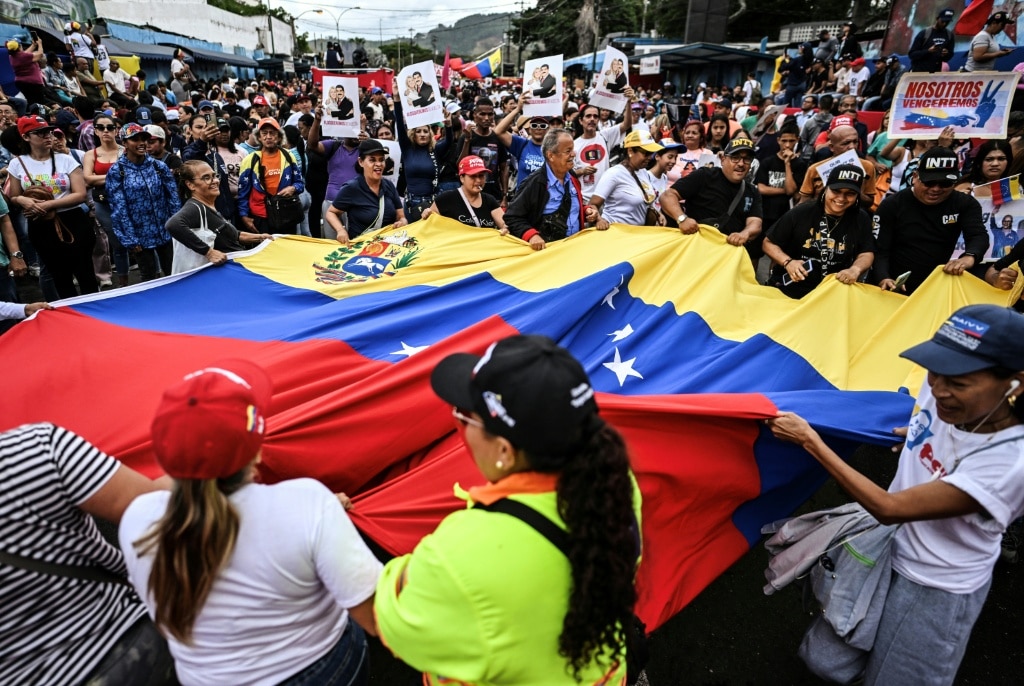
    Venezuela enters a pivotal week as the interim government of Delcy Rodriguez begins implementing its promised release of political detainees, following last week’s dramatic capture of former president Nicolas Maduro by U.S. forces. The development marks a significant diplomatic shift as Caracas moves to normalize relations with Washington.

    Interim President Rodriguez’s administration commenced prisoner releases last Thursday as a goodwill gesture, responding to U.S. demands for access to Venezuela’s substantial oil reserves. While government officials promised a ‘large-scale’ liberation, human rights organizations and opposition groups report approximately 20 individuals have regained freedom thus far, including several prominent government critics.

    The prisoner release initiative occurs against the backdrop of Maduro’s incarceration in New York, where he faces serious drug-trafficking and weapons charges. From his detention facility, the ousted leader conveyed through his son that he remains ‘doing well’ despite the extraordinary circumstances of his capture during a January 3rd raid authorized by President Trump.

    Human rights advocates estimate between 800-1,200 political prisoners remain detained across Venezuelan facilities, including the notorious El Helicoide intelligence service prison and El Rodeo penitentiary. Families maintained vigil outside these institutions over the weekend, holding candlelight demonstrations and displaying signs bearing their relatives’ names.

    The political tension intensified with Sunday’s confirmation of a detained police officer’s death in state custody. Opposition groups identified the deceased as Edison Jose Torres Fernandez, a 52-year-old officer accused of ‘treason’ for sharing messages critical of Maduro’s government. Justice First, an opposition faction, directly blamed Rodriguez’s administration for the fatality.

    Meanwhile, the Trump administration continues applying pressure beyond Venezuela’s borders, specifically targeting Havana. President Trump warned Cuba to ‘make a deal’ or face consequences, explicitly threatening to切断 the flow of Venezuelan oil that has sustained the island nation under US embargo. Cuban President Miguel Diaz-Canel responded defiantly, asserting readiness to ‘defend the homeland to the last drop of blood.’

    Venezuela’s foreign ministry issued a statement advocating for ‘political and diplomatic dialogue’ between Washington and Havana, emphasizing principles of ‘non-interference, sovereign equality of states, and the right of peoples to self-determination.’

    As diplomatic envoys from the United States visited Caracas to discuss reopening embassy operations, the interim government maintains it will pursue ‘the diplomatic route’ while insisting Venezuela remains not ‘subordinate’ to Washington—a delicate balancing act aimed at placating Maduro’s still-influential political base.

  • World Gold Council sees precious metal remaining rangebound this year

    World Gold Council sees precious metal remaining rangebound this year

    The World Gold Council (WGC) projects gold prices to remain rangebound throughout 2026, following an extraordinary performance in 2025 that saw the precious metal achieve 53 record highs and finish with a remarkable 67% annual gain in US dollar terms. According to the global body’s comprehensive analysis, gold enters the new year priced at approximately $4,368 per ounce, reflecting market consensus expectations of steady global growth, modest Federal Reserve rate reductions, and a marginally stronger US dollar.

    The Council outlines four distinct scenarios for gold’s trajectory in 2026. The base case anticipates rangebound trading amid stable economic conditions. However, the analysis reveals a pronounced upside bias should economic conditions deteriorate. A ‘shallow slip’ scenario involving softer growth and deeper policy easing could propel prices 5-15% higher, while a ‘doom loop’ of synchronized global downturn coupled with elevated geopolitical risks might trigger a substantial 15-30% surge. Conversely, stronger-than-expected US growth with higher yields and dollar strength could pressure gold downward by 5-20%.

    December 2025 witnessed historic gains across precious metals, though gold’s ascent appeared more measured compared to the volatile movements in silver and platinum. The WGC attributes gold’s strong performance to robust options activity, emerging market currency tailwinds, and falling yields, with geopolitical concerns remaining a persistent driver throughout the previous year.

    Critical wildcards that could significantly influence gold’s direction include central bank purchasing patterns—particularly from emerging markets where gold reserves remain below advanced-economy shares—and potential increases in recycling flows. Additionally, the pending Supreme Court decision regarding tariff authorities under IEEPA represents another swing factor that could either entrench policy risk premiums or refocus attention on fiscal deficits.

    Despite the rangebound base case, the Council emphasizes that gold’s fundamental supports—policy uncertainty, persistent geopolitical risks, and active investment demand—remain firmly intact. With tail risks multiplying and real rates cyclically elevated, the metal’s portfolio role as a diversifier and hedge against downside risk continues to offer compelling value for investors navigating an increasingly uncertain global landscape.

  • Trump vows to cut off Cuba’s oil after toppling Venezuelan ally Maduro

    Trump vows to cut off Cuba’s oil after toppling Venezuelan ally Maduro

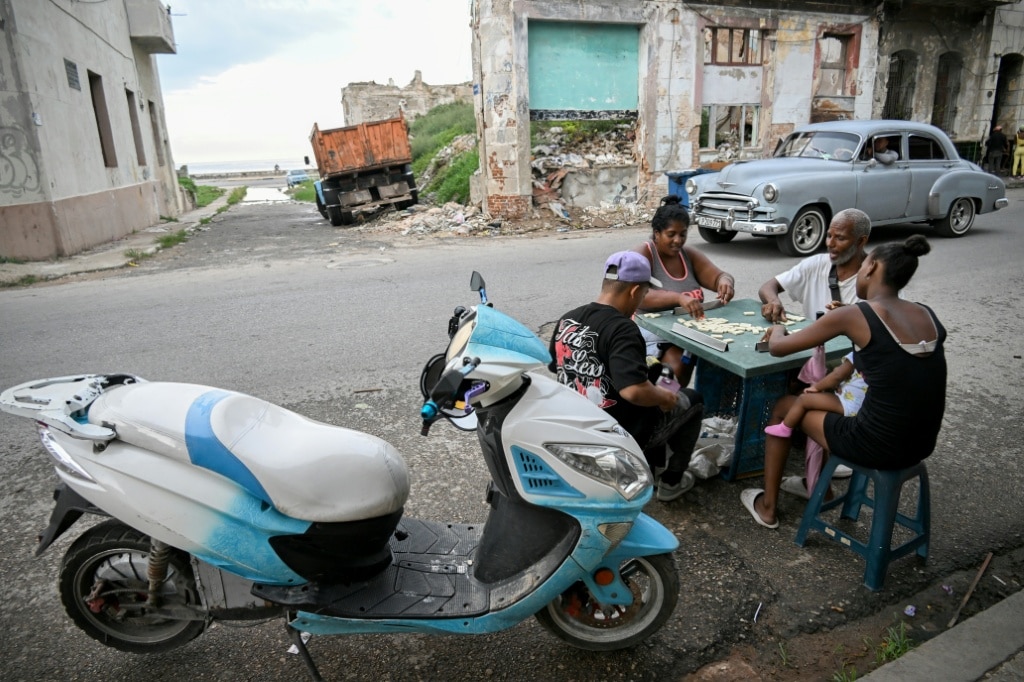
    In a significant escalation of hemispheric tensions, former U.S. President Donald Trump has issued a stark warning to Cuba regarding its energy security following the recent overthrow of Venezuelan leader Nicolás Maduro. Through his Truth Social platform, Trump declared an imminent complete cessation of oil and financial resources flowing to the communist nation, asserting that Venezuela’s new leadership would no longer provide subsidized petroleum that Cuba had received for decades.

    The controversial statements prompted an immediate and defiant response from Cuban leadership. President Miguel Díaz-Canel explicitly rejected external pressure, affirming Cuba’s sovereignty and readiness to defend national interests. Foreign Minister Bruno Rodríguez similarly emphasized Cuba’s right to engage in energy trade without submitting to unilateral coercive measures.

    This exchange occurs against the backdrop of a dramatic U.S. military operation that resulted in the capture of Maduro and numerous casualties among his security detail, many reportedly Cuban nationals. Trump has characterized the operation as liberation from extortionist protection arrangements, while framing Cuba’s economic predicament as an opportunity for political change.

    The historical context reveals deepening complexities: since 1962, the U.S. embargo has constrained Cuba’s economy, with Caracas becoming Havana’s crucial petroleum supplier since 2000 through agreements initiated by Hugo Chávez. Cuban citizens expressed mixed reactions, with some dismissing Trump’s rhetoric as empty threats and others advocating for diplomatic resolution.

    Notably, Trump’s aggressive posture extends beyond Cuba, with recent threats directed toward Colombia, Mexico, Iran, and even Greenland. The statements received endorsement from Republican allies including Florida Congressman Mario Díaz-Balart, who predicted the collapse of Cuban leadership under continued pressure. This development signals a potential return to heightened confrontation in U.S.-Cuba relations should Trump return to power.

  • Why Dubai’s property boom is built to last for a long time

    Why Dubai’s property boom is built to last for a long time

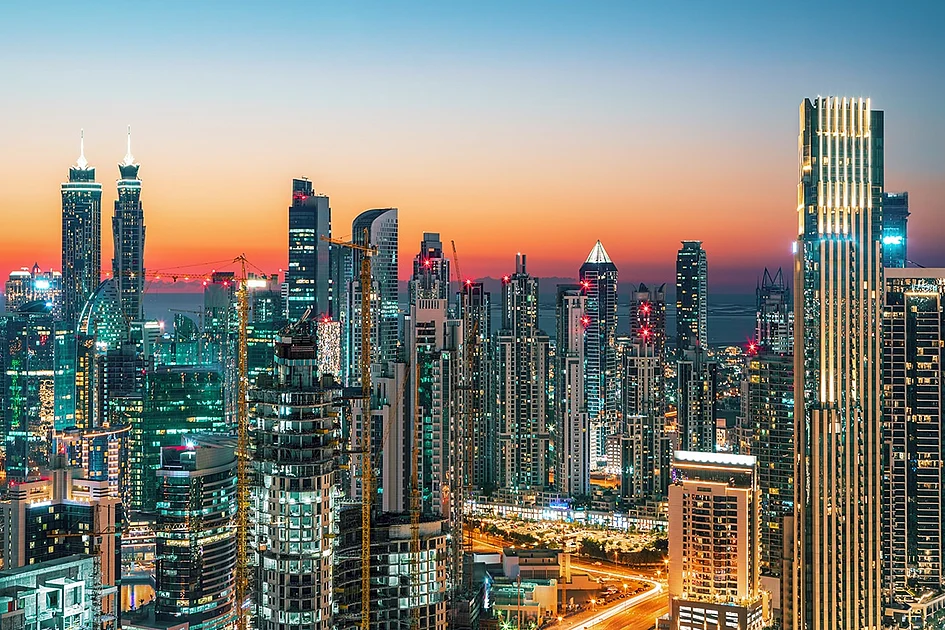
    Dubai’s property market continues to demonstrate remarkable resilience with inflation-adjusted home prices surging approximately 11% in 2025, significantly outperforming most major metropolitan markets globally according to UBS Group AG’s latest Global Real Estate Bubble Index. This growth trajectory, while drawing comparisons to overheated housing markets worldwide, is fundamentally supported by structural demand drivers rather than speculative excess.

    The emirate’s extraordinary demographic expansion serves as the primary differentiator from other global cities. Since 2020, Dubai’s population has grown by nearly 15%, surpassing four million residents for the first time in 2025, with over 208,000 new residents added last year alone. This rapid population growth—characterized by a youthful demographic with 60% under age 35 and nearly 90% expatriate composition—continues to generate sustained household formation and rental demand.

    UBS analysts note that while bubble risks have increased globally for the second consecutive year, Dubai’s risk profile remains below that of cities like Miami, Zurich, and Tokyo. Claudio Saputelli, Head of Swiss and Global Real Estate at UBS Wealth Management, explains: ‘Dubai’s population growth has tightened available supply and pushed rents higher. Over the past five years, rent increases outpaced home price gains, though property prices have recently begun to overtake rent growth as investment demand strengthens.’

    Despite accelerating new supply with approximately 100,000 residential units scheduled for completion in 2026, market participants argue that historical delivery patterns show 30-40% of forecast supply typically experiences delays. When adjusted for construction slippage and matched against unprecedented population growth, supply remains broadly aligned with absorption rates.

    Policy interventions have further reshaped market foundations. The Golden Visa program, issuing over 250,000 long-term residencies since 2021, has accelerated a strategic shift from short-term ownership toward permanent settlement. Transaction data from Betterhomes indicates cash buyers accounted for 49% of Q3 2025 transactions, while end-users represented approximately half of all transactions earlier in the year—signaling growing participation from residents purchasing primary homes rather than speculative investors.

    International demand remains broadly diversified with buyers from India, the UK, Pakistan, Europe, Russia, North America, and sustained inflows from Gulf and MENA regions. This diversity contrasts sharply with overheated global markets where price growth has increasingly decoupled from income growth.

    While UBS notes exposure to oil price volatility and rising regional competition from Abu Dhabi’s expanded investor incentives and Saudi Arabia’s planned international buyer zones under Vision 2030, Dubai’s first-mover advantage, regulatory clarity, and deep liquidity provide resilience that newer markets lack. Economic diversification across tourism, logistics, finance, and technology continues to support employment and wage expansion, helping cap speculative excess even as prices climb.

    The challenge for Dubai’s market moving forward is less about abrupt correction risks and more about successfully managing growth—maintaining disciplined supply delivery, ensuring infrastructure development outpaces demand, and aligning policy with long-term residency objectives rather than short-term speculation.

  • Fury over alleged Islamophobic attack on Muslim religious leader

    Fury over alleged Islamophobic attack on Muslim religious leader

    A prominent Muslim religious leader and his wife became targets of a vicious alleged hate crime in Victoria on Saturday evening, sparking widespread condemnation from community and government officials. Imam Ismet Purdic, leader of the Bosnia-Herzegovina Islamic Society’s Noble Park Mosque, was traveling with his wife along South Gippsland Highway toward Dandenong approximately at 7:40 PM when occupants of another vehicle initiated a racially motivated confrontation.

    According to Victoria Police reports, the assailants engaged in racial abuse before strategically blocking the victims’ vehicle, compelling them to divert to a nearby service station. The situation escalated dramatically when Imam Purdic exited his car, at which point he sustained a physical assault including being punched in the face while simultaneously receiving threats toward his wife. Bystanders eventually intervened to prevent further violence and damage to the vehicle.

    The Australian National Imams Council (ANIC) issued a forceful statement characterizing the incident as a ‘cowardly attack’ that highlights escalating dangers facing visibly Muslim Australians. The organization specifically noted the attackers employed tactics consistent with white-supremacist ideology and dangerous driving maneuvers to intimidate their targets.

    Victorian Multicultural Affairs Minister Ingrid Stitt denounced the incident as ‘violent, racist, Islamophobic and misogynistic,’ emphasizing that no Victorian should fear for their safety while simply driving. She particularly highlighted the threat against Muslim women, stating none should fear having their hijab forcibly removed.

    Law enforcement authorities have taken decisive action, arresting three individuals in connection with the attack. A 23-year-old Cranbourne North man faces criminal damage and common law assault charges and remains in custody awaiting court proceedings. A 22-year-old Cranbourne East man received bail and will appear in court on May 22, while an 18-year-old Dandenong South woman was released pending summons.

    ANIC further contextualized this incident within a broader pattern of rising Islamophobia, reporting a staggering 200% increase in anti-Muslim hate incidents since mid-December. The organization attributed this alarming trend to divisive political rhetoric and irresponsible media commentary that falsely equates peaceful pro-Palestinian advocacy with extremist violence.

    Imam Purdic, who has served as a religious leader and interfaith advocate for over twelve years through the Interfaith Network Dandenong, expressed gratitude that his children were not present during the traumatic event. He has subsequently called for national unity in combating such hatred and violence.