作者: admin

  • Indian officials say Pakistani drones seen over border areas: Media reports

    Indian officials say Pakistani drones seen over border areas: Media reports

    Indian security personnel detected multiple unmanned aerial vehicles originating from Pakistani airspace conducting surveillance operations along the sensitive border regions of Jammu and Kashmir on Sunday evening. According to official statements conveyed through Press Trust of India, the incident occurred in the strategically significant districts of Samba, Rajouri, and Poonch along the International Border and Line of Control.

    The aerial objects, classified as suspected reconnaissance drones, entered Indian airspace and remained operational for several minutes before returning to Pakistani territory. Security analysts note this pattern aligns with previous incidents where drones have been utilized for intelligence gathering or potential smuggling operations across the contested border region.

    In response to the unauthorized incursions, Indian border security units immediately initiated comprehensive ground search operations across the affected forward areas. Standard protocol for such incidents involves heightened alert status, enhanced patrol deployments, and technical surveillance augmentation to monitor subsequent developments.

    This incident occurs within the broader context of ongoing tensions between the nuclear-armed neighbors, where cross-border drone activity has become an increasingly frequent security challenge. Both nations maintain extensive surveillance infrastructure along the border, with such incidents typically prompting formal diplomatic communications through established channels.

    The Jammu and Kashmir region remains one of the world’s most heavily militarized zones, with both countries maintaining robust defensive positions along the demarcation line. Technological advancements in unmanned aerial capabilities have added a new dimension to the long-standing security considerations in the region.


  • AFL: North Melbourne’s Jackson Archer won’t feature in 2026

    AFL: North Melbourne’s Jackson Archer won’t feature in 2026

    North Melbourne Football Club has been dealt a significant blow with the confirmation that defender Jackson Archer has sustained a complete anterior cruciate ligament rupture during a pre-season training session. The devastating injury occurred on Saturday when the 23-year-old went down during drills, with subsequent medical scans revealing the full extent of the damage.

    The club issued an official statement confirming the season-ending setback: “The club will continue to support Archer as he meets with the medical team this week to work through his rehabilitation program.” This development marks another chapter in what has been a frustrating period for the young athlete, who managed only three appearances in the 2025 season following his breakthrough performance the previous year.

    Archer’s recent career has been plagued by multiple setbacks, including a controversial Round 1 suspension last season followed by separate hamstring and ankle injuries that limited his participation. The latest ACL injury represents perhaps the most challenging obstacle yet for the talented defender, who comes from impressive football lineage—his father Glenn Archer played over 300 games for the Kangaroos and earned the prestigious Norm Smith Medal in 1996.

    The injury not only impacts Archer’s personal career trajectory but also represents a significant loss for North Melbourne’s defensive lineup as they prepare for the upcoming season. The club now faces the challenge of reorganizing their defensive strategy while supporting Archer through what is typically a 9-12 month rehabilitation process for such injuries.

  • Meta blocks 550,000 accounts under Australia’s social media ban

    Meta blocks 550,000 accounts under Australia’s social media ban

    Australia has implemented the world’s most stringent social media restrictions for minors, drawing international scrutiny as governments worldwide grapple with youth online safety. The groundbreaking legislation, enacted in December, mandates that major platforms including Instagram, Facebook, and Threads prohibit Australians under 16 from creating accounts—without parental consent exemptions that exist in other jurisdictions.

    During the initial implementation phase, Meta reported blocking approximately 550,000 accounts across its platforms: 330,639 on Instagram, 173,497 on Facebook, and 39,916 on Threads. The company, while acknowledging the need for enhanced youth protection measures, continues advocating for alternative approaches through app store-level age verification systems. Meta argues this method would create more consistent industry-wide standards while avoiding what it describes as a ‘whack-a-mole effect’ of teens migrating to new platforms.

    The policy has garnered substantial parental support and international interest, with the UK Conservative Party recently pledging similar measures if elected. However, concerns persist regarding implementation effectiveness. Digital safety experts note that determined minors can circumvent age verification systems through technological workarounds, potentially driving them toward less regulated online spaces.

    Additionally, mental health advocates and youth representatives highlight unintended consequences, particularly for vulnerable communities including LGBTQ+, neurodivergent, and rural youth who often rely on digital platforms for social connection and support systems. Critics argue the blanket approach may leave adolescents less prepared to navigate online environments responsibly.

    As the European Union and various U.S. states experiment with their own youth protection frameworks, Australia’s uncompromising stance provides a real-world laboratory for assessing the balance between safety concerns and digital access rights for younger generations.

  • Trump ‘inclined’ to keep ExxonMobil out of Venezuela after CEO response at White House meeting

    Trump ‘inclined’ to keep ExxonMobil out of Venezuela after CEO response at White House meeting

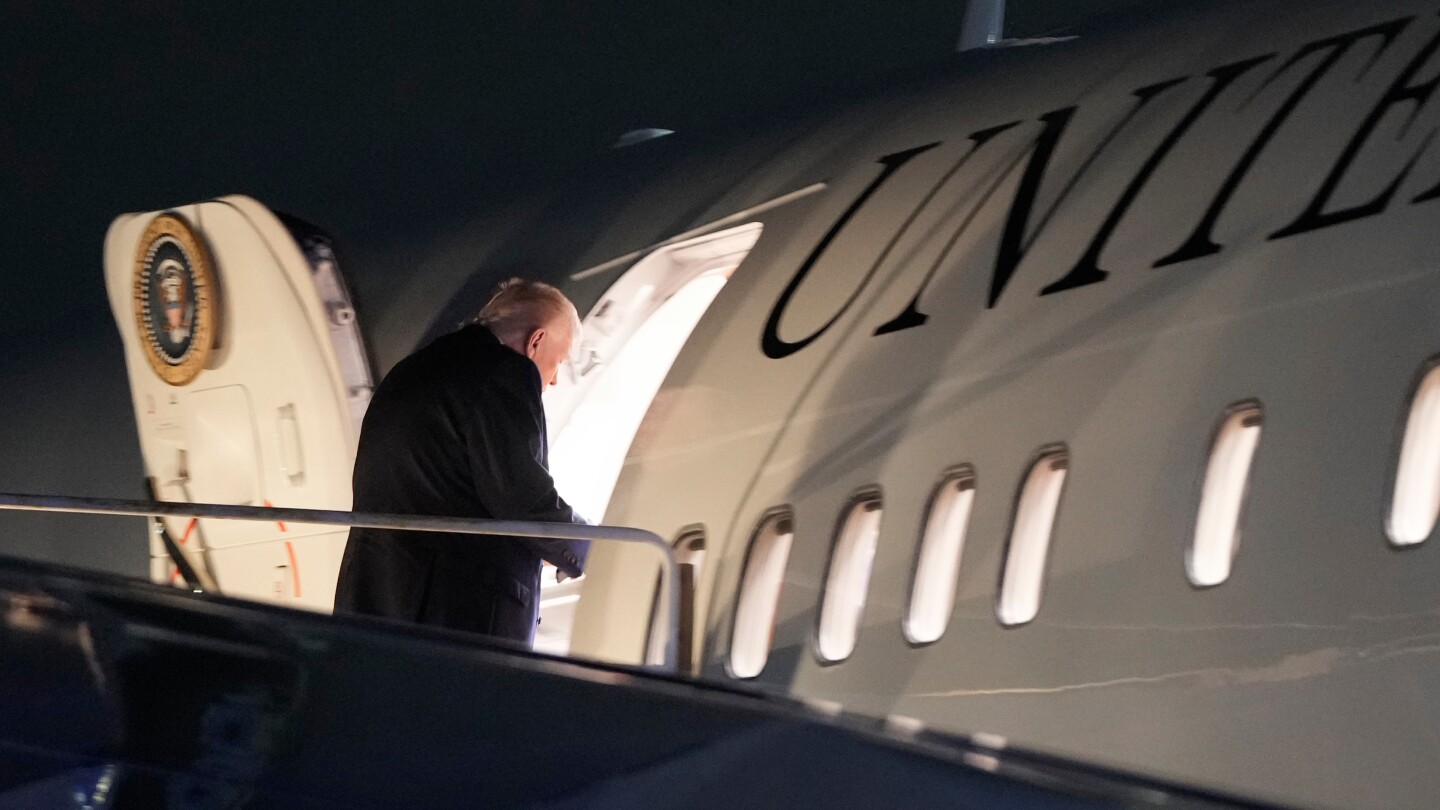
    ABOARD AIR FORCE ONE — President Donald Trump expressed strong reservations about allowing ExxonMobil to participate in Venezuela’s oil sector following critical comments from the company’s leadership. Speaking to journalists aboard Air Force One en route from West Palm Beach, Florida, Trump revealed his dissatisfaction with the oil giant’s stance, characterizing their position as “playing too cute” with investment opportunities.

    The administration’s push for energy sector engagement follows the political transition from former President Nicolás Maduro. During a high-level meeting with petroleum executives on Friday, Trump attempted to alleviate corporate concerns by assuring direct negotiation channels with the United States government rather than Venezuelan authorities.

    ExxonMobil CEO Darren Woods presented a contrasting view, stating current commercial frameworks in Venezuela render the country “uninvestable” under existing conditions. The corporation’s representatives declined immediate commentary when contacted Sunday regarding Trump’s remarks.

    In parallel developments, the President signed an executive order Friday designed to shield Venezuelan oil revenues from potential judicial seizure. The order, publicly disclosed Saturday, argues that asset protection is essential for maintaining U.S. stabilization efforts amid Venezuela’s history of resource nationalization, ongoing sanctions, and prolonged political volatility.

    The White House has prioritized energy infrastructure rehabilitation as a cornerstone of its Venezuela policy, implementing measures including tanker interdictions and assuming control over global sales of 30-50 million barrels of previously sanctioned crude oil indefinitely.

  • Himalayas bare and rocky after reduced winter snowfall, scientists warn

    Himalayas bare and rocky after reduced winter snowfall, scientists warn

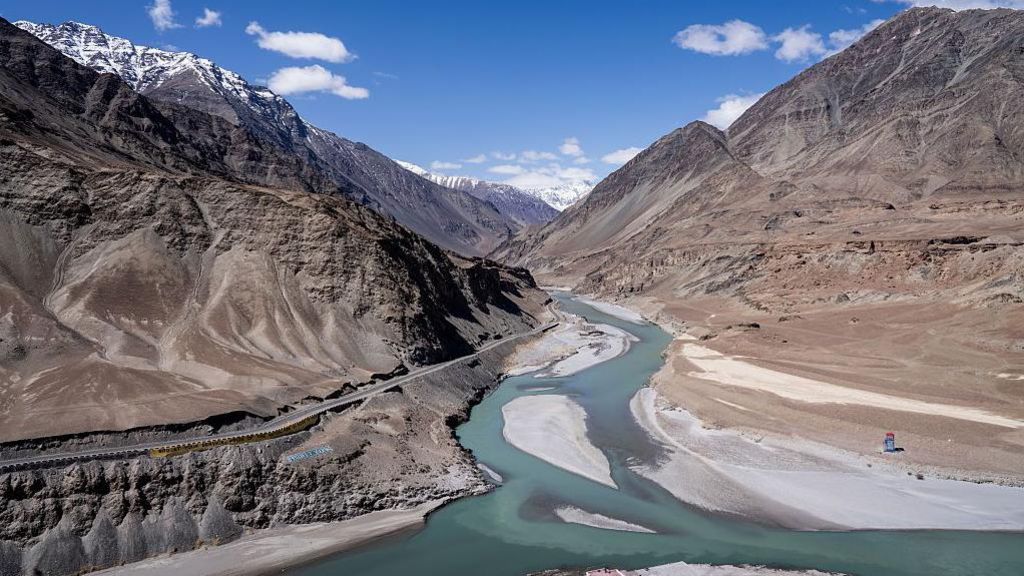
    The Himalayan mountain range is experiencing an unprecedented winter snow crisis, with meteorologists reporting dramatically reduced snowfall across the region during what should be its snow-heavy season. Scientific evidence confirms that most winters over the past five years have registered below-average precipitation compared to the 1980-2020 baseline, leaving mountains unusually bare and rocky.

    Multiple scientific reports, including those from the Intergovernmental Panel on Climate Change, attribute this phenomenon primarily to global warming. Rising temperatures not only reduce snowfall but accelerate melting of what little snow does accumulate. The region is now experiencing what experts term ‘snow drought’ at elevations between 3,000 and 6,000 meters.

    According to data from the Indian Meteorological Department, nearly all of northern India recorded zero precipitation during December. Projections indicate an alarming 86% reduction from long-period averages for January through March across northwest India, including Uttarakhand, Himachal Pradesh, Jammu and Kashmir, and Ladakh.

    Dr. Kieran Hunt, principal research fellow in tropical meteorology at the University of Reading, states: ‘There is now strong evidence across different datasets that winter precipitation in the Himalayas is indeed decreasing.’ His 2025 study incorporating four distinct datasets between 1980-2021 consistently shows precipitation reduction across western and central Himalayan regions.

    Supporting research from Hemant Singh of the Indian Institute of Technology in Jammu reveals a 25% snowfall decrease in the northwestern Himalayas over the past five years compared to the 40-year average. Nepal’s central Himalayas show similar patterns, with meteorologist Binod Pokharel noting essentially zero rainfall since October and consistently dry winters over recent years.

    The International Centre for Integrated Mountain Development (ICIMOD) reports the 2024-2025 winter saw a 23-year record low of nearly 24% below-normal snow persistence (snow remaining on ground without melting). Four of the past five winters registered below-normal snow persistence across the Hindu Kush Himalaya region.

    Scientists point to weakening westerly disturbances – low-pressure systems from the Mediterranean that traditionally bring cold air and moisture – as a primary culprit. These systems have become ‘feeble’ according to the Indian weather department, tracking northward and failing to collect adequate moisture from the Arabian Sea.

    The consequences extend far beyond aesthetic changes to mountain landscapes. Snowmelt typically contributes approximately one-fourth of the total annual runoff for 12 major river basins, meaning nearly two billion people face potential water security threats. Reduced winter precipitation also increases forest fire risks due to drier conditions and destabilizes mountains through loss of ice and snow that traditionally act as natural cement, leading to increased rockfalls, landslides, and glacial lake outbursts.

    This snow crisis compounds existing problems from accelerated glacier melting, creating what experts describe as a ‘double trouble’ scenario for the region that will have profound consequences for ecosystems and human populations dependent on Himalayan water systems.

  • ‘Complete crisis’: Ex-director’s dire warning after Palestinian author axed from Adelaide festival

    ‘Complete crisis’: Ex-director’s dire warning after Palestinian author axed from Adelaide festival

    The Adelaide Writers’ Week, a cornerstone of Australia’s literary calendar, is confronting severe organizational turmoil following the controversial removal of Palestinian-Australian author Dr. Randa Abdel-Fattah from its 2026 program. The decision has triggered a chain reaction of resignations and participant withdrawals that threatens the festival’s viability.

    Former festival director Jo Dyer characterized the situation as “complete crisis,” revealing that nearly 100 authors have withdrawn from the event. The mass exodus includes prominent figures such as National Museum of Australia chair Clare Wright and Miles Franklin Award winners Michelle de Krester and Melissa Lucashenko.

    The crisis deepened with the resignation of board chair Tracey Whiting, who announced her departure via social media on Sunday. Her exit followed three earlier board resignations from journalist Daniela Ritorto, businesswoman Donny Walford, and lawyer Nicholas Linke OAM. These departures have left the board without quorum, with only three voting members remaining.

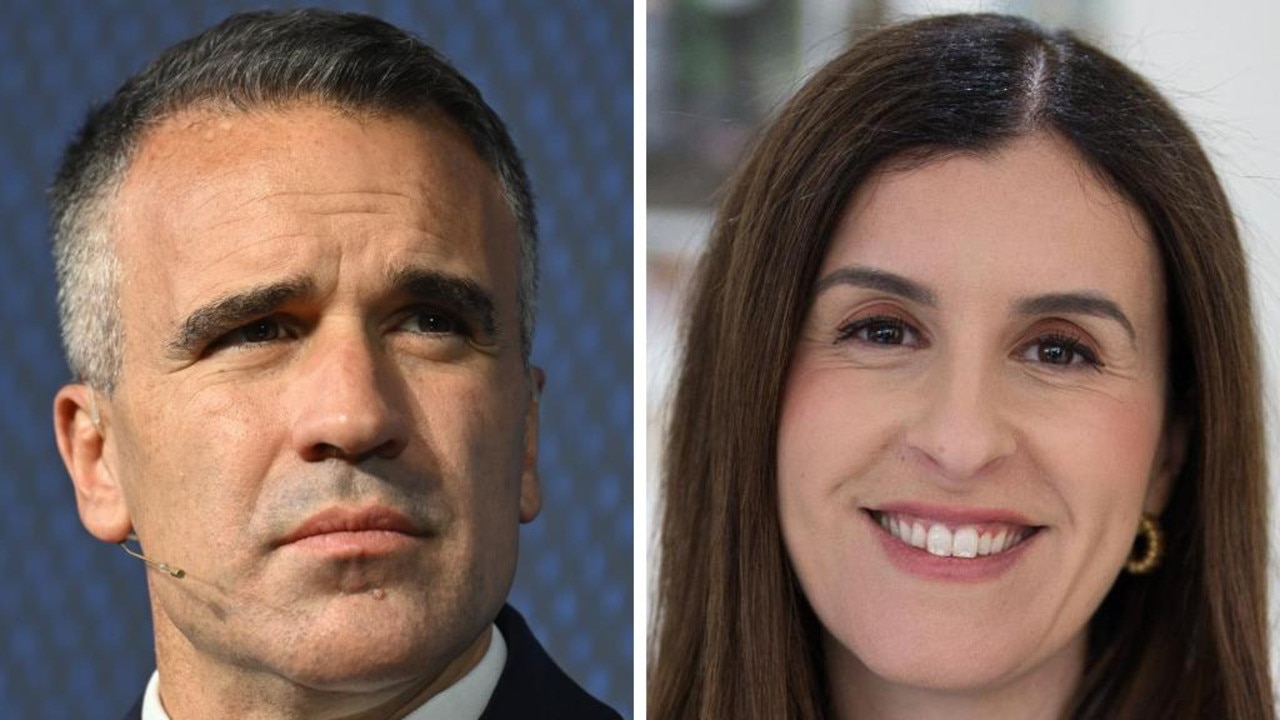
    South Australian Premier Peter Malinauskas has become embroiled in the controversy, with critics accusing him of applying political pressure regarding Dr. Abdel-Fattah’s participation. While denying direct intervention, the Premier acknowledged expressing concerns about the author’s inclusion following recent tragic events at Bondi Beach. He stated that his government “did not support her inclusion” in the program, citing sensitivity toward the Jewish community while maintaining he respected the board’s legal independence.

    The festival board defended its decision, stating the removal came after weeks of internal review and reflected consideration of “cultural sensitivity” following national tragedies. However, Dr. Abdel-Fattah condemned the action as “a blatant and shameless act of anti-Palestinian racism and censorship,” rejecting any association with the Bondi incident.

    The author has engaged legal representation, with Marque Legal lawyer Michael Bradley issuing a preservation notice for all documents related to the decision. The controversy echoes previous tensions at the festival, which faced similar challenges in 2023 when Palestinian authors’ inclusion prompted sponsor withdrawals and calls for leadership changes.

  • Nine ways to take care of your mental health in 2026

    Nine ways to take care of your mental health in 2026

    As we transition from 2025 into the new year, mental health experts are advocating for proactive cognitive care strategies backed by scientific research. The convergence of neurological studies and psychological insights has yielded nine evidence-based approaches to enhance mental resilience and cognitive function throughout 2026.

    Research continues to demonstrate the profound impact of physical activity on brain health. Recent findings indicate that maintaining a daily step count between 5,001-7,500 steps significantly reduces cognitive decline risk, particularly among adults with Alzheimer’s predisposition. Even moderate movement of 3,000-5,000 steps daily provides substantial protective benefits compared to sedentary lifestyles.

    Organizational psychology suggests that targeted decluttering—specifically addressing single problem areas like junk drawers—can alleviate mental burden and provide psychological control in chaotic environments. This focused approach offers tangible cognitive relief without overwhelming the individual.

    The practice of self-compassion emerges as critical for emotional resilience. Experts recommend recognizing negative self-talk patterns and implementing compassion breaks through nurturing self-dialogue and understanding. This technique helps rebalance the empathy gap many experience between how they treat others versus themselves.

    Social neuroscience reveals that super-agers (octogenarians with exceptional cognitive function) share strong social connectivity patterns rather than specific diets or exercise regimens. Maintaining active social relationships appears to build cognitive resistance against age-related decline.

    Environmental psychology studies demonstrate that exposure to natural settings significantly enhances attention, creativity, and mood. Research conducted at arboretums shows measurable improvements in cognitive performance and more efficient brain activity patterns following nature immersion.

    Digital detoxification strategies have evolved beyond simple time limits. Experts now recommend designated phone-free days, physical barriers to access, and goal-oriented displacement activities that naturally reduce screen time through engaging alternatives.

    Auditory health has gained recognition as a dementia prevention factor. Neurologists emphasize hearing protection through earplugs in loud environments and regular hearing assessments for those over 50 or frequently exposed to noise.

    Sleep science highlights the particular importance of deep and REM sleep phases for cognitive restoration and memory consolidation. Consistent sleep hygiene practices support these critical phases, while cognitive shuffling techniques provide effective solutions for sleep initiation difficulties.

  • St Kilda backs Stephen and Jack Silvagni at club following Tom  Silvagni’s rape conviction

    St Kilda backs Stephen and Jack Silvagni at club following Tom Silvagni’s rape conviction

    In a definitive statement addressing the ongoing repercussions of a serious criminal conviction within a prominent football family, St Kilda Football Club has publicly affirmed its continued commitment to player Jack Silvagni and list manager Stephen Silvagni. This declaration comes despite the recent rape conviction and subsequent imprisonment of their family member, Tom Silvagni.

    The club’s position was formally articulated by newly appointed General Manager Lenny Hayes during a Monday morning address. Hayes characterized the situation as ‘a really challenging time for the family’ while emphasizing the organization’s dedication to supporting its personnel through personal difficulties. ‘We support all our people,’ Hayes stated unequivocally. ‘We fully support Jack and even Stephen. They’re fully committed to their roles this year as we are to them.’

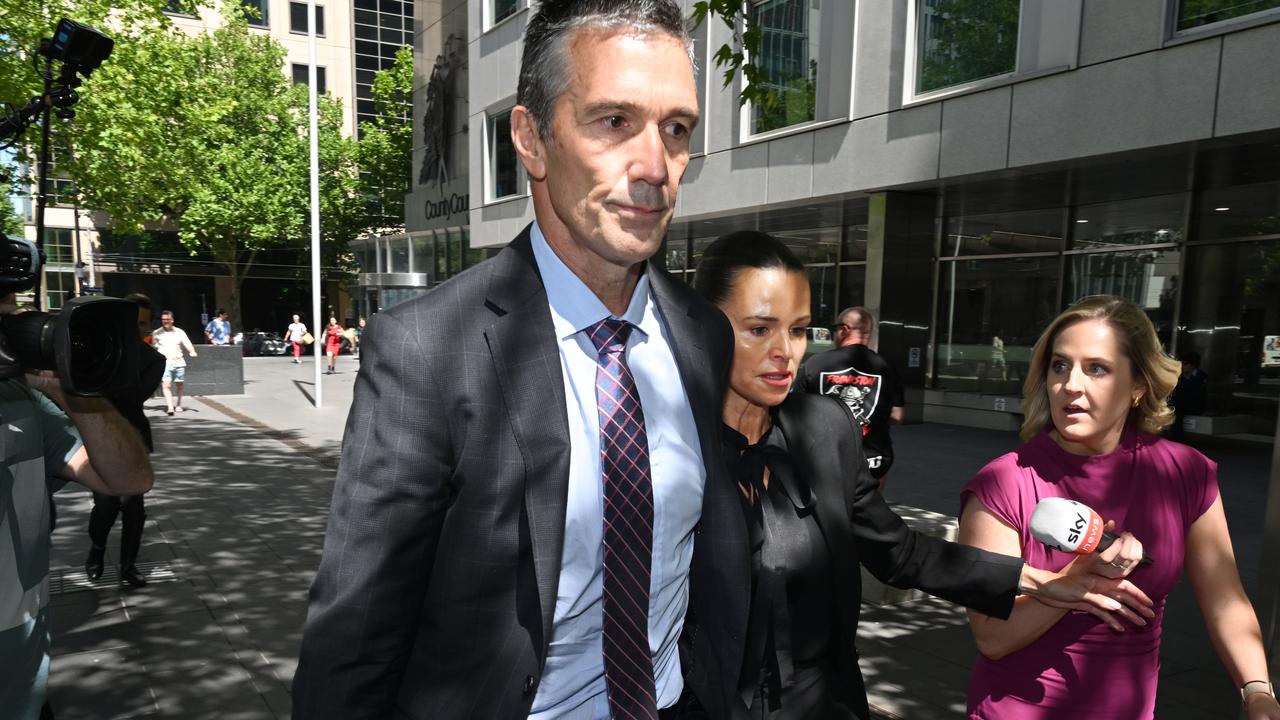
    This organizational backing extends to both Silvagnis despite the serious nature of the unrelated criminal case. Tom Silvagni, brother to Jack and son of Stephen, received a prison sentence exceeding six years in December after being found guilty on two counts of rape. The offenses occurred at the family residence in January 2024, though both Jack and Stephen Silvagni remain entirely unconnected to the criminal proceedings and have not been accused of any wrongdoing.

    The timing of these developments presents particular challenges for the club. Jack Silvagni joined St Kilda during the off-season period while his brother’s case remained under a court-issued suppression order, meaning the full details were not publicly known at the time of his recruitment. The 28-year-old defender, considered a significant addition to the Saints’ defensive lineup, has faced additional complications after sustaining an injury during pre-Christmas training sessions.

    Currently undergoing a carefully managed rehabilitation program, Silvagni is progressively reintegrating into light training drills. Club officials express optimism regarding his recovery timeline, with Hayes projecting a return to full training participation by the conclusion of January. The General Manager further highlighted the valuable attributes Silvagni brings to the team, noting expectations for his ‘enormous experience,’ ‘leadership,’ and ‘high-quality performance’ to significantly bolster the club’s defensive strategies throughout the upcoming season.

  • UAE: Amazon Creators Foundry announced to help creators sell products online

    UAE: Amazon Creators Foundry announced to help creators sell products online

    In a significant move to bolster the creator economy, Amazon has unveiled the Creators Foundry initiative in collaboration with Creators HQ, the Middle East’s first dedicated creators’ hub. Announced during the fourth edition of the 1 Billion Followers Summit in Dubai, this program represents a strategic partnership between Amazon Ads and the UAE Government Media Office.

    The initiative establishes a comprehensive framework to empower UAE-based content creators by providing end-to-end support for launching and scaling product businesses on Amazon.ae. The program addresses the evolving nature of the creator economy, which is rapidly transitioning from content monetization to full-scale entrepreneurship.

    Eligible participants within the Creators HQ network will gain access to Amazon’s extensive infrastructure, seller tools, and global marketplace reach. The program includes specialized education covering retail fundamentals, product development strategies, digital marketing techniques, and brand building in the digital age. Participants will also receive mentorship opportunities and Amazon Ads credits to enhance their market visibility.

    A distinctive feature of the initiative enables creators to expand beyond local markets through Amazon’s global selling registration program, connecting them with hundreds of millions of international customers across Amazon’s worldwide store network.

    Alia Al Hammadi, Vice Chairperson of the UAE Government Media Office, emphasized the strategic importance of this initiative: “The UAE has established itself as a global destination for the creator economy, and Amazon Creators Foundry demonstrates how this vision translates into tangible opportunities for digital entrepreneurs. We’re nurturing a new generation of innovators who will shape the future of commerce and drive the growth of the UAE’s digital economy.”

    Rayan Karaky, Managing Director of Amazon Ads for EMEA and Southeast Asia, noted the transformative nature of the program: “The creator economy is entering a phase where influence meets innovation. Creators understand their audiences better than anyone—they know what truly resonates and what their communities want. Amazon Creators Foundry bridges the gap between these unique insights and commercial success.”

    The announcement coincided with the 1 Billion Followers Summit, which brought together over 15,000 content creators and influencers alongside 500 speakers representing a combined global audience of 3.5 billion followers. This initiative reinforces the UAE’s position as a leading global hub for the digital creator economy and innovation ecosystem.

  • Hong Kong court to hear plea for lighter sentence in pro-democracy ex-media mogul Jimmy Lai’s case

    Hong Kong court to hear plea for lighter sentence in pro-democracy ex-media mogul Jimmy Lai’s case

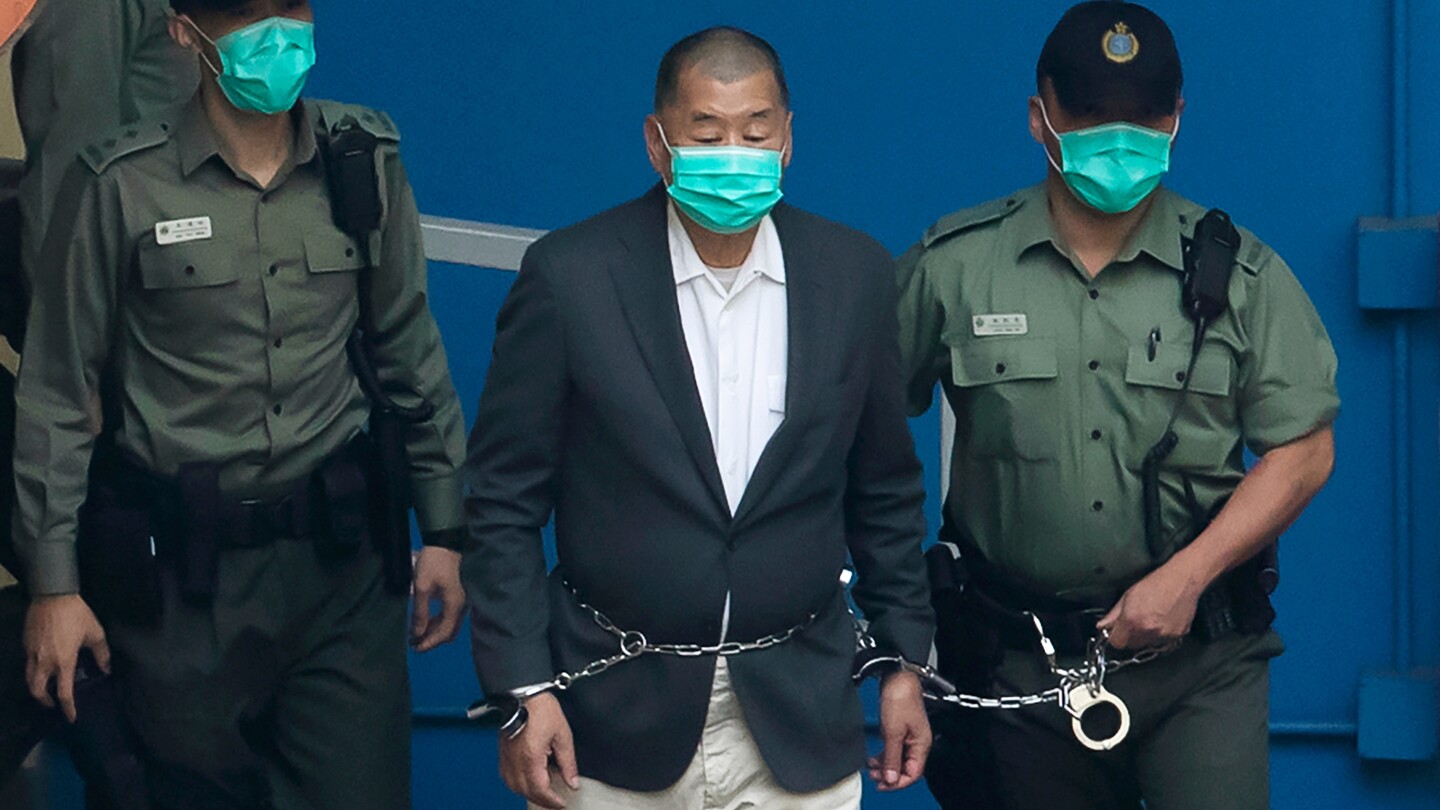
    A Hong Kong courtroom became the focal point of international attention on Monday as proceedings commenced to determine the sentencing of prominent democracy advocate and former media magnate Jimmy Lai. The 78-year-old founder of the shuttered Apple Daily newspaper faces potential life imprisonment following his December conviction under Hong Kong’s national security legislation.

    The judicial panel convened for a four-day mitigation hearing during which Lai and several co-defendants will present arguments seeking reduced sentences. The case stems from Lai’s 2020 arrest under the security law implemented by Beijing following widespread anti-government protests that engulfed Hong Kong in 2019.

    Lai was convicted on two counts of conspiracy to collude with foreign forces and one count of conspiracy to publish seditious materials. Despite pleading not guilty to all charges, three government-vetted judges determined Lai served as the mastermind behind coordinated efforts to undermine China’s ruling Communist Party through foreign intervention.

    The verdict has ignited international concern regarding press freedom in Hong Kong, which returned to Chinese sovereignty in 1997. Several Western governments, including the United States and Britain, have criticized the outcome, with both former President Donald Trump and current British Prime Minister Keir Starmer expressing particular concern given Lai’s status as a British citizen.

    Outside the courthouse, dozens of supporters gathered before sunrise, with some queuing since Friday to secure seating in the public gallery. Retiree Simon Ng, a former Apple Daily reader, expressed his desire to show solidarity: ‘I want to let him know that he’s not alone. Many people support him.’

    Six former Apple Daily executives and two activists involved in the case have entered guilty pleas, admitting to conspiring with Lai to request foreign sanctions. These individuals, who testified as prosecution witnesses during the 156-day trial, may receive reduced sentences under provisions that reward cooperation with authorities.

    Lai has already spent five years in custody, during which his health has reportedly deteriorated. His legal team previously informed the court of heart palpitations, though government medical examinations found no abnormalities. His daughter Claire has stated that Lai would focus on religious devotion and family life rather than political activism if released.