作者: admin

  • Israel calls on EU to label Iran’s Revolutionary Guards as ‘terrorist organisation’

    Israel calls on EU to label Iran’s Revolutionary Guards as ‘terrorist organisation’

    In a significant diplomatic move, Israeli Foreign Minister Gideon Saar has formally called upon the European Union to classify Iran’s Revolutionary Guards Corps as a terrorist organization. The appeal was made during a meeting with German Interior Minister Alexander Dobrindt on Sunday, January 11, 2026.

    Saar took to social media platform X to publicly announce his position, stating he had explicitly conveyed to Minister Dobrindt that the current geopolitical climate necessitates immediate action from EU member states. The Israeli diplomat emphasized that designating the Iranian military force as a terrorist entity represents an urgent priority for regional security.

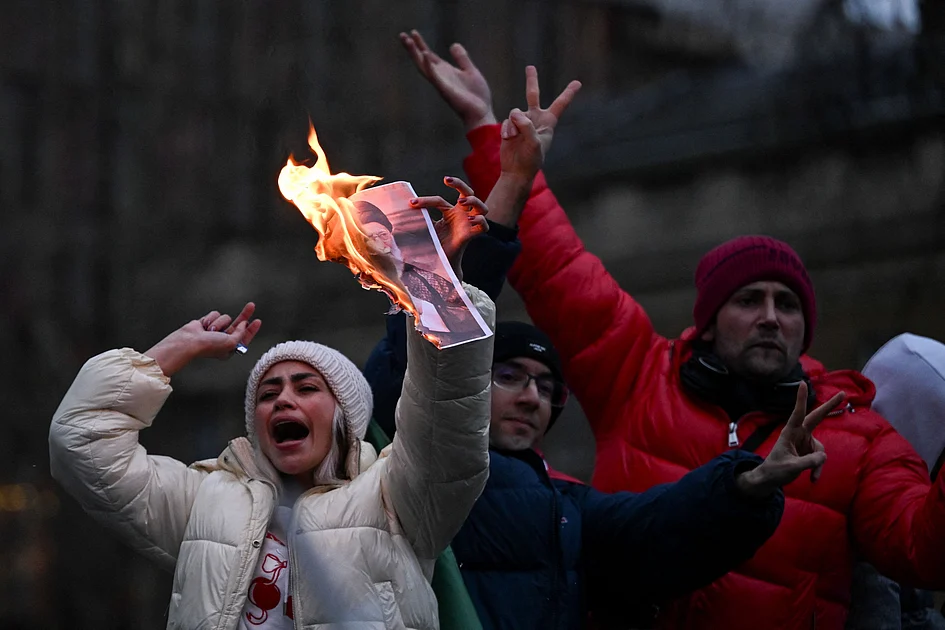
    The development occurs amid growing international concern over Iran’s alleged use of violence against domestic protesters. Multiple human rights organizations have documented suspected instances of state-sponsored suppression of dissent within the Islamic republic, though Iranian authorities have consistently denied these allegations.

    Germany has historically maintained support for such designation, and Saar noted that recent events have made the necessity of this measure apparent to a broader international audience. The Israeli government believes coordinated European action against Iran’s Revolutionary Guards would significantly impact Tehran’s military capabilities and regional influence.

    This diplomatic initiative reflects escalating tensions between Israel and Iran, with potential implications for Middle Eastern geopolitics and EU-Iran relations. The European Union has yet to issue an official response regarding whether it will consider Israel’s formal request.
  • He once criticised African leaders who cling to power. Now he wants a seventh term

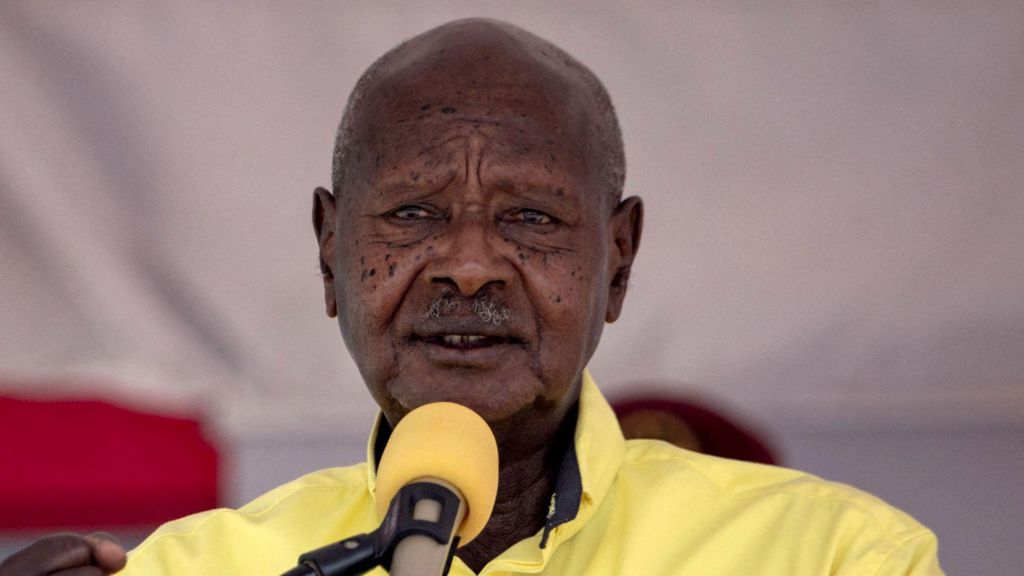
    He once criticised African leaders who cling to power. Now he wants a seventh term

    President Yoweri Museveni’s remarkable 38-year tenure continues to define Uganda’s political landscape, with over three-quarters of the population having never experienced alternative leadership. The 81-year-old leader, who assumed power through armed rebellion in 1986, maintains firm control despite growing international concern about democratic backsliding.

    Museveni’s administration has delivered notable achievements including sustained economic growth averaging over 6% annually for a decade, doubled primary school enrollment, and successful HIV/AIDS mitigation programs. These developments initially positioned him as a favored partner among Western nations. However, his governance approach has increasingly drawn criticism for systematically undermining democratic institutions and political opposition.

    The constitutional landscape has evolved significantly during Museveni’s rule. In 2005, term limits were abolished, followed by the 2017 elimination of presidential age restrictions—a controversial move that sparked violent parliamentary clashes. These changes have effectively paved the way for potential lifelong presidency.

    Opposition figures face severe challenges under Museveni’s regime. Dr. Kizza Besigye, the president’s former personal physician turned political rival, has endured repeated arrests and prosecutions since first challenging Museveni in 2001. Most recently, he mysteriously disappeared in Nairobi only to reappear in Ugandan military custody. Contemporary opposition leader Bobi Wine, leveraging his celebrity status to mobilize youth support, has faced similar persecution including treason charges and violent suppression of his gatherings.

    International observers have documented concerning patterns of state violence. United Nations reports indicate security forces routinely employ live ammunition against peaceful assemblies and utilize unmarked vehicles for abductions. The judiciary faces allegations of compromised independence through the appointment of ‘cadre judges’ loyal to the administration.

    The president’s family has assumed prominent roles within government structures. First Lady Janet Museveni serves as Education Minister while their son General Muhoozi Kainerugaba commands the military. The recent enlistment of Museveni’s grandson has further fueled concerns about dynastic succession planning.

    Despite these developments, Museveni’s supporters highlight Uganda’s relative stability and humanitarian contributions. The nation currently hosts approximately 1.7 million refugees fleeing regional conflicts—a dramatic reversal from Uganda’s historical role as a refugee exporter. The administration continues pursuing foreign investment partnerships with China, the UK, and UAE as part of its Vision 2040 development strategy.

    As Museveni campaigns for a seventh term, he maintains his signature blend of paternalistic rhetoric—referring to young supporters as ‘Bazukulu’ (grandchildren)—and demonstrations of physical vitality. However, questions about succession planning and democratic integrity continue to overshadow his legacy of stability and development.

  • Red lines and increasing self-censorship reshape Hong Kong’s once freewheeling press scene

    Red lines and increasing self-censorship reshape Hong Kong’s once freewheeling press scene

    Hong Kong has experienced one of the most dramatic declines in press freedom globally over the past two decades, plummeting from 18th to 140th position in the World Press Freedom Index. This precipitous drop follows the implementation of Beijing’s national security law in 2020, which has fundamentally reshaped the territory’s media landscape through high-profile prosecutions, newspaper shutdowns, and widespread self-censorship.

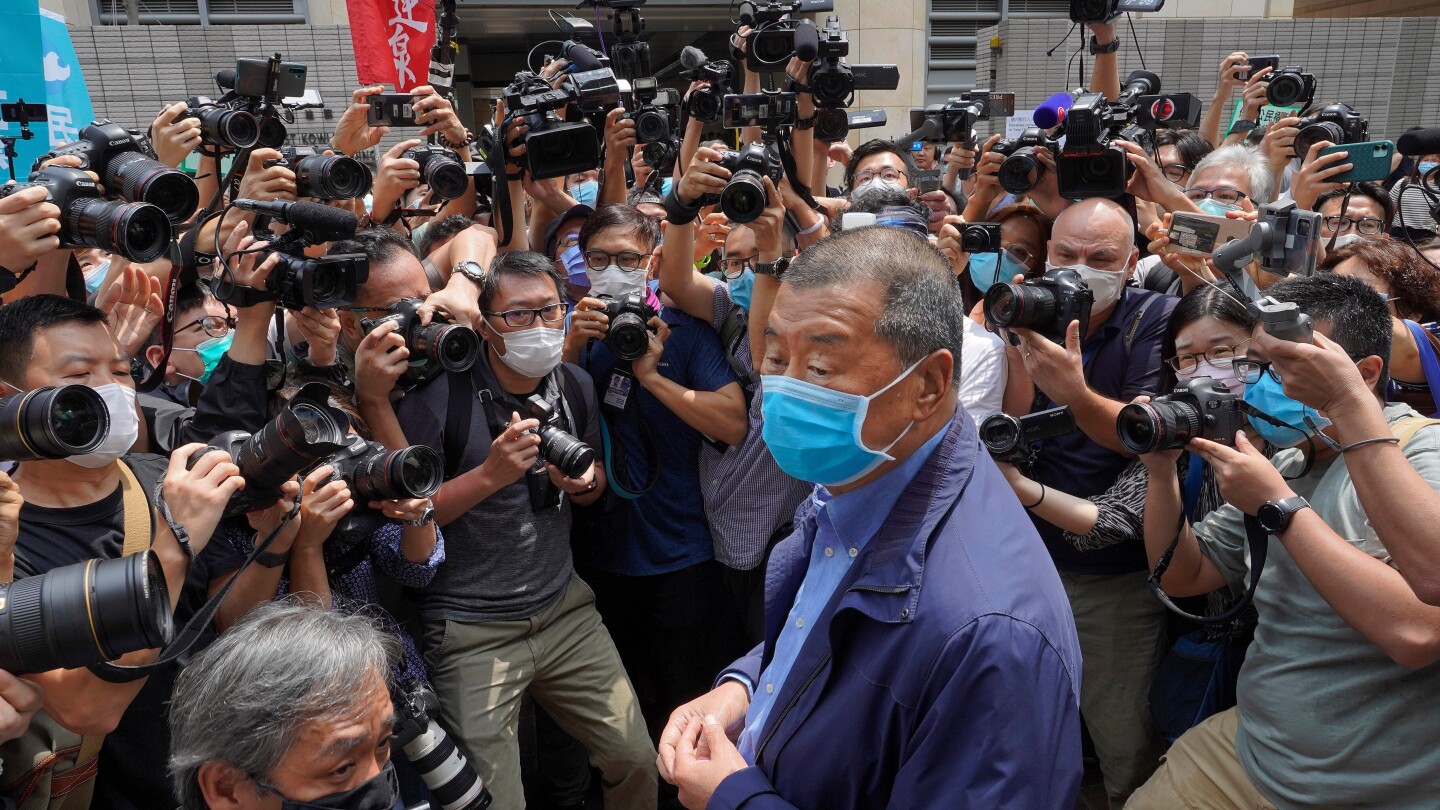
    The closure of pro-democracy publication Apple Daily in June 2021 marked a turning point, with authorities freezing assets and raiding offices under the security legislation. Founder Jimmy Lai faces life imprisonment after December convictions for conspiring with foreign forces and publishing seditious materials. Simultaneously, online news platform Stand News met a similar fate, with editors becoming the first journalists since 1997 convicted under colonial-era sedition laws.

    According to Professor Francis Lee of Chinese University of Hong Kong, these cases establish that previously accepted journalistic practices now exceed legal boundaries. “Some advocacy journalism was at least permitted within the legal framework back then. Today, it’s no longer allowed,” Lee noted, referencing the pre-security law era.

    Self-censorship has proliferated beyond political concerns, with mainstream outlets avoiding content that might jeopardize advertising revenue from corporations valuing mainland Chinese market connections. The phenomenon extends throughout society, with potential interviewees increasingly reluctant to speak on record.

    The aftermath of November’s deadly apartment fire that killed 161 people revealed both persistent investigative reporting and renewed constraints. While journalists thoroughly covered safety concerns and government oversight, Beijing’s national security office subsequently summoned foreign media outlets including AP, accusing them of spreading false information about relief efforts and legislative elections.

    Hong Kong Journalists Association chairperson Selina Cheng described increasingly covert pressure on public discourse, noting that balanced reporting now requires disproportionate emphasis on pro-government perspectives. Beyond content restrictions, journalists face alleged tax audits and harassment, though authorities maintain investigations are impartial.

    Despite these challenges, the journalists’ association reported a slight rebound in press freedom ratings in October, suggesting some adaptation to the narrowed operational space. As Professor Lee concluded, “Today’s situation is far from the previous state of freedom. Self-censorship throughout society is severe. Yet some media outlets are still finding ways.”

  • Revolutionary eye injection saved my sight, says first-ever patient

    Revolutionary eye injection saved my sight, says first-ever patient

    In a groundbreaking medical achievement, specialists at London’s Moorfields Eye Hospital have successfully reversed vision loss in patients suffering from hypotony, a rare and devastating eye condition previously considered untreatable. The world’s first dedicated clinic for this disorder has developed a pioneering therapy using a transparent hydrogel that has produced life-changing results in clinical trials.

    The innovative treatment utilizes hydroxypropyl methylcellulose (HPCM), a low-cost, water-based gel already employed in certain ocular surgeries. Unlike previous approaches that used vision-obscuring silicone oil, this clear substance allows light to pass through unimpeded when injected into the eye’s main chamber. The procedure is administered every three to four weeks over approximately ten months.

    Among the success stories is 47-year-old Nicki Guy, the first patient to undergo the experimental therapy. Her vision had deteriorated dramatically following the birth of her son in 2017, leaving her partially sighted and dependent on memory for navigation. “I’ve gone from counting fingers and everything being really blurry to being able to see,” she revealed exclusively to the BBC. “It’s given me everything back. I can see my child grow up.”

    Medical director Mr. Harry Petrushkin described the decision to attempt the unproven treatment as “nerve-wracking” but necessary for patients facing certain blindness. The team has now treated 35 patients under funding from Moorfields Eye Charity, with published results from the first eight cases showing seven responded positively to the therapy. Researchers continue to refine patient selection criteria to identify those with remaining viable retinal cells who could benefit most from this remarkable intervention.

  • Japan urged to mend China ties

    Japan urged to mend China ties

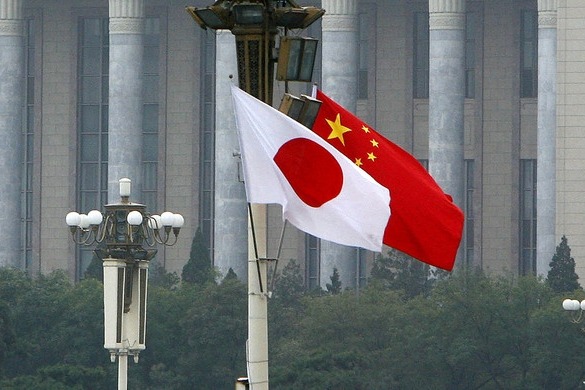
    TOKYO—Mounting economic pressures are compelling Japanese business leaders and academics to urge their government to pursue diplomatic solutions with Beijing following China’s imposition of stringent export controls. The restrictions, targeting dual-use technologies and potentially expanding to rare earth minerals, threaten to severely disrupt Japan’s manufacturing supply chains and economic stability.

    China’s Commerce Ministry implemented an immediate ban on exports of dual-use items—products with both civilian and military applications—to Japan on Tuesday. This decisive action came in direct response to controversial remarks by Japanese Prime Minister Sanae Takaichi suggesting potential military intervention in the Taiwan Strait. Chinese authorities characterized the export controls as “legitimate, reasonable and lawful” measures to counter what they perceive as Japan’s pursuit of remilitarization and nuclear capabilities.

    The economic implications are particularly acute regarding rare earth elements, where China dominates global production with approximately 72% of Japan’s imports originating from Chinese sources as of 2024. Industry representatives warn that expanded restrictions would cripple Japan’s automotive, electronics, and renewable energy sectors—all heavily dependent on these critical materials.

    Hiroshi Shiratori, Professor of Political Science at Hosei University, emphasized the interconnected nature of security and economic concerns: “This situation shouldn’t be viewed merely through the lens of short-term economic impact. It represents an opportunity for Japan to fundamentally reassess its policy approach.”

    The corporate sector is already experiencing palpable anxiety. Himeji Denshi, a magnet manufacturer with six decades of operation, produces 70% of its products in Chinese factories. Company President Shigeaki Amijima revealed his enterprise could survive for only approximately two months if raw material supplies are disrupted, noting that “the most serious risk is not rising costs but the prospect of being unable to operate at all.”

    Furniture conglomerate Nitori Holdings Chairman Akio Nitori similarly expressed concern about rare earths used in refrigerators, televisions, and washing machines. Economists warn that diversification efforts have proven insufficient, with alternative sourcing likely to drive significant cost increases throughout Japanese manufacturing.

    With economic growth projections at risk and investment uncertainty growing in semiconductor, electronic component, and electric vehicle industries, Japanese experts agree that diplomatic resolution remains essential—though contingent on retracting the Prime Minister’s statements regarding Taiwan.

  • AFL 2026: St Kilda general manager Lenny Hayes on the fitness of Tom De Koning, Max King

    AFL 2026: St Kilda general manager Lenny Hayes on the fitness of Tom De Koning, Max King

    St Kilda Football Club’s marquee signing Tom De Koning is making significant strides in his recovery from a calf injury, though club officials remain cautiously optimistic about his availability for the season’s inaugural match. The high-profile ruckman, who departed Carlton for a lucrative contract estimated at $1.7 million annually, encountered the setback during pre-season preparations ahead of the Christmas break.

    Newly appointed General Manager Lenny Hayes provided an update on De Koning’s condition, indicating positive progress while maintaining pragmatic expectations. “We’re genuinely excited to integrate Tom into our organization,” Hayes stated. “He’s adapting exceptionally well with the squad and has resumed on-field activities, demonstrating promising advancement in his rehabilitation regimen.”

    Despite the encouraging signs, Hayes refrained from guaranteeing De Koning’s participation against Collingwood in the Opening Round fixture scheduled for March 8. The club acknowledges several critical milestones must be achieved before finalizing his match readiness. Hayes emphasized De Koning’s professional approach to recovery, noting his diligent work ethic throughout the process.

    The Saints’ competitive aspirations hinge significantly on the fitness of both De Koning and key forward Max King, whose own pre-season has been compromised by persistent knee concerns. King’s athletic journey has been marred by extensive injury challenges, limiting him to merely 23 appearances since his breakthrough 2022 campaign after missing the entire 2025 season.

    Hayes confirmed King’s anticipated return to full training within weeks, marking a potential culmination of his prolonged rehabilitation. The dual recovery narratives of these pivotal players will substantially influence St Kilda’s strategic preparations and their pursuit of postseason contention.

  • Dubai: How Yes Theory built a highly successful brand centred on kindness

    Dubai: How Yes Theory built a highly successful brand centred on kindness

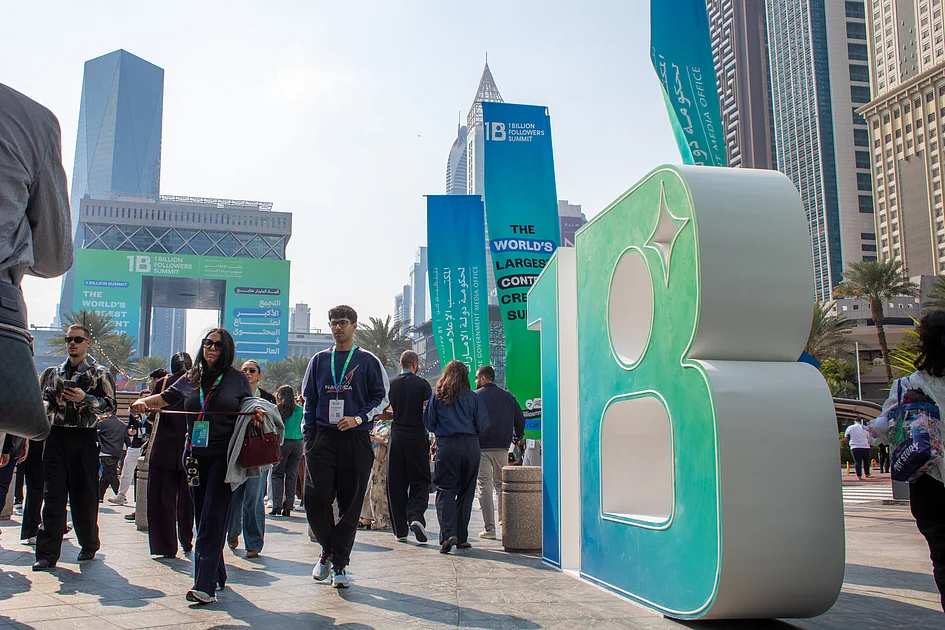
    At the recent 1 Billion Followers Summit in Dubai’s Jumeirah Emirates Towers, the founders of Yes Theory revealed how their radical approach to content creation transformed a simple idea into a global digital phenomenon. What began in 2015 as an experimental project among strangers has evolved into a YouTube powerhouse with 9.8 million subscribers, built upon principles of human connection, curiosity, and intentional discomfort.

    Co-founder Thomas Brag recounted the brand’s humble origins during a panel discussion, noting, “We were just strangers. He was crashing on my couch, literally.” This personal beginning established an authentic foundation that would become central to their success. The group discovered the transformative power of embracing fear, saying yes to opportunities, and approaching life with open-hearted compassion.

    The journey from casual content creation to business sustainability required balancing artistic vision with commercial realities. Brag emphasized the necessity of embracing both creative and entrepreneurial roles: “For us, it’s about embracing the startup founder just to empower the artist.” This dual approach proved essential for longevity in YouTube’s highly competitive and ever-evolving landscape.

    Financial sustainability emerged through their clothing brand, Seek Discomfort, which has generated approximately $552,000 (Dh2 million) in revenue since May 2024. Co-founder Ammar Kandil explained how this venture enabled creative freedom: “Ultimately, having revenue coming from Seek Discomfort allowed us to invest in projects that I don’t know if we would have been able to do if we were just relying on brand deals or AdSense.”

    The brand’s success demonstrates the power of values-driven creation. Kandil referenced the ‘1,000 true fans’ theory, noting that genuine audience connection emerges when work originates from honest personal values and self-reflection. Their multi-founder structure also provided resilience, allowing members to rotate creative leadership while preventing burnout and maintaining momentum.

  • ‘No more oil or money’: Trump delivers warning to Cuba, suggests deal with US

    ‘No more oil or money’: Trump delivers warning to Cuba, suggests deal with US

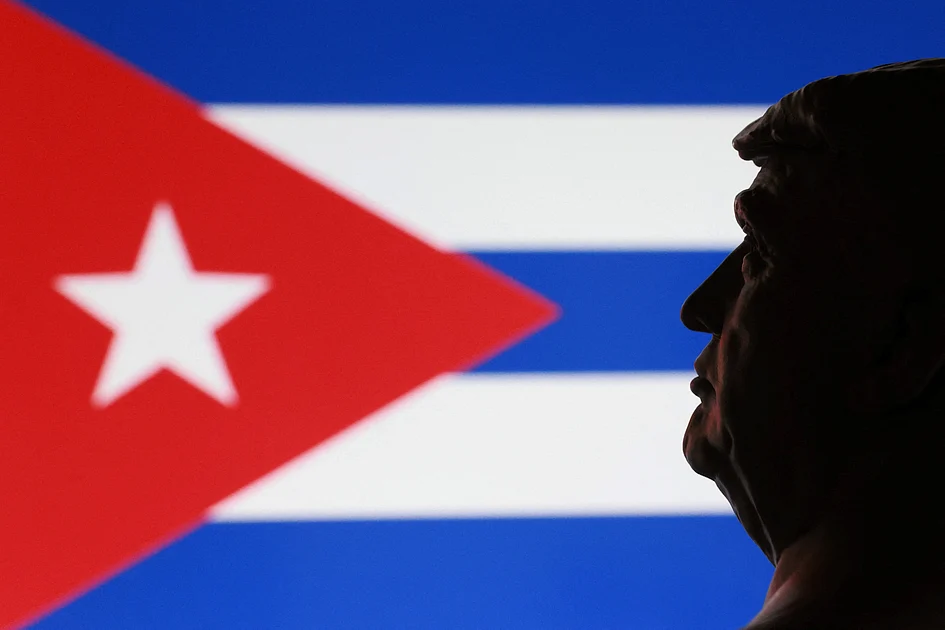
    In a dramatic escalation of hemispheric pressure, former U.S. President Donald Trump has delivered a stark warning to Cuba through his Truth Social platform, declaring that the island nation will no longer receive petroleum or financial support from Venezuela. The statement signals a significant shift in regional energy politics following recent developments in Caracas.

    Trump’s social media proclamation on Sunday explicitly stated: “THERE WILL BE NO MORE OIL OR MONEY GOING TO CUBA – ZERO! I strongly suggest they make a deal, BEFORE IT IS TOO LATE.” This ultimatum comes amid substantial geopolitical realignments in the region, particularly regarding Venezuela’s oil exports.

    The strategic context involves Venezuela’s status as Cuba’s primary petroleum supplier, a relationship that has undergone radical transformation since the capture of Venezuelan President Nicolas Maduro by U.S. forces. Intelligence assessments indicate that Trump has successfully persuaded interim President Delcy Rodriguez to redirect Venezuelan oil shipments toward the United States instead of Cuba.

    This energy blockade poses existential challenges for Havana. Shipping data and documents from Venezuela’s state oil company PDVSA reveal that between January and November last year, Venezuela supplied approximately 27,000 barrels per day to Cuba, covering nearly half of the island’s petroleum deficit. The potential termination of this energy lifeline coincides with already severe economic strains within Cuba’s critical sectors including agriculture and tourism, exacerbated by frequent blackouts and international trade sanctions.

    While U.S. intelligence agencies acknowledge Cuba’s deteriorating economic situation, they provide no substantiation for Trump’s assertion that the communist government is “ready to fall.” The CIA assessment portrays a nation struggling under multiple pressures but maintains stability through decades of institutional control established since Fidel Castro’s 1959 revolution.

    The ultimatum represents the latest chapter in the complex triangular relationship between Washington, Havana, and Caracas, with energy resources serving as both economic necessity and geopolitical instrument in Western Hemisphere diplomacy.

  • Swiss author Erich von Daeniken dies at 90

    Swiss author Erich von Daeniken dies at 90

    Erich von Däniken, the Swiss author whose revolutionary theories about extraterrestrial influences on human civilization captivated millions worldwide, has died at age 90. His passing was confirmed through multiple Swiss media outlets including national broadcaster SRF, with his official website noting the event occurred on Saturday.

    Von Däniken achieved global recognition with his groundbreaking 1968 publication “Chariots of the Gods?” which presented the provocative hypothesis that ancient monuments including Egypt’s pyramids, Britain’s Stonehenge, and Peru’s Nazca lines demonstrated architectural sophistication beyond contemporary human capabilities. The author maintained that while humans physically constructed these marvels, they received technical guidance and knowledge from advanced extraterrestrial visitors.

    Throughout his career, von Däniken faced substantial criticism from academic circles including historians, scientists, and fellow authors who dismissed his theories as pseudoscientific. Despite this scholarly opposition, his works achieved remarkable commercial success, with SRF reporting nearly 70 million books sold across more than 30 languages worldwide. His subsequent publications, including “The Gods Were Astronauts,” further developed his central premise that ancient religious texts, mythological narratives, and artistic representations documented early human encounters with technologically advanced beings misinterpreted as deities.

    Von Däniken’s cultural impact extended beyond literature into multimedia platforms, where he actively promoted his vision of human history through his YouTube channel and numerous television appearances. He consistently predicted that these extraterrestrial pioneers would eventually return to Earth, maintaining this belief throughout his decades-long career that fundamentally reshaped public discourse about humanity’s ancient past and potential cosmic connections.

  • UAE: Dh5-million fund announced for social media creators focused on family content

    UAE: Dh5-million fund announced for social media creators focused on family content

    The United Arab Emirates has unveiled a substantial Dh5 million (approximately $1.36 million) funding initiative specifically designed for social media content creators who specialize in family-oriented programming. The announcement was made during the ongoing 1 Billion Followers Summit in Dubai, marking a strategic move to position the UAE as a global hub for positive digital content creation.

    The innovative fund, a collaborative venture between Creators HQ and Alfan, arrives as the UAE government designates 2026 as the ‘Year of the Family.’ This thematic focus emphasizes the crucial role of family cohesion as the fundamental pillar for building a strong and prosperous society. The initiative directly supports this national priority by incentivizing content that strengthens family values and promotes healthy social dynamics.

    Comprehensive support packages will include advanced education and training programs, cutting-edge filming equipment, access to state-of-the-art production facilities, and strategic social media platform support. Additionally, the program will facilitate valuable brand partnership opportunities for participating creators.

    The primary objective extends beyond financial support, aiming to attract international creative talent to relocate to the UAE. By providing these substantial resources, the initiative seeks to cultivate a sustainable ecosystem for creators who produce meaningful content that aligns with the nation’s social values and cultural vision.