作者: admin

  • Le Pen’s political fate rests on appeal trial opening in France

    Le Pen’s political fate rests on appeal trial opening in France

    French far-right leader Marine Le Pen commenced a high-stakes legal battle on Tuesday as her appeal against a five-year ban from public office began in Paris. The 57-year-old politician, who has contested the French presidency on three previous occasions, faces potential exclusion from the 2027 presidential election if the appellate court upholds last year’s conviction for EU funds embezzlement.

    The case centers on allegations that Le Pen and more than 20 other National Rally (RN) party officials employed parliamentary assistants who primarily worked on party matters rather than European Parliament duties, despite being compensated by EU funds. Trial judge Bénédicte de Perthuis previously characterized Le Pen as the central figure in a system that misappropriated €2.9 million in European funds.

    Le Pen maintains her complete innocence, asserting she committed ‘not the slightest irregularity.’ Her political ally, RN president Jordan Bardella, characterized the potential ban as ‘deeply worrying for democracy,’ arguing that preventing a twice-qualified second-round presidential candidate from running would undermine democratic principles. Bardella confirmed he would not seek the presidency himself but would instead pursue the prime ministerial position.

    The appellate proceedings, scheduled to continue through February 12th, will not deliver a verdict before summer 2026, creating a tense timeline ahead of the anticipated April 2027 presidential election. Legal experts outline four potential outcomes: complete acquittal, maintained conviction without immediate effect allowing her candidacy, reduced ban duration permitting 2027 registration, or upheld original judgment effectively blocking her presidential ambitions.

    Le Pen previously received a four-year prison sentence (two years suspended, two with electronic monitoring), a €100,000 fine, and the immediate public office ban. Should her appeal fail, she could face an extended prison term. Eleven RN colleagues join her appeal, while twelve others—including her sister Yann Le Pen—have accepted their sentences.

    The final determination rests with the Paris Court of Appeal, though further recourse to France’s highest judicial authority, the Court of Cassation, remains possible regardless of outcome. The timing and substance of these judicial decisions will significantly impact France’s political landscape as the 2027 election approaches.
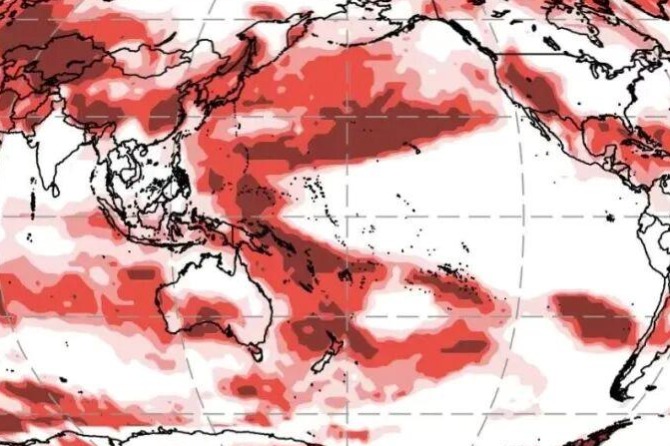

  • Most parts of country were warmer than usual in 2025

    Most parts of country were warmer than usual in 2025

    The Earth’s climate system demonstrated alarming acceleration in 2025 as global temperatures reached unprecedented levels, positioning the year among the three warmest in recorded history. According to comprehensive data released by China’s National Climate Center, the planetary surface temperature averaged 1.4°C above pre-industrial benchmarks (1850-1900 baseline) and 0.52°C higher than the 1991-2020 reference period.

    January 2025 established a historic milestone as the warmest January ever documented, while the entire 2023-2025 triennium now stands as the hottest three-year period in meteorological records. The thermal anomaly affected vast geographical expanses, with eastern Asia, Central Asia, eastern Europe, North American sectors, and extensive oceanic regions experiencing their top-three warmest years. Polar amplification continued relentlessly, with the Arctic warming at 1.17°C above normal (third-highest recorded) and Antarctica exceeding norms by 0.43°C.

    The critical Third Pole region—encompassing the Qinghai-Tibet Plateau’s high-altitude ecosystems—recorded temperatures 1.12°C above average, marking its fourth consecutive annual heat record from 2022 through 2025. China’s national temperature average surged to 11°C, exceeding long-term norms by 1.1°C and breaking the previous record established just one year earlier. Sixteen provincial-level regions documented their warmest years since comprehensive record-keeping began in 1961.

    Thermal extremes manifested through prolonged heat events, with China experiencing a record 16.5 high-temperature days (≥35°C)—7.4 days above normal. The most persistent heatwave persisted for 71 days from June through September, ranking as the third-longest in history. The Yangtze River basin, southern China, Chongqing, and Xinjiang endured 30-50 days of extreme heat, while late-season thermal events affected southern regions well into autumn.

    Marine systems mirrored atmospheric warming, with China’s coastal waters recording significantly elevated heat content. The South China Sea reached record temperatures while overall coastal heat ranked second-highest historically. Although sea surface temperatures slightly decreased from 2024’s record (21.05°C vs. 21.50°C), they remained 0.76°C above long-term averages.

    These oceanic conditions fueled an exceptionally active typhoon season, with 19 storm surge events exceeding the decade’s average of 15. The intensified marine thermal energy contributed to increased frequency and severity of extreme weather events, resulting in above-average economic losses from coastal disasters affecting infrastructure, fisheries, and maritime industries. Meteorological authorities have committed to enhanced monitoring and early warning systems to strengthen regional climate resilience.

  • The Latest: Iran eases some communications restrictions as activists say death toll spikes to 2,000

    The Latest: Iran eases some communications restrictions as activists say death toll spikes to 2,000

    In a limited concession during ongoing civil unrest, Iranian authorities restored international calling capabilities via mobile phones on Tuesday while maintaining severe internet restrictions and text messaging blackouts. This partial communications restoration occurs amidst a violent government crackdown on nationwide protests that activists report has resulted in approximately 2,000 fatalities, according to the U.S.-based Human Rights Activists News Agency.

    The telecommunications adjustment allows Iranians to place outgoing international calls, though incoming calls from abroad remain blocked. Witnesses in Tehran, speaking anonymously due to security concerns, confirmed that SMS services remain disabled and internet access is restricted to government-approved domestic websites, completely isolating Iran from global digital connectivity since Thursday.

    International response has escalated significantly, with multiple Western nations implementing diplomatic and economic measures. France summoned Iran’s ambassador to denounce what Foreign Minister Jean-Noel Barrot termed “intolerable, unbearable, and inhumane” repression. The United Kingdom announced comprehensive sanctions targeting Iran’s finance, energy, and transport sectors, with Foreign Secretary Yvette Cooper condemning the “desperate regime’s” violence against a “genuine grassroots movement.”

    European Commission President Ursula von der Leyen declared forthcoming EU sanctions against Iranian officials responsible for the crackdown, stating “The rising number of casualties in Iran is horrifying” and affirming support for citizens “bravely marching for their liberty.” Simultaneously, the Netherlands and Finland summoned Iranian ambassadors to protest the violence and communications blackout.

    United Nations Human Rights Chief Volker Türk issued a stark warning, demanding an immediate end to violence against peaceful demonstrators and expressing particular concern about judicial officials discussing potential death penalties for protesters through expedited proceedings.

    Iranian officials responded defiantly, with Foreign Minister Abbas Araghchi threatening reciprocal measures against European restrictions and alleging Western hypocrisy regarding Israel’s actions in Gaza. State television reported the arrest of “Israel-linked terrorist groups” in southeastern Zahedan, though Israel’s military declined to comment.

    The international dimension expanded as U.S. President Donald Trump announced canceled meetings with Iranian officials while telling protesters “help is on the way” without providing specifics. German Chancellor Friedrich Merz speculated about the Iranian government’s imminent collapse, stating regimes maintaining power solely through force are “effectively at the end.”

  • Poverty relief transitions to governance

    Poverty relief transitions to governance

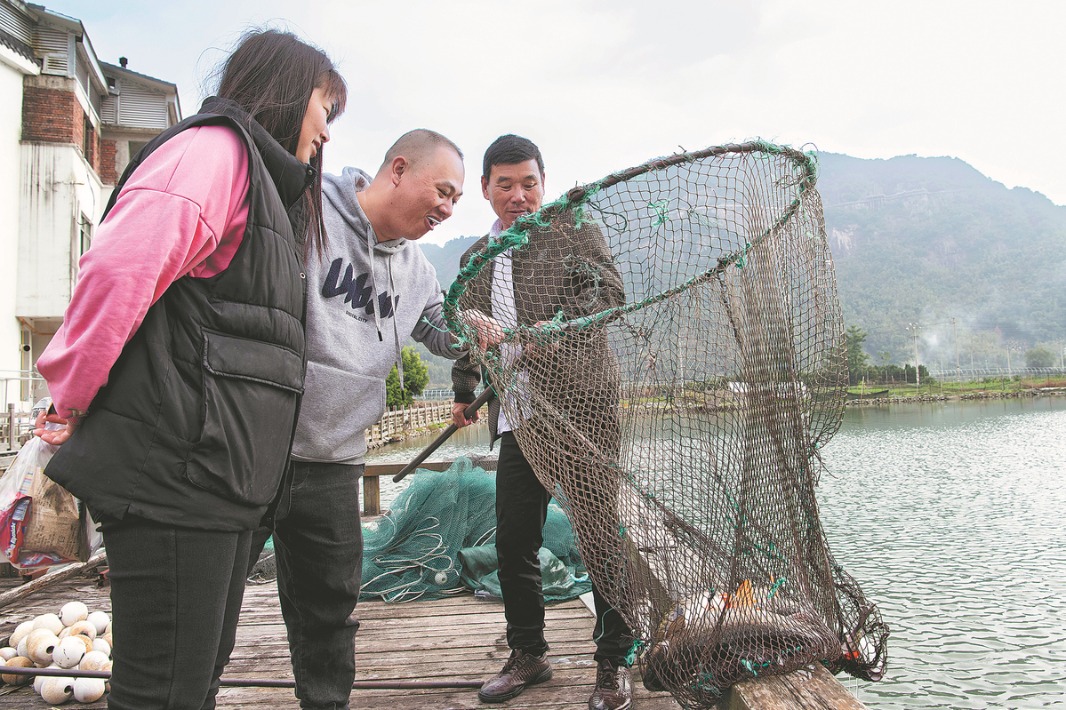
    China has entered a new phase in its rural development strategy, transitioning from time-bound poverty alleviation campaigns to establishing permanent governance mechanisms against poverty recurrence. This strategic shift emerged as a central theme at the recent annual central working conference on agriculture, where President Xi Jinping emphasized consolidating poverty eradication achievements and integrating continuous assistance measures within the broader rural vitalization framework.

    Agricultural experts identify this conference as marking a fundamental transformation in approach—from temporary support initiatives to sustainable structural governance. Professor Cheng Guoqiang, Director of the National Food Security Strategy Research Institute at Renmin University, notes that preventing poverty has evolved into a permanent component of China’s rural development strategy rather than a temporary mission. This represents a philosophical shift from ‘problem-solving’ to ‘system governance,’ providing long-term security for rural residents while ensuring the sustainability of anti-poverty accomplishments.

    The new strategy emphasizes creating diversified income streams for farmers beyond traditional agricultural dependence. Conference participants advocated for enhanced income protection mechanisms for grain producers through refined pricing policies, subsidies, and agricultural insurance. Additionally, the plan includes improving services for migrant workers and supporting entrepreneurship among those returning to their hometowns.

    Dr. Hu Bingchuan, researcher at the Chinese Academy of Social Sciences’ Rural Development Institute, explains that with China embarking on its 15th Five-Year Plan period (2026-30), sustained income growth for farmers forms the foundation for agricultural modernization and common prosperity. The approach recognizes limitations in relying solely on agricultural production, particularly given low bulk commodity prices and rising production costs that squeeze profit margins.

    The revised strategy positions counties as fundamental units for advancing urban-rural integration and rural revitalization. It promotes developing ‘county-level industries that enrich local communities’ through agricultural processing, cold-chain logistics, and rural tourism. Crucially, this approach aims to deepen farmers’ participation in industrial chains rather than limiting them to primary production, enabling them to share in value-added gains instead of passively enduring market fluctuations.

  • ‘Micro sports areas’ boost students’ fitness, fun

    ‘Micro sports areas’ boost students’ fitness, fun

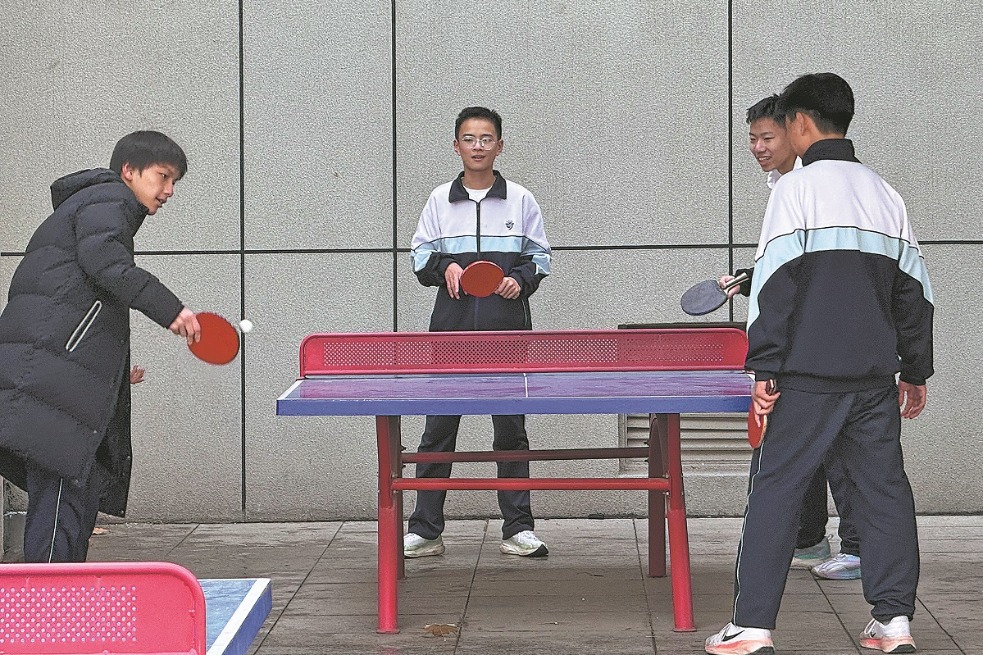
    Educational institutions across China are undergoing a transformative approach to student wellness through the innovative creation of micro sports areas. These compact athletic zones, strategically implemented in previously underutilized campus spaces, are revolutionizing physical activity participation among students.

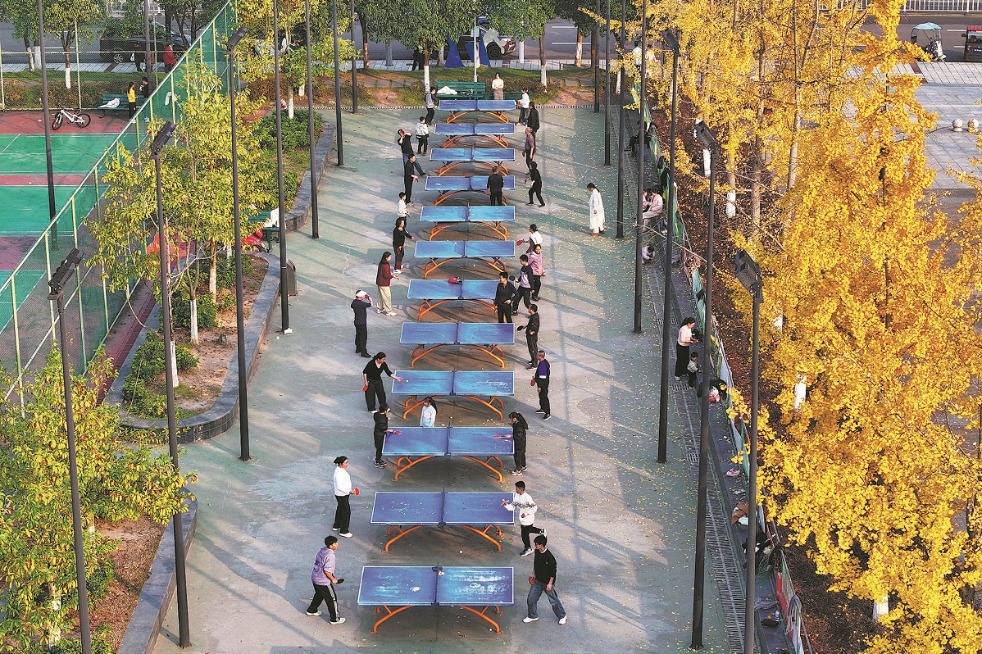
    At Jinan No. 9 Middle School in Shandong Province, the class break transformation is particularly noticeable. Where students once remained sedentary during short breaks, they now enthusiastically engage in table tennis matches and badminton games using removable nets. The school has effectively converted scattered, neglected corners into vibrant hubs of physical activity.

    Physical education teacher Song Zhijiu observes that previously limited facilities discouraged student exercise participation. ‘By optimizing our campus spatial configuration, we’ve developed easily accessible zones that significantly increase student involvement in diverse physical activities,’ he noted.

    The initiative extends beyond mere physical benefits, fostering an organic sports culture where students voluntarily assume roles as referees, scorekeepers, and cheerleaders. Principal Du Haifeng reports noticeable improvements in student motivation and academic performance correlation with increased physical activity.

    Zhijinshi Street Primary School exemplifies vertical space innovation, installing overhead bells for jumping activities, calibrated height markers on basketball structures, and compact climbing installations. PE instructor Zhang Shuo emphasizes their philosophy: ‘Physical activities shouldn’t be confined to specific schedules or locations. We’re creating continuous opportunities for children to develop stronger physiques through play.’

    The data demonstrates compelling results: Zhijinshi Street Primary has witnessed a 30% increase in physical activity participation coupled with a 5% reduction in overall myopia rates among students.

    This educational movement spans nationally, with schools repurposing rooftops, corridors, and stairwells into accessible micro playgrounds. Jiyang Experimental No. 2 Primary School has extended this concept beyond campus boundaries, converting idle adjacent land into a multi-functional fitness area shared with local community members during off-peak hours.

    The collective impact is substantiated by provincial metrics: Jinan’s 2024 physical fitness assessment average reached 81.36 points, accompanied by an 8% decrease in obesity rates and a fourth consecutive annual decline in myopia prevalence.

    According to Song Yu, Deputy Director of Jinan Municipal Education Bureau, ‘The strategic conversion of underutilized spaces—including vertical dimensions—into micro sports areas has substantially expanded physical activity opportunities across our educational institutions.’

  • The junior Slam champion who match-fixed to ‘escape’ tennis

    The junior Slam champion who match-fixed to ‘escape’ tennis

    A decade after his spectacular fall from grace, former Australian Open junior champion Oliver Anderson reflects on the match-fixing scandal that derailed his tennis career and the unexpected journey that brought him back to the sport.

    In January 2016, Anderson captured the Australian Open boys’ singles title before home crowds, defeating competitors who would become ATP Tour stalwarts. Yet just nine months later, the promising teenager found himself embroiled in a match-fixing scheme at an ATP Challenger event in Traralgon, Australia.

    Anderson’s descent into corruption followed injury setbacks that disrupted his momentum after Melbourne. Facing financial pressures during recovery from surgery, he accepted an approach from match-fixing syndicates targeting vulnerable athletes. The arrangement called for Anderson to deliberately drop the first set against Harrison Lombe, an opponent ranked outside the top 1,500.

    Surveillance footage reveals damning evidence: looping second serves and casual net returns from the 704th-ranked Anderson. Despite losing the opening set as planned, Anderson inexplicably fought back to claim victory in three sets—a outcome that triggered betting alerts when a punter attempted to wager A$10,000 on Lombe taking the first set.

    “Anyone watching would have instantly thought something was up,” Anderson acknowledges in a candid interview with BBC Sport.

    The scheme unraveled when undercover police intercepted Anderson courtside after his subsequent match. “I knew I’d made an absolute blunder,” he recalls of the confrontation.

    Cooperation with authorities spared Anderson conviction, resulting instead in a two-year good behavior bond from Victoria state magistrates. Tennis authorities imposed a 19-month suspension deemed sufficient punishment.

    During his exile, Anderson explored passions beyond tennis, channeling his love for British rock into guitar playing and entering the family’s textile business. He established his own resortwear brand while occasionally performing in Queensland bars.

    Seven years after his competitive departure, a casual hit with his brother reignited Anderson’s competitive spirit. Sporadic practice sessions led to an invitation from Tennis Australia’s National Academy, where coaches offered a wildcard entry to Futures events.

    Thus began an improbable global odyssey across tennis’s backwaters—from Mexico and the Dominican Republic to Mozambique, where Anderson gradually rebuilt his ranking. His perseverance culminated in a tournament victory in Angola before injury setbacks recently halted progress.

    Now 27, Anderson views his return as validation regardless of competitive outcomes. “I could finish now and I’d consider it a great comeback,” he reflects. “I met great people, visited awesome places, and competed meaningfully again. If I stopped today, I’d still call it a success.”

    The former prodigy maintains hope for Grand Slam qualifying appearances but acknowledges perspective gained from his tumultuous journey through tennis’s brightest lights and darkest corners.

  • China tips scales toward healthier living trends

    China tips scales toward healthier living trends

    A profound transformation in lifestyle choices is sweeping across China as citizens increasingly prioritize health and wellness through diverse approaches ranging from dietary modifications to traditional therapies and technology-assisted exercises.

    In Chongqing, where spicy hotpot once dominated local cuisine, residents like Huang Mengya have embraced lighter, nutrient-rich meals. “My shift toward low-calorie, high-nutrition foods isn’t merely for weight management but represents a fundamental commitment to long-term health,” Huang explained, reflecting a broader dietary trend gaining momentum nationwide.

    Beijing resident Tang Xiaohua represents another dimension of this wellness movement. The 38-year-old regularly undergoes moxibustion therapy, a traditional Chinese medical treatment involving burned mugwort herbs. After six months of consistent sessions, Tang reported complete resolution of chronic shoulder and neck discomfort, significantly improved energy levels, and enhanced sleep quality.

    Health center proprietor Liu Dong observed substantial growth in clientele seeking traditional treatments. “Moxibustion therapy facilitates improved blood circulation, eliminates cold elements from the body, and strengthens immune function—particularly beneficial for individuals experiencing suboptimal health conditions,” Liu noted.

    This national prioritization of wellness finds validation in recent research. McKinsey’s 2025 Future of Wellness survey revealed that 94% of Chinese consumers consider health and wellness either “top” or “important” priorities, substantially exceeding rates in Britain (79%) and the United States (84%).

    Li Lu, Director of the Social Governance Division at the Academy of Macroeconomic Research’s Social Development Research Institute, attributes this trend to economic progression. “China’s economic expansion and elevated living standards have generated sustained growth in health and wellness demands,” Li stated, adding that rising disposable incomes have accelerated expenditure on health-oriented products and services, indicating considerable potential for continued market development.

  • CES 2026: Hong Kong tech companies showcase innovation with a focus on real-world applications

    CES 2026: Hong Kong tech companies showcase innovation with a focus on real-world applications

    At CES 2026, Hong Kong’s technology sector demonstrated its growing global influence as a delegation of 61 innovative companies showcased cutting-edge solutions with strong real-world applications. The contingent, jointly organized by the Hong Kong Science and Technology Parks Corporation (HKSTP) and the Hong Kong Trade Development Council (HKTDC), highlighted the region’s evolving capabilities beyond traditional financial services.

    The exhibition featured groundbreaking advancements across multiple sectors including artificial intelligence, electric vehicles, clean energy technologies, and smart city solutions. Unlike conceptual prototypes often seen at tech exhibitions, the Hong Kong pavilion emphasized commercially viable innovations ready for market implementation. This practical approach distinguished the delegation from many other exhibitors at the world’s largest electronics trade show.

    Company representatives engaged with international partners, investors, and potential clients, demonstrating how Hong Kong-based research and development is addressing global challenges. The technologies presented ranged from AI-driven healthcare diagnostics to next-generation battery systems for electric transportation, all developed with immediate practical deployment in mind.

    The strong showing at CES 2026 signals Hong Kong’s successful diversification into technology innovation and its emergence as a significant player in the global tech landscape. The delegation’s focus on tangible applications rather than theoretical concepts received particular attention from industry observers and potential commercial partners seeking implementable solutions.

  • Disaster losses drop in 2025, picture still ‘alarming’: Munich Re

    Disaster losses drop in 2025, picture still ‘alarming’: Munich Re

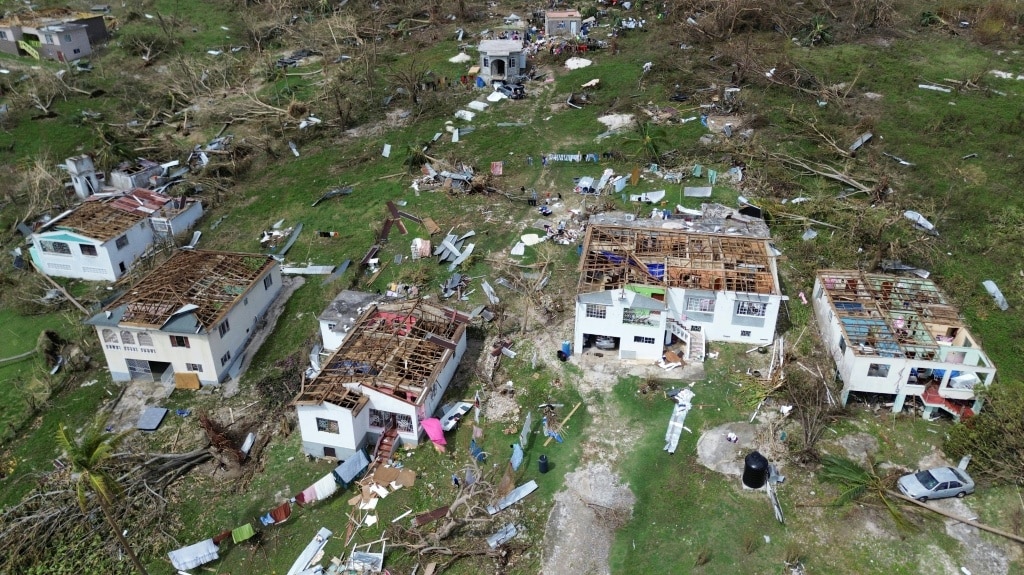
    A significant decline in global financial losses from natural disasters marked the year 2025, though the underlying climate trends remain deeply concerning, according to a comprehensive annual report from reinsurance giant Munich Re. Total worldwide losses reached $224 billion, representing a dramatic 40% decrease from the previous year. A primary factor in this drop was the absence of a major hurricane making landfall on the U.S. mainland for the first time in several years.

    Despite the overall financial improvement, the human toll was severe, with approximately 17,200 lives lost—a figure that exceeds 2024’s total of 11,000, though it remains slightly below the decade’s average. The report paints a complex picture of a year characterized by extreme weather events increasingly linked to climate change.

    The costliest single catastrophe was the series of devastating wildfires that swept through Los Angeles in January, resulting in total losses of $53 billion, with insured losses accounting for roughly $40 billion. The second most financially impactful event was a powerful earthquake that struck Myanmar in March, causing an estimated $12 billion in damage, only a minor fraction of which was covered by insurance.

    Munich Re’s Chief Climate Scientist, Tobias Grimm, described 2025 as a year with ‘two faces.’ The first half constituted the most expensive loss period in the insurance industry’s history, while the second half saw the lowest losses in a decade. He emphasized that the Earth ‘continues to warm,’ stating, ‘More heat means more humidity, stronger rainfall, and higher wind speeds—climate change is already contributing to extreme weather.’

    Regionally, the United States bore the brunt of the financial impact with $118 billion in total losses, $88 billion of which was insured. The Asia-Pacific region suffered about $73 billion in losses, but with a starkly low insurance penetration of only $9 billion. Europe recorded $11 billion in losses, while Africa experienced $3 billion, with less than a fifth covered by insurance.

    The findings arrive amidst a global political landscape where skepticism toward climate science and green policies is growing, particularly following the return to power of U.S. President Donald Trump. Nonetheless, the data underscores a rising cumulative cost from smaller-scale, frequent disasters like local floods and forest fires, which amounted to $166 billion and are having the most pronounced ongoing impact.

  • Gold and silver hit record highs as global tensions drive investors

    Gold and silver hit record highs as global tensions drive investors

    Precious metals skyrocketed to unprecedented levels during Tuesday’s trading session as escalating geopolitical tensions and concerns over U.S. Federal Reserve independence triggered a massive flight to safety among global investors. The remarkable rally saw gold bullion momentarily touch an all-time high of $US4,629.94 before experiencing some pullback, while silver simultaneously climbed to $US85.50 per ounce.

    The Australian market reflected this commodities surge with the benchmark ASX 200 advancing 49.10 points (0.56%) to close at 8805.50, while the broader All Ordinaries index gained 45.80 points (0.50%) to finish at 9138.50. Materials stocks emerged as the standout performers, rallying more than two percent as the triple threat of record-breaking gold, silver, and copper prices created a powerful tailwind for mining companies.

    Market analyst Kyle Rodda of Capital.com attributed the sustained precious metals rally to growing investor apprehension. ‘Gold and silver achieved fresh record highs as the search for dollar alternatives intensifies,’ Rodda observed. ‘Despite the extended rally, the uptrend appears fundamentally sound with conspicuously strong underlying drivers.’

    The commodities boom propelled major mining giants to significant gains. BHP shares advanced 2.30% to $47.58, while Rio Tinto jumped 2.18% to $145.53. Gold specialists Northern Star Resources led sector gains with a 3.62% surge to $26.35, with Evolution Mining adding 2.01% to $13.17.

    Australia’s banking sector contributed substantially to market momentum, with all four major institutions posting solid gains. Commonwealth Bank traded 0.48% higher at $154.82, Westpac added 1.10% to $38.50, NAB leapt 1.85% to $42.39, and ANZ jumped 1.64% to $36.48.

    However, the market advance displayed sectoral unevenness, with only four of eleven sectors finishing higher. Energy shares retreated following recent oil price volatility, with Woodside falling 1.73% and Ampol slumping 4.82%. Consumer discretionary stocks similarly underperformed, led by declines in JB Hi-Fi, Eagers Automotive, and Breville.

    Individual corporate developments included Endeavour Group shares dropping 2.89% after forecasting lower margins, and GQG Partners plummeting 8.64% despite reporting increased funds under management. Defense contractors Austal and DroneShield bucked the negative trend with notable gains, possibly reflecting heightened geopolitical concerns.