作者: admin

  • Trade tensions threaten green goals, scholars warn

    Trade tensions threaten green goals, scholars warn

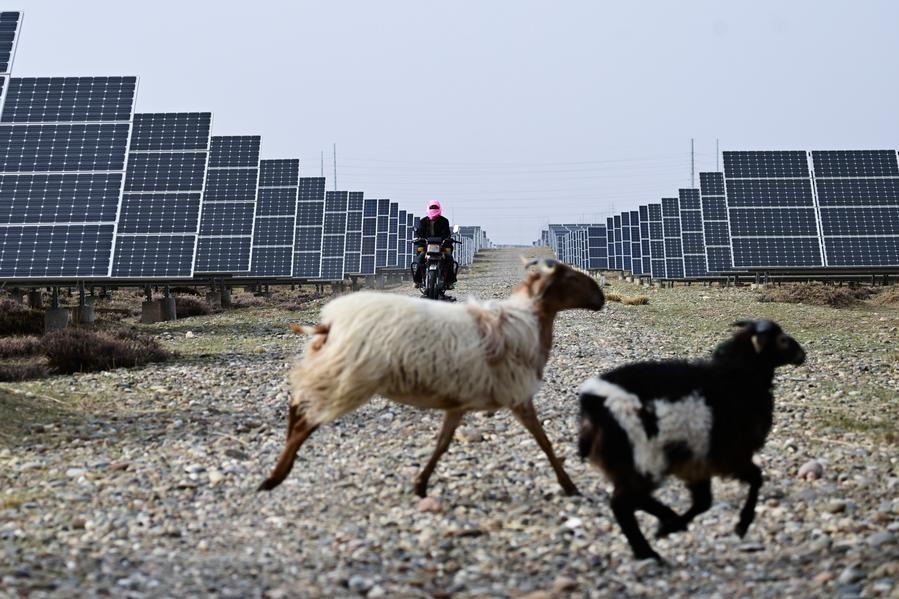
    Academic experts are raising urgent alarms that escalating international trade disputes are creating a dangerous divergence between climate ambitions and global commerce, potentially derailing environmental progress worldwide. This warning emerges alongside remarkable growth in the environmental goods sector, which reached $2 trillion in exports during 2024, accounting for 14% of globally manufactured goods according to UN Trade and Development data.

    Between 2013 and 2022, trade in solar energy products surged by 56% while wind generation goods expanded by 39%, significantly outpacing the 23% growth rate of overall industrial goods. However, this rapid expansion has triggered policy conflicts centered on carbon offset mechanisms, green subsidies, and environmental regulations. Major economies are increasingly implementing unilateral measures that scholars characterize as protectionism disguised as climate action.

    The United States’ Inflation Reduction Act, featuring substantial subsidies for domestic clean energy production, has prompted formal World Trade Organization disputes from the European Union and other nations alleging unfair competition. Simultaneously, the EU’s Carbon Border Adjustment Mechanism continues facing resistance from developing economies, with organizations like India’s Centre for Science and Environment warning that the policy effectively shifts decarbonization costs onto emerging markets.

    Additional friction points include Western targeting of China’s green technology sectors, particularly electric vehicles and renewable energy equipment, based on allegations of unfair subsidies. The EU commenced imposing tariffs on Chinese EVs in late 2024, a move that academics argue misrepresents China’s industrial development model.

    Professor Sun Yixian of the University of Bath’s International Development Department explains that many cited subsidies actually represent government-funded research and development within a coherent industrial policy framework. “Many Western countries are now learning from this model, which has created a virtuous cycle supporting green industrial development,” Sun noted, adding that subsidy allegations often serve as leverage in trade disputes.

    Professor Zhongxiang Zhang of Tianjin University described the EU’s anti-subsidy tariffs as a preemptive strategy against China’s competitive advantage rather than addressing proven damages. He observed that China’s EV sector advancement has disrupted the longstanding technological dominance of developed nations, prompting defensive measures to buy transition time.

    These tensions dominated discussions at COP30, resulting in the Global Mutirao decision explicitly advocating for enhanced dialogue between trade and climate interests. The agreement reaffirmed that climate measures should not constitute arbitrary discrimination or disguised trade restrictions.

    A significant institutional development emerged with Brazil launching the Integrated Forum on Climate Change and Trade, creating an independent platform to bridge climate and trade discussions outside existing WTO and UNFCCC frameworks. Professor Zhang Jian of Tsinghua University hailed this as the first formal dialogue mechanism addressing unilateral measures within the UNFCCC framework.

    Researchers emphasize that successful green transition depends on open, stable international cooperation. Overreliance on unilateral measures risks triggering trade frictions, increasing transition costs, weakening investor confidence, and ultimately impairing global emissions reduction efficiency. Associate Research Fellow Dong Yifan of Beijing Language and Culture University stressed that current transition pace remains insufficient against climate challenges, fundamentally representing issues of cost distribution and political will requiring global cooperation.

    Experts conclude that resolving these tensions demands refocusing discussions on carbon reduction fundamentals, establishing robust rules-based frameworks, and pursuing mutually beneficial solutions rather than raising trade barriers that threaten collective climate goals.
  • Russia launches another major attack on Ukraine’s power grid, killing 4

    Russia launches another major attack on Ukraine’s power grid, killing 4

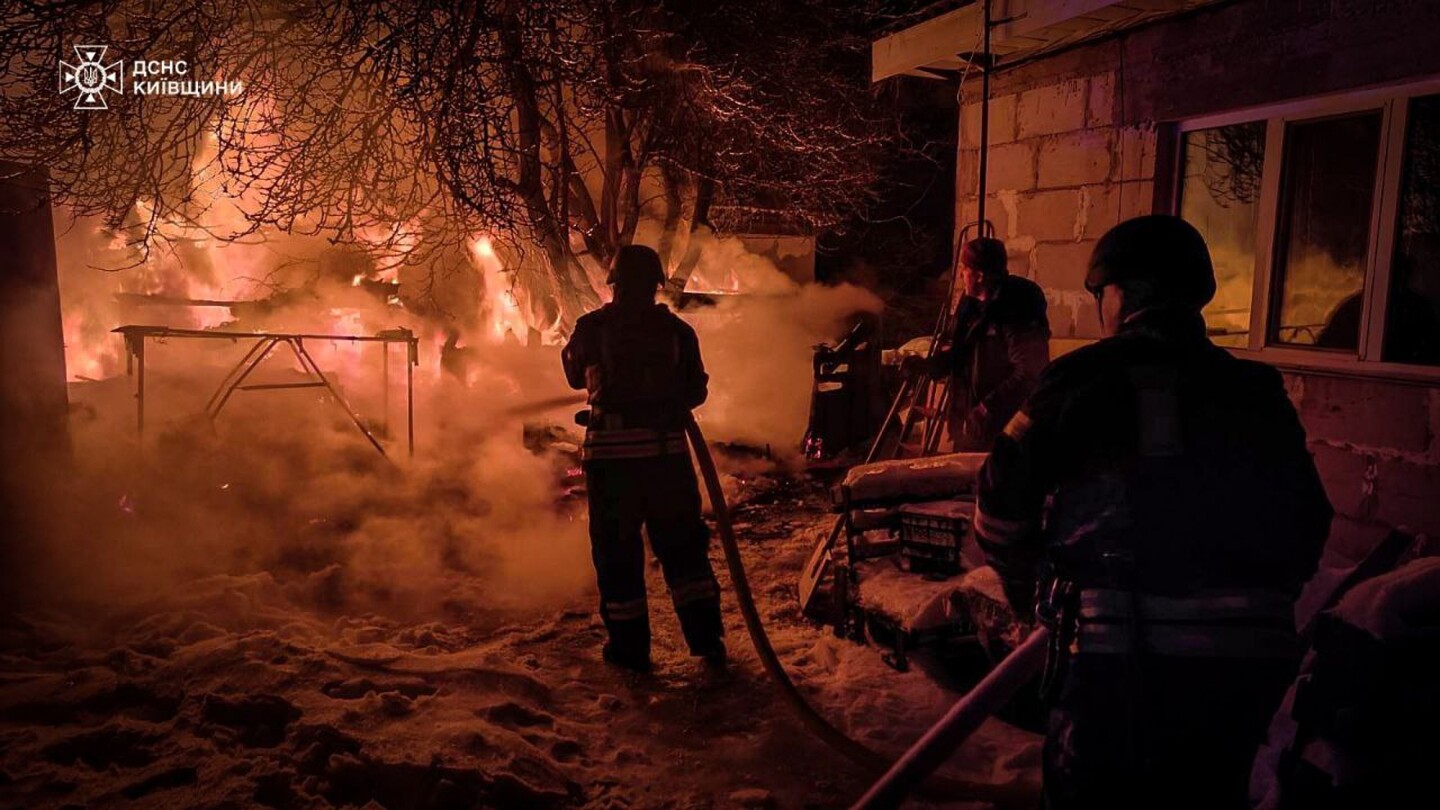
    KYIV, Ukraine — In a significant escalation of hostilities, Russian forces unleashed a second massive aerial offensive against Ukraine within four days, targeting critical energy infrastructure and civilian areas amid freezing winter conditions. The coordinated assault involved nearly 300 drones, 18 ballistic missiles, and seven cruise missiles targeting eight regions across Ukraine, according to President Volodymyr Zelenskyy.

    The northeastern Kharkiv region suffered particularly severe consequences, with a direct strike on a mail distribution center claiming four lives and injuring ten others. Simultaneously, several hundred thousand households in the Kyiv metropolitan area experienced complete power outages as temperatures plunged to -12°C (10°F), transforming streets into icy pathways and forcing residents to rely on generator power.

    This latest bombardment follows a similar large-scale attack four days prior that featured the deployment of advanced hypersonic missiles—only the second instance of such weaponry being used throughout the conflict. Military analysts interpret this technological demonstration as a deliberate signal to NATO allies supporting Ukraine, indicating Moscow’s refusal to de-escalate despite international diplomatic efforts.

    The United States, through Deputy UN Ambassador Tammy Bruce, condemned what it termed a ‘dangerous and inexplicable escalation’ during an emergency Security Council session. Washington denounced Russia’s systematic targeting of energy infrastructure and civilian facilities, describing it as a deliberate strategy to weaponize winter conditions against the Ukrainian population.

    Additional damage was reported in the southern port city of Odesa, where six civilians sustained injuries and critical infrastructure including a hospital, kindergarten, and educational facilities suffered direct hits. Ukrainian authorities emphasized the urgent need for accelerated delivery of promised air defense systems from Western partners to counter the intensified aerial assaults.

    Meanwhile, Russian defense officials claimed to have intercepted eleven Ukrainian drones over the Rostov region, with particular attention directed toward Taganrog—a coastal city housing military-industrial facilities producing components for combat drones and aircraft.

    The timing of these coordinated attacks appears calculated to undermine peace initiatives being advanced by the Trump administration, suggesting Moscow’s determination to pursue military objectives despite growing international pressure.

  • Iranians agree more on regime change than on what might come next

    Iranians agree more on regime change than on what might come next

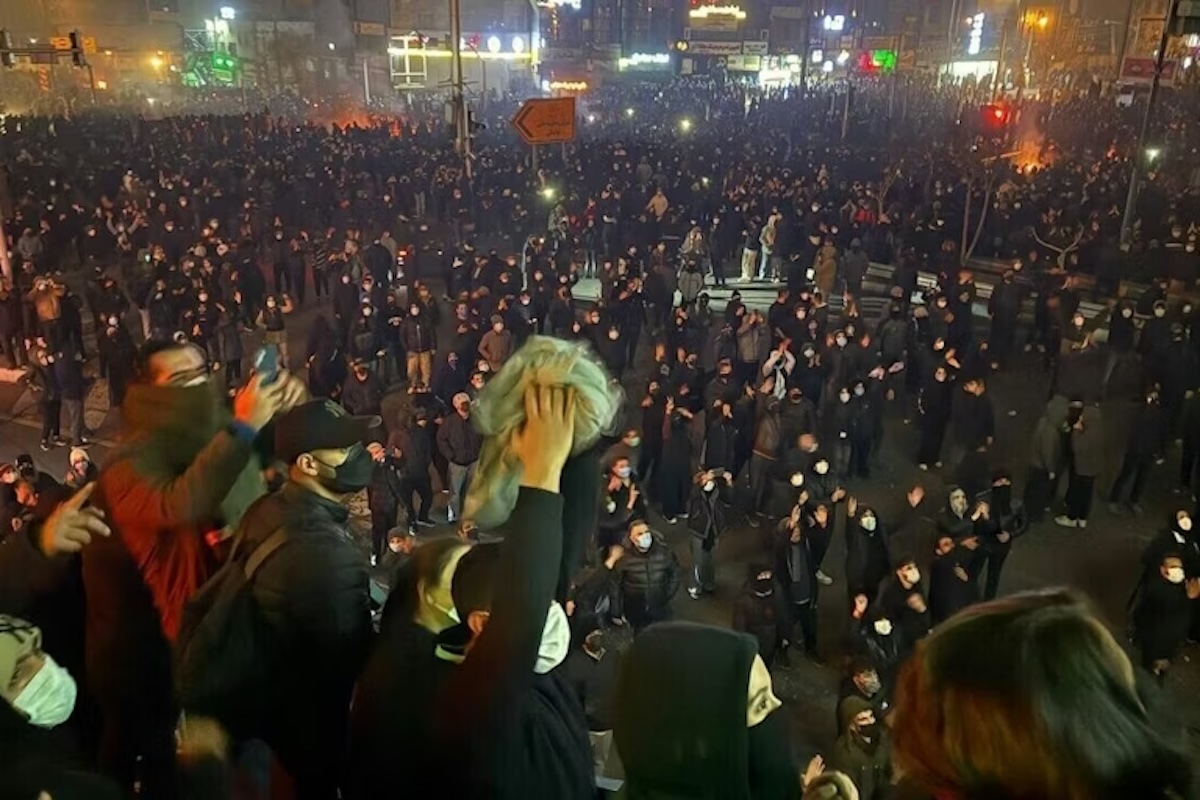
    New research reveals a profound transformation in Iranian society, with citizens demonstrating remarkable willingness to endure severe consequences in their pursuit of political change. Since the December 28 protests, estimates indicate over 500 fatalities and more than 10,000 arrests, though actual figures are believed to be substantially higher according to incoming reports.

    Conventional polling methods in Iran’s repressive environment have historically presented a distorted image of societal homogeneity. However, the Group for Analysing and Measuring Attitudes in Iran (Gamaan) has pioneered anonymous internet-based surveying techniques that provide unprecedented insight into genuine public sentiment. By collaborating with Psiphon VPN services—utilized by approximately 90% of Iranian internet users to bypass government restrictions—Gamaan has collected representative samples ranging from tens of thousands to over 100,000 respondents.

    The research demonstrates that approximately 70-80% of Iranians across all demographics—including provincial, rural, urban, age, and gender divisions—express no support for the Islamic Republic. This sentiment crystallized during the 2022 “Woman, Life, Freedom” protests, where 70% of respondents rejected compulsory hijab laws.

    Recent developments have significantly altered the political landscape. Iran’s military capabilities were substantially weakened during the September 2025 12-day conflict with Israel, which resulted in numerous senior commander casualties. Concurrently, the regime has experienced cultural deterioration—evidenced by its diminished capacity to enforce religious dress codes—and economic collapse characterized by currency devaluation.

    The surveys indicate that most Iranians view protests, international pressure, and external intervention as more effective mechanisms for change than electoral processes or internal reforms. This perspective intensified following unprecedented statements from a US president threatening intervention should protesters face lethal force, coupled with the military abduction of Venezuelan President Nicolás Maduro, a key Iranian ally.

    Regarding political alternatives, 89% of respondents support establishing a democratic system, though support for political liberalism remains more nuanced. Notably, 2025 witnessed increased monarchist sentiment, with Reza Pahlavi attracting approximately one-third strong support, one-third strong opposition, and one-third moderate or undecided respondents. His popularity varies significantly across ethnic minority regions.

    The research concludes that while nationalist sentiments may provide revolutionary momentum, sustainable stability post-regime change will require embracing Iran’s inherent cultural and ideological diversity within a genuinely free nation.

  • 2025 in review: Resilience amid headwinds

    2025 in review: Resilience amid headwinds

    The year 2025 emerged as a pivotal juncture for global climate governance, marked by unprecedented environmental challenges and deteriorating international cooperation. Scientific data revealed alarming milestones as the 2015-2025 period became the first three-year span to breach the Paris Agreement’s critical 1.5°C threshold above preindustrial levels, according to the Copernicus Climate Change Service.

    Environmental catastrophes escalated globally, beginning with devastating wildfires in California’s Los Angeles area, followed by record-breaking European heatwaves, and culminating in severe flooding across Southeast and South Asia. The Arctic experienced its warmest recorded period from October 2024 to September 2025 since records began in 1900, per NOAA’s Arctic Report Card.

    The Global Tipping Points Report 2025, compiled by 160 researchers, warned that exceeding the 1.5°C limit places Earth in a danger zone of catastrophic climate tipping points. Professor Zhang Jian of Tsinghua University emphasized that climate change represents a nontraditional security threat with systemic impacts on economic stability and food security through increasingly frequent extreme weather events.

    However, multilateral cooperation suffered significant setbacks as geopolitical tensions intensified. The United States under President Donald Trump formally withdrew from the Paris Agreement, accompanied by environmental regulation rollbacks and climate science funding cuts. Experts described this move as creating substantial uncertainty for global climate financing and emission reduction efforts.

    Ma Jun, Director of the Institute of Public and Environmental Affairs, noted that current geopolitical fragmentation has collapsed mutual trust between nations, transforming climate governance from a collective existential threat into a complex arena involving development rights and green economic competition. Professor Sun Yixian of the University of Bath attributed Western climate backtracking to benefit allocation conflicts during green transitions, where national interest group politics increasingly override global cooperation imperatives.

    The convergence of scientific urgency and political disunity created a paradoxical tenth anniversary of the Paris Agreement, testing humanity’s collective resilience against escalating climate threats.

  • Why megastar boy band BTS never really went away

    Why megastar boy band BTS never really went away

    After nearly four years of anticipation, global music phenomenon BTS is poised for an extraordinary return to the international stage with confirmation of both a new album and extensive world tour. The seven-member K-pop ensemble completed their mandatory military service requirements in South Korea through a strategically staggered approach that concluded in mid-2025.

    The band’s hiatus, which began in 2022, saw a deliberate management of their public presence through solo projects and individual content releases. While Spotify data indicates a 24% decline in global streams during 2023 and a further 30% decrease in 2024, these figures fail to capture the sustained engagement maintained through carefully orchestrated solo endeavors.

    Dr. Felicity Davies, an expert in South Korean cultural studies, explains the sophisticated approach to the military hiatus: “Rather than experiencing a complete absence, fans received a calculated drip-feed of material. This included solo albums, individual tours, and personal live streams that maintained connection during the service period.”

    The upcoming tour announcement represents the first full-group concert series since their ‘Permission to Dance on Stage’ tour in 2021-2022. Industry analysts anticipate significantly larger scale production and more extensive global dates than previous tours.

    Dedicated fans like UK-based Ashia Davies exemplify the unwavering support within the ARMY fanbase. “I can’t let BTS be in the UK and not be at the concert,” she states, noting her willingness to travel internationally if necessary to secure tickets. Her last experience seeing the group live was during their historic 2019 Wembley Stadium performances.

    The return carries significance beyond music, representing a revitalization of the Hallyu (Korean Wave) cultural movement. Despite periodic predictions of decline, Korean cultural exports continue demonstrating remarkable global resilience, with recent successes like the Golden Globe-winning ‘K-Pop Demon Hunters’ film.

    Young fans like 22-year-old Lauryn Adene from Buckingham express confidence in the group’s continued artistic relevance: “They have a special bond between themselves and between their fans. It’s like a puzzle where all the pieces fit together really nicely—whatever they create, I trust it will be exceptional.”

  • Pingju Opera reaches out to new audiences

    Pingju Opera reaches out to new audiences

    In the historic corridors of Tianjin’s Red Flag Theater, a centuries-old artistic tradition is undergoing a remarkable transformation. Pingju Opera, one of China’s five major opera genres recognized as national intangible cultural heritage, is reinventing itself for the digital age while preserving its distinctive performance techniques.

    The theater, established in 1958 and alternatively known as Tianjin Pingju Opera Theater, serves as the guardian of this unique art form. Director Zeng Zhaojuan explains the demanding craftsmanship involved: “Moves such as ‘water-sleeve throwing’ and ‘handkerchief flipping’ require a grueling six-year training period.” These techniques involve sophisticated manipulation of costumes and props through precise wrist movements that create mesmerizing visual effects.

    Originating in late 19th-century marketplaces of Tianjin and neighboring Tangshan, Pingju Opera distinguished itself as the first major Chinese opera performed in common vernacular. Its early performances addressed social injustices and domestic scandals relevant to working-class audiences, with pioneering artists like Li Jinshun, Liu Cuixia, and Ai Lianjun transforming the folk tradition into a national phenomenon from humble teahouse beginnings.

    The contemporary iteration represents a significant evolution from its street performance origins. As young lead actor Li Xuanjie notes: “Pingju Opera has progressed from intimate one or two-actor shows to modern epics featuring 150 performers.” Productions like “The Legend of the Seal,” “Zhao Jintang,” and “Revolutionary Family” have earned China’s prestigious Splendor Award, the highest government recognition for theatrical excellence.

    Facing unprecedented competition from digital media, the theater has implemented multifaceted strategies to engage younger demographics. Their “Opera Entering Campus” initiative brings Pingju to universities including Tianjin Normal University and Tianjin University of Technology. Students experience immersive workshops featuring on-stage drama classes followed by backstage explorations of makeup and costuming processes.

    The theater has also embraced digital outreach through short videos and livestreams while pursuing innovative collaborations. A notable 2025 partnership with cross-talk celebrity Guo Degang merged traditional opera with contemporary comedy fan bases, creating unexpected audience crossovers.

    International engagement forms another crucial dimension of the renewal strategy. Recent visits by journalists from the United States, Italy, and other countries included unprecedented backstage access, revealing narrative parallels between Pingju classics like “Du Shiniang” and Shakespeare’s “Romeo and Juliet.” These cross-cultural exchanges reposition Pingju not merely as local heritage but as a globally accessible narrative form capable of transcending cultural boundaries.

    Director Zeng articulates the dual mission: “We insist on both preserving classics and creating modern works that reflect the spirit of the times.” This balanced approach aims to address the central challenge of attracting both young performers and audiences while ensuring the art form’s continuity for future generations.

  • Online platform helps deputies solve locals’ problems

    Online platform helps deputies solve locals’ problems

    In Yuci District of Jinzhong City, Shanxi Province, a technological innovation is transforming how local representatives address community concerns. The ‘Smart People’s Congress’ platform, launched in 2021 after three years of development, has become a cornerstone of digital governance, enabling unprecedented connectivity between deputies and constituents.

    The platform’s effectiveness was demonstrated during recent winter months when heating inadequacies emerged as a primary concern. Resident Feng Jingkai reported uncomfortably low indoor temperatures through the system after failing to reach customer service via traditional channels. Deputy Cao Xinsheng, 52, immediately coordinated with community officials and heating company representatives to address the issue comprehensively.

    Rather than treating this as an isolated complaint, Cao leveraged the platform to identify systemic patterns. ‘Serving the public isn’t about solving individual issues in isolation,’ Cao explained. ‘It’s about integrating common demands to extend services to broader populations.’

    The resulting solution involved comprehensive optimization measures: the heating company implemented grid-based service coverage with employees joining residential WeChat groups, while establishing a dedicated hotline guaranteeing two-hour response times for heating concerns.

    Technologically, the platform features ten core sections including supervision mechanisms and deputy suggestion management. Each representative receives a unique QR code that citizens can scan to leave messages directly, creating what deputy Chen Liyuan describes as ‘all-time, zero-distance contact’ between officials and community members.

    The data speaks to its success: deputies have uploaded over 21,000 performance records, interacted with citizens more than 600 times, and resolved 606 civil issues through the system. The platform also generates electronic performance files for each deputy, enhancing accountability and service tracking.

    Beyond immediate problem-solving, the technology has facilitated policy development. Deputy Chen Liyuan utilized gathered public opinions to propose elderly care initiatives that resulted in four municipal government documents strengthening senior service development.

    Platform manager Duan Wenyan emphasizes the transformation from ‘scheduled offline meetings to all-time availability,’ while Deputy Cao sees the technology as essential for modern governance: ‘By leveraging digital convenience, we build bridges between the public and government.’

  • ‘Lost essentially everything else’: Woman fighting breast cancer loses home to Victorian bushfires on same day mother dies

    ‘Lost essentially everything else’: Woman fighting breast cancer loses home to Victorian bushfires on same day mother dies

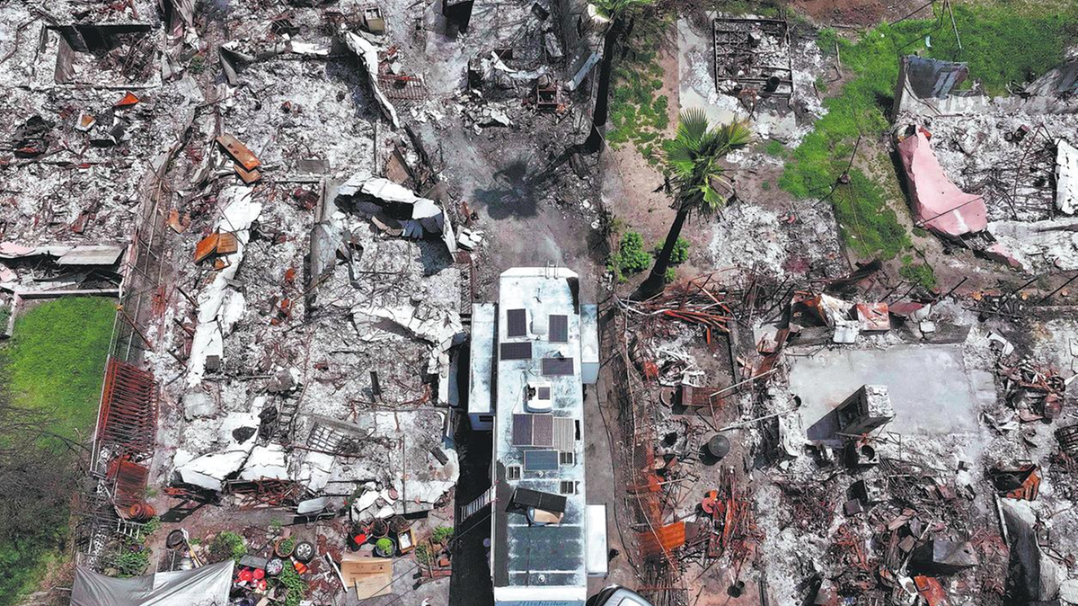
    Amidst the catastrophic bushfires ravaging Victoria, deeply personal stories of profound loss and resilience are emerging from affected communities. These narratives reveal the multi-layered devastation confronting residents as structural losses surpass 350 properties statewide.

    In an extraordinary convergence of misfortune, Harcourt resident Mandy Dashwood experienced two life-altering events simultaneously—the destruction of her home occurred on the very day her mother passed away. Compounding these tragedies, Ms. Dashwood is currently undergoing treatment for breast cancer. Her niece, Remi Goldrick, established a crowdfunding campaign to support recovery efforts, noting that while insurance provides some coverage, it cannot compensate for the immense personal toll and lost time required for rebuilding. Describing her aunt as having created ‘a beautiful sanctuary filled with love,’ Ms. Goldrick emphasized that Ms. Dashwood has dedicated years to assisting vulnerable Australians experiencing domestic violence.

    Another heartbreaking account involves Lynda Quinton, a single mother of five whose Harcourt property was ‘absolutely decimated’ by the uncontrolled blazes. The family escaped with minimal possessions—a few photographs and their pets—while losing virtually all other belongings including clothing, furniture, and household essentials. Ms. Quinton, deeply embedded in the local community through her children’s school attendance and participation in community events, now faces complete displacement.

    Further north in Longwood, Ruben and Carolina Fuentes witnessed their family farmhouse—described as the ‘heart of their farm’—destroyed within hours. The couple lost essential infrastructure, equipment, tools, and irreplaceable family memorabilia. Their son Rueben noted the particular cruelty of their situation given their extensive volunteer work with a fortnightly food bank program that supports migrants with meals and clothing.

    These individual stories reflect the broader crisis as fire authorities continue combating uncontrolled blazes across Victoria. The emerging pattern reveals not just property destruction but the complete unraveling of lives, livelihoods, and community networks, with recovery expected to involve extensive and costly cleanup operations before rebuilding can commence.

  • French farmers drive 350 tractors to Parliament to protest low incomes and EU trade deal

    French farmers drive 350 tractors to Parliament to protest low incomes and EU trade deal

    PARIS — Hundreds of French farmers mobilized approximately 350 tractors in a dramatic protest through central Paris on Tuesday, converging toward the National Assembly to voice vehement opposition to the impending EU-Mercosur trade agreement and demand urgent government action on declining agricultural incomes.

    The convoy of agricultural vehicles, escorted by police units, created significant traffic disruptions along iconic Parisian thoroughfares including the Champs-Elysees before crossing the Seine River. The carefully coordinated demonstration targeted lawmakers during critical legislative sessions, emphasizing farmers’ growing frustration with economic pressures they attribute to both domestic policy failures and international trade negotiations.

    Agricultural unions organizing the protest issued explicit demands for “concrete and immediate action” to protect France’s food sovereignty. The movement reflects escalating tensions across European farming communities facing multiple challenges including rising production costs, environmental regulations, and competition from imported goods.

    Government spokesperson Maud Bregeon acknowledged the concerns during a national television appearance, promising imminent policy announcements to address the agricultural crisis. Despite the French government’s official opposition to the EU-Mercosur pact, the agreement appears poised for ratification during Saturday’s signing ceremony in Paraguay, supported by majority consensus within the European Union.

    The controversial trade deal with Mercosur nations (Brazil, Argentina, Bolivia, Paraguay, and Uruguay) has drawn sustained criticism from European agricultural sectors who argue it would undermine local producers through increased market penetration of cheaper imported goods produced under different environmental and quality standards.

  • Adelaide Writers Week canceled as 180 speakers withdraw after the exclusion of a Palestinian writer

    Adelaide Writers Week canceled as 180 speakers withdraw after the exclusion of a Palestinian writer

    Australia’s premier literary gathering, Adelaide Writers Week, has been abruptly canceled following the withdrawal of over 180 authors and speakers in protest of the disinvitation of prominent Australian-Palestinian writer Dr. Randa Abdel-Fattah. The festival’s board initially rescinded Abdel-Fattah’s invitation on January 8th, citing unspecified “previous statements” and cultural sensitivities following December’s antisemitic mass shooting at Sydney’s Bondi Beach that killed 15 people.

    The board emphasized that their decision was unrelated to any connection between Abdel-Fattah’s work and the tragedy, though they provided no specific examples of problematic statements. The author, known for her fiction and nonfiction works addressing Islamophobia, condemned the move as outright censorship, arguing the board had effectively declared her “mere presence” culturally insensitive.

    The controversy escalated dramatically as literary luminaries including British novelist Zadie Smith and former New Zealand Prime Minister Jacinda Ardern joined the boycott. Festival Director Louise Adler, identifying as Jewish Australian, resigned in protest, stating she could not “be party to silencing writers.” By Tuesday, approximately 70% of scheduled participants had withdrawn, forcing complete cancellation of the event scheduled for late February.

    The festival organization issued an apology on Facebook for “how the decision was represented” but maintained their action reflected “a continuing rapid shift in the national discourse around freedom of expression” post-terror attack. Abdel-Fattah rejected this apology as insufficient, calling her exclusion “a blatant act of anti-Palestinian racism.”

    Background lobbying emerged from the Jewish Community Council of South Australia, with state Premier Peter Malinauskus supporting Abdel-Fattah’s removal. The cancellation carries significant economic impact—the 2025 event attracted 160,000 attendees and generated millions in revenue alongside hundreds of jobs.

    This cultural firestorm unfolds amid Australia’s broader national reckoning with hate speech legislation and public discourse boundaries following the Bondi massacre. Prime Minister Anthony Albanese has announced tightened gun controls, lowered thresholds for hate speech prosecutions, and a royal commission into antisemitism, with a national day of mourning scheduled for January 22.